Tennessee is changing right before our eyes. Cities that were once quiet towns are now bustling with new neighborhoods, shopping centers, and traffic jams that would have been unthinkable just a decade ago.
From the outskirts of Nashville to communities near Memphis and Knoxville, growth is reshaping the state in ways that surprise even longtime residents.
1. Lebanon
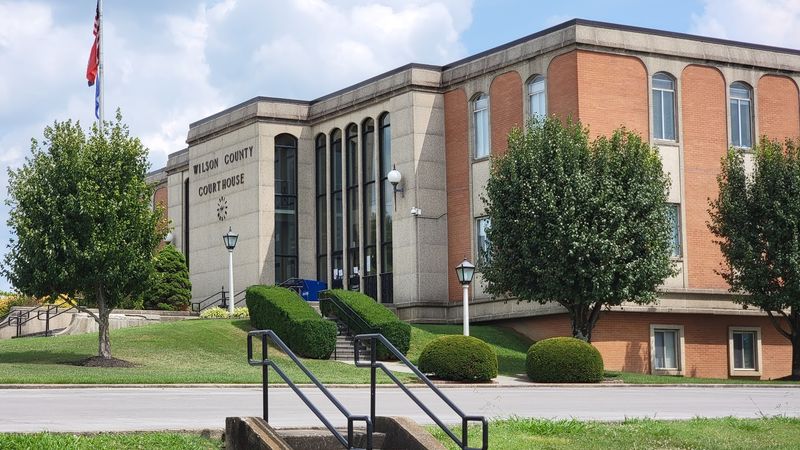
People who remember Lebanon as a modest county seat are doing a double-take these days. The city has transformed into one of Middle Tennessee’s most dramatic success stories, with cranes dotting the skyline and “Coming Soon” signs popping up faster than anyone can count.
What used to be farmland on the edges of town now hosts entire neighborhoods filled with young families.
The appeal isn’t hard to understand. Lebanon sits close enough to Nashville for an easy commute but far enough out that housing prices haven’t reached the stratospheric levels found closer to Music City.
That sweet spot has made it irresistible to people who want modern amenities without breaking the bank. New restaurants, coffee shops, and retail centers keep opening to serve the growing population.
Employment opportunities have expanded right alongside the residential boom. Local businesses are hiring, and several major employers have established operations in the area.
The job market here isn’t just about driving into Nashville anymore—people can actually work where they live.
Wilson County’s school system has had to scramble to keep up with all the new students, building additional facilities and hiring more teachers. Traffic patterns have changed completely, with intersections that used to be sleepy now requiring careful timing during rush hour.
Long-term residents sometimes express mixed feelings about the transformation, missing the quieter days while acknowledging the economic benefits.
Infrastructure improvements continue at a steady clip as the city works to accommodate its expanding population. Water lines, roads, and public services all need constant attention.
Lebanon’s growth shows no signs of slowing down, and city planners are already preparing for the next wave of development that seems inevitable.
2. White House
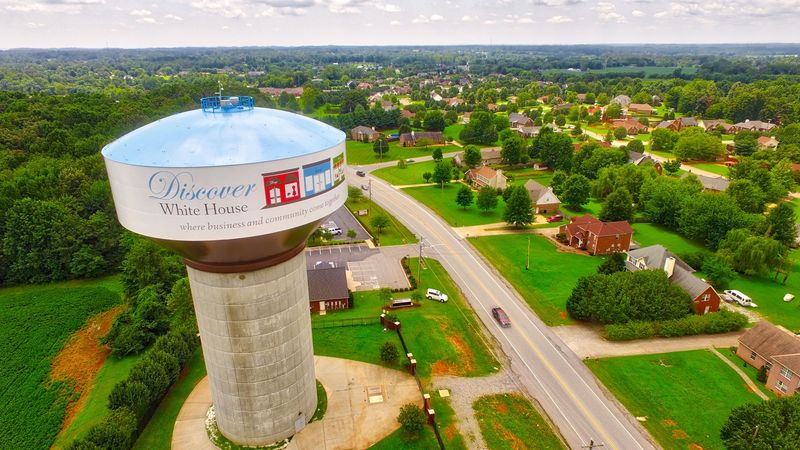
White House earned its name from a historic inn, but these days it’s earning attention for an entirely different reason. This Sumner County city has exploded with growth as Nashville’s sprawl reaches northward.
What was once a blink-and-you-miss-it community has become a full-fledged suburb with all the conveniences modern families expect.
Developers have been busy transforming pastures into planned communities at a pace that sometimes feels dizzying. Each new subdivision seems to fill up almost as soon as the first homes are completed.
The appeal is straightforward: newer construction, good schools, and reasonable prices compared to areas closer to downtown Nashville.
Local businesses have rushed to meet the needs of all these newcomers. Shopping centers that didn’t exist five years ago now anchor busy intersections.
Chain restaurants have arrived alongside local eateries hoping to establish themselves with the growing customer base. The commercial district keeps expanding to serve a population that has roughly doubled in recent years.
Schools have experienced perhaps the most dramatic impact, with enrollment numbers climbing year after year. The district has had to add classrooms, hire staff, and adjust to serving a much larger and more diverse student body.
Parents often cite the education system as one reason they chose White House in the first place.
Highway 76 and Interstate 65 provide crucial connections that make White House viable for commuters. The drive into Nashville is manageable, though traffic has definitely increased as more people make the journey daily.
City officials continue working on infrastructure projects to support the population boom, knowing that more growth is coming whether they’re ready or not.
3. Alcoa
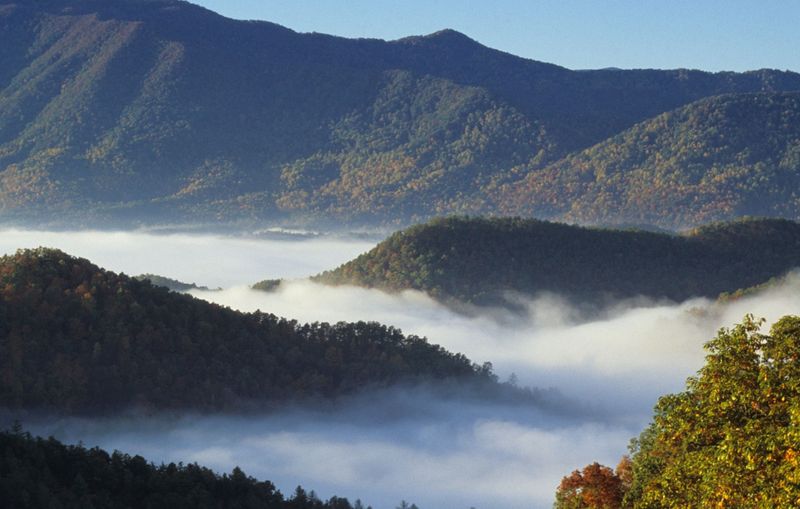
Tucked between Knoxville, Maryville, and the Great Smoky Mountains, Alcoa occupies prime real estate in East Tennessee. The city’s location has always been its greatest asset, but only recently has growth really accelerated.
Named after the aluminum company that put it on the map, Alcoa has evolved far beyond its industrial roots into a thriving residential community.
The McGhee Tyson Airport sits right in Alcoa’s backyard, making it incredibly convenient for travelers and attractive to businesses. That accessibility has helped draw new residents who appreciate being close to major transportation hubs.
The airport’s presence also means economic activity that creates jobs and supports local commerce.
Housing developments have spread across available land as people discover what Alcoa offers. The city provides easy access to outdoor recreation in the Smokies while maintaining urban conveniences.
Grocery stores, medical facilities, and entertainment options are all readily available. It’s a combination that appeals to retirees, young professionals, and families alike.
Blount County’s overall growth has lifted Alcoa along with neighboring Maryville. The two cities have essentially grown together, creating a larger metropolitan area that shares resources and amenities.
Restaurants and shops in Alcoa benefit from customers throughout the region, not just local residents.
Schools in the area maintain solid reputations, which matters tremendously to families making relocation decisions. The education factor combined with reasonable housing costs creates an attractive package.
Alcoa’s growth may not make headlines like some Middle Tennessee cities, but the numbers tell a clear story of steady, sustained expansion that has transformed this East Tennessee community into something much larger than it was just ten years ago.
4. Lenoir City
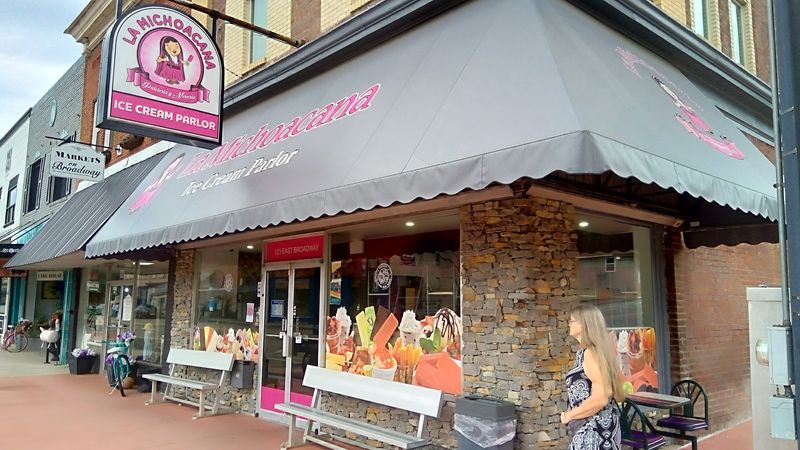
Loudon County has been one of Tennessee’s growth hotspots, and Lenoir City sits right in the middle of the action. Positioned between Knoxville and several popular recreational lakes, this city has seen remarkable transformation as people discover its advantages.
The combination of affordability, location, and lifestyle options has proven irresistible to newcomers.
Fort Loudoun Lake and Tellico Lake provide recreational opportunities that enhance quality of life considerably. Boating, fishing, and waterfront living attract people looking for more than just a place to sleep at night.
Some neighborhoods offer lake access or views, adding appeal for buyers who want that connection to the water without paying premium prices found in more established areas.
Commercial development has followed residential growth in predictable fashion. New shopping centers, medical facilities, and restaurants have opened to serve the expanding population.
The retail landscape looks completely different than it did a decade ago, with national chains joining local businesses along the main corridors.
Lenoir City’s proximity to Knoxville makes commuting feasible for people who work in the bigger city but prefer a smaller-town atmosphere at home. That commuter-friendly distance has been crucial to growth, allowing the city to function as a bedroom community while developing its own identity and amenities.
Schools have adapted to serve more students, and city services have expanded accordingly. Infrastructure improvements continue as officials try to stay ahead of development.
The pace of change has been substantial enough that longtime residents sometimes struggle to recognize their own community. Lenoir City’s growth story is far from finished, with plenty of developable land still available and demand showing no signs of weakening.
5. Oakland
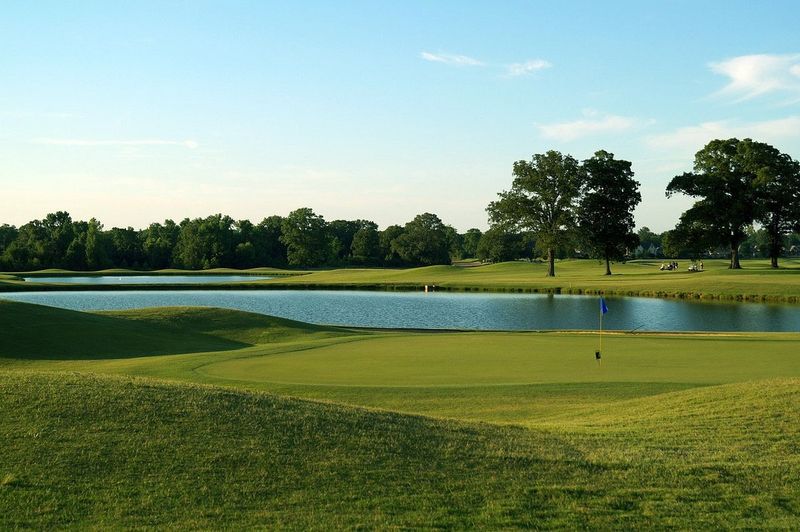
Fayette County’s Oakland has emerged as a surprising growth story in West Tennessee. Located east of Memphis, this city has become increasingly popular with people seeking newer homes and a quieter setting while maintaining access to the Memphis metro area.
The transformation has been striking for a community that was truly small-town just a few years back.
Families have driven much of Oakland’s expansion, drawn by good schools and safe neighborhoods. The Fayette County school system has a strong reputation, which matters enormously to parents making decisions about where to raise kids.
That educational factor alone has motivated many relocations, with families willing to commute into Memphis for work in exchange for better schools.
New subdivisions have changed Oakland’s landscape dramatically. Developers have built entire neighborhoods of modern homes that appeal to buyers wanting current floor plans and updated features.
The housing stock here tends to be newer than what’s available in many Memphis suburbs, giving Oakland a distinct advantage in the market.
The city maintains a more relaxed pace than urban areas, which residents appreciate after dealing with Memphis traffic and congestion. Oakland offers breathing room—both literally and figuratively—that feels increasingly valuable in today’s hectic world.
Parks, open spaces, and a genuine small-town atmosphere provide quality of life benefits that subdivisions closer to the city can’t match.
Commercial development has lagged somewhat behind residential growth, meaning Oakland residents still drive to neighboring communities or Memphis for many shopping and dining needs. That’s slowly changing as businesses recognize the opportunity presented by the growing population.
City officials work to attract appropriate retail and services while preserving the community character that drew people here in the first place. Oakland’s growth continues steadily, fueled by Memphis-area families seeking something different.
6. Gallatin
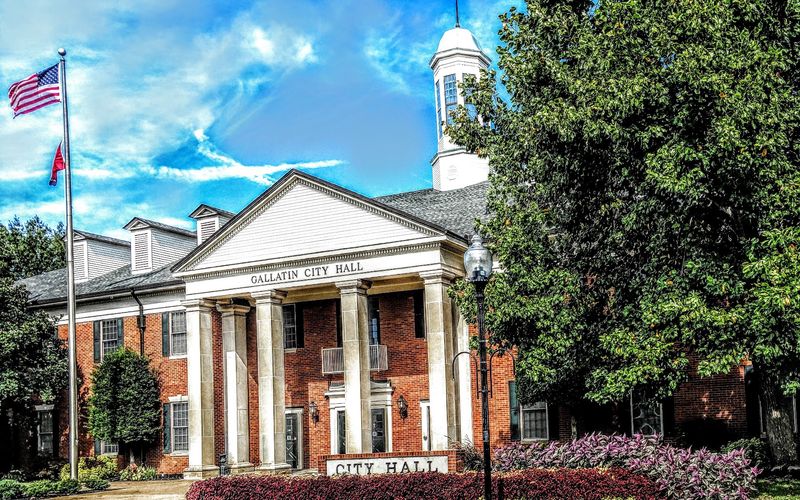
Gallatin has become synonymous with growth in Sumner County, expanding at a pace that sometimes seems hard to believe. The city has added neighborhoods, shopping centers, restaurants, and businesses at a rate that has completely transformed its character.
What was once primarily a historic county seat has evolved into a major Middle Tennessee destination.
The retail landscape tells the growth story clearly. Big-box stores, chain restaurants, and shopping centers line the main corridors, creating a commercial district that serves a much larger population than Gallatin alone.
People drive from surrounding communities to shop here, making the city a regional hub rather than just a local destination.
New neighborhoods continue sprouting across available land, with builders struggling to keep up with demand. Homes sell quickly, often before construction is complete.
The combination of good schools, convenient access to Nashville, and relatively affordable housing creates powerful appeal. Gallatin offers suburban amenities with a bit more character than some newer developments.
Downtown Gallatin has experienced its own renaissance, with historic buildings renovated and new businesses opening. The downtown district provides a counterpoint to the suburban sprawl elsewhere in the city, offering walkability and charm.
Local officials have invested in making the historic core attractive, recognizing its value to the community’s identity.
Schools add capacity regularly, and city services expand to cover more territory and more residents. Gallatin’s growth shows no signs of stopping, with the city positioned perfectly to capture Nashville overflow for years to come.
The transformation has been remarkable, turning Gallatin into one of Middle Tennessee’s true success stories.
7. Spring Hill
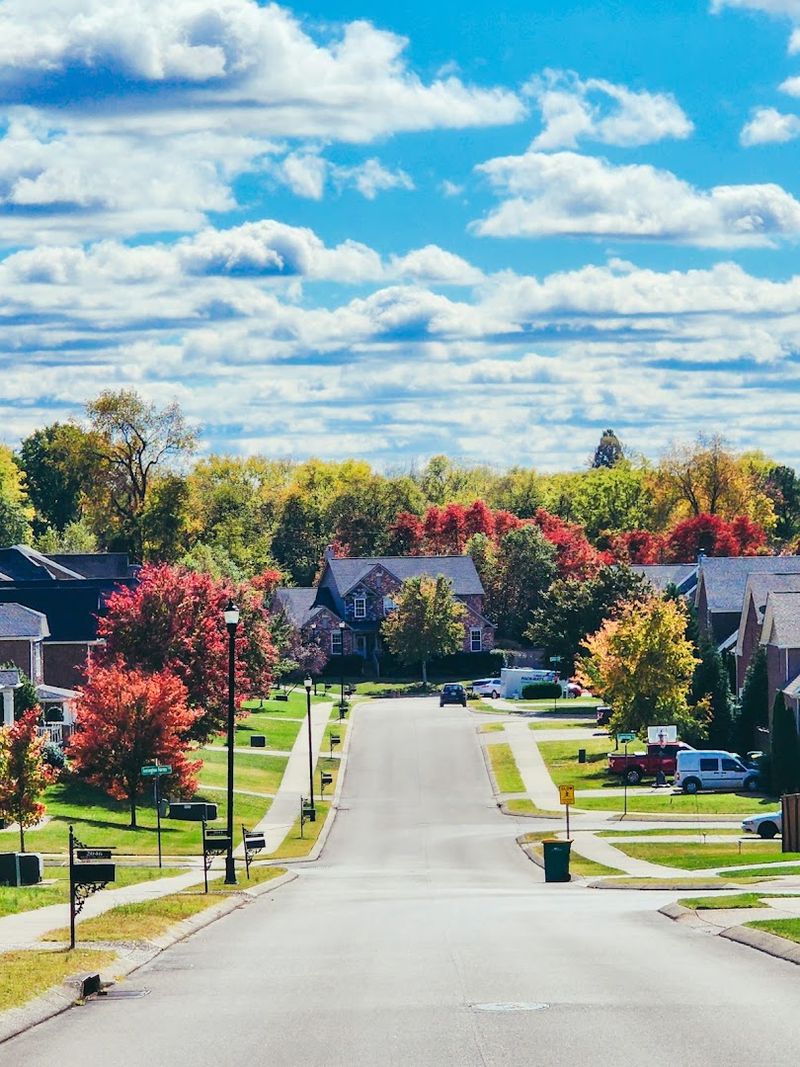
Few Tennessee cities have grown as dramatically as Spring Hill. This Williamson and Maury County community has exploded with development as Nashville’s growth spreads southward.
The pace has been absolutely striking, with farmland transforming into subdivisions seemingly overnight. What was once a rural area is now a full-fledged suburb with all the conveniences and challenges that come with rapid expansion.
General Motors’ Saturn plant originally put Spring Hill on the map, though the automotive connection has evolved over the years. These days, residential growth drives the city’s expansion.
Developers have built thousands of homes across Spring Hill, creating entirely new neighborhoods where cattle grazed just a few years ago. The housing boom has been relentless.
Williamson County’s reputation for excellent schools makes the Spring Hill area particularly attractive to families. Parents willing to pay premium prices for top-rated education have flocked here, pushing demand and prices upward.
The school system has struggled at times to accommodate all the new students, building schools and hiring teachers as fast as possible.
Commercial development has rushed to catch up with residential growth. Shopping centers, restaurants, grocery stores, and service businesses have opened across the city.
Spring Hill now offers amenities that residents previously had to drive to Franklin or Nashville to access. The retail landscape continues evolving as businesses recognize the opportunity presented by the growing population.
Traffic has become a significant issue as more people move in and roads struggle to handle the volume. Saturn Parkway and other main routes see heavy congestion during peak times.
Infrastructure improvements remain a constant priority for city officials dealing with growth that exceeded even optimistic projections. Spring Hill’s expansion continues aggressively, fueled by its location in desirable Williamson County and proximity to Nashville.
The city that barely existed on maps twenty years ago now ranks among Tennessee’s fastest-growing communities.
8. Columbia
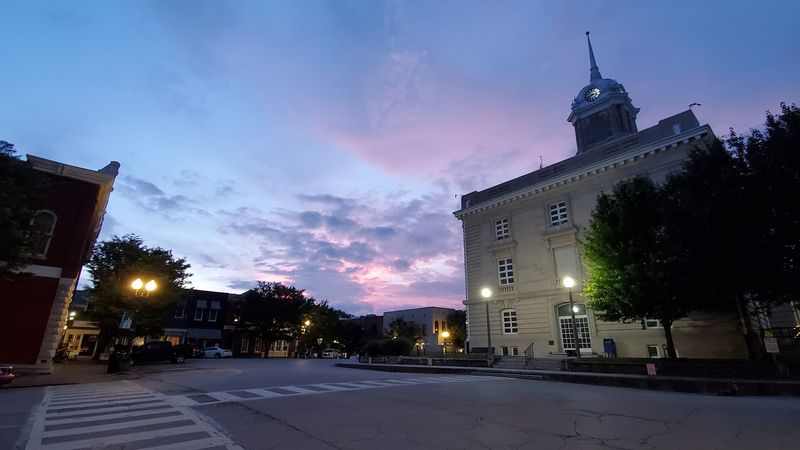
Columbia has emerged as an interesting alternative in the Nashville region, attracting people who want access to Music City without paying the premium prices. Maury County’s seat has experienced notable growth as buyers discover what it offers.
The city provides a genuine downtown, historic character, and housing costs that remain within reach for middle-class families—a combination increasingly rare in Middle Tennessee.
Downtown Columbia has undergone significant revitalization, with historic buildings restored and new businesses opening. The square maintains authentic small-town charm while offering modern amenities.
Local shops, restaurants, and entertainment venues create a walkable downtown that feels like a real community center rather than a manufactured development.
Housing affordability represents Columbia’s biggest draw for many newcomers. While prices have certainly risen with increased demand, they remain considerably lower than in Williamson County or closer Nashville suburbs.
That difference matters tremendously to first-time buyers, young families, and anyone priced out of more expensive markets. Columbia offers a way into the Nashville region that doesn’t require financial gymnastics.
The commute to Nashville is manageable via Highway 31 or I-65, though it’s definitely longer than from closer suburbs. People making this choice prioritize affordability and lifestyle over convenience, accepting the longer drive in exchange for better housing value.
Remote workers have found Columbia particularly appealing, since they don’t commute daily.
Maury County’s schools serve the growing population, and the area maintains a more relaxed pace than urban environments. Columbia feels like an actual town with history and identity, not just another cookie-cutter suburb.
That authenticity appeals to people tired of generic development. Growth continues as more people discover Columbia’s advantages, though the pace remains steadier than some nearby cities experiencing explosive expansion.
The city’s future looks bright as the Nashville region keeps growing outward.
9. Smyrna
Smyrna’s location between Nashville and Murfreesboro has proven golden for growth. The Rutherford County city offers convenient interstate access, strong employment opportunities, and proximity to two major Tennessee cities.
That combination has made Smyrna increasingly popular with people who want options for work, shopping, and entertainment without committing to a specific direction.
Nissan’s massive assembly plant anchors Smyrna’s economy and provides thousands of jobs. The automotive facility has been a growth engine for decades, attracting workers and supporting businesses.
Beyond Nissan, numerous other employers have established operations in Smyrna, creating a diverse job market. People can actually work locally rather than commuting elsewhere—a significant advantage.
I-24 cuts right through Smyrna, making transportation incredibly convenient. Nashville lies just minutes west, while Murfreesboro sits equally close to the east.
That positioning allows residents to access amenities and opportunities in multiple directions. The interstate also attracts businesses looking for distribution centers and operations requiring good highway access.
Residential development has filled in available land steadily over the years. Smyrna offers a mix of established neighborhoods and newer subdivisions, providing options for different preferences and budgets.
The housing market remains active, with homes selling relatively quickly to buyers who recognize the city’s advantages.
Shopping, dining, and entertainment options continue expanding as the population grows. Smyrna has transformed from a small town into a legitimate city, though it maintains more affordability than some nearby communities.
Growth continues driven by employment, location, and accessibility—factors that aren’t changing anytime soon.
10. Mount Juliet

Mount Juliet’s transformation ranks among the most dramatic in Middle Tennessee. Western Wilson County has experienced explosive growth, and Mount Juliet sits at the epicenter.
The city has added thousands of residents, countless homes, and entire commercial districts in a remarkably short time. People who knew Mount Juliet even ten years ago barely recognize it today.
The city’s location east of Nashville provides the foundation for its growth. Mount Juliet offers reasonable commuting distance to Music City while providing newer housing and a suburban lifestyle.
I-40 makes the drive straightforward, though traffic has definitely increased as more people make the journey daily. That Nashville connection remains crucial to Mount Juliet’s appeal.
Providence development has become synonymous with Mount Juliet’s growth, creating an entire master-planned community within the city. The massive project includes thousands of homes, shopping centers, restaurants, and amenities that function almost like a city within a city.
Providence alone has added enormous population to Mount Juliet, transforming the city’s demographics and character.
Retail development has exploded along Lebanon Road and Providence Boulevard. National chains, local businesses, restaurants, and service providers have rushed to serve the growing population.
The commercial landscape looks completely different than it did just a few years ago, with new centers opening regularly. Mount Juliet now offers shopping and dining options that residents previously had to drive elsewhere to access.
Schools have scrambled to keep pace, building new facilities and hiring staff constantly. Wilson County’s education system has been tested by the rapid growth but has generally maintained quality.
Infrastructure improvements continue as the city works to support its expanding population with adequate roads, utilities, and services. Mount Juliet’s growth story is far from finished, with development continuing across available land and no slowdown in sight.
11. Clarksville
Clarksville already ranked as one of Tennessee’s largest cities before the current growth wave, but it just keeps getting bigger. Montgomery County’s seat continues adding residents at an impressive clip, driven by Fort Campbell, economic development, and its position in the Nashville region.
The city’s growth differs from smaller communities on this list—Clarksville is expanding an already substantial base rather than transforming from small-town to suburb.
Fort Campbell’s presence shapes everything about Clarksville. The massive Army installation straddles the Tennessee-Kentucky border and employs thousands of military personnel and civilian workers.
Military families cycle through regularly, creating constant housing demand and supporting local businesses. The base provides economic stability that many cities would envy, essentially recession-proofing Clarksville’s economy.
Beyond the military connection, Clarksville has successfully attracted diverse employers and industries. The city actively pursues economic development, landing manufacturing facilities, distribution centers, and corporate operations.
That diversification strengthens the economy and provides opportunities beyond Fort Campbell. Jobs attract workers, who need housing, which drives construction and retail development in a self-reinforcing cycle.
Austin Peay State University adds another dimension to Clarksville’s growth, bringing students, faculty, and educational opportunities. The university contributes to the local economy and culture while providing higher education access for the region.
APSU’s presence helps make Clarksville feel like more than just a military town.
Residential development continues across the city and surrounding areas, with builders constructing homes for the steady stream of newcomers. Commercial corridors along Wilma Rudolph Boulevard and other main routes have expanded dramatically, offering shopping and dining options that rival much larger cities.
Clarksville’s growth trajectory points upward, supported by fundamentals that show no signs of weakening. The city that was already big just keeps getting bigger, cementing its status as a major Tennessee metropolitan area.
Share this story