Texas has a wild side that goes way beyond barbecue and cowboy boots. Scattered across the state are forgotten towns, crumbling buildings, and eerie structures that time left behind. These abandoned landmarks tell stories of boom-and-bust oil towns, historic battles, and communities that simply faded away.
Pack your camera, fuel up the car, and get ready to explore some of the creepiest road trips Texas has to offer.
1. The Baker Hotel (Mineral Wells)
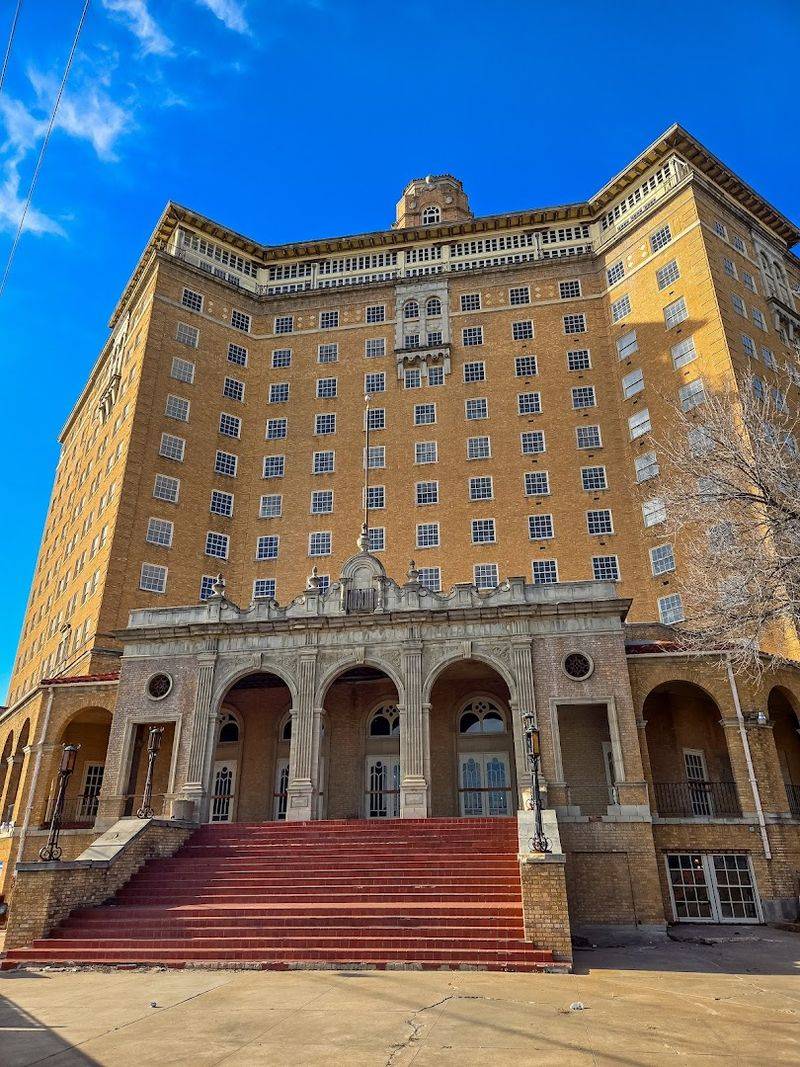
Standing 14 stories tall in downtown Mineral Wells, the Baker Hotel towers over everything around it like a ghost from another era. This Art Deco masterpiece opened in 1929 and quickly became the playground of celebrities, politicians, and folks seeking the healing powers of the town’s famous mineral water. Judy Garland, the Three Stooges, and even President Lyndon Johnson walked these halls back when the place sparkled with glamour.
The hotel closed its doors in 1972, and for decades it sat empty while rumors swirled about hauntings and mysterious happenings inside. People reported seeing figures in windows, hearing phantom music, and feeling cold spots in certain rooms. Whether you believe in ghosts or not, there’s something undeniably eerie about a once-grand hotel sitting silent and dark for so long.
The building fell into serious disrepair over the years, with crumbling ceilings, peeling paint, and nature slowly creeping inside. Restoration efforts have been underway recently, but the Baker still carries that abandoned vibe that draws curious visitors. The exterior alone is worth the trip, with its imposing height and vintage architectural details that photograph beautifully against the Texas sky.
Mineral Wells itself feels like a town caught between past and present. The downtown area has other historic buildings and antique shops worth exploring. The drive out here from Fort Worth takes about an hour and offers a nice mix of rolling hills and open country.
You can’t go inside the Baker Hotel without permission, but walking around the perimeter and snapping photos from the street is perfectly fine. Early morning or late afternoon light creates dramatic shadows that make the building look even more mysterious. Bring your best camera because this landmark practically begs to be photographed.
2. Jefferson’s Old Structures (East Texas)
Hard to imagine now, but this small East Texas town bustled with commerce and wealth during the mid-1800s. When the railroads bypassed Jefferson and a natural logjam on the Red River was cleared, the town’s fortune dried up almost overnight.
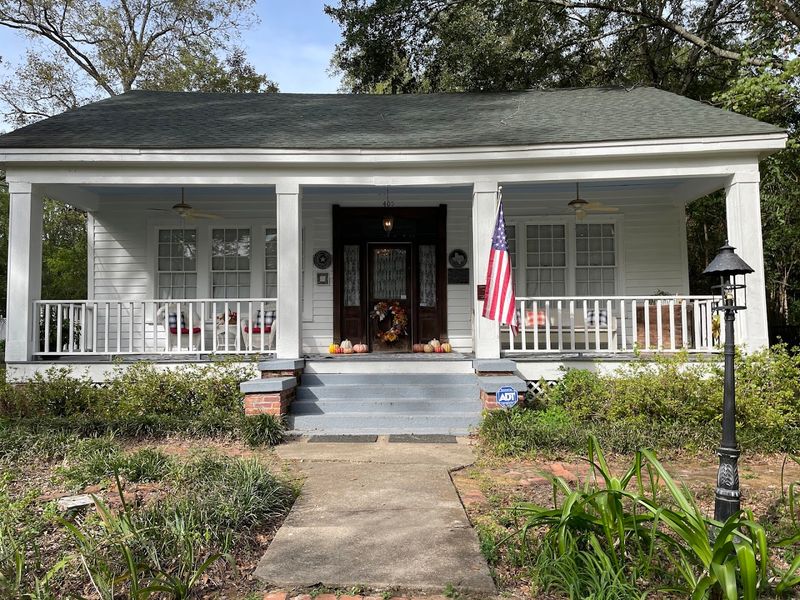
What makes Jefferson fascinating today is how much of the old architecture survived. Walking through certain neighborhoods feels like stepping into a time capsule. You’ll find abandoned storefronts with faded signs, old warehouses with broken windows, and homes slowly being reclaimed by kudzu and Virginia creeper vines.
The town leans hard into its haunted reputation, claiming to be one of the most ghost-filled places in Texas. Several historic buildings offer ghost tours, and locals will happily share stories about supernatural encounters. The Grove, a historic bed and breakfast, is famously said to be haunted by a woman who died there over a century ago.
Beyond the spooky stuff, Jefferson has genuine historical significance. The old structures represent different architectural styles from various periods of prosperity. Some buildings feature ornate ironwork and detailed brickwork that craftsmen don’t replicate anymore.
Photographers love the contrast between decay and beauty here.
The drive through East Texas to reach Jefferson is gorgeous, especially during fall when the leaves change colors. Pine forests give way to rolling hills, and you’ll pass through several other small towns worth a quick stop. Jefferson sits near Caddo Lake, which has its own eerie atmosphere with Spanish moss hanging from cypress trees.
Many of the abandoned structures are on private property, so respect boundaries and stick to public areas. The downtown historic district is walkable and safe for exploration during daylight hours.
3. Clifton Mill Ruins (Bosque County)
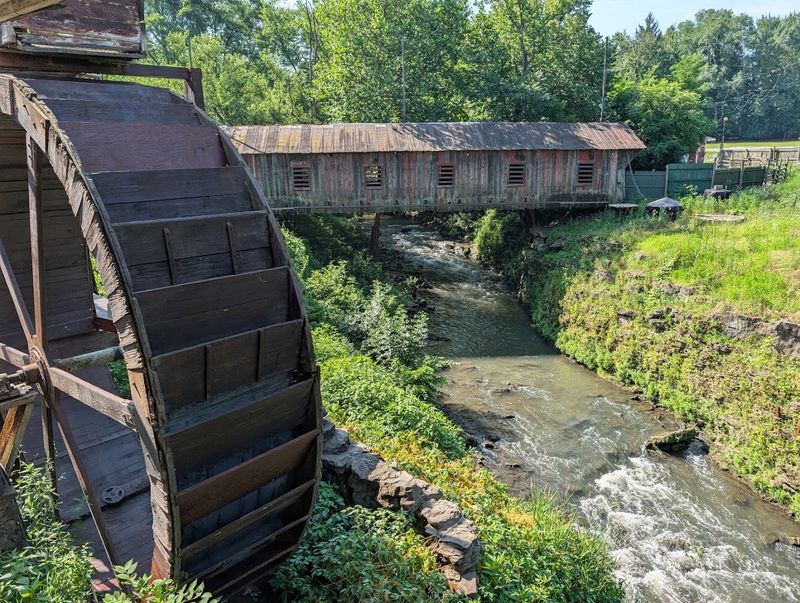
Out in Bosque County, where the land rolls gently and limestone outcroppings dot the landscape, you’ll find the remains of an old mill that once served the farming community. These ruins aren’t as famous as some other Texas landmarks, which means you might have the place entirely to yourself. The stone walls still stand partially intact, creating dramatic frames against the sky.
Mills like this one were the heartbeat of rural Texas communities in the late 1800s and early 1900s. Farmers brought their grain here to be ground into flour, and the mill owner often became one of the most important people in the area. When better roads and modern processing facilities arrived, these small operations couldn’t compete.
What remains now is a skeleton of limestone and mortar, slowly surrendering to the elements. Wild grasses grow up through the foundation, and cedar trees have taken root in corners where grain once piled high. The structure has a haunting beauty, especially during golden hour when the sun lights up the weathered stone.
Bosque County itself is underrated as a destination. The countryside here feels quintessentially Texan without being too flat or too crowded. You’ll pass historic farmhouses, old barns, and cattle ranches that have been in the same families for generations.
The area around Clifton has Norwegian heritage, which shows up in local festivals and food.
Finding the exact mill ruins requires a bit of local knowledge or good GPS coordinates, as they’re not marked with big signs. Some ruins sit on private land, so always get permission before exploring. Others are accessible from public roads where you can safely pull over and photograph from a distance.
Bring sturdy shoes if you plan to walk around the area, as the ground can be uneven and rocky. Snakes are common in rural Texas, so watch your step and make noise as you move around.
4. Ghost Town of Barstow (Ward County)
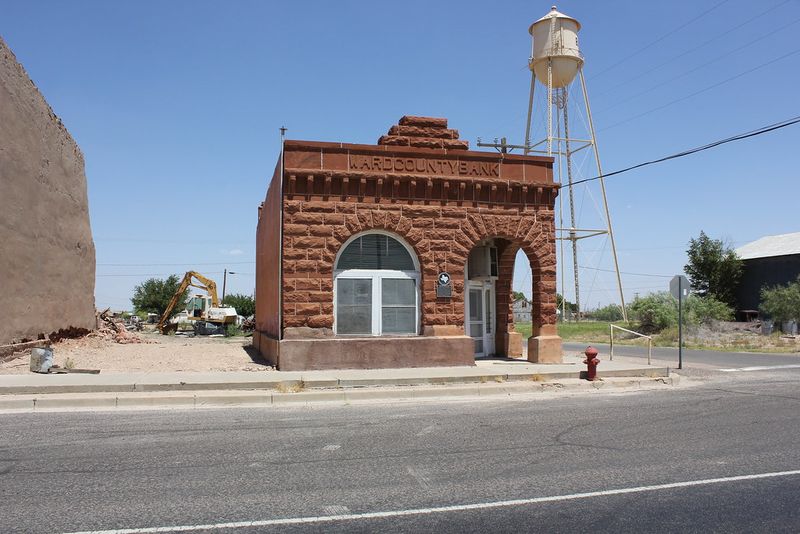
Way out in West Texas, where the land stretches flat and endless under enormous skies, Barstow sits nearly forgotten along old Highway 80. This town boomed during the oil rush, then went bust just as quickly when the wells dried up and the highway traffic moved elsewhere. Today it’s one of those places where tumbleweeds actually do roll down the main street.
Barstow isn’t completely abandoned, but it’s pretty close. A handful of residents still call it home, but most buildings stand empty and deteriorating. Old gas stations with vintage pumps, a shuttered motel, and weathered storefronts create a scene straight out of a Western movie.
The drive to Barstow is an experience in itself. West Texas has a stark beauty that some people find unsettling and others find mesmerizing. The landscape is harsh, with scrubby vegetation and rocky soil stretching to distant mountains.
Cell service is spotty, so download your maps before heading out.
What makes Barstow particularly interesting is how it represents the boom-and-bust cycle that defined so many Texas towns. Oil brought prosperity and population, then took it all away when the resources ran out. The abandoned buildings serve as reminders of dreams that didn’t quite pan out.
Photography opportunities here are incredible if you appreciate desolate landscapes and decaying architecture. The light in West Texas is different from anywhere else, crisp and clear with incredible sunsets that paint the whole sky. The emptiness lets you really focus on composition without worrying about crowds or traffic.
Be prepared for extreme weather conditions depending on the season. Summer temperatures can exceed 100 degrees, and there’s little shade anywhere. Winter can bring surprisingly cold winds.
Always carry extra water, a full tank of gas, and let someone know your travel plans when exploring remote areas like this.
5. Presidio La Bahía Outbuildings (Goliad)
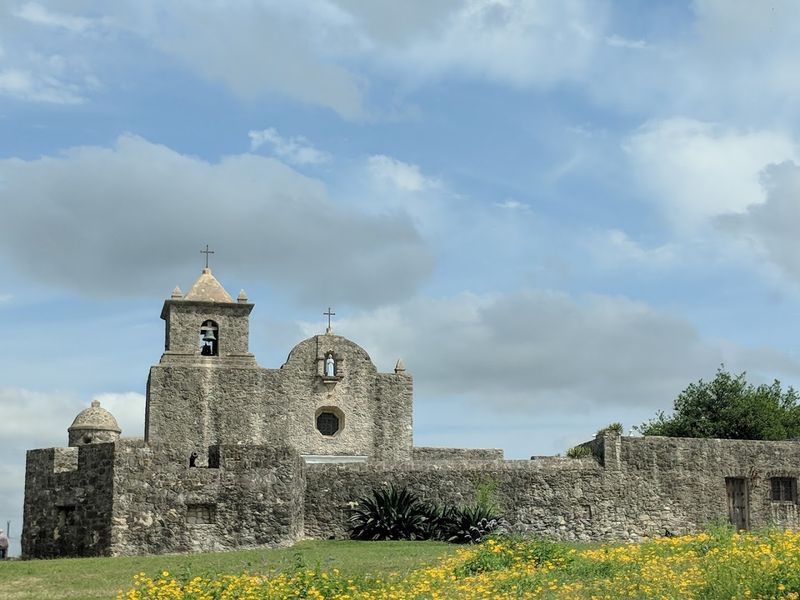
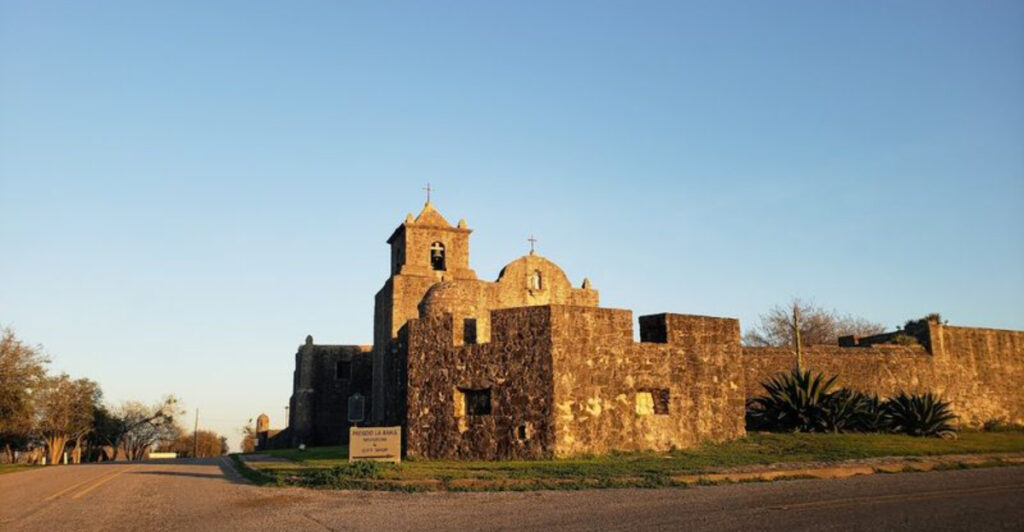
Goliad holds a special place in Texas history as the site of one of the most tragic events of the Texas Revolution. While Presidio La Bahía itself is restored and maintained, several outbuildings and structures around the area sit abandoned and crumbling. These stone structures witnessed pivotal moments in the fight for Texas independence.
The main presidio is impressive and worth touring, but the forgotten buildings scattered nearby have their own haunting appeal. Some were barracks, others storage facilities or workshops that served the fort. Their thick limestone walls have weathered nearly 300 years of Texas heat, storms, and history.
Walking among these ruins, you can almost hear echoes of the past. This area saw Spanish soldiers, Mexican troops, and Texian rebels all pass through. The Goliad Massacre of 1836, where Colonel Fannin and over 300 Texian soldiers were executed, happened near these very structures.
That kind of history leaves an impression on a place.
The abandoned outbuildings show various stages of decay. Some retain their roofs and basic structure, while others are just foundation stones and partial walls. Vegetation grows through cracks in the masonry, and weathering has rounded the sharp edges that stonemasons carved centuries ago.
Each structure tells a story about construction techniques and daily life in frontier Texas.
Goliad itself is a charming small town with several other historical sites worth visiting. The downtown square has antique shops and local restaurants serving authentic Tex-Mex. The whole area feels steeped in history without being overly touristy or commercialized.
Respect is crucial when visiting sites with historical significance like this. Some outbuildings may be unstable, so admire them from a safe distance. The main presidio has visitor hours and guided tours that provide excellent context for understanding the area’s importance in Texas history.
6. Old Toyah High School (Reeves County)
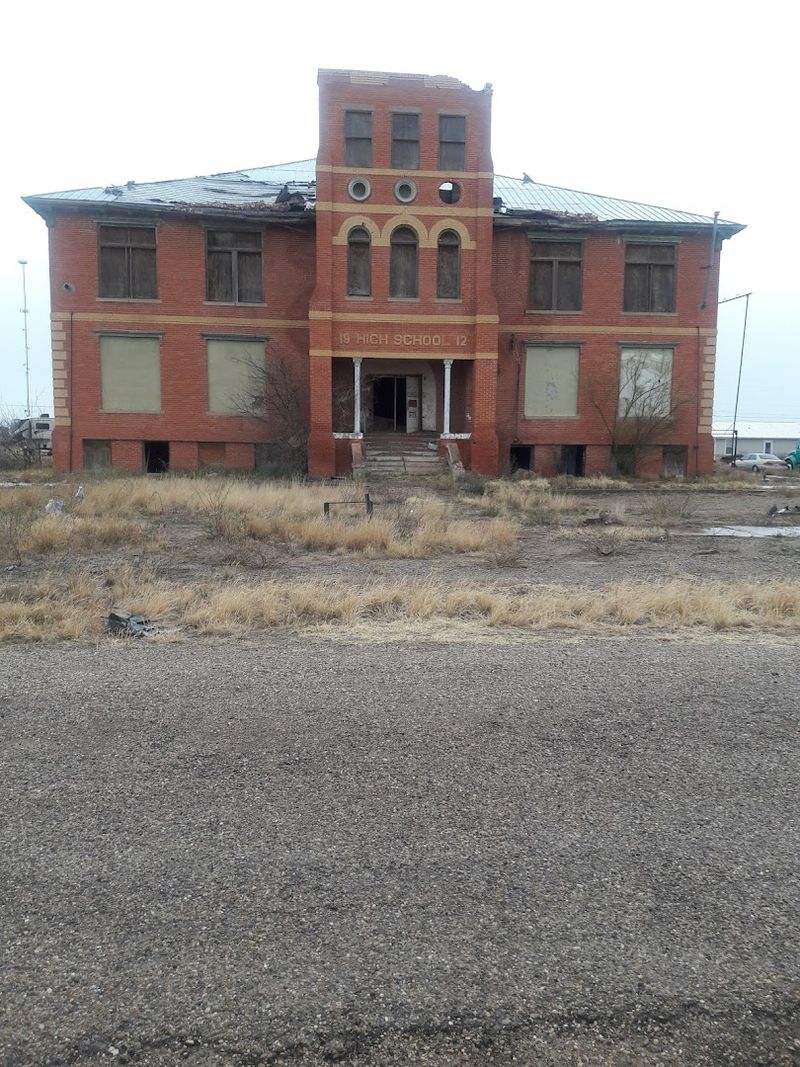
In the tiny town of Toyah, population around 90 people, an old high school building stands as a monument to better days. This brick structure once echoed with students’ voices, locker slams, and basketball games. Now it sits silent, windows broken, classrooms empty, slowly being reclaimed by the harsh West Texas environment.
Toyah was a railroad town that peaked in population during the early 1900s. The school served surrounding ranch families and the town itself when hundreds of people lived here. As the population dwindled and consolidation happened, the school closed and students were bused to neighboring towns.
There’s something particularly melancholy about abandoned schools. They represent lost potential and communities that couldn’t sustain themselves. Walking around the exterior, you can still see the pride that went into the building’s construction, the solid brickwork and architectural details that were meant to last generations.
Inside (if you could legally access it, which you generally can’t), old desks, chalkboards, and educational materials reportedly still remain. Graffiti artists have tagged some walls, and nature has begun its slow work of destruction. The gymnasium floor is warped, and the roof has developed leaks that let rain and wind inside.
Reeves County is remote even by West Texas standards. The landscape is unforgiving, with little rainfall and temperatures that swing dramatically between day and night. Towns like Toyah exist in a kind of limbo, not quite ghost towns but far from thriving.
The drive to Toyah takes you through some of the emptiest country in Texas. You’ll pass oil pumps, wind farms, and mile after mile of desert scrubland. It’s the kind of drive where you might not see another car for 30 minutes.
That isolation is part of the experience, giving you time to think about how communities rise and fall.
7. Terlingua Ghost Town (Big Bend Region)
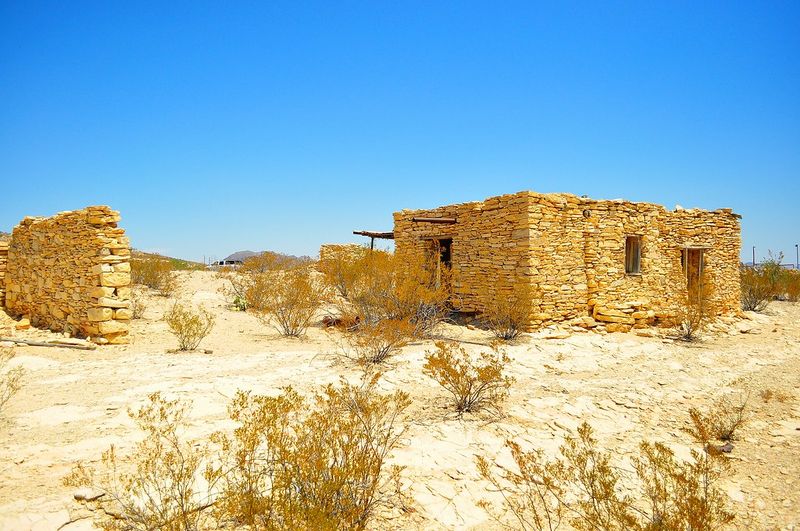
Terlingua might be the most famous ghost town in Texas, and for good reason. Nestled in the Chihuahuan Desert near Big Bend National Park, this former mercury mining town has a wildness about it that’s hard to describe. Old adobe buildings crumble picturesquely against a backdrop of desert mountains and endless sky.
Mercury mining brought people to this remote corner of Texas starting in the late 1800s. The Chisos Mining Company operated here, and at its peak, Terlingua had nearly 2,000 residents. When the mines closed in the 1940s, people scattered, leaving behind homes, the company store, a church, and a cemetery.
Today, Terlingua exists in two parts: the ghost town ruins and the newer community that’s grown up around it. Artists, river guides, and free spirits have claimed Terlingua as their own, creating a quirky culture that embraces the area’s isolation. The ghost town section remains largely untouched, with structures in various states of collapse.
You can walk freely through much of the ghost town, exploring old buildings and reading interpretive signs that explain the area’s history. The cemetery is particularly moving, with graves of miners and their families who died far from anywhere. Some headstones are simple rock piles, while others have more elaborate markers.
The surrounding Big Bend region is spectacularly beautiful and utterly remote. This is serious desert country, where preparation isn’t optional. The nearest major city is hours away, and services are limited.
But that remoteness is exactly what makes it special.
Terlingua hosts an annual chili cook-off that draws thousands of people and gets wonderfully weird. The rest of the year, it’s quiet except for tourists heading to Big Bend. Visit during cooler months if possible, as summer heat here is brutal and potentially dangerous without proper precautions.
8. Thurber Ghost Town (Palo Pinto County)
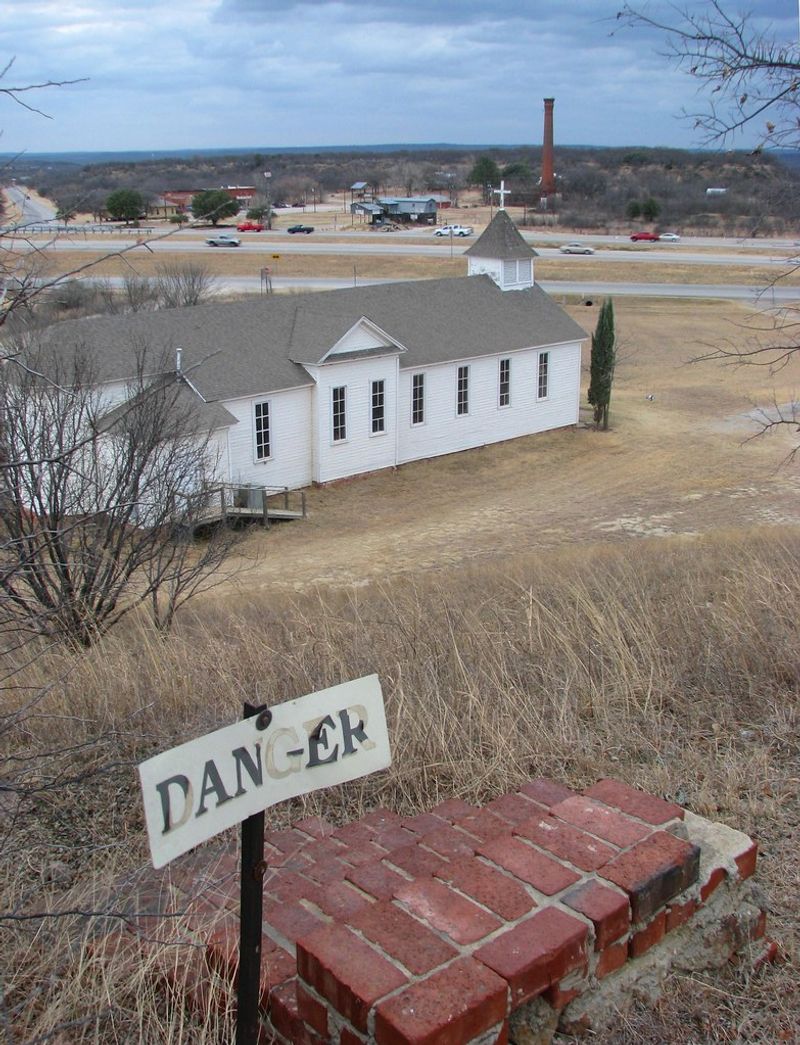
A massive brick smokestack rises 130 feet above the prairie, visible for miles around. This is all that remains standing of Thurber, once a thriving coal mining town that was home to nearly 10,000 people. The smokestack serves as a lonely sentinel over foundations, rubble, and memories of a community that completely vanished.
Thurber was unusual for Texas in the late 1800s and early 1900s. It was a true company town, owned entirely by the Texas and Pacific Coal Company. Miners came from all over the world, creating a diverse community with Italian, Polish, Mexican, and other immigrant families all working together underground.
The town had everything a community needed: stores, schools, churches, an opera house, even an ice plant and a brewery. At its peak, Thurber produced more than a million tons of coal annually. Then oil replaced coal as the fuel of choice, and the town’s reason for existence disappeared practically overnight.
By the 1930s, Thurber was completely abandoned. The company dismantled buildings and sold off materials. Nature and scavengers took care of the rest.
Today, the smokestack and a small museum are about all that’s left, along with foundations you can trace if you know where to look.
The Thurber site sits right off Interstate 20, making it one of the most accessible ghost towns in Texas. You can pull off the highway, visit the museum, and walk around the grounds in an hour or two. Interpretive signs explain what stood where, helping you visualize the bustling town that once occupied this space.
The museum, housed in a restored building, contains photographs, mining equipment, and artifacts from daily life in Thurber. Seeing pictures of crowded streets and busy storefronts makes the current emptiness even more striking. It’s a powerful reminder of how quickly things can change when economics shift.