Texas is packed with wild landscapes that’ll make your jaw drop, from secret swimming holes to canyons that look like they belong on Mars. Most folks only know about Big Bend, but the Lone Star State hides dozens of stunning natural spots that don’t get nearly enough attention. Whether you’re chasing waterfalls, exploring underground caves, or watching the sunset paint desert mountains gold, these places prove Texas nature is way more than tumbleweeds and oil rigs.
Get ready to discover some seriously gorgeous corners of Texas that deserve a spot on your 2026 adventure list.
1. Guadalupe Mountains National Park
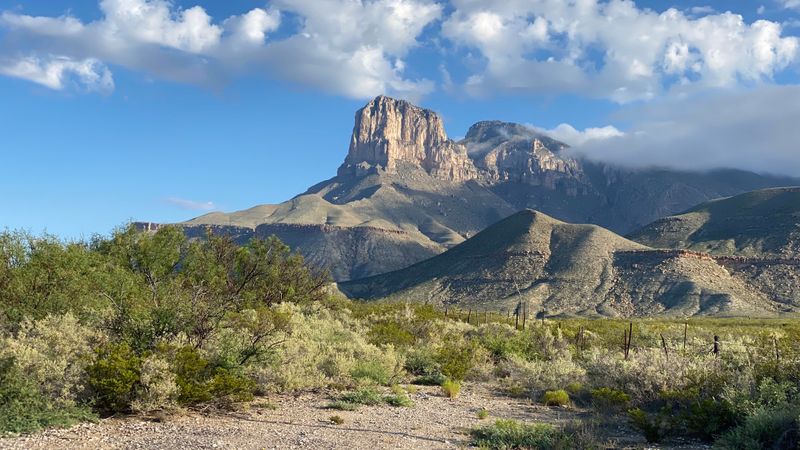
Way out in West Texas, where the desert meets the sky, sits a mountain range that most Texans forget even exists. Guadalupe Peak towers at 8,749 feet, making it the highest point in the entire state. The park sprawls across 86,000 acres of rugged wilderness that looks nothing like the Texas you see in movies.
Fall transforms this place into something magical when the maples in McKittrick Canyon turn bright red and gold. The hiking here ranges from easy nature walks to brutal summit climbs that’ll test your legs and lungs. Most trails offer zero shade, so summer visits require serious planning and gallons of water.
The fossil reef here is absolutely ancient, formed underwater about 265 million years ago when this whole area was covered by an inland sea. You can actually see the layered limestone that used to be a living reef, which is pretty mind-blowing when you think about it. Geologists travel from around the world to study these formations.
Wildlife thrives in the higher elevations where temperatures stay cooler than the scorching desert below. Black bears, mountain lions, and elk all call this park home, though you’ll need patience and luck to spot them. The night sky here rivals any planetarium because light pollution is basically nonexistent.
Most visitors only spend a few hours here, which is honestly a shame because this park deserves at least two full days. The backcountry camping sites let you experience total wilderness solitude. Spring wildflowers carpet the lower elevations in purple, yellow, and pink, creating a stunning contrast against the gray limestone cliffs that dominate the landscape.
2. Caddo Lake
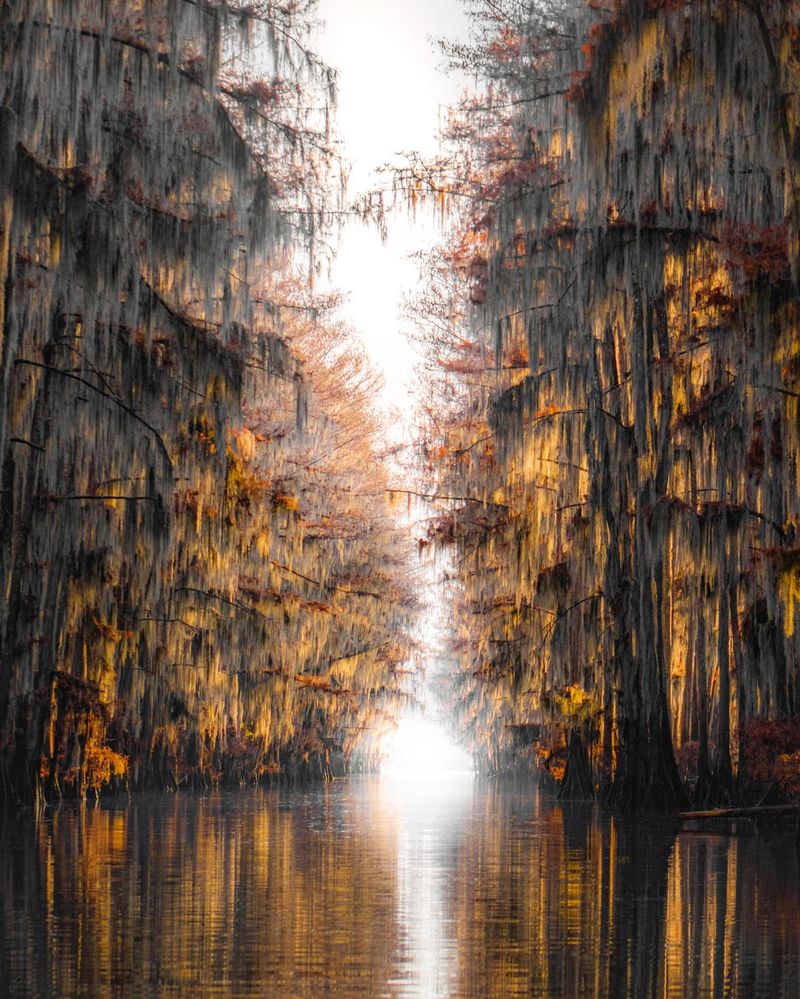
Spanish moss hangs like ghostly curtains from massive bald cypress trees rising straight out of dark, tea-colored water. Caddo Lake straddles the Texas-Louisiana border and feels more like the Deep South than anything you’d expect to find in Texas. The maze of bayous, sloughs, and ponds creates over 26,000 acres of the most hauntingly beautiful wetlands you’ll ever paddle through.
This is the only naturally formed lake in Texas, created by a massive logjam on the Red River centuries ago. Native Caddo people lived here long before settlers arrived, and local legends still whisper about ghosts and mysterious creatures lurking in the foggy channels. The ecosystem supports an incredible diversity of life, from alligators to over 200 bird species.
Kayaking or canoeing through the cypress forest feels like entering another world entirely. The tree trunks create natural tunnels and passages that change depending on water levels throughout the year. You can easily get turned around in the maze of waterways, so bringing a map or GPS is seriously smart.
Fishing enthusiasts come here chasing largemouth bass, crappie, and catfish that hide among the submerged logs and cypress knees. The lake’s shallow areas warm up quickly in spring, making it prime spawning habitat. Early morning and late evening offer the best fishing action when the surface erupts with feeding activity.
Spring brings explosion of white lotus blossoms floating across the water’s surface, creating photo opportunities that look straight out of a fantasy movie. Fall colors reflect beautifully in the still water when the cypress needles turn rusty orange before dropping. Winter reveals the skeletal beauty of the bare trees, and ice occasionally forms in the shallower areas during cold snaps.
3. McKittrick Canyon
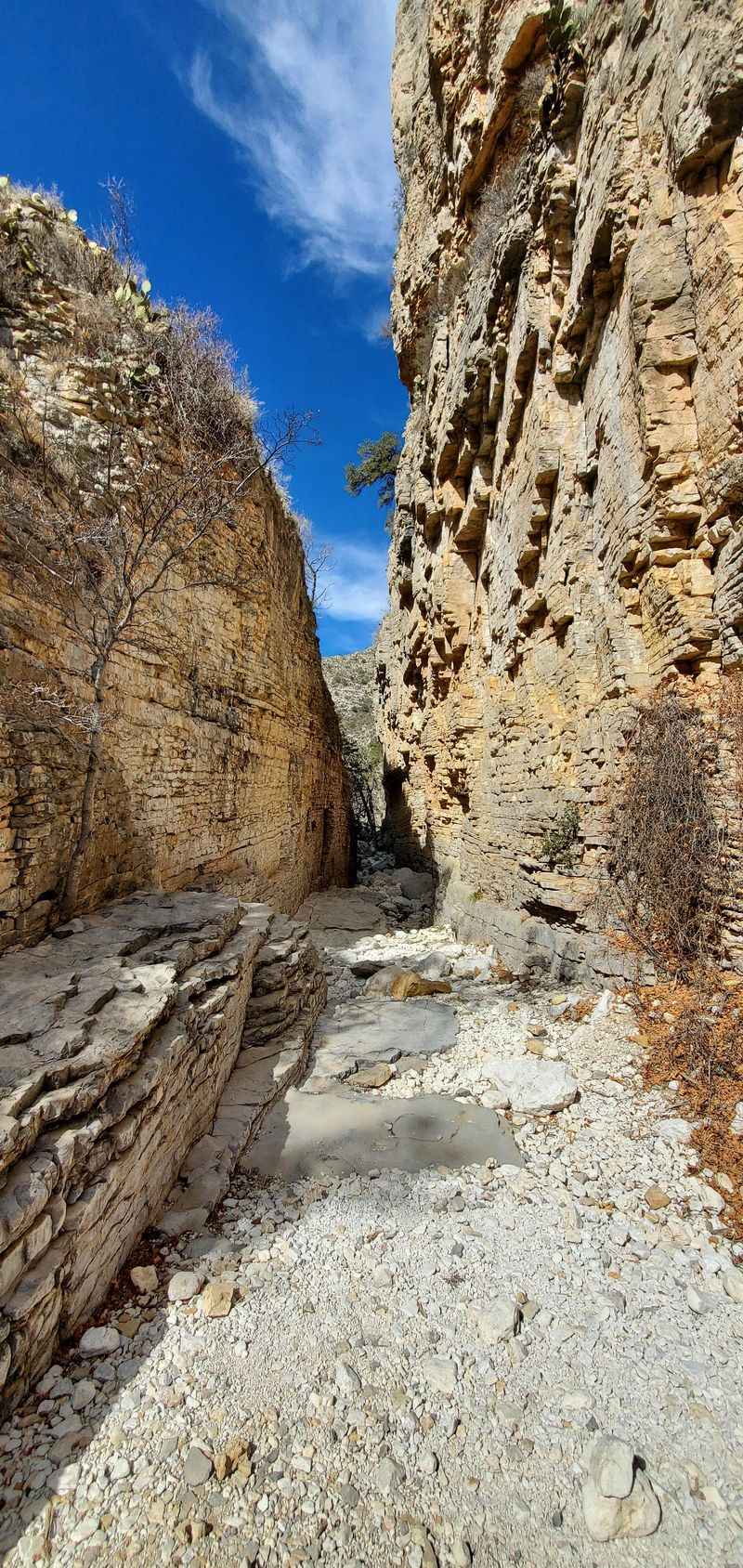
Tucked inside Guadalupe Mountains National Park, McKittrick Canyon earned its reputation as the most beautiful spot in Texas during autumn. The bigtooth maples explode into brilliant shades of crimson, orange, and gold that seem impossible in the middle of the Chihuahuan Desert. A spring-fed creek runs year-round through the canyon, creating a ribbon of life in an otherwise harsh environment.
The canyon hike follows the creek for about seven miles, gradually climbing through different ecological zones. You’ll start in desert scrubland and end up in a cool, shaded forest that feels transported from somewhere much farther north. The temperature difference between the canyon entrance and the upper reaches can be twenty degrees or more.
Peak fall color usually hits sometime between late October and mid-November, depending on that year’s weather patterns. Thousands of visitors flock here during those few perfect weeks, so arriving early in the morning beats the crowds and catches the best light. The park service limits vehicle access to protect this fragile ecosystem from overuse.
History buffs appreciate the Pratt Cabin, a stone lodge built in the 1930s by a geologist who recognized the canyon’s unique beauty. Wallace Pratt eventually donated his land to help establish the national park, ensuring this special place would stay protected forever. The cabin sits surrounded by towering trees and offers a peaceful rest stop about halfway through the hike.
Even outside fall color season, McKittrick Canyon delivers stunning scenery worth the drive. Spring brings wildflowers and rushing water from snowmelt. Summer offers cooler temperatures than the exposed peaks.
Winter creates icicles hanging from the canyon walls and occasional snow dusting the high country, transforming the landscape into something even more dramatic and beautiful.
4. Caprock Canyons State Park
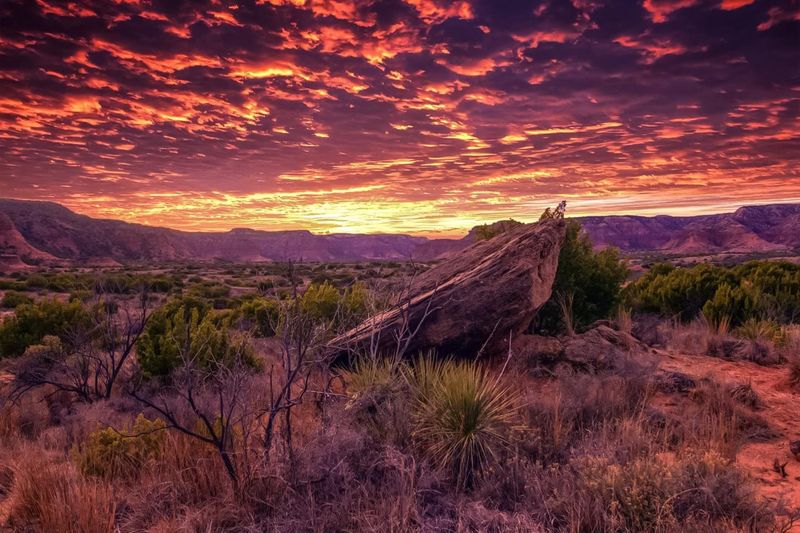
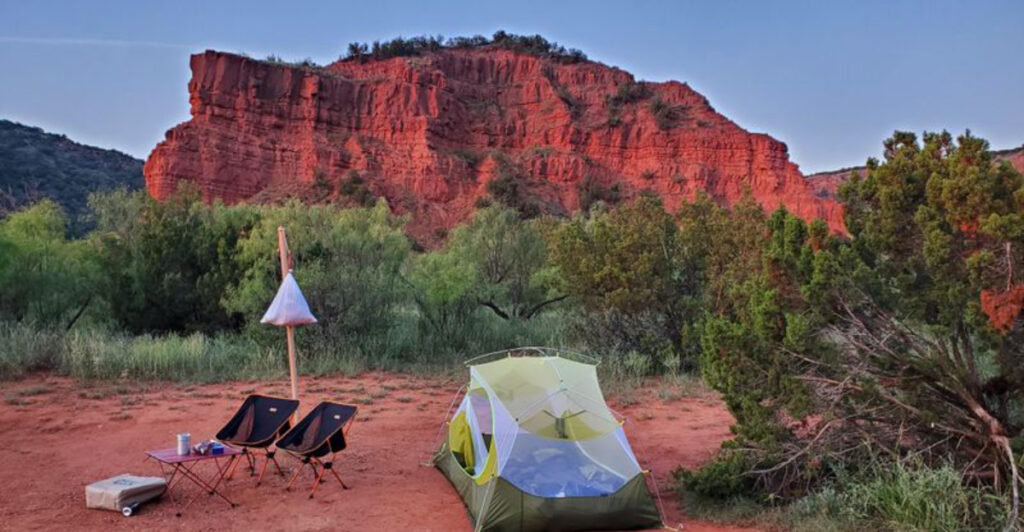
Red rock walls rise dramatically from the rolling plains of the Texas Panhandle, creating a landscape that looks borrowed from Utah or Arizona. Caprock Canyons State Park protects over 15,000 acres of rugged terrain carved by the Little Red River over millions of years. The colorful layers of sandstone, mudstone, and shale tell geological stories spanning 200 million years.
The official Texas State Bison Herd roams freely throughout the park, descendants of the millions that once thundered across the Great Plains. Spotting these massive animals grazing against the red canyon backdrop creates an unforgettable sight that connects you to the Old West. Keep a respectful distance though because bison are wild, unpredictable, and surprisingly fast despite their bulk.
The Caprock Canyons Trailway follows an abandoned railway line for 64 miles, making it perfect for mountain biking, horseback riding, or long-distance hiking. The relatively flat grade means you can cover serious distance while still enjoying canyon views. Three historic railroad tunnels punch through the rock, adding adventure to the journey.
Camping here ranges from primitive backcountry sites to developed campgrounds with amenities. The night sky explodes with stars because artificial light barely exists for miles in any direction. Coyotes often serenade campers after dark, their howls echoing off the canyon walls in an eerie but thrilling chorus.
Spring wildflowers paint the canyon floor in brilliant colors while summer heat bakes the rocks until they’re almost too hot to touch. Fall brings comfortable temperatures and spectacular sunsets that light up the red rocks like they’re glowing from within. Winter can be harsh with bitter winds, but snow on the red formations creates striking contrasts that photographers absolutely love capturing.
5. Davis Mountains
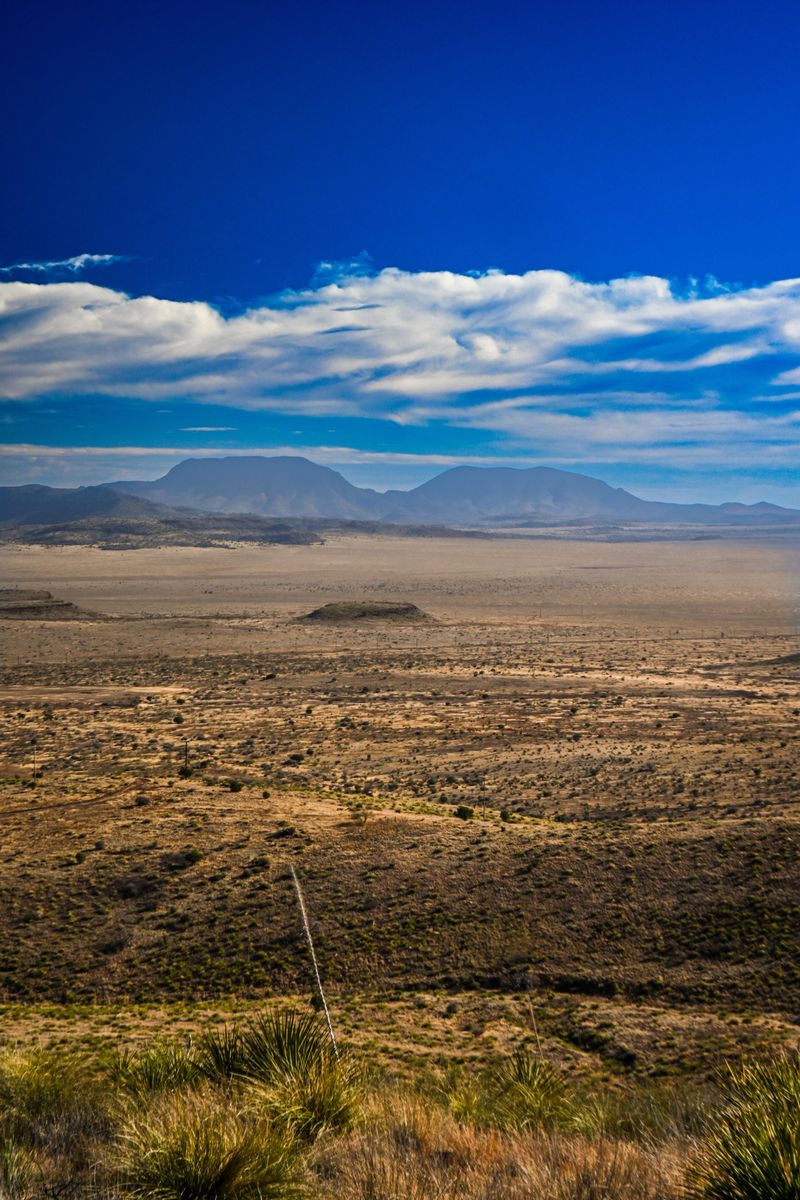
Rising unexpectedly from the desert floor of far West Texas, the Davis Mountains create an island of cool forests and grasslands surrounded by hot, dry lowlands. Mount Livermore tops out at 8,378 feet, making this one of the highest mountain ranges in the state. The elevation brings temperatures 10 to 15 degrees cooler than the surrounding desert, along with more rainfall that supports forests of pine and oak.
Fort Davis National Historic Site preserves one of the best remaining examples of a frontier military post from the Indian Wars era. The fort sits nestled in a scenic canyon where soldiers once protected travelers and mail routes from Apache raids. Walking through the restored buildings and officers’ quarters brings history alive in a way textbooks never could.
The McDonald Observatory perches high in the mountains, taking advantage of some of the darkest skies in North America. Public star parties let visitors peer through research-grade telescopes at planets, nebulae, and distant galaxies. Even without a telescope, the Milky Way stretches across the sky so clearly you can see its spiral structure with your naked eyes.
Scenic Loop Road winds for 74 miles through the mountains, passing through different ecosystems and offering jaw-dropping views around every curve. Old ranches, quirky towns, and roadside picnic spots make perfect excuses to stop and soak in the landscape. The drive takes at least two hours if you’re not stopping, but you’ll want to budget way more time.
Hiking trails range from easy nature walks to challenging mountain climbs through pine forests that smell amazing. Wildlife includes black bears, mountain lions, and hundreds of bird species that attract serious birders. The mountains stay green even when the surrounding desert turns brown, creating a dramatic visual contrast visible from miles away.
6. Devil’s Sinkhole
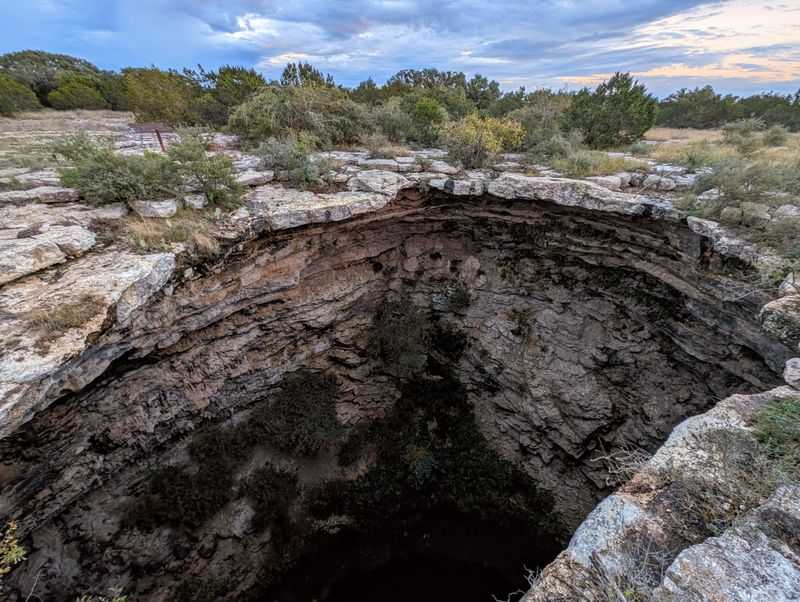
A gaping hole in the Texas Hill Country drops straight down 350 feet into the earth, creating one of the most spectacular vertical caverns in the entire state. Devil’s Sinkhole formed when the roof of a massive underground cave collapsed thousands of years ago. The limestone chamber at the bottom measures roughly 320 feet wide, creating a cathedral-like space that takes your breath away.
Every summer evening between May and October, millions of Mexican free-tailed bats emerge from the sinkhole in a spiraling tornado of wings. The bats roost in the cavern during the day, then pour out at dusk to hunt insects across the surrounding countryside. Watching this natural spectacle ranks among the most amazing wildlife experiences Texas offers, period.
Access to Devil’s Sinkhole is strictly controlled to protect the fragile ecosystem and the endangered bat population. The Nature Conservancy manages the site and offers guided tours that require advance reservations. Tours fill up fast during peak bat season, so booking weeks or even months ahead is necessary.
The sinkhole maintains a constant temperature around 70 degrees year-round, regardless of surface conditions. Humidity stays high inside the chamber, creating conditions perfect for the bats but challenging for camera equipment. The darkness is absolute until your eyes adjust or guides turn on lights.
Beyond the bats, the sinkhole ecosystem supports unique cave-adapted creatures found nowhere else. Blind salamanders, cave crickets, and specialized bacteria thrive in the perpetual darkness. Scientists continue discovering new species in these extreme environments that have evolved in isolation for millennia.
The surrounding Hill Country landscape offers additional attractions including wildflowers in spring, clear-flowing creeks, and rolling hills covered in juniper and oak. The drive to reach Devil’s Sinkhole takes you through classic Texas ranch country where white-tailed deer, wild turkeys, and occasional roadrunners cross the highway.
7. Balmorhea State Park
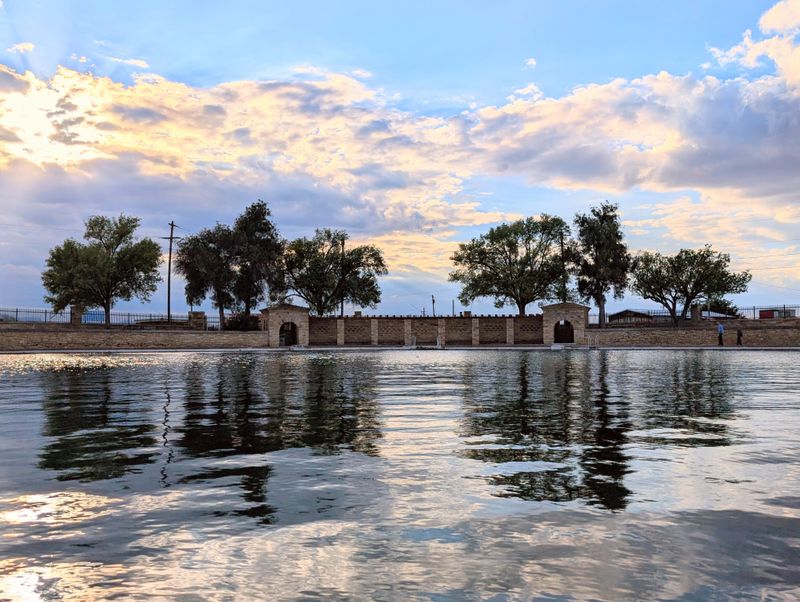
In the middle of the scorching West Texas desert sits the world’s largest spring-fed swimming pool, fed by San Solomon Springs that pump out 15 to 22 million gallons of crystal-clear water daily. The pool stretches nearly two acres and maintains a constant temperature between 72 and 76 degrees year-round. Visibility underwater often exceeds 50 feet, making it feel more like a natural aquarium than a swimming hole.
Built by the Civilian Conservation Corps during the 1930s, the pool’s design incorporates natural rock formations and native materials that blend beautifully with the desert landscape. The construction took three years and created a Depression-era masterpiece that still functions perfectly nearly a century later. The distinctive Spanish Colonial Revival-style buildings add historic charm to the park.
Scuba divers and snorkelers flock here to explore the underwater springs, caves, and rock formations teeming with fish. The park offers scuba certification courses and rents snorkel gear for visitors who want to explore beneath the surface. Two endangered fish species, the Comanche Springs pupfish and the Pecos mosquitofish, live only in these waters.
The park stays open year-round, and swimming in winter creates a surreal experience when steam rises from the warm water into cold desert air. Summer brings crowds seeking relief from triple-digit temperatures, so arriving early secures the best spots. The park limits daily visitors to protect the springs and prevent overcrowding.
Camping facilities range from tent sites to full RV hookups, letting you maximize your time in this desert oasis. Nearby attractions include historic Fort Davis, Davis Mountains State Park, and the McDonald Observatory. The town of Balmorhea itself is tiny, so stock up on supplies before arriving.
Pack reef-safe sunscreen because regular sunscreen damages the delicate spring ecosystem and is prohibited in the water.
8. Lake Travis
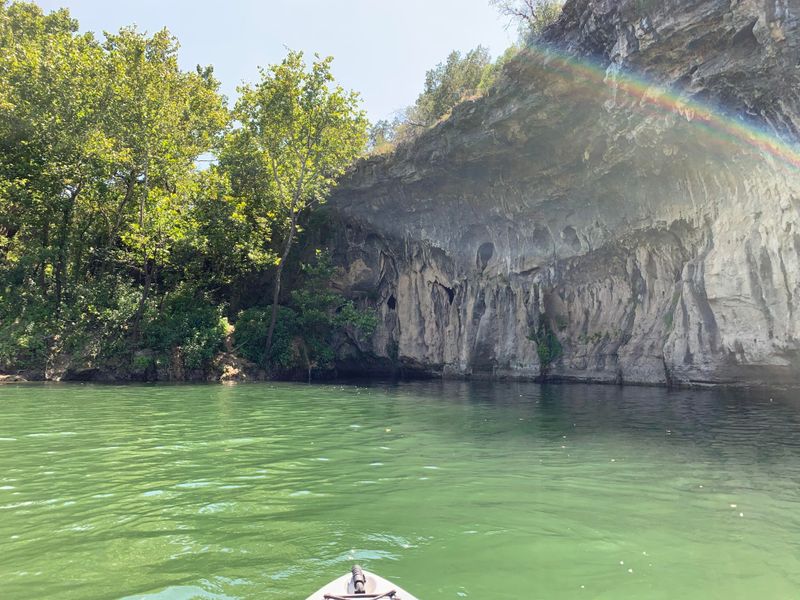
Stretching for 65 miles through the Hill Country west of Austin, Lake Travis ranks as one of the deepest lakes in Texas with maximum depths exceeding 200 feet. The Highland Lakes chain was created by damming the Colorado River during the 1930s and 1940s to control flooding and generate hydroelectric power. Lake Travis serves as the crown jewel of this system, offering recreation opportunities that draw millions of visitors annually.
The lake’s level fluctuates dramatically depending on rainfall and water releases, sometimes varying by 40 feet or more between wet and dry years. During droughts, hidden coves and beaches emerge that haven’t seen daylight in decades. High water years flood boat ramps and lakeside restaurants, creating challenges but also opening up new areas to explore.
Dozens of parks, marinas, and public access points line the shoreline, each offering different vibes and amenities. Hippie Hollow Park stands out as Texas’s only clothing-optional public beach, attracting a unique crowd seeking all-over tans. More family-friendly spots include Pace Bend Park with its limestone cliffs perfect for jumping, and Krause Springs with its natural pools and waterfalls.
Boating culture dominates summer weekends when the lake becomes a floating party scene with everything from jet skis to massive houseboats. Party Cove near Starnes Island transforms into an impromptu water festival where boats raft together and music blasts from competing sound systems. If crowds aren’t your thing, exploring the lake’s many arms and fingers on weekdays reveals peaceful swimming spots.
Fishing for largemouth bass, striped bass, and catfish stays productive year-round, though patterns change with seasons and water temperature. The clearer waters and rocky structure create ideal habitat that attracts both fish and the anglers chasing them. Sunset dinner cruises, paddleboard yoga, and waterfront dining add to the lake’s appeal beyond traditional water sports and swimming.
9. Pedernales Falls State Park
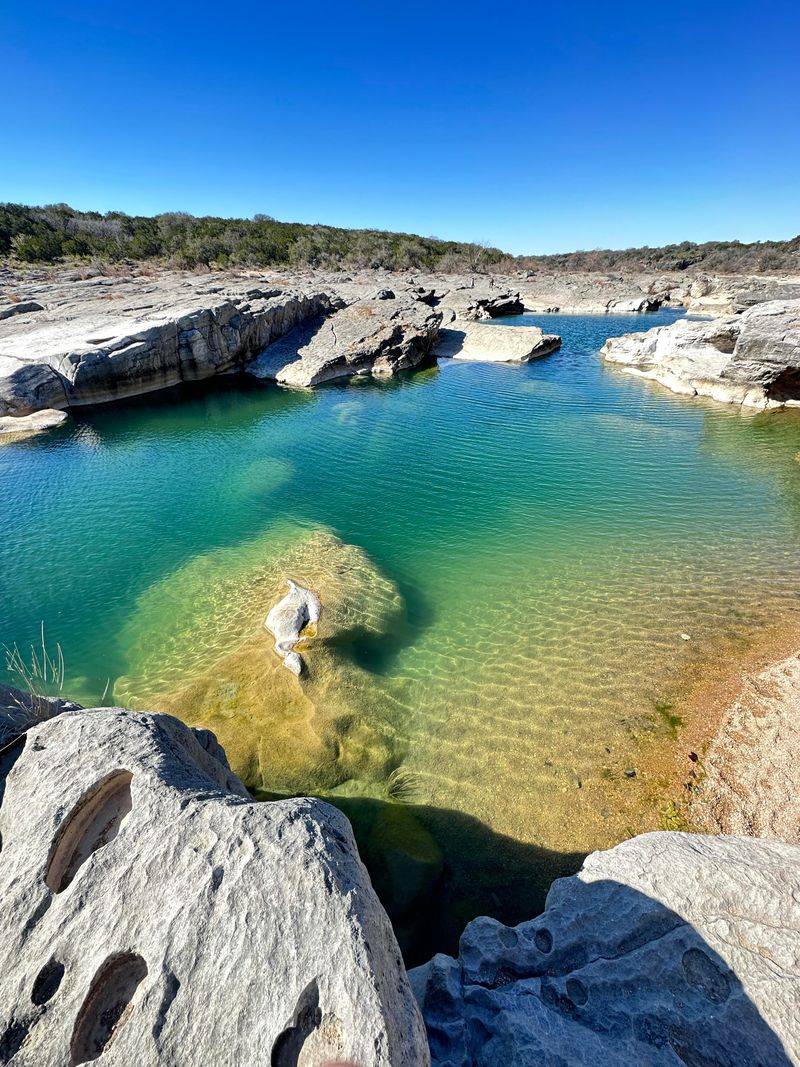
The Pedernales River tumbles over layered limestone shelves, creating a series of cascades and pools that look almost too perfect to be natural. Located about an hour west of Austin, this 5,200-acre state park protects some of the most photogenic waterfalls in Texas. The word Pedernales comes from Spanish for flint, which Native Americans once collected from the riverbanks to make tools and weapons.
Water flow varies wildly depending on recent rainfall, transforming the falls from a gentle trickle during droughts to a raging torrent after storms. Flash flooding poses serious danger here, and the park closes river access when heavy rain hits upstream. Several drownings have occurred when visitors ignored warning signs and got swept away by sudden surges.
The main falls viewing area offers an easy walk from the parking lot, making this accessible even for folks with limited mobility. Wooden stairs and overlooks provide safe vantage points for photos and simply soaking in the scenery. The layered rock formations create natural steps where water sheets across in mesmerizing patterns.
Hiking trails explore the surrounding Hill Country landscape, passing through juniper forests, oak groves, and open grasslands. The Wolf Mountain Trail climbs to high points with panoramic views across the valley. Spring wildflowers including bluebonnets and Indian paintbrush carpet the meadows in brilliant colors.
Swimming is allowed in designated areas when conditions permit, though the rocky bottom and uneven depths require caution. Tubing down calmer sections of river offers a relaxing way to cool off during hot summer months. Primitive camping and developed campsites let you experience the park after day visitors leave.
Wildlife sightings include white-tailed deer, armadillos, and numerous bird species. The park’s location in the Hill Country creates habitat where eastern and western species overlap. Golden-cheeked warblers, an endangered species, nest in the old-growth juniper stands during spring.
10. Cascade Caverns
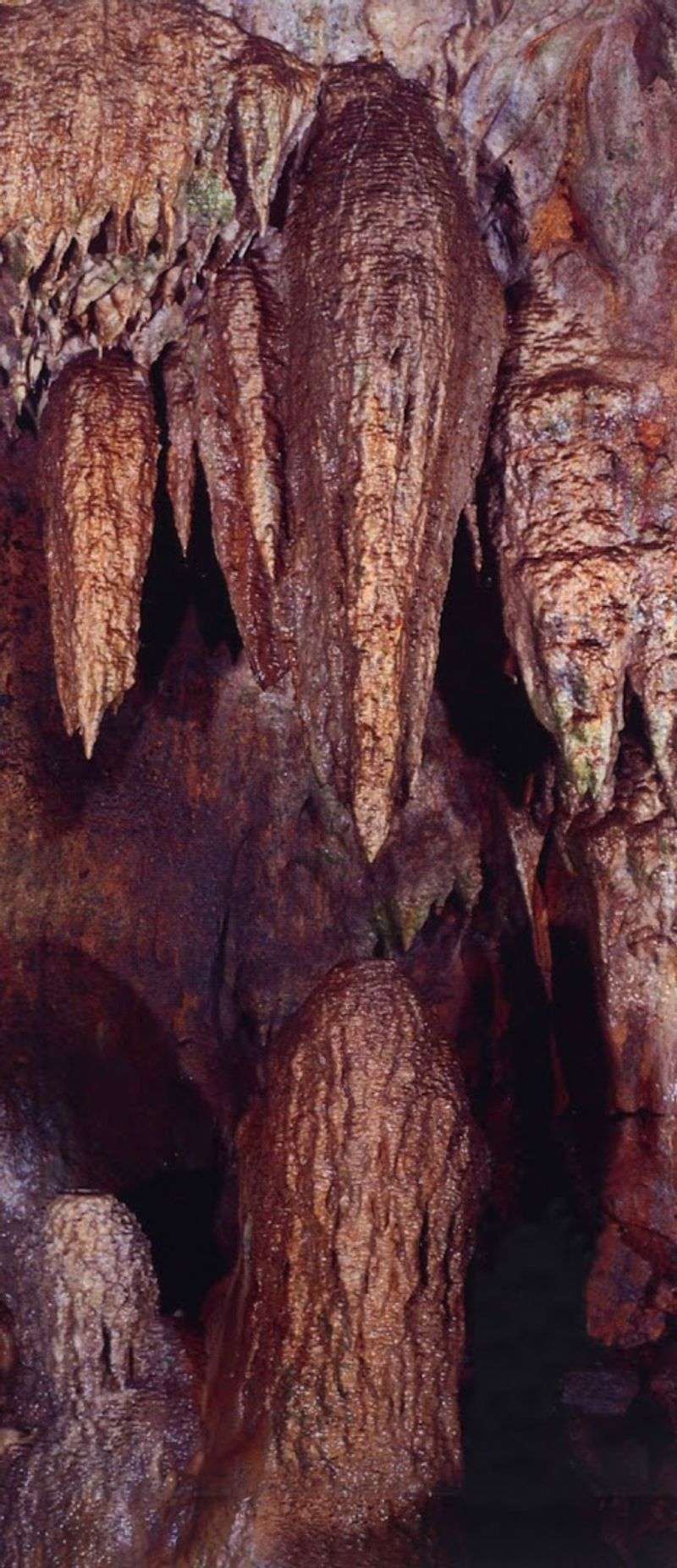
Hidden beneath the rolling Texas Hill Country sits a living cave system featuring a rare 90-foot underground waterfall that flows year-round. Cascade Caverns formed over millions of years as slightly acidic water dissolved the limestone bedrock, creating chambers, passages, and spectacular formations. The constant 68-degree temperature inside provides welcome relief from Texas heat or cold, staying perfectly comfortable regardless of surface conditions.
The guided tour follows a paved trail through multiple rooms decorated with stalactites, stalagmites, flowstone, and other formations that look like frozen waterfalls or alien sculptures. The namesake cascade creates a thundering roar that echoes through the chambers, fed by an underground stream that never stops flowing. Colored lighting highlights the formations, though purists sometimes wish for more natural presentation.
Unlike some commercial caves that feel overly developed, Cascade Caverns maintains a relatively wild character with tight passages and dramatic vertical spaces. The tour requires climbing stairs and ducking through low spots, so it’s not ideal for people with serious mobility issues. Photography is allowed, though capturing the cave’s true scale and beauty challenges even experienced photographers.
The cave maintains extremely high humidity that fogs up glasses and camera lenses within seconds of entering. Formations continue growing imperceptibly slowly as mineral-laden water drips and flows. Some stalactites have been growing for thousands of years, adding just a tiny fraction of an inch per century.
Mexican free-tailed bats historically roosted here by the thousands before white-nose syndrome and other factors reduced their numbers dramatically. The cave still provides habitat for several bat species, cave crickets, and specialized invertebrates adapted to perpetual darkness. Strict protocols protect these creatures from human disturbance.
The property includes nature trails, picnic areas, and a small gift shop above ground. The surrounding Hill Country landscape offers additional attractions including nearby Boerne, Natural Bridge Caverns, and numerous wineries. Tours run daily, though calling ahead confirms times and availability during slower seasons.
11. Balcones Canyonlands National Wildlife Refuge
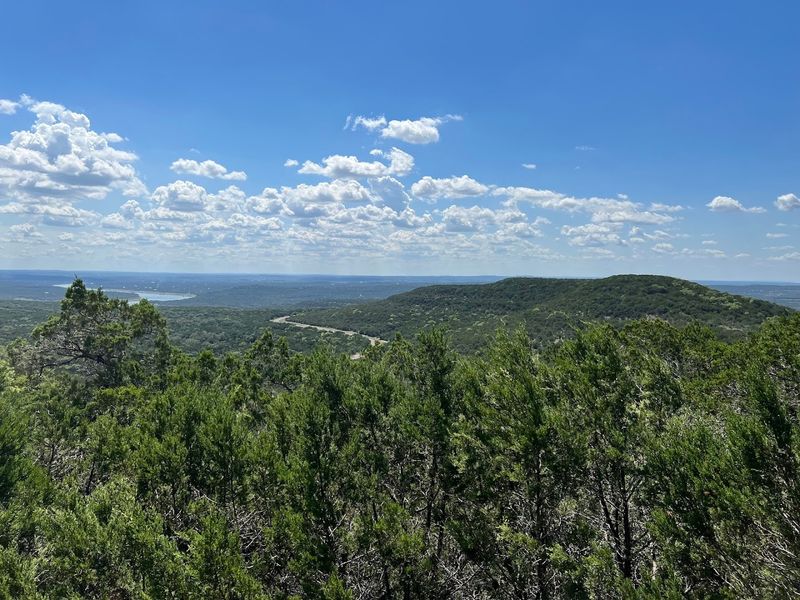
Northwest of Austin, where the flat coastal plains crash into the rugged Hill Country, lies a 27,000-acre refuge protecting some of Texas’s most endangered species and spectacular canyon country. Balcones Canyonlands was established primarily to protect habitat for the golden-cheeked warbler and black-capped vireo, two songbirds found nowhere else on Earth. The landscape features steep limestone canyons, spring-fed creeks, and old-growth juniper forests that create perfect conditions for these rare birds.
The refuge remains largely undeveloped, with limited public access designed to minimize disturbance to wildlife. Several hiking trails wind through the property, offering glimpses of the rugged terrain and diverse ecosystems. The Canyonlands Trail stretches for about six miles, climbing through different habitat zones from creek bottoms to exposed ridgetops.
Spring brings the golden-cheeked warblers back from their Mexican wintering grounds to nest in the mature juniper-oak woodlands. Their distinctive buzzy song carries through the canyons as males establish territories and attract mates. Spotting these small yellow, black, and white birds requires patience and sharp eyes, but hearing them is easy if you visit between March and July.
Beyond the endangered birds, the refuge supports healthy populations of white-tailed deer, wild turkeys, armadillos, and occasionally even mountain lions. Numerous caves and sinkholes dot the landscape, providing habitat for bats and cave-adapted invertebrates. The limestone bedrock creates springs that flow even during droughts, sustaining life when surrounding areas dry up completely.
Wildflower displays in spring rival anywhere in Texas, with bluebonnets, Indian paintbrush, and dozens of other species creating a colorful carpet across the hillsides. The refuge offers primitive camping by permit only, ensuring a true wilderness experience. Night skies stay relatively dark despite proximity to Austin, making this a solid spot for stargazing and experiencing nature without the crowds found at more famous parks.