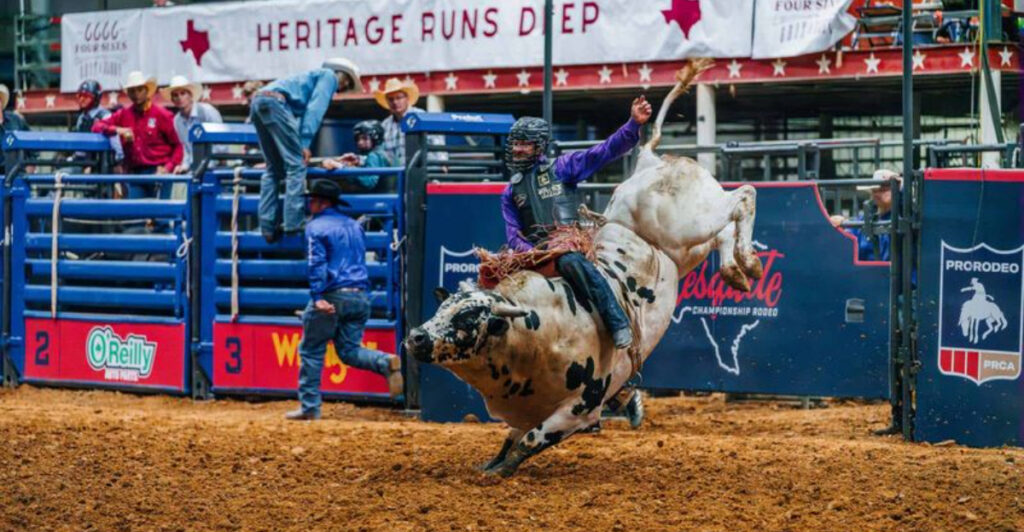
Texas has a reputation that reaches far beyond its borders, and people across the country can’t seem to get enough of what makes this state so unique. From mouthwatering food traditions to wide-open landscapes and cultural touchstones that define the American West, the Lone Star State delivers experiences you won’t find anywhere else. Whether you’ve visited Texas or just heard the stories, these ten icons capture why this place holds such a special spot in America’s imagination.
Get ready to explore what keeps the rest of the nation talking about Texas year after year.
1. Barbecue
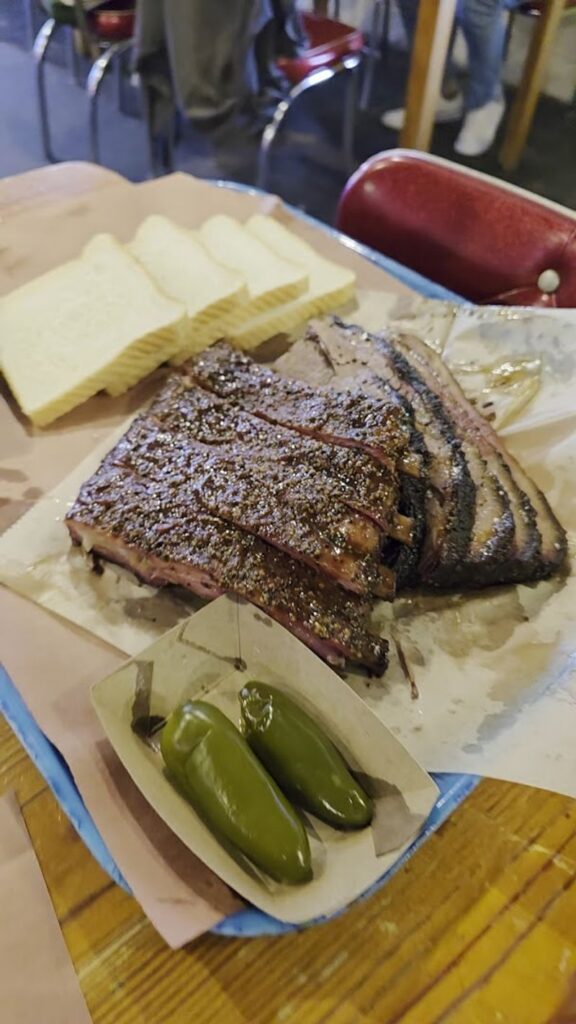
Walk into any Texas town, and you’ll smell it before you see it—that rich, smoky aroma drifting from barbecue joints that have been perfecting their craft for generations. Brisket reigns supreme here, slow-smoked for twelve to sixteen hours until the meat develops a dark, peppery crust and becomes so tender it practically falls apart. The process isn’t rushed, and pitmasters take serious pride in their wood selection, with oak and mesquite being the favorites.
What sets Texas barbecue apart is the emphasis on the meat itself rather than drowning it in sauce. You’ll find simple salt-and-pepper rubs that let the quality of the beef shine through, along with that prized smoke ring that proves patience paid off. Sides like pinto beans, coleslaw, and pickles complement the main attraction without stealing the spotlight.
Central Texas cities like Lockhart and Austin have become pilgrimage sites for barbecue lovers, with people lining up hours before opening time at legendary spots. But you don’t need to visit the most famous places to experience greatness—small-town joints across the state serve up incredible barbecue that locals guard as treasured secrets. Gas station barbecue is a real phenomenon here, and some of the best meals come from the most unexpected locations.
The barbecue culture runs deep, with competitions, festivals, and fierce debates about techniques that bring communities together. Families pass down recipes and smoking methods through generations, treating their craft like an art form that deserves respect. This isn’t just food—it’s a way of life that represents Texas hospitality, patience, and the belief that some things are worth waiting for.
When America talks about barbecue, Texas-style always enters the conversation.
2. Cowboys
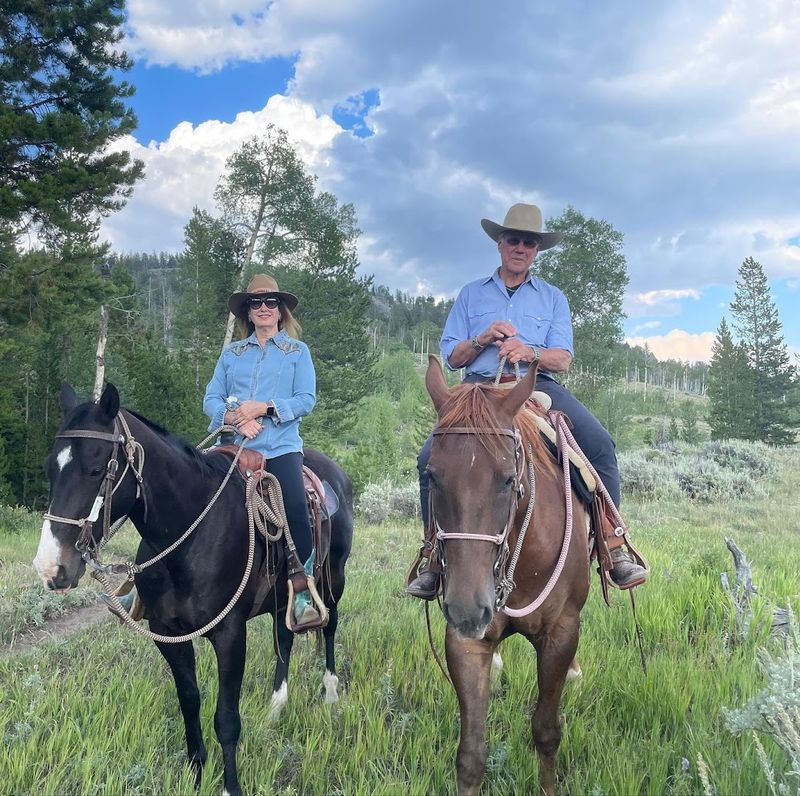
Long before Hollywood turned them into legends, cowboys were the hardworking ranch hands who shaped Texas identity through grit and skill. These horseback riders drove massive cattle herds across hundreds of miles, facing harsh weather, dangerous river crossings, and the constant challenge of keeping thousands of animals moving in the right direction. Their practical clothing—wide-brimmed hats for sun protection, sturdy boots with heels to prevent slipping through stirrups, and bandanas to filter dust—became iconic symbols recognized worldwide.
The cowboy way of life emerged after the Civil War when Texas had millions of cattle and northern markets needed beef. Trail drives like the famous Chisholm Trail connected Texas ranches to railroad towns in Kansas, creating an economic boom and a cultural phenomenon. These journeys required incredible horsemanship, roping skills, and the ability to work as a team under difficult conditions.
Today’s working cowboys still exist on ranches throughout Texas, maintaining traditions while adapting to modern ranching technology. They start work before sunrise, spend long days in the saddle, and possess knowledge about livestock and land management that can’t be learned from books. Rodeo cowboys have taken these traditional skills and turned them into competitive sports that draw huge crowds.
The cowboy image represents values that Texans hold dear—independence, toughness, loyalty, and a strong work ethic. Boot makers, hat shapers, and saddle craftsmen continue thriving businesses that serve both working ranchers and those who embrace the western lifestyle. Country music, western wear, and pickup trucks all trace their popularity back to cowboy culture.
When people think of Texas, the cowboy comes to mind immediately, representing a spirit of adventure and self-reliance that still resonates across America.
3. Tex-Mex Cuisine
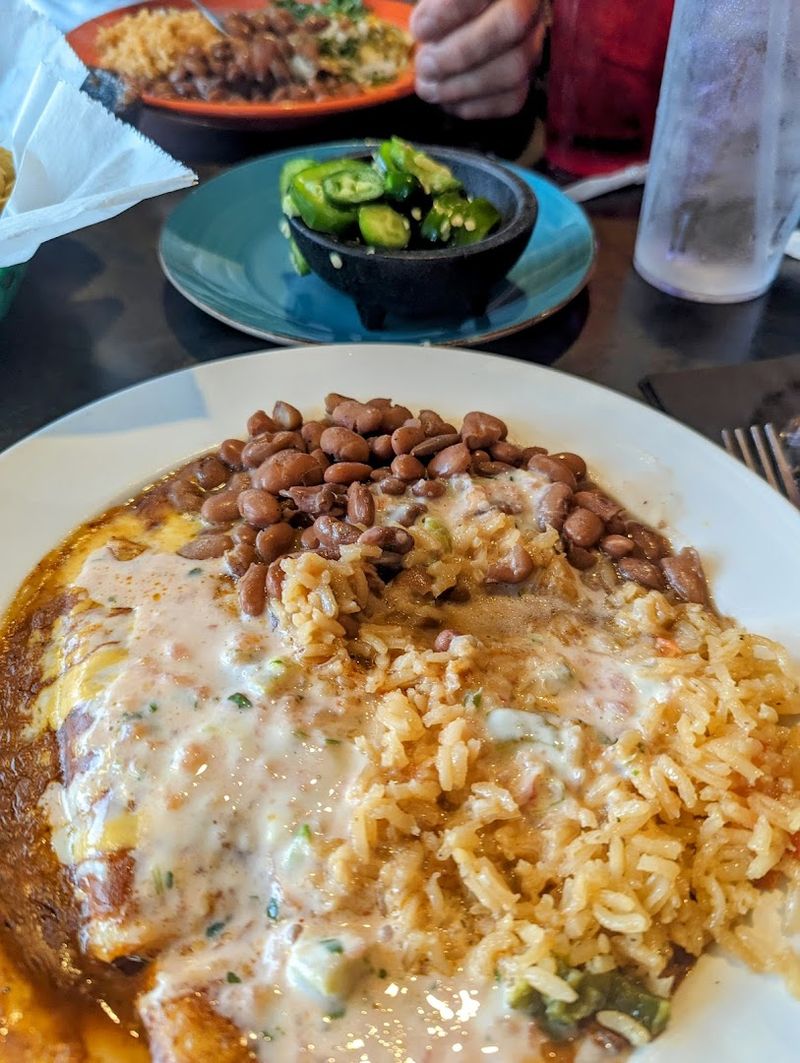
Tex-Mex represents a delicious fusion that happened when Mexican cooking traditions met American ingredients and Texas tastes, creating something entirely new that neither country can claim alone. This cuisine developed along the border regions where cultures blended naturally, with families adapting recipes based on what they could find locally. The result is a flavor profile that’s bolder, cheesier, and heartier than traditional Mexican food, with dishes that have become American favorites.
Cheese plays a starring role in Tex-Mex, appearing in gooey enchiladas, sizzling fajitas, and loaded nachos that would surprise anyone expecting authentic Mexican cuisine. Yellow cheese, particularly cheddar and Monterey Jack, gets melted over just about everything, creating that signature Tex-Mex richness. Flour tortillas are preferred over corn in many dishes, providing a softer, more substantial wrap for tacos and burritos.
Fajitas originated in Texas ranch country when Mexican cowboys made the most of less-desirable beef cuts by marinating and grilling them, then serving the sizzling meat with tortillas. The dish exploded in popularity during the 1970s and became a restaurant staple across America. Queso, that warm cheese dip served with tortilla chips, is practically a food group in Texas, with debates about the best recipe rivaling any political discussion.
Breakfast tacos deserve special mention as a Texas morning tradition, stuffed with scrambled eggs, bacon, potatoes, and cheese. These handheld meals fuel the state from dawn onwards, available at gas stations, taquerias, and drive-throughs everywhere. Tex-Mex restaurants range from family-owned neighborhood spots with recipes passed down for generations to bustling chains that introduced this cuisine to the rest of the country.
The food is comforting, shareable, and perfectly suited to Texas-sized appetites.
4. Football
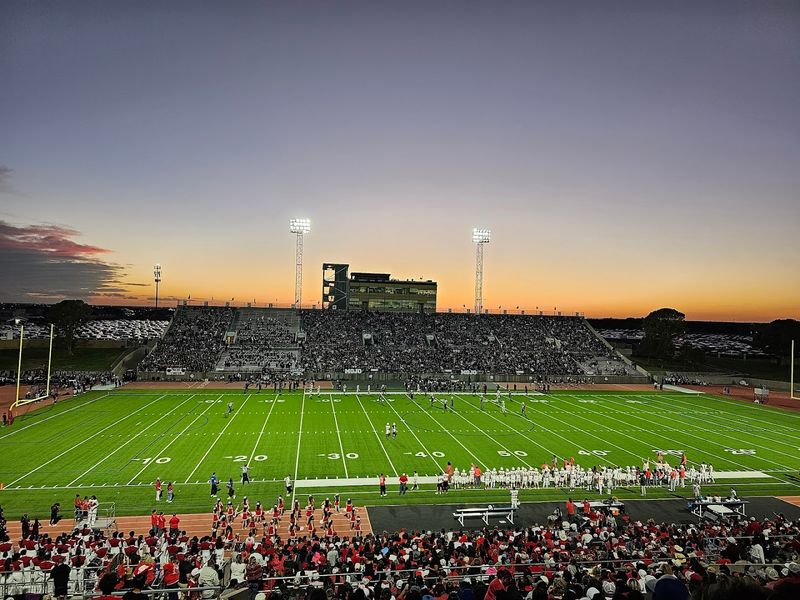
In Texas, football feels more like a way of life than just a game, bringing entire communities together every Friday night under bright stadium lights. High school games draw crowds that would make college teams jealous, with towns shutting down so everyone can watch their local team compete. The passion starts young, with kids dreaming of wearing their school’s colors and parents planning their weekends around game schedules years in advance.
The phrase “Friday Night Lights” became famous because it captured something real about Texas culture, where football represents community pride, tradition, and the hope that a talented kid might earn a college scholarship. Small towns invest millions in stadium facilities that rival professional venues, complete with jumbotrons, impressive sound systems, and seating for thousands. Marching bands, cheerleading squads, and drill teams create spectacular halftime shows that are entertainment events in themselves.
College football reaches fever pitch with programs like the University of Texas Longhorns and Texas A&M Aggies commanding fierce loyalty and intense rivalries. Game days become all-day affairs with tailgating that starts at sunrise, alumni gatherings, and traditions that have been maintained for over a century. The NFL’s Dallas Cowboys hold the title “America’s Team” and play in a stadium so massive and technologically advanced it became a tourist attraction in its own right.
Coaching in Texas carries celebrity status, with successful high school coaches earning six-figure salaries and becoming community leaders whose influence extends well beyond the field. Players learn discipline, teamwork, and perseverance while representing something bigger than themselves. The state produces more Division I college players and NFL draft picks than almost anywhere else, proving that the intense focus on football development creates results.
This deep connection to the game makes Texas a place where football matters more than almost anywhere in America.
5. Rodeos
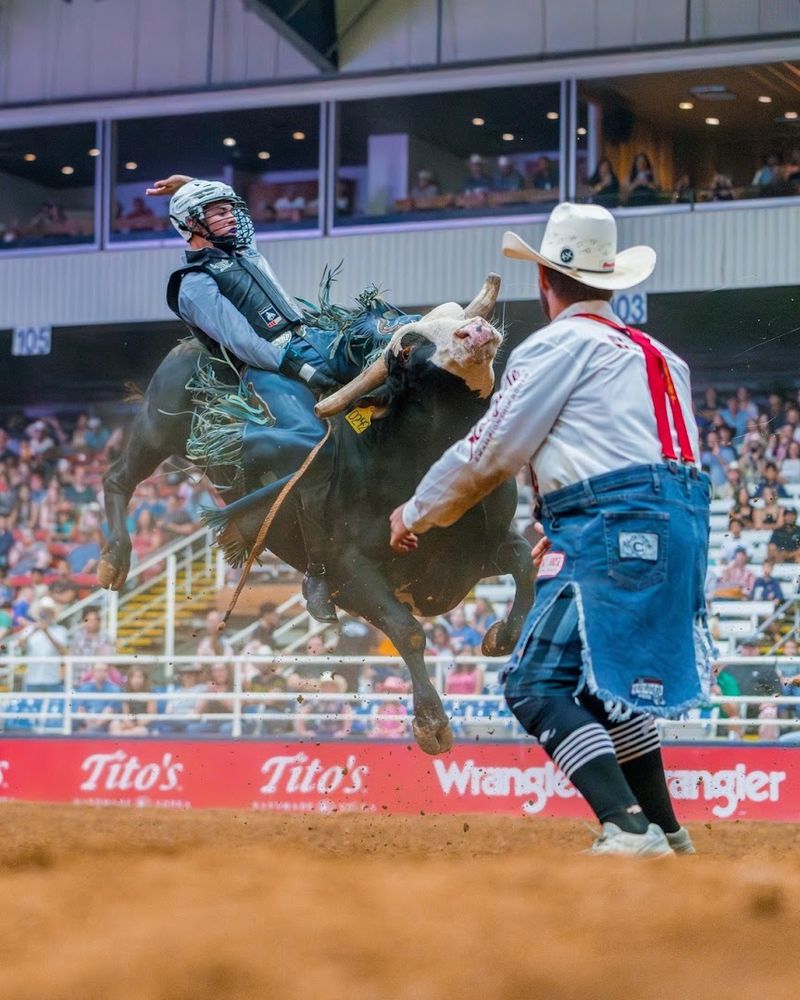
Rodeos showcase the skills that working cowboys developed on ranches, transforming practical abilities into heart-pounding competitions that test courage and athleticism. Bull riding, bronc riding, barrel racing, and steer wrestling aren’t invented sports—they evolved from actual tasks that ranch hands performed daily when working with livestock. The danger is real, the athletes are tough, and the eight-second rides on bucking animals create some of the most intense moments in all of sports.
The Houston Livestock Show and Rodeo is the world’s largest, attracting over two million visitors annually for three weeks of competition, carnival rides, livestock exhibitions, and concerts featuring major music stars. Fort Worth’s rodeo tradition runs so deep that the city earned the nickname “Cowtown,” and the Fort Worth Stock Show has been running since 1896. These events celebrate western heritage while providing scholarships to Texas students and supporting agricultural education.
Rodeo athletes travel a circuit throughout the year, competing for prize money and points toward championship standings. They face injuries regularly, from broken bones to concussions, yet return to competition with a determination that defines the sport’s culture. Barrel racers, often women, navigate a cloverleaf pattern around barrels at full gallop, with races decided by hundredths of a second.
The precision required combines horsemanship, training, and split-second timing.
Beyond the main events, rodeos feature team roping, tie-down roping, and steer wrestling that demonstrate the coordination between horse and rider developed over years of practice. Rodeo clowns, now called bullfighters, protect fallen riders from angry bulls with incredible bravery and athleticism that deserves more recognition. The pageantry includes grand entries with flags, the national anthem, and a celebration of western values.
For many Texans, attending the rodeo is an annual tradition that connects them to the state’s ranching heritage and reminds everyone where they came from.
6. Diverse Geography
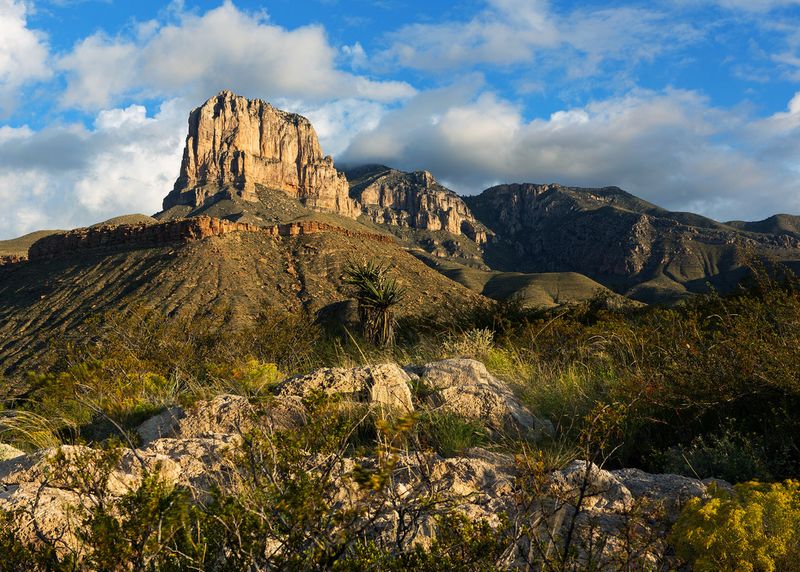
Most people picture Texas as endless flat desert, but the state’s geography is surprisingly varied, spanning forests, mountains, beaches, and prairies across 268,000 square miles. East Texas features dense pine forests and swamplands that look more like Louisiana than the Wild West, with humidity and vegetation that shock visitors expecting tumbleweeds. The Gulf Coast stretches for 367 miles, offering sandy beaches, barrier islands, and coastal ecosystems that support incredible biodiversity.
West Texas transforms into dramatic desert landscapes with the Chihuahuan Desert, rugged mountains, and the spectacular Guadalupe Peak rising to 8,749 feet as the state’s highest point. Big Bend National Park showcases canyons carved by the Rio Grande, volcanic rock formations, and night skies so dark they’re designated an International Dark Sky Park. The scenery here feels otherworldly, with vast emptiness that makes you understand why people seek solitude in the desert.
Central Texas Hill Country rolls with limestone hills, spring-fed rivers, and caves that attract spelunkers and swimmers alike. The Edwards Aquifer feeds crystal-clear springs where you can see 30 feet down, and the Frio River provides tubing adventures through cypress-lined banks. Wildflowers blanket the hills each spring, creating colorful displays that draw photographers and nature lovers.
The Panhandle presents flat plains where you can see for miles in every direction, with enormous skies that showcase spectacular sunsets and dramatic thunderstorms. South Texas brushland supports unique wildlife like javelinas and provides critical habitat for migratory birds traveling between continents. This geographic diversity means you can experience completely different landscapes without leaving the state, from surfing in the morning to hiking mountain trails by afternoon.
Texas truly contains multitudes, offering natural wonders that surprise anyone who takes time to explore beyond the stereotypes.
7. Longhorn Cattle
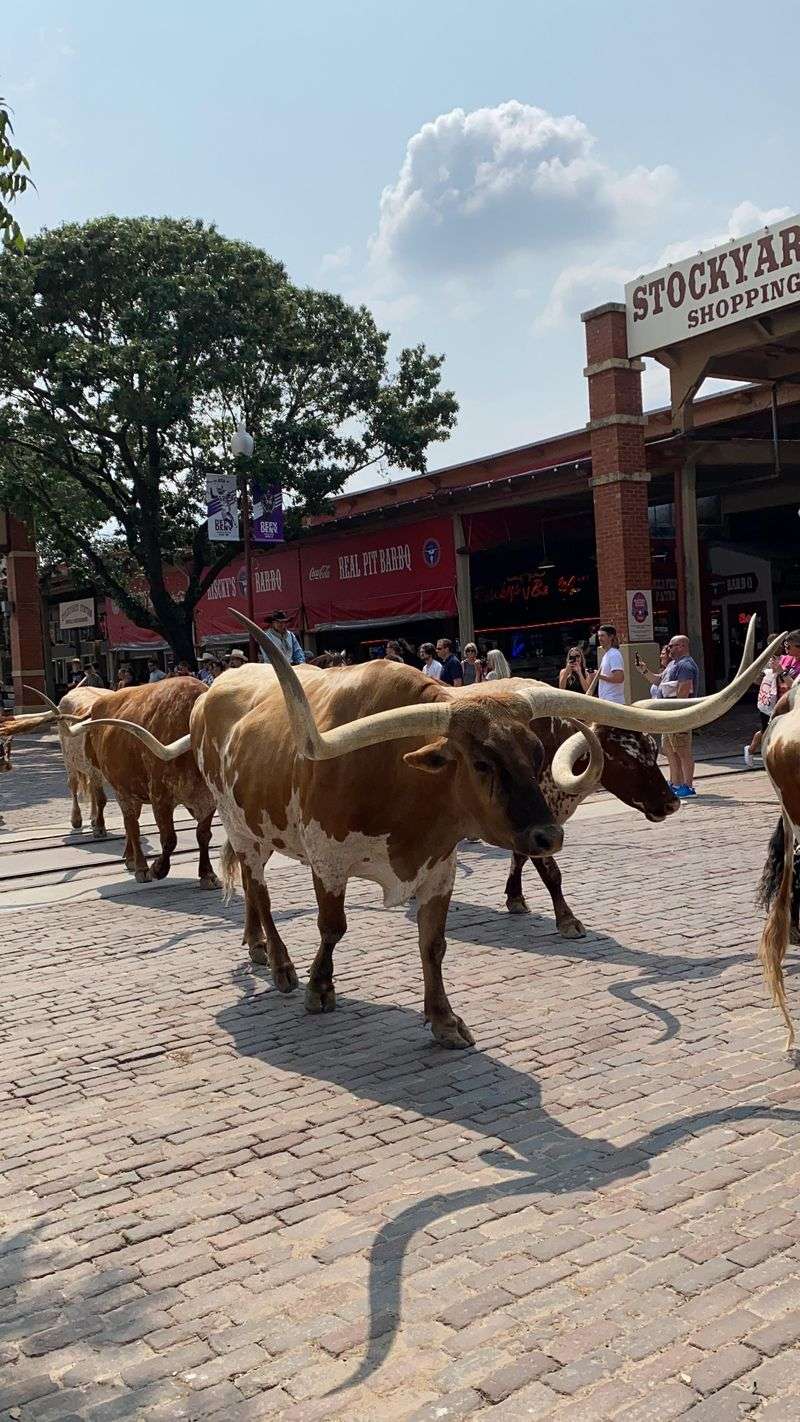
With horns that can span seven feet from tip to tip, Texas Longhorns are living symbols of the state’s ranching heritage and the cattle drives that built an industry. These animals descended from Spanish cattle brought to the Americas in the 1500s, adapting to harsh Texas conditions through natural selection that created a remarkably hardy breed. They can survive on vegetation that other cattle won’t eat, thrive in extreme heat, and travel long distances without water—traits that made them perfect for the challenging trail drives of the 1800s.
Longhorns nearly went extinct in the early 1900s when ranchers favored European breeds that produced more meat and milk. Conservation efforts, including a government preservation program, saved the breed from disappearing entirely. Today, these cattle are valued for their disease resistance, easy calving, and ability to thrive on marginal land without intensive management.
Their lean beef has found a market among health-conscious consumers seeking lower-fat meat options.
The University of Texas adopted the Longhorn as its mascot, with a live steer named Bevo attending football games and becoming one of college sports’ most recognizable mascots. Each Bevo has been a registered Texas Longhorn, continuing a tradition that started in 1916. The connection between the university and the breed strengthened the Longhorn’s place in Texas identity.
Ranchers who raise Longhorns today appreciate their low-maintenance nature and the connection to Texas history that comes with the breed. These cattle often live into their twenties, much longer than commercial beef cattle, and develop distinctive horn shapes that make each animal unique. Longhorn skulls and imagery appear throughout Texas in art, architecture, and decoration, serving as shorthand for the state’s western heritage.
Seeing a herd of these majestic animals grazing with their massive horns silhouetted against the sky remains a quintessentially Texas experience.
8. Live Music Scene
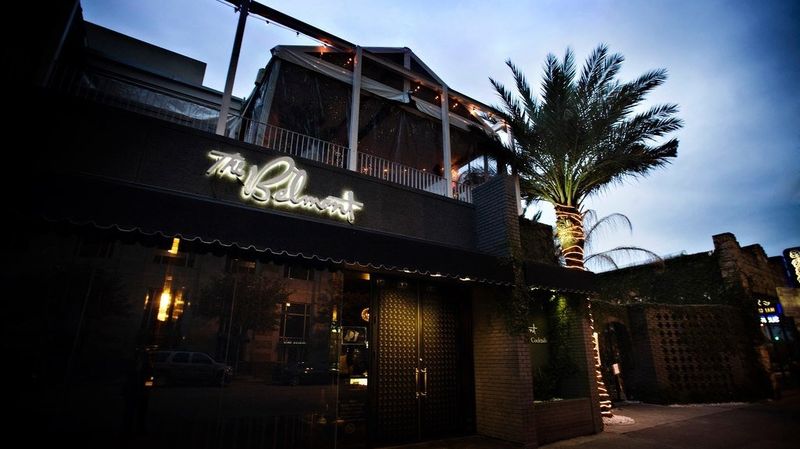
Austin earned its “Live Music Capital of the World” title honestly, with more music venues per capita than anywhere else and a scene that nurtures artists across every genre imaginable. On any given night, you can catch blues, country, rock, hip-hop, jazz, and electronic music within a few blocks of each other. The city’s commitment to live music runs so deep that developers must consider how construction projects might impact music venues, and there’s a city office dedicated to preserving music culture.
Sixth Street pulses with energy as crowds move between clubs and bars where bands play until 2 a.m., creating an atmosphere that feels like a never-ending music festival. The Continental Club has hosted legendary performers since 1955, maintaining a vintage atmosphere where up-and-coming artists share the stage with established acts. Stubb’s Bar-B-Q combines great brisket with an outdoor amphitheater that’s hosted everyone from Johnny Cash to Snoop Dogg.
South by Southwest (SXSW) transformed from a small music conference into a massive international event that takes over Austin each March, showcasing thousands of artists and drawing music industry professionals from around the world. Austin City Limits, both the TV show and the festival, have introduced Texas musicians to global audiences for decades. These events prove that Austin’s music scene isn’t just local pride—it’s a legitimate cultural force.
Beyond Austin, Texas cities support thriving music scenes with their own flavors. Houston’s hip-hop culture produced influential artists who shaped the genre’s sound, while Fort Worth’s honky-tonks keep traditional country music alive. Small-town dance halls throughout the state host weekend dances where locals two-step to live bands, maintaining traditions that stretch back generations.
The state’s musical diversity reflects its cultural mix, with Tejano, conjunto, blues, and rock all finding audiences. Texas musicians have always punched above their weight, and the state’s supportive music culture continues launching careers that influence American music.
9. Kolaches
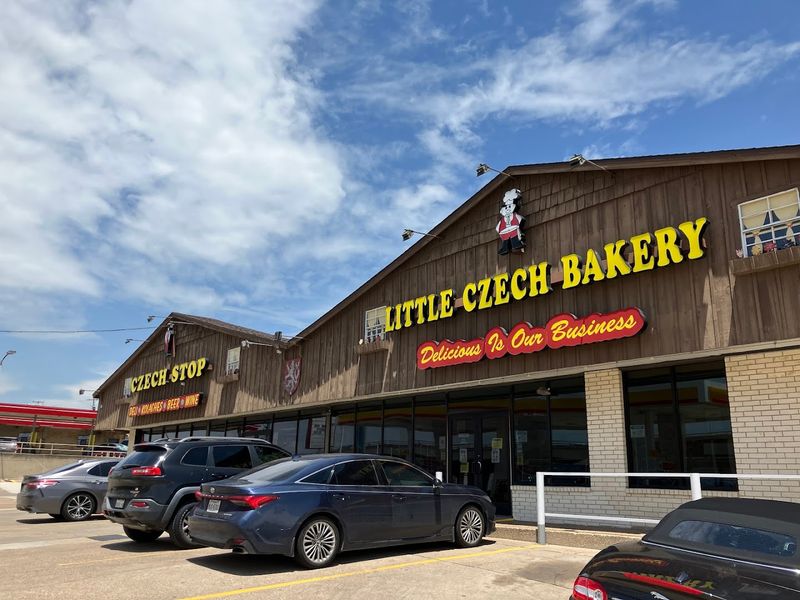
Czech immigrants brought kolaches to Central Texas in the 1800s, and these pillowy pastries filled with fruit or savory ingredients have become a beloved Texas tradition that surprises newcomers. The original sweet versions feature fruit fillings like apricot, prune, or poppy seed nestled in soft yeast dough, creating a breakfast treat that’s less sweet than a donut but more interesting than plain bread. Texas added its own twist with savory versions, particularly the sausage kolache that’s technically called a klobasnik but gets lumped under the kolache name anyway.
Small towns like West, Texas, and Caldwell built their reputations on kolache bakeries that draw travelers willing to detour off highways for the real deal. These bakeries start work in the pre-dawn hours, filling their shops with the yeast-and-butter aroma that announces fresh batches. Lines form early, especially on weekends, with locals placing large orders and road-trippers stocking up for their journeys.
The sausage kolache has become a Texas gas station staple, available at convenience stores throughout the state as a portable breakfast that beats typical fast food. Wrapped in soft dough with cheese and sometimes jalapeños, these handheld meals fuel morning commutes and road trips. The quality varies wildly—some gas stations serve mediocre versions while others take pride in making them fresh daily.
Czech heritage festivals celebrate kolache-making traditions with competitions and demonstrations that keep the craft alive. Older bakers share techniques for achieving the right dough texture and proper filling ratios, though family recipes remain closely guarded secrets. Sweet kolaches work wonderfully with morning coffee, while savory versions satisfy lunch cravings.
The pastries represent how immigrant food traditions adapted to Texas tastes, creating something that belongs completely to the state now. When Texans travel out of state and can’t find kolaches, they realize how spoiled they’ve been having these treats readily available back home.
10. Bluebonnets
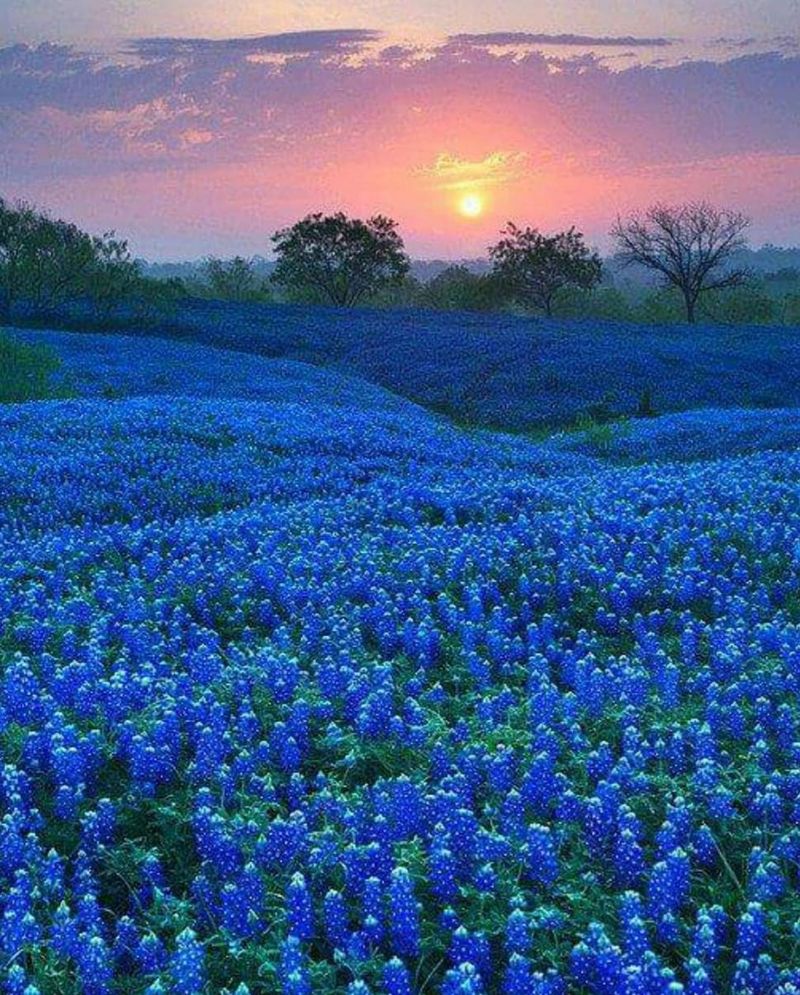
Each spring, Texas roadsides and fields explode with bluebonnets, the state flower that creates photo opportunities so irresistible that families plan entire outings around finding the best patches. These blue-purple wildflowers bloom from late March through April, transforming landscapes into seas of color that represent Texas pride as strongly as any flag. The tradition of photographing children sitting in bluebonnet fields has become a rite of passage for Texas families, with parents braving fire ants and highway traffic to capture the perfect shot.
Lady Bird Johnson, former First Lady and passionate wildflower advocate, championed the Highway Beautification Act and worked tirelessly to promote native wildflower planting along Texas roads. Her efforts transformed highway corridors into wildflower showcases that bloom reliably each year, creating natural beauty that requires no maintenance beyond letting nature take its course. The Lady Bird Johnson Wildflower Center in Austin continues her mission, researching and promoting native plants.
Bluebonnets are actually several species of lupines native to Texas, with the most common being Lupinus texensis. They’re annuals that complete their entire life cycle in one season, dropping seeds that lie dormant until conditions are right for germination. The plants fix nitrogen in the soil, improving conditions for other plants—a practical benefit beyond their beauty.
Popular bluebonnet viewing spots like the Willow City Loop and Ennis become crowded during peak bloom, with cars lining roads and people wandering through private property in search of the perfect field. Landowners who allow public access for bluebonnet viewing demonstrate the Texas hospitality that makes these flower pilgrimages possible. The flowers pair beautifully with other spring wildflowers like Indian paintbrush, creating red and blue combinations that mirror the Texas flag.
When bluebonnets bloom, Texans know winter is truly over and the state is showing off its natural beauty for everyone to enjoy.