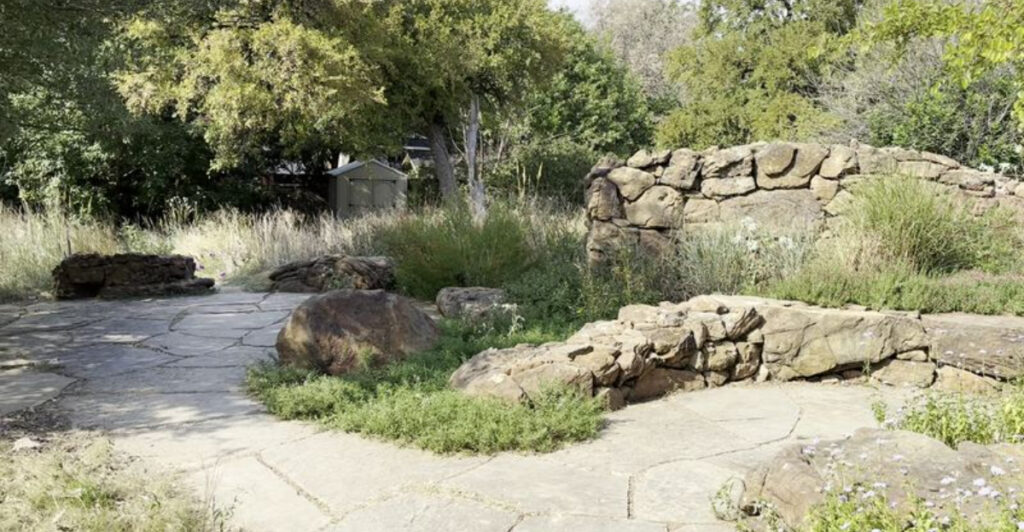
Surrounded by trees and quiet walking paths, Twelve Hills Nature Center offers a peaceful side of Dallas that many locals still overlook. This five-acre slice of native prairie and woodland sits quietly on Mary Cliff Road, offering butterflies, birdsong, and wildflowers just minutes from the city buzz. Locals who stumble upon it tend to guard it fiercely, hoping it stays exactly as it is—peaceful, uncrowded, and refreshingly real.
1. A Five-Acre Escape That Feels Like Another World
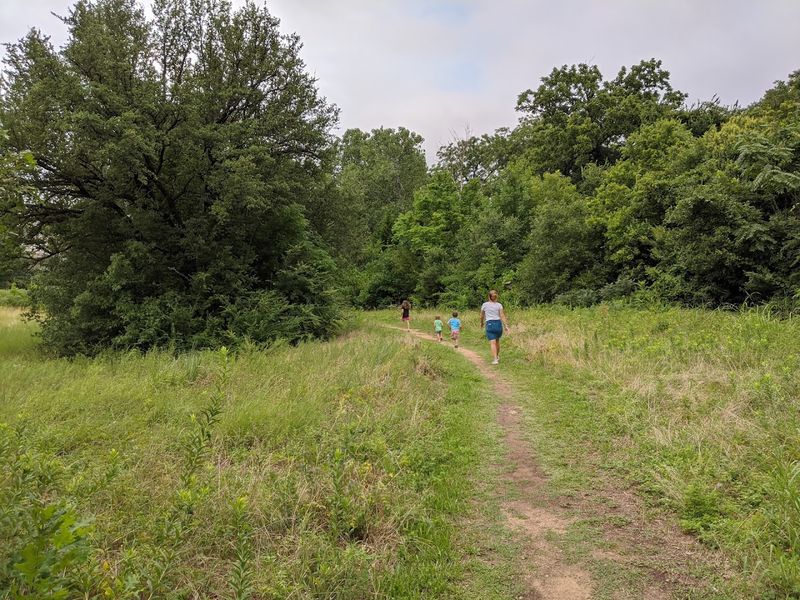
Right in the middle of North Oak Cliff sits a patch of land that shouldn’t exist. Twelve Hills Nature Center sprawls across five acres of native prairie, woodland trails, and butterfly gardens, all maintained by neighbors who care deeply about keeping it wild. The moment you step onto the property, city noise fades and you’re greeted by rustling grasses, chirping wrens, and the occasional hummingbird zipping past your head.
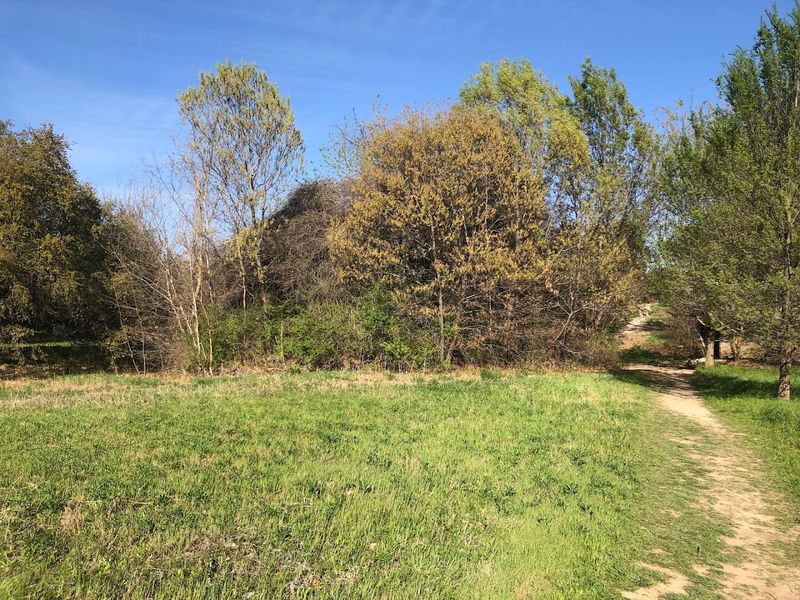
What makes this place special isn’t its size or fancy amenities—it’s the fact that it exists at all. A group of local residents purchased the land years ago to preserve it from development, and their passion shows in every carefully planted wildflower and hand-cleared trail. You won’t find paved paths or visitor centers here, just dirt trails winding through native flora and a few benches where you can sit and listen to the creek after a good rain.
The preserve opens at 8 AM most days and stays open until 9 PM, giving early birds and evening strollers plenty of time to visit. Parking is tight—only seven or eight spots—which naturally keeps crowds manageable. Most visitors are neighbors out for a quick walk or families looking for a low-key outdoor hour.
It’s not designed for serious hikers or Instagram fame, and that’s precisely why regulars love it.
2. Native Prairie Plants That Bring Texas Back to Life
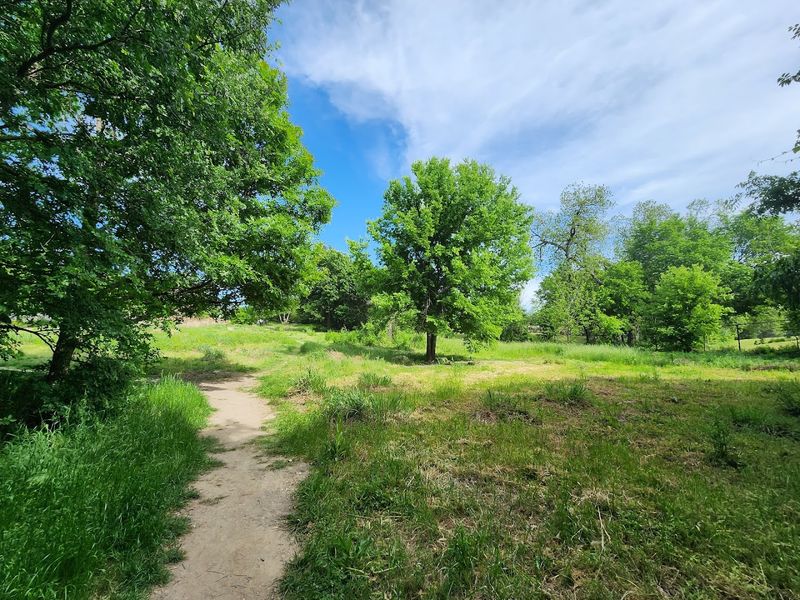
Forget manicured lawns and imported shrubs. Twelve Hills is all about bringing back the blackland prairie that once covered this part of Texas before settlers plowed it under. Volunteers spend weekends planting native grasses, wildflowers, and shrubs that once thrived here naturally, creating a living snapshot of what North Texas looked like centuries ago.
Walk the trails in spring and you’ll see why locals get so excited about native plants. Bluebonnets, Indian paintbrush, and black-eyed Susans pop up in waves of color, attracting bees, butterflies, and hummingbirds by the dozen. These aren’t just pretty faces—they’re part of a carefully planned ecosystem that supports local wildlife without needing pesticides, fertilizers, or constant watering.
Summer brings different blooms, and fall turns the grasses golden and rustling. Even winter has its charm, with seed heads feeding birds and dried stalks providing shelter for insects. Volunteers work year-round to pull invasive vines and encourage natives to spread, though some visitors note that certain areas could use more attention to keep aggressive species in check.
The butterfly garden near the entrance is particularly popular, with benches positioned perfectly for watching monarchs, swallowtails, and painted ladies dance between milkweed and lantana. It’s a reminder that you don’t need a huge space to make a difference—just the right plants and a little patience.
3. Trails That Feel Wild Without Being Wilderness
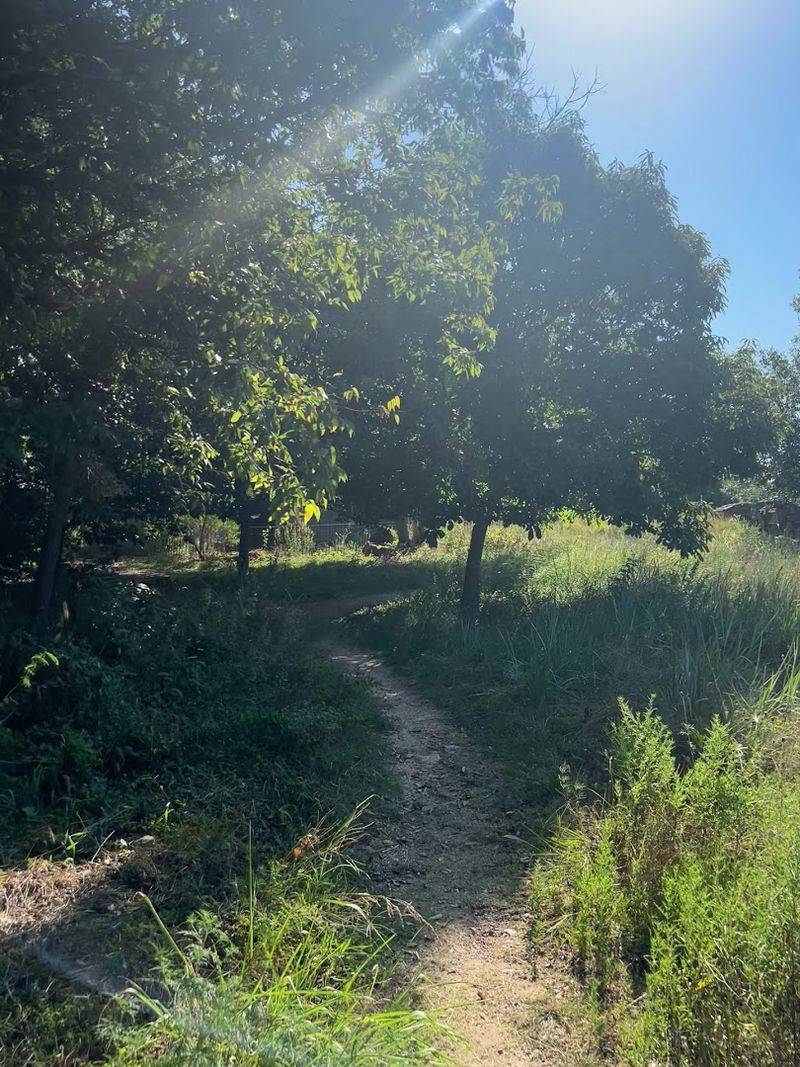
The trail system at Twelve Hills won’t challenge serious hikers, but that’s not the point. These paths wind through about a mile of mixed habitat, offering just enough variety to keep a casual stroll interesting without requiring hiking boots or a water pack. Exposed tree roots, jagged rocks, and uneven terrain give the trails a genuinely wild feel, even though you’re surrounded by neighborhoods and schools.
Some sections follow the creek bed, where the sound of running water after rain creates a surprisingly peaceful soundtrack. Other stretches climb gently through woodland areas where oak and cedar provide welcome shade on hot Texas afternoons. A few spots open into prairie clearings where you can see the full sweep of native grasses and wildflowers stretching toward the sky.
Fair warning—the trails aren’t roped off or heavily marked, which gives them an authentic backcountry vibe but can also mean brushing against vegetation. Poison ivy grows in several areas, and while signs warn visitors, you’ll want to stay on the main paths and know what to avoid. Long pants aren’t a bad idea, especially in summer when growth gets thick.
Most people complete the full loop in 20 to 30 minutes, though you can easily spend an hour if you stop to watch birds or photograph wildflowers. It’s perfect for a quick nature fix between errands or a peaceful start to your morning before work.
4. Wildlife Encounters That Surprise City Dwellers
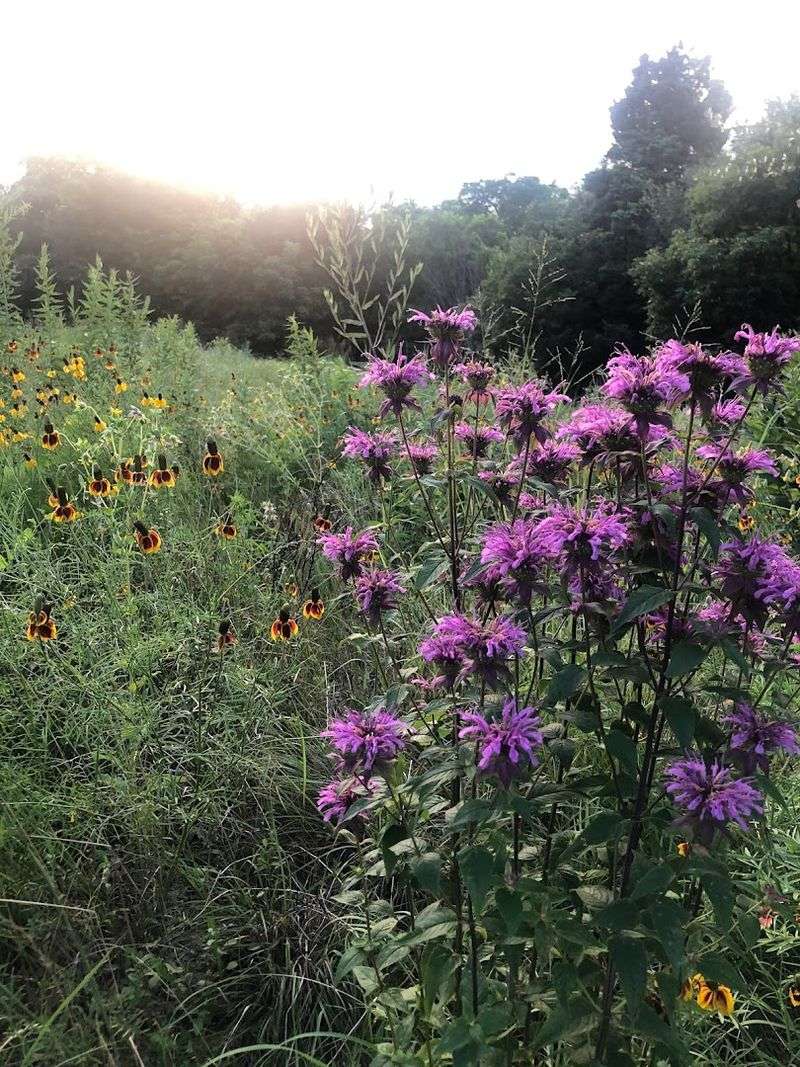
You’d never guess how much wildlife thrives in five acres until you spend time watching and listening. Regulars report seeing everything from Bewick’s wrens and cardinals to ruby-throated hummingbirds hovering over native salvias. Butterflies are practically guaranteed during warm months, with monarchs, gulf fritillaries, and swallowtails all making regular appearances in the butterfly garden.
Texas spiny lizards dart across rocks and tree trunks, doing their territorial push-ups in the sun. These feisty little reptiles are harmless and fun to watch, especially for kids who’ve never seen native lizards up close. Birds nest throughout the preserve, and sharp-eyed visitors sometimes spot nests tucked into tree branches or shrubs along the trail.
The creek brings its own residents—dragonflies patrol the water’s edge, and you might spot tracks from raccoons or opossums who visit after dark. Even the insect life is impressive, with native bees, beetles, and other pollinators working the flowers constantly. It’s a reminder that urban nature preserves aren’t just nice to look at—they’re critical habitat for species that have nowhere else to go.
Early morning visits offer the best wildlife watching, when birds are most active and temperatures are still comfortable. Bring binoculars if you’re into birding, though you’ll see plenty with just your eyes and a little patience.
5. A Volunteer Labor of Love That Shows
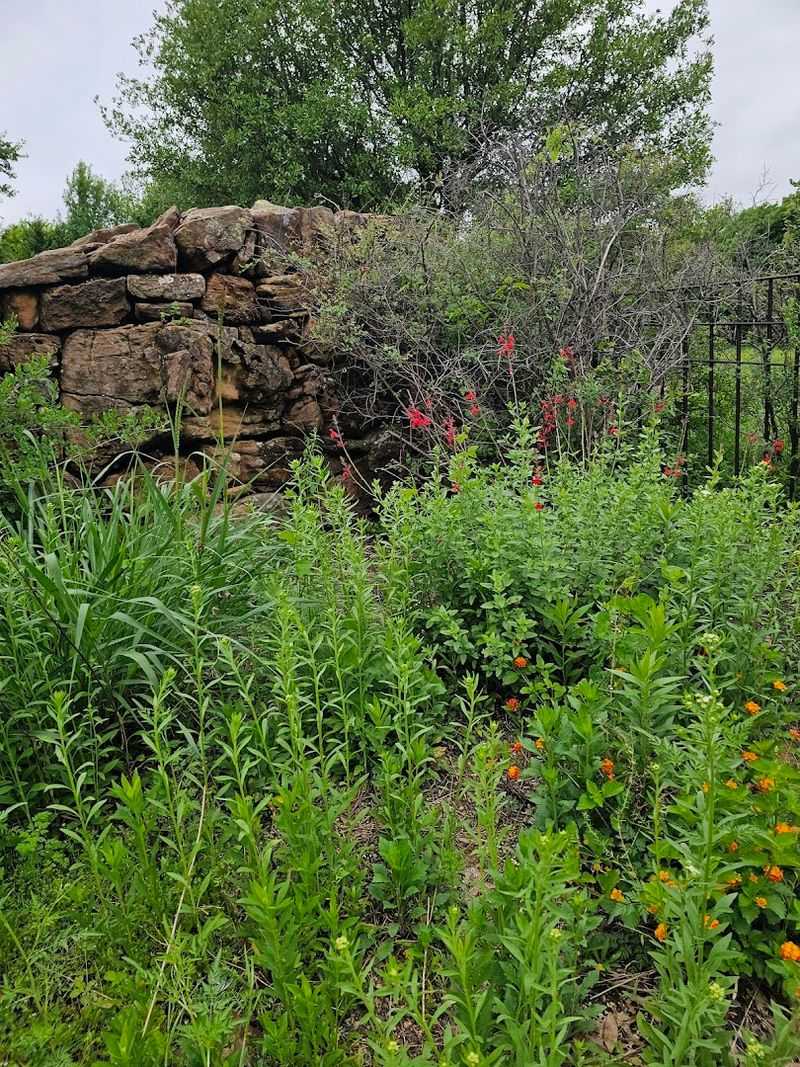
Nothing at Twelve Hills happens by accident. Every planted wildflower, cleared trail, and installed bench represents hours of volunteer work by neighbors who refuse to let this place disappear. The preserve operates entirely through community effort, with regular workdays drawing locals who show up with gloves, shovels, and genuine affection for this little patch of land.
Walk through on a Sunday morning and you might see volunteers pulling invasive vines, planting native grasses, or clearing debris from the trails. Some have been coming for years, treating their volunteer shifts like a weekly ritual that combines exercise, meditation, and community service. Others are newer, drawn by a desire to connect with nature and neighbors simultaneously.
The results of this care are visible everywhere. Native plant beds are thoughtfully arranged, trails are kept passable without being over-manicured, and the whole place radiates a sense of intentionality. Yes, some areas need more attention—vines are persistent and invasive species don’t give up easily—but the overall impression is one of genuine stewardship rather than professional landscaping.
This volunteer model means Twelve Hills will never be perfectly polished, and locals wouldn’t want it any other way. The slightly rough edges and ongoing projects give the preserve character and keep it feeling authentic rather than manufactured. It’s nature preservation as neighborhood project, which somehow makes it even more special.
6. Limited Parking That Acts as Natural Crowd Control
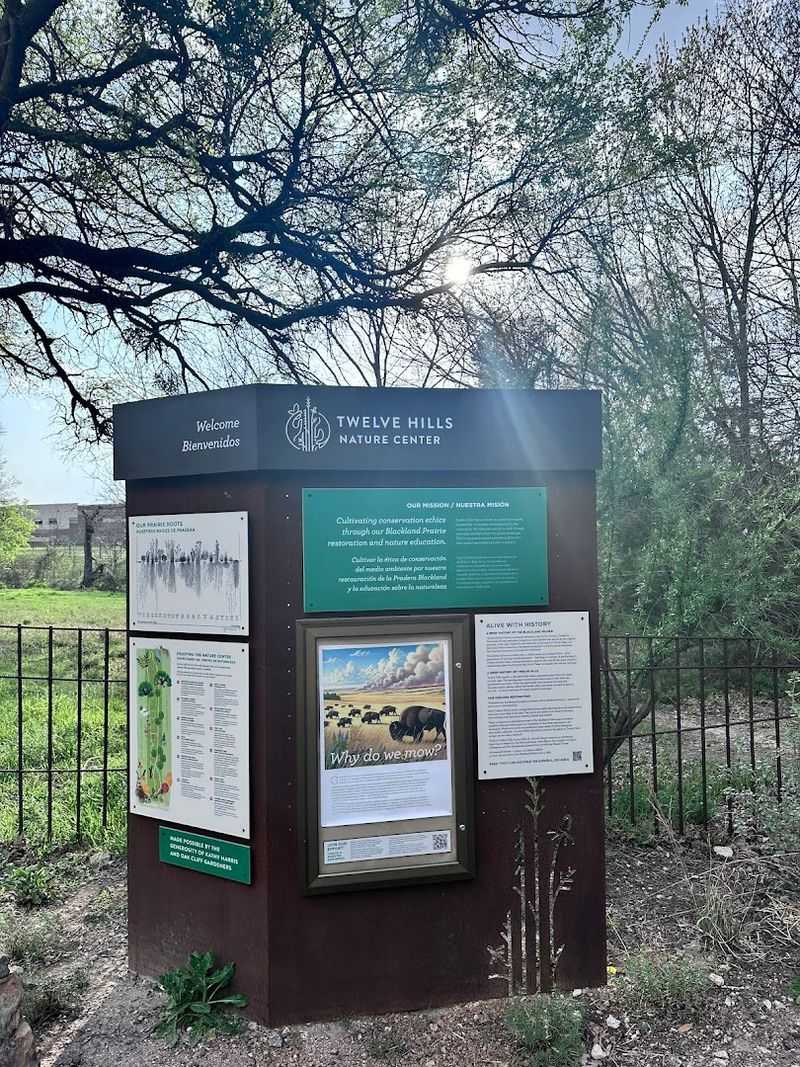
The tiny parking lot at Twelve Hills holds maybe eight cars on a good day, which sounds like a problem until you realize it’s actually a feature. This natural bottleneck keeps visitor numbers manageable, ensuring the trails never feel crowded and wildlife doesn’t get spooked by constant human traffic. On weekday mornings, you’ll often have the place entirely to yourself.
Weekends bring more visitors, but even then, the small lot means you’re sharing the space with maybe a dozen other people total. Most are neighbors who walked over anyway, so the parking situation works itself out organically. If the lot is full, you can usually find street parking nearby on Stevens Forest or residential streets, though you’ll add a short walk to your visit.
This parking limitation has become something locals quietly appreciate. It means Twelve Hills can’t become an Instagram hotspot or tour bus destination, keeping the preserve peaceful and protecting the very qualities that make it special. No one’s fighting for selfie spots or blasting music from portable speakers—just people genuinely there to experience nature.
The preserve’s location in a residential neighborhood also means most visitors arrive with appropriate expectations. This isn’t Cedar Ridge Preserve with its extensive trail system and visitor facilities. It’s a neighborhood gem that happens to welcome respectful outsiders, and the parking situation helps maintain that balance perfectly.
7. Seasonal Changes That Reward Repeat Visits
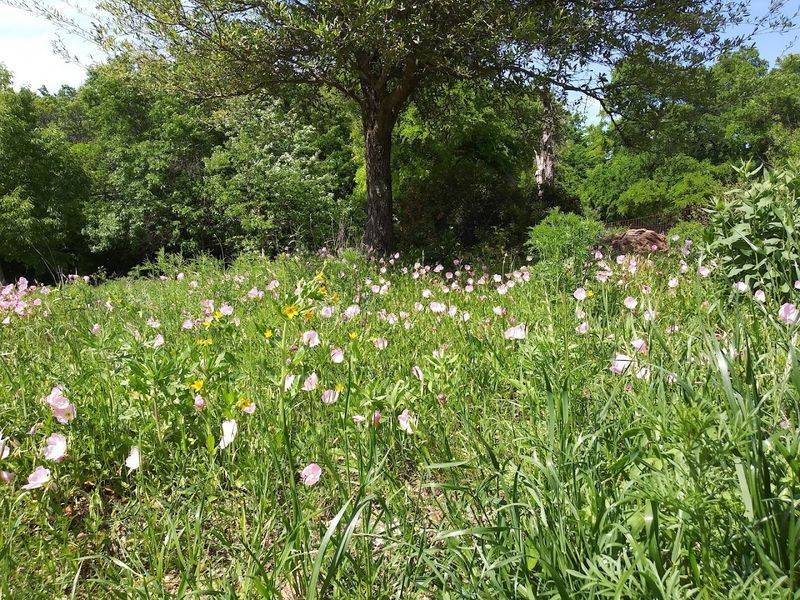
Visit Twelve Hills once and you’ll see a snapshot. Come back throughout the year and you’ll understand why locals are so devoted to this place. Each season brings completely different experiences, from spring’s wildflower explosions to winter’s quiet beauty when seed heads feed birds and dried grasses rattle in the wind.
Spring is showtime, when bluebonnets, Indian paintbrush, and dozens of other native wildflowers transform the prairie into a living palette. Butterflies emerge, hummingbirds return from migration, and the whole preserve buzzes with renewed energy. It’s the season that draws the most visitors, and for good reason—the color and activity are genuinely spectacular.
Summer turns everything green and lush, though the heat can be intense without much shade on the prairie sections. Early morning visits become essential, when temperatures are bearable and wildlife is most active. Fall brings golden grasses and a different suite of blooms, plus migrating butterflies stopping to refuel on their way south.
Winter surprises people who’ve never experienced a Texas prairie in cold months. The landscape looks dormant but isn’t—seed heads provide critical food for overwintering birds, dried stalks shelter beneficial insects, and the whole ecosystem rests and prepares for spring’s return. Some visitors find winter disappointing, but those who understand prairie ecology see the beauty in the apparent emptiness.
8. A Neighborhood Gem Worth Protecting
The story of how Twelve Hills came to exist matters almost as much as the preserve itself. When this land faced development pressure years ago, a group of neighbors decided to buy it themselves rather than watch it disappear under houses or pavement. That kind of community action is rare enough to deserve recognition, especially in a rapidly growing city where every vacant lot seems destined for construction.
What they created isn’t just a park—it’s a statement about what matters to a community. Instead of another few houses, North Oak Cliff has a living reminder of what Texas looked like before concrete and cultivated lawns took over. It’s a place where kids can see native lizards and butterflies, where adults can remember that nature exists beyond their screens, and where everyone can breathe air scented with wildflowers instead of exhaust.
The preserve’s non-commercial feel reinforces this community-first approach. There’s no gift shop, no admission fee, no corporate sponsorship signs. Just land, trails, plants, and the understanding that some things are worth preserving simply because they’re irreplaceable.
The slightly rough edges and ongoing maintenance needs are part of the charm—this is a real place created by real people, not a manufactured attraction.
Whether Twelve Hills stays hidden depends partly on you. Visit respectfully, stay on trails, and maybe consider joining a volunteer workday. This little patch of prairie deserves to thrive for generations, crowded or not.