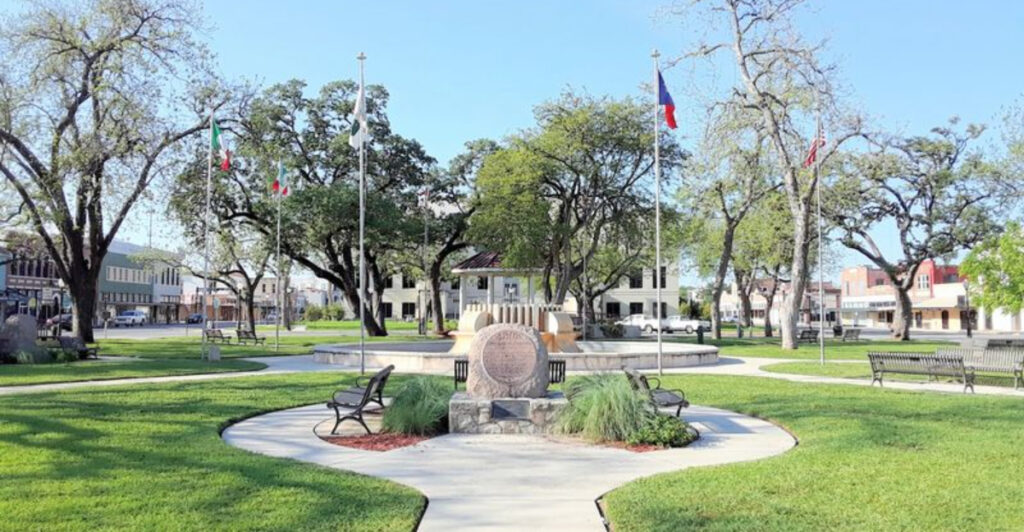
Seguin might not be the biggest dot on the Texas map, but it sure knows how to leave an impression. Tucked between San Antonio and Austin along the Guadalupe River, this town of around 36,000 people serves up history, quirks, and genuine Texas hospitality in equal measure. From oversized pecan statues to saloons with spooky stories, Seguin proves that the best adventures often happen in places you least expect.
1. The World’s Largest Pecan
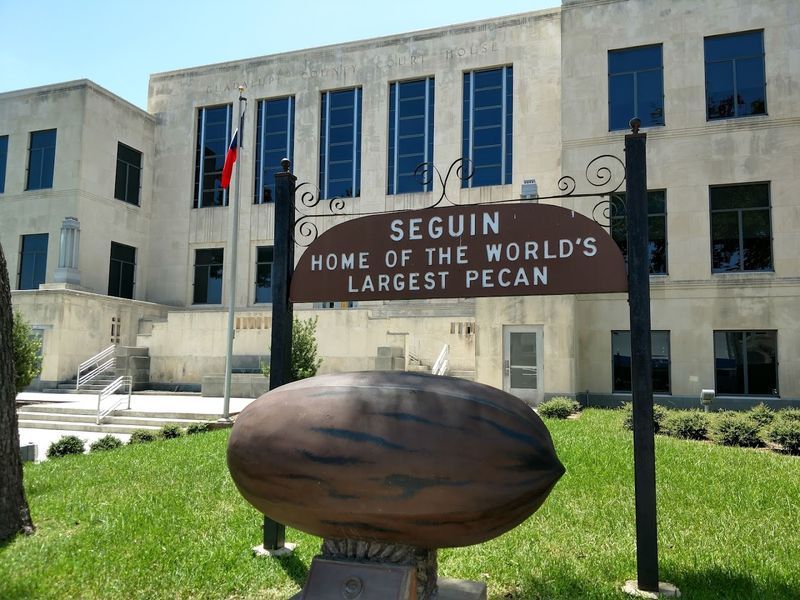
Standing five feet long and weighing over a thousand pounds, the World’s Largest Pecan isn’t just a roadside curiosity—it’s a declaration of pride. Seguin earned the title of Pecan Capital of Texas back in 1962, and this nutty monument on the courthouse lawn makes sure nobody forgets it. The shiny bronze sculpture catches sunlight in a way that makes it impossible to miss, and locals will tell you it’s been the backdrop for countless family photos since it was installed.
Pecan groves have shaped Seguin’s economy and identity for over a century. The Guadalupe River Valley’s rich soil and climate create ideal growing conditions, producing some of the finest pecans in the state. During harvest season in fall, you’ll find fresh pecans at farmers markets and roadside stands throughout town, along with pecan pie, pralines, and every other treat you can imagine.
The statue itself became official in 2011, though Seguin’s pecan legacy stretches back much further. Families have passed down orchards through generations, and many still operate today. Visiting the giant pecan offers more than just a photo opportunity—it connects you to an agricultural tradition that continues to thrive.
Stop by the courthouse square, snap that picture, then head to one of the local shops to taste what all the fuss is about.
You’ll understand why Seguin takes its pecans seriously, and why this oversized nut has become the town’s most beloved symbol.
2. Sebastopol House State Historic Site
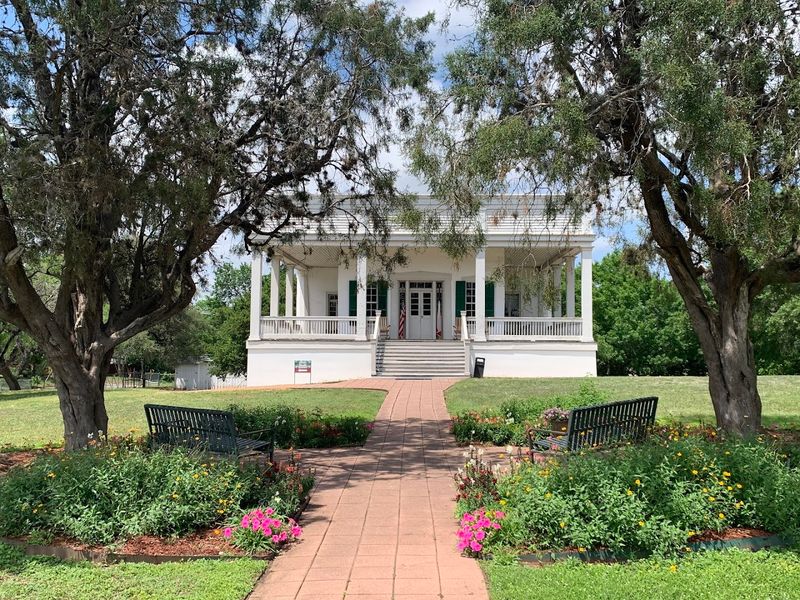
Built in 1856 from a rare material called limecrete, Sebastopol House stands as one of the most unusual historic homes in Texas. Joseph Zorn constructed this Greek Revival beauty using a concrete mixture made from lime, sand, gravel, and water—a technique that kept the house naturally cool during brutal Texas summers. The thick walls and innovative design made air conditioning unnecessary, even when temperatures climbed past 100 degrees outside.
Walking through Sebastopol feels like stepping into a time capsule of antebellum Texas life. The furnished rooms showcase period pieces from the 1850s and 1860s, including original furniture, clothing, and household items that tell stories about the families who lived here. The cistern system that collected rainwater still exists, demonstrating the self-sufficient lifestyle early Texans maintained.
Guides share fascinating details about construction methods and daily routines that modern visitors find both surprising and impressive.
The grounds surrounding the house offer peaceful gardens perfect for a quiet stroll after your tour. Massive oak trees provide shade while you contemplate how differently people lived just a few generations ago. The Texas Historical Commission maintains the property, ensuring preservation for future visitors.
Tours run regularly throughout the week, and admission costs less than a movie ticket.
Sebastopol House proves that historic sites don’t need fancy technology or flashy exhibits to captivate audiences—sometimes authentic architecture and genuine stories do all the work.
3. Haunted Legends at the Magnolia Hotel
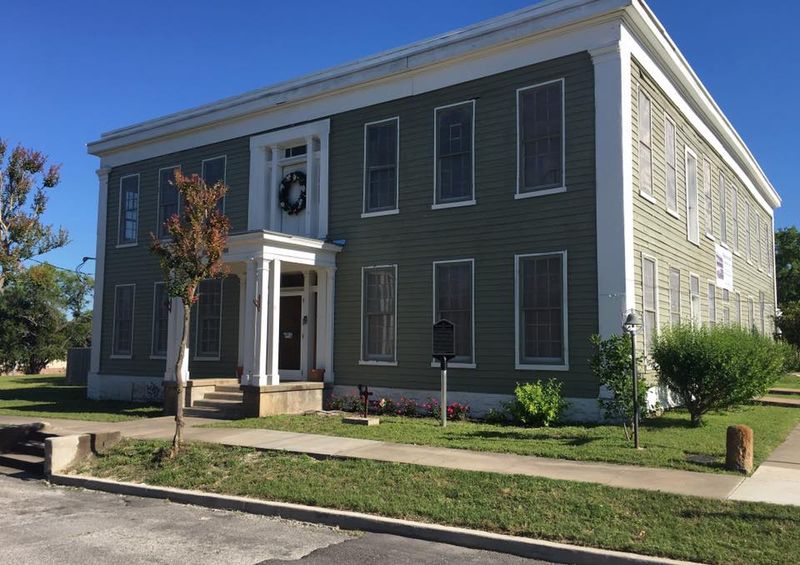
The Magnolia Hotel has welcomed guests since 1840, but not all of them checked out. This downtown landmark ranks among Texas’s most haunted locations, with stories that’ll make skeptics reconsider their stance on ghosts. Built as a stagecoach stop, the hotel witnessed everything from Wild West shootouts to Civil War drama, and apparently, some visitors decided to stick around permanently.
Room 636 generates the most paranormal activity reports, according to staff and guests who’ve experienced unexplained phenomena. People describe hearing footsteps in empty hallways, watching doors open by themselves, and feeling sudden temperature drops in specific rooms. One famous spirit supposedly belonged to a traveling salesman who died in the hotel during the 1800s—he allegedly still roams the second floor looking for his lost luggage.
Another ghost, a woman in Victorian clothing, has been spotted near the grand staircase multiple times over the decades.
Whether you believe in spirits or not, the Magnolia Hotel delivers genuine historic atmosphere. The restored building maintains its 19th-century charm with period furnishings and architectural details that transport you backward in time. Ghost hunting groups regularly book overnight stays, hoping to capture evidence of supernatural activity.
Even during daylight hours, the creaky floorboards and vintage decor create an eerie ambiance that feeds the imagination. The hotel operates as a museum now, offering tours that blend history with spine-tingling tales.
You might not encounter any ghosts, but you’ll definitely leave with goosebumps and stories worth retelling.
4. Floating the Guadalupe River
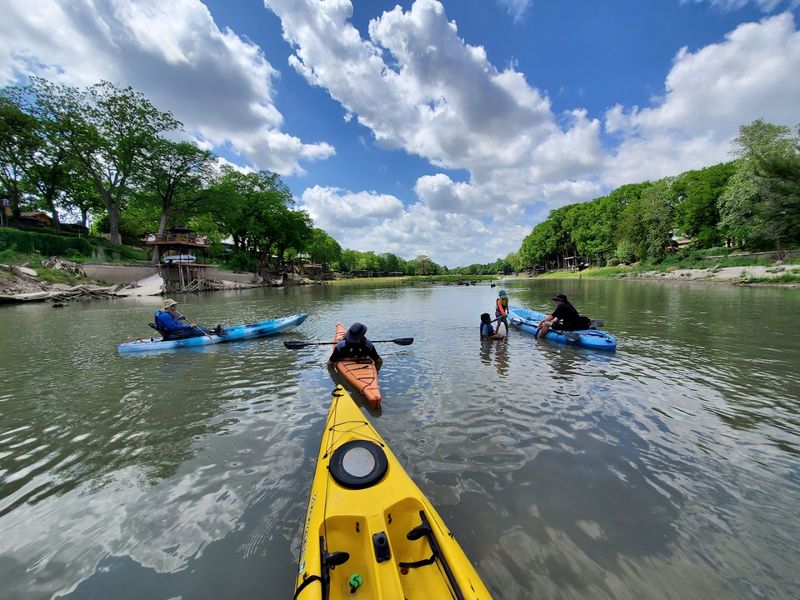
Summer in Seguin means one thing above all else—hitting the Guadalupe River with a tube, some friends, and absolutely zero worries. The river cuts right through town, offering miles of perfect floating conditions that attract tubers from across Central Texas. Crystal-clear spring-fed water stays refreshingly cool even when July heat pushes triple digits, making it nature’s best air conditioning system.
Several outfitters operate along the river, providing tube rentals and shuttle services that handle all the logistics. You simply show up, grab your tube, and let the gentle current do the work while you soak up sunshine and scenery. The Seguin section flows calmer than some of the rowdier stretches downstream, making it ideal for families with kids or anyone preferring a relaxed pace over whitewater thrills.
Cypress trees line the banks, creating shaded spots perfect for cooling off or taking a break.
Most float trips last between two and four hours, depending on which route you choose and how often you stop. Pack a waterproof bag for your phone, bring plenty of sunscreen, and consider water shoes since the riverbed gets rocky in places. Local regulations prohibit disposable containers, so plan accordingly with reusable bottles.
Weekends get crowded during peak season, but weekday floats offer more peaceful experiences with fewer traffic jams on the water.
The river has shaped Seguin’s culture and recreation for generations, providing a natural playground that never gets old no matter how many times you float it.
5. Texas Theatre of Seguin
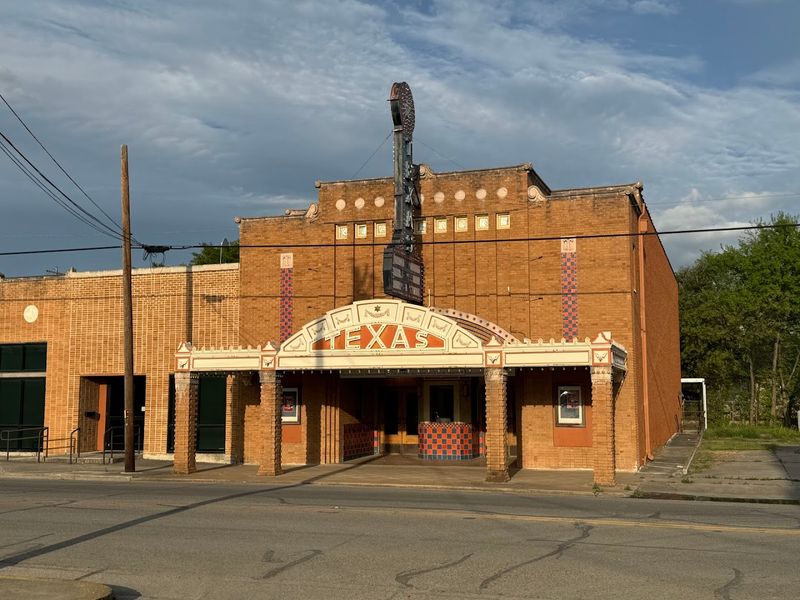
Small towns need culture too, and the Texas Theatre delivers it with style that bigger cities might envy. This community theater has staged productions since 1984, transforming a historic downtown building into a venue where local talent shines under the spotlight. From classic musicals to contemporary dramas, the theater tackles ambitious shows that would challenge any amateur company, yet consistently pulls them off with impressive polish.
What makes the Texas Theatre special isn’t just the performances—it’s the community spirit that fuels every production. Volunteers build sets, sew costumes, manage lighting, and fill every role necessary to bring shows to life. You might watch a teacher playing the lead role one month, then see your neighbor’s teenager stealing scenes the next.
This grassroots approach creates performances with genuine heart that professional theaters sometimes lack. The intimate 150-seat venue means there’s no bad view, and ticket prices won’t drain your wallet.
The season typically runs from September through May, featuring four to six major productions plus special events. Past shows have included everything from Broadway favorites like Grease and Annie to thought-provoking dramas that spark post-show conversations. The theater also hosts youth programs, workshops, and auditions open to anyone interested in participating.
Supporting local arts matters, especially in smaller communities where cultural opportunities can be scarce. Catching a show at the Texas Theatre gives you quality entertainment while investing in your community’s creative soul.
Check their schedule online and discover why this little theater has become a Seguin treasure.
6. Historic Downtown Seguin
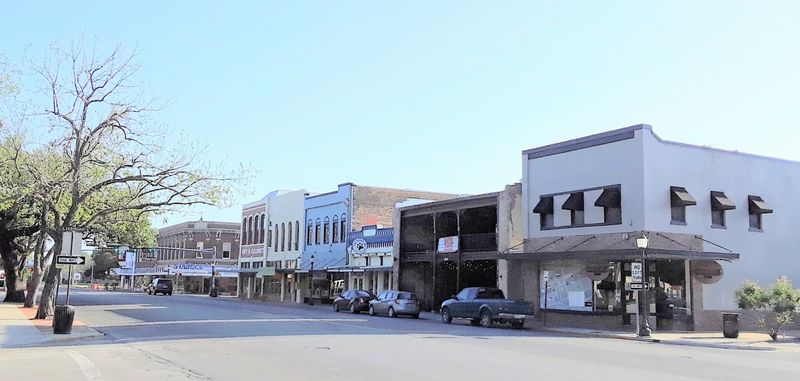
Forget cookie-cutter strip malls and chain restaurants—downtown Seguin keeps things authentically Texan with buildings that have stood since the 1800s. The Guadalupe County Courthouse anchors the square with its stunning limestone architecture, while surrounding blocks showcase Victorian storefronts housing locally-owned shops, cafes, and galleries. Walking these streets feels like traveling back to when downtowns actually served as community hearts rather than just historic districts.
Antique stores line the streets, offering treasures ranging from vintage furniture to collectible oddities you never knew you needed. Several boutiques sell handmade goods from local artisans, including jewelry, pottery, and Texas-themed gifts that beat airport souvenirs every time. When hunger strikes, you’ll find genuine Texas comfort food at family-run restaurants that have fed generations of locals.
The downtown area hosts regular events including farmers markets, car shows, and seasonal festivals that draw crowds without feeling overwhelming.
Architecture enthusiasts will appreciate the mix of styles representing different eras of Seguin’s development. Many buildings feature original details like pressed tin ceilings, wooden floors, and hand-painted signs that survived decades of changing trends. The courthouse itself deserves a careful look—its 1936 construction replaced an earlier building, and the craftsmanship reflects the pride communities once took in public structures.
Free parking makes exploring easy, and the compact layout means you can cover everything on foot within an hour or two.
Downtown Seguin proves that small-town charm isn’t just a marketing slogan—it’s a living, breathing reality that continues welcoming visitors just like it welcomed travelers over a century ago.
7. Max Starcke Park
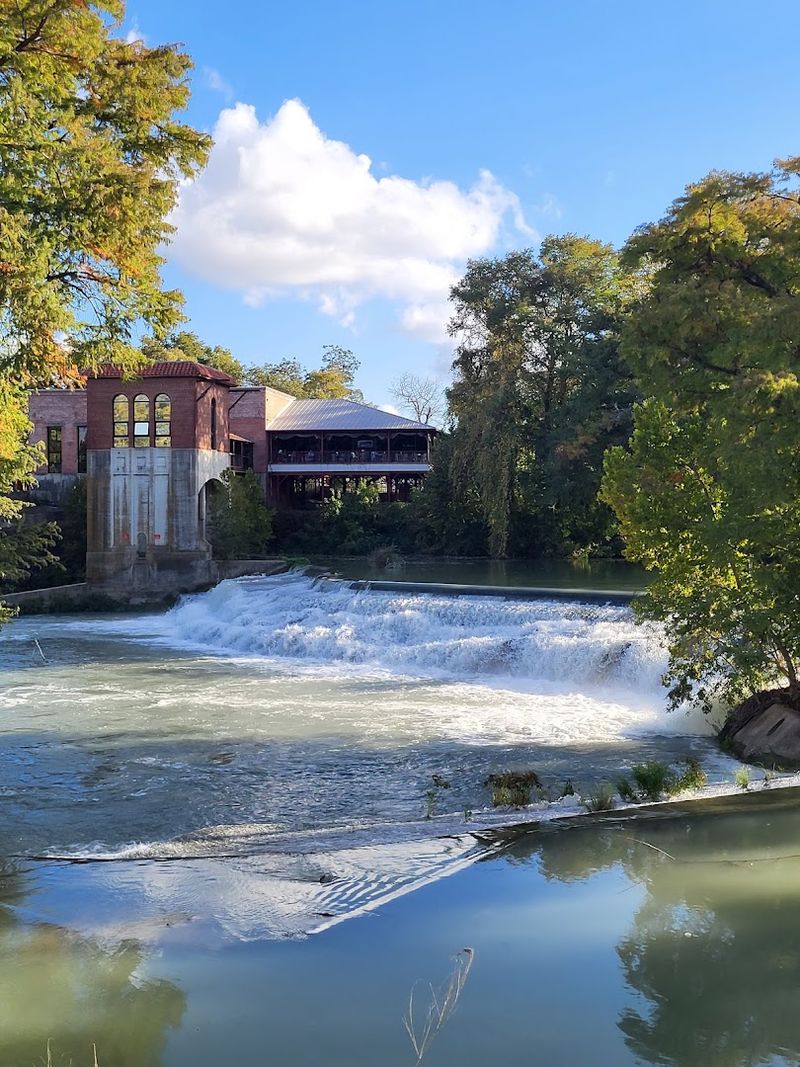
Spanning over 400 acres along the Guadalupe River, Max Starcke Park serves as Seguin’s outdoor playground where families gather for everything from casual picnics to serious recreation. The park’s centerpiece is a picturesque dam that creates a scenic backdrop while also providing a popular fishing spot where anglers regularly pull bass, catfish, and perch from the water. Multiple pavilions with grills make it easy to host gatherings, and the shade from mature pecan and oak trees keeps things comfortable even during summer.
Kids burn energy at well-maintained playgrounds while adults enjoy walking trails that wind through the property offering river views and wildlife sightings. The park includes baseball fields, basketball courts, and open spaces perfect for throwing a football or flying kites. A public golf course shares the property, adding another activity option for visitors.
During holidays and special events, the park transforms into a festival ground hosting everything from Fourth of July celebrations to Christmas light displays.
The Starcke Dam itself creates a distinctive feature rarely found in city parks—a waterfall effect that’s both beautiful and functional. People love photographing the cascading water, especially during golden hour when the light hits just right. Ducks and other waterfowl congregate around the dam area, entertaining visitors who bring bread crumbs despite the signs discouraging it.
The park stays open year-round from dawn to dusk, offering free admission and ample parking.
Whether you need a quick nature break or plan to spend an entire afternoon outdoors, Max Starcke Park delivers the kind of quality recreation space that defines Seguin’s commitment to livability.
8. Seguin’s German Heritage
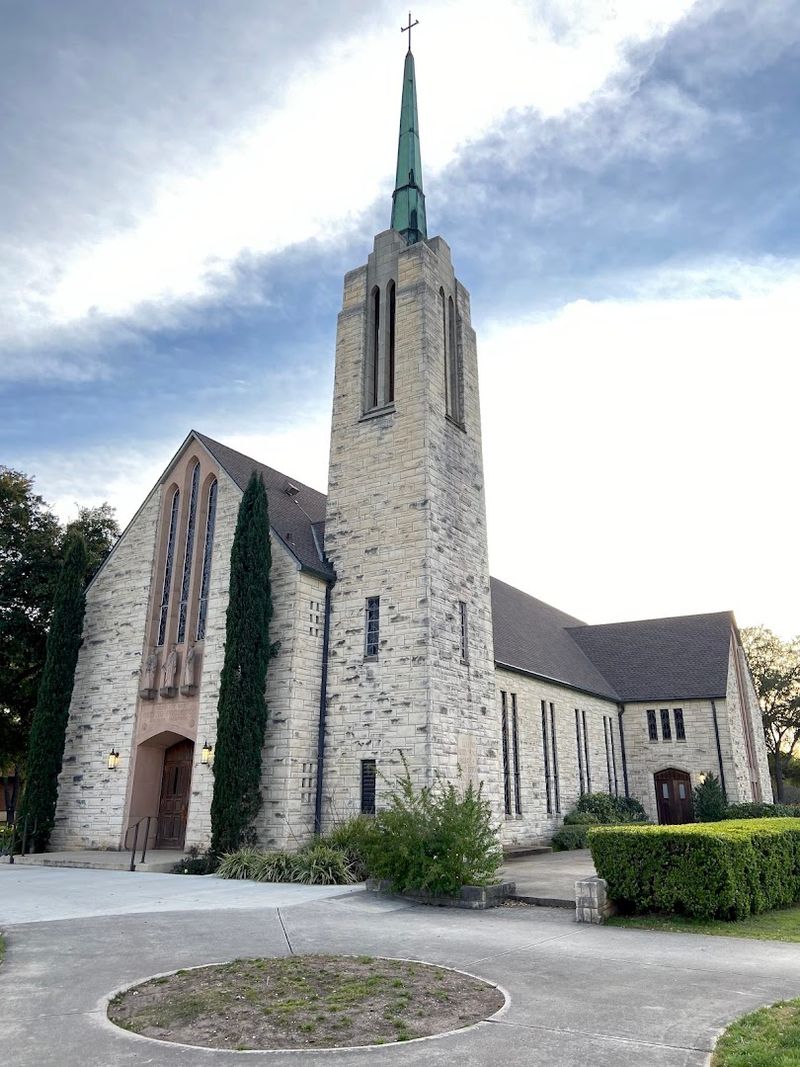
German immigrants shaped Seguin’s character in ways still visible today, from architecture to annual traditions that celebrate this European influence. Settlers arrived in the mid-1800s, bringing brewing traditions, construction techniques, and cultural practices that blended with Texan customs to create something uniquely local. Family names throughout the area reflect this heritage—Zorn, Mueller, Schumann, and others that sound more Munich than Austin.
The influence shows up in unexpected places, like the limecrete construction method used at Sebastopol House, which German immigrants adapted from European building practices. Local food culture also carries hints of this heritage, with some restaurants still serving German-inspired dishes alongside Tex-Mex favorites. Several historic buildings downtown showcase German architectural elements, including decorative ironwork and specific construction details that trained eyes can identify.
While Seguin doesn’t host a massive Oktoberfest like some Texas towns, the German influence weaves through community identity in quieter ways. Local historical societies preserve stories of these early settlers, documenting how they adapted to Texas while maintaining cultural traditions. Some families still pass down German recipes and customs through generations, keeping connections alive to ancestors who crossed an ocean seeking new opportunities.
The Heritage Museum downtown features exhibits exploring this immigration history, showing how different cultures merged to create modern Seguin. Understanding this background adds depth to your visit, revealing layers of history beneath the surface of what might seem like just another small Texas town.
Those giant pecans, historic buildings, and community traditions all carry influences from people who traveled thousands of miles to call this place home.