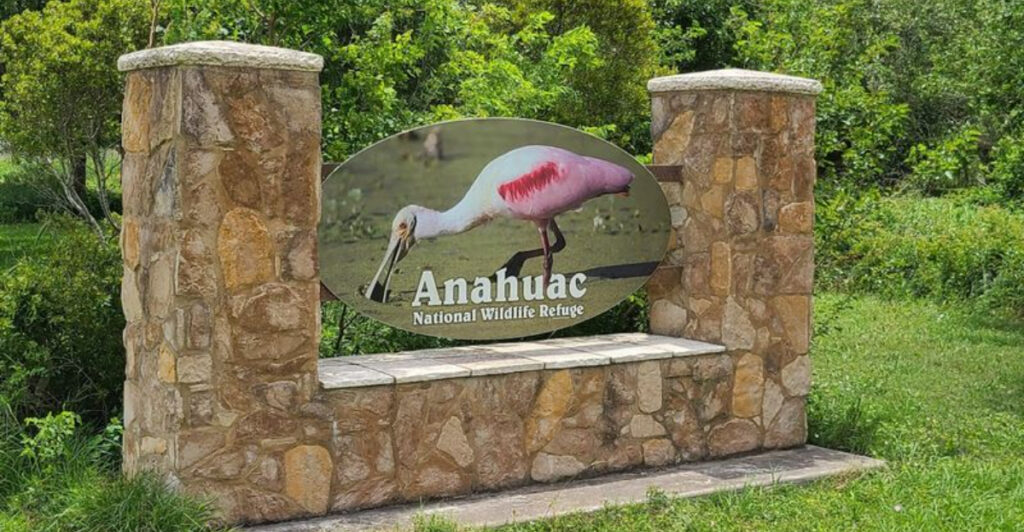
Texas is a birding paradise with more recorded bird species than any other state in the country. From the coastal marshes along the Gulf to the rugged mountains out west, the Lone Star State offers habitats that attract everything from tiny hummingbirds to massive whooping cranes. Whether you’re a seasoned birder with a life list a mile long or just getting started with a pair of binoculars, these eight spots will give you front-row seats to some of the most spectacular bird watching in North America.
1. Aransas National Wildlife Refuge (Aransas County)
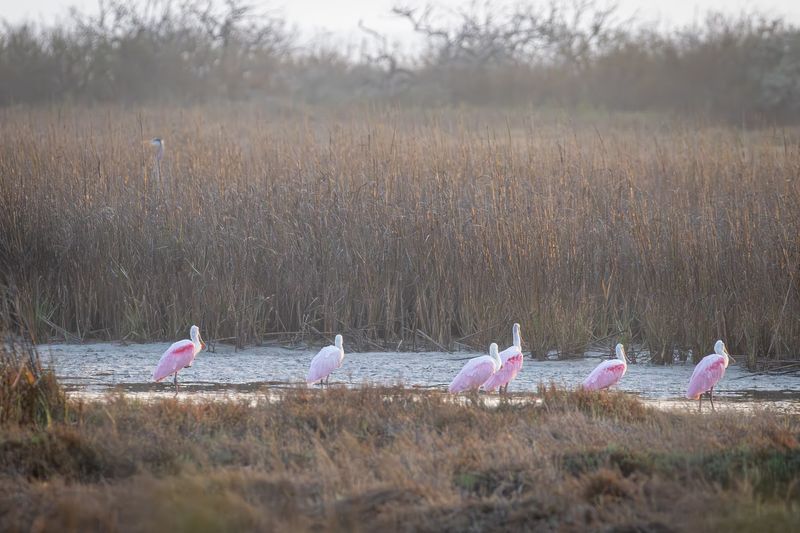
Whooping cranes are the main attraction here, and honestly, seeing one of these majestic birds in person will take your breath away. Standing nearly five feet tall with a wingspan that stretches over seven feet, these rare white cranes migrate to Aransas every winter from Canada. The refuge protects their critical wintering grounds, and from November through March, you can spot them feeding in the marshes and tidal flats.
The refuge covers more than 115,000 acres of coastal prairie, oak woodlands, and salt marshes along the Gulf Coast. Beyond the whooping cranes, you’ll find roseate spoonbills, reddish egrets, and tons of waterfowl depending on the season. The observation tower near the visitor center gives you sweeping views across the marshlands, perfect for scanning the horizon with binoculars.
Several trails wind through different habitats, so you can explore on foot and get close to songbirds and wading birds. The Heron Flats Trail is particularly good for spotting herons and egrets doing their thing in the shallows. Alligators also live here, so keep your eyes peeled while you’re watching the water.
Boat tours are available if you want to get even closer to the whooping cranes without disturbing them. These tours take you through the Intracoastal Waterway where the cranes often hang out feeding on blue crabs. The guides know exactly where to look and can share fascinating details about crane behavior and conservation efforts.
Winter is prime time for visiting, but spring and fall migrations bring waves of other species passing through. Pack layers because coastal winds can get chilly, and bring plenty of water since facilities are limited once you hit the trails. This refuge represents one of conservation’s greatest success stories, and witnessing these incredible birds in their natural habitat is something every birder should experience at least once.
2. Davis Mountains State Park (Jeff Davis County)
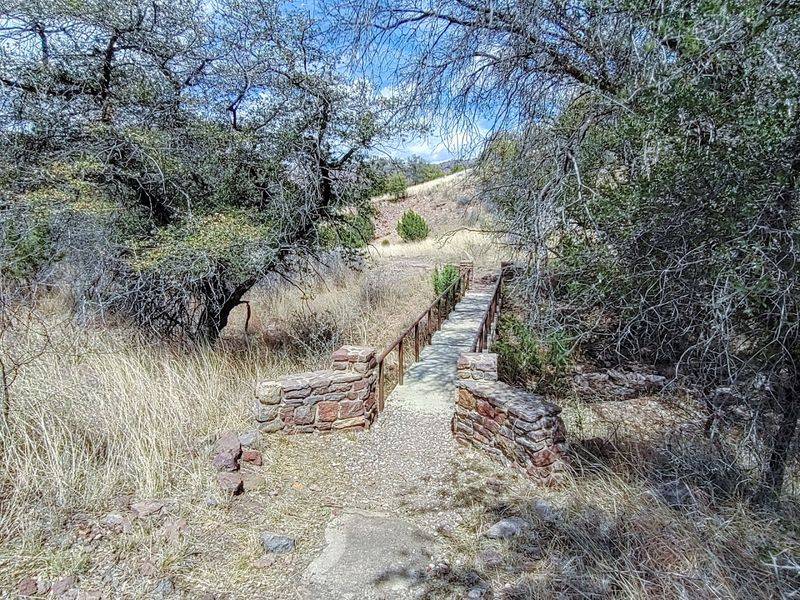
Out in far West Texas, the Davis Mountains rise like an island in the desert, creating a unique ecosystem that attracts bird species you won’t find anywhere else in the state. The elevation here ranges from about 5,000 to over 8,000 feet, which means cooler temperatures and different vegetation than the surrounding Chihuahuan Desert. This mountain oasis draws Montezuma quail, zone-tailed hawks, and even the occasional elegant trogon.
The park itself sits at the base of these mountains and offers excellent birding right from the campground. Early mornings are magical when Mexican jays start calling and acorn woodpeckers get busy stashing their breakfast. Hummingbirds are everywhere during warmer months, with black-chinned, broad-tailed, and rufous hummers all making appearances at flowering plants.
Hiking the Skyline Drive Trail takes you higher into the mountains where ponderosa pines and alligator junipers create habitat for mountain-loving species. Scott’s orioles sing from the treetops, and painted redstarts occasionally show up during migration. The trail can be challenging, but the birding rewards make every step worthwhile.
Nearby Fort Davis also offers fantastic birding opportunities, and the town has become a bit of a birding hub with local experts leading tours. The combination of grasslands, oak woodlands, and pine forests creates edge habitat that concentrates birds, especially during spring and fall migrations when warblers, tanagers, and flycatchers pass through.
Summer afternoons can bring dramatic thunderstorms that roll across the mountains, so plan your birding for early morning when birds are most active and weather is calmer. Nights get surprisingly cold even in summer due to the elevation, so pack accordingly. The dark skies here are phenomenal too, so if you camp overnight, you’ll get stars and birds in one incredible package.
Water sources are limited on trails, so carry plenty and watch for wildlife at natural springs where birds come to drink.
3. Santa Ana National Wildlife Refuge (Hidalgo County)
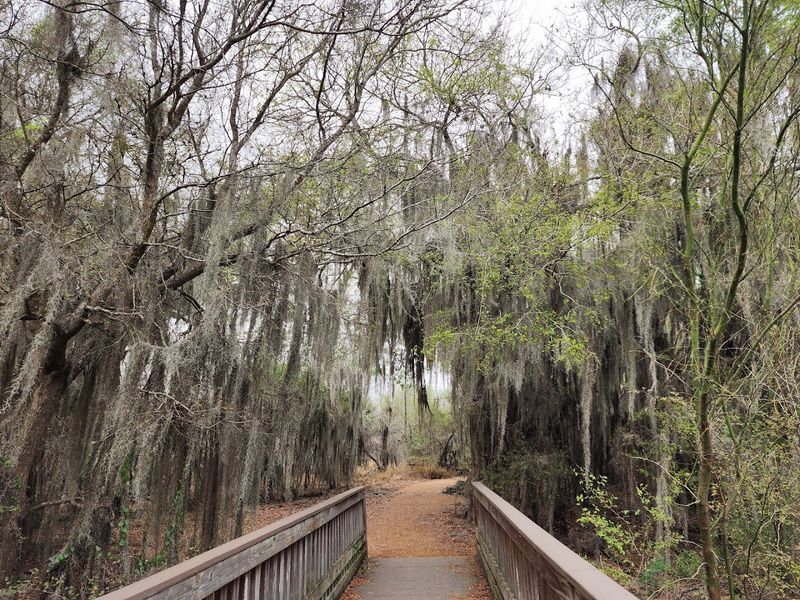
The Rio Grande Valley’s crown jewel for birding, Santa Ana delivers species you simply cannot see anywhere else in the United States. This subtropical forest habitat sits along the Rio Grande and represents the northernmost extent of many Mexican and Central American bird species. Green jays flash through the understory, plain chachalacas call from the treetops, and if you’re lucky, a great kiskadee will announce itself with its distinctive name-call.
Walking the trails here feels like stepping into another country because, ecologically speaking, you basically have. The refuge protects one of the last remaining patches of native Tamaulipan brushland, a thornscrub forest that once covered millions of acres. Now squeezed into small protected pockets, this habitat is absolutely critical for birds that need it to survive.
The paved trails make birding accessible for everyone, winding through dense vegetation where tropical species hide. Altamira orioles build their spectacular hanging nests in the trees, and buff-bellied hummingbirds zip between flowering plants. During migration, the refuge becomes a migrant trap where exhausted birds rest and refuel after crossing the Gulf of Mexico.
Photography blinds near water features give you incredible close-up opportunities as birds come to drink and bathe. You might see long-billed thrashers, olive sparrows, or even a clay-colored thrush splashing around. The refuge also hosts occasional rarities that send birders scrambling from across the country when word gets out.
Winter brings the best variety with resident species joined by migrants from the north. Temperatures are pleasant, and mosquitoes are less intense than summer months when the heat and humidity can be brutal. The refuge offers tram tours if you prefer guided experiences, and knowledgeable volunteers can help you identify the unfamiliar species.
Bring a field guide specifically for South Texas because you’ll encounter birds that don’t appear in standard North American guides. Santa Ana is truly a special place where tropical meets temperate, creating birding opportunities found nowhere else north of the border.
4. High Island (Galveston County)
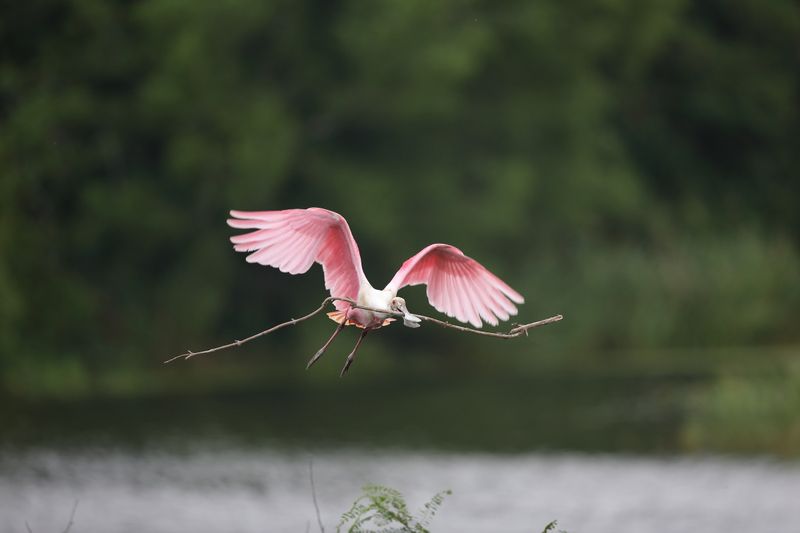
Spring migration turns this tiny coastal community into the most famous birding hotspot in Texas, maybe even the entire country. When southerly winds and storms push exhausted migrants down onto the first land they encounter after crossing the Gulf of Mexico, High Island becomes an absolute spectacle. Warblers, tanagers, buntings, and grosbeaks literally drip from the trees in numbers that seem impossible until you witness it yourself.
The island isn’t actually an island but rather a salt dome that rises just enough above sea level to support oak trees. These trees, called mottes, create crucial stopover habitat where migrants can rest and refuel. The Houston Audubon Society manages several sanctuaries here, including Boy Scout Woods and Smith Oaks, which have become legendary among birders.
During peak migration in April and early May, you might see twenty or more warbler species in a single morning. Scarlet tanagers glow red against green leaves, indigo buntings perch in perfect light, and rose-breasted grosbeaks crack seeds in the undergrowth. Photography opportunities are incredible because the birds are often at eye level and too exhausted to be skittish.
The boardwalks at Smith Oaks wind through the trees and around a rookery where roseate spoonbills, tricolored herons, and neotropic cormorants nest. Watching spoonbills feed their fuzzy chicks is entertainment all by itself. The sounds during nesting season create a constant background symphony of squawks, peeps, and splashes.
Fallout conditions happen when bad weather forces migrants down in huge numbers, creating once-in-a-lifetime experiences. Hundreds of birders descend on High Island during these events, but the sanctuaries are large enough that it never feels too crowded. Entry fees support conservation work that keeps these vital habitats protected.
Accommodations book up months in advance during peak season, so plan accordingly if you want to stay nearby. The nearby Bolivar Flats also offers excellent shorebird watching year-round. Bring rain gear because spring weather can be unpredictable, and wear neutral colors to avoid spooking the birds.
High Island during migration is bucket-list birding that every enthusiast needs to experience.
5. Caddo Lake State Park (Karnack)
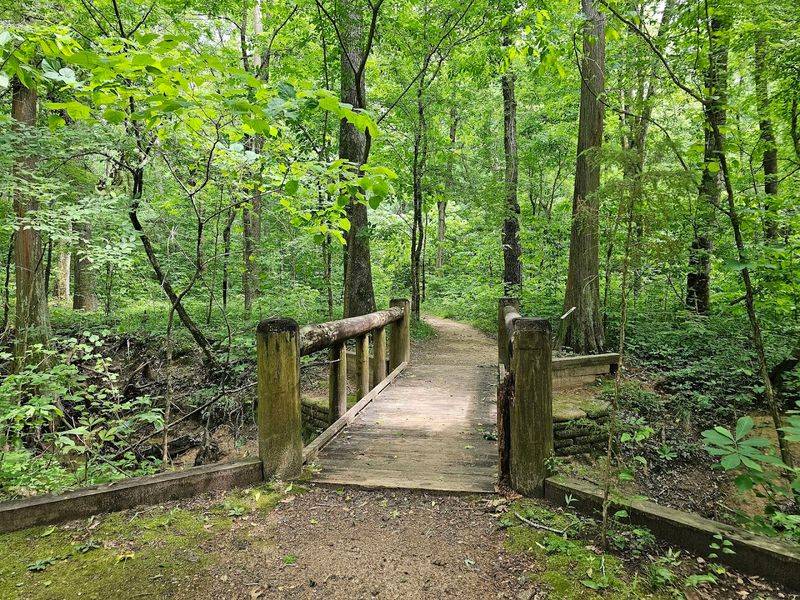
Bald cypress trees draped with Spanish moss create an otherworldly atmosphere at Texas’s only natural lake, and the birding here matches the scenery for drama. This ancient flooded forest on the Texas-Louisiana border supports a completely different bird community than anywhere else in the state. Prothonotary warblers nest in tree cavities over the water, their golden plumage glowing against dark cypress trunks.
Paddling the waterways gives you the best birding experience because you can quietly slip through narrow channels where barred owls roost and pileated woodpeckers hammer on dead trees. The lake’s maze-like structure means you can explore for hours, discovering new birds around every bend. Wood ducks nest in cavities, and their squeaky calls echo across the water.
Spring brings neotropical migrants passing through, while summer residents include Mississippi kites soaring overhead and anhinga drying their wings on snags. The mix of open water, dense forest, and marshy edges creates habitat diversity that attracts both woodland and water birds. Great blue herons stalk the shallows, while smaller green herons hide among the cypress knees.
The park offers boat rentals if you don’t have your own kayak or canoe, making the lake accessible even for visitors without equipment. Guided boat tours are available too, led by folks who know exactly where to find the best birds. Land-based trails wind through pine and hardwood forests where different species live, including red-headed woodpeckers and summer tanagers.
Alligators are common here, so maintain respectful distances and never approach them, especially during nesting season. The lake can be buggy in warmer months, so insect repellent is essential unless you enjoy being mosquito lunch. Water levels fluctuate seasonally, changing the habitat and affecting which birds are present.
Fall and winter bring waterfowl including ring-necked ducks and hooded mergansers, plus bald eagles occasionally visit. The cypress trees turn rusty orange in autumn, creating stunning backdrops for photography. Early morning mist rising off the water while birds begin their daily routines creates scenes straight from a nature documentary.
Caddo Lake feels like stepping back in time to a wilder Texas.
6. Big Bend National Park (Brewster County)
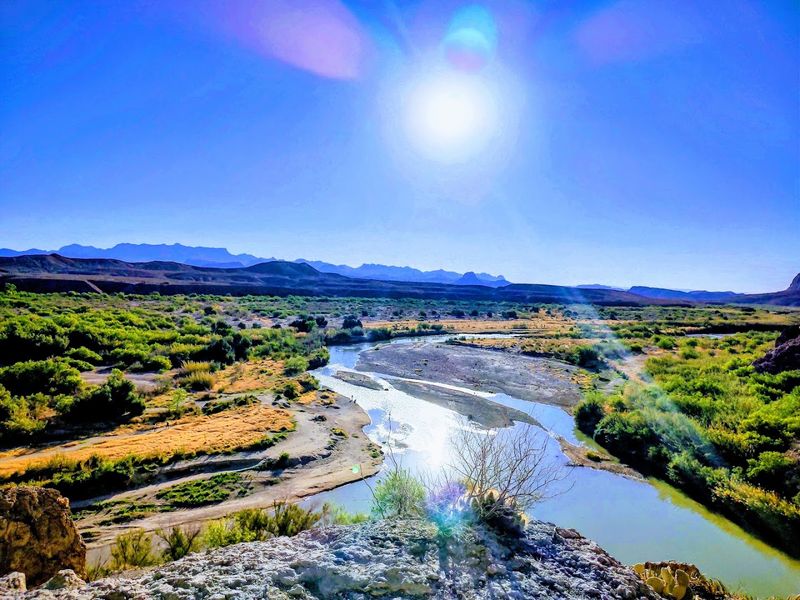
Big Bend’s remote location along the Rio Grande creates one of the most spectacular birding destinations anywhere, with species found nowhere else in the United States. The Colima warbler breeds only in the Chisos Mountains here, making Big Bend the sole spot in the country where you can add this species to your life list. Hiking the Pinnacles Trail in spring and early summer gives you the best shot at finding these secretive warblers.
The park’s size and habitat diversity mean you could spend weeks birding without covering everything. Desert scrub at lower elevations hosts roadrunners, cactus wrens, and pyrrhuloxias, while the mountains support very different species adapted to cooler, wooded environments. The Rio Grande corridor creates riparian habitat where Lucy’s warblers and vermilion flycatchers thrive.
Over 450 bird species have been recorded in Big Bend, more than any other national park. This incredible diversity results from the convergence of Chihuahuan Desert, Rocky Mountain, and Mexican species all meeting in one place. Summer brings breeding residents, winter hosts migrants from the north, and spring and fall see massive movements of birds passing through.
The Chisos Basin offers excellent birding right from the campground and lodge area, with acorn woodpeckers, Mexican jays, and black-chinned sparrows common. Hummingbird feeders near the lodge attract multiple species, and patient observers sometimes spot rare Mexican hummingbirds that wander north. The basin’s trails climb through oak and pine woodlands where montane species live.
Rio Grande Village down by the river provides completely different birding in cottonwood groves and wetlands. Great-tailed grackles make a racket, green kingfishers hunt along the water, and zone-tailed hawks soar overhead mimicking turkey vultures. The nature trail here is flat and accessible, perfect for spotting tropical species that cross from Mexico.
Distances are vast in Big Bend, so plan accordingly with fuel, water, and supplies. Cell service is essentially nonexistent, adding to the wilderness experience but requiring preparation. Summer temperatures regularly exceed 100 degrees in the desert, making spring and fall the most comfortable seasons for extended birding.
Winter can be surprisingly pleasant, though mountain areas may see snow. Big Bend rewards adventurous birders willing to explore its remote corners.
7. Balcones Canyonlands National Wildlife Refuge (Travis/Burnet Counties)
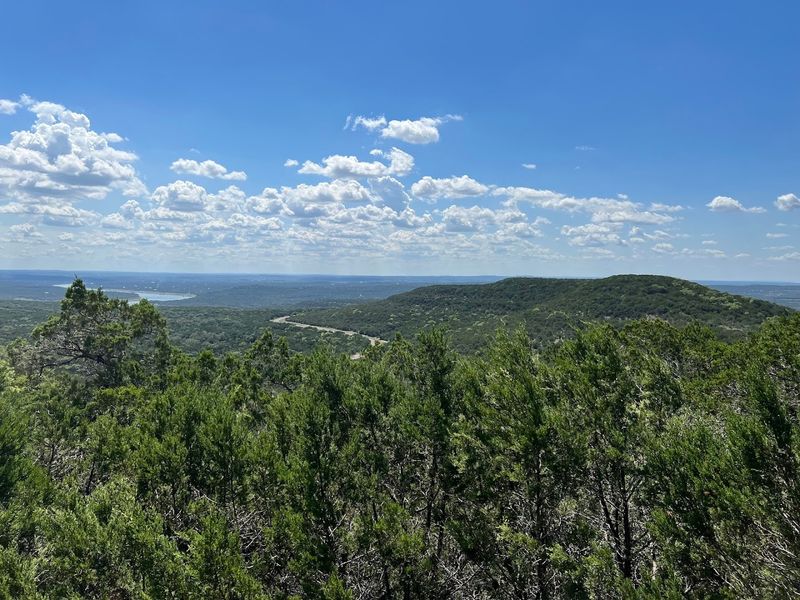
Protecting the endangered golden-cheeked warbler is the primary mission here, and this refuge represents one of the best places to see this stunning bird found only in Texas. Males sport bright yellow faces with black eyelines and throats, and their buzzy songs fill the canyons during breeding season. They nest exclusively in mature juniper-oak woodlands, the exact habitat this refuge was created to preserve.
The refuge sprawls across the rugged Hill Country west of Austin, encompassing steep limestone canyons, flowing springs, and dense woodlands. Black-capped vireos, another endangered species, also breed here, though they prefer more open brushy areas. Seeing both endangered species in one visit is entirely possible with some patience and decent weather.
Multiple tracts make up the refuge, with some requiring advance reservations for access. The Doeskin Ranch tract opens regularly and offers several miles of trails through prime warbler habitat. Spring mornings from March through May provide the best opportunities when males are actively singing and establishing territories.
Their preference for canyon slopes means you’ll get a workout hiking, but the birds and scenery make it worthwhile.
Beyond the endangered species, the refuge hosts typical Hill Country birds including canyon wrens with their cascading songs, rufous-crowned sparrows in rocky areas, and cave swallows nesting under limestone overhangs. Wild turkeys strut through clearings, and white-tailed deer are everywhere. The combination of protected habitat and limited human access means wildlife encounters feel authentic and unspoiled.
Photography is challenging because the birds stay high in dense foliage, but their songs are distinctive and learning them helps with identification. Binoculars are essential, and a spotting scope can be helpful for distant birds. The trails can be rocky and steep, so proper footwear matters.
Summers get hot and the refuge has limited shade in some areas, so carry plenty of water. Thunderstorms can develop quickly in spring and fall, creating flash flood risks in the canyons. Winter birding is quieter with fewer species present, but the golden-cheeked warblers return like clockwork each spring.
Access requires checking the refuge website for current conditions and reservation requirements since some areas close seasonally to protect nesting birds. Conservation success stories are unfolding here in real-time.
8. Anahuac National Wildlife Refuge (Chambers County)
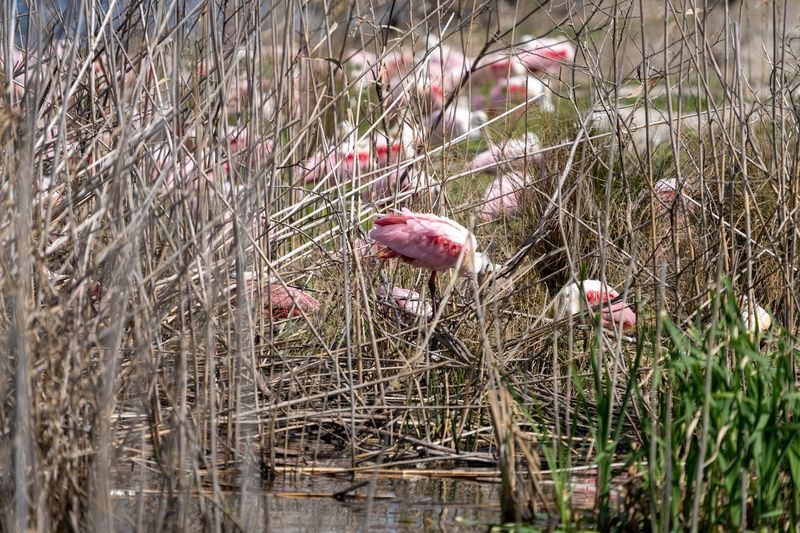
Coastal marshes teeming with wading birds make Anahuac a photographer’s paradise and a birder’s dream come true. Located along the upper Texas coast where the Trinity River meets Galveston Bay, this refuge protects crucial habitat for waterfowl, shorebirds, and wading birds. Roseate spoonbills are the stars here, their pink plumage creating stunning contrasts against green marsh grasses and blue water.
The Shoveler Pond Loop is a drive-through route that lets you bird from your vehicle, perfect for hot summer days or when weather turns nasty. Alligators sun themselves along the road, and birds seem accustomed to vehicles, often allowing close approaches. White ibis probe the mud, tricolored herons stalk the shallows, and purple gallinules walk across lily pads on oversized yellow feet.
Winter brings massive concentrations of ducks and geese, with snow geese sometimes numbering in the tens of thousands. Their calls create a constant background roar, and watching them lift off in huge flocks is absolutely mesmerizing. Teal, pintails, and shovelers dabble in shallow ponds, while diving ducks work deeper water.
Shorebird migration in spring and fall turns the mudflats into feeding frenzies with dunlins, dowitchers, and yellowlegs probing for invertebrates. Rare species show up regularly, and local birders monitor the refuge closely, reporting sightings that draw enthusiasts from across the region. The refuge’s location along the coast makes it a natural stopover for migrants.
Mosquitoes can be intense from late spring through fall, so insect repellent isn’t optional unless you enjoy being swarmed. The refuge is flat and exposed, meaning summer heat feels even more intense without shade. Early morning and late afternoon provide the best light for photography and the most comfortable temperatures.
Boats can launch from nearby facilities if you want to explore the marshes from the water, getting even closer to birds in remote areas. The refuge hosts photography workshops and birding events throughout the year, bringing together enthusiasts and experts. Sunrise over the marshes with spoonbills feeding in golden light creates images you’ll treasure forever.
Anahuac proves that coastal wetlands are among the most productive and beautiful birding habitats anywhere.