There was a time when a kid in North Jersey could hear “Come on over!” and know exactly what it meant: Palisades Amusement Park, saltwater pool, roller coaster screams, and a day that felt bigger than summer itself.
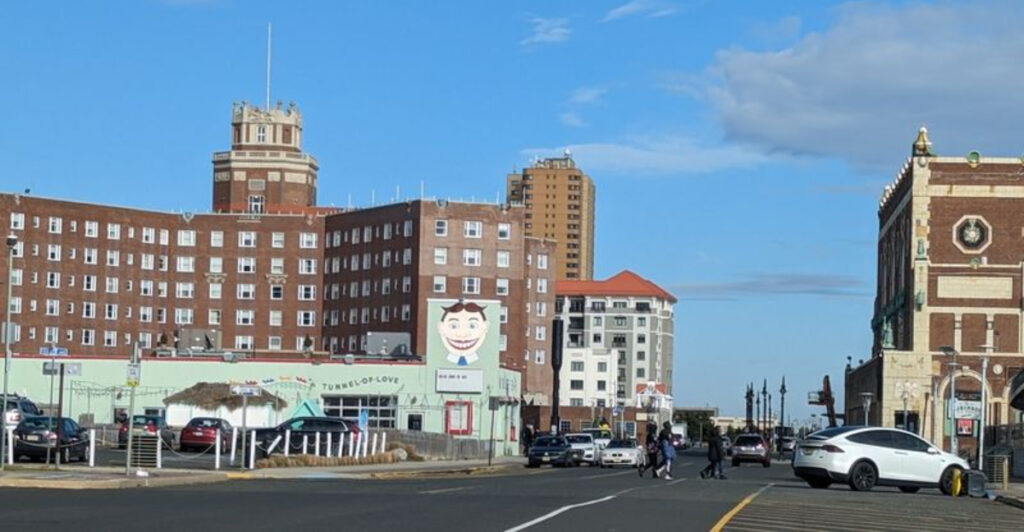
Down the Shore, a grinning cartoon face on Palace Amusements could stop people mid-boardwalk, while Atlantic City’s Steel Pier promised spectacle with the confidence of a carnival barker in a bow tie.
New Jersey has always been good at making places that feel slightly impossible: an elephant you can walk through, a safari park in the woods, a baseball stadium wrapped around civil rights history, a military post slowly weathering beside the beach. Some of these landmarks vanished.
Some survived by changing clothes. Some are still standing, but only half-awake.
Together, they tell a very Jersey story: loud beginnings, complicated middles, and afterlives that are somehow even more interesting.
1. Palisades Amusement Park site, Cliffside Park/Fort Lee
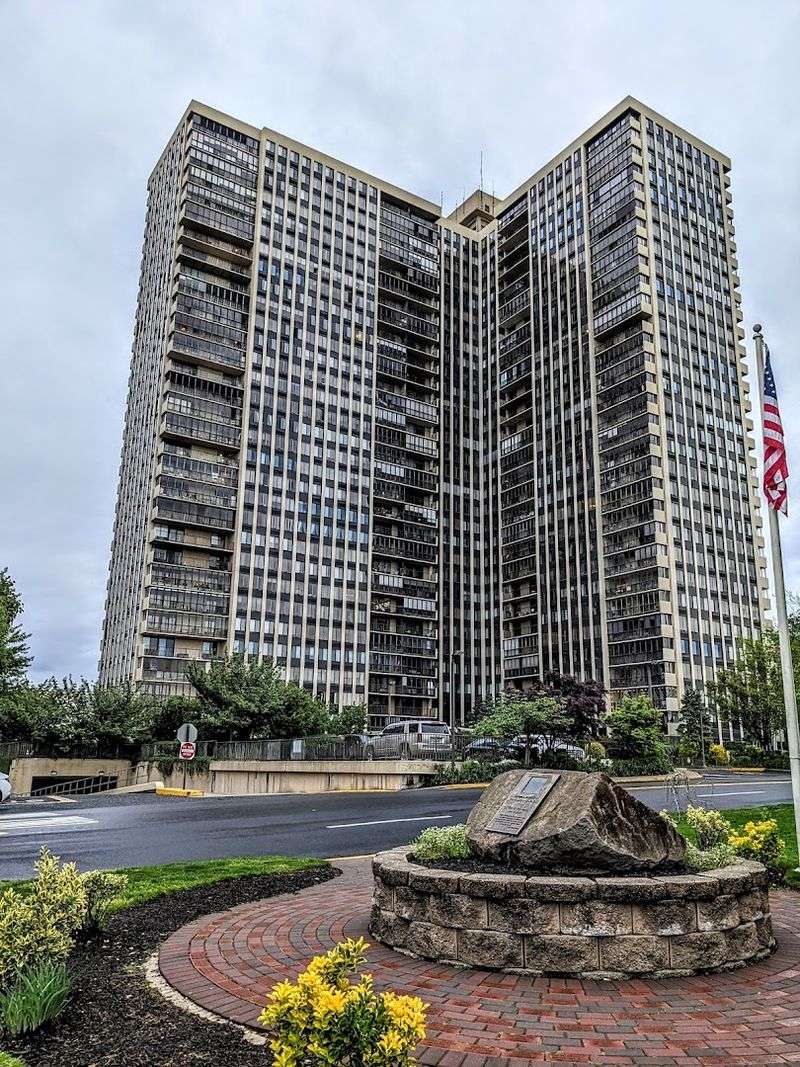
The view is still there, which almost makes the disappearance stranger. High above the Hudson, where apartment towers now watch Manhattan glitter across the river, Palisades Amusement Park once packed in families, teenagers, celebrities, daredevils, and anyone who wanted a summer day with a little noise in it.
The park operated from the late 1800s until the early 1970s and became famous for its Cyclone roller coaster, Tunnel of Love, wild promotions, and a massive saltwater pool that locals still describe like it was a public service. Today, this is not a place where you visit the ruins.
The rides are gone, and the old amusement grounds have been folded into ordinary North Jersey life: high-rises, busy streets, cliffside traffic, and residents walking dogs where crowds once lined up for thrills. That is exactly why it belongs on this list.
Palisades was once a full-blown regional obsession, the kind of place that advertised itself into people’s childhoods, then vanished so completely that younger locals might only know the name from their grandparents.
The best way to experience what is left is to pair the area with Fort Lee Historic Park or a Palisades overlook and let your imagination do the heavy lifting.
Stand near the cliffs, look across the river, and picture the racket: coaster wheels, pool whistles, music, and a whole state being told to come on over.
2. Lucy the Elephant, Margate City
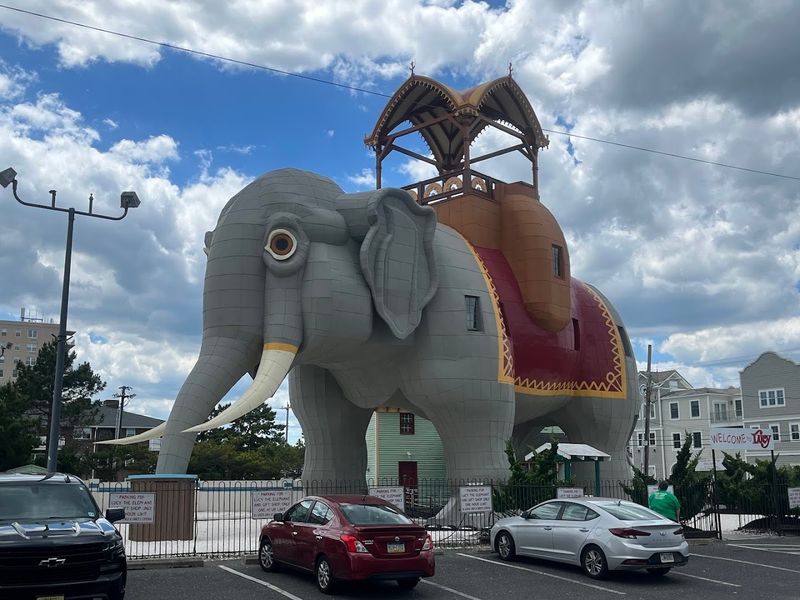
A six-story elephant standing near the beach should not feel subtle, and yet Lucy has somehow become one of those New Jersey icons people recognize without always remembering to actually visit. Built as a piece of novelty architecture and real estate promotion, Lucy is now one of the rare roadside attractions that feels both ridiculous and weirdly dignified.
You enter through a leg, climb inside, and suddenly this giant elephant becomes a tiny museum with ocean views. Her story has the right amount of drama for a Shore legend.
She was saved from demolition, restored more than once, and has survived long enough to become less of a gimmick and more of a local elder with a trunk. The fun is that Lucy is not slick.
She is odd, handmade-feeling, and completely sincere, which is probably why people get protective of her. For a visit, treat Lucy as a quick but memorable Margate stop rather than a full-day plan.
Take the guided tour, peek out from the howdah on top, then wander toward the beach or grab something nearby. She is family-friendly, goofy in the best way, and still one of the easiest New Jersey landmarks to love without overthinking it.
In a state full of boardwalk flash, Lucy wins by simply being impossible to confuse with anything else.
3. Asbury Park Convention Hall & Paramount Theatre, Asbury Park
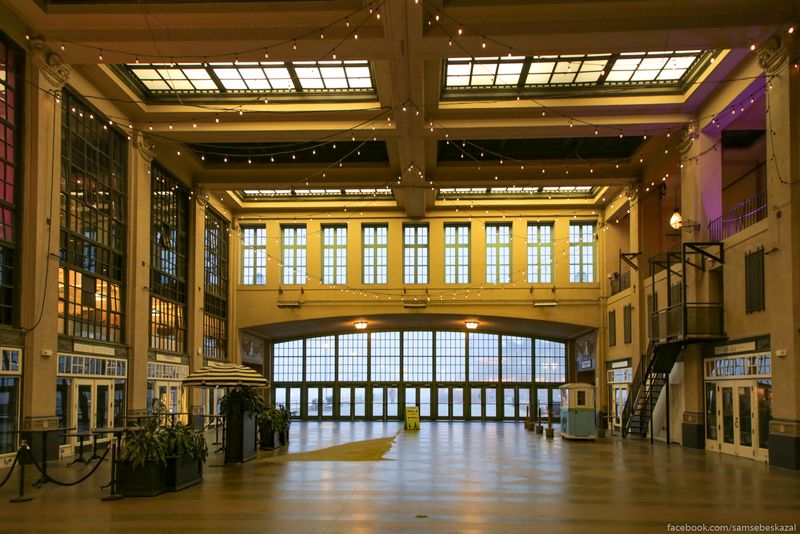
Even on a gray day, the Asbury Park Convention Hall and Paramount Theatre look like they know they used to be the main character. The coppery roofline, grand arches, and boardwalk-facing mass give the whole complex a kind of faded movie-palace confidence.
For decades, this was where Asbury Park announced itself: concerts, events, seaside crowds, and that unmistakable sense that the Shore could be glamorous and gritty at the same time. Its current chapter is more complicated.
Parts of the complex have faced closures, repair needs, and preservation debates, making it both a symbol of Asbury Park’s comeback and a reminder that not every beautiful old building gets an easy second act. That tension is part of the draw.
You do not need to get inside to understand why locals care. Walk the boardwalk, look at the building from Ocean Avenue, and then step into the surrounding Asbury scene: music clubs, coffee spots, murals, beach bars, and people who still talk about the town like it is a living album.
The Convention Hall and Paramount are not forgotten because nobody sees them. They are forgotten in the way big old landmarks can be: everyone walks past, but not everyone stops to wonder what they once meant.
In Asbury, the past does not disappear politely. It stands on the boardwalk and waits for someone to notice.
4. Palace Amusements/Tillie, Asbury Park
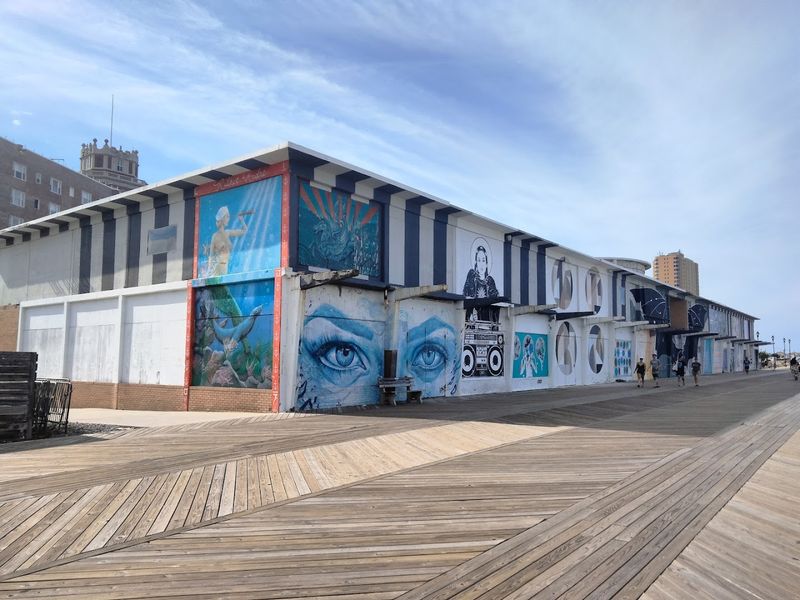
Palace Amusements and Tillie still occupy a huge amount of emotional space for a place that no longer exists in its old form. Mention the name to the right crowd and the reaction is immediate: funhouse memories, boardwalk chaos, and that unmistakable grin that somehow managed to be cheerful and eerie at the same time.
It is one of those landmarks that became bigger in memory because it represented an entire version of Asbury.
Tillie especially had the kind of visual identity places spend fortunes trying to invent. One face, one glance, and you were instantly in New Jersey shore territory, with all the noise, color, and lovable weirdness that comes with it.
Even people who never set foot inside usually recognize the vibe because it seeped into the state’s cultural wallpaper.
What makes Palace so worth remembering is that it was never polished in the modern sense. It had character, edge, and just enough strangeness to stay lodged in your brain.
That combination is hard to replace, which is why its absence still feels noticeable long after the rides and laughter faded.
5. Steel Pier, Atlantic City
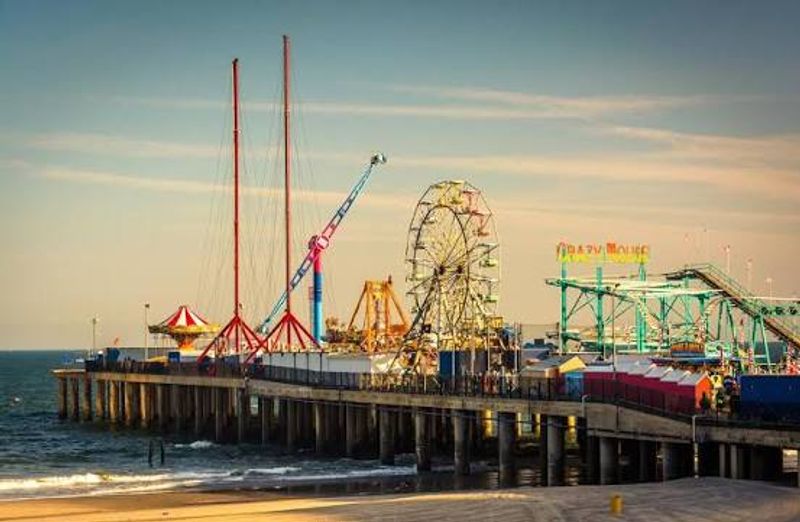
Steel Pier used to sell wonder by the hour. Atlantic City had casinos, pageants, saltwater taffy, and ocean air, but the pier had the kind of showmanship that made people feel they were getting away with something just by buying a ticket.
For generations, it hosted rides, performers, exhibits, concerts, and spectacles that turned a pier into a floating stage for the city’s biggest ambitions. The modern Steel Pier is still alive, which makes it different from many landmarks on this list.
It is not abandoned or reduced to a plaque. It operates as an amusement pier with rides, boardwalk food, games, and a big observation wheel catching the eye from blocks away.
What has faded is the old aura: the sense that this was not just a ride stop, but one of the grand entertainment capitals of the East Coast. Go now with the right expectations and it still works.
Ride the wheel near sunset, let the ocean and casino lights do their thing, and keep the visit simple. The fun is not in pretending the old Steel Pier never changed.
It is in noticing how Atlantic City keeps layering new versions of itself on top of the old ones, sometimes elegantly and sometimes with all the subtlety of a prize wheel. That is very Atlantic City, and honestly, very New Jersey.
6. Gillian’s Wonderland Pier, Ocean City
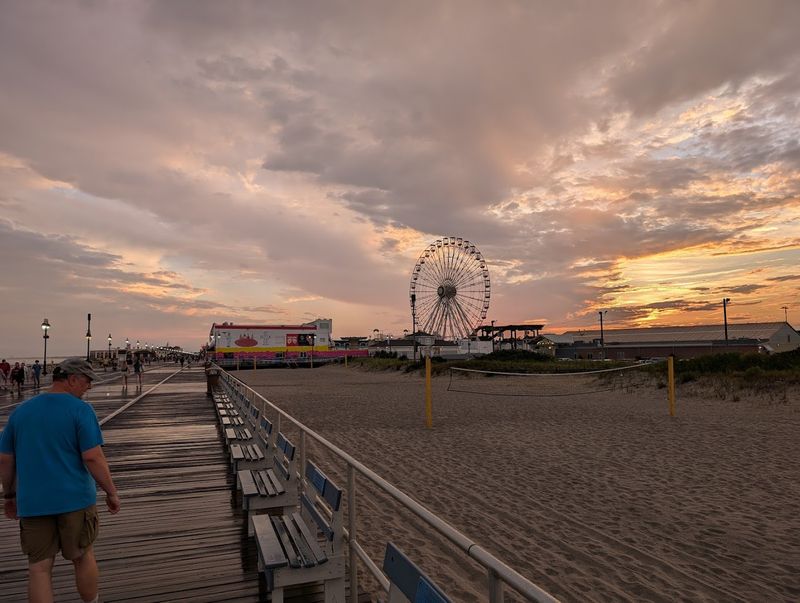
For generations of Ocean City families, the Giant Wheel did the emotional heavy lifting. You could see it before you reached the boardwalk, and somehow that was enough to make kids sit up straighter in the back seat.
Gillian’s Wonderland Pier was the kind of place that stitched itself into family routines: same rides, same photos, same argument over snacks, same sleepy walk back after dark. Its closure made the loss feel personal because Wonderland was not just another amusement park.
It was part of Ocean City’s repeat-visit rhythm, the familiar landmark people expected to be waiting for them summer after summer. What makes Wonderland’s fading so fresh is that many visitors are still in the “wait, really?” stage.
This is not distant nostalgia yet; it is recent enough that people still expect the old skyline to answer them. The site’s future has become part of local conversation, with redevelopment hopes and preservation feelings pulling against each other.
A visit now is more bittersweet than playful. Walk the Ocean City Boardwalk, notice what is missing, and understand why this one hit families so hard.
In a town built on tradition, losing a landmark is not just a business change. It is a change to the family calendar, the vacation photos, and the mental map people carry back every summer.
7. Action Park/Mountain Creek Waterpark, Vernon
Some landmarks fade quietly. Action Park did not do much of anything quietly.
In its 1980s and 1990s prime, the Vernon water park became infamous for rides that sounded less like attractions and more like dares: wild slides, bruising wipeouts, teenage employees, and stories that grew larger every time someone retold them at a barbecue. Its reputation as one of America’s most chaotic water parks became the whole legend.
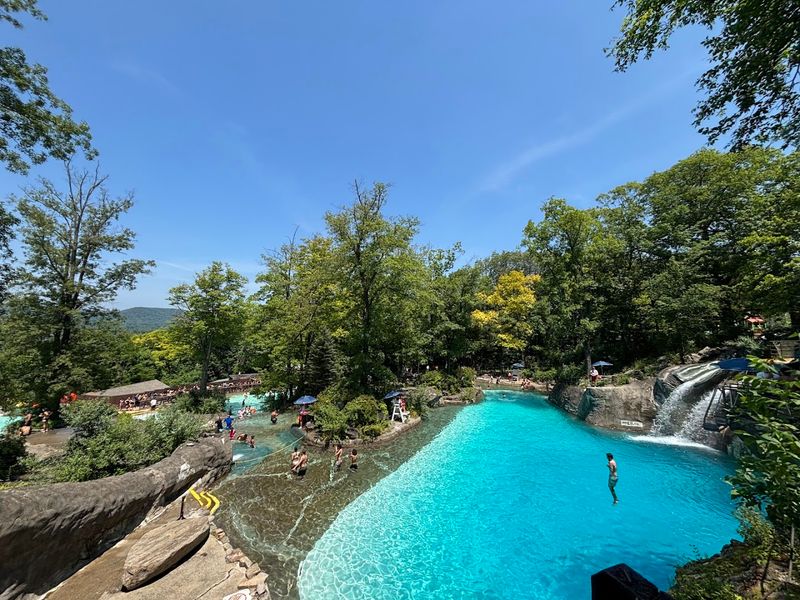
The original Action Park closed, and the site later became Mountain Creek Waterpark, a safer, more modern resort version of summer fun. That makes it one of New Jersey’s strangest reimaginings: the same mountain, the same general idea of water-fueled chaos, but a totally different relationship with risk.
If you visit now, go for what it is, not for what your uncle swears it used to be. Mountain Creek is a Vernon day trip with water slides, mountain scenery, and a resort setup that makes it much easier to plan than old Action Park ever was.
The ghost of Action Park is still the fun part, though. Every splash seems to come with a whispered disclaimer: you should have seen this place back then.
It belongs on this list because almost no New Jersey landmark has inspired more half-horrified, half-proud storytelling from people who survived it.
8. Jungle Habitat, West Milford
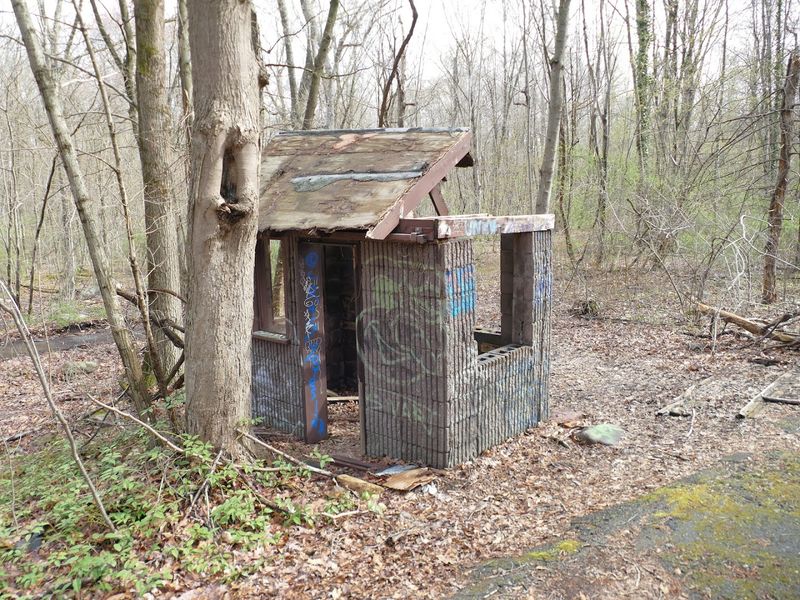
Deep in West Milford, the woods have a strange memory. Before mountain bikers were threading through the trails and hikers were poking around old pavement, Jungle Habitat was a Warner Bros. safari theme park where visitors drove past wild animals in a corner of New Jersey that already felt far from the Turnpike version of the state.
It opened in the 1970s, burned brightly, and closed fast enough to become instant legend. Today, the former safari park has been absorbed into a very different identity, with trails, old service roads, and wooded terrain that have made it especially popular among mountain bikers and curious hikers.
That is the appeal: Jungle Habitat still feels like a place with something underneath it. You are not walking through a preserved theme park, and there are no animals waiting around the bend unless you count the usual North Jersey wildlife.
Instead, you get overgrown traces, odd remnants, and the thrill of knowing this quiet patch once tried to be a safari kingdom. Bring sturdy shoes, check trail conditions, and do not expect polished signage at every turn.
The vibe is more “local legend with mud” than curated attraction. For people who like their history slightly overgrown, Jungle Habitat is one of the best faded landmarks in the state.
It is also proof that New Jersey can turn even a failed theme park into a pretty good trail story.
9. Hinchliffe Stadium, Paterson
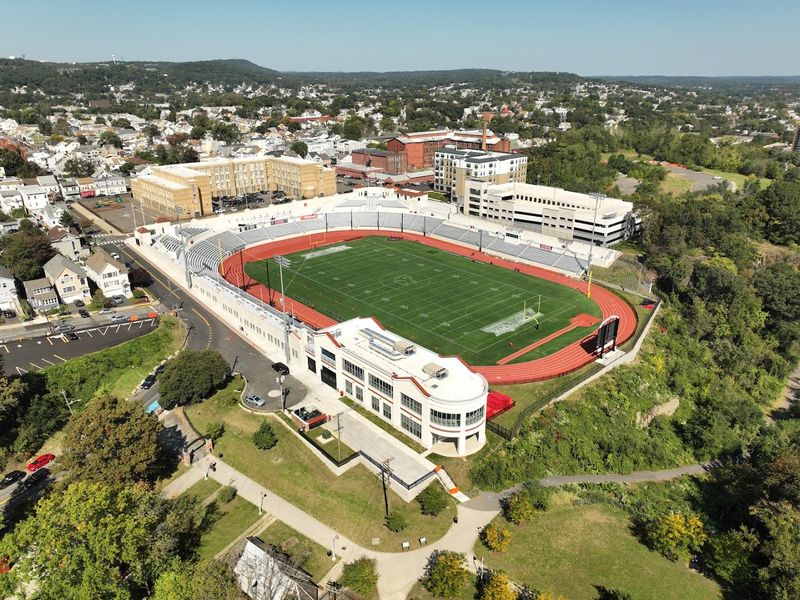
Baseball sounds different when it bounces off old concrete. At Hinchliffe Stadium in Paterson, that sound carries more than sports nostalgia.
Built near the Great Falls, the stadium hosted Negro Leagues baseball and became a stage for players whose stories were too often pushed to the margins of the official record. It also hosted high school games, auto racing, concerts, and civic life, which made it less a venue than a community container.
Then came the long decline. Hinchliffe closed, sat vacant for years, and looked for a while like it might become another “you should have seen it” landmark.
Instead, it reopened after a major restoration, bringing baseball and public attention back to one of Paterson’s most meaningful places. What makes Hinchliffe worth including is that it has not simply been polished into a nostalgia object.
It is a revived landmark with weight. Visit when there is a game or public program, and pair it with Paterson Great Falls National Historical Park nearby.
The setting does a lot of the storytelling: the stadium, the falls, the old industrial city, all packed together. Hinchliffe was once forgotten in plain sight.
Its comeback feels like New Jersey correcting itself, which is rare enough to be worth cheering for. It is not just a sports site.
It is a reminder that preservation can be an act of respect.
10. Ellis Island Hospital Complex, Ellis Island
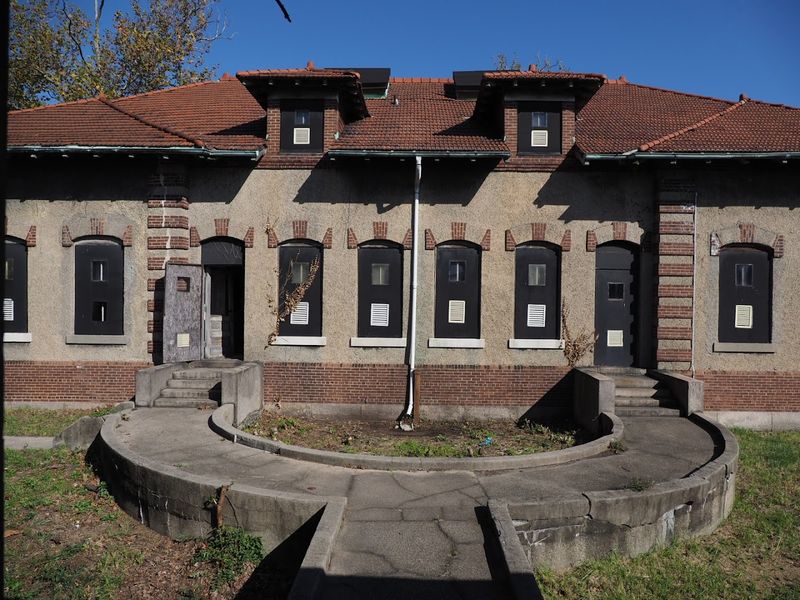
Most people visit Ellis Island and follow the main story: grand halls, immigration records, family names, and the emotional machinery of arrival. The hospital complex tells a quieter, more unsettling version.
On the south side of the island, wards, corridors, laundry rooms, and medical spaces were built for immigrants who were sick, contagious, or in need of further examination before they could move forward into their American lives.
For decades, these buildings sat largely out of public reach, which helped turn them into one of the region’s most haunting forgotten landmarks.
Today, guided access to parts of the hospital complex gives visitors a look at unrestored spaces that feel very different from the polished museum experience on the main island. This is not a casual “swing by for a photo” stop.
You need to plan around ferry access, tour availability, and the fact that the hospital visit adds time and emotional weight to the day. But it is absolutely worth it for anyone who wants the fuller Ellis Island story.
The peeling paint and empty rooms are not just spooky atmosphere. They are evidence of a system that was hopeful, fearful, bureaucratic, and human all at once.
Go for the main museum, but leave remembering the hospital. That is where Ellis Island becomes harder to simplify.
11. Central Railroad of New Jersey Terminal, Jersey City
Before airport pickups and PATH alerts, there was the great shuffle of trains to ferries, luggage in hand, New York almost close enough to touch.
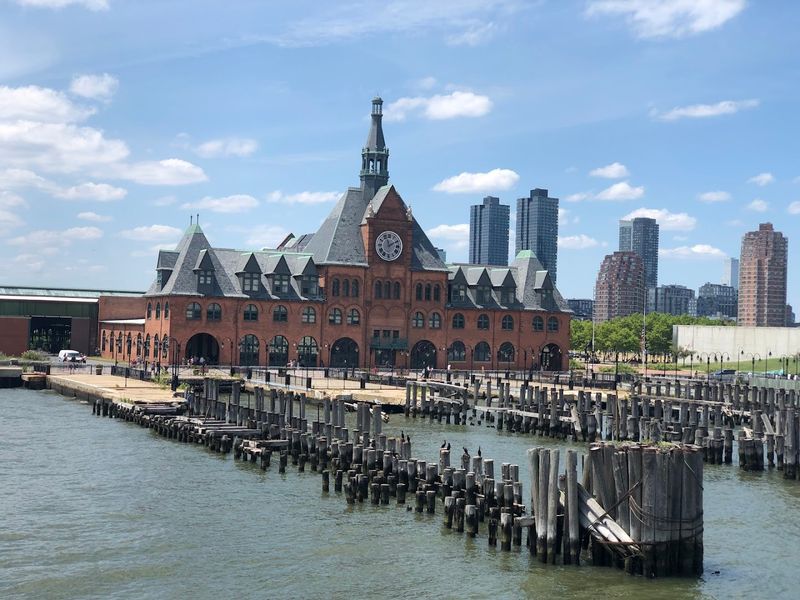
The Central Railroad of New Jersey Terminal in Liberty State Park was once one of the grand gateways of the Hudson waterfront, moving commuters, travelers, and newly arrived immigrants through Jersey City toward Manhattan and beyond.
Today, the terminal feels both monumental and oddly calm. The crowds are gone.
The trains are gone. The skyline is still doing its dramatic thing across the water, but the building now serves as a historic anchor inside Liberty State Park.
That shift is what makes it so compelling: a transportation machine turned into a place for wandering, looking, and realizing how much movement once passed through this edge of New Jersey. For a visit, make it part of a Liberty State Park day.
Walk the terminal, look toward the old ferry slips, then continue to the waterfront for Statue of Liberty and Manhattan views. Ferries to the Statue of Liberty and Ellis Island also depart from the area, making it easy to connect the terminal’s history to the larger harbor story.
It is not forgotten because it is hidden. It is forgotten because people use the park without always seeing the building as the giant front door it once was.
12. Fort Hancock, Sandy Hook
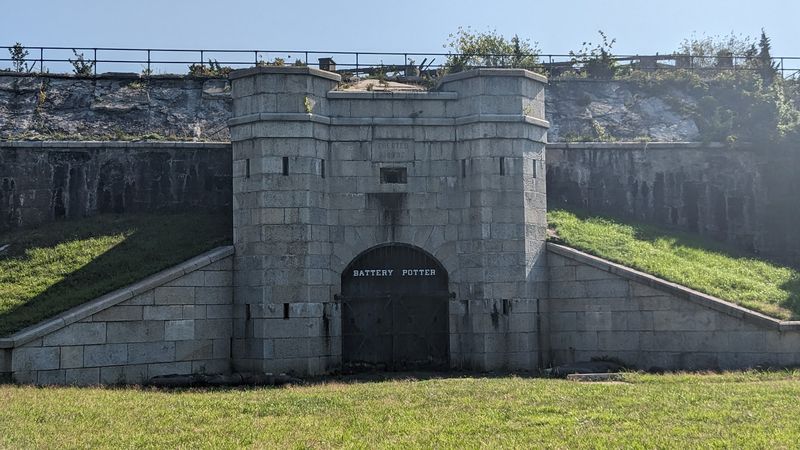
At Sandy Hook, the beach can distract you from almost everything. Families haul coolers, cyclists roll past, gulls behave badly, and the Atlantic keeps sparkling like it has no idea there are old military buildings just sitting nearby.
Fort Hancock is the other Sandy Hook: officers’ houses, gun batteries, parade grounds, and structures tied to coastal defense from the late 19th century into the missile age. That mix of beach day and military ghost town is exactly why Fort Hancock sticks with people.
You can tour batteries, walk past Officers Row, see buildings in various states of repair, and then be back near sand and surf minutes later. Do not rush it.
Park, walk, read the signs, and let the setting feel a little strange. Some buildings have been reused or stabilized; others still look like they are waiting for a decision.
It is practical as a day trip because Sandy Hook already gives you beaches, trails, lighthouse history, and wide-open bay views, but Fort Hancock adds the part most visitors miss when they head straight for the sand. This is not a tidy landmark with one clean story.
It is a whole chapter of New Jersey history left open beside the ocean, which is very much the point.