The most famous cut to black in TV history happened over onion rings in Bloomfield, not on a Hollywood soundstage, and that is exactly why a New Jersey Sopranos road trip works so well. These places are not polished attractions with velvet ropes and souvenir counters.
They are candy shops, pizza joints, quiet suburban streets, old storefronts, and roadside landmarks that still look like the kind of places Tony might pass without thinking twice. That is the magic.
The show made North Jersey feel mythic without pretending it was glamorous. A booth, a driveway, a neon sign, a pork store facade, a strip club exterior—each spot carries a little charge for anyone who knows the series.
Some are still open for business, some are best treated as quick photo stops, and a few are more about standing there and realizing how much television history happened in ordinary Jersey places.
1. Holsten’s Brookdale Confectionery — Bloomfield
Order the onion rings first, because pretending you came here for anything else is a losing game.
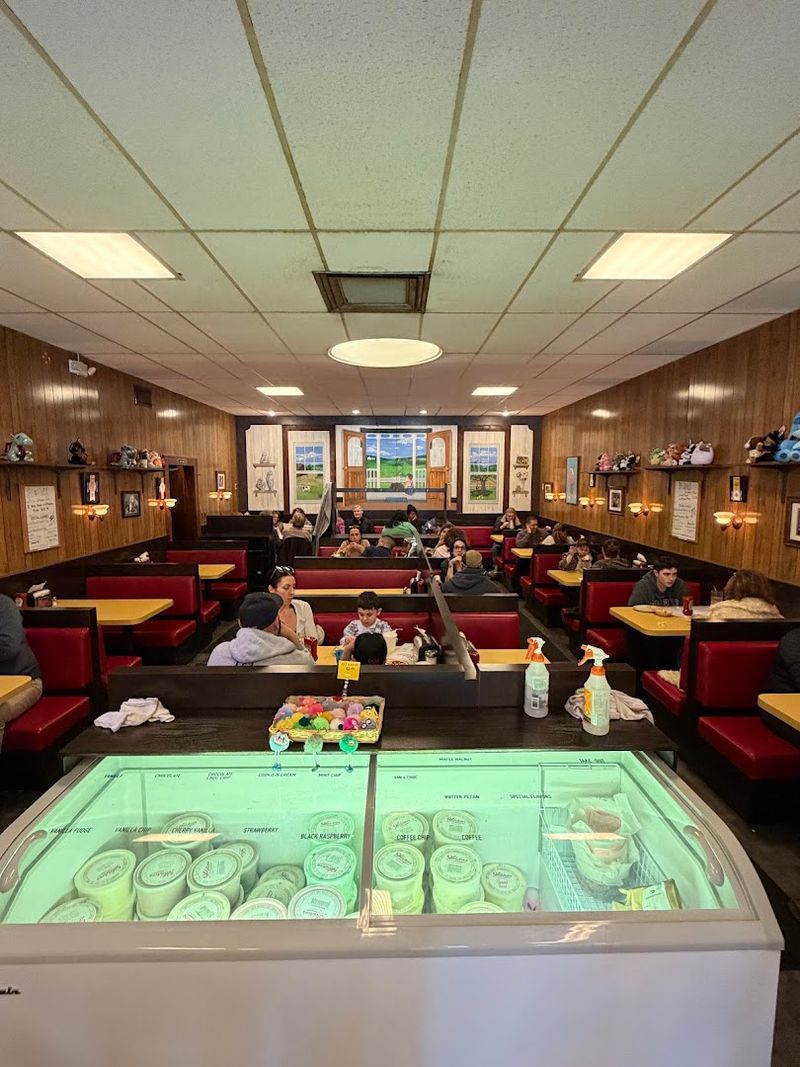
Holsten’s is the place fans know from the final scene, but it is also a real old-school Bloomfield institution with a candy counter, ice cream, booths, and the kind of neighborhood rhythm that existed long before anyone argued about whether Tony saw it coming.
That is what makes it such a satisfying stop: it does not feel like a set dressed up for tourists. It feels like a Jersey classic that happened to become one of television’s most analyzed rooms.
The booth is the big draw, of course, and fans usually want a photo before sliding into the whole what-does-the-ending-mean conversation. But Holsten’s is more fun if you treat it like an actual meal stop instead of a quick pilgrimage.
Get a burger, fries, ice cream, or something from the candy case, and let the place be what it is: a comfortable, no-nonsense throwback where the vinyl booths do half the storytelling.
Parking in Bloomfield can require a little patience, especially when fans are making the same stop you are, but it is worth working into the route early or late in the day. Come hungry, bring someone who knows the show, and yes, look up when the door opens.
2. Satin Dolls / The Bada Bing — Lodi
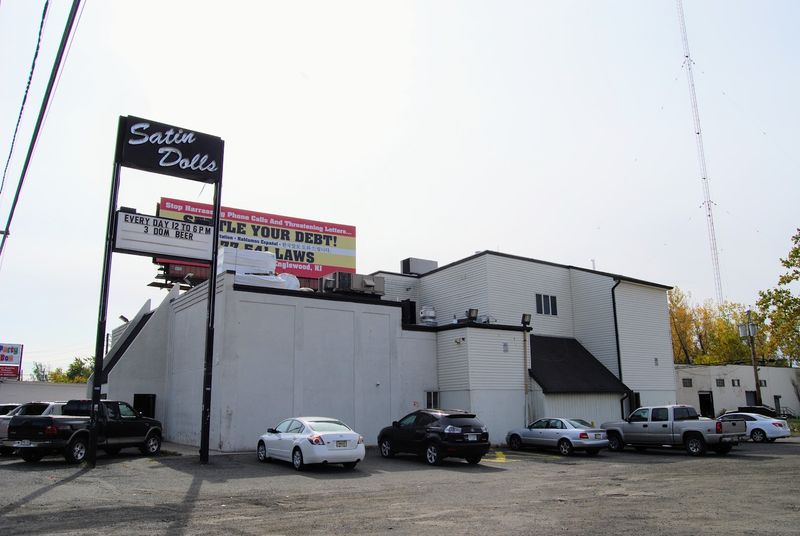
A glowing roadside sign in Lodi did more than stand in for a fictional strip club; it became one of the most recognizable exterior shots in the entire series. Satin Dolls is the real location fans know as the Bada Bing, the place where business, gossip, violence, and bad decisions all seemed to orbit Tony’s crew.
Even if you never go inside, the exterior alone has that instant-hit recognition that makes you slow down and say, “There it is.”
This is not a family attraction or a theme-park version of the show, so plan the stop accordingly. For many fans, it is best treated as a photo-op from the outside, especially during daylight, when the building is easy to spot and you can appreciate how perfectly ordinary the surrounding stretch of Lodi feels.
That contrast is part of the appeal. On screen, the place felt like a headquarters.
In real life, it sits among the everyday traffic, signs, and asphalt of North Jersey. If you do decide to visit beyond the exterior, remember it is an operating adult business, not a museum.
Be respectful, know what kind of place you are walking into, and do not expect a guided Sopranos experience. The thrill here is simpler than that: seeing how a real Lodi club became one of TV’s most infamous hangouts.
3. Pizzaland — North Arlington
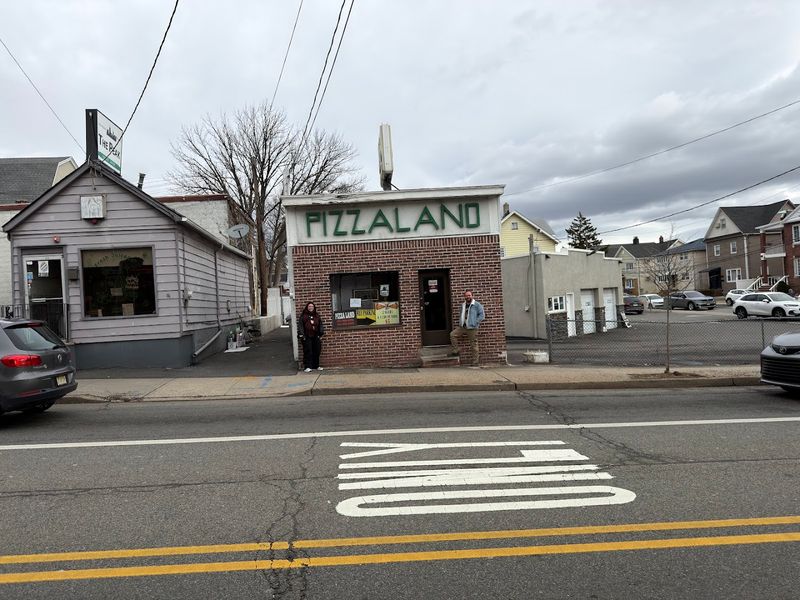
Blink during the opening credits and you still probably remember the red-and-white Pizzaland sign. It flashes by as Tony drives through North Jersey, and for fans, that brief glimpse is enough to turn a humble North Arlington pizza spot into a must-stop landmark.
This is the kind of location that proves The Sopranos did not need grand scenery to build its world. A storefront, a sign, a stretch of road, and suddenly you are inside the show’s geography.
Pizzaland is especially worth adding because it still works as a real food stop. You are not just standing outside a closed building trying to match an angle from television.
You can go in, grab a slice, and enjoy the fact that one of the most recognizable shots from the intro is attached to something as beautifully New Jersey as pizza by the slice. That is the right way to experience it.
The vibe is casual and quick, so do not overthink this one. Stop in between bigger destinations, take your photo, order a slice or a pie, and keep the road trip moving.
North Arlington also makes geographic sense if you are stringing together Kearny, Jersey City, and other Meadowlands-area locations. It is a small stop, but for opening-credits obsessives, it lands big.
4. Tony Soprano’s House — North Caldwell
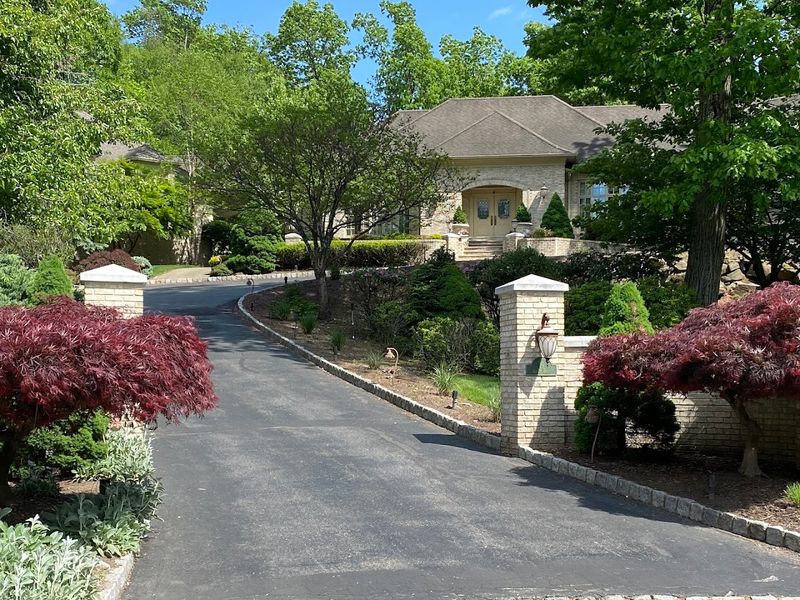
The drive up to North Caldwell is half the point. The streets get quieter, the lawns get wider, and suddenly you understand exactly why Tony’s house mattered so much to the show.
It was not just where he lived. It was the carefully maintained suburban shell around everything messy, violent, and unresolved underneath.
Seeing the house in person gives fans that strange double feeling: the place is familiar, but it is also very much someone’s real neighborhood. That means this stop comes with one big rule: be respectful.
This is not a business, and it is not an attraction built for visitors. Stay on public property, do not block driveways, do not linger like you are casing the place, and keep photos quick and discreet.
The reward is not in getting close. It is in seeing how perfectly the location captured Tony’s double life—family dinners, backyard arguments, poolside panic, and all that expensive normalcy he could never quite enjoy.
North Caldwell also adds a different texture to a Sopranos road trip. After pizza counters, storefronts, and roadside signs, this stop feels quieter and more psychological.
It is less about ordering something and more about standing there for a minute, taking in the steep driveway, the suburban calm, and the fact that one of television’s most complicated antiheroes came home here.
5. Livia Soprano’s House — Verona
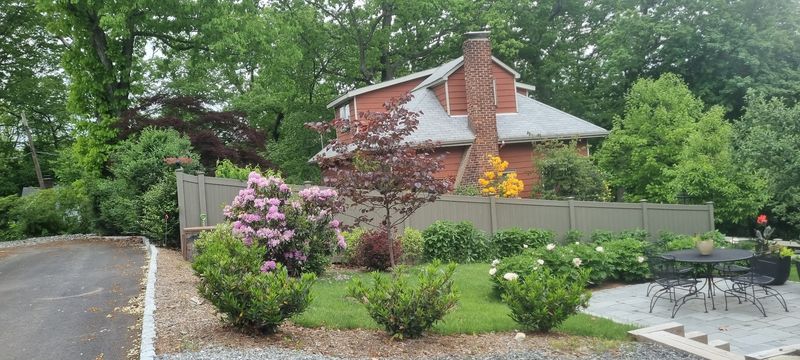
Few places in the series carry more emotional weather than the modest Verona home associated with Livia Soprano. It is not flashy, and that is exactly why it works.
The house represents a different kind of Sopranos landmark: not the mob-business side of the show, but the family pressure cooker that shaped Tony long before therapy, panic attacks, or crew politics entered the picture.
A stop here feels quieter than the famous food locations, but fans who care about the show’s emotional core will understand why it belongs on the route.
Like Tony’s house, this is a private residential location, so the visit should be brief and considerate. The goal is not to treat the block like a movie set.
It is to appreciate how the show used ordinary North Jersey homes to build character. Livia’s place always felt heavy on screen, the kind of house where every conversation might turn into a guilt trip or a trap.
In real life, that normal suburban setting makes the memory even sharper. Verona is a pleasant town to fold into a North Jersey loop, especially if you are already visiting Bloomfield or North Caldwell.
Do the quick fan stop, then move on without making a scene. It is a small location, but for Sopranos fans, it carries a lot of weight.
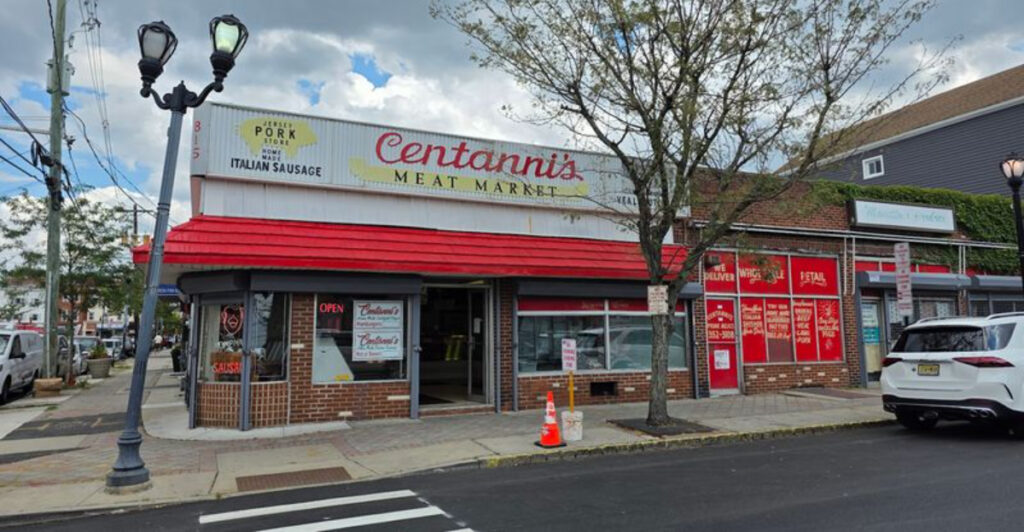
6. Centanni’s Meat Market — Elizabeth
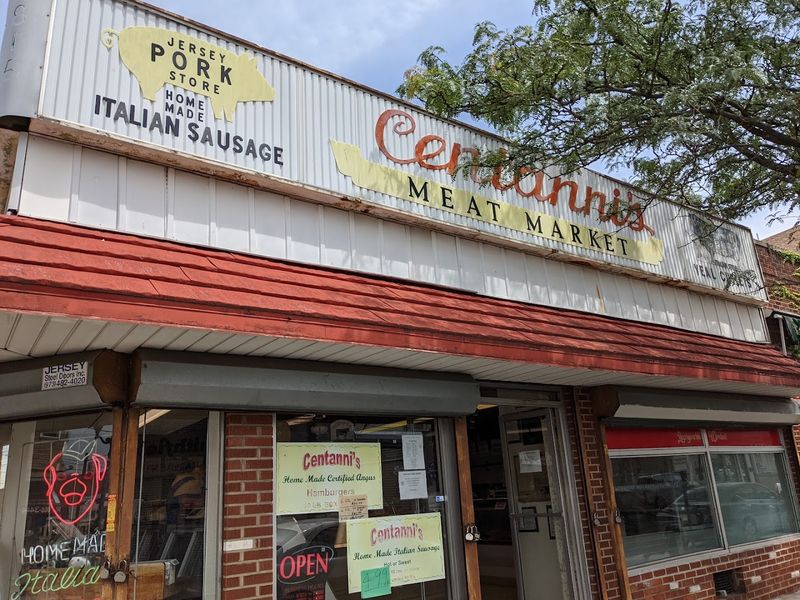
There is something perfect about a Sopranos location being tied to a real neighborhood meat market in Elizabeth. Centanni’s Meat Market connects fans to the early visual language of the show, before certain locations became icons and before everyone knew exactly what kind of cultural force the series would become.
It is a stop that appeals to fans who enjoy the behind-the-scenes evolution of the show as much as the famous scenes themselves. Elizabeth gives this part of the road trip a grittier, more urban texture than the suburban house stops.
The blocks feel busy and lived-in, and that works well for a series that always understood North Jersey as a mix of neighborhoods, storefronts, industrial edges, and family-run businesses. Centanni’s is the kind of place where the line between real local life and television memory gets pleasantly blurry.
If the market is open when you go, treat it as an actual business first and a filming location second. Step in respectfully, buy something if it makes sense, and do not turn the counter into your personal photo studio.
If you are only passing by, keep it simple and move along. This is a stop for fans who want more than the obvious greatest hits.
It adds depth to the route and gives Elizabeth its rightful place in the show’s New Jersey map.
7. Del Porto Ristorante / Vesuvio’s Pilot Location — Elizabeth
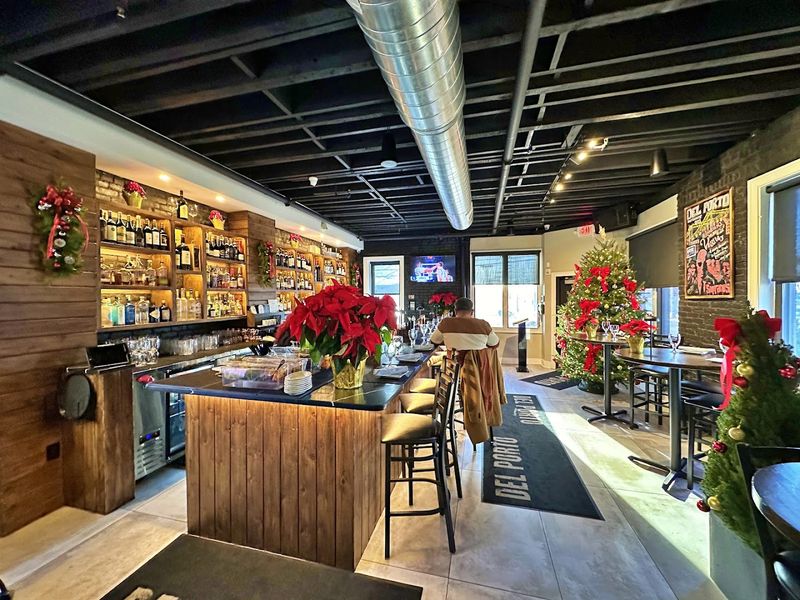
Before Artie Bucco’s restaurant became a recurring part of the show’s world, the pilot needed a place that could sell the idea of a comfortable Italian restaurant where food, friendship, resentment, and mob-adjacent tension could all share the same table.
Del Porto Ristorante in Elizabeth is tied to that early version of Vesuvio’s, which makes it a great stop for fans who like seeing how the series found its footing.
Restaurant locations are especially satisfying because they let you do more than point at a building. You can sit down, order a meal, and imagine the show in its first-draft form, before certain sets and rhythms became familiar.
The appeal here is not just that it appeared on screen. It is that it reflects how central restaurants were to The Sopranos: places to celebrate, scheme, apologize badly, and pretend business was not business.
Because it is a real restaurant, check current hours before building your day around it, and consider reservations if you are going during a busy dinner window. This is not the kind of stop to rush if you are hungry.
Let it become the sit-down meal of the trip, especially if your route already includes Centanni’s nearby. Elizabeth gives fans two locations close enough to pair together, and Del Porto adds a little warmth, wine, and tablecloth energy to the itinerary.
8. The Satriale’s Pork Store Site — Kearny
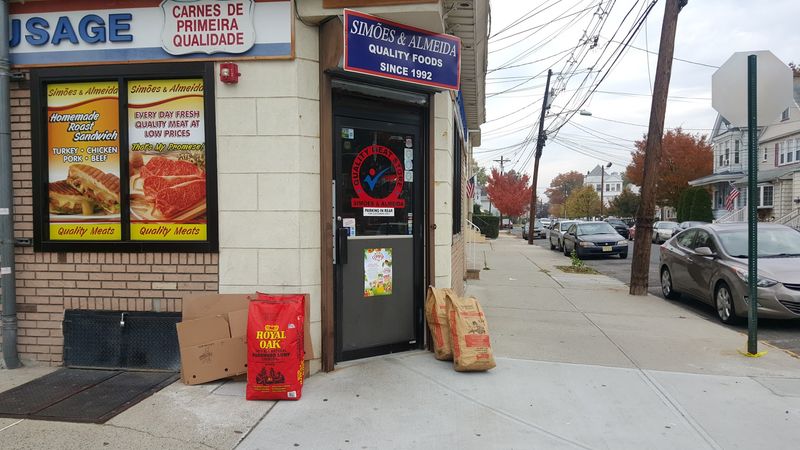
A bare location can still feel loud if enough television history happened there.
The Kearny site associated with Satriale’s Pork Store is one of those places where fans are not visiting for what stands there now so much as what they remember: the sidewalk conversations, the folding chairs, the casual menace, the jokes, the beatings, the sandwiches, and the crew treating the place like an unofficial office.
Satriale’s became one of the show’s great hangout locations because it felt both public and private. Anyone could walk past, but everyone knew who really controlled the corner.
That is why the Kearny stop still matters, even without the full fictional storefront operating as fans remember it. You are visiting the footprint of a place that helped define the show’s street-level world.
This is best approached as a quick, thoughtful stop rather than a long destination. Take a look, compare it with the version burned into your memory, and appreciate how much mood the show pulled from a simple commercial stretch.
Kearny also pairs easily with North Arlington and Jersey City, making it useful for a compact Sopranos loop. The fun is in the mental overlay: ordinary New Jersey in front of you, Satriale’s in your head, and Paulie Walnuts somehow still looking like he is about to appear from just off-camera.
9. The Muffler Man — Jersey City
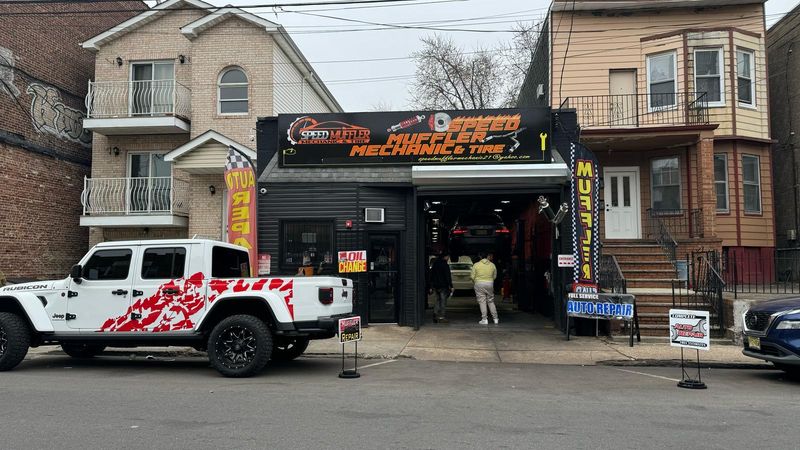
The giant roadside figure in Jersey City belongs to that special category of Sopranos landmarks you recognize before you can explain why. It is not a major plot location, and nobody needs a deep character analysis to enjoy it.
The appeal is pure opening-credits energy: Tony behind the wheel, New Jersey rolling by, industrial edges and oddball landmarks turning into a portrait of home. That makes the Muffler Man a fun final stop because it captures the show’s sense of place in a different way.
The Sopranos was never just about interiors and conversations. It was also about driving—through tolls, past signs, along highways, under gray skies, toward family obligations and worse ideas.
A roadside figure like this feels perfectly suited to that world: strange, local, memorable, and just a little funny. Jersey City can be busy, so treat this as a quick visual stop rather than a linger-all-afternoon destination.
Look up the best place to pull over safely before you go, since traffic and parking can be annoying depending on the time of day. It is worth it, though, especially if you are ending the trip closer to the Hudson.
After all the restaurants, houses, storefronts, and neighborhood corners, this landmark brings the route back to where the show often began: Tony driving through real New Jersey, making ordinary places unforgettable.