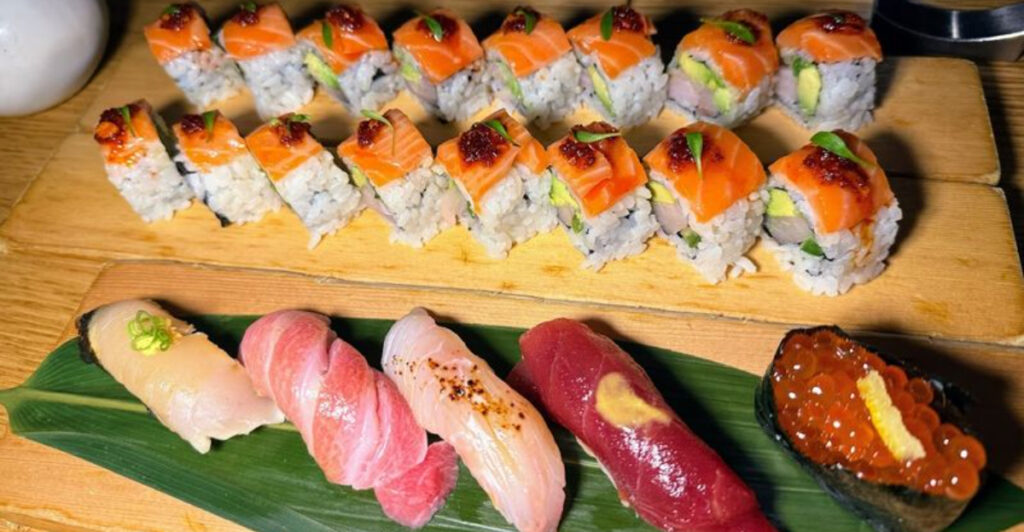
Texas might be famous for barbecue and Tex-Mex, but tucked away in neighborhoods across the state are some incredible Japanese restaurants that most tourists never find. These hidden gems serve everything from delicate sushi to steaming bowls of ramen, crafted by chefs who take their art seriously. Local food lovers guard these spots like precious secrets, returning again and again for authentic flavors and intimate dining experiences that feel worlds away from the usual restaurant scene.
1. Kuu (Houston)
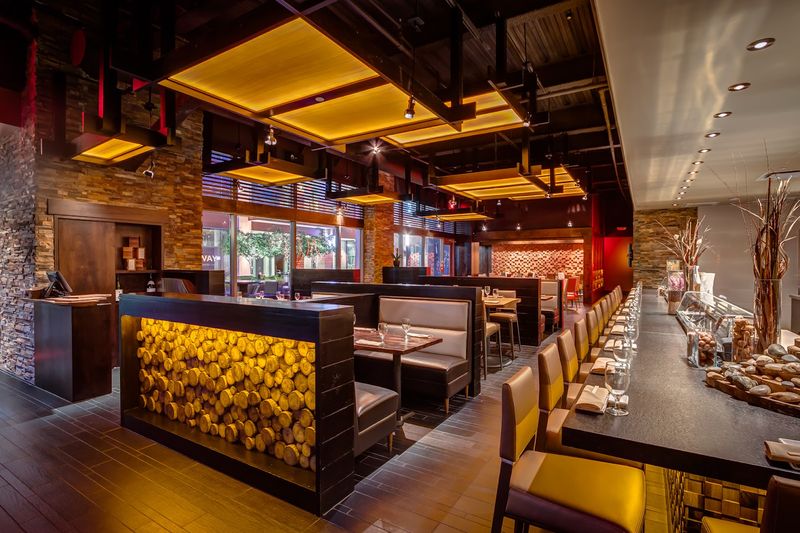
Nestled in a Houston strip mall where you’d least expect culinary magic, Kuu operates on a reservation-only basis that immediately tells you this isn’t your average sushi spot. Chef Adison Lee runs the kitchen with precision that borders on meditation, preparing omakase experiences that change based on what’s freshest that day. The intimate space seats fewer than twenty people, creating an atmosphere where conversations naturally lower to whispers and every piece of nigiri becomes a small celebration.
Walking through the door feels like stepping into someone’s private dining room rather than a commercial restaurant. The minimalist decor keeps all attention focused on the fish, which arrives from Japan’s Toyosu Market and various coastal waters depending on the season. Chef Lee doesn’t rush through courses, instead taking time to explain the origin of each ingredient and the reasoning behind specific preparations.
Regulars know to trust the chef completely, letting him guide the evening’s progression from lighter, delicate flavors to richer, more complex bites. The rice temperature stays perfectly calibrated, the wasabi gets freshly grated, and the soy sauce comes from small-batch producers who’ve been perfecting their craft for generations. This level of attention extends to the sake selection, where Lee personally tastes and approves every bottle before it reaches the menu.
Houston’s food scene gets plenty of attention for its diversity, but Kuu operates in a different category altogether. There’s no flashy Instagram moment here, no trendy fusion experiments or elaborate presentations designed for social media. What you get instead is honest, deeply skilled sushi craftsmanship that respects both tradition and the intelligence of diners who appreciate subtlety.
The price point reflects the quality, but those who’ve experienced it rarely complain.
Finding Kuu requires intention since it doesn’t advertise heavily or seek mainstream publicity. The restaurant survives entirely on word-of-mouth recommendations from people who understand that truly exceptional food doesn’t need marketing gimmicks. Call ahead, make a reservation, and prepare for an evening that redefines what Japanese cuisine can be when someone cares enough to do it right.
2. Nikko Southlake Restaurant (Southlake)
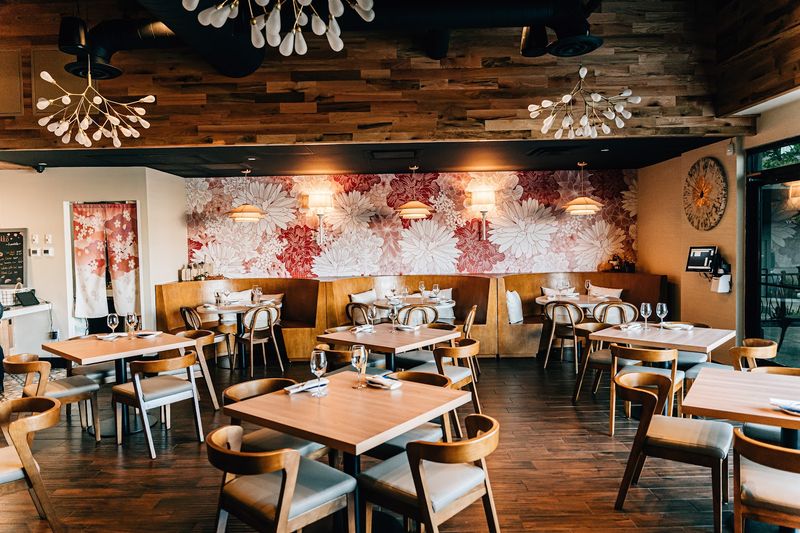
Southlake’s restaurant landscape leans heavily toward chain establishments and safe suburban dining, which makes Nikko’s presence feel like discovering a jazz club in a shopping mall. The restaurant occupies a corner space that’s easy to miss if you’re not actively looking, but locals who’ve found it treat the place like their personal clubhouse. Owner and chef Nikko brings decades of experience from Japan, and his refusal to compromise on ingredients or technique has earned fierce loyalty from customers willing to drive from across the Metroplex.
The menu reads like a greatest hits collection of Japanese comfort food, executed with the kind of precision that separates good from unforgettable. Their tonkotsu ramen simmers for days, creating a broth so rich it coats your spoon like silk. Fresh sashimi gets cut to order, with thickness varying based on the fish’s texture and fat content rather than following some standardized measurement.
Even simple items like gyoza arrive with wrappers made in-house, creating that perfect contrast between crispy bottom and tender top.
What really sets Nikko apart is the chef’s willingness to prepare off-menu items for regular customers who want to explore beyond the standard offerings. Mention that you’re interested in trying something traditional, and you might end up with grilled mackerel prepared the way Nikko’s grandmother made it, or a seasonal preparation that never appears on any written menu. This flexibility creates a sense of discovery that keeps visits feeling fresh even after dozens of trips.
The sake selection deserves its own paragraph, curated with the same care as the food menu. Nikko personally visits breweries when traveling to Japan, building relationships with producers whose philosophy aligns with his own. The result is a list that includes bottles you won’t find anywhere else in Texas, often from smaller breweries that produce limited quantities for discerning customers.
Families appreciate that Nikko welcomes children without dumbing down the food or atmosphere. Kids who grow up eating here develop sophisticated palates early, learning to appreciate real wasabi and understanding that not all sushi needs to be drowned in spicy mayo. The restaurant serves as a quiet ambassador for Japanese food culture, one perfectly seasoned bowl at a time.
3. Ramen Tatsu-Ya (Austin)
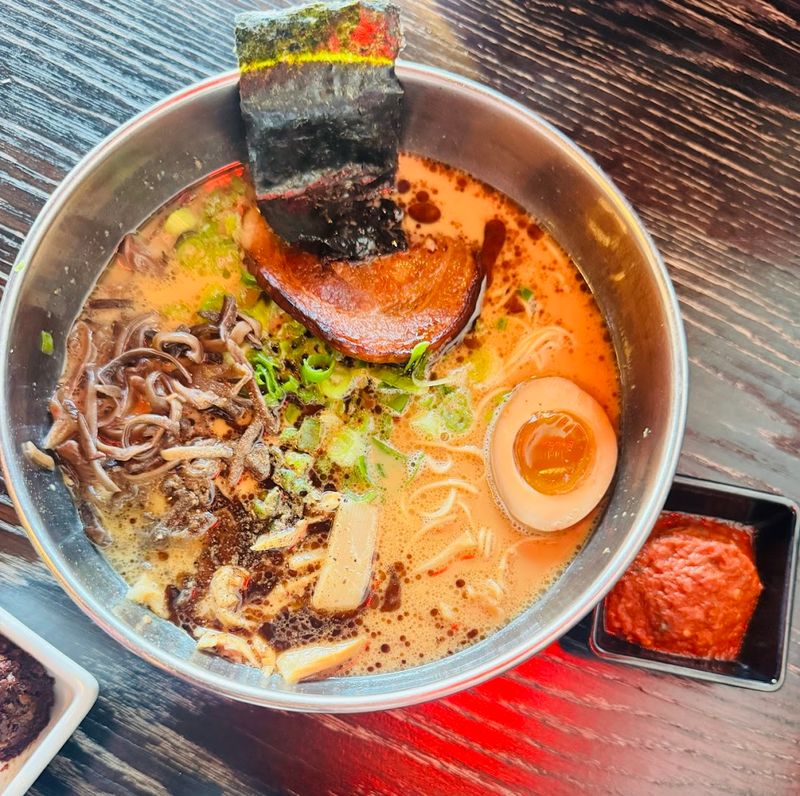
Austin’s food obsession runs deep, but even in a city that worships at the altar of good eating, Ramen Tatsu-Ya holds special status among those who know. The original location on Burnet Road started as a tiny operation where you could watch the entire kitchen through a window, steam billowing as cooks dropped noodles into boiling water with the rhythm of a well-rehearsed dance. Lines formed early and stayed long, but nobody seemed to mind waiting because what waited at the end was worth every minute.
Founder Tatsu Aikawa built the restaurant on a simple premise: make the best ramen possible and don’t cut corners to save money or time. The tonkotsu broth represents this philosophy perfectly, simmered for days until pork bones surrender every molecule of flavor and collagen, creating a soup that’s simultaneously rich and clean. Noodles get made fresh daily to Aikawa’s exact specifications, with a texture that holds up to the hot broth without turning mushy halfway through your bowl.
Beyond the signature tonkotsu, seasonal specials showcase the kitchen’s creativity and technical skill. A summer mazemen might feature cold noodles with sesame and cucumber, while winter brings heartier miso variations that warm you from the inside out. The team constantly experiments, traveling to Japan for research and inspiration, then adapting what they learn to Texas ingredients and tastes without losing authenticity.
The atmosphere skews casual and energetic, with a soundtrack that might jump from Japanese rock to hip-hop without warning. This isn’t a quiet, contemplative dining experience but rather a celebration of good food enjoyed among people who genuinely appreciate it. Staff members know their regulars by name and remember preferences, creating a neighborhood vibe despite the restaurant’s growing fame.
Success brought expansion to multiple locations, but the original Burnet spot maintains a special energy that’s hard to replicate. Sitting at the counter watching cooks assemble bowls with practiced efficiency, you understand why this place sparked Austin’s ramen obsession. The heat, the noise, the perfectly cooked egg that oozes when you cut into it—everything combines into an experience that transcends simple noodle soup.
Come hungry, come ready to wait, and come prepared to understand what properly made ramen should taste like.
4. Sushiya (Dallas)
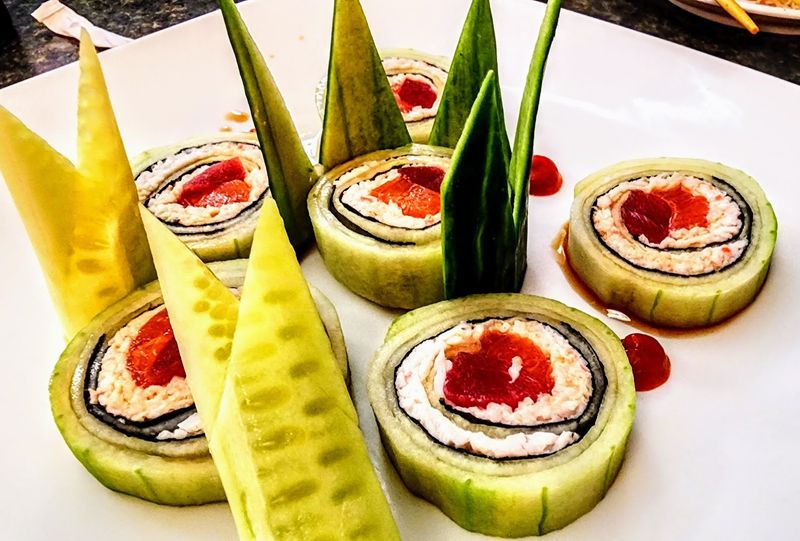
Hidden in a Dallas neighborhood where most people drive past without a second glance, Sushiya operates with the quiet confidence of a restaurant that doesn’t need to prove anything to anyone. Chef Yoshi runs the sushi bar like a conductor leading an orchestra, each movement deliberate and economical, wasting neither motion nor ingredient. The dining room holds maybe thirty people when full, and reservations book up days in advance as word spreads through networks of serious food enthusiasts who recognize mastery when they taste it.
What makes Sushiya special isn’t any single element but rather the accumulation of dozens of small decisions made correctly. The rice gets seasoned with a vinegar blend that Chef Yoshi adjusts seasonally, accounting for changes in humidity and rice variety. Fish selection happens early each morning based on what looks best rather than what’s cheapest or most popular.
Even the ginger gets pickled in-house, resulting in a cleaner, brighter flavor than the neon pink stuff most places serve.
The omakase experience here unfolds like a story, with early courses setting up flavors and textures that build toward a crescendo before easing into a gentle conclusion. You might start with something light and barely seasoned, letting you taste the pure essence of the fish, then progress through various preparations that showcase different techniques and flavor profiles. Chef Yoshi reads his diners carefully, adjusting portions and pacing based on subtle cues that most people don’t even realize they’re giving.
Regulars develop relationships with the chef that go beyond typical customer-server dynamics. He remembers preferences, dietary restrictions, and past conversations, creating a sense of continuity that makes each visit feel like returning home. This personal connection transforms the meal from mere consumption into something more meaningful, a shared appreciation for craft and quality that transcends the transaction.
The sake and wine list reflects the same thoughtfulness as the food, with selections chosen to complement rather than compete with delicate flavors. Staff can guide you through options without being pushy, offering suggestions based on what you’re eating rather than what costs the most. Prices align with the quality, and while you’ll definitely spend money here, you’ll leave understanding exactly where those dollars went—into ingredients, skill, and an experience that respects your time and palate.
5. Katami (Houston)
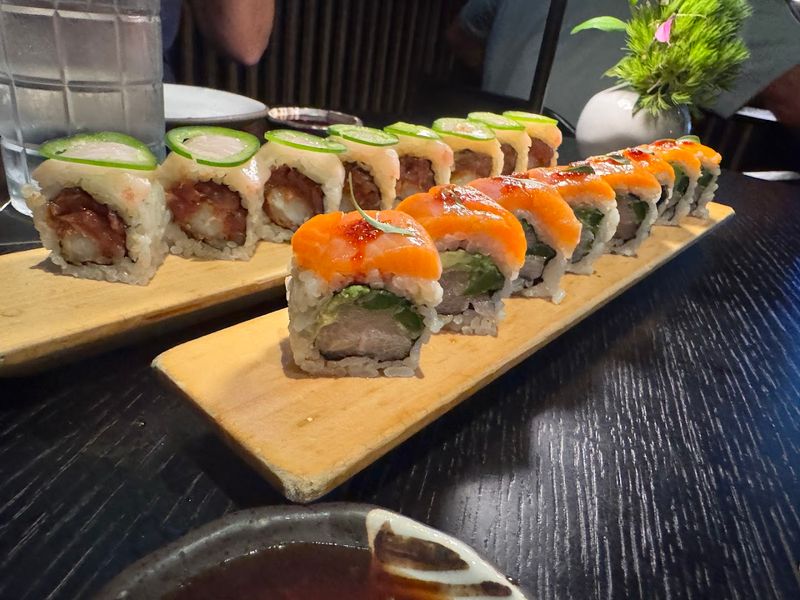
Tucked into Houston’s Montrose neighborhood where creativity and culture collide, Katami represents a new generation of Japanese restaurants that honor tradition while embracing contemporary sensibilities. Chef Austin Waiter trained under some of Japan’s most respected sushi masters before returning to Texas with skills and knowledge that most American chefs never acquire. His approach balances reverence for classical techniques with a willingness to highlight Texas ingredients when they meet his exacting standards, creating dishes that feel both authentic and distinctly local.
The restaurant’s design reflects this same duality, featuring clean lines and natural materials that create a calm environment without feeling stuffy or overly formal. An open kitchen lets diners watch the team work, and the energy flowing from that space infuses the entire room with excitement. You can feel the passion and precision that goes into every plate, from the way knives move through fish to the careful arrangement of garnishes that serve purpose beyond mere decoration.
Katami’s menu offers both a la carte options and omakase experiences, giving diners flexibility based on mood and budget. The omakase route provides the fullest expression of the kitchen’s capabilities, with courses that might include aged fish you’ve never heard of, preparations that challenge preconceptions about Japanese food, and flavor combinations that somehow make perfect sense despite seeming unusual on paper. Each piece arrives at the exact right temperature, with rice that’s warm but not hot, fish that’s cool but not cold.
The beverage program deserves equal attention, featuring sake selections that range from approachable to esoteric, plus Japanese whiskeys and a wine list that prioritizes bottles that actually pair well with the food rather than just impressive labels. The team can guide you through options without making you feel ignorant, explaining characteristics in plain language that helps rather than condescends.
What really distinguishes Katami is the sense that everyone working there genuinely cares about your experience. Servers check in without hovering, offer recommendations without pushing, and seem authentically happy when you enjoy something. This warmth elevates the meal beyond technical excellence into something more memorable, the kind of evening you find yourself describing to friends weeks later, trying to capture what made it special beyond just the food.
6. Sushi Yume (Round Rock)
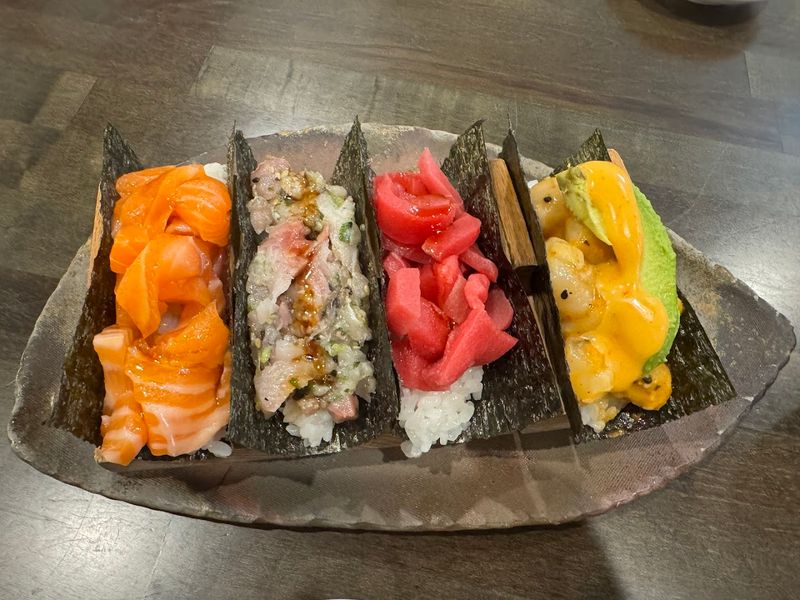
Round Rock doesn’t immediately come to mind when people think about exceptional Japanese cuisine, which is exactly why Sushi Yume thrives as the neighborhood secret that locals hope stays under the radar just a little longer. Chef Yume opened the restaurant after years working in larger Dallas establishments, seeking a smaller canvas where he could focus on quality over volume and build relationships with customers rather than just serving them. The result is a space that feels more like dining at a friend’s house than a commercial operation, assuming your friend happens to be an incredibly talented sushi chef.
The menu keeps things straightforward, avoiding the endless rolls and fusion experiments that dominate lesser restaurants. Instead, Yume focuses on pristine fish, properly seasoned rice, and preparations that let ingredients speak for themselves. His nigiri represents sushi in its purest form—a small amount of perfectly cut fish over a small mound of rice, maybe a touch of wasabi, nothing more.
This simplicity demands excellence because there’s nowhere to hide mistakes or mask inferior ingredients behind sauces and toppings.
Regular customers know to ask what’s special that day, trusting Yume’s judgment about what deserves attention. He sources from multiple suppliers, always chasing the best available product rather than committing to single vendors out of convenience. This flexibility means the offerings change frequently, keeping visits interesting even for people who come weekly.
You might find Spanish mackerel one week and Japanese sea bream the next, each prepared in ways that honor the fish’s particular characteristics.
The restaurant’s location in a modest strip center means overhead stays reasonable, allowing Yume to invest more in ingredients and less in rent and decor. The dining room won’t win design awards, but the lack of pretension actually enhances the experience, keeping focus where it belongs—on the food. Families feel comfortable bringing kids, date nights don’t require formal attire, and solo diners can sit at the bar without feeling awkward.
Pricing reflects the quality without reaching the stratospheric levels of more famous establishments. You’ll spend more than you would at a conveyor belt sushi joint, obviously, but you’ll receive value that justifies every dollar. This accessibility helps build a diverse customer base that includes everyone from young professionals to retired couples, all united by appreciation for honest, skillful cooking that doesn’t need gimmicks or hype to satisfy.
7. NoriNori Sushi Bar HTX (Houston)
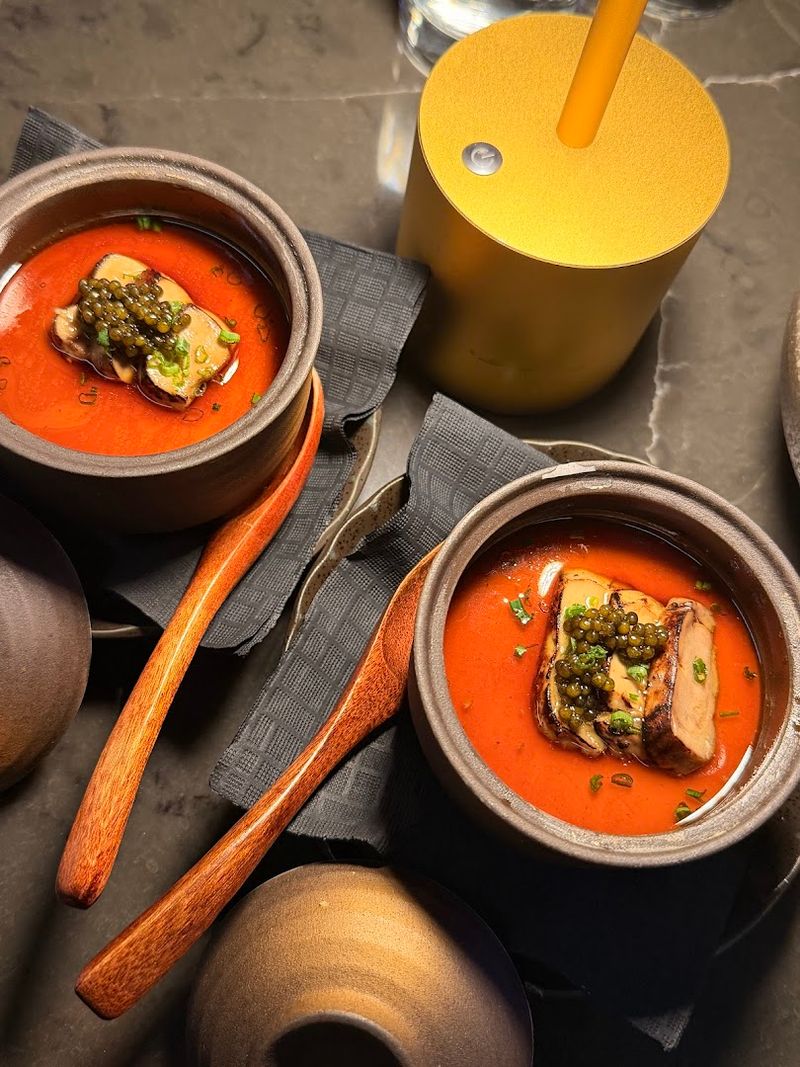
Houston’s sushi scene exploded over the past decade, but NoriNori Sushi Bar HTX carved out its niche by embracing fun without sacrificing quality, a balance that proves surprisingly difficult to achieve. The restaurant attracts a younger crowd drawn to creative rolls and lively atmosphere, yet the kitchen maintains standards that would satisfy even traditional sushi purists. This duality makes NoriNori a rare bridge between casual diners exploring Japanese food and experienced enthusiasts seeking something beyond the usual options.
The menu showcases this range beautifully, offering everything from simple nigiri that lets fish quality shine through to elaborate specialty rolls that incorporate unexpected ingredients like crispy garlic or spicy tuna mixed with fresh mango. Some purists might scoff at such creativity, but the execution is solid enough to win over skeptics. The fish tastes fresh, the rice holds together properly, and flavor combinations actually work rather than just sounding interesting on paper.
Beyond sushi, the kitchen turns out excellent versions of Japanese comfort food that often gets overlooked at sushi-focused restaurants. Their karaage arrives perfectly crispy outside while staying juicy inside, seasoned with a light hand that lets you taste the chicken rather than just batter and oil. Takoyaki comes properly gooey in the center, topped with dancing bonito flakes that respond to the heat rising from each ball.
These dishes provide welcome variety for groups where not everyone wants raw fish.
The bar program leans into Japanese whiskey and sake but also offers creative cocktails that incorporate Asian ingredients without falling into tired clichés. A yuzu margarita might sound gimmicky, but the bartenders balance flavors skillfully, creating drinks that complement the food rather than competing with it. Happy hour brings good deals on both food and drinks, making NoriNori an attractive option for after-work gatherings or casual meetups.
Service strikes the right tone—friendly and efficient without being overly formal or pretentious. Staff members seem genuinely knowledgeable about the menu, able to answer questions about ingredients and preparation methods rather than just reciting descriptions. They’ll steer you toward dishes that match your preferences and warn you away from things that might not suit your taste, treating customers like people rather than just tickets to be processed.
The restaurant’s success comes from understanding its audience and delivering exactly what they want: good food, fair prices, and an environment where you can relax and enjoy yourself without worrying about using the wrong fork or pronouncing something incorrectly.
8. SUKO Japanese Cuisine (San Antonio)
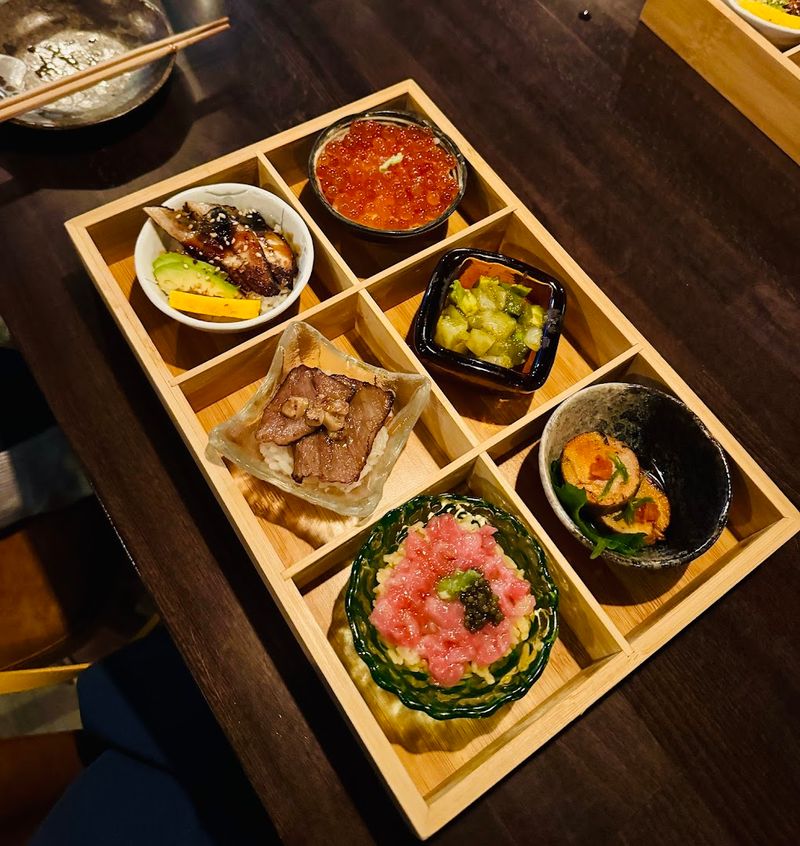
Chef Suko opened the restaurant with a vision of bringing authentic kaiseki-style dining to a city better known for breakfast tacos than seasonal Japanese tasting menus. The gamble paid off, attracting diners who appreciate the artistry and philosophy behind each carefully composed plate, even if they initially came expecting something more familiar.
Kaiseki dining follows a specific progression, with courses designed to showcase seasonal ingredients through various cooking techniques and presentations. SUKO adapts this framework to Texas seasons and available ingredients, creating menus that change frequently based on what’s at peak freshness. A spring menu might feature delicate bamboo shoots and sakura-cured fish, while autumn brings matsutake mushrooms and preparations that emphasize umami depth over bright acidity.
The restaurant’s interior reinforces this commitment to tradition, with private tatami rooms available for groups seeking the full cultural experience. Even the main dining room maintains a serene atmosphere where conversations happen at reasonable volumes and phones stay mostly in pockets. This isn’t stuffiness but rather respect for the meal and fellow diners, creating space for the kind of mindful eating that kaiseki encourages.
Chef Suko’s background includes training at respected establishments in Kyoto, and that influence shows in both technique and presentation. Dishes arrive as small compositions where every element serves multiple purposes—providing flavor, texture, visual interest, and often symbolic meaning tied to the season or occasion. A single course might include five different components, each requiring separate preparation, yet everything comes together as a unified whole rather than a collection of random ingredients.
The sake pairing option enhances the experience significantly, with selections chosen to complement each course’s specific flavors and textures. The sommelier explains the reasoning behind pairings without lecturing, helping diners understand how different sake styles interact with food. This educational aspect adds value beyond the meal itself, building knowledge that guests can apply to future dining experiences.
Pricing reflects the labor and ingredients involved in kaiseki preparation, positioning SUKO as a special occasion destination rather than weekly routine. Most diners seem to understand and accept this, viewing visits as investments in memorable experiences rather than simple meals. The restaurant fills steadily without requiring aggressive marketing, sustained by word-of-mouth from customers who want to share their discovery while simultaneously hoping it doesn’t get too popular.
9. Kata Robata (Houston)
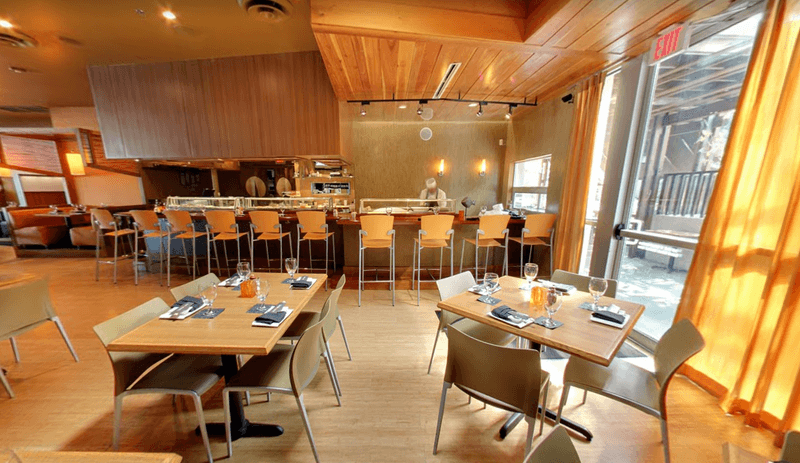
Upper Kirby’s restaurant row features plenty of options competing for attention, but Kata Robata maintains steady popularity by delivering consistently excellent Japanese food without relying on trends or gimmicks. Chef Manabu Horiuchi, known simply as Hori to regulars, brings decades of experience to a menu that balances traditional preparations with creative interpretations that respect their source material. The restaurant occupies a sleek space that feels upscale without being intimidating, attracting everyone from business dinners to date nights to solo diners seeking quality at the sushi bar.
The name itself provides insight into the restaurant’s philosophy—kata refers to sushi and sashimi, while robata indicates the Japanese-style grill that produces some of the menu’s most memorable dishes. This dual focus means you’re not locked into one style of eating, and groups with varying preferences can all find something that excites them. The robata section deserves particular attention, turning out beautifully charred vegetables, perfectly grilled fish, and meat preparations that showcase the technique’s ability to develop flavor through precise heat control.
Hori’s sushi reflects his training and experience, with fish sourced from trusted suppliers who understand his standards. The nigiri selection changes based on availability, and the chef personally inspects everything before it reaches customers. Rice temperature and seasoning stay consistent, providing the reliable foundation that allows different fish to express their individual characteristics.
Regulars often opt for omakase, trusting Hori to guide the experience based on what’s best that particular day.
The restaurant’s beverage program extends beyond sake to include an impressive Japanese whiskey selection and wines chosen to pair well with the food’s delicate flavors. Staff members can navigate customers through options without being pushy, offering suggestions based on what you’re ordering rather than what costs the most. This customer-first approach extends to service generally, with servers who seem genuinely interested in ensuring you enjoy your meal.
Kata Robata’s longevity in Houston’s competitive dining scene speaks to its ability to maintain quality while adapting to changing tastes and expectations. The restaurant doesn’t chase trends or reinvent itself every few months, instead focusing on steady excellence that keeps customers returning. It’s the kind of place you recommend to visitors seeking authentic Japanese food, confident they’ll have a positive experience regardless of their familiarity with the cuisine.
The combination of skilled preparation, quality ingredients, and professional service creates meals that satisfy without requiring special occasions or celebrations to justify the visit.
10. Tei-An (Dallas)
Dallas’s Arts District hosts numerous high-profile restaurants, but Tei-An stands apart by focusing on something deceptively simple: buckwheat noodles made fresh daily using techniques that few American chefs ever master. Chef Teiichi Sakurai spent years perfecting soba-making before opening the restaurant, and watching him work the dough is like observing a meditation in motion. Each batch gets mixed, kneaded, rolled, and cut by hand, resulting in noodles with texture and flavor that bear no resemblance to the dried versions most people encounter.
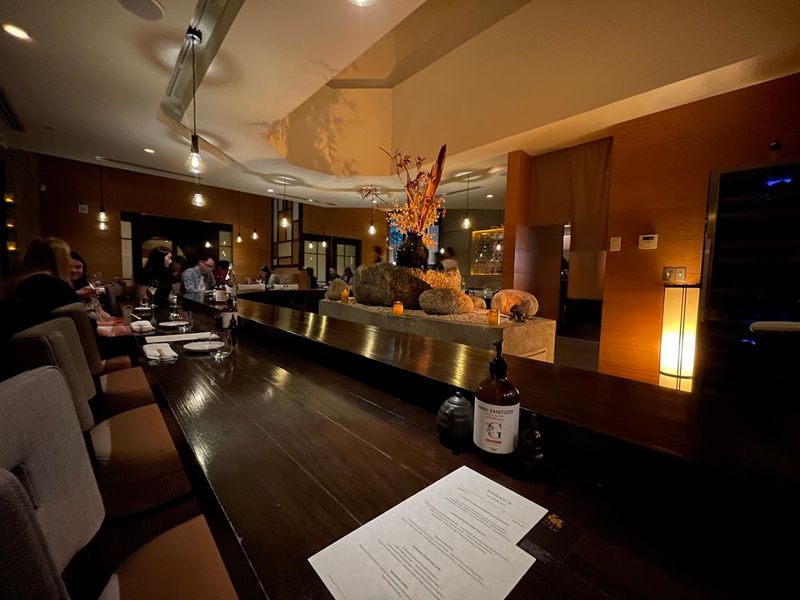
The restaurant’s design embraces minimalism in ways that enhance rather than distract from the food. Clean lines, natural materials, and careful lighting create an environment that feels calm and focused, allowing diners to pay attention to subtle flavors and textures that might get lost in a busier setting. The open kitchen lets you watch noodles being made if you arrive at the right time, adding an educational element to the meal that deepens appreciation for the craft involved.
Tei-An’s menu extends beyond soba to include other Japanese dishes executed with similar care and precision. Tempura arrives impossibly light and crispy, with batter that shatters at the slightest pressure to reveal perfectly cooked vegetables and seafood inside. Small plates showcase seasonal ingredients through preparations that highlight rather than mask their essential character.
Even simple items like rice balls or pickled vegetables receive the same attention as more complex dishes, reflecting a philosophy that values every element of the meal equally.
The soba itself can be enjoyed hot or cold depending on season and preference, served with dipping sauce that balances salty, sweet, and umami notes without overwhelming the noodles’ delicate buckwheat flavor. At meal’s end, servers bring the starchy cooking water to mix with remaining dipping sauce, creating a warm soup that extracts every last bit of flavor and nutrition from your bowl. This practice, traditional in Japan but rare in American restaurants, demonstrates Tei-An’s commitment to authentic experiences.
Sake selection focuses on bottles that complement soba’s subtle flavors rather than competing with them, with options ranging from affordable to special-occasion splurges. The staff understands their inventory deeply, able to guide customers toward selections that match both food choices and personal preferences. This expertise transforms ordering from guesswork into collaboration, building confidence even among diners unfamiliar with sake’s complexities.
Tei-An occupies a unique position in Dallas dining, offering something genuinely different from the steakhouses and Italian restaurants that dominate the upscale landscape. It attracts customers seeking authenticity and craftsmanship over flash and trend-chasing, building a loyal following that appreciates the restaurant’s unwavering focus on doing one thing exceptionally well.