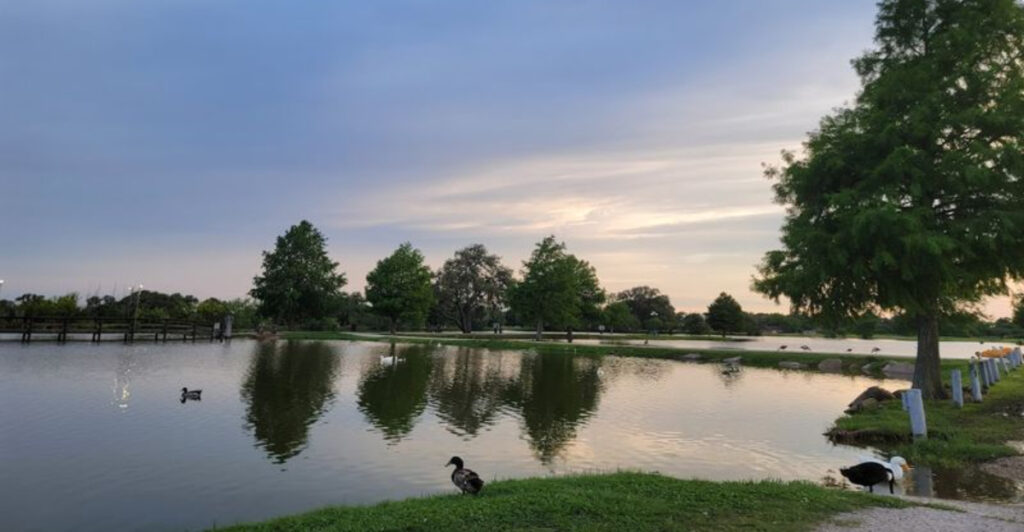
Nestled in the heart of DeWitt County, Cuero is the kind of Texas town where neighbors wave from front porches and Friday night football brings the entire community together. With a population hovering around 8,000, this small Texas community captures that timeless Americana spirit that Norman Rockwell made famous in his paintings. From its historic downtown square to its quirky claim as the Turkey Capital of the World, Cuero offers a slice of authentic small-town life that feels increasingly rare in our fast-paced modern world.
1. Downtown Square That Time Forgot
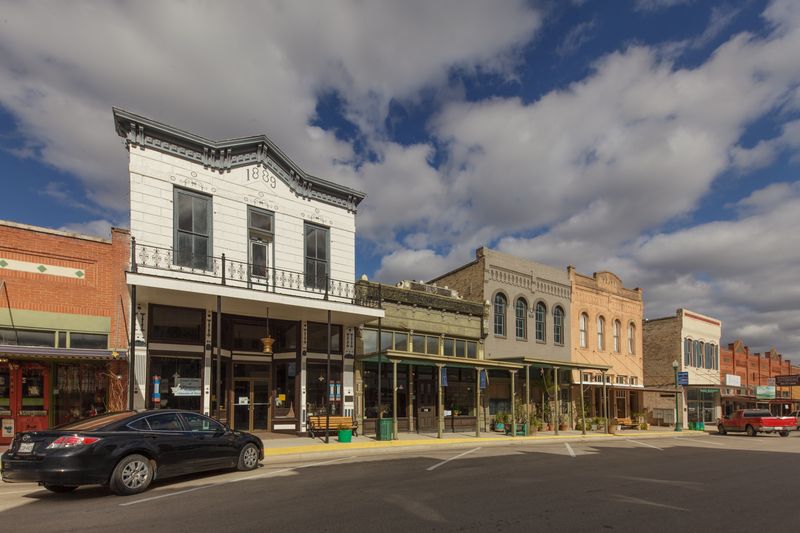
Walking through downtown Cuero feels like stepping onto a movie set designed to capture 1950s America. The DeWitt County Courthouse anchors the town square with its stately presence, while locally owned shops line the surrounding streets in buildings that have stood for generations. You won’t find chain stores crowding out the mom-and-pop businesses here.
The architecture tells stories of a different era, with pressed tin ceilings, original hardwood floors, and hand-painted signs that have weathered decades of Texas summers. Local merchants know their customers by name, and it’s not unusual to see folks stopping mid-sidewalk for impromptu conversations that last twenty minutes. This is where community happens naturally, without apps or algorithms.
Antique stores, family-run cafes, and specialty shops offer treasures you can’t find online. The pace slows down here deliberately. People take time to browse, chat, and actually look each other in the eye.
It’s refreshing in a world where everything moves at digital speed.
On weekends, the square comes alive with community events, farmers markets, and seasonal celebrations. Kids ride bikes freely while parents catch up on benches shaded by mature oak trees. The sense of safety and belonging permeates every corner, reminding visitors what American small towns used to feel like everywhere before strip malls and suburban sprawl took over the landscape across the country.
2. Turkey Capital Pride and Peculiarity
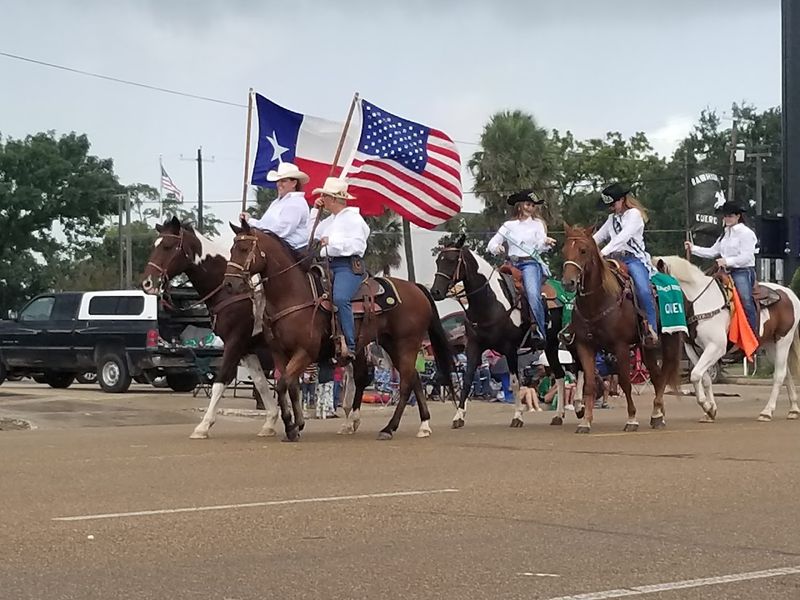
Most towns have a claim to fame, but Cuero wears its title as Turkey Capital of the World with genuine pride and a healthy dose of humor. This isn’t just marketing fluff either. The region’s turkey industry has deep roots stretching back over a century, when massive flocks were driven through town on their way to market, creating feathered traffic jams that stopped everything.
Today, that heritage lives on through Turkeyfest, an annual celebration that transforms the quiet town into a carnival of gobbler-themed festivities. The festival features the famous Great Gobbler Gallop, where live turkeys race down a Main Street track while spectators cheer like it’s the Kentucky Derby. It’s wonderfully absurd and completely authentic to Cuero’s character.
Throughout town, turkey motifs pop up everywhere. Murals, statues, and business names pay homage to the bird that put Cuero on the map. Rather than feeling gimmicky, it comes across as charming self-awareness.
The locals don’t take themselves too seriously, which makes visitors feel instantly welcome.
This quirky identity gives Cuero something many small towns lack: a distinct personality that sets it apart. While other communities struggle to define themselves, Cuero embraces its unusual heritage with open arms. It’s this kind of unabashed authenticity that makes the town feel like something Norman Rockwell would have captured with his brush and palette perfectly.
3. Friday Night Lights and Community Spirit
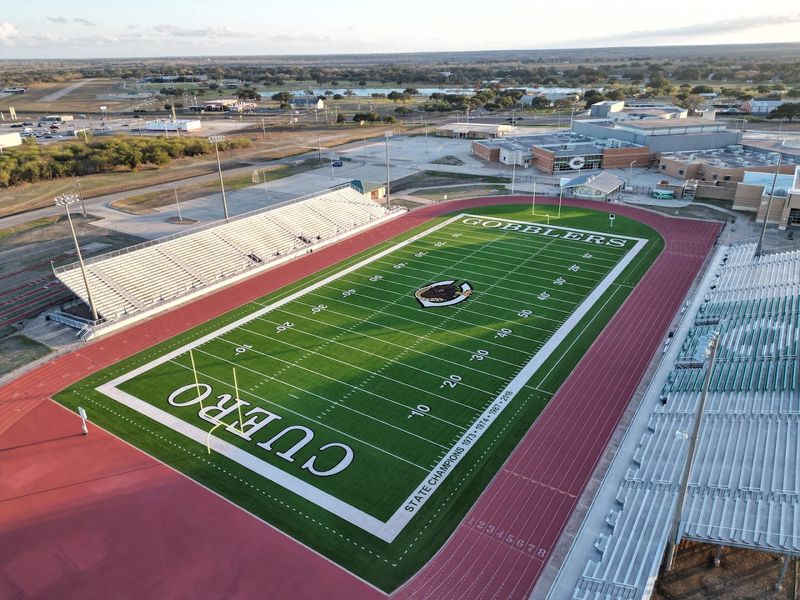
If you want to understand Cuero’s heart, show up at Gobbler Stadium on a Friday night during football season. The entire town turns out to watch the Cuero Gobblers take the field, creating an electric atmosphere that Hollywood tries to replicate but never quite captures authentically. This isn’t just entertainment; it’s where the community gathers, connects, and celebrates together.
The stands fill with multiple generations of families who’ve been attending games for decades. Grandparents sit beside grandchildren, all wearing the school colors with pride. The band plays fight songs that echo through neighborhoods blocks away, summoning stragglers who lose track of time.
Local businesses close early so owners can attend, and the concession stand serves up home-cooked favorites made by volunteer parents.
What makes these games special isn’t always what happens on the field. It’s the conversations in the stands, the hugs exchanged between old friends, and the way everyone knows the cheers by heart. Young kids run wild in supervised freedom while teenagers navigate their social worlds under the watchful eyes of a caring community.
After the final whistle, win or lose, fans pour onto Main Street where restaurants and diners fill with families rehashing plays and celebrating being together. This ritual repeats weekly throughout fall, creating rhythm and tradition that anchor the community. It’s small-town America at its finest, unfiltered and genuine in every single moment.
4. Chisholm Trail Legacy Lives On
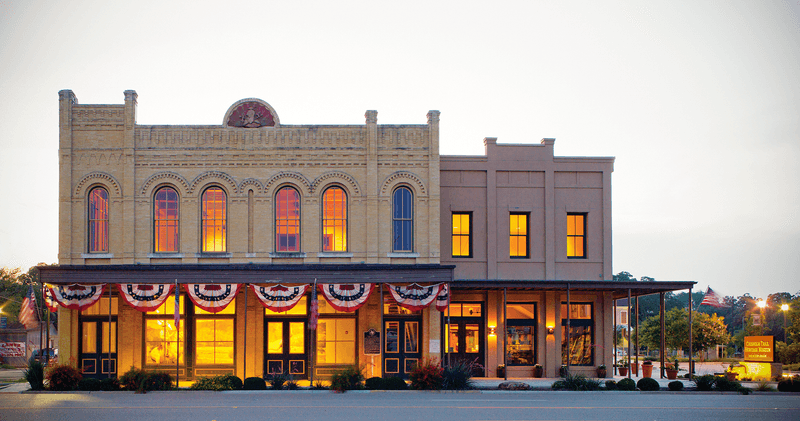
Before Cuero became the Turkey Capital, it served as a vital stop along the legendary Chisholm Trail. Cowboys drove millions of longhorns through this region between 1867 and 1884, heading from South Texas ranches to Kansas railheads. That heritage runs deep here, shaping the town’s identity and values in ways that remain visible today.
Several historical markers throughout Cuero commemorate this cattle-driving era when dusty cowboys and bawling herds passed through regularly. The trail brought commerce, conflict, and colorful characters who left their mark on local lore. Old-timers still share stories passed down through generations about trail bosses, stampedes, and the wild frontier days.
This cowboy legacy influences modern Cuero in subtle but significant ways. The independent, self-reliant spirit that defined trail hands still characterizes many residents. Ranching remains an important part of the local economy, with working cattle operations surrounding the town.
Rodeos and livestock shows draw crowds who appreciate authentic Western culture rather than tourist-friendly imitations.
The Cuero Heritage Museum preserves artifacts and stories from the Chisholm Trail days, offering visitors a window into that transformative period of Texas history. Walking through exhibits featuring saddles, branding irons, and vintage photographs, you gain appreciation for the hardships and adventures that shaped this region. It’s living history that connects past to present, reminding everyone that Cuero’s roots run deep into Texas soil and frontier tradition.
5. Pharmacies Museum Preserves Small-Town Commerce
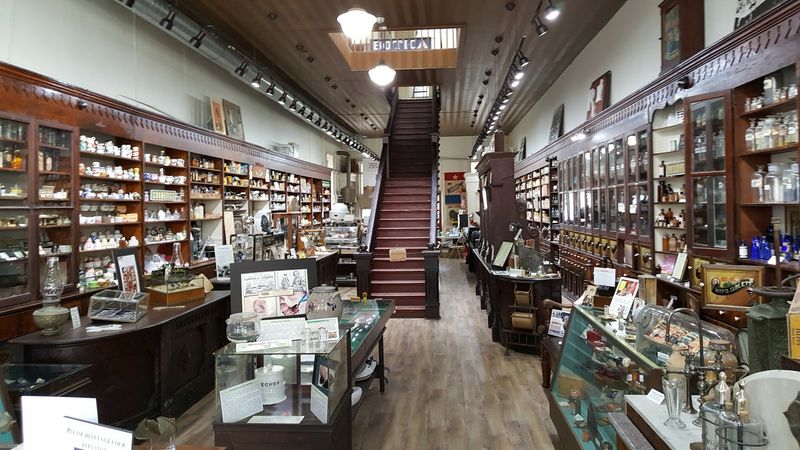
The Cuero Drug Store Museum offers something increasingly rare: a perfectly preserved snapshot of small-town commerce from an era when pharmacists knew their customers’ families for generations. Housed in an authentic early 1900s drugstore, the museum showcases everything from vintage medicine bottles to an original soda fountain where teenagers once gathered for cherry Cokes and gossip.
Walking through the museum feels like visiting your great-grandparents’ world. Glass-front cabinets display remedies with names that sound quaint or alarming by modern standards. The wooden floors creak underfoot just as they did a century ago.
Behind the pharmacy counter, you can almost hear the pharmacist greeting customers by name and asking about their families.
What makes this museum special isn’t just the artifacts but what they represent about community relationships. These weren’t impersonal transactions at corporate chains. The local pharmacist served as healthcare advisor, confidant, and neighbor.
People gathered at the soda fountain not just for refreshments but for connection and conversation. The drugstore functioned as a community hub where news spread and friendships deepened.
Volunteers who run the museum share stories that bring the displays to life, explaining how folks used various remedies and describing the social dynamics of small-town life. For younger visitors, it’s eye-opening to see how recent ancestors lived without smartphones, internet, or chain stores. For older guests, it stirs memories of simpler times when commerce moved slower but meant more to the fabric of daily life and community bonds.
6. Churches That Anchor Community Life
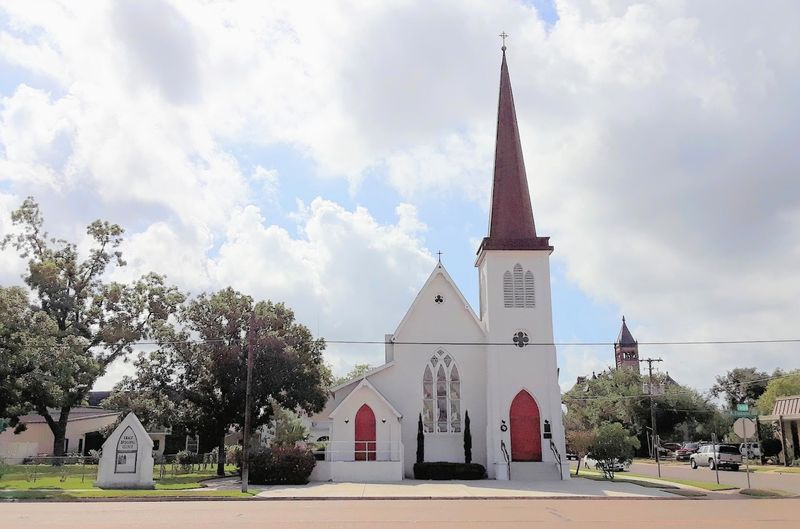
Church steeples punctuate Cuero’s skyline, visible reminders of faith traditions that have anchored this community for generations. On Sunday mornings, parking lots fill and bells ring, calling congregations together in rituals that predate the town’s incorporation. These aren’t just religious institutions; they’re the social glue that holds Cuero together through celebrations, sorrows, and everything between.
The churches represent various denominations, but they cooperate more than they compete. Joint community service projects, shared holiday celebrations, and mutual support during crises demonstrate how faith communities strengthen the broader town. When someone faces hardship, church networks mobilize with meals, financial help, and practical assistance that no government program could match in speed or personal touch.
Architecturally, these buildings range from simple wooden structures to elaborate stone edifices, each reflecting the character and history of its congregation. Many feature stained glass windows crafted by local artisans, memorial plaques honoring founding families, and fellowship halls where countless potlucks have nourished both bodies and friendships. The buildings themselves tell stories of sacrifice, dedication, and community commitment spanning decades.
Beyond Sunday services, these churches host youth groups, senior activities, community meals, and gathering spaces that bring people together regularly. They provide continuity in a changing world, connecting current residents to those who came before. In Cuero, church membership often spans multiple generations of families, creating deep roots and lasting relationships that define what community truly means in its richest, most authentic sense.
7. Local Diners Serving Comfort and Conversation
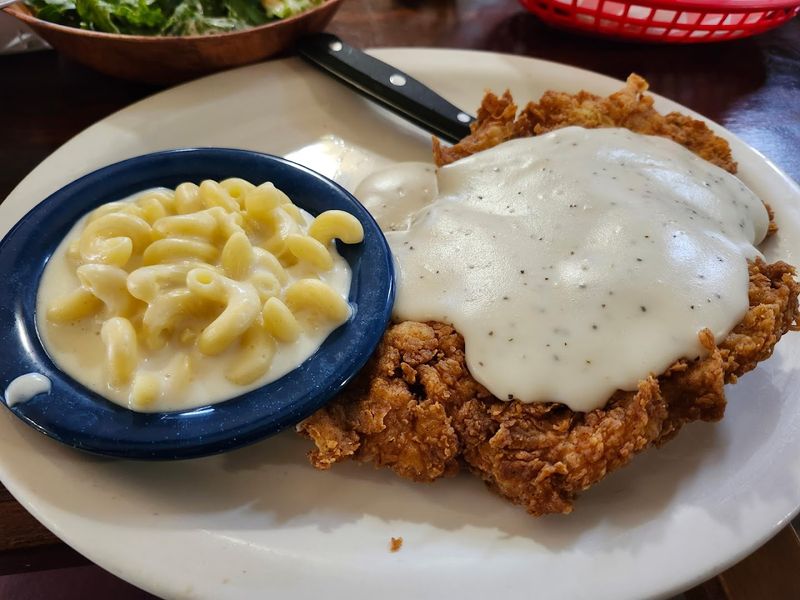
Forget trendy farm-to-table restaurants with Instagram-worthy presentations. Cuero’s local diners serve unpretentious comfort food in settings where conversation matters more than ambiance. These establishments function as unofficial town halls where farmers, business owners, retirees, and high schoolers cross paths over chicken fried steak and sweet tea that’s properly sweetened.
The waitresses know regular customers’ orders by heart and often start pouring coffee before folks reach their usual tables. Menus haven’t changed much in decades because nobody wants them to. People come for the consistency, the familiar faces, and the sense that some things remain reliable in an unpredictable world.
The food tastes like home cooking because often it’s prepared using recipes passed down through local families.
Morning coffee crowds gather to discuss everything from weather patterns affecting crops to high school sports to local politics. Information flows freely, problems get solved informally, and newcomers get welcomed into conversations without awkwardness. These daily rituals create social bonds that strengthen community resilience.
When someone faces trouble, word spreads through the diner network and help materializes quickly.
The physical spaces themselves reflect their working-class clientele with vinyl booths, Formica counters, and decor that hasn’t been updated since the Reagan administration. But nobody cares about the aesthetics. What matters is the warm welcome, the honest food, and the genuine human connection that happens naturally when people slow down long enough to share a meal together rather than grabbing takeout and eating alone in their cars or homes.
8. Parks Where Kids Still Play Freely
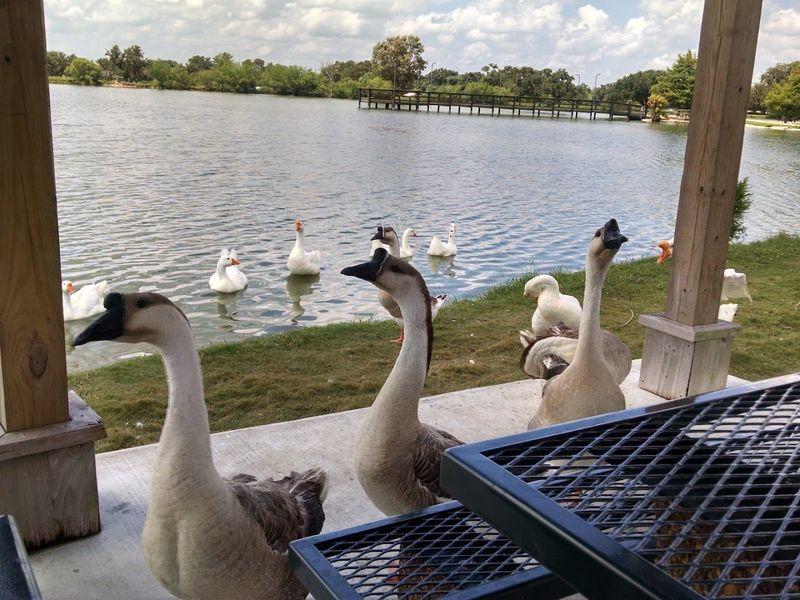
In an age when many kids spend more time on screens than outdoors, Cuero’s parks offer something refreshingly old-fashioned: safe spaces where children play freely while parents actually relax rather than hover anxiously. The community’s low crime rate and strong social bonds create an environment where neighbors watch out for each other’s kids naturally, without formal programs or paranoia.
City parks feature playgrounds, picnic areas, and open spaces perfect for pickup baseball games or kite flying. Mature trees provide shade during hot Texas summers, and well-maintained facilities show a community that values public spaces. On pleasant afternoons, you’ll find multiple generations enjoying the outdoors together—grandparents pushing strollers, kids riding bikes in packs, teenagers shooting hoops while younger siblings play nearby.
What strikes visitors most is the independence children enjoy here. Kids walk or bike to parks without adult supervision at ages that would cause alarm in urban or suburban settings. Parents trust the community to keep watch, and that trust gets repaid through collective vigilance that feels supportive rather than intrusive.
It’s the way American childhood used to work everywhere before fear replaced common sense.
Seasonal events transform parks into gathering places for the whole town. Easter egg hunts, Fourth of July celebrations, and Christmas tree lightings bring out crowds who spread blankets, share food, and enjoy simple pleasures together. These traditions create shared memories that bind generations and give children a sense of belonging to something larger than their individual families or friend groups—a true community.