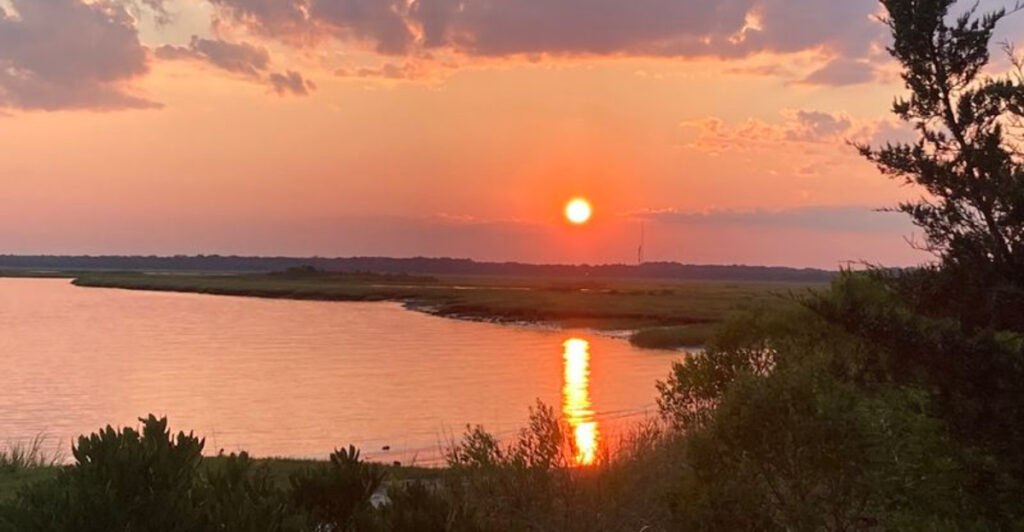
At the far southern end of Ocean City, the boardwalk noise seems to fall off a cliff. One minute you’re in classic Shore mode, with beach carts, porch bikes, sunscreen, and somebody debating pizza like it’s a court case.
A few minutes later, the road bends toward Corson’s Inlet, and the whole island changes its mind. Here, the beach gets wider, the dunes look less managed, and the horizon feels bigger.
Corson’s Inlet State Park was created in 1969 to protect one of the last undeveloped stretches of oceanfront in New Jersey, and it still has that slightly untamed feeling you don’t expect so close to Ocean City’s busy summer rhythm.
It is a place for walking, fishing, birdwatching, sunbathing, and staring at the water longer than you planned. Swimming is not allowed, but honestly, that helps keep the mood exactly right.
The Quiet Side of Ocean City Most Visitors Never See
Most people meet Ocean City through its loudest, brightest parts first. They know the Boardwalk, the Music Pier, the surrey bikes, the fudge boxes, the mini golf courses, and the long summer lineups outside the usual food spots.
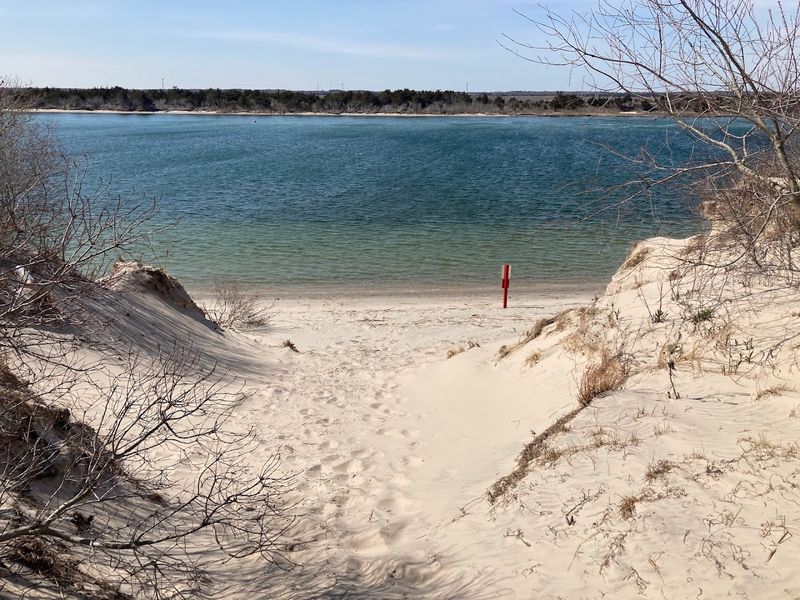
That version of Ocean City is fun, but it is not the whole island. Keep heading south, past the denser beach blocks and toward the quieter end near 55th and 59th Streets, and the mood starts to loosen.
Houses thin out. The dunes feel more prominent.
The crowds do not vanish completely in July and August, because this is still the Jersey Shore, not a magic trick, but the pace changes in a way you can feel before you even park. Corson’s Inlet State Park sits at the southern tip of Ocean City, where the island looks across the inlet toward Strathmere.
That contrast is what makes the park such a local treasure. You are not driving hours into the wilderness.
You are not packing for a backcountry adventure. You are still close enough to Ocean City that you can grab a boardwalk slice or a bucket of Johnson’s Popcorn later if the craving wins.
But once you step into the sand paths and hear the wind moving through dune grass, the usual Shore soundtrack gets replaced by gulls, surf, and the occasional boat cutting through the inlet. It is the kind of place where you go for a quick walk and accidentally stay longer than planned.
No flashing signs. No packed arcade soundtrack drifting over the sand.
No parade of umbrellas stacked shoulder to shoulder. Just sand, marsh, water, birds, and enough room to remember that the Jersey Shore had a wild side long before it had beach tags and boardwalk fries.
Why Corson’s Inlet Still Feels Wild
The reason Corson’s Inlet feels different is not a mystery. It was protected for exactly that reason.
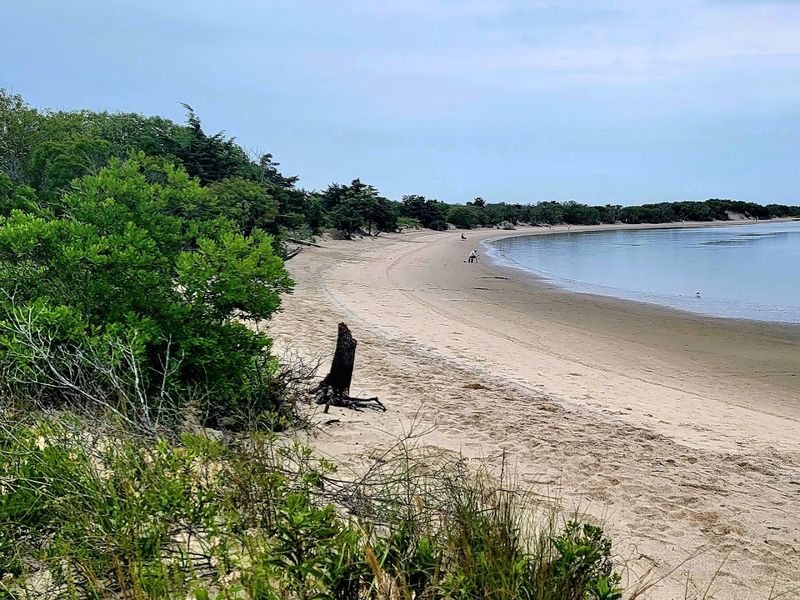
The park was established in 1969 to help preserve one of the last undeveloped tracts of land along New Jersey’s oceanfront, which is a big deal on a coastline where so much has been shaped, reinforced, rebuilt, rented, paved, and claimed by summer routines. Corson’s Inlet is not polished in the way a resort beach is polished.
It has sandy footpaths, shifting edges, fragile dune areas, and habitat that changes with tide, wind, season, and nesting activity. This is not the beach where you should expect a neat row of amenities waiting for you.
That is part of the deal. The park is better understood as a protected coastal landscape that allows low-key recreation around nature, not a full-service beach club with prettier scenery.
The habitats here include dune systems, shoreline overwash, marine estuaries, and upland areas where wildlife lives and breeds. That mix is why the place can feel slightly different each time you visit.
After a windy day, the sand may look rearranged. At low tide, the inlet edge opens up in new patterns.
During migration, birds appear like they got the memo before everyone else. There are also rules, and they are not there to be fussy.
Dogs are not allowed from April 1 through September 15, swimming is not allowed, and some areas may be restricted during nesting season. That may disappoint someone looking for a splash-and-snooze beach day, but it is exactly why Corson’s Inlet still has its character.
The park has not been forced to behave like every other busy stretch of sand. It gets to remain a little rough around the edges, and those edges are the best part.
A Beach Made for Wandering Instead of Crowds
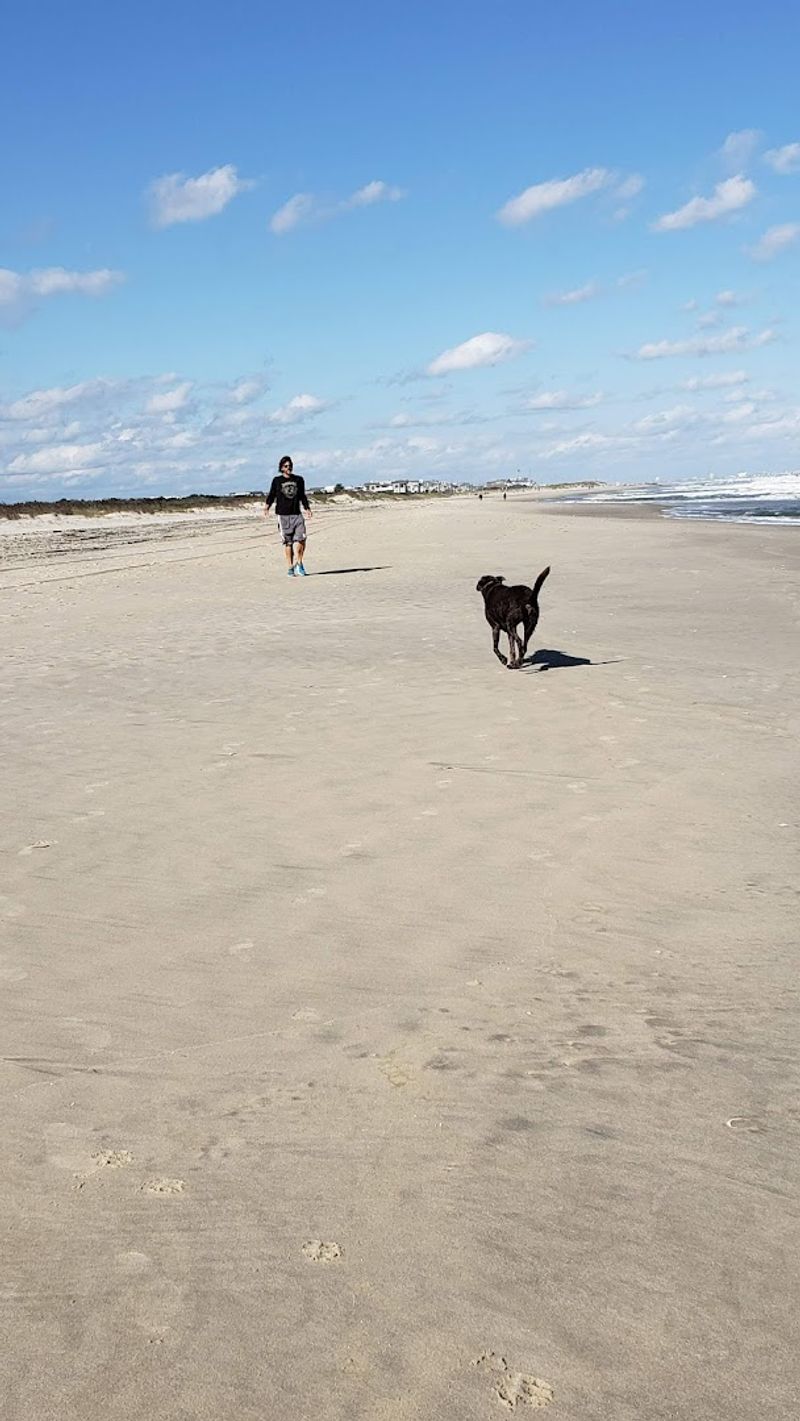
There is a particular kind of beach walk that only works when you are not dodging coolers every ten steps. Corson’s Inlet is made for that kind of walk.
You start with no grand plan, just a loose idea that you will follow the sand for a while, and before long you are watching the inlet, checking shells along the tide line, or stopping because the light on the dunes suddenly looks better than whatever you were supposed to be doing.
The park is popular for hiking and sunbathing, but it does not feel like a beach built around staying still. It feels like a beach built around movement. The shoreline pulls you forward.
The inlet gives the walk a natural destination. The dunes and marshes keep changing the view just enough that you do not fall into autopilot.
This is also where you notice how different the southern end of Ocean City feels from the busier guarded beaches farther north. There are no lifeguarded swimming zones here because swimming is not allowed, and that changes the whole rhythm of the place.
People come to fish, wander, birdwatch, sunbathe, launch boats, or sit quietly with the kind of paperback that gets sand in the spine. The lack of swimming can actually work in the park’s favor.
Nobody is trying to turn the day into a full beach production. You do not need the giant umbrella, the matching chairs, the speaker, the raft, and the snacks packed like you are feeding a youth soccer team.
A small bag, comfortable sandals, water, sunscreen, and a little patience are more the mood. Low tide is especially rewarding because the shoreline opens up and the inlet shows off more texture.
You will see ripples in the wet sand, shells caught in little natural piles, birds working the edge of the water, and boats moving between Ocean City and Strathmere. It is not empty, exactly.
It is simply spacious enough to let the coast speak at a normal volume.
The Dunes and Marshes Are the Real Main Attraction
A first-time visitor might arrive thinking the beach is the point. Fair enough.
It is a beach park, and the Atlantic is not exactly hiding. But the longer you spend at Corson’s Inlet, the more the dunes and marshes start stealing the scene.
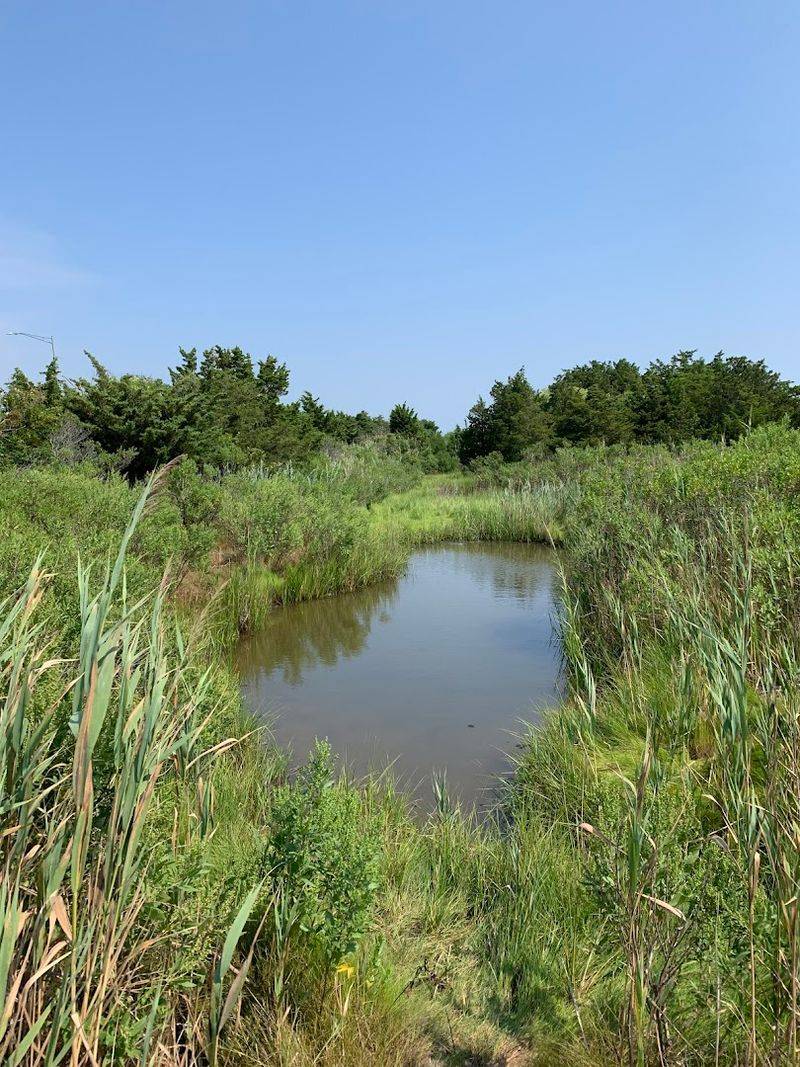
This protected stretch includes beach, dune, salt marsh, and inlet habitat, which gives the park a layered beauty that is easy to miss if you only look toward the waves. You are not just standing on a strip of sand beside the ocean.
You are moving through a coastal system where dune grass, marsh edges, tidal channels, beach, and inlet all seem to be in quiet conversation. The dune paths are part of the charm, but they also require a little common sense.
Stay on established routes, respect fenced-off areas, and do not treat the dunes like a shortcut. They protect the coast, they provide habitat, and they are more fragile than they look.
Anyone who has watched a nor’easter rearrange a South Jersey beach knows the dunes are doing more work than they get credit for. The marsh side gives the park its moodier, more secretive beauty.
It is quieter than the oceanfront, with water that slides in and out with the tide instead of crashing for attention. You may see egrets standing still like they are waiting for a portrait painter, or small birds flashing through the grasses too quickly to identify unless you actually know what you are doing.
There is also a small freshwater pond near the parking area that can be a good place to spot wading birds, ducks, and shorebirds depending on the season. That little detail is classic Corson’s Inlet.
The big ocean view gets you there, but the smaller habitats are what make you slow down. The park rewards people who notice the in-between places, not just the postcard view.
Birdwatchers and Anglers Have Known About This Place for Years
Some places are hidden because nobody knows about them. Corson’s Inlet is hidden in a more New Jersey way: plenty of the right people know, but they are not always shouting about it.
Birdwatchers have long had reason to pay attention here. The park’s varied habitats support migratory and resident wildlife, and the protected beach areas are especially important during nesting season.
In June and July, beach nesters such as Black Skimmers, Piping Plovers, and Least Terns may be seen in the broader area, though always from a respectful distance and never by crossing into closed-off sections. Fall brings its own show.
Tree Swallows can move through in large numbers, and northwest winds can bring strong migration days for songbirds and monarch butterflies. That is a lot more exciting than simply saying, “There are birds here,” which is the kind of understatement only a non-birder could get away with.
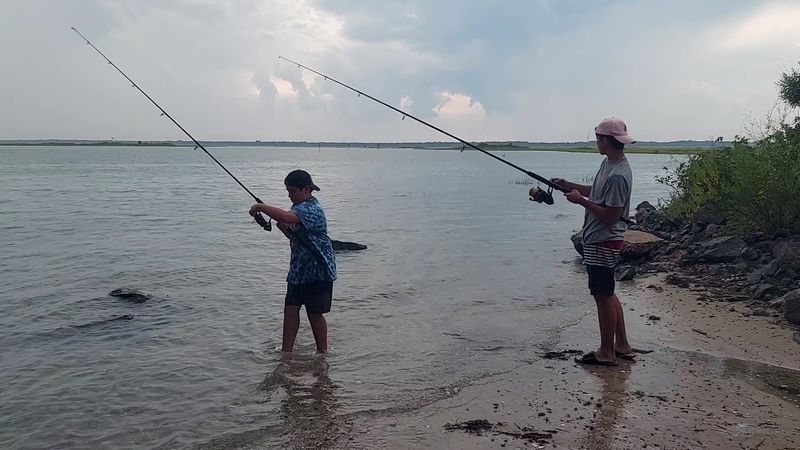
Anglers also know the inlet has its moments. Fishing is allowed from the beach and around the inlet area, and the nearby bridge and boat access make this a familiar spot for people who would rather watch the water with a rod in hand than fight for towel space on a packed summer beach.
Crabbing and boating are also part of the park’s identity, especially for visitors who know the rhythms of the tides. This is where the park’s personality gets especially local.
You might see someone with binoculars tracking shorebirds in one direction, someone with a fishing rod watching the water in another, and someone else just standing there with coffee, pretending they came for a quick look and absolutely not admitting they have been there for forty minutes. That mix works because everyone is responding to the same thing.
Corson’s Inlet gives you a little room. Room to watch. Room to cast. Room to notice the season changing before the calendar makes a big announcement about it.
What to Know Before You Go to Corson’s Inlet
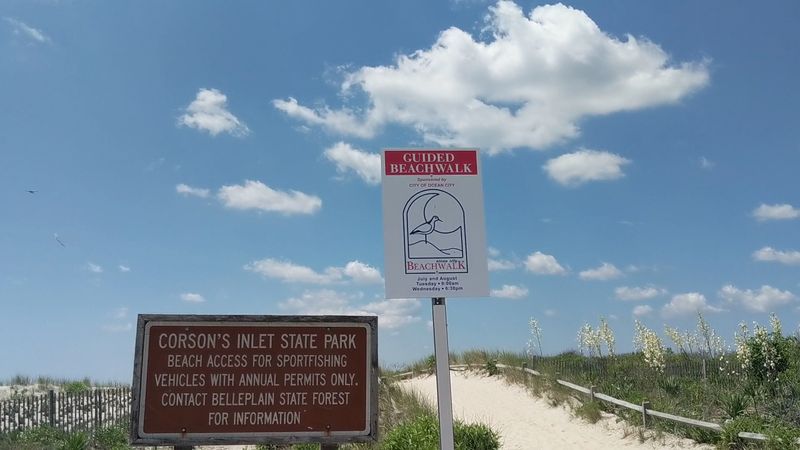
Treat Corson’s Inlet like a wild beach park, not a standard day-at-the-Shore setup, and you will have a much better time. The park is at the south end of Ocean City near the Corson Inlet Bridge, close to the route that connects Ocean City with Strathmere.
It is generally a dawn-to-dusk kind of place for walkers, birders, and beach wanderers, while the boat ramp operates separately for people heading out on the water. The most important thing to know is simple: this is not a swimming beach.
Swimming is not allowed, and that rule should shape your plans before you arrive. Come for walking, fishing, birding, sunbathing, shell-looking, photography, or a quiet hour by the water.
Save the swimming for Ocean City’s guarded beaches farther north. Seasonal restrictions matter here, too.
Dogs are not allowed from April 1 through September 15, and beach access may be limited in certain areas from spring into late summer because of breeding birds. That is not the park being difficult.
That is the park doing its actual job. If you are visiting in summer, bring water, sunscreen, a hat, and shoes that can handle hot sand.
Bug spray is not a bad idea around marshy areas, especially near dusk. Parking is limited compared with the bigger beach zones, so mornings are usually easier than the middle of a sunny Saturday.
If you want food before or after, you are still close to Ocean City’s south-end staples and the busier boardwalk options farther north, but inside the park itself, the lack of distractions is the point. No arcade soundtrack.
No big food court energy. No one trying to turn the beach into a production.
Just the quieter edge of Ocean City, where dunes, marsh, inlet, and ocean meet, and New Jersey’s coast still gets to feel a little wild.