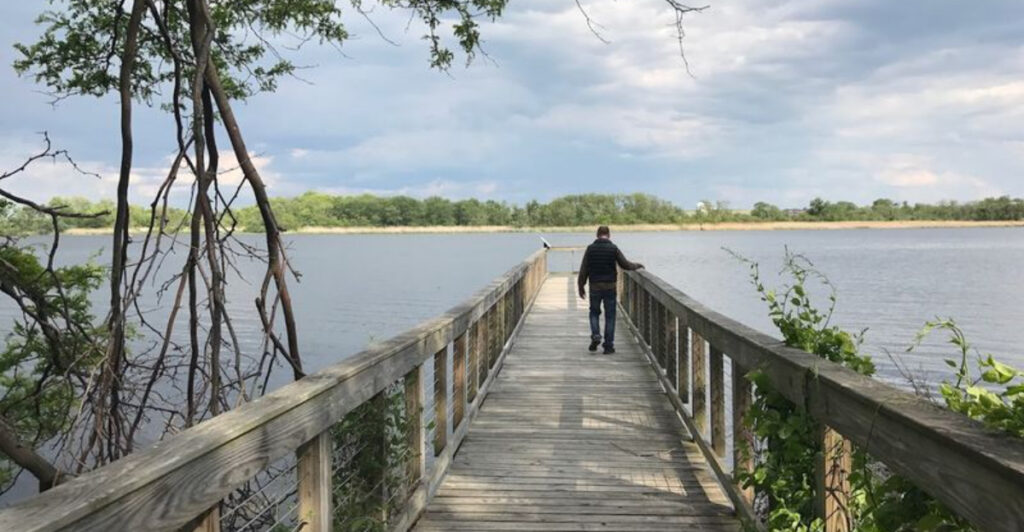
You can hear Route 73 humming nearby, and then, a few steps later, the marsh takes over. Reeds sway.
The Delaware River flashes silver through the trees. Somewhere above the tidal cove, a bald eagle may be doing slow, bossy circles like it owns the place, which, honestly, it kind of does.
This is Palmyra Cove Nature Park in Burlington County, tucked beside the Tacony-Palmyra Bridge in Palmyra, and it pulls off one of New Jersey’s best little tricks: putting wetlands, woods, meadows, shoreline, and bird habitat right next to one of the busiest river crossings in South Jersey. It is not polished in a theme-park way.
It is better than that. It feels a little raw, a little surprising, and very much alive.
A quiet marsh escape hiding beside the Delaware River
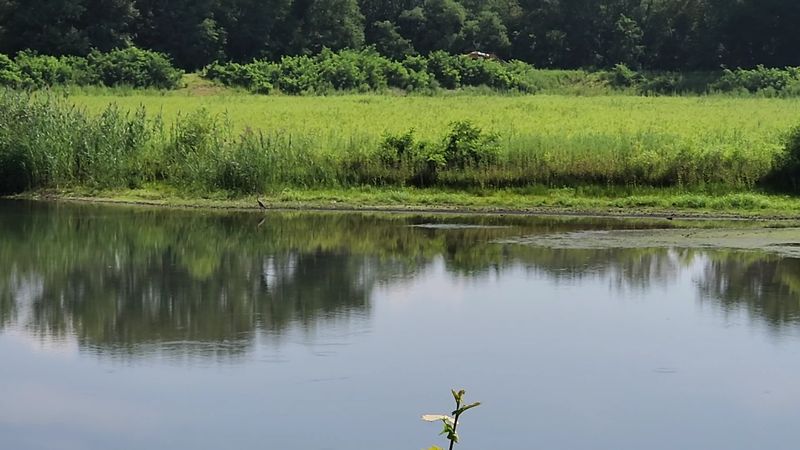
Palmyra Cove is easy to underestimate from the road. One minute you are near the traffic and tangle around Route 73, and the next you are turning into a nature park that feels like somebody quietly folded a wetland into the edge of town and forgot to brag about it.
That contrast is the whole charm. This is not a deep-woods destination where you need hiking boots, a compass, and a heroic snack plan.
It is a riverside pocket of wildness in a very real, very developed part of South Jersey. The park sits along the Delaware River in Palmyra, just south of the Tacony-Palmyra Bridge, which gives the whole place a funny split personality.
You may see trucks and bridge traffic in one direction, then turn your head and catch cattails, mudflats, river light, and birds working the shoreline like tiny professionals. The property covers about 250 acres, and the habitats shift quickly as you walk.
There are wetlands, woodlands, meadows, creek edges, riverfront stretches, ponds, and a freshwater tidal cove, so a short stroll can feel like passing through several small New Jerseys in under an hour. There is also a good local backstory here.
Palmyra Cove was not always treated like a treasure. Parts of the land were once used as a dredge spoil area and dumping ground before the site was restored into a natural destination.
That history matters because the park does not feel overdesigned or scrubbed clean. It feels reclaimed. The trails are level, the edges are a little unruly, and the whole place has the lived-in energy of habitat doing its job.
The boardwalk trail that makes Palmyra Cove feel wild
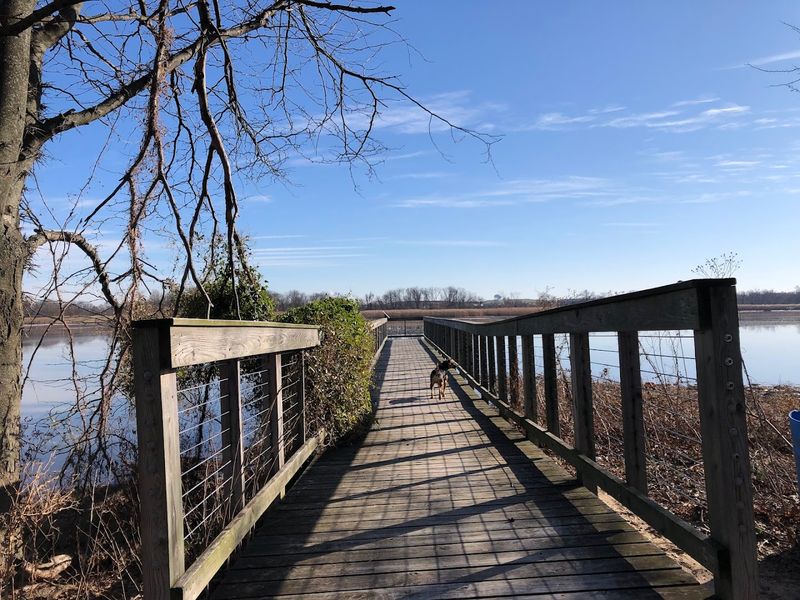
Wood underfoot changes the pace immediately. You slow down because the marsh asks you to.
The air feels wetter, the grasses press closer, and small sounds suddenly matter: a splash in the reeds, a bird fussing from cover, the faint knock of boards beneath your shoes. The boardwalk sections near the cove are what make Palmyra Cove feel bigger and wilder than its location suggests.
You are not climbing a mountain or disappearing into the Pine Barrens for half a day. You are walking into a tidal marsh beside a major bridge, and somehow that is exactly what makes it memorable.
The park’s trail system includes routes with names like Cove Trail, River Trail, Beaver Pond Trail, Eastern Cottonwood Trail, Bullfrog Pond Trail, Red Winged Blackbird Trail, Saw Whet Trail, Hawk Haven Trail, Fox Run Trail, Honeysuckle Trail, Perimeter Trail, and Upper Loop.
That is a lot of trail personality for a place many drivers only know as the green blur near the Tacony-Palmyra Bridge.
The Cove Trail is the one that really leans into the marsh setting, leading toward Palmyra Cove and Pennsauken Creek, where reeds, open water, and big sky start to take over the view. It is worth checking current trail conditions before you go, since boardwalk areas in wetland parks can close or shift for repairs after weather and wear.
This is not a glossy boardwalk lined with ice cream stands and beach towels. It is quieter, muddier, and more interesting. Wear shoes that can handle damp ground, give yourself permission to walk slowly, and let the place work on you plank by plank.
Where bald eagles steal the show overhead
The smartest way to walk Palmyra Cove is with your eyes drifting upward every few minutes. Bald eagles are the headline act here, but they do not perform on command, which is part of why spotting one feels so good.
You might catch a dark shape lifting over the Delaware, a white head flashing against the trees, or a bird riding the air over the marsh with that casual eagle confidence that makes every smaller bird look like it is late for a meeting.
Winter can be especially rewarding because the bare trees open up the views, and raptors are easier to pick out against the river and sky.
Still, an eagle sighting can happen anytime conditions are right, especially near the water, where fish, open space, and quiet perches give them reasons to linger. The best strategy is wonderfully low-tech.
Bring binoculars if you have them, even a basic pair. Pause near the river or marsh edge.
Scan the tallest trees, especially bare branches near the shoreline. Then look above the cove for slow, steady movement.
Eagles do not flap around like nervous songbirds. They glide, circle, perch, and make the rest of the park feel like it should lower its voice.
Palmyra Cove also has another raptor connection hiding in plain sight. The Tacony-Palmyra Bridge has long been associated with peregrine falcons, those sleek, fast hunters that bring a very different kind of drama to the sky.
So yes, come for the bald eagles, but do not forget to watch the bridge, the treetops, and the open air above the river. At Palmyra Cove, the sky is part of the trail.
Easy riverside paths with skyline views across the water
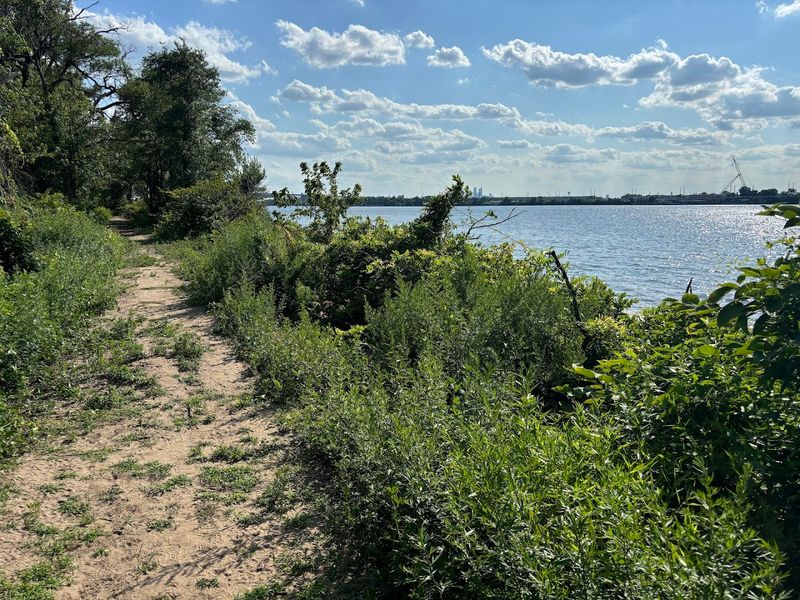
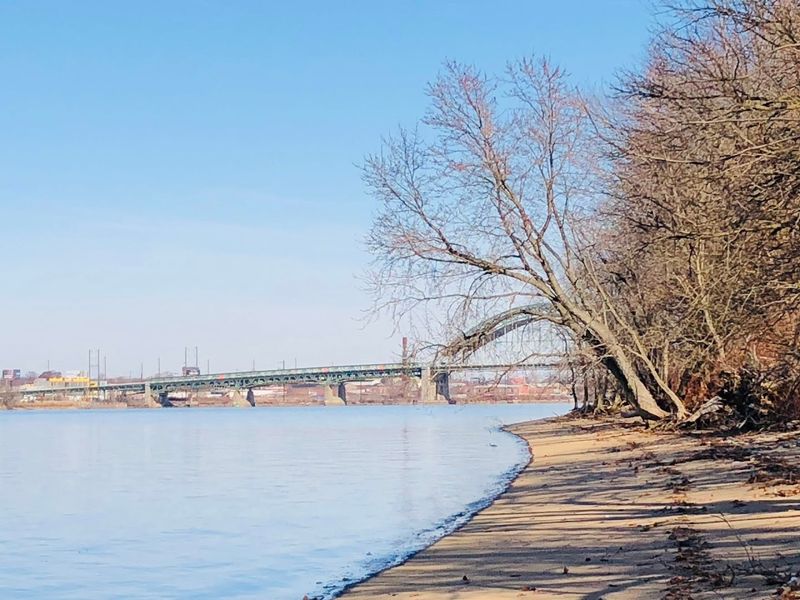
One of the best surprises at Palmyra Cove is how often the view reminds you exactly where you are. You may be walking a flat riverside path, listening to reeds scrape in the breeze, and then the Delaware opens up with Philadelphia sitting across the water.
The skyline, the bridge, the river, the marsh, and the birds all land in the same frame. It should feel mismatched. Instead, it feels very New Jersey. That mix of nature and infrastructure is not something to ignore here; it is part of the character.
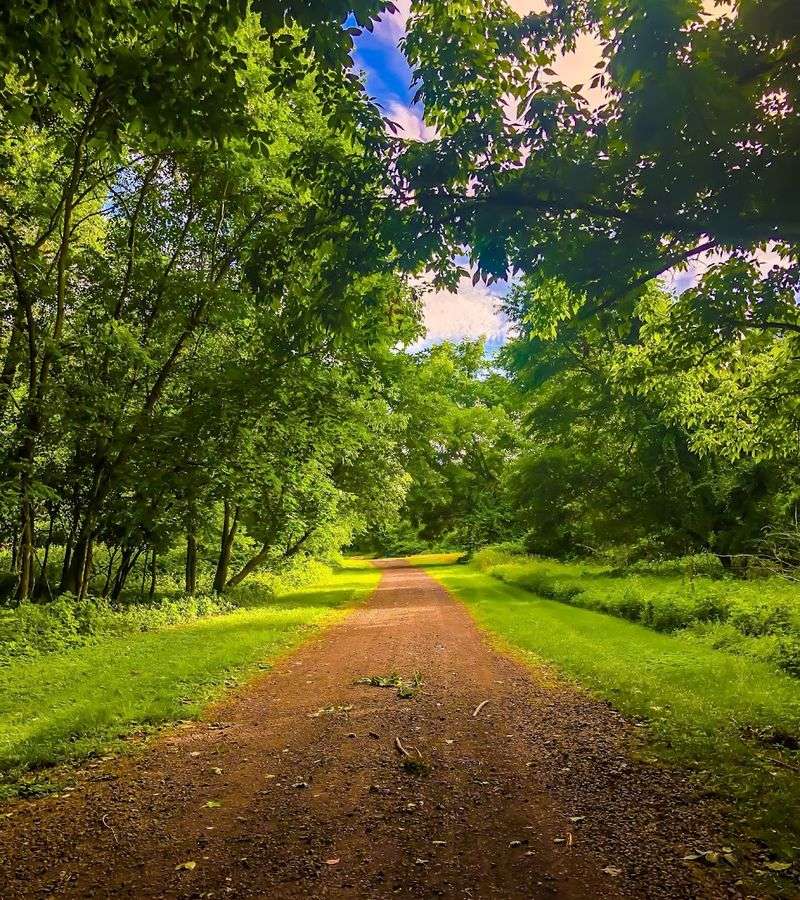
The trails are generally easy and forgiving, with level paths that make the park friendly for casual walkers, families, birders, and anyone who wants a scenic outing without turning the day into a fitness challenge.
A typical loop through the park can be kept short, around two miles depending on the route, but the trail network lets you stretch things out if you keep following connectors toward ponds, riverfront areas, and wooded edges.
This is the kind of place where distance can be misleading anyway. You might plan a quick half-hour walk and then lose ten minutes watching a heron stalk the shallows or trying to decide whether that shape in a tree is a hawk, an eagle, or just a very dramatic branch.
The flat terrain also makes Palmyra Cove a good pick when you want fresh air without a complicated plan. Just remember that easy does not always mean spotless.
This is a wetland park, so after rain you may find mud, puddles, and soft patches. In summer, bring bug spray. On windy days, expect the river to add a chill. It is a simple walk, but it still belongs to the marsh.
Wildlife sightings that make every slow step worth it
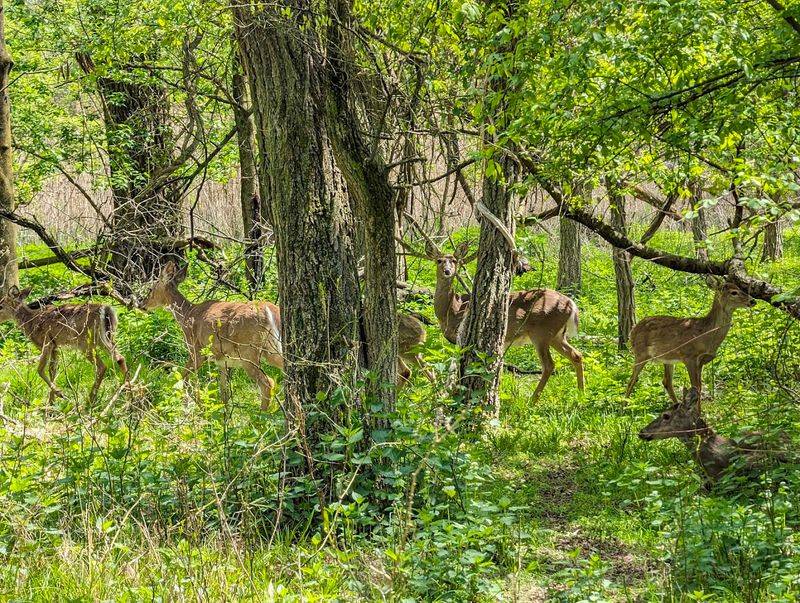
Big birds may get the attention, but Palmyra Cove’s real charm is in the smaller scenes that appear when you stop rushing. A red-winged blackbird flashes its shoulder patch from the reeds.
A great blue heron stands near the water looking personally offended by your presence. A turtle takes sun on a log.
Something slips into the pond before you can identify it, leaving only ripples and suspicion behind. This is why the park works so well for people who are not hardcore hikers.
The reward is not reaching a summit or checking off mileage. The reward is noticing more than you expected.
The habitat mix helps. Wetlands, meadows, woodlands, ponds, riverbank, and tidal cove all sit close together, so different animals use different corners of the property.
Near the ponds, you may find frogs, turtles, dragonflies, and signs of beaver activity. Along the river, waterfowl and raptors are the bigger draw.
In the reeds, songbirds and marsh birds can be surprisingly loud for creatures that are so good at staying hidden. Spring brings migration energy, with birds moving through the area and using the park as a resting place along the Delaware.
Fall has its own quieter rhythm, with cooler air, shifting light, and plenty of movement in the trees and grasses. Winter strips the landscape down and can make eagle watching easier.
You do not need to know every species name to enjoy it. That is the nice thing about Palmyra Cove.
You can show up with zero birding vocabulary and still leave with a story about the thing you saw near the water, the shape that crossed the sky, or the sudden splash that made everyone turn around.
What to know before visiting this South Jersey hidden gem
The basics are simple, which is another point in Palmyra Cove’s favor. The park is located at 1335 Route 73 South in Palmyra, Burlington County, right near the Tacony-Palmyra Bridge, and the outdoor trails are generally a sunrise-to-sunset kind of outing.
It is a good idea to check current park information before heading out, especially if you are hoping to use the nature center or walk specific boardwalk sections, since wetland trails can be affected by repairs, flooding, storms, and seasonal conditions.
The Environmental STEM Center is part of the property, but indoor hours and access can vary around programs, so the safest plan is to treat the trails as the main event.
Pets are not allowed because the park is a bird migration sanctuary, which may disappoint dog owners but makes sense once you see how much of the experience depends on quiet habitat. Drones are also not permitted, and honestly, the sky already has enough going on here.
Fishing is allowed along the Delaware River with the proper New Jersey freshwater fishing license, but not inside the protected park areas. Early morning is the best time if you want quieter trails and better wildlife activity.
Winter is especially good for eagle watching, spring is strong for migration, fall brings comfortable walking weather, and summer is lush but buggy enough that repellent earns its place in your bag. Wear comfortable shoes, bring binoculars if you have them, and do not expect a polished attraction with every edge sanded smooth.
Palmyra Cove is a working patch of riverfront habitat beside a busy bridge, and that is exactly what makes it stay with you.