A waterfall roars in the middle of Paterson. A fairy village waits in the woods of Millburn.
A former zinc mine glows like someone plugged the Earth into a blacklight. New Jersey has never had a shortage of places that make you stop mid-sentence, but somehow, plenty of them still get treated like second-string attractions.
That is partly because the Garden State is very good at hiding its best surprises in plain sight. Some sit a short drive from packed malls and commuter roads.
Others are buried in the Pine Barrens, tucked behind beach traffic, or sitting quietly in towns people pass through without thinking twice. These are the spots that make you say, “Wait, this is here?” and then immediately start texting someone to plan a visit.
From sculpture gardens and historic villages to wild beaches and strange little trails, these 13 New Jersey places deserve a much louder round of applause.
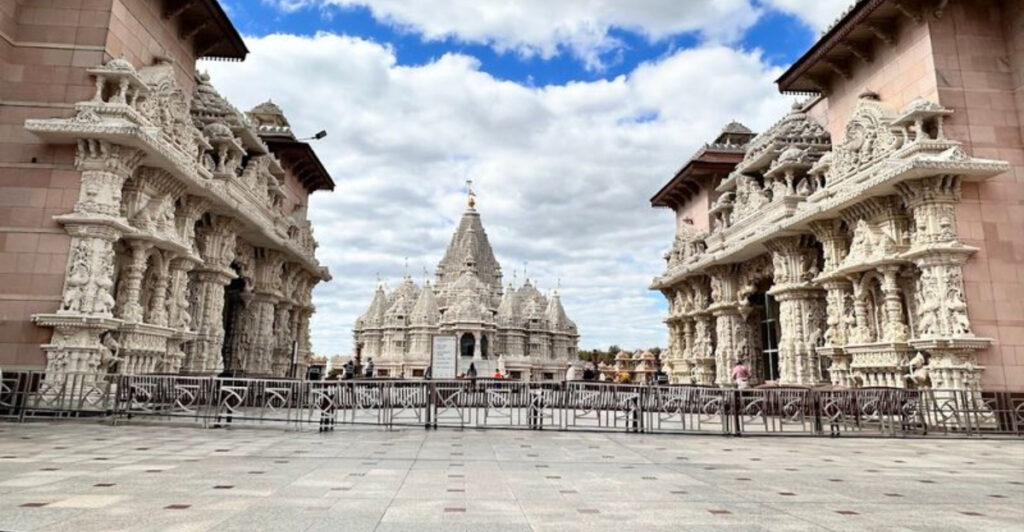
1. BAPS Swaminarayan Akshardham – Robbinsville

You don’t expect to round a corner in Robbinsville and suddenly feel like you have stepped into a place built on a different scale of patience.
BAPS Swaminarayan Akshardham is one of New Jersey’s most jaw-dropping landmarks, not because it shouts for attention, but because every carved column, patterned ceiling, and carefully placed detail seems to reward you for slowing down.
The stonework is the kind of thing that makes people go quiet without being told to. This is not a pop-in-for-five-minutes stop.
Give yourself time to walk the grounds, take in the architecture, and notice the tiny details that disappear if you rush. The complex is a place of worship and culture, so the mood is calmer and more respectful than your average sightseeing stop.
Dress modestly, expect certain areas to have photography restrictions, and check visitor guidelines before going so you do not show up surprised. What makes it underrated is how many New Jerseyans still talk about it like it is some faraway destination they “heard about,” instead of one of the most remarkable places sitting right in Mercer County.
It is grand, peaceful, and completely unlike the usual list of Jersey attractions. Even if you are not especially interested in architecture, this place has a way of changing your posture. You stand a little straighter. You look a little longer.
2. Grounds For Sculpture – Hamilton Township
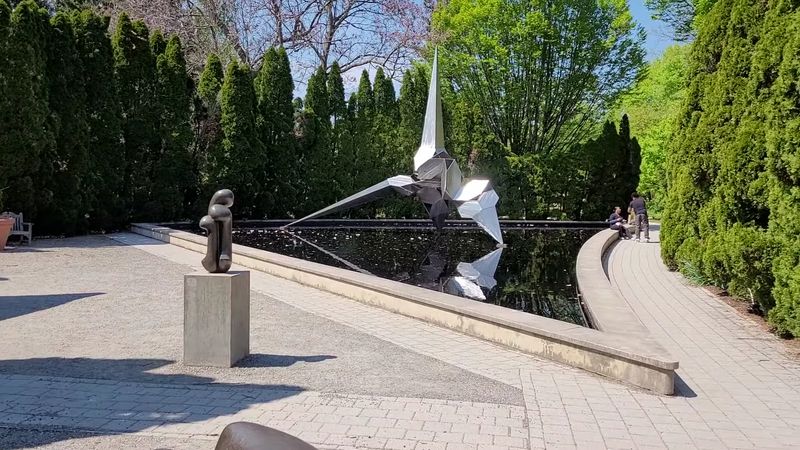
A giant figure may be lounging in the grass. A painted scene may suddenly turn into a three-dimensional setup.
A quiet path may open into a pond, a peacock, or a sculpture that looks like it has been waiting all day for you to notice it. Grounds For Sculpture in Hamilton Township is part museum, part garden, and part “how did I not know this was here?” afternoon.
The magic is that it does not behave like a traditional art museum. You are not shuffling from white wall to white wall, pretending to understand everything.
You are wandering 42 acres of landscaped paths, finding contemporary sculptures tucked among trees, water features, courtyards, and flower beds. Some pieces are funny.
Some are strange. Some are beautiful in a way that sneaks up on you after you have already walked past them.
It is especially good for people who claim they are “not museum people.” There is enough room to move, enough oddness to keep kids curious, and enough design to make adults feel like they found a real escape without leaving Central Jersey.
Rat’s Restaurant adds a special-occasion option if you want to turn the visit into a date, but you do not need a fancy meal to enjoy the place.
Wear comfortable shoes, go with enough time to get a little lost, and do not treat it like a checklist. The best parts are usually the ones you stumble into.
3. Batsto Village – Hammonton
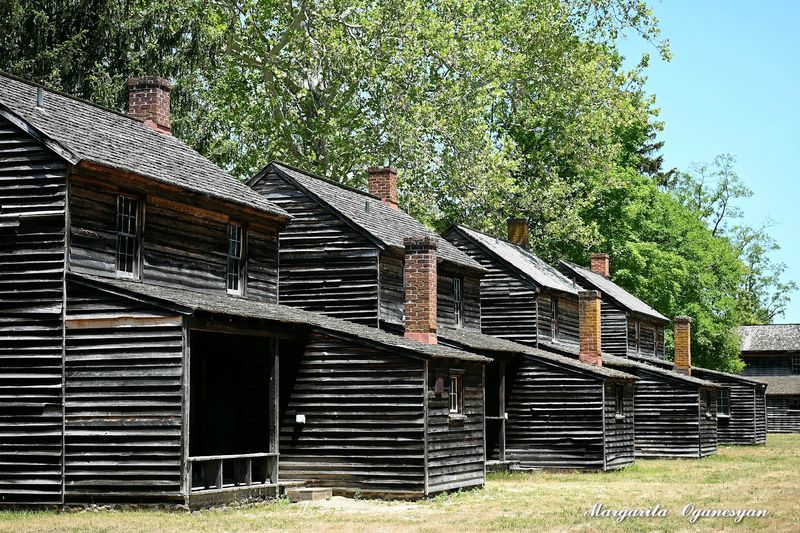
The first thing you notice at Batsto Village is how still it feels. Not empty, exactly.
More like the Pine Barrens decided to hold its breath and let the old buildings do the talking. Set inside Wharton State Forest near Hammonton, Batsto is one of those places that makes New Jersey history feel less like a textbook and more like a place you can actually walk through.
The village dates back to the 18th century and is tied to the iron, glassmaking, and agricultural history of the region.
The Batsto Mansion gets much of the attention, but the smaller buildings are just as important to the experience: the post office, workers’ houses, barns, and old industrial structures that hint at how much life once moved through this quiet patch of South Jersey.
There is a slightly eerie charm to it, especially on a gray day, but not in a gimmicky way. It feels preserved, not staged.
What makes Batsto underrated is that it gives you two New Jersey experiences at once. You get the historic village, but you also get the surrounding Pine Barrens, with trails, sandy paths, cedar water, and that unmistakable feeling of being somewhere older than the roads leading in.
It is a great low-cost day trip, especially for anyone who likes history with room to roam. Bring water, wear shoes you do not mind getting dusty, and leave time for the woods after the village.
4. Edwin B. Forsythe National Wildlife Refuge – Galloway
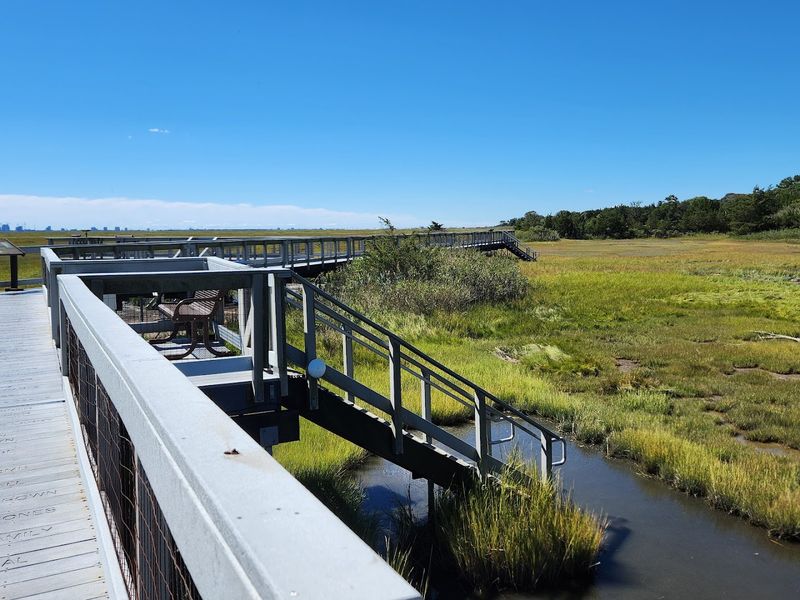
Bring binoculars, and not just because serious birders will make you feel underprepared if you don’t. Edwin B.
Forsythe National Wildlife Refuge in Galloway is one of the best places in New Jersey to remember that the Shore is not only boardwalks, beach tags, and fried food. Out here, the main attractions are salt marsh, open sky, tidal creeks, and birds that treat the place like a major airport.
The refuge protects a huge stretch of coastal habitat and sits along the Atlantic Flyway, which means migration seasons can be spectacular. Herons, egrets, ospreys, ducks, shorebirds, and raptors all pass through or settle in, depending on the time of year.
Even if you cannot tell a sandpiper from a sandwich, the Wildlife Drive is worth doing. You move slowly, windows down, with water on both sides and the occasional bird standing around like it owns the place.
The vibe is wonderfully unpolished. No one is trying to entertain you.
The refuge simply gives you access to a wild, working landscape and trusts you to pay attention. Go near golden hour if you can, when the marsh turns warm and the birds become silhouettes.
It is peaceful without being boring, educational without feeling like homework, and close enough to busier Shore towns that it makes a perfect reset when you need a break from crowds.
5. Island Beach State Park – Berkeley Township
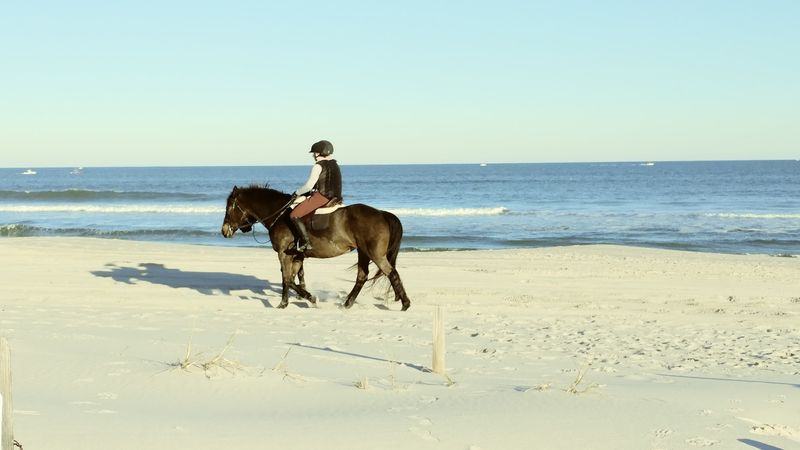
This is the Shore after someone turned down the volume. Island Beach State Park, stretched along a narrow barrier island near Berkeley Township, feels like a reminder of what much of the Jersey coast looked like before condos, arcades, and beach houses started crowding the view.
There are dunes, white sand, maritime forest, tidal marshes, and long stretches where the loudest thing around might be the wind. The beach is the obvious draw, but the park is more than a place to throw down a towel.
It is one of the state’s best examples of an undeveloped barrier island ecosystem, with habitats that support ospreys, foxes, shorebirds, and all kinds of coastal plants that somehow survive salt, sand, and storms. On the ocean side, you get swimming areas in season, surf fishing, and big open views.
On the bay side, the landscape feels quieter and more delicate, with trails and water access that reward visitors who explore beyond the main beach lots. Practical tip: in summer, go early.
Parking can fill, and once capacity is reached, you are not talking your way past the gate. Also, swimming is limited to designated guarded areas, so this is not the place to improvise.
Island Beach works because it keeps things simple. Pack what you need, respect the dunes, and let the lack of boardwalk noise do its job.
6. Whitesbog Historic Village – Browns Mills
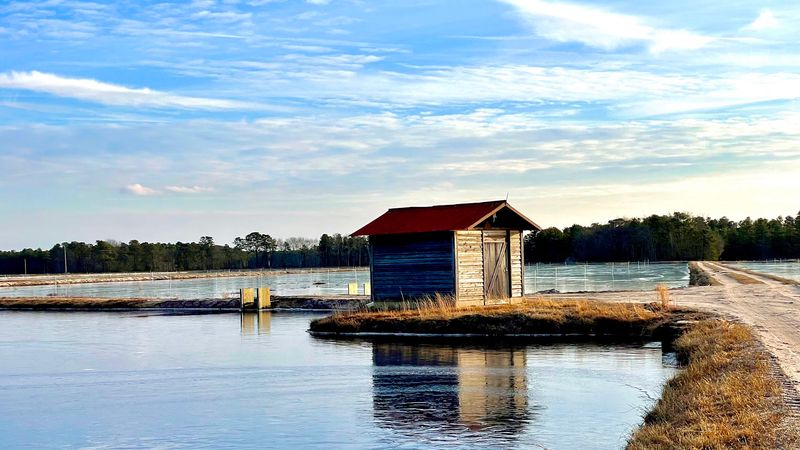
Before blueberries became a supermarket staple and a muffin requirement, they had a major New Jersey chapter.
Whitesbog Historic Village in Browns Mills is where the first cultivated highbush blueberry was developed, which is exactly the kind of fact that sounds made up until you are standing among the sandy roads, cranberry bogs, and old village buildings that helped make it happen.
Whitesbog began as a cranberry farming village, and it still carries that company-town feeling in the best possible way. There are old workers’ cottages, packing and storage buildings, trails, bogs, and stretches of Pine Barrens landscape that shift beautifully with the seasons.
In summer, the blueberry connection makes the place feel especially alive. In fall, the cranberry bogs and crisp air give it a completely different personality.
This is not a polished attraction with everything wrapped in a neat little bow. That is part of the appeal.
Whitesbog feels layered, quiet, and a little dusty around the edges, like a place that expects you to be curious. Walk the village, browse any open buildings or events if your timing lines up, and make time for the trails around the bogs.
It is a great stop for families, photographers, history people, and anyone who likes their day trips with a little local bragging material. New Jersey helped change the blueberry game, and Whitesbog is where that story gets its roots.
7. Waterloo Village Historic Site – Stanhope
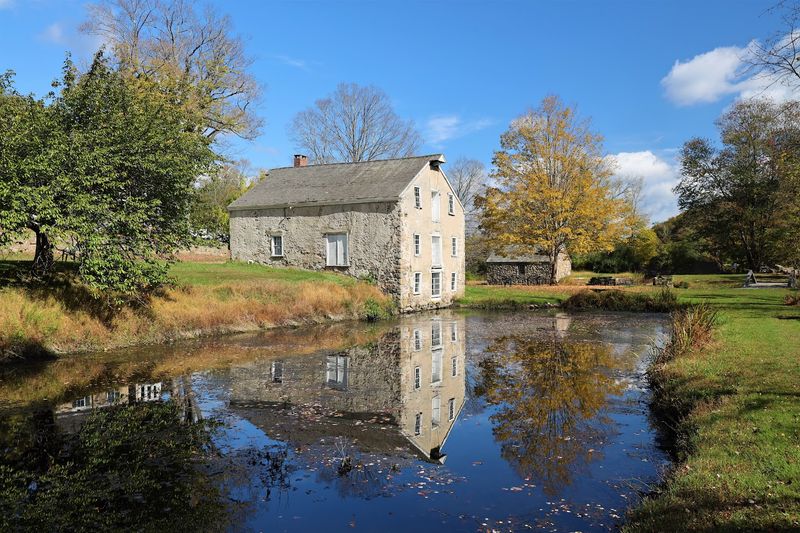
A canal town in the Highlands sounds like something New Jersey would have turned into a parking lot by now, which makes Waterloo Village feel even more satisfying.
Set along the Musconetcong River in Stanhope, this restored 19th-century village preserves a piece of the Morris Canal story, back when moving goods across New Jersey required engineering, muscle, and a lot more patience than sitting on Route 80.
The Morris Canal was famous for its inclined planes, which helped boats climb and descend the hilly terrain of North Jersey. Waterloo Village gives that history a setting you can actually picture: old homes, a blacksmith shop, a general store, a church, canal-related structures, and the river moving nearby like it has seen all of this before.
The surrounding Allamuchy Mountain State Park land adds trails and scenery, so the visit does not have to be only about history. Waterloo is underrated because it has atmosphere without trying too hard.
It can feel quiet, even sleepy, but that works in its favor. You are not being pushed through an experience.
You are walking through one. Some buildings and tours may operate seasonally, so check what is open before making a long drive, but even a simple walk around the grounds can be worthwhile.
It is especially good in fall, when the stone, wood, water, and changing leaves make the whole place look like New Jersey decided to show off a little.
8. Paterson Great Falls National Historical Park – Paterson
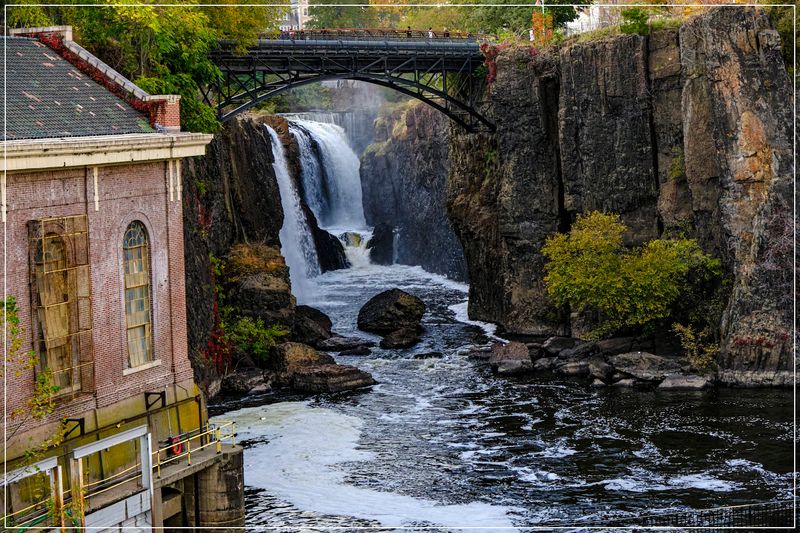
The roar hits before the view does. Then you get close enough to see the Passaic River drop over the basalt cliffs, and suddenly Paterson feels less like a city you know and more like a place with a secret engine still running inside it.
Paterson Great Falls National Historical Park is one of New Jersey’s most dramatic sights, and the fact that it sits in the middle of an urban landscape only makes it better. The falls are impressive on their own, but the real story is bigger than water.
Alexander Hamilton saw Paterson’s waterpower as the foundation for an industrial city, and the surrounding historic district became tied to mills, manufacturing, locomotives, silk, labor, immigration, and the messy machinery of American progress.
That combination of natural force and industrial ambition gives the park a texture most scenic overlooks do not have.
This is not a wilderness escape, and that is exactly the point. You can hear traffic, see old mill buildings, and feel the city around you while the falls keep pounding away.
Visit after heavy rain if you want the most dramatic flow, but expect mist and slick spots near viewing areas. Parking and access are manageable, though weekends can bring more visitors.
The best way to appreciate it is not to compare it with some remote waterfall. Paterson Great Falls is its own thing: loud, historic, urban, powerful, and wildly undercredited.
9. Duke Farms – Hillsborough
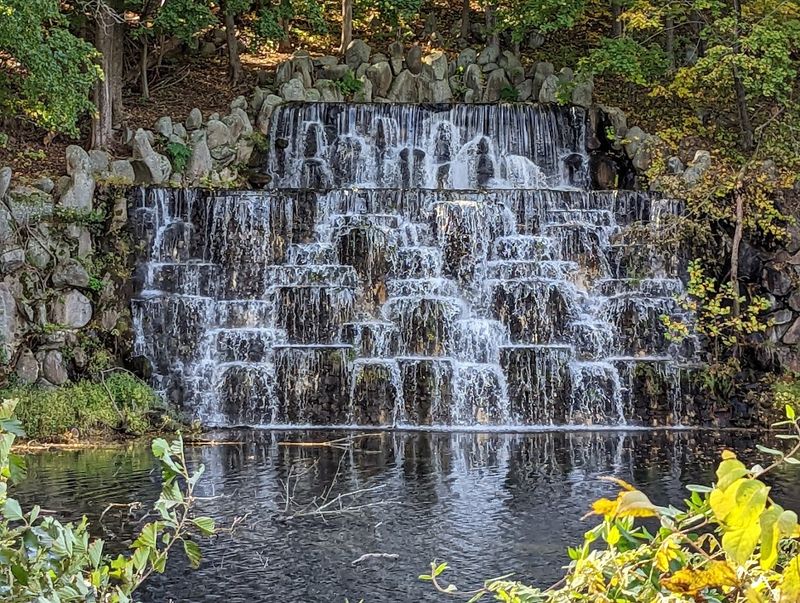
It is surprisingly easy to spend hours at Duke Farms without feeling like you have “done” the whole place. The Hillsborough property covers thousands of acres, and it has the rare ability to make a simple walk feel like a choose-your-own-adventure.
One path leads toward meadows. Another points you toward woodlands, lakes, sculptures, ruins, or wide-open views where the sky suddenly seems much bigger than it did in the parking lot.
Once part of Doris Duke’s estate, Duke Farms now operates as a center for environmental stewardship, restoration, and conservation. That mission gives the property a different feel from a standard park.
You are not just looking at pretty grounds; you are moving through a landscape actively shaped around native habitat, sustainability, and wildlife. It is polished enough to be comfortable but still natural enough to feel alive.
The place is excellent for walking, biking, birdwatching, or taking visitors who claim they “just want to do something outside.”
The orientation center is a good starting point, and the café can save you from the classic day-trip mistake of pretending a granola bar counts as lunch. Because access rules, bike availability, and closures can change, it is smart to check current details before going.
Duke Farms deserves more credit because it offers scale without chaos. It is peaceful, thoughtful, and much more interesting than the phrase “former estate” makes it sound.
10. Sterling Hill Mining Museum – Ogdensburg
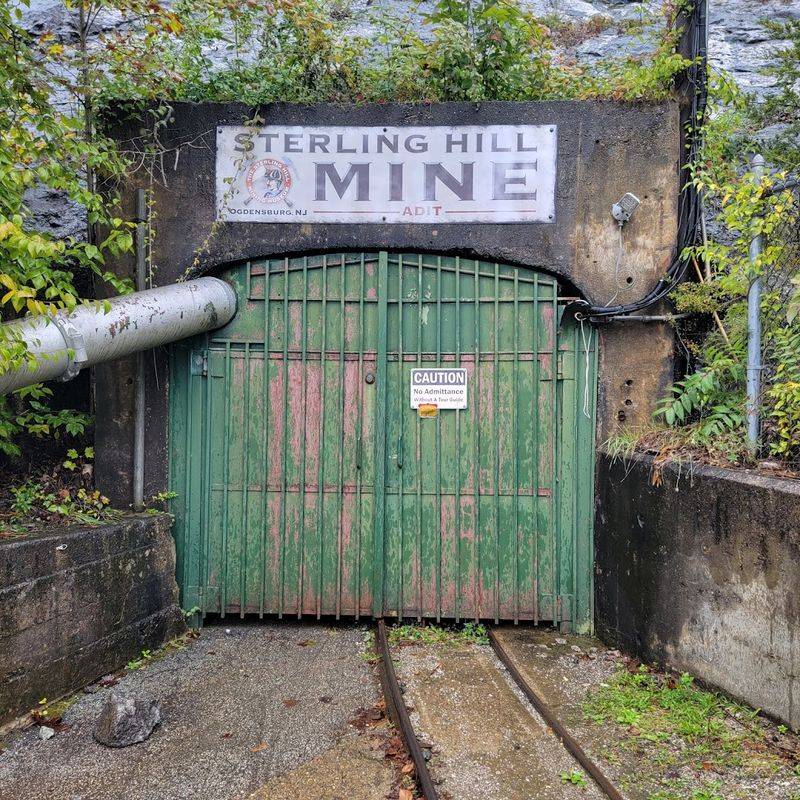
Some museums ask you to look at objects behind glass. Sterling Hill Mining Museum lets you walk into the mountain.
Located in Ogdensburg, this former zinc mine is one of the coolest places in North Jersey, both literally and figuratively. The underground tour is the main event, and it gives the whole experience a sense of adventure that most museums would love to borrow.
The mine was once part of one of the richest zinc ore deposits in the world, and the site now tells the story of mining, geology, labor, and the strange beauty hiding underground. The famous fluorescent mineral display is the showstopper.
Under ultraviolet light, the rock walls and specimens glow in bright, unreal colors, turning a geology lesson into something that feels almost theatrical. Kids love it, but adults tend to have the same reaction: “Okay, that was actually awesome.” Wear comfortable shoes and bring a layer, because underground temperatures can be cooler than outside.
The tour involves walking, uneven surfaces, and a little damp mine atmosphere, which is exactly why it feels memorable. Sterling Hill is underrated because it is not just educational; it is physical.
You feel the mine around you. You hear the stories where they happened. And you leave with a new appreciation for the fact that New Jersey’s weirdest treasures are not always above ground.
11. Cattus Island County Park – Toms River
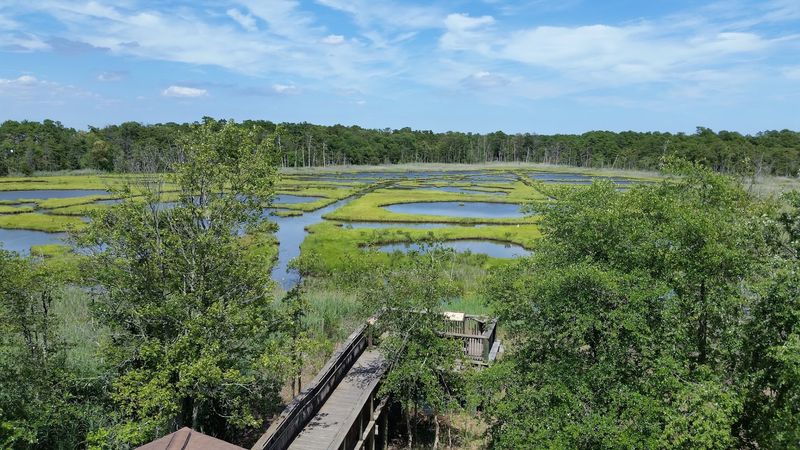
Salt marsh has a way of making people lower their voices. At Cattus Island County Park in Toms River, the trails move through woods, wetlands, and open views of Silver Bay, giving you a version of the Shore that feels miles away from beach traffic.
It is calm, accessible, and far more interesting than a quick glance at the map might suggest. The park spans nearly 500 acres and is especially good for visitors who want nature without committing to a rugged hike.
Trails are manageable, the scenery changes often, and the Cooper Environmental Center adds an easy indoor stop with hands-on exhibits, live reptiles and fish, bird viewing, and an osprey cam that can turn even casual visitors into temporary wildlife nerds.
The butterfly garden is another small but lovely reason to slow down, especially when native plants are doing their thing.
Cattus Island works for families, walkers, birders, and anyone who likes the idea of being near the water without sitting shoulder-to-shoulder on sand. It is also a strong year-round pick.
Spring brings migration energy, summer feels lush, fall sharpens the marsh colors, and winter has that bare, quiet coastal beauty New Jersey does not get enough credit for. Wear shoes that can handle sandy or damp patches, and do not rush the boardwalk sections.
This is the kind of place that rewards wandering at half speed.
12. Delaware & Raritan Canal State Park Trail – Central New Jersey
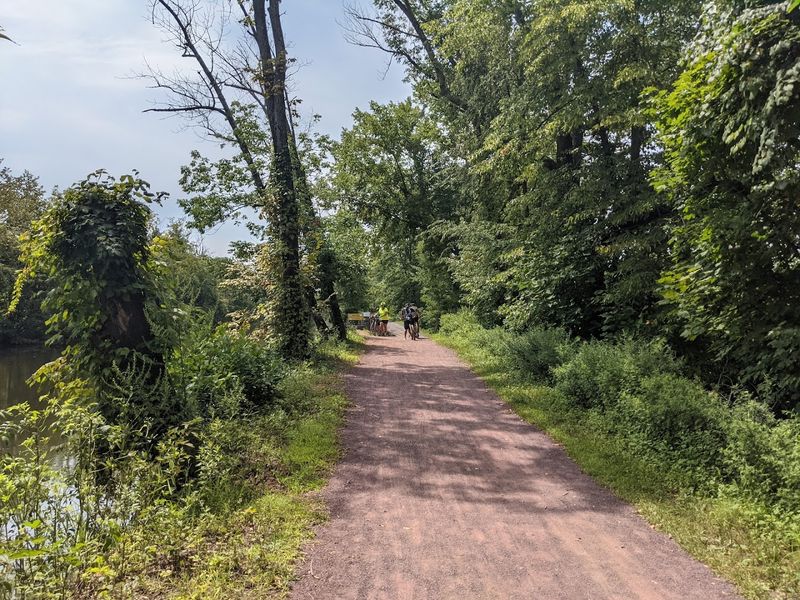
The best part of the Delaware & Raritan Canal State Park Trail is that you can make it as ambitious or as lazy as you want. Bike for miles, walk for twenty minutes, launch a kayak where allowed, or just pick a canal town and pretend your “outdoor plan” was always going to end with coffee.
The trail stretches through Central New Jersey in a way that quietly connects history, nature, and some very good wandering. The towpath follows the old canal route, once an important transportation corridor, and today it feels like one of the state’s most useful escapes.
It is generally flat, shaded in many sections, and friendly to walkers, runners, cyclists, birders, and families who need a place where everyone can move without too much fuss. Depending on where you start, you might pass stone bridges, lock remnants, river views, turtles on logs, old mills, or downtowns that make it easy to turn the outing into lunch.
What makes the D&R Canal underrated is not one dramatic feature. It is the consistency.
It is always there, always giving you another section to try. Princeton, Lambertville, Frenchtown, Griggstown, and other nearby stops each give the trail a different flavor.
Bring water, know your access point, and remember that an out-and-back walk means you still have to walk back. That sounds obvious until the canal convinces you to keep going.
13. South Mountain Fairy Trail – Millburn
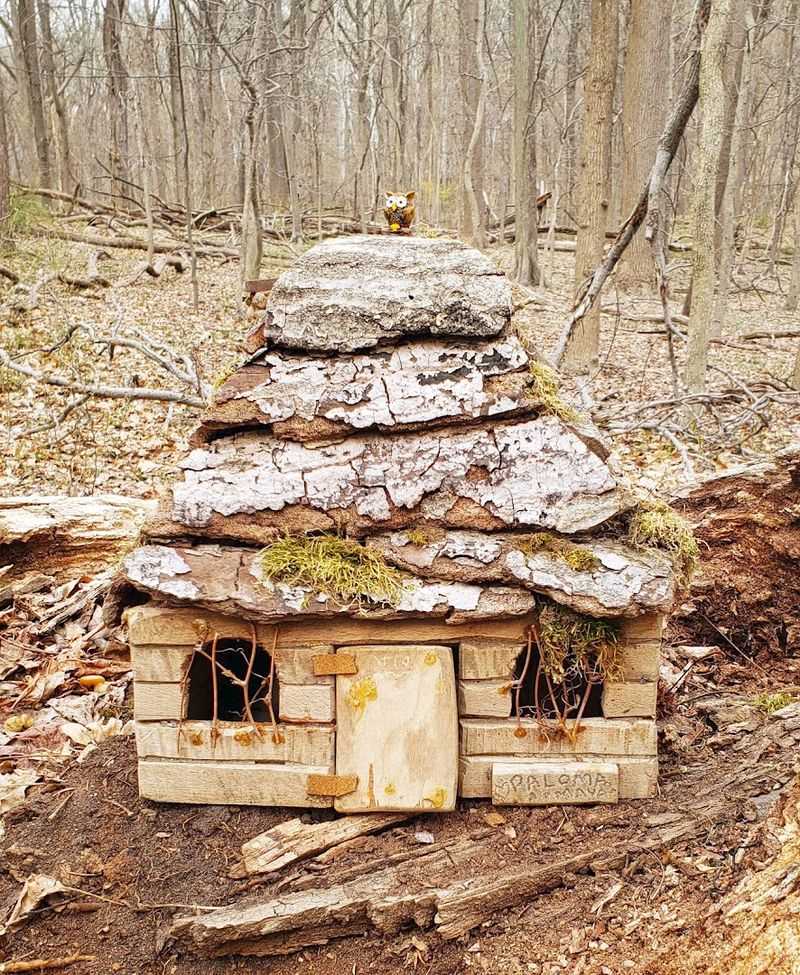
Small doors appear at the base of trees. Tiny roofs peek from moss and roots.
A miniature ladder leans against bark, and suddenly every kid on the trail becomes a detective. The South Mountain Fairy Trail in Millburn is short, sweet, and almost absurdly charming, which is why it deserves more attention than many bigger, louder attractions.
Located in South Mountain Reservation near the Locust Grove area, the trail follows part of the Rahway Trail and features little fairy houses made from natural materials. The fun is in the looking.
Nothing jumps out with theme-park timing. You have to slow down, scan the trees, and let yourself be amused by a doorway the size of your hand.
That makes it especially great for young kids, but adults who are not too cool for whimsy usually end up enjoying it just as much. The practical side is simple: parking can be limited on busy days, the walk is relatively easy, and visitors should stay on the path.
The fairy houses are delicate, and the surrounding plants do not need hundreds of curious feet trampling them. Pair it with a longer walk in South Mountain Reservation, a visit to nearby Millburn, or just a quick morning outing when everyone needs fresh air and a small dose of magic.
It is proof that a place does not have to be huge to be memorable.