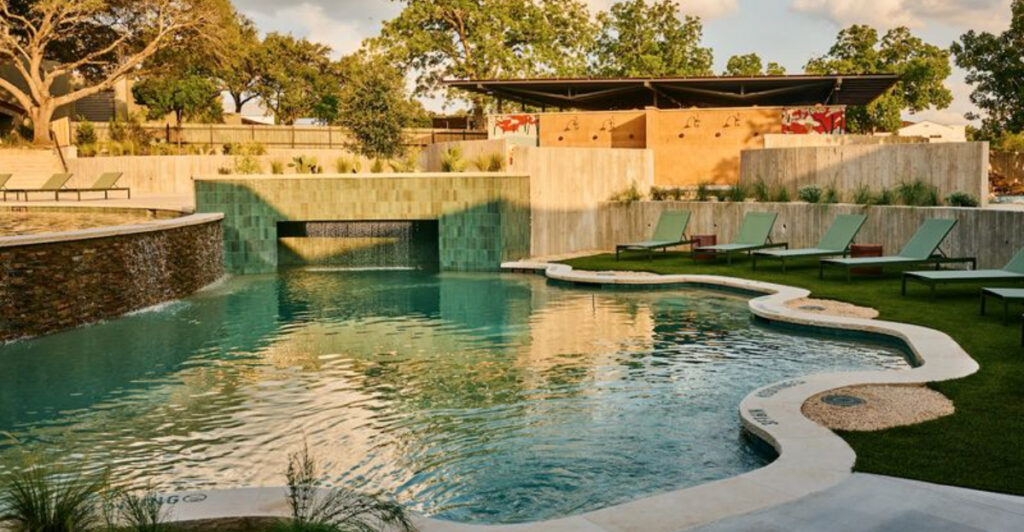
Texas has a surprising history of mineral springs that once drew people from all over the country seeking relief from ailments and a chance at better health. Before modern medicine took over, these natural water sources were considered healing sanctuaries where folks soaked away their troubles and hoped for miracles. Many of these springs still exist today, some abandoned and overgrown, others preserved as parks or spas, each with stories of the thousands who believed in their restorative powers.
Exploring these historic wellness destinations offers a fascinating glimpse into how Texans once pursued health and relaxation in an era when mineral water was considered liquid gold.
1. Hot Springs Historic District (Big Bend National Park)
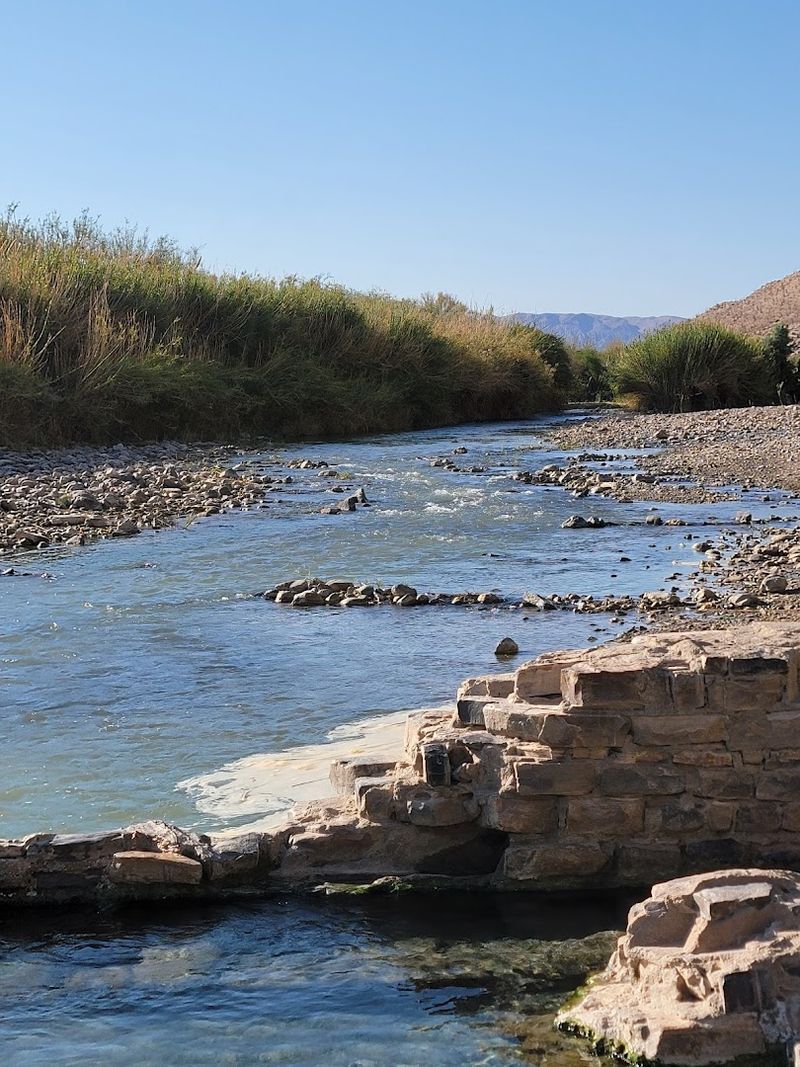
Long before Big Bend became a national park, people traveled miles across harsh desert terrain to reach these hot springs along the Rio Grande. The water bubbles up at around 105 degrees Fahrenheit, creating a natural spa experience that attracted settlers, ranchers, and health seekers throughout the late 1800s and early 1900s. Stone foundations still stand as reminders of the bathhouses and small resort that once operated here, serving visitors who believed the mineral-rich water could cure everything from arthritis to skin conditions.
The springs flow into a small stone pool right at the river’s edge, creating one of the most unique bathing experiences in Texas. You can still soak here today, though the old resort buildings are long gone and the National Park Service maintains the area as a historic site rather than a commercial spa. The water contains dissolved minerals picked up as it travels through underground rock formations, giving it that slightly sulfurous smell that old-timers associated with healing properties.
Getting to the springs requires a bit of effort since they’re located in one of the most remote sections of Big Bend. The ruins of J.O. Langford’s resort complex tell the story of a man who believed so strongly in the water’s healing power that he built his dream there in 1909.
Langford claimed the springs helped his tuberculosis, and he spent years promoting the location as a health destination before eventually selling to the government.
Today, hikers and backpackers make the trek to experience both the history and the soak. The combination of desert scenery, border location, and genuine historic wellness culture makes this spot feel worlds away from modern Texas. Park rangers share stories of the spring’s past during interpretive programs, keeping alive the memory of when this remote corner of Texas served as a destination for healing rather than just recreation.
The water still flows at the same temperature and mineral content as it did over a century ago.
2. Hancock Springs Park (Lampasas)
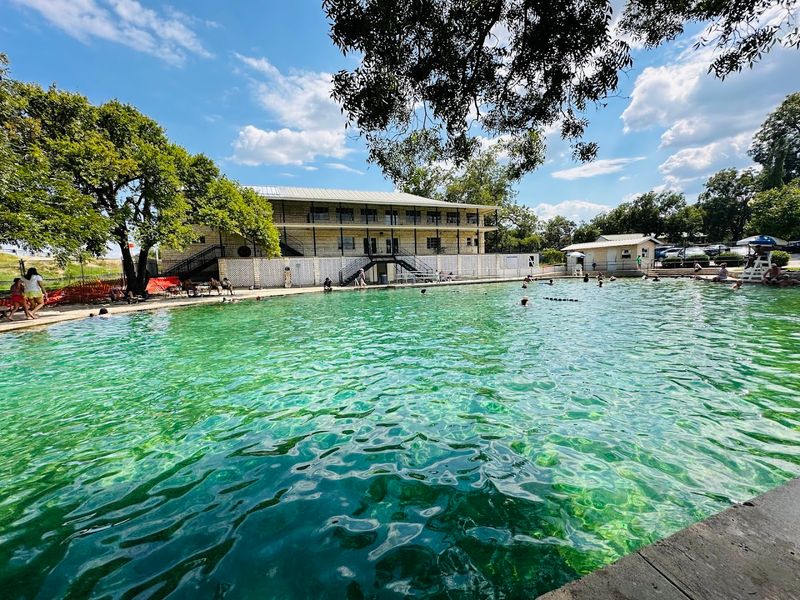
Right in the heart of Lampasas sits a spring that’s been the town’s centerpiece since the 1880s when people discovered its mineral content and decided it must have medicinal value. The spring pumps out roughly three million gallons of sulfur water daily, creating a constant flow that early residents believed could treat rheumatism, digestive problems, and various skin ailments. Hotels and bathhouses sprang up around the spring, transforming this small central Texas town into a legitimate health resort destination that competed with bigger spa towns.
The park today maintains much of its historic character while serving as a community gathering spot and swimming area. A large spring-fed pool attracts locals and visitors who come for recreation rather than medical treatment, though some old-timers still swear by the water’s benefits. The sulfur smell hits you immediately, that distinctive rotten-egg odor that characterized mineral springs across Texas and signaled to 19th-century visitors that they’d arrived at a place of healing.
Lampasas marketed itself aggressively as a health destination during its heyday, with promotional materials claiming the springs could cure ailments that stumped regular doctors. Multiple bathhouses operated simultaneously, each offering different soaking experiences and treatment packages. Wealthy health seekers from Houston, Dallas, and even other states would spend weeks here, following prescribed routines of drinking the mineral water and taking daily baths.
The town’s wellness tourism boom didn’t last forever, but Hancock Springs survived as a beloved local resource. The park underwent renovations over the years while preserving the historic spring house and some original structures. Interpretive signs explain the site’s medical history, helping modern visitors understand why their great-great-grandparents might have traveled here seeking relief.
The spring still flows strong, maintaining the same mineral composition that attracted those early health tourists, even if most people now visit simply to cool off on hot Texas afternoons rather than to cure their rheumatism.
3. Ottine Mineral Springs (Ottine/Gonzales County)
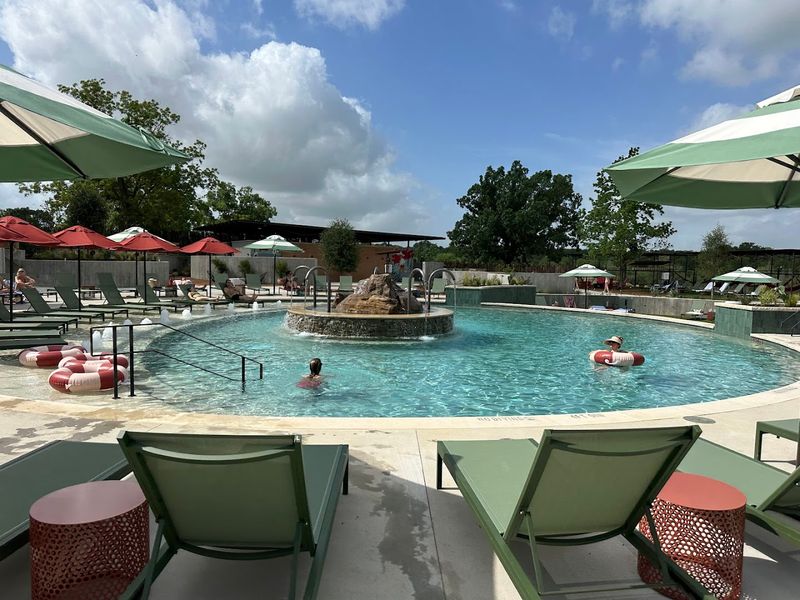
Hidden away in Gonzales County, Ottine Mineral Springs represents one of Texas’s most forgotten wellness destinations, now mostly abandoned but still fascinating for history buffs willing to explore. The springs were discovered in the 1840s and quickly gained a reputation for their supposed healing properties, particularly for digestive and kidney ailments. By the early 1900s, a full resort complex operated here, complete with a grand hotel, multiple bathhouses, and bottling facilities that shipped Ottine mineral water across Texas.
The resort’s promotional materials made bold claims about miraculous recoveries and medical breakthroughs, typical of the era’s mineral spring marketing. Doctors actually prescribed stays at Ottine for their patients, and the resort attracted a mix of genuinely ill people seeking relief and wealthy folks enjoying a fashionable spa vacation. The water contained high levels of sulfur and other minerals, and guests followed strict routines involving drinking glasses of the stuff at scheduled times throughout the day.
What makes Ottine particularly interesting is how completely it’s been reclaimed by nature. The grand hotel burned down decades ago, and most of the bathhouses crumbled or were demolished, leaving only foundations and partial structures slowly disappearing into the vegetation. The springs themselves still flow, though accessing them requires navigating overgrown paths and private property boundaries.
Local historians have documented what remains, preserving photographs and stories before they’re lost entirely.
The town of Ottine barely exists anymore, just a few scattered buildings and homes near where the resort once thrived. It’s a stark reminder of how quickly a booming health tourism industry can vanish when medical science moves on and people stop believing in mineral water cures. Some of the original spring structures can still be identified if you know what you’re looking for, and the mineral content of the water hasn’t changed even though nobody’s marketing it as medicine anymore.
Visiting requires permission and caution, but it offers an authentic glimpse into Texas’s forgotten wellness past.
4. Crazy Water Bath House And Spa (Mineral Wells)
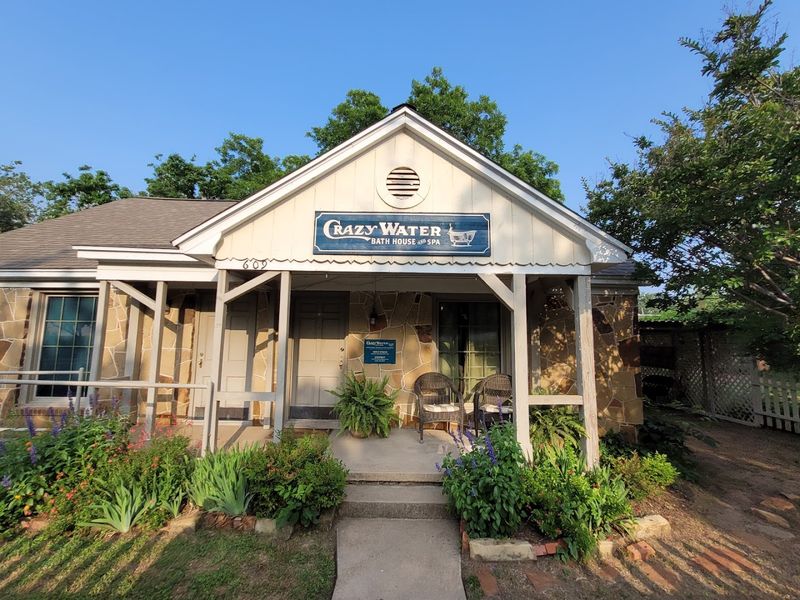
Mineral Wells earned its name honestly, and the Crazy Water Bath House stands as the most famous survivor of the town’s glory days as a major American spa destination. The story goes that a woman known as “Crazy Woman” drank from a particular well and recovered her sanity, sparking a wellness craze that transformed this North Texas town into a resort city with dozens of hotels and bathhouses. The mineral water here contains high concentrations of various salts and minerals, giving it a distinctive taste that people either loved or tolerated for the supposed health benefits.
At its peak in the 1920s and 1930s, Mineral Wells attracted over 150,000 visitors annually, including celebrities and politicians seeking treatment for everything from arthritis to nervous disorders. The Baker Hotel, a massive resort complex, dominated the skyline while smaller establishments like the Crazy Water Bath House offered more affordable treatment options. People would soak in mineral baths, drink prescribed amounts of the water, and follow routines designed by attendants who claimed expertise in water therapy.
The Crazy Water brand became so popular that the town bottled and shipped it nationwide, with Crazy Water Crystals sold as a health supplement you could dissolve at home. The bathhouse offered various services including mineral baths at different temperatures, massage treatments, and specialized soaks for specific ailments. Attendants kept detailed records of each guest’s treatment plan, and many visitors returned year after year, swearing by the results.
Today, the bathhouse operates as a spa offering modern wellness services alongside traditional mineral baths using the same water source that drew crowds a century ago. You can still experience an authentic mineral soak in historic surroundings, though the medical claims have been toned down considerably. The facility preserves much of its vintage character while meeting contemporary spa standards.
Mineral Wells itself has embraced its wellness heritage, with downtown murals and museums celebrating the era when mineral water made this small town nationally famous as a health destination.
5. Camp Hot Wells (San Antonio)
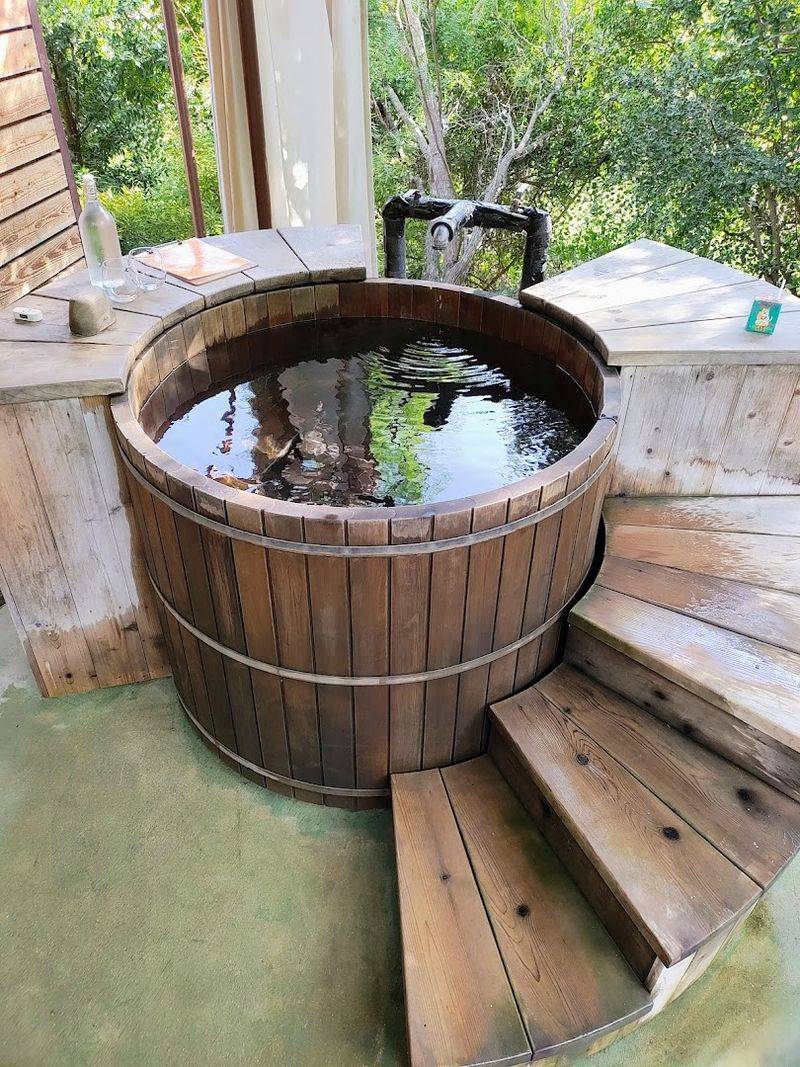
Just southeast of San Antonio, Camp Hot Wells served a unique purpose as both a military installation and a wellness facility, combining the needs of recovering soldiers with the era’s belief in mineral water therapy. Established in the early 1900s, the camp utilized natural hot springs on the property to treat soldiers suffering from various ailments, particularly those returning from World War I with injuries and illnesses. The water emerged from the ground at temperatures around 104 degrees, perfect for therapeutic soaking without requiring additional heating.
The military chose this location specifically because of the springs, believing that hydrotherapy would aid in soldier rehabilitation and recovery. Bathhouses were constructed, and medical staff supervised treatment programs that included scheduled soaking sessions, drinking prescribed amounts of mineral water, and rest periods in the Texas sun. Soldiers with rheumatism, digestive problems, and respiratory issues received orders to spend time at Camp Hot Wells as part of their medical treatment, not just for recreation.
Beyond military use, the springs attracted civilian visitors who built their own resort facilities nearby, creating a small wellness community around the natural resource. Local entrepreneurs bottled and sold the mineral water, making claims about its purity and healing properties. The area developed a reputation as a legitimate health destination, not just a military convenience, and families would travel from San Antonio to experience the springs on weekends.
The camp eventually closed, and most structures were demolished or repurposed over the decades. The springs still exist, though accessing them has become complicated by private property ownership and urban development. Local historians maintain records and photographs showing what Camp Hot Wells looked like during its active years, preserving the story of this unusual intersection between military medicine and civilian wellness culture.
Some of the original spring structures survived into recent decades, serving as reminders of when the U.S. military officially prescribed mineral spring therapy as medical treatment for recovering servicemen in the Texas heat.
6. Chinati Hot Springs (Presidio)
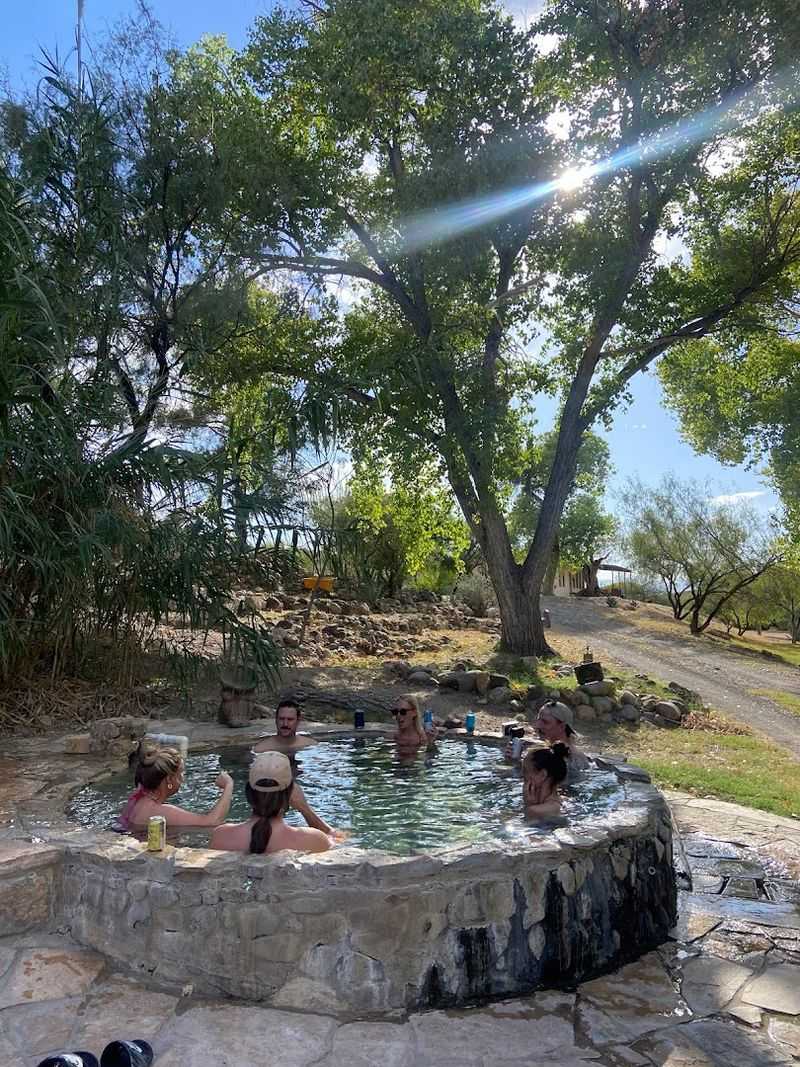
Way out in Presidio County near the Mexican border, Chinati Hot Springs represents one of the most remote wellness destinations in Texas history. The springs have been known and used for centuries, first by indigenous peoples and later by settlers who recognized the water’s potential for treating ailments in an area with limited medical resources. The isolation actually became part of the appeal for some visitors who believed the desert air combined with mineral soaking provided superior healing compared to more accessible springs.
The water surfaces at around 105 degrees, rich with minerals absorbed during its underground journey through West Texas geology. Early Anglo settlers built basic facilities around the springs, creating a small resort that catered to ranchers, miners, and adventurous health seekers willing to make the difficult journey. The remoteness meant guests stayed for extended periods rather than quick visits, following treatment routines that lasted weeks or even months as they soaked daily and drank the mineral water.
During the early 20th century, a proper resort operated here with accommodations, bathhouses, and dining facilities serving visitors from across the Southwest. Promotional materials emphasized the springs’ purity and the benefits of the desert climate, positioning Chinati as a destination for serious health seekers rather than casual tourists. The mineral content was analyzed and compared favorably to famous European springs, giving the remote Texas location some scientific credibility.
The resort went through various owners and periods of abandonment over the decades, but the springs never stopped flowing. Recent restoration efforts have revived Chinati as a small-scale retreat destination, offering rustic accommodations and authentic spring soaking experiences. Modern visitors come for relaxation and the unique desert setting rather than medical cures, but the water remains the same as it was when tuberculosis patients and arthritis sufferers made the long journey hoping for relief.
The springs maintain their historic character while serving a new generation seeking wellness through nature and solitude in one of Texas’s most dramatic landscapes.
7. Sutherland Springs Historical Marker (Sutherland Springs)
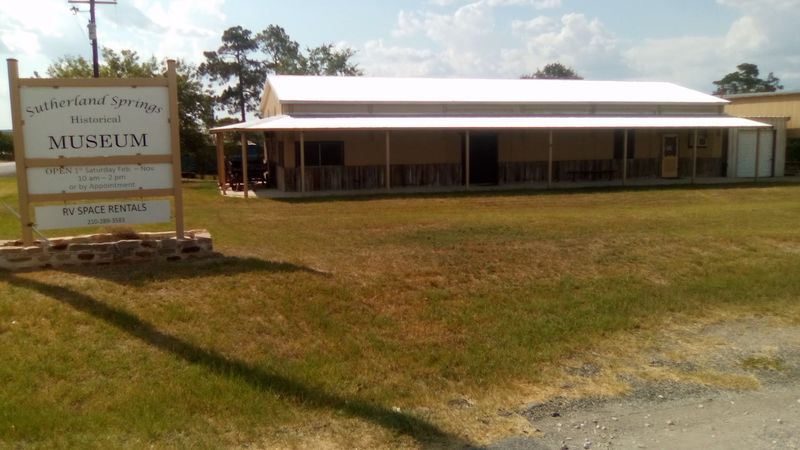
A historical marker stands in Sutherland Springs as one of the few remaining reminders of when this small Wilson County community functioned as a significant health resort destination in the late 1800s. Named after Dr. John Sutherland, the springs were developed into a proper resort complex that attracted visitors seeking relief from various ailments through mineral water therapy. The town’s spring water contained sulfur and other minerals that residents believed could treat rheumatism, skin diseases, and digestive problems, standard claims for Texas mineral springs of that era.
At its height, Sutherland Springs supported multiple hotels, bathhouses, and amenities serving health tourists who arrived by stagecoach and later by rail. The resort advertised extensively in newspapers across Texas and neighboring states, competing with other mineral spring destinations for customers willing to pay for extended stays and treatment packages. Doctors in San Antonio and other cities would refer patients to Sutherland Springs, lending medical credibility to the resort’s therapeutic claims and ensuring a steady stream of genuinely ill visitors alongside recreational guests.
The town’s prosperity depended almost entirely on wellness tourism, creating an economy built around serving health seekers and their families. Local businesses catered to resort guests, and employment centered on bathhouse operations, hotel services, and spring maintenance. When medical attitudes shifted and people stopped believing in mineral water cures, Sutherland Springs lost its primary economic engine and declined rapidly into the quiet community it is today.
The historical marker provides details about the resort era, preserving the memory of when this small town drew visitors from across the region. The original springs still exist, though no commercial facilities operate anymore and public access is limited. Reading the marker, you can almost picture the bustling resort town that once occupied this now-quiet spot, with its grand hotels and bathhouses serving hundreds of guests convinced that Texas mineral water held the key to better health and longer life in an age before modern medicine provided more reliable alternatives.
8. Campbell Park And Hanna Springs Sculpture Garden (Lampasas)
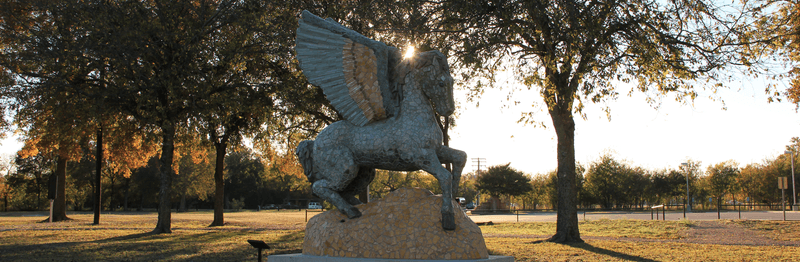
Campbell Park preserves another of Lampasas’s historic mineral springs, this one developed into a public space that combines wellness history with contemporary art through the Hanna Springs Sculpture Garden. The spring itself drew health seekers during Lampasas’s boom years as a spa town, though it operated somewhat in the shadow of the more famous Hancock Springs nearby. Visitors would move between different springs around town, believing that each had slightly different mineral compositions and therefore different healing properties for various ailments.
The park’s development reflects how communities have repurposed their mineral spring heritage once the medical tourism industry faded. Rather than abandoning the springs or letting them deteriorate, Lampasas chose to celebrate them as historic and cultural resources worthy of preservation and public access. The sculpture garden adds an artistic dimension that gives people reasons to visit beyond just historical curiosity, creating a space where wellness history and contemporary culture intersect.
Hanna Springs within the park still flows with the same sulfur-rich water that attracted 19th-century health tourists, though modern visitors are more likely to appreciate it for its historical significance than drink it for medicinal purposes. The spring’s flow remains constant, a testament to the underground water sources that made Lampasas a spa destination. Informational displays explain the spring’s role in the town’s wellness tourism era, educating visitors about the once-thriving industry that shaped local development.
The sculpture garden features works by various artists, transforming the park into an outdoor gallery that attracts art enthusiasts alongside history buffs and families seeking green space. This combination of uses represents a creative approach to preserving mineral spring sites without trying to recreate their original commercial purpose. Walking through Campbell Park, you experience layers of Lampasas history from its spa resort days through its evolution into a community that values both heritage preservation and cultural enrichment.
The springs themselves serve as living connections to an era when people genuinely believed that Texas mineral water could cure what ailed them, making this park more than just a pleasant outdoor space.
9. Hot Wells Of Bexar County (San Antonio)
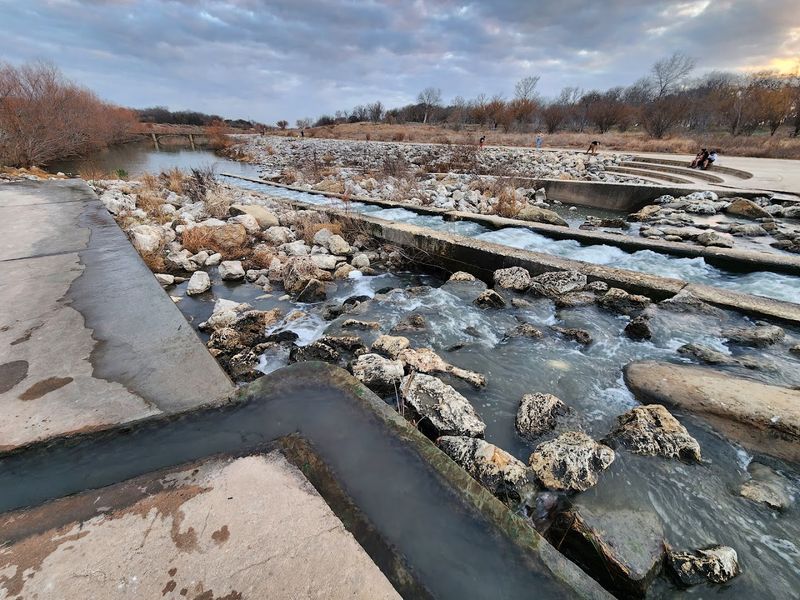
The ruins of the Hot Wells Hotel and Spa stand as haunting reminders of San Antonio’s ambitious entry into the mineral springs wellness industry during the early 20th century. Built in 1894 after hot sulfur springs were discovered while drilling for oil, the resort quickly became one of South Texas’s premier health destinations, attracting wealthy visitors seeking relief from various ailments. The water emerged at 104 degrees Fahrenheit, eliminating the need for heating while providing the perfect temperature for extended therapeutic soaking sessions that doctors prescribed for everything from arthritis to nervous exhaustion.
The hotel complex grew into an elaborate facility featuring a grand hotel building, multiple bathhouses, a natatorium with a massive spring-fed pool, and beautifully landscaped grounds designed to promote relaxation and healing. Guests followed strict treatment schedules involving mineral baths at specific times, drinking glasses of the sulfur water throughout the day, and rest periods in the famous Texas sunshine. Medical staff supervised treatments, and the resort maintained detailed records of patient progress, operating more like a sanatorium than a simple hotel.
Hot Wells competed directly with European spas, marketing itself as an American alternative to crossing the Atlantic for mineral water therapy. Promotional materials emphasized the water’s mineral analysis, the modern facilities, and testimonials from satisfied guests who claimed remarkable recoveries. The resort attracted not just sick people but also healthy wealthy folks who viewed spa visits as fashionable social events, creating a mixed clientele that supported an upscale operation with fine dining, entertainment, and luxury accommodations.
Fire destroyed the main hotel in 1925, and though some facilities continued operating, the resort never regained its former glory. The remaining structures gradually deteriorated, leaving the atmospheric ruins that exist today. Preservation efforts have saved what’s left, and the site occasionally opens for tours, allowing visitors to walk among the crumbling walls and imagine the grand resort that once operated here.
The springs still flow, the water unchanged in temperature and mineral content, a constant element while everything built around them has crumbled into Texas history.
10. Balmorhea State Park (Toyahvale)
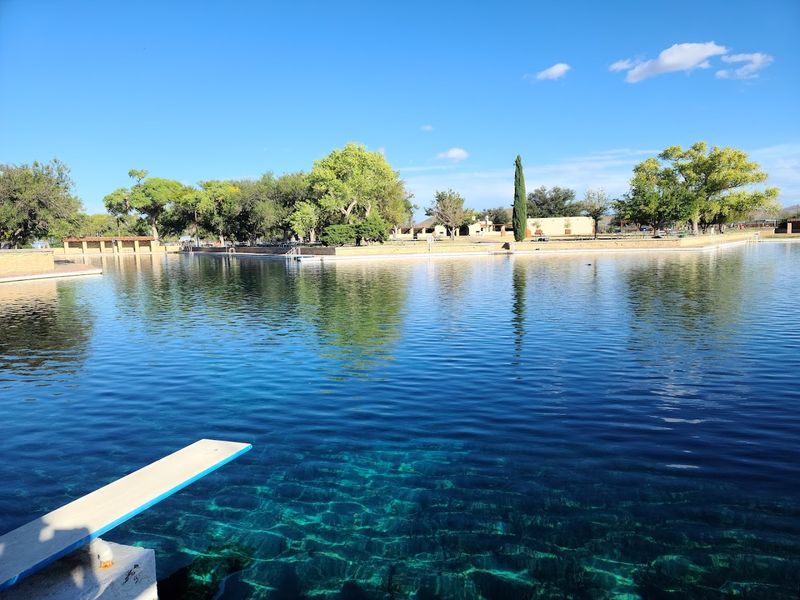
Balmorhea State Park contains one of the world’s largest spring-fed swimming pools, fed by San Solomon Springs that pump out roughly 15 million gallons of crystal-clear water daily. While the park is known today primarily as a swimming and diving destination, the springs have a wellness history dating back centuries when indigenous peoples and later settlers used them for drinking water and believed in their health-giving properties. The water maintains a constant temperature around 72-76 degrees year-round, cool enough for refreshing swimming but warm enough for comfortable extended soaking.
The Civilian Conservation Corps developed the current pool and park facilities during the 1930s, creating an oasis in the West Texas desert that served both recreational and health purposes. Early promotional materials emphasized the water’s purity and mineral content, positioning Balmorhea as a healthful destination where families could swim in clean, natural water free from the pollution affecting many urban swimming areas. The desert air and sunshine combined with the spring water to create what boosters called a perfect environment for building health and vitality.
Unlike many Texas mineral springs that relied on sulfur content and therapeutic claims, Balmorhea’s appeal centered on the water’s exceptional clarity and purity. The springs support unique ecosystems including endangered species found nowhere else, demonstrating the water’s special qualities. Visitors in the early decades came not just to swim but to drink the spring water, which was bottled and sold locally as a pure natural beverage before modern water treatment made such products less special.
Today, Balmorhea attracts swimmers, snorkelers, and scuba divers who come for the remarkable underwater visibility and the experience of swimming in a natural desert spring. The historic bathhouse and other CCC-era structures maintain the park’s vintage character while serving modern visitors. Though nobody markets Balmorhea as a medical destination anymore, the springs continue providing the same pure, constant-temperature water that made this remote West Texas location special enough to warrant state park designation and preservation for future generations to enjoy.