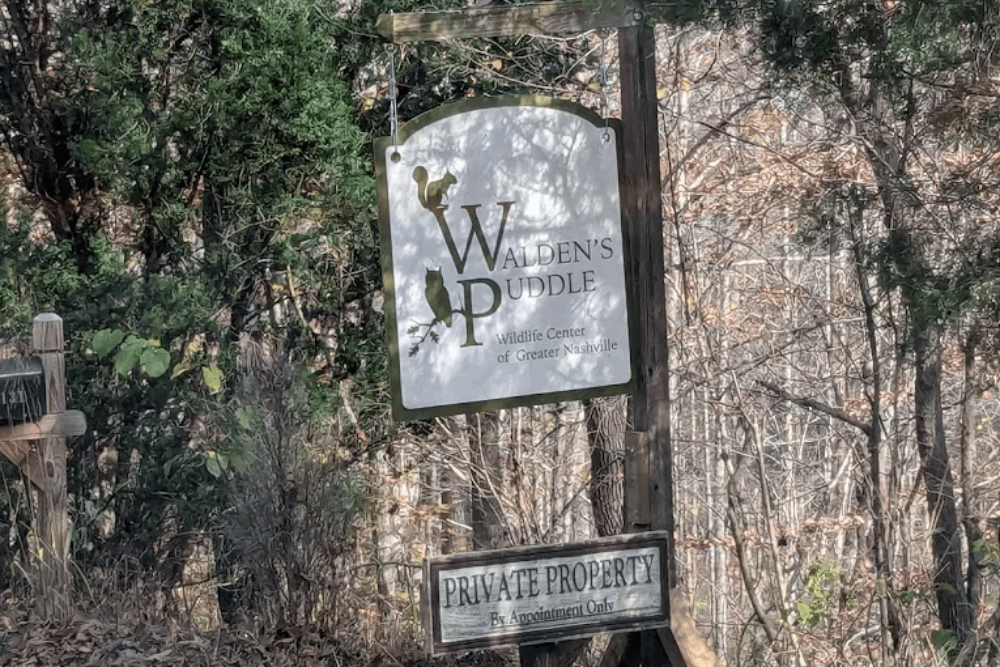
Tucked away in Joelton, Tennessee, a quiet sanctuary operates with a powerful mission: saving injured and orphaned wildlife one animal at a time. Walden’s Puddle Wildlife Center has been giving thousands of creatures a fighting chance since its doors opened, from tiny baby squirrels to majestic birds of prey.
The dedicated team works tirelessly to rehabilitate these animals and return them to their natural habitats, proving that compassion and expertise can make all the difference in the wild.
A Quiet Joelton Sanctuary With A Life-Saving Mission
Drive down Jackman Road in Joelton and you might miss the unassuming building at 8131 that houses one of Tennessee’s most dedicated wildlife rescue operations. Walden’s Puddle doesn’t advertise with flashy signs or invite casual visitors. This is a working facility where the focus stays squarely on the animals that arrive in desperate need of help.
The center operates seven days a week from 9 AM to 4 PM, ready to accept injured wildlife through an appointment system designed to ensure every animal receives immediate attention. Unlike traditional animal shelters, this specialized rescue focuses exclusively on native Tennessee wildlife. That means no stray cats or lost dogs, just the wild creatures that share our state’s forests, fields, and waterways.
What makes Walden’s Puddle remarkable isn’t just the number of animals they help each year, but their commitment to operating without federal or state funding. Every dollar that keeps the lights on and the medical supplies stocked comes from private donations and the generosity of Tennesseans who understand the value of protecting local wildlife.
The facility runs on a lean operation model, which means making appointments before bringing in animals is essential. Staff members respond to calls and texts throughout the day, coordinating drop-offs and pickups to maximize the care each creature receives. For many injured animals found across Middle Tennessee, Walden’s Puddle represents the only hope between survival and a tragic end.
This isn’t a petting zoo or educational exhibit. The mission here is straightforward: heal the hurt, raise the orphaned, and return them all to where they belong.
Inside Walden’s Puddle, Where Every Animal Gets A Fighting Chance
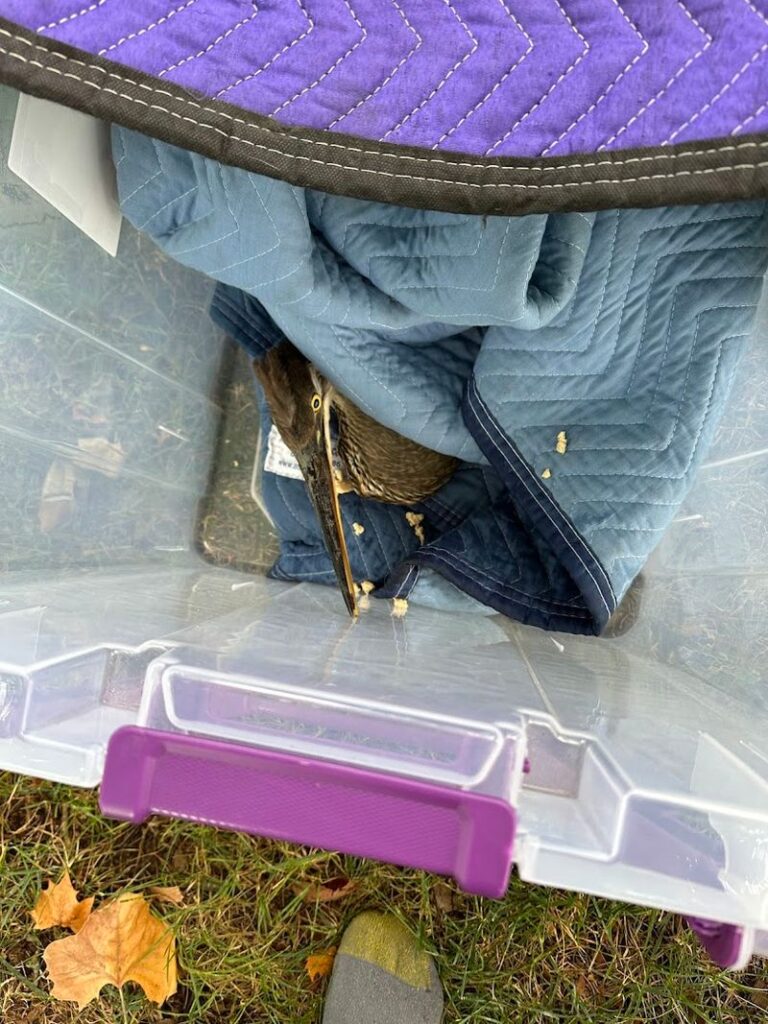
Step through the doors with an injured heron or orphaned opossum and you’ll immediately notice the organized efficiency that defines Walden’s Puddle. The intake process begins with a simple form documenting the animal’s condition and how it came to need rescue. Staff members assess each arrival quickly, determining the level of care required and the animal’s chances for successful rehabilitation.
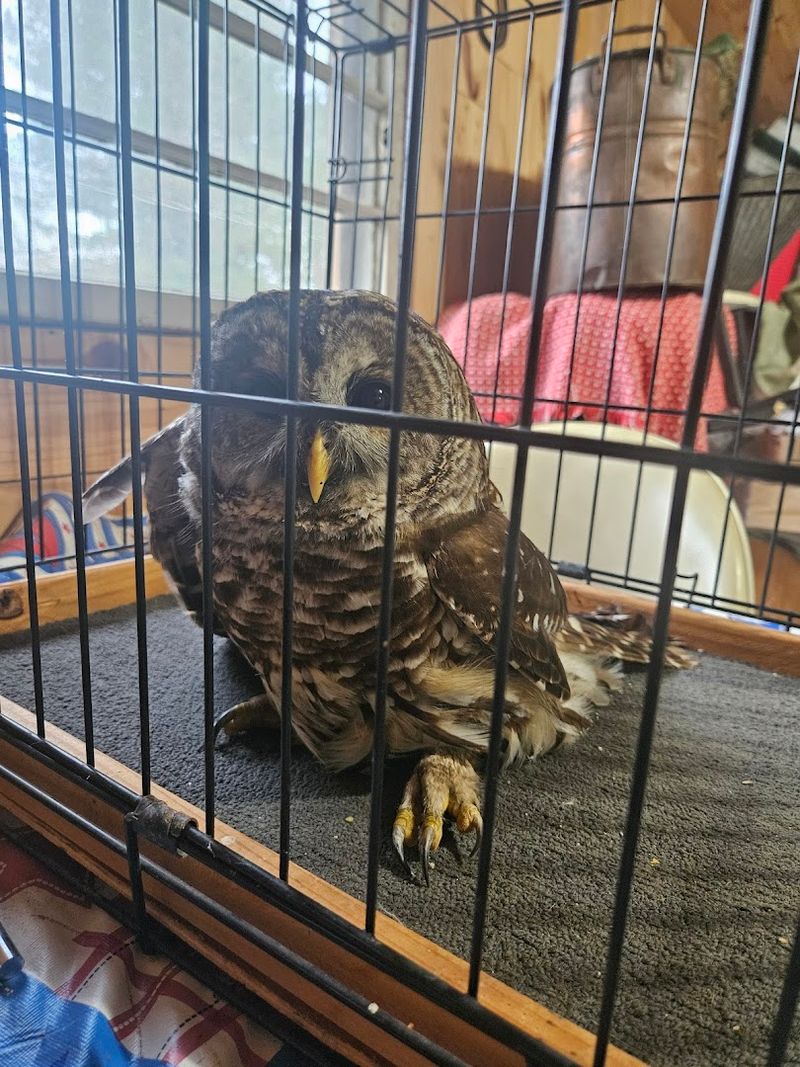
The center handles an impressive variety of Tennessee wildlife. Baby squirrels clinging to life after losing their mothers, barred owls struck by vehicles, injured herons pulled from neighborhood ponds, and cottontail rabbits rescued from lawn mowers all find their way here. Each species requires specialized knowledge and care protocols that the trained staff has developed through years of hands-on experience.
Resources at Walden’s Puddle get stretched thin sometimes, which is why community support matters so much. The facility maintains specialized housing for different types of animals, from small enclosures for recovering songbirds to larger spaces for raptors regaining flight strength. Medical supplies, appropriate food for various species, and heating equipment for baby animals all cost money that comes directly from donations.
Not every animal that arrives will survive, and that’s a harsh reality the staff faces daily. Some injuries prove too severe, some orphans arrive too weak, and some illnesses can’t be reversed. The team makes difficult decisions based on what’s best for each animal, always prioritizing quality of life over simply keeping creatures alive.
When animals do respond to treatment, the transformation can be remarkable. A baby opossum barely clinging to its deceased mother can grow into a healthy juvenile ready for release. A bird with a broken wing can regain the strength to soar again.
From Orphaned Babies To Injured Birds, The Rescue Takes Them All In
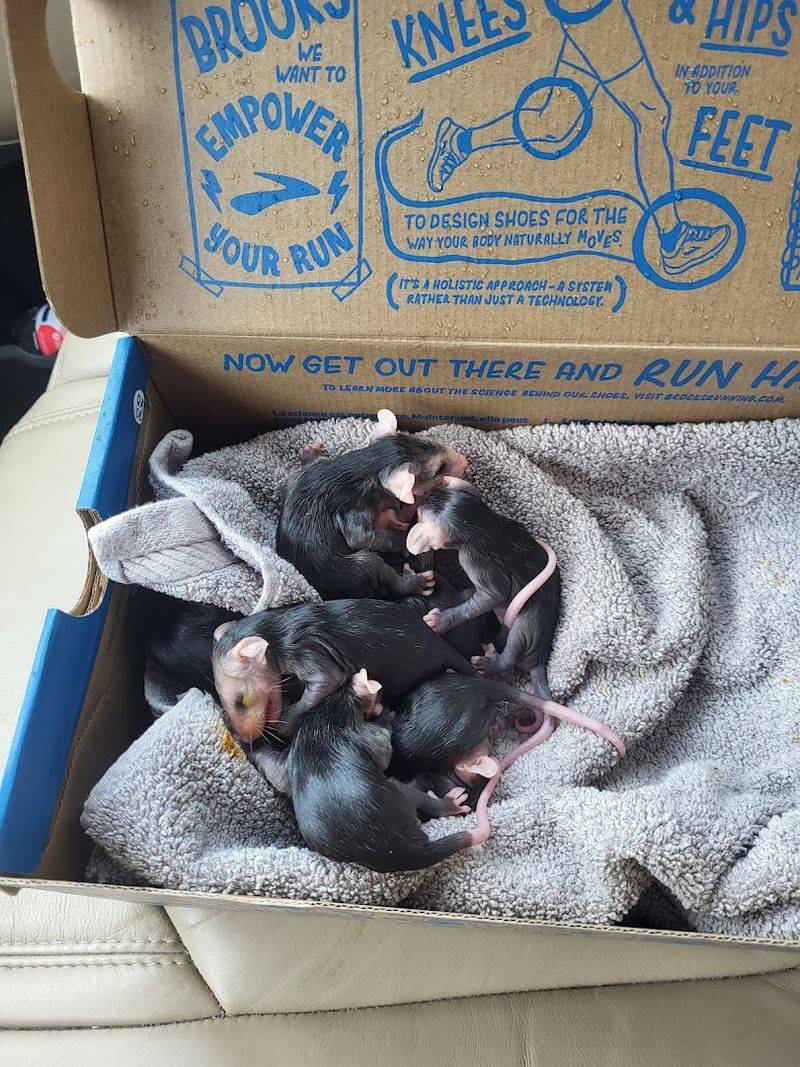
Spring arrives at Walden’s Puddle like a tidal wave of tiny, helpless creatures. Baby season brings an overwhelming influx of orphaned animals whose mothers have been killed by cars, predators, or accidents. Newborn squirrels, opossums still pink and hairless, and cottontail rabbits no bigger than cotton balls flood into the center faster than most people could imagine.
Each species demands specific care protocols. Baby opossums need specialized formula and warmth regulation since they can’t maintain their own body temperature. Squirrels require careful feeding schedules to prevent aspiration pneumonia, a common killer of hand-raised wildlife. Rabbits, notoriously difficult to rehabilitate, need exact nutrition ratios and minimal stress to survive.
The center also accepts injured adult animals throughout the year. Raptors like barred owls and hawks often arrive after collisions with vehicles, suffering from broken wings, head trauma, or internal injuries. Waterfowl like herons get tangled in fishing line, caught in fencing, or attacked by domestic animals.
Deer occasionally need help, though the center’s capacity for large mammals remains limited.
Walden’s Puddle operates under Tennessee Wildlife Resources Agency guidelines, which means they can legally accept and rehabilitate native wildlife that most citizens cannot. Well-meaning people who find baby animals often try raising them at home, not realizing this violates state law and usually results in the animal’s death or permanent disability. The center encourages anyone who finds injured or orphaned wildlife to call immediately rather than attempting DIY rescue efforts.
Every year, the facility holds a baby shower donation drive to stock up on supplies for the inevitable spring rush. Formula, heating pads, syringes, towels, and cleaning supplies all get depleted rapidly when dozens of baby animals need round-the-clock care.
The Care Team Behind The Scenes Works Around The Clock
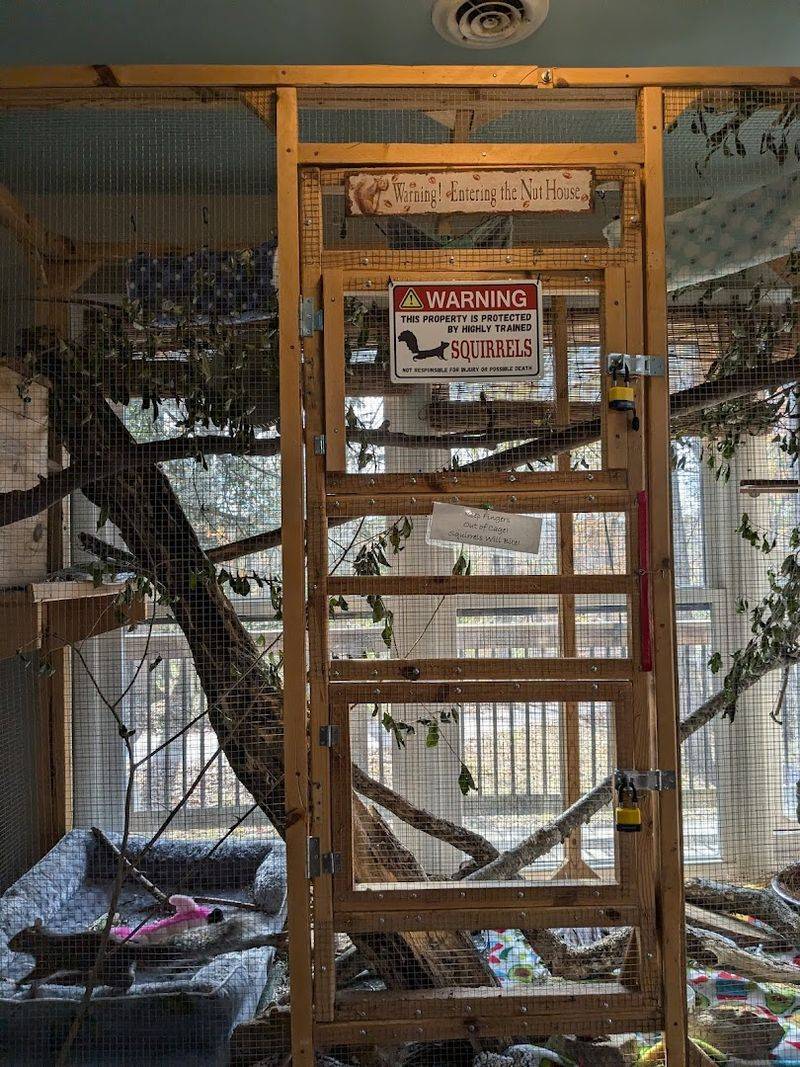
Behind every successful wildlife rescue stands a team of dedicated individuals who’ve chosen one of the most emotionally demanding jobs imaginable. The staff at Walden’s Puddle doesn’t work regular hours or enjoy predictable days. Wildlife emergencies don’t respect weekends, holidays, or sleep schedules.
Feeding baby animals alone requires setting alarms throughout the night. Newborn opossums need nutrition every two to three hours, including overnight. Injured birds require medication administered at specific intervals.
Critical patients demand constant monitoring to catch complications before they become fatal.
The emotional toll of this work can’t be overstated. Staff members invest hours into saving animals that sometimes don’t make it despite their best efforts. They receive criticism from people who don’t understand triage decisions or capacity limitations.
They field countless calls from well-meaning citizens who expect immediate answers and drop-off times, not realizing the center operates with limited personnel. The reality is that a small team managing dozens of critical patients while answering phones, coordinating appointments, and performing actual animal care will inevitably struggle to make everyone feel prioritized.
The center relies on volunteers and licensed rehabilitators who work for the love of wildlife rather than financial compensation. These individuals undergo training to handle specific species, learn proper feeding techniques, recognize signs of distress, and understand when animals are ready for release. Without this passionate core of wildlife advocates, Walden’s Puddle simply couldn’t function.
Rehabilitation Is About Healing Without Taming
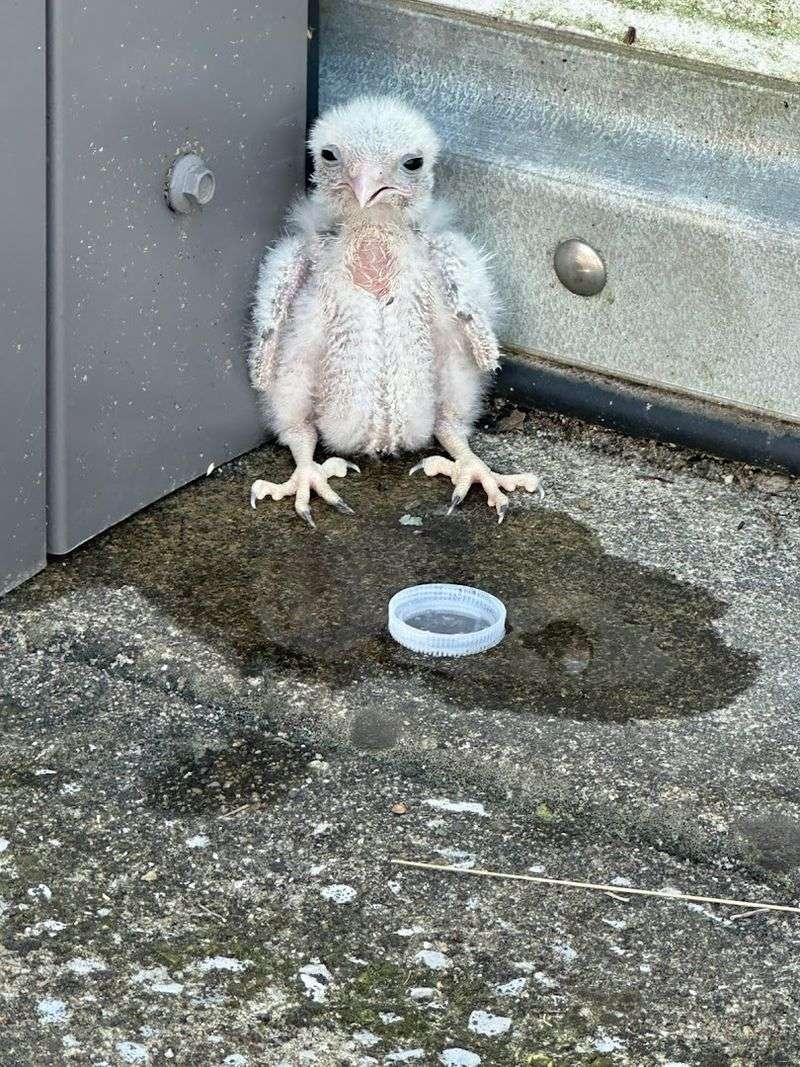
One of the biggest challenges in wildlife rehabilitation is walking the fine line between providing necessary care and preventing animals from becoming habituated to humans. Unlike domestic animal rescues where socialization is desirable, wildlife centers must keep their patients wild enough to survive after release.
Staff at Walden’s Puddle minimize direct human contact with recovering animals whenever possible. Feeding happens quickly and efficiently without the cooing and cuddling that might seem natural when dealing with adorable baby creatures. Animals are housed away from constant human activity to reduce stress and prevent them from viewing people as safe or associated with food.
This approach sometimes confuses visitors who expect to see staff members bonding with the animals or who want updates and visitation rights for creatures they’ve brought in. The center doesn’t operate like a traditional animal shelter where you can check on your surrendered pet. Once an animal enters rehabilitation, it becomes part of a wild population that needs to maintain its natural wariness of humans.
Physical rehabilitation focuses on restoring natural behaviors. Birds with healed wings must regain flight strength in appropriate-sized enclosures. Young mammals need to develop foraging skills and predator awareness before release. Injured animals recovering from trauma require time to rebuild muscle and coordination without the pressure of surviving in the wild.
The process isn’t quick. A baby squirrel might spend weeks or months at the facility before reaching release age. An owl with a broken wing could require extended care while bones heal and flight muscles rebuild.
Some animals never fully recover and cannot be released, though Walden’s Puddle focuses primarily on cases with good rehabilitation potential given their limited resources.
Release Day Is The Moment Everyone Hopes For
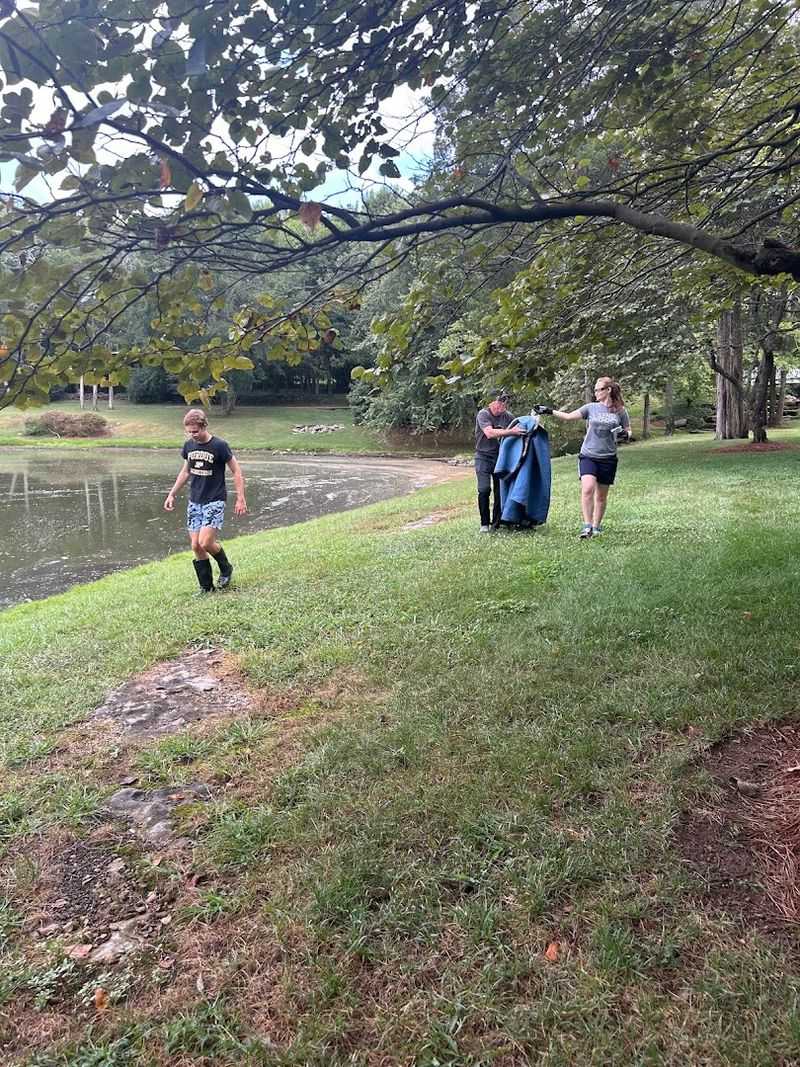
Every hour of care, every sleepless night, every difficult decision leads to one ultimate goal: watching a recovered animal return to its natural habitat. Release day represents the victory that makes all the heartbreak and exhaustion worthwhile for the Walden’s Puddle team.
The center sometimes allows the people who originally brought animals in to participate in releases, particularly for cases where community members formed connections with specific rescues. Imagine bringing in an injured barred owl hit by a car, then weeks later receiving a call that you can pick up the recovered bird and release it near where it was found. Those moments create powerful connections between ordinary Tennesseans and the wild creatures sharing their environment.
Not every animal gets a dramatic release ceremony. Many simply transition back to the wild when they’re ready, returning to appropriate habitats where they have the best chance of survival.
Baby opossums raised together might be released as a group in a suitable wooded area. Recovered raptors get released in territories with adequate hunting grounds and minimal human interference.
Timing matters enormously. Animals released too early might not survive. Those kept too long risk becoming too comfortable with captivity.
The experienced staff at Walden’s Puddle has developed instincts for recognizing when animals are truly ready, watching for signs of strength, appropriate wariness, and natural behaviors that indicate readiness for independence.
Success rates vary by species and injury type, but every animal that makes it back to the wild justifies the center’s existence. These aren’t just statistics or numbers in a yearly report. Each release represents an individual life saved, a creature that will continue contributing to Tennessee’s ecosystem because someone cared enough to help.
How Tennesseans Can Help Protect Wildlife Close To Home
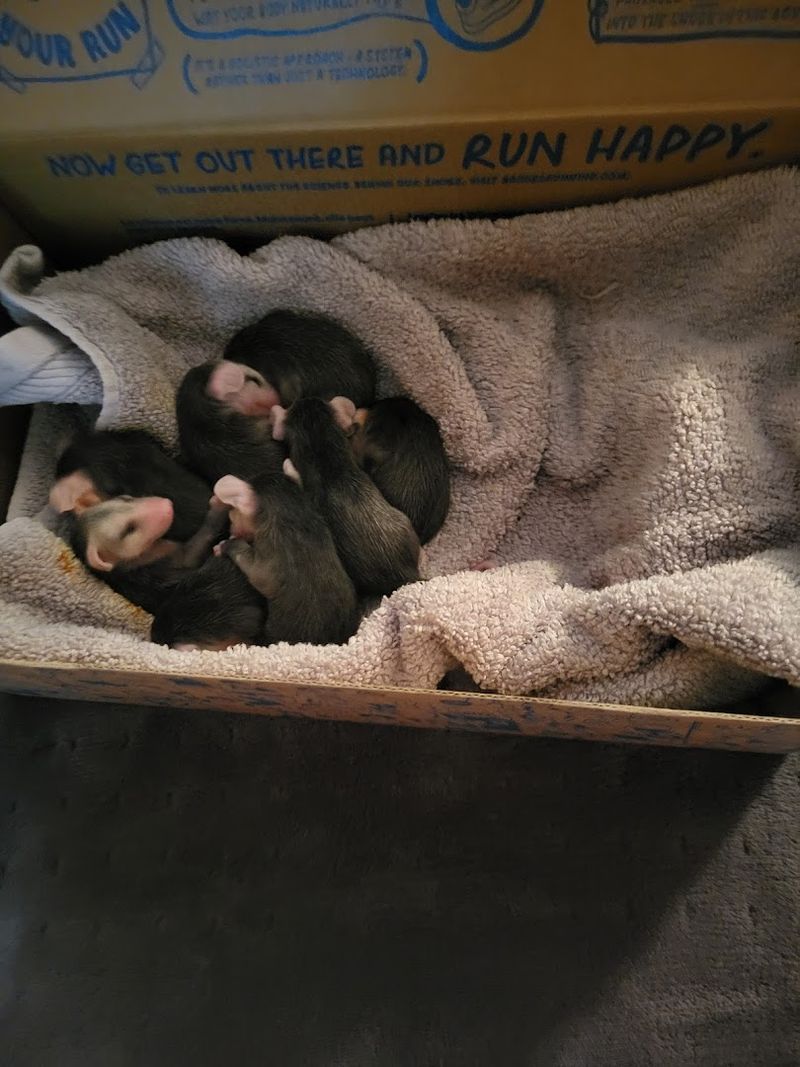
Walden’s Puddle survives entirely on community support, which means every Tennessean has the power to impact local wildlife conservation. Financial donations keep the center operational, covering everything from medical supplies and specialized formula to utility bills and facility maintenance. Even small contributions add up when enough people participate.
The annual baby shower donation drive specifically requests items needed during the busiest season. Heating pads for keeping orphaned babies warm, unopened packages of towels and blankets, cleaning supplies, and monetary contributions all make the spring influx of patients manageable.
Beyond donations, Tennesseans can help by knowing when and how to contact wildlife rescues. If you find an injured animal, call Walden’s Puddle during business hours and follow their instructions exactly. Don’t attempt to feed, water, or treat the animal yourself unless specifically directed.
Many well-intentioned rescue attempts cause more harm than good.
Prevention matters too. Driving carefully during dawn and dusk reduces wildlife collisions. Keeping cats indoors protects birds and small mammals.
Properly disposing of fishing line prevents waterfowl injuries. Being mindful of wildlife during lawn maintenance can save baby rabbits and ground-nesting birds. Simple awareness of our impact on wild creatures makes a measurable difference.
Share information about Walden’s Puddle with neighbors, friends, and family. Many Tennesseans don’t know this resource exists until they desperately need it. The more people who understand where to turn when they find injured wildlife, the more animals get the professional care they need rather than dying slowly or receiving inadequate home treatment.