A good canoe route does more than move you downstream. Across Michigan, these waterways bring together calm stretches, cedar-lined banks, quick turns, quiet forests, clear water, and enough variety to make every paddle feel different.
Some routes are gentle enough for an easygoing day on the water, while others ask for sharper attention as the current bends, narrows, or picks up speed. Together, they show off a wilder, quieter side of the state that is best experienced from just above the surface.
If you want canoeing plans with real character and less guesswork, these 11 Michigan routes are a strong place to start.
1. Jordan River
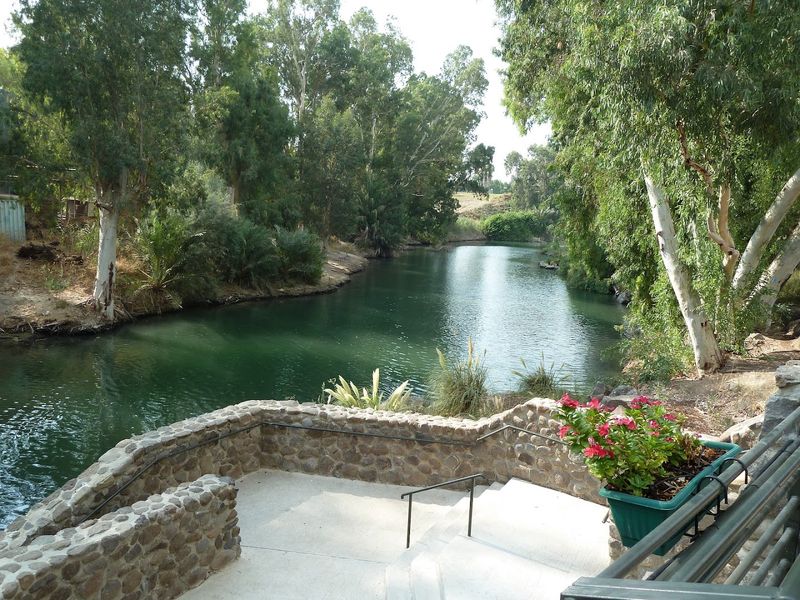
The Jordan River is the kind of route that gets your attention right away. It runs narrow, clear, and shaded, with bends that ask you to stay awake on the paddle instead of drifting off into lazy sightseeing mode.
That is part of the fun, because every turn brings another pocket of deep green forest and another stretch where the water looks clean enough to count stones below the surface.
You are not signing up for a wide, relaxed float here. The channel often feels intimate, with overhanging branches, woody banks, and current that keeps the canoe moving at a satisfying clip.
It suits paddlers who like a route with texture, where steering matters and the scenery is close enough to feel immersive instead of distant.
One of the best parts is how quiet it can seem once you are settled in. The river threads through a heavily wooded landscape that gives the whole trip a tucked-away quality, and that makes small details stand out, like shifting reflections, little gravelly edges, and the sudden brightness of an opening in the trees.
Even when the pace picks up, it still reads as peaceful rather than frantic.
For a Michigan canoe outing with personality, the Jordan earns its spot easily. It balances solitude, movement, and scenery without needing a lot of fanfare, and it tends to appeal to paddlers who want more than a simple cruise.
Bring solid boat control, keep your eyes ahead, and you will get a route that feels sharp, scenic, and satisfyingly untamed in all the right places.
2. Au Sable River
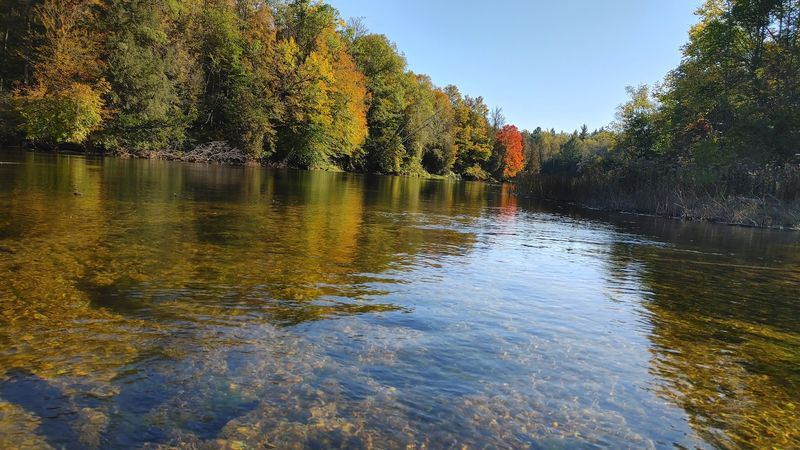
The Au Sable River has a reputation, and once you get on the water, it is easy to see why. This is one of those Michigan paddles that can suit a laid-back outing without feeling dull, thanks to steady current, handsome forest scenery, and long stretches that let you settle into a smooth rhythm.
It gives you room to breathe while still giving your eyes plenty to do.
Compared with tighter, more technical rivers, the Au Sable often reads as spacious and approachable. The banks shift between woods, open light, and sandy edges, and that variety keeps the trip engaging without demanding constant correction strokes.
You can focus on the texture of the landscape, the color of the water, and the easy sense of distance building behind each bend.
There is also a polished beauty here that never turns sterile. The river can look remarkably clear, and on calmer sections it reflects sky and trees in a way that makes the whole route feel larger than it is.
That visual calm pairs nicely with the gentle pace, so even a longer outing can stay pleasant instead of tiring.
If you want a canoe route that works for many kinds of paddlers, the Au Sable is a smart pick. It offers enough movement to keep the trip from going flat, enough scenery to reward slow looking, and enough length to let you shape the day however you want.
Some rivers impress through drama, but this one wins by being balanced, beautiful, and consistently easy to enjoy from start to finish.
3. Thornapple River
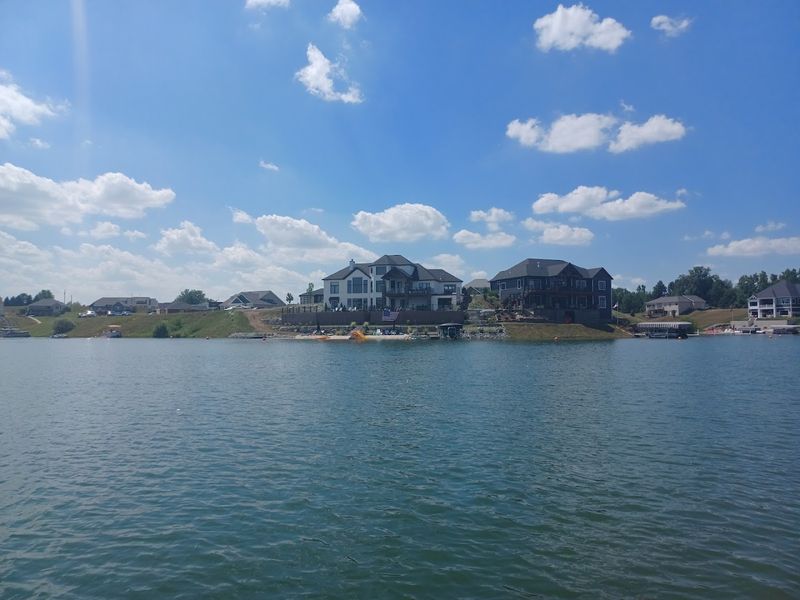
Not every memorable canoe trip in Michigan needs a wild northern backdrop, and the Thornapple River proves that nicely. This route brings a more relaxed, accessible kind of beauty, with easy bends, soft current, and stretches where the shoreline changes just enough to keep you curious.
It is the sort of paddle that works when you want scenery and movement without turning the day into a test.
The river often carries a mellow pace, which makes it friendly for conversation, casual wildlife watching, and those moments when you simply let the canoe coast. Trees frame many sections, while more open views break things up and stop the route from feeling enclosed.
That mix gives the Thornapple a steady visual rhythm, simple but not repetitive.
There is a practical appeal here too. Because the water usually reads calmer than some of the state’s more talked-about runs, you can spend less time reacting and more time noticing the details around you, like leafy banks, reflected clouds, and quiet coves off the main flow.
It can be a nice choice for newer paddlers, but it does not come off as bland.
The Thornapple earns attention by being dependable in the best way. You get a route that is approachable, scenic, and easy to fit into a day, while still delivering enough natural character to feel like a real outing instead of a placeholder.
When you want a canoe trip that is low on hassle and high on easygoing river time, this one makes a convincing case without needing any theatrics.
4. Platte River
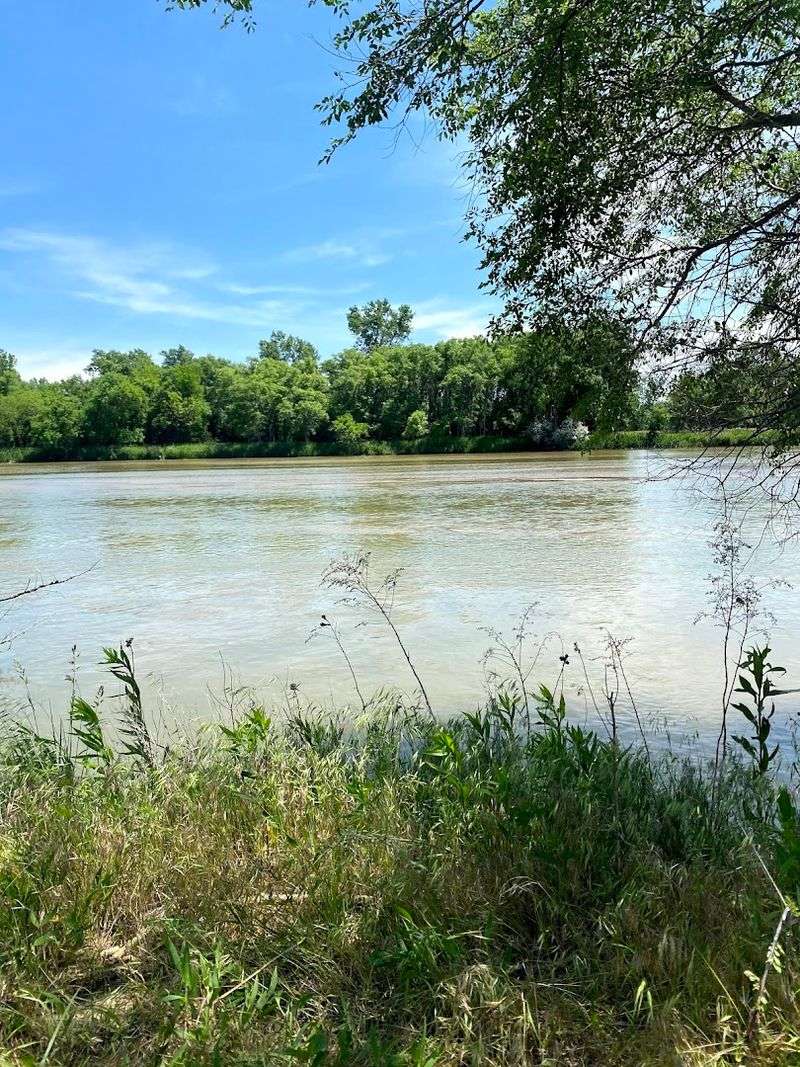
The Platte River has a breezy, summer-day energy that is hard to resist. It is often known for a gentler, more approachable float, and that gives you plenty of time to notice the clear water, sandy bottom, and bright green shoreline details instead of worrying about constant maneuvering.
When a route looks this inviting, the easy pace becomes a feature rather than a compromise.
Because the river is relatively mild in many stretches, it works well for paddlers who want a scenic trip without a steep learning curve. The current usually helps you along, and the channel tends to stay readable, so the outing can feel relaxing without going motionless.
Sunlight plays a big role here too, especially when it flashes across shallow water and lights up the riverbed below your canoe.
The surrounding landscape adds to that open, fresh quality. You may get a blend of wooded banks, low vegetation, and broader sky views that create a lighter visual feel than tighter northern rivers.
That makes the Platte especially appealing on warm days when you want a route that feels cheerful, simple, and easy to share with less experienced paddlers.
Still, easy does not mean forgettable. The clear water, clean lines of the channel, and steady drift give this river a polished kind of appeal that stands out in its own way.
If your ideal canoe trip leans toward bright scenery, uncomplicated paddling, and a day that ends with everyone still smiling instead of exhausted, the Platte deserves a place near the top of the list.
5. Pere Marquette River
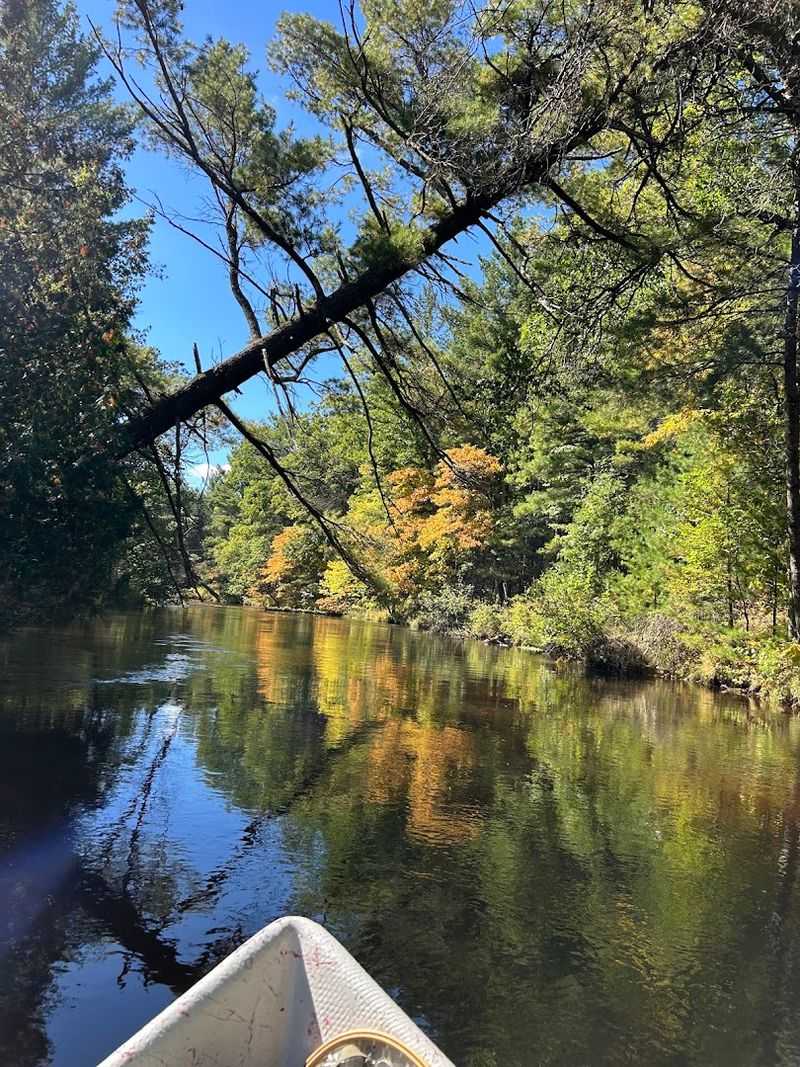
The Pere Marquette River carries a little more edge than an easy afternoon float, and that is exactly why many paddlers like it. The route can bring quicker current, tighter lines, and a stronger sense that the river is actively shaping your trip rather than simply hosting it.
That energy pairs well with wooded scenery that often reads rugged, layered, and deeply Michigan.
As you move downstream, the banks and overhanging trees help create a corridor effect that keeps the landscape close. Instead of broad, detached views, you get a more immediate connection to the river itself, with logs, roots, shadows, and shifting water texture all competing for attention.
It is scenic, but in a tactile way that favors movement and detail over postcard neatness.
This is also a route where paddlers tend to appreciate good timing and clean strokes. You do not need theatrical rapids for a river to feel lively, and the Pere Marquette often proves that with current that stays interesting and channels that reward focus.
The payoff is a trip that feels engaging from start to finish, especially if you prefer your scenery with a bit of momentum under it.
For anyone building a Michigan canoe list, the Pere Marquette belongs on it for more than name recognition. It offers a compelling mix of forested beauty, river character, and just enough challenge to keep things honest without overshadowing the landscape.
When you want a paddle that is active, scenic, and slightly more untamed than the gentlest options, this river answers nicely.
6. Muskegon River
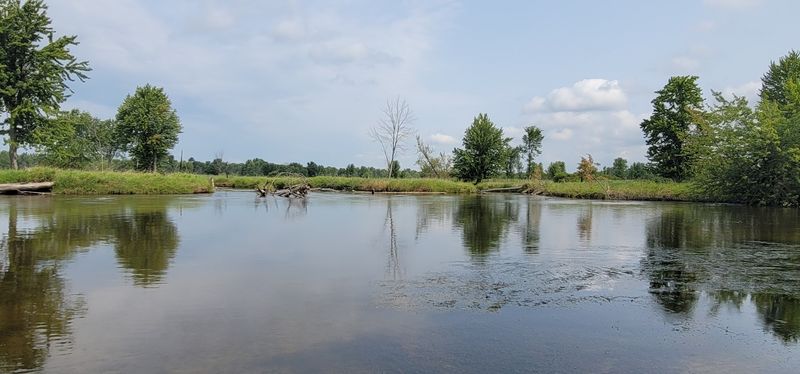
The Muskegon River brings a broader, roomier style of canoeing that can be a nice change from Michigan’s tighter, tree-hugging channels. With more width and an often steady flow, it lets you relax into a confident paddling rhythm while still giving the landscape space to unfold around you.
That larger scale can make the trip feel calm, but never static.
On a river like this, the appeal is partly in the sense of glide. You are not always dodging every little bend or branch, so your attention shifts toward the bigger picture, such as long views ahead, changing cloud light, and the way wooded banks give way to open patches and then close in again.
It is a comfortable route for covering distance without feeling rushed.
The Muskegon also has enough natural variation to avoid sameness. Some stretches may feel broad and sunlit, while others turn quieter and more enclosed, and that changing backdrop gives the day a nice flow.
Paddlers who like conversational outings often appreciate this river, since the water typically leaves room for both easy strokes and easier conversation.
There is a sturdy, dependable charm to the Muskegon that stands out once you are on it. It may not rely on narrow drama or flashy technical features, but it offers consistent scenery, a satisfying current, and enough scale to feel like a true river journey instead of a short recreational drift.
If you want a canoe route that balances ease, movement, and classic Michigan river views, this one handles the job well.
7. Sturgeon River
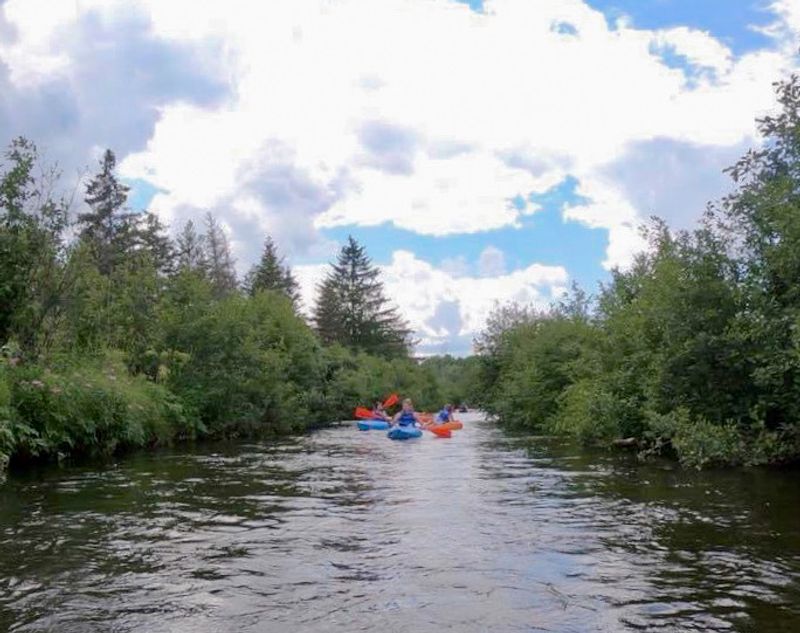
If you want a canoe route with more pulse, the Sturgeon River deserves your attention. It is often associated with quicker water and a more active paddling experience, which means this is not the place to mentally check out and coast on scenery alone.
The reward is a trip that feels energetic, fresh, and full of river character from one bend to the next.
The channel can run lively enough that steering becomes part of the entertainment. That keeps you tuned in to current lines, tighter turns, and the small choices that make a canoe move cleanly through fast water.
At the same time, the surrounding forest keeps the route visually rich, so the challenge comes with a generous side of northern Michigan beauty.
Because the river moves with purpose, the landscape seems to arrive faster. Banks, shadows, and openings in the trees come at you in a steady sequence, and that makes the outing feel immersive in a different way than slower floats do.
You are not just observing the setting from a distance, you are moving through it with real immediacy and a bit of welcome urgency.
The Sturgeon is a strong pick for paddlers who want more than a peaceful drift but still care deeply about scenery. Its quicker tempo, forested setting, and hands-on feel create a route that is memorable without needing oversized drama.
When your ideal day on the water includes responsive current, quick decisions, and a healthy amount of untamed charm, this river brings plenty to work with.
8. Crystal River
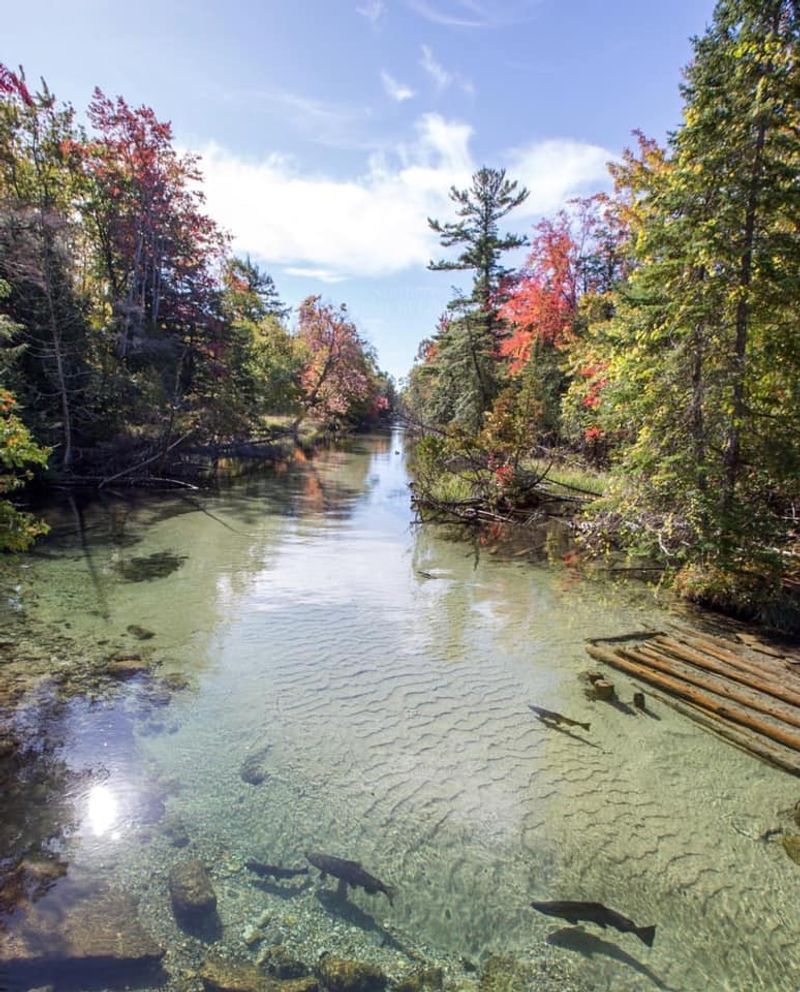
The Crystal River wins people over with water that looks almost unreal on a bright day. Clear, shallow, and often glowing over a sandy bottom, it has the kind of visual appeal that makes you slow down just to watch sunlight move across the riverbed.
Even before the route reveals much else, that transparency gives the whole trip a crisp, clean charm.
This is usually a more relaxed paddle, and the calm character works in its favor. Instead of battling strong current or complicated turns, you can pay attention to the river’s color, the shape of aquatic plants beneath the surface, and the way the shoreline stays neat and green around you.
It feels polished, but still natural enough to avoid seeming manicured.
The narrower scale in some sections helps too. You stay close to the banks, close to the water, and close to the details that make a short or moderate outing satisfying, such as gentle bends, reflected foliage, and the repeated surprise of just how visible everything beneath the canoe can be.
It is an easy river to recommend when scenic payoff matters more than technical challenge.
That said, the Crystal is not memorable only because it is pretty. The route has a refreshing simplicity that makes it ideal for a slower day, a warm afternoon, or anyone who wants to trade adrenaline for clarity and calm.
If your best canoe trip includes bright water, approachable paddling, and scenery that earns plenty of second looks, the Crystal River makes a very convincing choice.
9. Manistee River
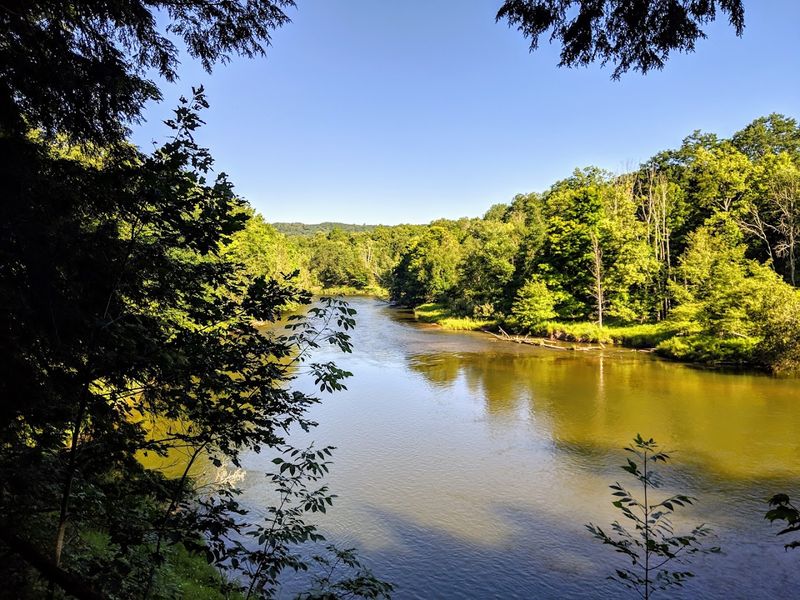
The Manistee River has a balanced, easy confidence that makes it appealing to a wide range of paddlers. It can offer steady current, scenic forest views, and enough route options to suit different trip lengths, which gives you flexibility without sacrificing the feeling of being out in real river country.
Some canoe routes demand a narrow kind of interest, but this one has broader appeal.
On the water, the Manistee often unfolds at a pace that is active yet comfortable. You keep moving, but there is usually enough breathing room to look around and notice how the banks, tree cover, and changing light shape the character of each stretch.
That middle ground is useful, especially if you want a trip with energy that does not turn into constant work.
The scenery helps seal the deal. Wooded sections create intimacy, more open passages add visual variety, and the river’s overall flow keeps the landscape arriving in a smooth, satisfying rhythm.
It can work equally well for a focused paddle day or a more relaxed outing where conversation and long glances at the shoreline matter just as much as forward progress.
The Manistee earns its place on this list by being versatile without becoming forgettable. It gives you movement, beauty, and a strong sense of place, all while staying approachable enough for many skill levels.
When you want a Michigan canoe route that combines dependable current with attractive scenery and a comfortable overall feel, the Manistee is an easy river to put in regular rotation.
10. Huron River
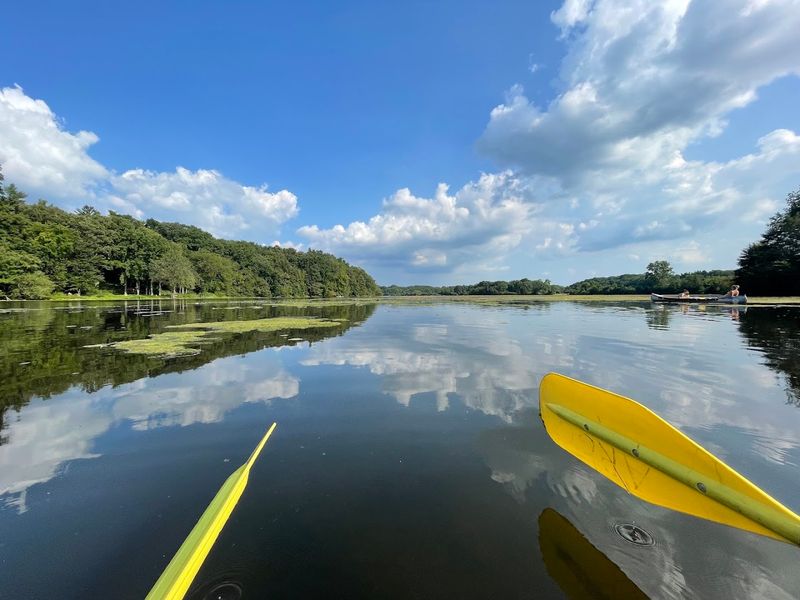
The Huron River offers a different flavor of Michigan canoeing, one that blends scenic water time with a more accessible, flexible feel. Depending on where you paddle, you can get gentle current, leafy banks, and enough natural texture to make the trip satisfying without needing a deep wilderness setting.
That makes it a strong option when you want a reliable day on the water close to where people actually live and travel.
The route tends to favor a smoother pace, which is useful for mixed groups and casual outings. You can settle into easy strokes, chat without feeling distracted, and still enjoy changing views as the river curves through wooded sections and more open areas.
It is approachable, but not boring, because the landscape continues to shift just enough to hold your interest.
Another plus is the river’s adaptability. Shorter floats can feel refreshingly simple, while longer stretches give you time to appreciate how the Huron threads through different surroundings and creates a surprisingly calm corridor on the water.
That variety helps the trip stay engaging, even without the fast current or tighter technical lines found on some northern routes.
If your ideal canoe day involves manageable paddling, pleasant scenery, and a route that does not require a full expedition mindset, the Huron makes a lot of sense. It proves that a memorable paddle does not always depend on remoteness or raw difficulty.
Sometimes a well-paced river with good visual variety and easy logistics is exactly what you want, and the Huron delivers that cleanly.
11. Pine River
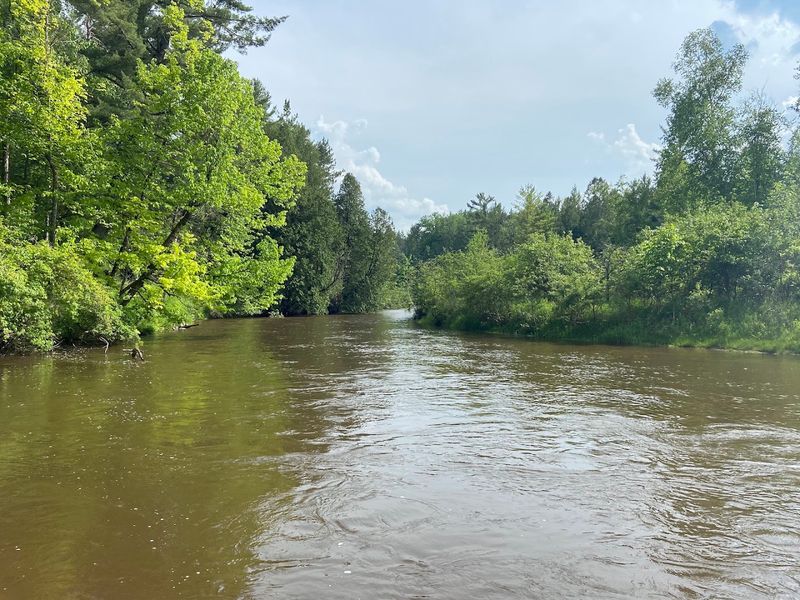
The Pine River is for paddlers who want their scenery with a little bite. Known for a livelier personality, it can bring faster current, tighter turns, and stretches where paying attention is part of the appeal rather than an interruption.
That extra energy gives the route a distinct edge compared with gentler Michigan floats.
Once you are moving, the river wastes little time showing off its character. The channel can feel narrow and responsive, with bends arriving quickly and shoreline details staying close, which creates an immediate, hands-on experience in the canoe.
Forested banks and shifting light add strong visual texture, but the current remains a major part of the story all day.
Because the Pine asks more from the paddler, the trip often feels more immersive. You are reading the water, setting up your line, and noticing how the river changes shape around roots, bends, and small obstructions, all while the surrounding landscape keeps the setting wild and compact.
It is scenic, yes, but the scenery is tied directly to action rather than distant admiration.
That combination makes the Pine memorable for people who enjoy active river travel. It is not the obvious pick for everyone, and that is part of its charm, because the route offers a stronger sense of engagement than easier drifts can match.
If you want a Michigan canoe outing that blends untamed movement, close-in forest scenery, and a satisfying need for real boat control, the Pine River stands out fast.
Share this story