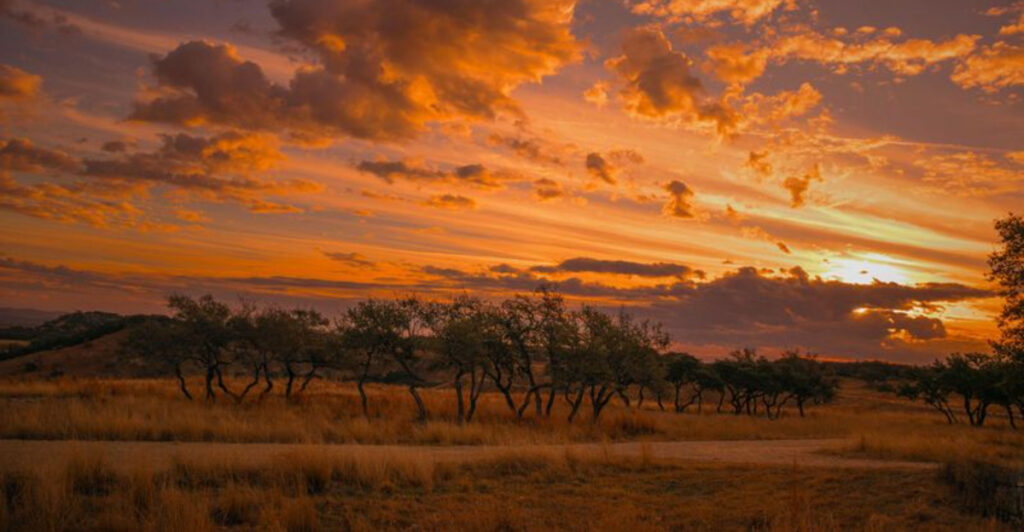
Texas holds more than sprawling cities and endless highways. Tucked between the rolling hills and coastal plains, you’ll find small towns that capture the true spirit of the Lone Star State. These eight communities prove that sometimes the best experiences come in the smallest packages, where friendly faces, rich history, and authentic Texas culture create memories that last a lifetime.
1. Jefferson
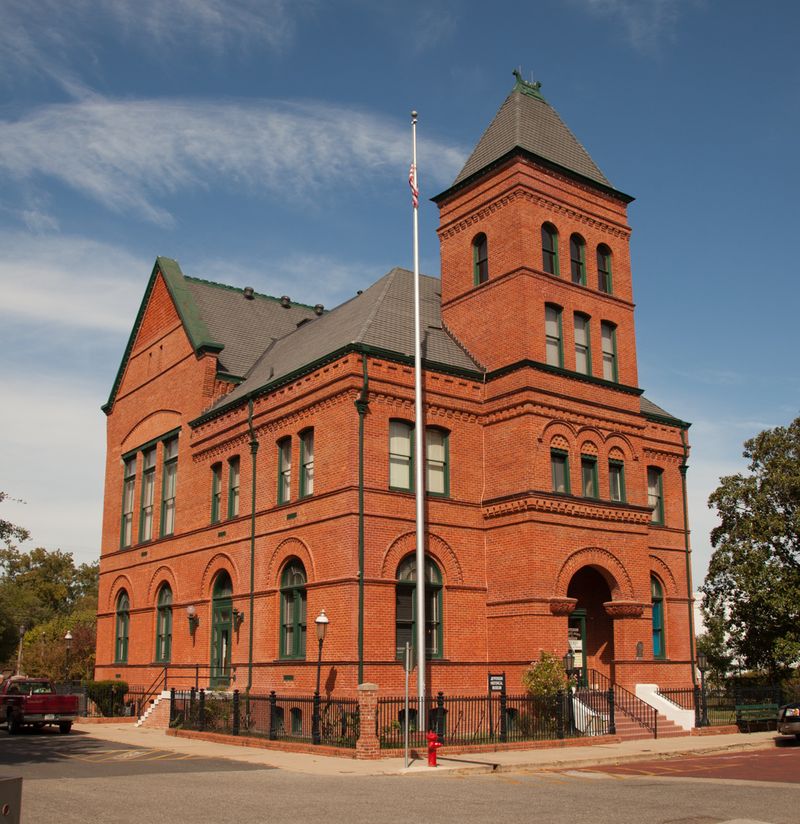
Stepping into Jefferson feels like walking through a portal to the 1800s. This East Texas gem sits along Big Cypress Bayou and once served as a major riverport, second only to Galveston in the state. The downtown area preserves over 100 historical structures, many converted into antique shops, museums, and cozy bed-and-breakfasts.
Victorian architecture dominates every street corner, with ornate gingerbread trim and wraparound porches that tell stories of riverboat captains and cotton barons. The town embraces its ghostly reputation too, with several historic hotels claiming resident spirits. Whether you believe in the paranormal or not, the atmospheric tours add an exciting element to evening explorations.
Carriage rides clip-clop through brick-paved streets, passing under canopies of ancient oak trees draped in Spanish moss. Local guides share tales of Jay Gould’s famous curse and the town’s refusal to allow railroad access. That decision, which seemed disastrous at the time, actually preserved Jefferson’s historic character for future generations.
The town celebrates its heritage with annual festivals, including a candlelight tour during the holidays that transforms the streets into a living Christmas card. Local restaurants serve up Southern comfort food in dining rooms filled with antiques and period décor. You can spend hours browsing vintage treasures in shops that seem frozen in time.
Big Cypress Bayou offers peaceful paddling adventures through cypress swamps where alligators sun themselves on logs and herons wade through shallow waters. The natural beauty surrounding Jefferson provides a stunning backdrop to the historic town center. Photographers find endless inspiration in the combination of nature and architecture.
Jefferson proves that progress doesn’t always mean bigger and faster. Sometimes the best way forward involves preserving the past and sharing it with visitors who appreciate authentic experiences. This town offers a genuine escape from modern life’s frantic pace, inviting you to slow down and savor simpler pleasures.
2. Port Isabel
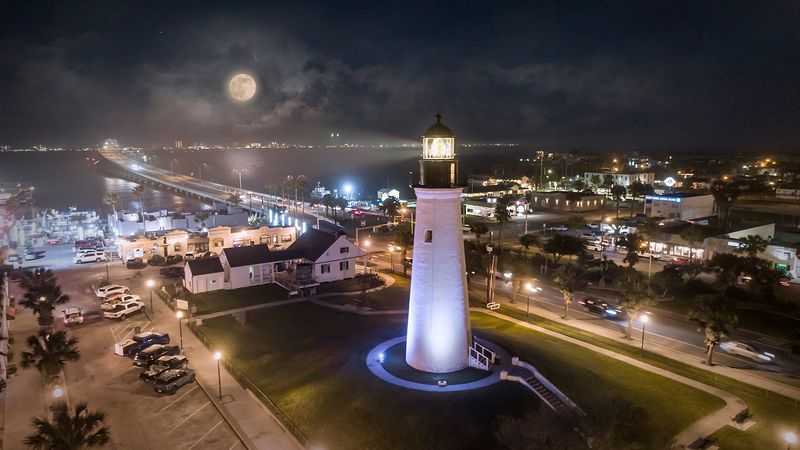
Down at the southern tip of Texas, where the Laguna Madre meets the Gulf of Mexico, Port Isabel serves up coastal charm with a side of fresh seafood. The iconic lighthouse, standing tall since 1852, remains the town’s most recognizable landmark. Climb its 75 steps for panoramic views that stretch across the water to South Padre Island and beyond.
Fishing defines life here, and you’ll see it everywhere from the working boats docked at the harbor to the restaurants serving catches that were swimming just hours earlier. Charter captains know these waters like their own backyards, guiding visitors to spots where redfish, speckled trout, and flounder practically jump into the boat. The enthusiasm is contagious, even if you’ve never held a fishing rod.
The town maintains a laid-back vibe that makes Houston and Dallas feel like different planets. Locals gather at waterfront eateries where flip-flops count as formal wear and conversations flow as easily as the cold drinks. Sunset watching becomes a community event, with families and friends claiming their favorite spots along the shore.
Port Isabel’s historic district showcases buildings from its days as a major port during the Mexican-American War. Museums tell stories of pirates, shipwrecks, and the hardy souls who built lives along this sometimes-temperamental coastline. History feels tangible here, not dusty or distant, but alive in the streets and structures.
The causeway connecting Port Isabel to South Padre Island creates easy access to beach adventures, but many visitors prefer the quieter mainland atmosphere. You get coastal access without the spring break crowds. Local festivals celebrate everything from shrimp to pirates, drawing crowds that appreciate authentic Gulf Coast culture.
Wildlife thrives in the surrounding wetlands and waters, attracting birdwatchers who tick rare species off their lists. Dolphins patrol the channels, often swimming alongside boats and delighting passengers. Nature lovers find plenty to explore beyond the beaches, from kayaking through marshes to photographing spectacular sunrises over the bay.
3. Fredericksburg
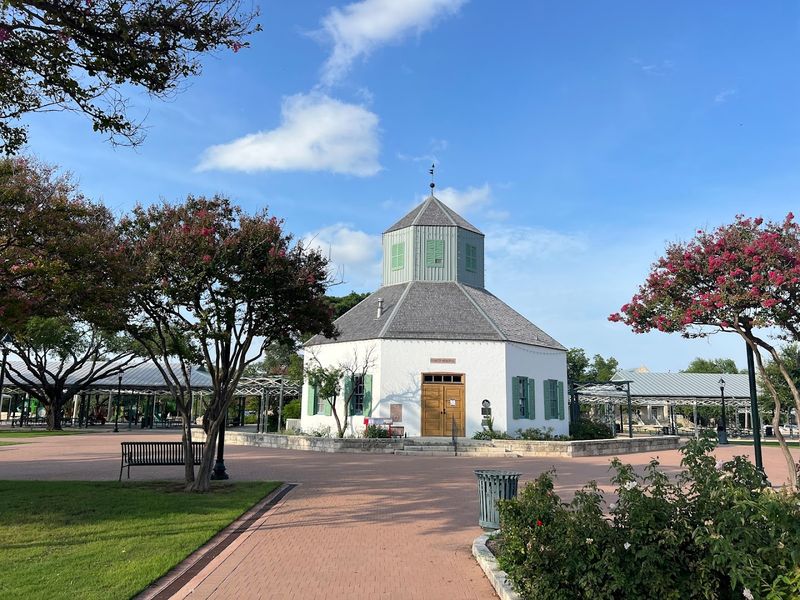
German heritage runs deep through Fredericksburg’s veins, flavoring everything from architecture to cuisine. Founded in 1846 by German immigrants, the town still celebrates its roots with authentic festivals, traditional dance halls, and bakeries producing strudels that would make any Bavarian grandmother proud. Main Street stretches for blocks, lined with limestone buildings housing boutiques, galleries, and tasting rooms.
Wine country status arrived relatively recently, but the Hill Country surrounding Fredericksburg now produces award-winning vintages that surprise skeptics. Dozens of wineries dot the rolling landscape, offering tastings in settings that range from rustic barns to elegant estates. Weekend wine tours have become a beloved Texas tradition, with groups hopping between vineyards in everything from party buses to horse-drawn carriages.
Peach season transforms the town into a fruity paradise, with orchards opening their gates for picking and farm stands overflowing with fuzzy treasures. The local peach ice cream has achieved legendary status, causing lines that snake down sidewalks. Smart visitors arrive early and often, knowing these seasonal treats disappear faster than summer storms.
History buffs appreciate the National Museum of the Pacific War, an unexpectedly world-class facility honoring Admiral Nimitz, who was born here. The exhibits bring World War II to life through artifacts, stories, and immersive displays. It’s a sobering reminder of sacrifice, presented with dignity and educational depth.
Bed-and-breakfasts outnumber chain hotels by a comfortable margin, each offering unique character and hospitality. Many occupy historic homes or Sunday Houses, the small dwellings German farmers built for weekend church visits. Staying in these properties adds authenticity to the Fredericksburg experience, complete with homemade breakfasts and innkeepers who share insider tips.
The town balances tourism with genuine community life, hosting farmers markets where locals shop alongside visitors. Live music spills from venues most nights, ranging from traditional polka to modern country. Fredericksburg proves that preserving cultural identity while welcoming newcomers creates magic that benefits everyone.
The blend of old and new, German and Texan, wine and history makes this Hill Country town irresistible.
4. Alpine
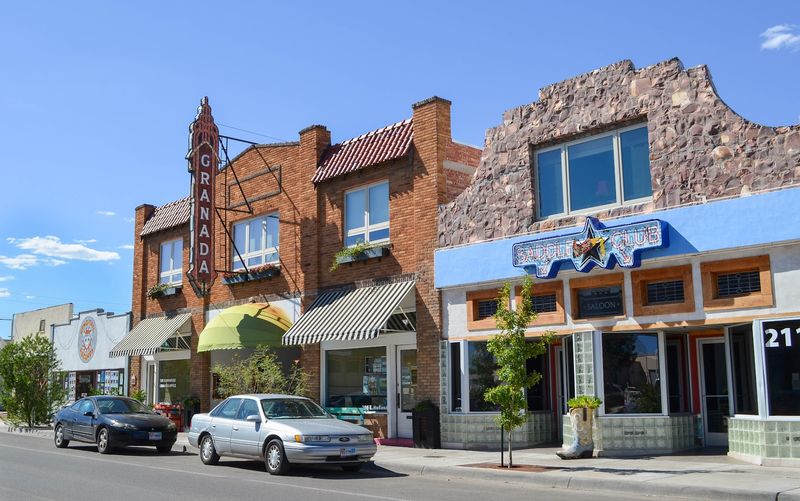
Mountains rise dramatically around Alpine, creating a landscape that surprises people who think Texas is all flat prairies. Sitting at 4,500 feet elevation in the Davis Mountains, this West Texas town enjoys cooler temperatures and clearer skies than most of the state. Stars shine with impossible brightness here, undiminished by city lights or humidity.
Sul Ross State University brings youthful energy and cultural events to this remote community. The college hosts rodeos, art exhibits, and lectures that attract audiences from across the region. Students and longtime residents mix easily, creating a diverse social fabric unusual for towns this size and isolated.
Alpine serves as the gateway to Big Bend National Park, though it sits about 80 miles north of the park entrance. Visitors stock up on supplies here, enjoy real restaurants after days of camping, and sometimes discover they prefer Alpine’s charm to rushing toward the next destination. The town rewards those who linger with genuine hospitality and unexpected attractions.
Art galleries showcase works inspired by the dramatic surrounding landscape, from realistic desert scenes to abstract interpretations of endless sky. The creative community thrives here, drawn by affordable space, natural beauty, and freedom from urban distractions. First Friday art walks bring everyone together, celebrating local talent with wine, conversation, and appreciation.
The Museum of the Big Bend preserves regional history, from prehistoric inhabitants through ranching days to modern times. Exhibits explain how people adapted to this harsh but beautiful environment, creating lives and livelihoods against considerable odds. Understanding this context deepens appreciation for the landscape and the communities that call it home.
Railroad history remains visible throughout town, with restored depots and hotels from the days when trains brought prosperity to remote outposts. The tracks still carry freight, and the lonesome whistle echoing through valleys connects present to past. Local restaurants serve steaks that honor ranching traditions, cooked to perfection and sized for serious appetites.
Alpine attracts adventurers and artists, stargazers and scholars, all finding something essential in the wide-open spaces and tight-knit community. The combination of natural grandeur and human warmth creates a special atmosphere that’s distinctly West Texas yet unlike anywhere else.
5. Palestine
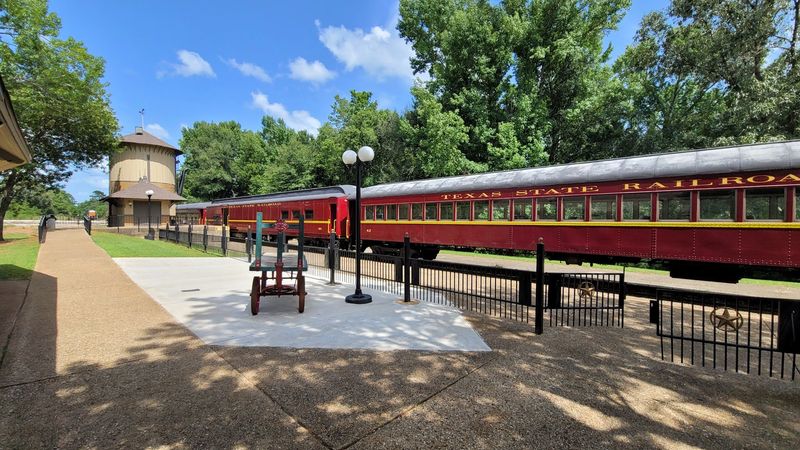
Steam whistles announce departures from Palestine’s beautifully restored depot, where the Texas State Railroad begins its scenic journey through East Texas pine forests. The vintage trains, pulled by working steam locomotives, transport passengers back to an era when rail travel meant elegance and adventure. Riding these rails ranks among Texas’s most memorable experiences, especially during themed excursions celebrating seasons and holidays.
Downtown Palestine showcases architectural treasures from the late 1800s and early 1900s, when the town thrived as a railroad hub. Brick buildings with ornate details house antique stores, restaurants, and specialty shops that invite browsing. The historic district feels authentic rather than artificially preserved, with working businesses occupying structures that have served the community for generations.
Dogwood trails wind through neighborhoods and parks each spring, when thousands of trees burst into white and pink blooms. The annual Dogwood Festival celebrates this natural spectacle with tours, arts and crafts, and community gatherings. Locals take genuine pride in their flowering trees, carefully tending them and sharing their beauty with visitors.
Old Town Palestine recreates a frontier village with authentic buildings relocated from across the region. Blacksmiths demonstrate their craft, and interpreters in period dress explain daily life in early Texas. The living history approach engages visitors of all ages, making the past tangible and relevant.
Special events bring additional activities, from cowboy shootouts to traditional music performances.
Lake Palestine provides water recreation just minutes from downtown, offering fishing, boating, and peaceful shoreline picnics. The lake attracts anglers pursuing bass and crappie, while pleasure boaters enjoy cruising the 25,000-acre reservoir. Sunset views across the water rival anywhere in Texas, painting the sky in colors that photographers struggle to capture accurately.
The town maintains strong connections to its railroad heritage while embracing modern amenities and businesses. You can explore history all morning, then enjoy contemporary dining and shopping in the afternoon. This balance between preservation and progress creates a welcoming atmosphere for both residents and visitors.
Palestine proves that small East Texas towns offer rich experiences for those willing to venture beyond major highways. The combination of natural beauty, working history, and genuine hospitality makes this community special in ways that statistics and population numbers can’t measure.
6. Granbury
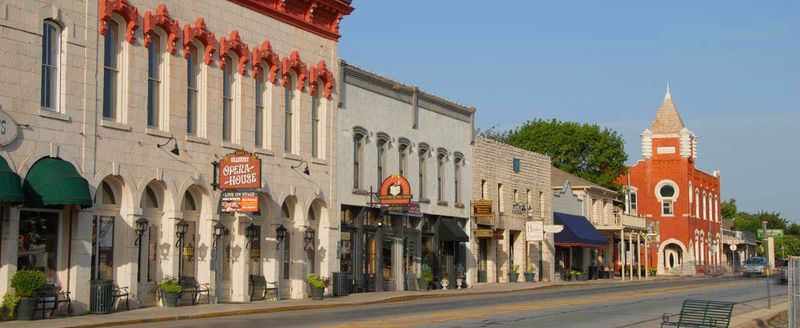
A Victorian courthouse anchors Granbury’s town square, surrounded by shops and restaurants housed in 19th-century buildings. The entire plaza radiates old-fashioned charm, with covered walkways, period lampposts, and architectural details that transport visitors to simpler times. Weekend crowds fill the square, browsing boutiques, sampling fudge, and soaking up the atmosphere that makes Granbury feel like a favorite movie set come to life.
Lake Granbury wraps around three sides of town, creating a waterfront lifestyle unusual for communities this far from the coast. Boats dot the lake on sunny weekends, while waterfront restaurants serve diners who watch the action from shaded patios. The Brazos River feeds this reservoir, and its presence influences everything from recreation to real estate values.
Theater thrives here, with the historic Granbury Opera House presenting professional productions year-round. The venue itself deserves applause, beautifully restored to its 1886 glory with modern technical capabilities hidden behind period details. Performances range from musicals to dramas, all delivered with quality that rivals big-city productions.
The intimate setting creates connections between performers and audiences that larger venues can’t match.
Ghost tour guides lead nighttime walks through downtown, sharing tales of lingering spirits and unexplained phenomena. Whether you believe in the supernatural or enjoy a good story, these tours entertain while teaching local history. The town embraces its haunted reputation, with several buildings claiming resident ghosts who apparently appreciate the preservation efforts.
Wineries and vineyards have discovered Granbury’s potential, establishing tasting rooms that capitalize on the scenic setting and tourist traffic. Local wines pair perfectly with lake views and lazy afternoons. The wine scene adds sophistication to the town’s offerings without diminishing its down-home appeal.
Festivals celebrate everything from wine to Christmas, drawing crowds that appreciate well-organized events in beautiful settings. The town knows how to throw a party, with live music, food vendors, and activities that engage all ages. These gatherings strengthen community bonds while showcasing Granbury to first-time visitors who often return as regulars.
Granbury balances preservation with progress, maintaining historic character while offering modern conveniences and entertainment. The result is a town that feels timeless yet contemporary, welcoming yet distinct, busy yet relaxed. It’s Texas small-town living at its absolute finest.
7. West
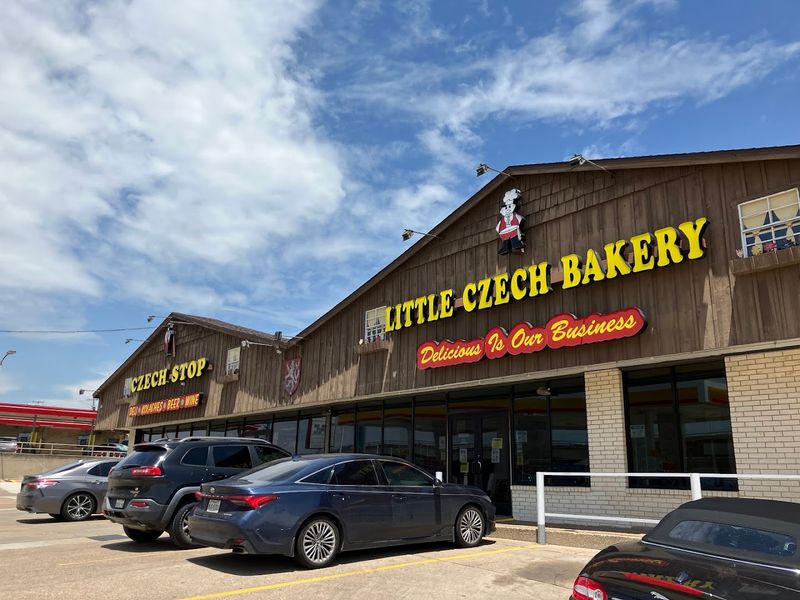
Kolaches define West, Texas, and the aroma of fresh-baked pastries greets visitors before they even leave their cars. Czech immigrants established this farming community in the 1880s, bringing recipes and traditions that continue today. Multiple bakeries compete for the title of best kolache, and locals debate the merits of different fillings with the seriousness usually reserved for barbecue discussions.
Interstate 35 runs right past West, making it a convenient stop between Dallas and Austin. Smart travelers plan their trips around breakfast or lunch here, knowing that gas station kolaches pale in comparison to the real thing. The lines at popular bakeries move quickly despite their length, with efficient staff boxing dozens of pastries for customers who order by the dozen rather than individually.
The 2013 fertilizer plant explosion devastated West, destroying homes and claiming lives in a tragedy that shook the entire state. The community’s resilient response inspired Texas and beyond, as neighbors helped neighbors rebuild while maintaining the spirit that makes small towns special. Today, West stands strong, its recovery a testament to determination and mutual support.
Westfest celebrates Czech heritage each Labor Day weekend, transforming the town into a festival of music, dance, and food. Polka bands play traditional tunes while dancers in embroidered costumes perform intricate steps. The event attracts thousands of visitors who come for authentic culture rather than commercialized entertainment.
Eating your weight in kolaches, sausage, and sauerkraut becomes not just acceptable but expected.
Farming remains central to West’s economy and identity, with fields of corn, cotton, and grain surrounding the town. The agricultural lifestyle influences everything from school schedules to community values. Residents understand hard work, weather’s whims, and the satisfaction of harvest after months of careful tending.
Churches anchor neighborhoods, their steeples visible across flat farmland. These congregations preserve Czech language services and traditions, keeping cultural connections alive for new generations. The strong faith community contributes to West’s social fabric, organizing events and supporting members through good times and bad.
West proves that small towns offer treasures worth seeking, even when they sit just off major highways. The kolaches alone justify the exit, but the warm welcome and authentic culture make the stop memorable. This community shows that heritage and hospitality create something special that can’t be manufactured or rushed.
8. Llano
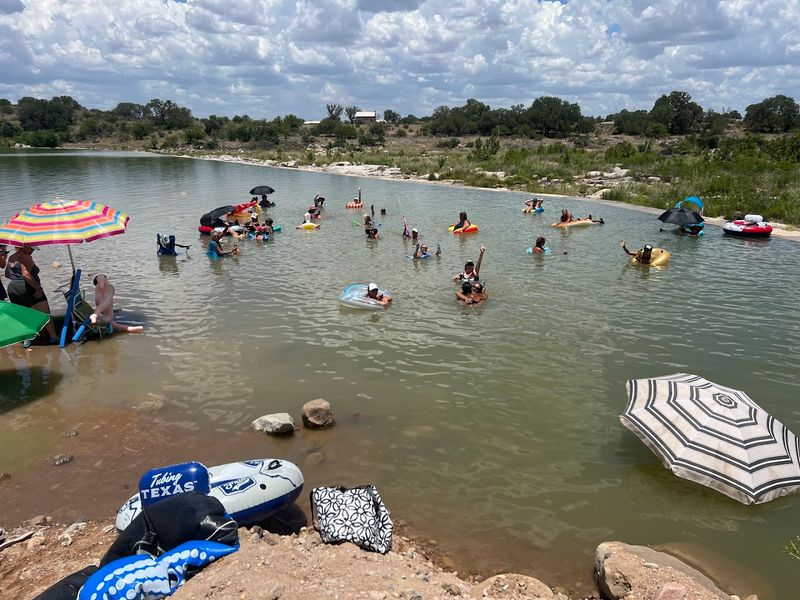
Crystal-clear water flows through Llano, the river sharing its name with the town and defining life here. The Llano River attracts swimmers, tubers, and fishers who appreciate its accessibility and beauty. Unlike some Texas rivers that run brown with sediment, the Llano maintains remarkable clarity, allowing you to watch fish dart between rocks from the shore.
Deer capital of Texas isn’t just a marketing slogan here; it’s a legitimate claim backed by impressive populations of white-tailed deer. Hunters flock to the surrounding ranches during season, pursuing trophy bucks through Hill Country terrain. Even non-hunters spot deer regularly, as the animals wander through town with the confidence of locals who know they own the place.
The courthouse square follows classic Texas small-town design, with the county building at the center and businesses radiating outward. Local shops sell everything from feed to antiques, serving residents and visitors with equal friendliness. The square hosts community events and provides a gathering place where everyone eventually crosses paths.
Llano’s location in the heart of the Hill Country makes it an ideal base for exploring the region. Enchanted Rock State Natural Area sits close enough for day trips, offering hiking and rock climbing on the massive pink granite dome. Wineries, barbecue joints, and scenic drives all lie within easy reach, yet Llano itself provides enough attractions to fill a weekend.
Rockhounding opportunities abound, with the area known for Llanite, a unique granite containing blue quartz crystals. Collectors search creek beds and road cuts for specimens, finding treasures that range from small stones to display-worthy pieces. The town embraces its geological significance, with shops selling polished stones and information about local formations.
Barbecue traditions run deep here, with local joints smoking brisket over post oak and serving it on butcher paper with all the classic sides. The competition for best barbecue remains friendly but serious, with each pitmaster defending their techniques and recipes. Visitors benefit from this rivalry, enjoying exceptional barbecue at prices that seem stuck in earlier decades.
Llano offers Hill Country charm without pretension, natural beauty without crowds, and authentic Texas experiences without tourist traps. The river, the deer, the rocks, and the people combine to create a place that feels like a secret worth sharing, even though everyone’s invited to discover it.