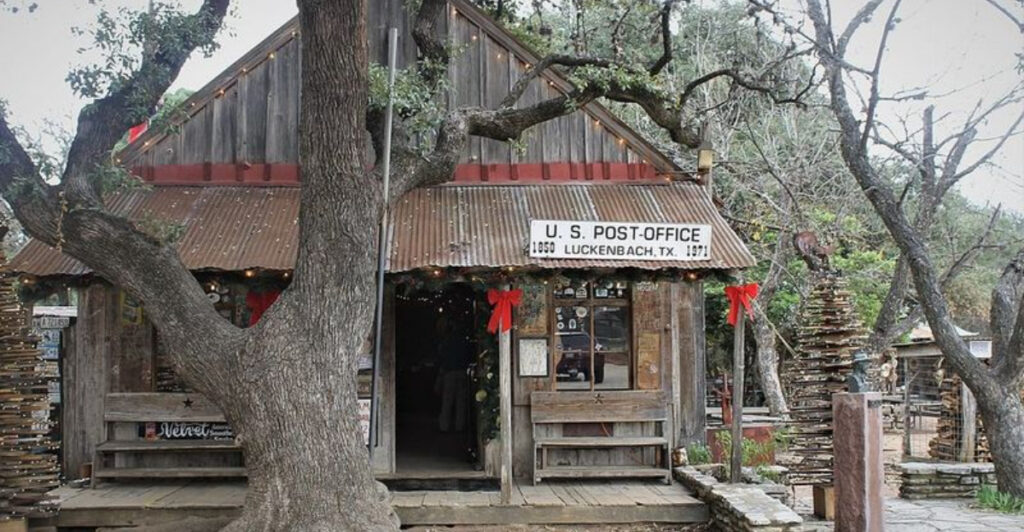
Nestled in the heart of Texas Hill Country, Luckenbach is a tiny town where the clock seems to have stopped ticking decades ago. With its rustic charm, live music, and laid-back spirit, it feels like stepping back into the 1950s. With a population that barely cracks double digits and a main street you can walk in about thirty seconds, this unincorporated community thirteen miles from Fredericksburg has become legendary for keeping things refreshingly simple.
Whether you’re craving live country music under the oak trees, ice-cold beer in a rustic dance hall, or just an escape from the modern world’s constant buzz, Luckenbach offers a slice of old-school Texas that feels like stepping into your grandparents’ favorite memory.
1. The Famous Dance Hall That Started It All
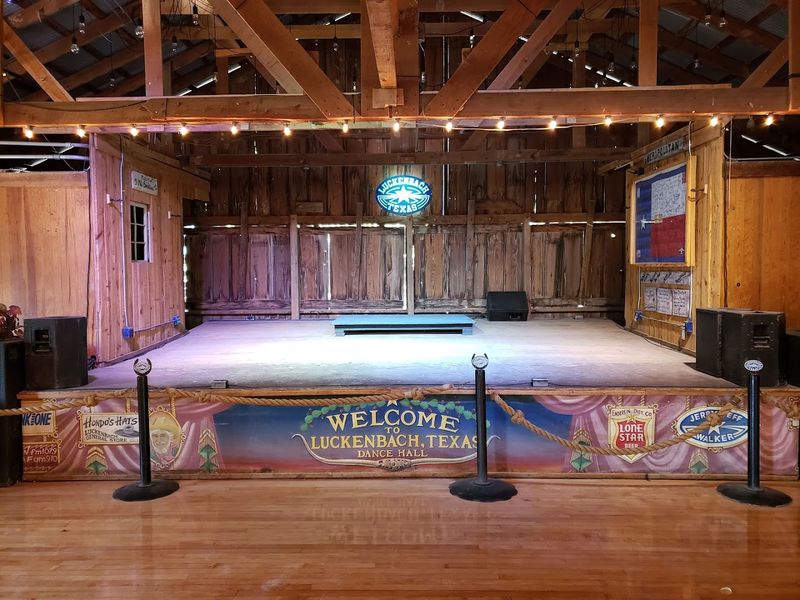
Back in 1849, a German immigrant named Jacob Luckenbach settled this patch of Hill Country and opened a trading post. His son Carl eventually gave the town its name, but it wasn’t until Hondo Crouch bought the place in 1970 that Luckenbach became the cultural landmark it is today. Hondo transformed the old dance hall into a music venue that attracted Willie Nelson, Waylon Jennings, and just about every other country music legend you can name.
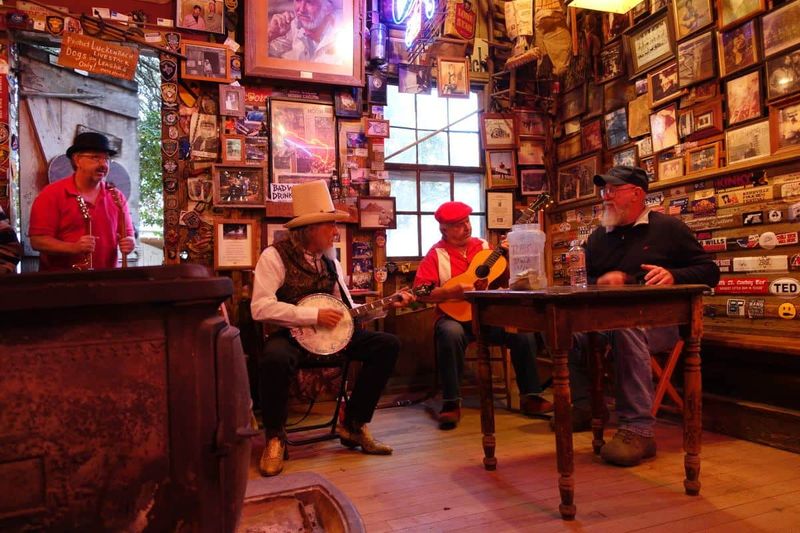
The dance hall itself looks like it might blow over in a strong wind, with its weathered wood siding and corrugated metal roof. But that’s exactly the charm. Inside, you’ll find walls covered in signed dollar bills, old license plates, and concert posters dating back decades.
The stage has hosted everyone from local pickers to Grammy winners, and nobody cares much about the difference.
What makes this place special isn’t fancy lighting or sound systems. It’s the feeling that music matters more than production value. On any given weekend, you might catch an impromptu jam session on the front porch or a full-blown concert under the stars.
The acoustics are whatever nature provides, and the dance floor is packed dirt that’s been smoothed by thousands of boot scuffles.
Shows happen year-round, rain or shine, and the schedule keeps a deliberately loose vibe. Sometimes performances start on time, sometimes they don’t, and nobody seems too bothered either way.
2. Everybody’s Somebody In This Town
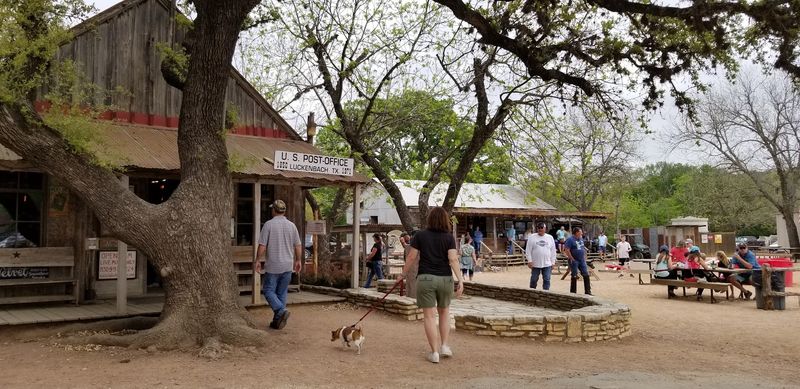
Willie Nelson and Waylon Jennings made this phrase famous in their 1977 hit song, and it perfectly captures Luckenbach’s egalitarian spirit. The town’s official population hovers around three, depending on who’s counting, but on weekends hundreds of visitors show up to soak in the atmosphere. Rich or poor, famous or unknown, everyone gets the same treatment at the general store bar.
The old post office still operates inside the general store, making it one of the smallest functioning post offices in Texas. People mail letters from here just to get the Luckenbach postmark, turning ordinary correspondence into collectible souvenirs. The postmaster knows most regulars by name and remembers their usual drink orders too.
This radical hospitality isn’t some marketing gimmick. It’s baked into how the place operates. There’s no velvet rope, no VIP section, no reservation system that favors anybody.
You grab a beer, find a spot under an oak tree, and strike up conversations with whoever’s nearby. Doctors sit next to ranch hands, lawyers chat with truck drivers, and everyone shares the same picnic tables.
The general store sells basic provisions, cold drinks, and Luckenbach merchandise, but the real product is community. Strangers become friends over shared choruses of country classics. First-timers get treated like old-timers.
The whole setup feels like a permanent family reunion where you’re automatically invited.
3. Live Music Happens Basically All The Time
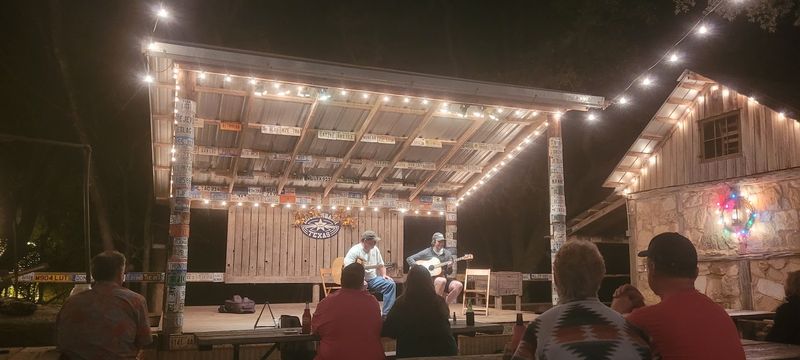
Forget checking concert schedules or buying tickets months in advance. Luckenbach operates on a simpler principle: if you show up, there’s probably music happening somewhere. The town hosts official concerts most weekends, but the unofficial picker circles that form spontaneously might be even better.
Musicians bring their guitars, fiddles, and harmonicas, then just start playing whenever the mood strikes.
The main stage sits outdoors under a massive live oak that provides natural shade and surprisingly decent acoustics. Folding chairs and picnic tables scatter across the grounds, but most folks bring their own lawn chairs or blankets. Some people dance, others just tap their boots, and a few always end up napping in the shade while the music washes over them.
What you won’t find here is overproduced pop country or stadium rock. This is honky-tonk, Western swing, outlaw country, and Texas blues played the way it was meant to be heard—raw, authentic, and a little rough around the edges. Performers feed off the crowd’s energy, and the crowd responds with genuine enthusiasm instead of polite applause.
Even if there’s no scheduled show, somebody’s usually strumming something on the porch. The unspoken rule is simple: if you can play, bring your instrument. If you can’t play, bring your appreciation.
Either way, you’re contributing to the soundtrack of a town where music isn’t background noise—it’s the whole point.
4. The Bar Where Cold Beer Is The Main Attraction
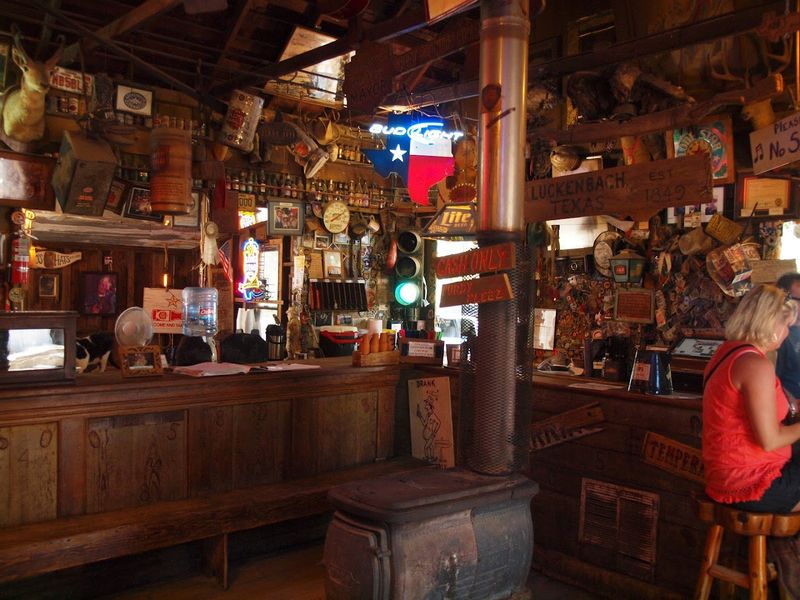
Step inside the general store and you’ll find a bar that looks like it was assembled from spare parts salvaged from a dozen old Texas honky-tonks. The counter is scarred wood polished smooth by decades of elbows. Behind it, a basic selection of beer fills a couple of coolers—nothing fancy, nothing on tap, just ice-cold bottles and cans that taste perfect after standing in the Texas heat.
The decor defies description. Every square inch of wall space displays something: old photographs, rusty tools, concert posters, business cards, stickers, and those famous dollar bills signed by visitors from all fifty states and dozens of countries. Reading the walls could take hours if you had the patience.
Each item tells a story, though nobody remembers most of them anymore.
Don’t expect craft cocktails or an extensive wine list. The bartenders pour beer, maybe a shot of whiskey if you ask nicely, and that’s about it. The limited menu isn’t laziness—it’s intentional simplicity.
When you’re not worried about mixology, you can focus on conversation. The bar encourages lingering, storytelling, and making friends with whoever’s sitting next to you.
Prices stay reasonable, tips are appreciated but not demanded, and the whole operation runs on trust. Sometimes the bartender steps away to help with something else, and customers are expected to keep track of what they owe. It’s the kind of system that only works in a place where reputation matters more than profit margins.
5. German-Texan Heritage Lives On In Unexpected Ways
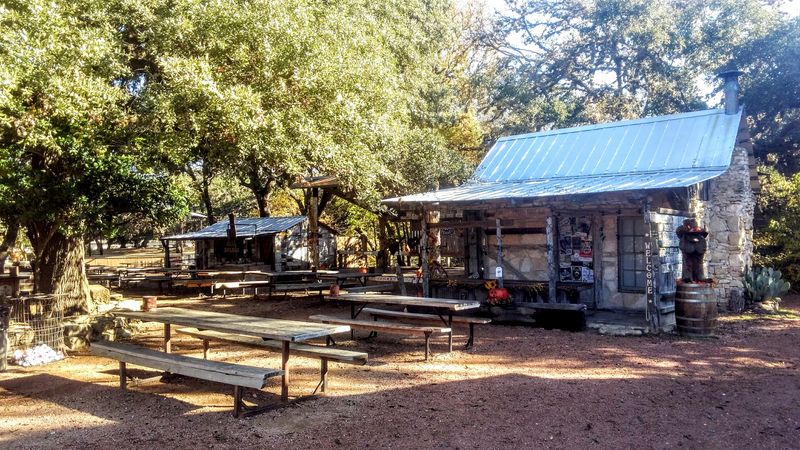
Jacob Luckenbach arrived from Germany in the mid-1800s, part of a massive wave of German immigration that permanently shaped Texas Hill Country culture. While Luckenbach doesn’t throw elaborate Oktoberfests or maintain museum-quality historical buildings, the German influence shows up in subtler ways. The town’s original layout followed German settlement patterns, with the general store serving as the community hub just like it would have in Bavaria.
Many of Luckenbach’s earliest buildings used limestone construction techniques brought from Germany, though most of those original structures have been replaced or heavily modified. What remains is a certain practical sensibility—buildings designed for function over flash, built to last through brutal summers and occasional harsh winters. The architecture isn’t trying to impress anyone, which is very German-Texan.
The musical tradition also carries German DNA. Before country music dominated, this area was known for polka and waltz dancing. You can still hear those influences in the Western swing that gets played around town, especially in the bouncing rhythms and accordion flourishes that occasionally sneak into sets.
The beer-drinking culture definitely has German roots too, though it’s been fully Texanized over the generations.
Nearby Fredericksburg maintains more obvious German heritage with its festivals and museums, but Luckenbach represents something different—the casual, everyday continuation of immigrant culture that doesn’t need costumes or ceremonies. It’s heritage that’s been so thoroughly absorbed it just feels like normal Texas life.
6. No Stoplights, No Stress, No Problem
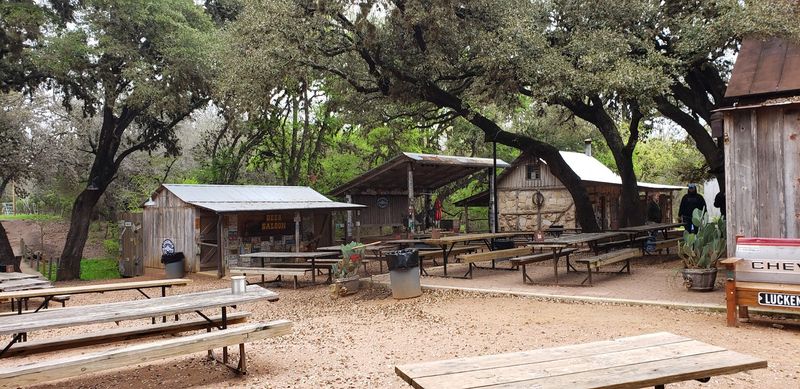
Luckenbach doesn’t have traffic lights because it doesn’t have traffic. The entire town consists of a few buildings clustered along a short stretch of Luckenbach Road, and you can see everything from a single vantage point. There’s no downtown district to navigate, no confusing intersections, no parking meters or enforcement officers.
You pull up, park wherever there’s space, and you’ve arrived.
This radical simplicity extends to pretty much everything. There’s no local government to speak of, no city council meetings, no zoning disputes or development controversies. The town is privately owned and operated, which means decisions get made by a handful of people who actually live and work there.
When something needs fixing, they fix it. When something works fine, they leave it alone.
The lack of infrastructure that defines modern towns feels liberating rather than limiting. No chain restaurants means you’re not tempted by familiar mediocrity. No big box stores means you can’t impulse-buy stuff you don’t need.
No hotels means you have to plan your visit as a day trip or find lodging in nearby Fredericksburg, which automatically prevents the place from getting overrun.
What Luckenbach proves is that a town doesn’t need much to be successful. Good music, cold beer, friendly people, and shade trees cover about ninety percent of what makes life enjoyable. Everything else is just complications that get in the way of having a good time.
7. Special Events That Feel Like Big Family Gatherings
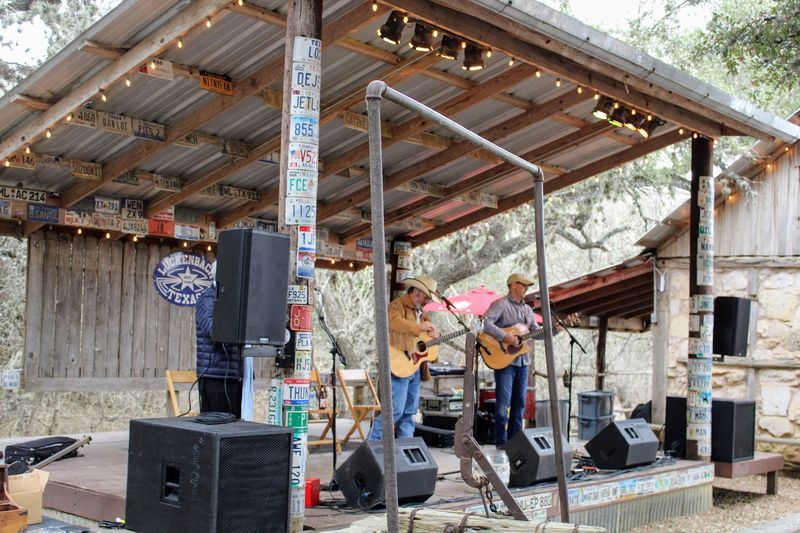
Several times a year, Luckenbach hosts events that draw crowds from across Texas and beyond. The Hug-In happens every Valentine’s Day weekend, celebrating love with live music and a decidedly hippie vibe that Hondo Crouch would have appreciated. The Ladies State Championship Chili Cook-Off brings fierce competition and even fiercer flavors every fall.
Fourth of July turns into a massive all-day party with multiple bands and enough barbecue smoke to be visible from space.
These aren’t corporate-sponsored festivals with strict schedules and security checkpoints. They’re loosely organized celebrations where the main goal is having fun together. Admission prices stay reasonable, kids run around freely, and dogs are welcome as long as they behave.
The atmosphere splits the difference between concert and picnic, with music providing the soundtrack while people eat, drink, and socialize.
What makes these events special is their complete lack of pretension. Nobody’s trying to create an Instagram-perfect experience or cater to influencer culture. The stages are simple, the sound systems are adequate, and the whole production focuses on music and community rather than spectacle.
You might see a famous musician performing, or you might see talented locals who deserve to be famous—and honestly, it’s hard to tell the difference.
Even during big events, Luckenbach maintains its essential character. Things might get crowded, but they never feel corporate or commercialized. The town absorbs hundreds of visitors without losing its soul, which is a neat trick that most tourist destinations never figure out.
8. Why This Place Matters More Than Ever
In an era of constant connectivity, curated social media feeds, and cities that all look increasingly similar, Luckenbach offers something genuinely countercultural: permission to slow down and be present. There’s no pressure to document every moment for your followers. No expectation that you’ll spend money you don’t have on experiences designed by marketing committees.
Just music, nature, and human connection at its most basic and satisfying.
The town’s resistance to change isn’t stubbornness—it’s wisdom. While other places chase trends and renovate themselves into generic tourist traps, Luckenbach recognized that authenticity is its greatest asset. The weathered buildings, the dirt parking lot, the complete absence of modern amenities—these aren’t bugs, they’re features.
They force visitors to engage with the place on its own terms rather than demanding it conform to their expectations.
What’s remarkable is how many people respond positively to this stripped-down experience. Visitors arrive expecting a quick photo opportunity and end up staying for hours, talking to strangers and singing along to songs they haven’t heard in decades. Something about the place bypasses modern cynicism and reconnects people with simpler pleasures they’d forgotten they enjoyed.
Luckenbach proves that the 1950s didn’t have everything right, but they got some important things right—like the value of community gathering spaces, live music, and face-to-face conversation. This tiny town keeps those values alive not as museum pieces but as living practices that still work today.