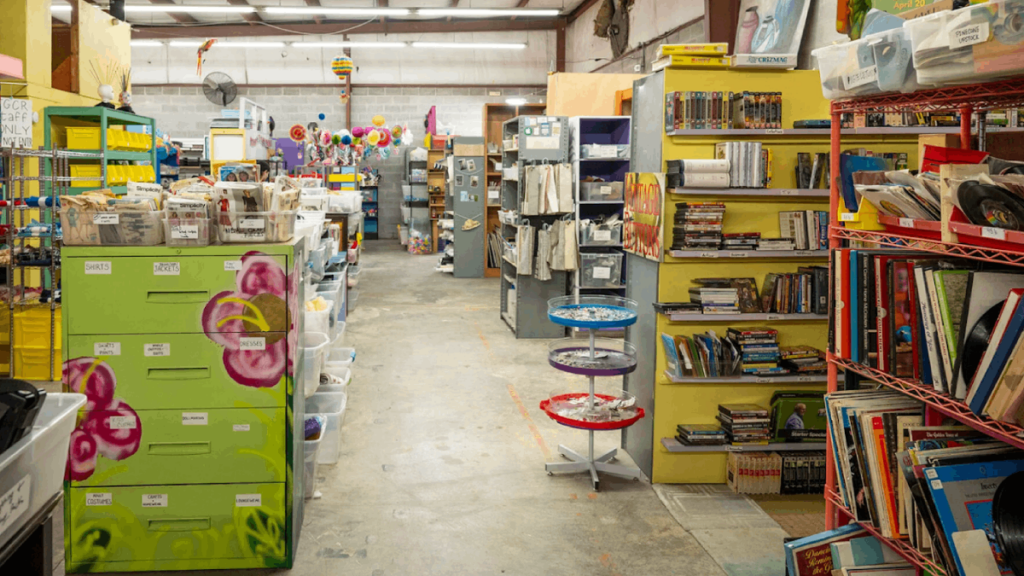
Tucked away in Nashville sits a store that feels more like an adventure than a shopping trip. Turnip Green Creative Reuse operates on a simple but revolutionary idea: art supplies should be accessible to everyone, regardless of budget.
With its pay-what-you-can model and shelves packed with rescued materials, this place has become a beloved destination for artists, teachers, crafters, and anyone who loves finding unexpected treasures.
A Nashville Art Store Where Every Visit Feels Like a Treasure Hunt
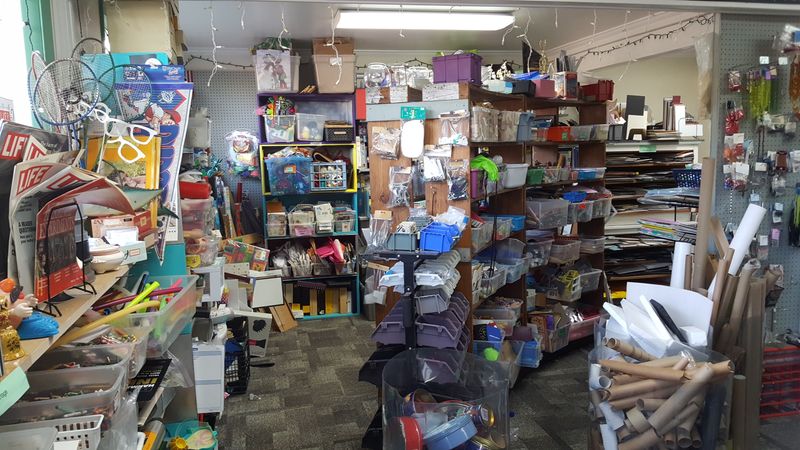
Walking into Turnip Green Creative Reuse feels like stepping into the best kind of chaos. Shelves are stacked with fabric scraps, vintage frames, buttons by the handful, and materials you never knew existed. Every corner holds something unexpected, and that’s exactly the point.
Located at 1014 3rd Avenue South, this Nashville gem has earned a 4.9-star rating from nearly 500 reviewers who can’t stop raving about it. People describe their visits as treasure hunts because you genuinely never know what you’ll find. One day it might be leather scraps from Southwest Airlines seats, the next it could be quilting fabric or greeting cards that someone donated after cleaning out their craft room.
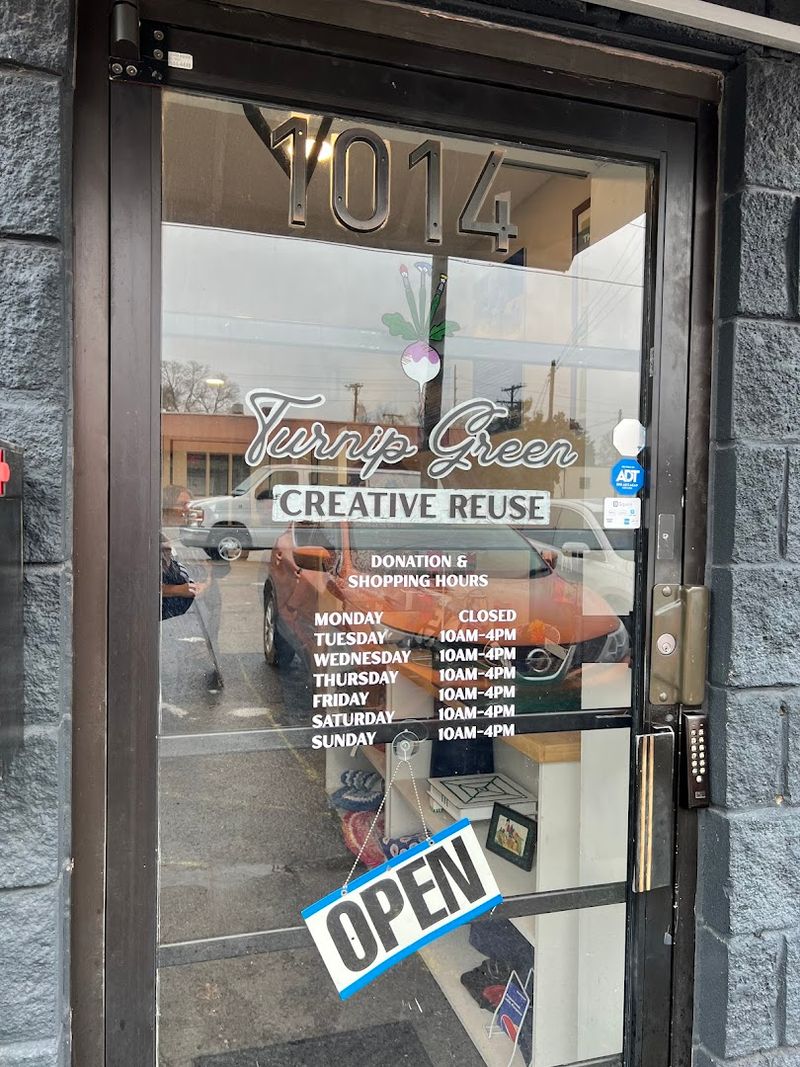
The store operates Tuesday through Sunday from 10 AM to 4:30 PM. Mondays they’re closed, so plan accordingly. The space itself invites exploration, with clearly labeled sections that somehow still manage to surprise you.
Regular visitors talk about saving up donations just so they have an excuse to visit when they’re back in town. Others admit they come in looking for one thing and leave with a suitcase full of supplies they didn’t know they needed. That’s the magic of a place like this.
Unlike traditional retail stores where everything is pristine and predictable, Turnip Green celebrates the imperfect and the eclectic. Materials arrive through donations, which means the inventory constantly changes. What you see today might be gone tomorrow, replaced by something equally interesting.
This rotating selection keeps people coming back because there’s always something new to discover.
What Makes Turnip Green Creative Reuse So Different?
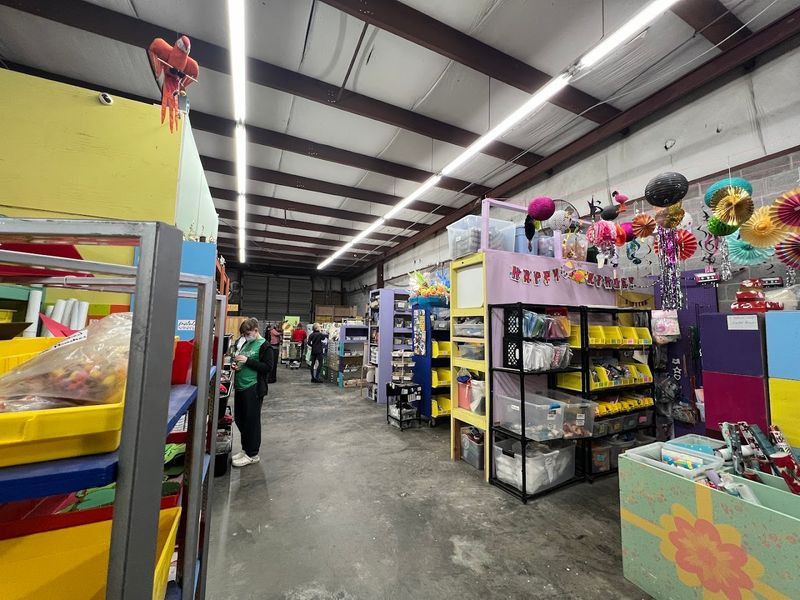
Most stores sell you things. Turnip Green Creative Reuse rescues things and gives them a second chance. The difference matters more than you might think.
This isn’t a typical thrift store where you browse racks of used clothing. Instead, it’s an arts organization dedicated to keeping usable materials out of landfills while making creativity affordable for everyone. People donate their surplus art supplies, office materials, fabric, and craft items, which then get organized and offered to the community at whatever price people can afford.
The concept resonates deeply with Nashville’s creative community. Teachers stock up on supplies for their classrooms without blowing their budgets. Artists find materials they couldn’t otherwise justify buying.
Parents grab items for school projects without spending a fortune at big-box stores.
Reviews consistently mention how organized everything is despite the eclectic inventory. There’s signage everywhere, and materials get sorted into specific categories. You’ll find sections for fabric, leather, wood, tools, paper goods, and even a seed trading cabinet for gardeners.
The back of the store features those famous Southwest Airlines leather scraps that people go nuts for.
What really sets Turnip Green apart is its mission-driven approach. This isn’t about profit margins or moving inventory quickly. It’s about building community, supporting creativity, and proving that access to art supplies shouldn’t depend on your income level.
The staff understands this mission, and most visitors describe them as friendly and helpful.
The Pay-What-You-Can Model That Makes Creativity More Accessible
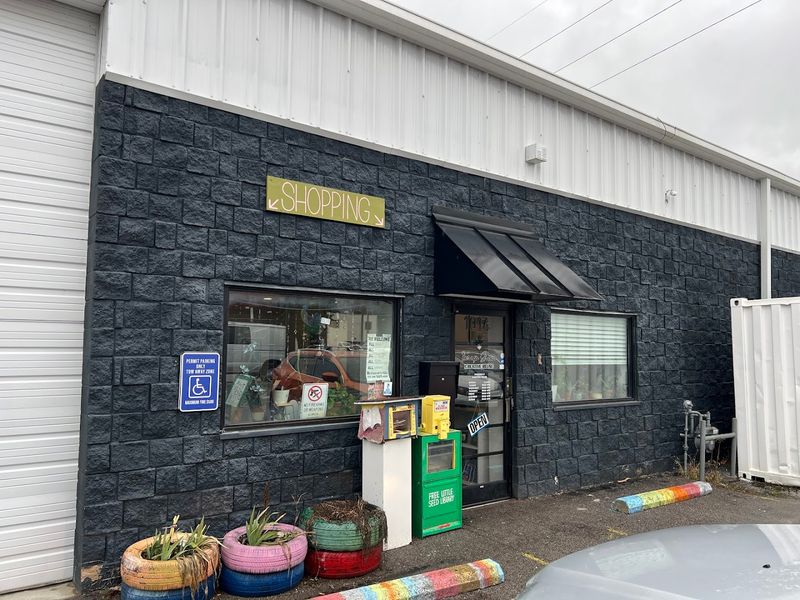
Forget fixed prices and checkout scanners. At Turnip Green Creative Reuse, you decide what you can afford to pay. It’s that simple, and that revolutionary.
The pay-what-you-can model removes the biggest barrier many people face when pursuing creative projects: cost. Art supplies add up quickly at regular retail prices. A single canvas, quality paints, specialty paper, or good fabric can blow through your budget before you’ve even started your project.
Here, you fill your basket with whatever inspires you, then pay what feels right based on your financial situation. Some people pay suggested retail value because they can afford it and want to support the mission. Others pay less because that’s what their budget allows.
Both approaches are welcomed equally.
This system works because it’s built on trust and community support. People who can pay more often do, helping subsidize those who can’t. It creates a beautiful cycle where everyone contributes what they’re able, and everyone benefits from access to materials they need.
The approach also removes the guilt or shame that sometimes comes with shopping at discount stores. There’s no judgment here, no questioning of your choices. You take what you need, pay what you can, and everyone moves forward.
For teachers especially, this model is a game-changer. They can stock their classrooms with supplies without dipping into their own pockets or filling out endless reimbursement forms. The same goes for nonprofit organizations, homeschooling parents, and community programs operating on tight budgets.
What You Might Find Inside: Fabric, Frames, Oddities, and Endless Possibilities
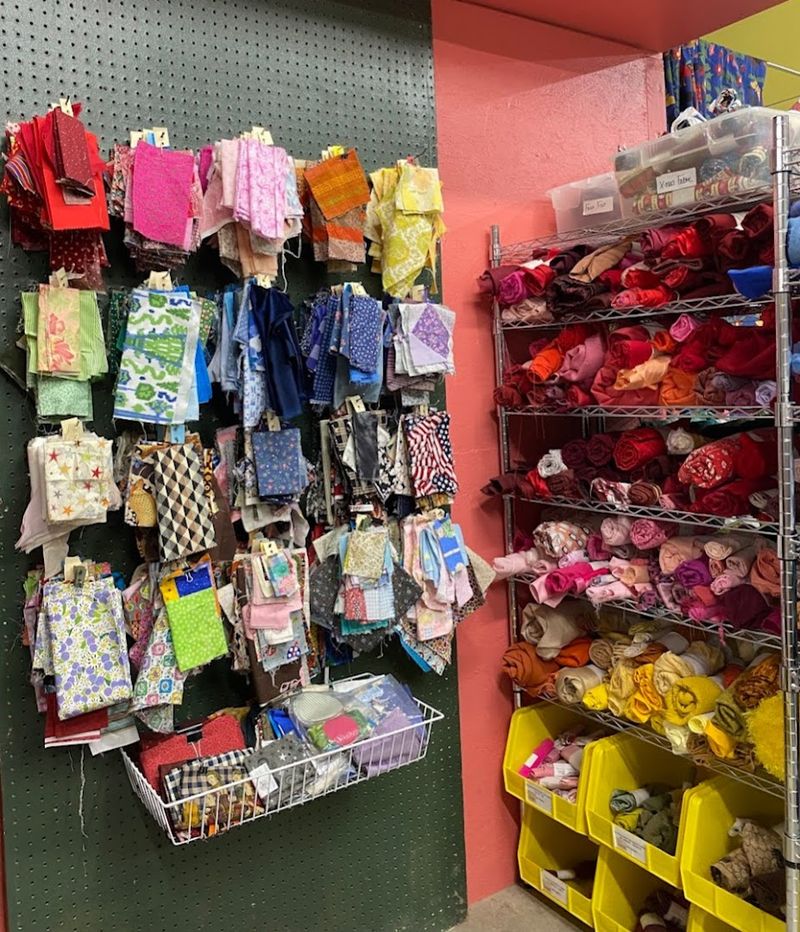
One person’s trash really is another person’s treasure, and Turnip Green proves it daily. The inventory reads like a creative person’s fever dream.
Fabric dominates several sections, from quilting cottons to upholstery-weight materials. You’ll find unfinished quilt pieces that someone donated, yards of fabric in every color imaginable, and scraps perfect for smaller projects. Sewists and quilters consistently rave about the fabric selection.
Then there’s the leather. Thanks to a partnership with Southwest Airlines, the store receives those signature blue seat leather scraps that have become something of a cult favorite. People specifically mention hunting for these pieces, which are perfect for small leather goods, bookbinding, or mixed media art.
The paper goods section offers greeting cards with envelopes, scrapbooking supplies, wrapping paper, stickers, and specialty papers. Teachers love this area for classroom projects.
Frames, both large and small, populate the shelves. Office supplies like post-its and notebooks appear regularly. Yarn shows up so frequently that one reviewer joked about always leaving with tons of it. Crayons, markers, and other art supplies get donated constantly.
The oddities are where things get really interesting. Gardening and houseplant supplies appear alongside the seed trading cabinet. Tools, wood pieces, and marble show up in the materials section.
Local artists also sell work through the vendor reuse area. You might find tiny prints, zines of poetry, or small handmade items. One visitor bought a tiny composition notebook and a small art print during their visit.
The inventory changes constantly based on donations, which means every visit offers something different.
More Than a Thrift Store: How Turnip Green Keeps Materials Out of Landfills
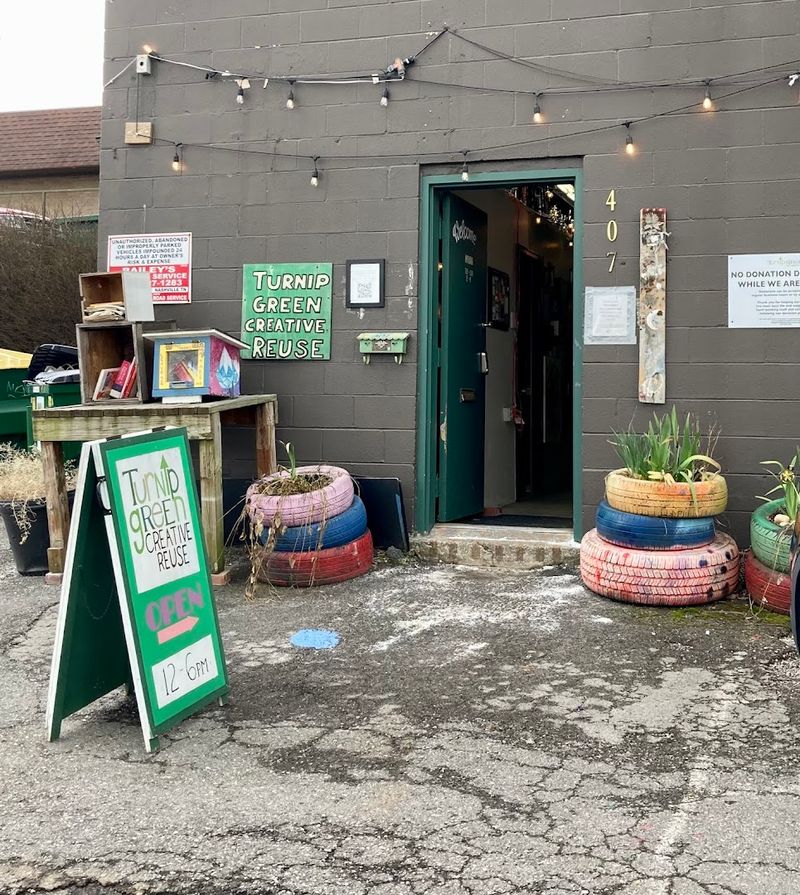
Americans throw away millions of tons of usable materials every year. Turnip Green Creative Reuse intercepts some of that waste and gives it purpose instead.
The environmental mission here is as important as the accessibility mission. Every item on these shelves represents something that didn’t end up in a landfill. That fabric scrap, that half-used sketchbook, those buttons from someone’s grandmother’s sewing kit—all of it was destined for the trash until someone chose to donate it instead.
Reviewers frequently mention this aspect of the store’s mission. They love knowing their purchases were saved from landfills. They appreciate having a place to donate their own surplus supplies rather than throwing them away or adding to the overflow at traditional thrift stores.
The store does have guidelines about what they can accept, which makes sense. They need to maintain quality and ensure items are usable.
The environmental impact extends beyond just waste diversion. By making materials affordable and accessible, Turnip Green encourages people to create rather than consume. Someone might use donated fabric to make something instead of buying new clothing. A teacher might use donated supplies for a class project instead of purchasing new materials.
This circular approach to creativity benefits everyone while reducing environmental impact.
Why Artists, Teachers, Crafters, and DIY Lovers Keep Coming Back
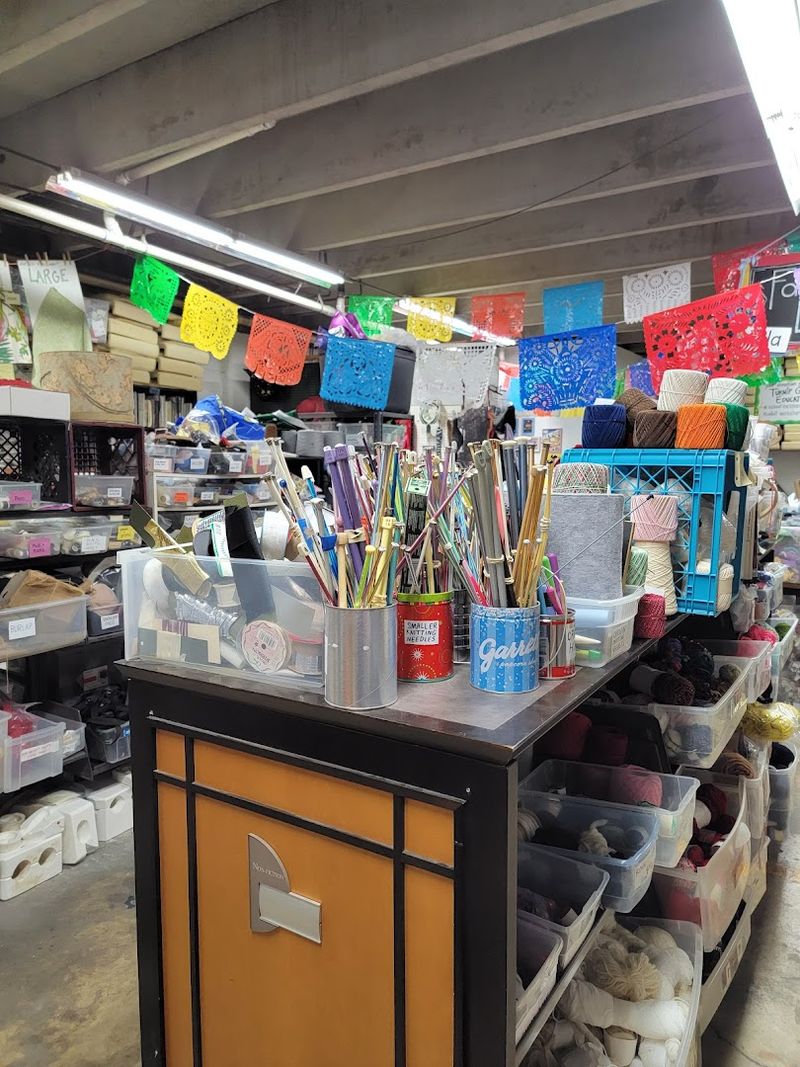
Ask regulars why they keep returning to Turnip Green, and you’ll hear the same themes repeated: inspiration, affordability, and community.
Artists find materials they’d never buy at full retail price, which frees them to experiment. When supplies are affordable, you can take creative risks without worrying about wasting expensive materials. That Southwest leather might become a journal cover.
Those fabric scraps might turn into a collage. The possibilities multiply when cost isn’t the limiting factor.
Teachers describe Turnip Green as essential to their work. Classroom teachers stock up on supplies for art projects, STEM activities, and general classroom needs without depleting their own wallets.
Crafters and DIY enthusiasts love the treasure hunt aspect. You never know what you’ll find, which means every visit sparks new project ideas. Someone might come in looking for fabric and leave with vintage buttons, specialty paper, and materials for three projects they hadn’t even considered before walking in.
The community aspect matters too. Regulars talk about the friendly staff and the welcoming atmosphere. One person described it as their kind of place, somewhere they felt good about both what they found and what they paid.
Another called it a perfect community space for exchanging and acquiring DIY materials.
People also appreciate being part of something larger than just shopping. When you visit Turnip Green, you’re supporting a mission, participating in waste reduction, and helping ensure that others have access to creative materials. That feels good in ways that regular retail shopping never does.
The store has built genuine loyalty, with people driving from Murfreesboro, saving suitcase space when visiting from out of town, and becoming self-described regulars who can’t imagine their creative practice without it.
How to Visit Turnip Green Creative Reuse in Nashville
Ready to experience this creative wonderland for yourself? Here’s everything you need to know before you go.
Turnip Green Creative Reuse is located at 1014 3rd Avenue South in Nashville. The address puts you in South Nashville, an area known for its creative community and local businesses. Parking is available, and the location is accessible for most visitors.
Plan your visit accordingly, especially if you’re coming from out of town.
You can reach them by phone if you have questions about donations or want to confirm hours before making the trip. Their website at turnipgreencreativereuse.org provides additional information about their mission, donation guidelines, and special events or classes they might be offering.
When you arrive, take your time browsing. The store invites exploration, so don’t rush through. Bring bags or boxes if you’re planning to shop seriously, though they’ll have something available if you forget.
If you’re planning to donate items, check their website first for current needs and guidelines. They accept many things but have specific requirements to ensure quality. You’ll unload at a designated area and then knock to let staff know you’ve arrived with donations.
The pay-what-you-can system means you should bring cash or a check if possible, though they may have other payment options available. Decide what feels fair based on what you’re taking and what you can afford.
First-time visitors should allow at least an hour to really explore everything. You’ll want time to dig through fabric bins, examine the oddities, and discover all the hidden corners.