A wolf howl bouncing through the mountains. A fluorescent mine tunnel glowing like a secret nightclub for rocks.
A beach with no boardwalk, no arcade noise, and no funnel cake stand fighting for your attention. New Jersey has a funny way of hiding its wildest places in plain sight.
One minute you are on a highway behind someone with a “shore traffic survivor” sticker, and the next you are standing beside a cedar swamp, a trout stream, a glacial boulder, or a stretch of sand that looks like it forgot the modern world exists. These are not just pretty places to stretch your legs.
They are the kind of outdoor escapes that make you rethink what the Garden State can look, sound, and feel like. From rugged North Jersey hikes to quiet Pine Barrens trails, these 12 spots prove New Jersey knows how to show off without making a big speech about it.
1. Ken Lockwood Gorge
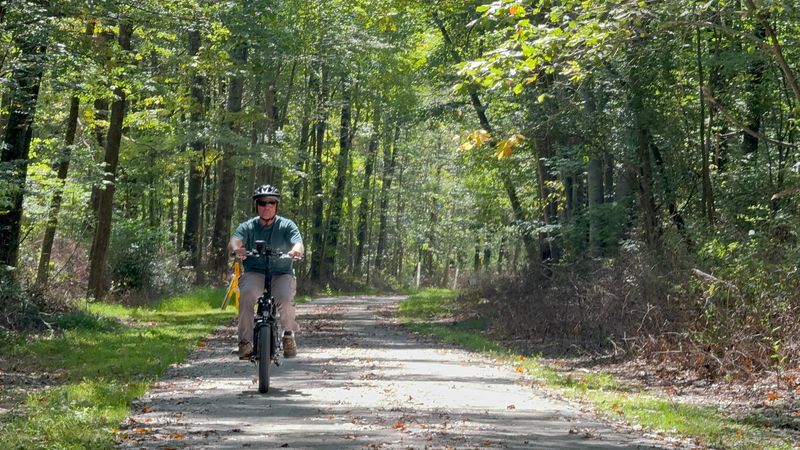
A narrow road follows the South Branch of the Raritan River here, and somehow the whole place manages to feel cinematic without trying. Ken Lockwood Gorge is the kind of escape where the water does most of the talking.
It rushes over rocks, slips under old bridges, and gives the surrounding woods that cool, shaded feeling that makes even a short walk feel like a reset. This Hunterdon County gorge is especially beloved by trout anglers, but you do not need a fishing rod to understand the appeal.
The easy move is to walk along the river, take your time near the bridge, and let the scenery do what scenery is supposed to do. In fall, the gorge turns especially photogenic, with color stacked along the steep wooded slopes.
In spring, the water feels louder and wilder. The vibe is quiet, low-key, and slightly old-fashioned in the best way. You will not find a big visitor-center experience or a perfectly curated overlook with a sign telling you where to stand. That is part of the charm.
Parking can be limited, and the road is narrow, so arrive earlier if you want the most peaceful version of the place. Wear sturdy shoes, even if you are not planning a major hike. The rocks and riverbanks have a way of tempting people to wander a little farther than planned.
2. Buttermilk Falls
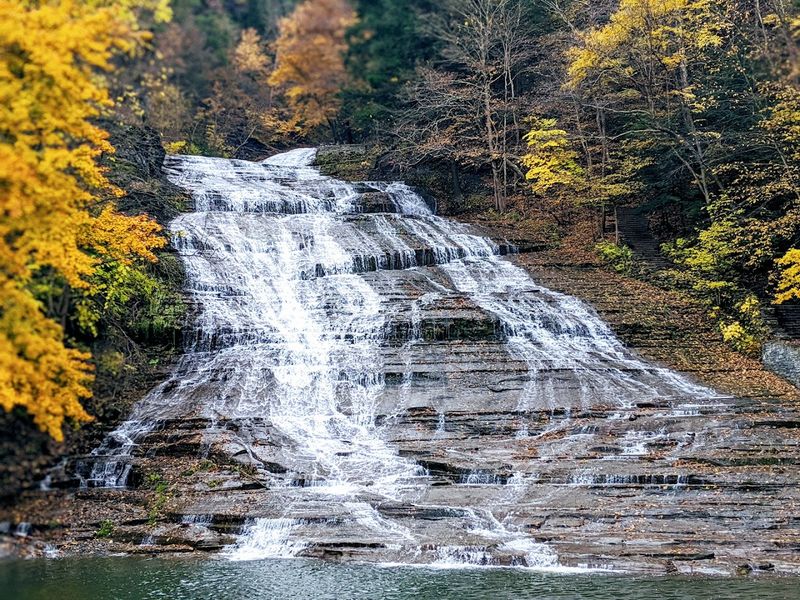
The first look is almost rude. You park, step out, and there it is: a tall, silvery waterfall dropping through the forest like New Jersey has been keeping a dramatic little secret.
Buttermilk Falls, inside the Delaware Water Gap National Recreation Area, is one of the state’s tallest waterfalls, and it wastes absolutely no time making an impression. For casual visitors, the falls themselves are the main event.
You can admire them from the base, listen to the crash of the water, and get that “how is this in New Jersey?” moment without needing an all-day trek. More ambitious hikers can climb the trail beside the falls, which gets steep quickly and connects toward longer routes.
The reward is not just the view, but the satisfying feeling that you earned your waterfall story. This is a place where footwear matters.
The trail can be slick, rooty, and more demanding than it looks from the parking area. Swimming and wading near the waterfall are not the move, both for safety and protection of the site.
Bring water, start earlier on busy warm-weather days, and do not count on a polished, heavily built-up park experience. The magic is in how immediate it all feels.
One minute you are driving quiet back roads; the next, you are standing in front of a waterfall that looks like it belongs on a postcard from somewhere much farther away.
3. Tripod Rock at Pyramid Mountain
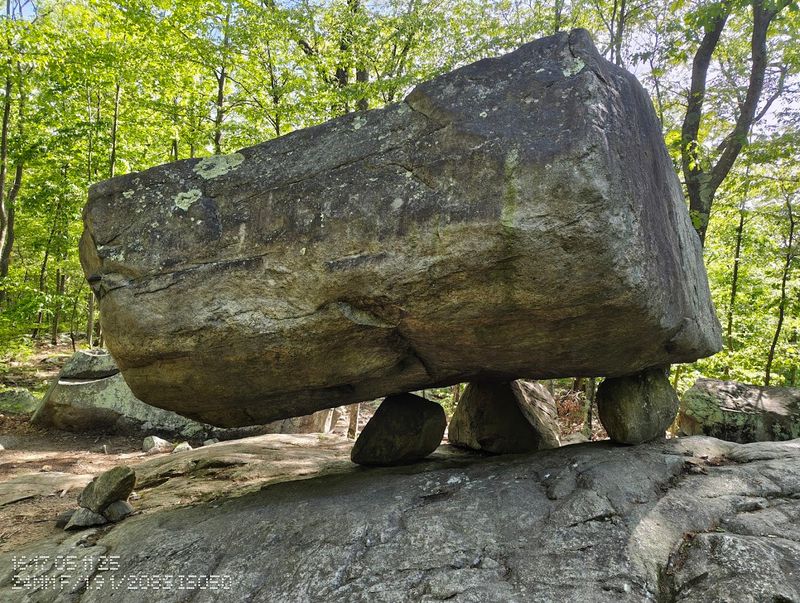
The boulder looks like it lost a bet with gravity and somehow won. At Pyramid Mountain Natural Historic Area in Morris County, Tripod Rock is the superstar: a massive glacial erratic balanced on three much smaller stones, looking both prehistoric and completely unbelievable.
It is the kind of natural feature that makes hikers stop, stare, and immediately take the same photo from five angles. Getting there is part of the fun.
Pyramid Mountain has rugged trails, wooded ridges, wetlands, and enough rocky texture to make the hike feel more adventurous than its suburban location suggests. Along the way, you can also look for other glacial oddities like Bear Rock and Whale Head Rock, which give the preserve a wonderfully strange, Ice Age personality.
This is not a manicured stroll in sneakers you are trying to keep clean. Expect roots, rocks, climbs, and the occasional “are we there yet?” moment if you bring someone who was promised an easy walk.
The visitor center is useful for maps and orientation, especially for first-timers. Go early on weekends because the parking area can fill when the weather is good.
The payoff is a hike that feels satisfyingly weird in the best possible way. Tripod Rock is not just scenic; it is conversation-starting. You leave with sore calves, muddy shoes, and at least one photo that looks like New Jersey briefly turned into a geology puzzle.
4. The Giant Stairs at Palisades Interstate Park
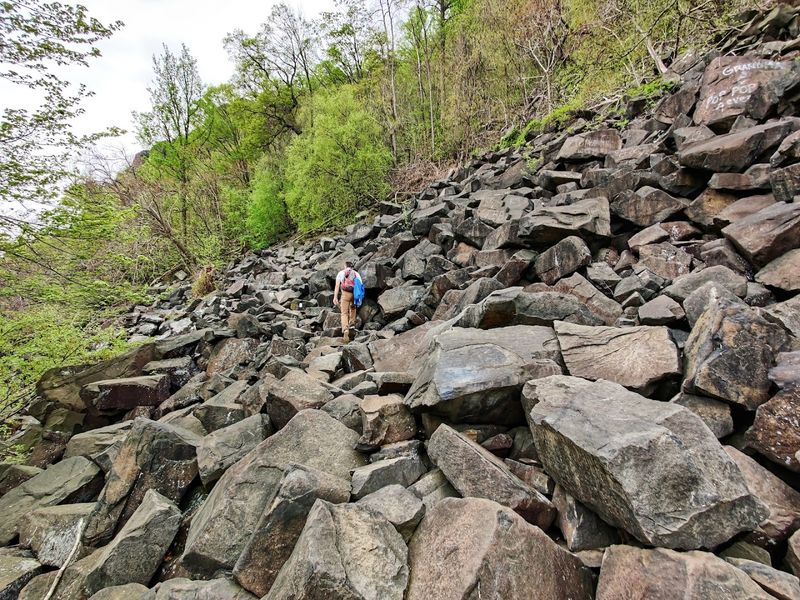
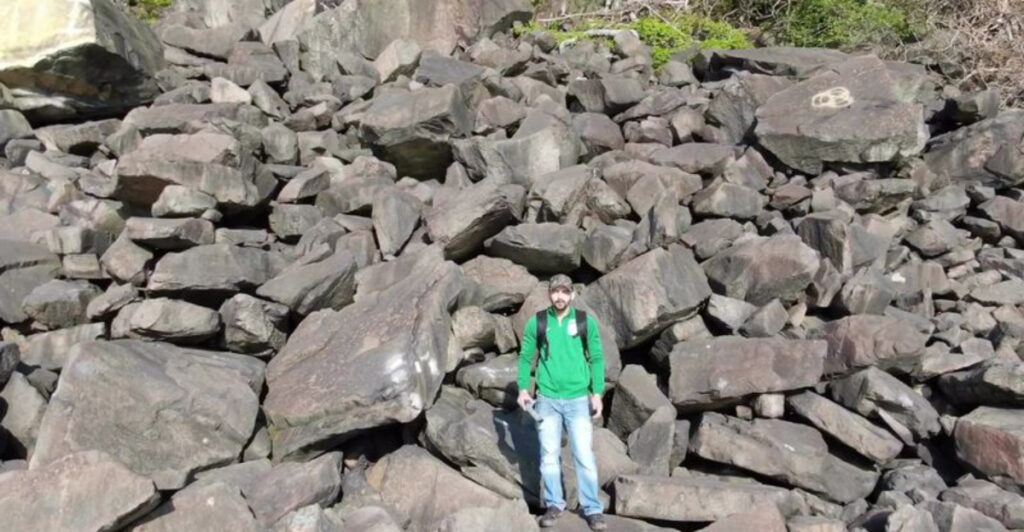
This is the hike that makes people stop under the cliffs, look at the boulder field ahead, and quietly renegotiate their confidence. The Giant Stairs at Palisades Interstate Park are famous for a reason: the route scrambles across huge fallen rocks along the Hudson River, with the Palisades rising above and New York just across the water.
It is dramatic, physical, and not even slightly interested in being a gentle nature walk. When open, the classic experience combines river-level hiking, rock scrambling, and big views from the Long Path above.
It is one of the rare New Jersey outings where you can feel remote while still being close enough to city life that the contrast seems almost unfair. The rocks are the point, but they are also the challenge.
Wet conditions, ice, or poor footwear can turn this from fun to foolish very quickly. There is one major planning note: the Giant Stairs section has had an active closure following a rockslide, so check the park’s current advisories before building your day around it.
If it is closed, the Palisades still offer excellent alternatives, including scenic overlooks, riverside areas, and other trails that deliver the cliffs-and-Hudson experience without ignoring safety signs. Treat this one with respect.
It is not a casual stroll with a cute name; it is a rugged scramble that earns its reputation one boulder at a time.
5. Lakota Wolf Preserve
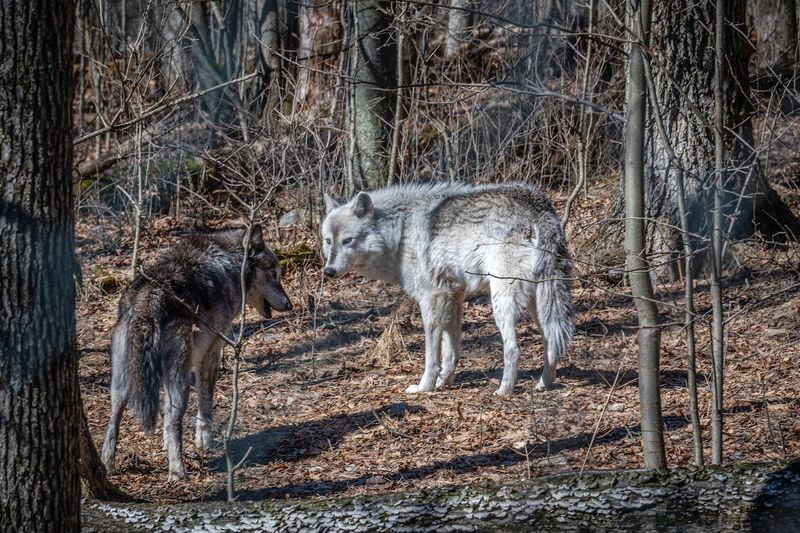
A wolf howl does not sound like background noise. It cuts through the air, lands somewhere in your ribs, and makes everyone go quiet at once.
That is the unforgettable moment many visitors remember most from Lakota Wolf Preserve in Warren County, where guided educational tours bring you into an observation area surrounded by wolf packs. This is not a zoo-style wander where you drift from exhibit to exhibit with a soft pretzel.
Visits are structured around tours, and that is exactly why the experience works. Guides explain pack behavior, social structure, feeding habits, and the reality of living alongside animals that are often misunderstood.
Along with wolves, the preserve is also home to other animals such as foxes and bobcats, which makes the visit feel broader than a single-species stop. The setting, near the Delaware Water Gap region, adds to the atmosphere.
You can either walk the half-mile nature path from the parking area or use the shuttle when available. Reservations are smart, and weekday visits may require them, so this is not the kind of place to casually wing at the last minute.
It is best for visitors who are willing to listen, learn, and slow down. The thrill is not in getting close for the sake of getting close. It is in watching powerful animals move, interact, and communicate in a setting that gives them room to be themselves.
6. Whitesbog Village
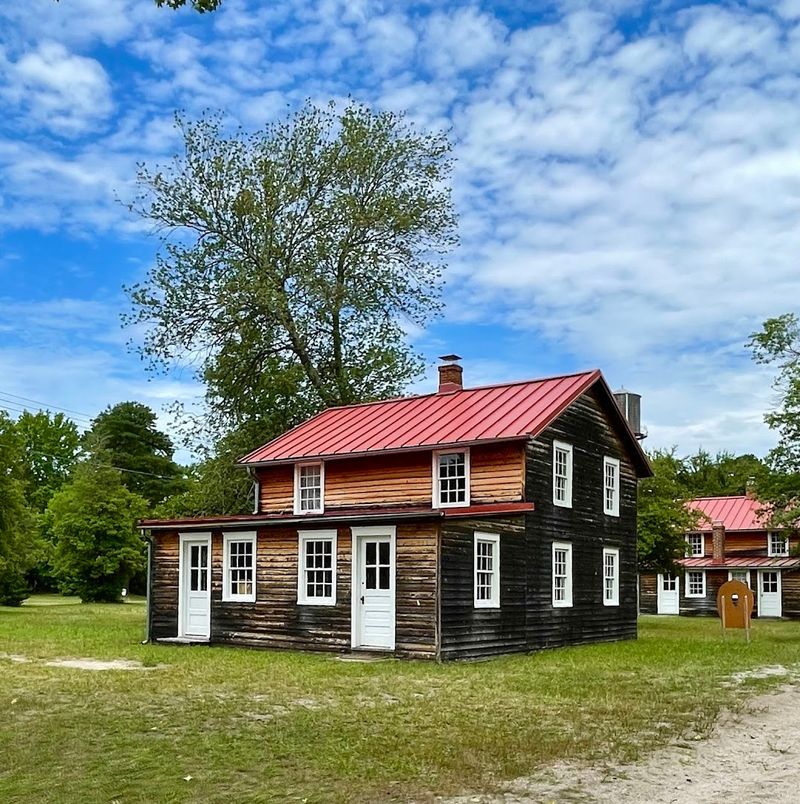
Before blueberries became a supermarket staple, this quiet Pine Barrens village helped change the fruit bowl forever.
Whitesbog Village in Browns Mills is known as the place where the first cultivated highbush blueberry was developed in 1916, and that little fact gives the whole landscape a surprisingly delicious sense of importance.
The village itself feels wonderfully time-bent. Historic buildings, sandy roads, cranberry bogs, blueberry fields, and pine woods all sit together in a way that makes you want to walk slowly and look closely.
It is not flashy, and that is the point. Whitesbog rewards curiosity.
You can wander the trails, look for reflections on the ponds, visit during seasonal events, or simply take in the strange beauty of an agricultural village surrounded by Pinelands quiet. It is especially lovely if you enjoy places where history and nature are tangled together.
One path might feel like a soft forest walk, while another opens toward bogs that look almost painted in the right light. The village is open daily for hiking from sunrise to sunset, though specific buildings, tours, and events vary, so plan around what you want to do.
Bring bug spray in warmer months and do not expect city-style signage at every turn. Whitesbog is less about being entertained and more about noticing things: weathered wood, dark water, cranberry fields, and the soft crunch of sand under your shoes.
7. Franklin Parker Preserve
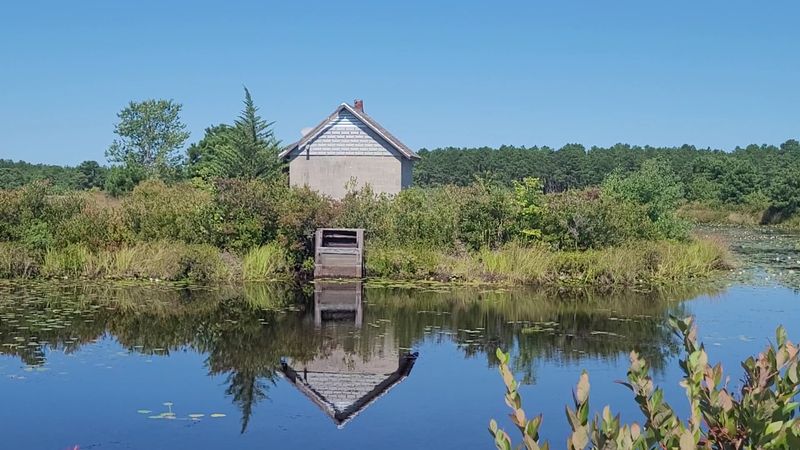
Some places ask you to admire them from a scenic overlook. Franklin Parker Preserve asks you to step inside the Pine Barrens and pay attention.
This enormous preserve near Chatsworth covers miles of sandy roads, pitch pine forest, cedar swamp, shallow lakes, and former cranberry bogs that have been reshaped into habitat. It feels wide, quiet, and just a little mysterious.
The appeal here is not one single landmark. It is the whole Pine Barrens mood: tea-colored water, open skies, pale sand, low shrubs, birdsong, and long straight paths that seem to disappear into the pines.
Hikers, bicyclists, horseback riders, birders, and solitude-seekers all find reasons to love it, though certain trails are designated for different uses. The preserve has multiple routes, so you can choose anything from a manageable outing to a much longer wander.
This is a place where preparation makes the day better. Download or bring a map, because the landscape can look deceptively similar when you are deep in it.
Wear shoes you do not mind getting sandy, and check yourself for ticks afterward because the Pine Barrens are not shy about reminding you they are wild. The reward is a version of New Jersey that feels expansive and uncrowded.
Franklin Parker Preserve is not trying to impress with cliffs or waterfalls. It impresses by being vast, strange, and beautifully underbuilt.
8. Hacklebarney State Park
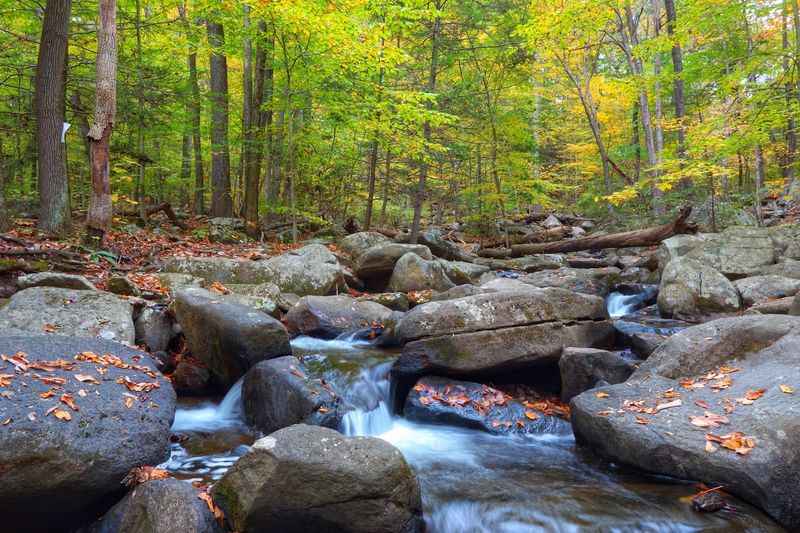
The sound arrives before the view does: water rushing over rocks somewhere below the trees. Hacklebarney State Park in Morris County is built around the Black River gorge, where the river tumbles through a rocky, hemlock-lined ravine with help from Rinehart and Trout Brooks.
It is one of those parks that feels cooler, greener, and moodier the moment you start descending toward the water. The trails here are not extreme, but they have enough stone steps, slopes, roots, and riverbank scenery to keep things interesting.
Families come for short hikes and picnics, anglers come for the Black River, and photographers come because the water rarely takes a bad picture. After rain, the cascades feel especially alive.
In autumn, the combination of moving water and color can make a simple walk feel like a scene from a calendar that actually earned its place on the wall. Hacklebarney is also conveniently close to Chester, which makes it easy to pair with a Main Street wander, a farm market stop, or cider doughnuts when the season is right.
Parking is usually straightforward, but nice weekends can bring crowds, especially during peak fall color. Wear shoes with grip, because the rocks near the water can be slick.
The best way to enjoy Hacklebarney is to avoid rushing it. Follow the river, stop often, and let the gorge do what it does best: make the outside world feel temporarily far away.
9. Island Beach State Park
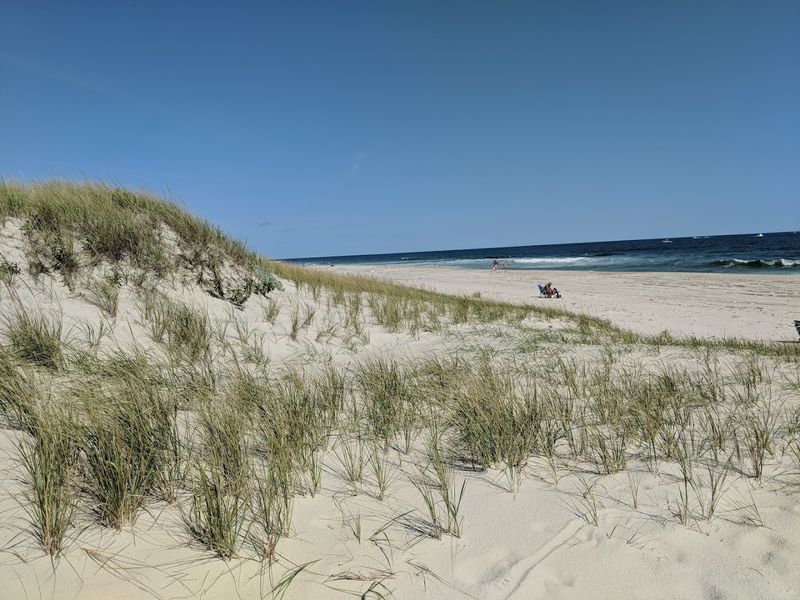
Past the boardwalks, beach badges, packed arcades, and “where did we park?” chaos, there is a quieter version of the Jersey Shore. Island Beach State Park protects a long, undeveloped barrier island with ocean beach on one side and Barnegat Bay on the other.
It feels like the Shore stripped down to sand, wind, dunes, salt marsh, and sky. This is the place to go when you want the beach without the built-up beach-town soundtrack.
You can swim in designated areas when lifeguards are on duty, surf fish with the proper permits, walk nature trails, watch for ospreys, or simply sit and remember that not every stretch of coast needs a snack stand every hundred feet. The dunes and maritime forest give the park a texture that most beach days do not have.
It is not just a place to spread a towel; it is a living barrier-island ecosystem. Summer visitors should arrive early, especially on hot weekends, because the park can reach capacity.
Bring what you need, respect dune fencing, and expect a more natural experience than a commercial one. The further you get from the busiest swimming areas, the more the park starts to feel like a secret.
Island Beach is beautiful in a restrained, salty, windswept way. It is not loud about it, which somehow makes it even better.
10. Sterling Hill Mining Museum Rainbow Tunnel
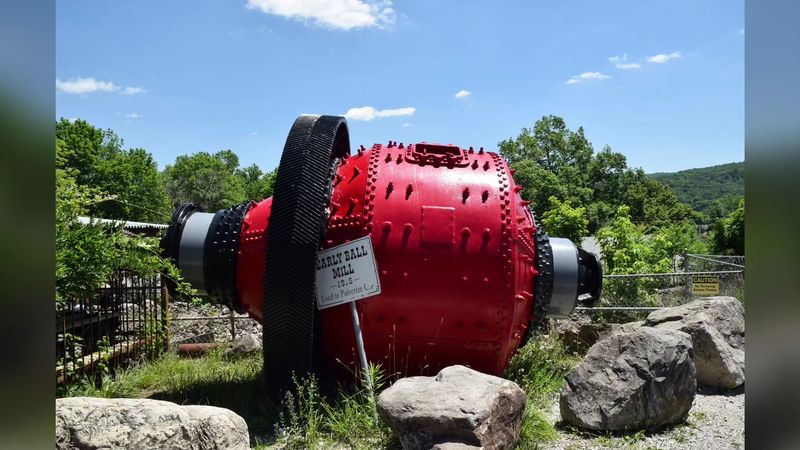
Underground, the rules change. The air cools, the rock closes in, and then, suddenly, the lights shift and the walls glow in electric bands of green, orange, red, and purple.
The Rainbow Tunnel at Sterling Hill Mining Museum in Ogdensburg is not a typical outdoor escape, but it belongs on this list because it reveals a wild side of New Jersey most people never think about: the one hidden below their feet.
Sterling Hill was once a major zinc mine, and today the guided mine tour turns geology, industry, and a little bit of spectacle into one memorable visit. The fluorescent minerals are the stars. Under ultraviolet light, ordinary-looking rock becomes something almost theatrical.
Kids love it, science-minded adults love it, and even people who think they are not “museum people” tend to perk up when the tunnel starts glowing. The tour involves walking underground on a guided route, so bring a light jacket and comfortable shoes.
It is a strong choice for mixed-weather days, families, and anyone who wants an adventure that does not require a steep hike. The aboveground setting in Sussex County still gives it that getaway feeling, but the real magic is inside the mountain.
Sterling Hill is proof that New Jersey’s beauty is not limited to beaches, forests, and overlooks. Sometimes, it is fluorescent and hiding in the dark.
11. High Point State Park
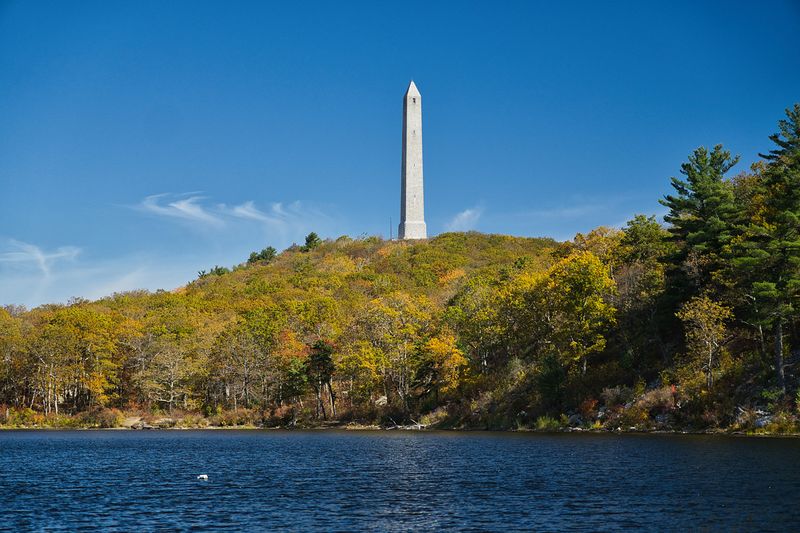
On a clear day, the view from the top feels like New Jersey stretching its arms in three directions at once. High Point State Park in Sussex County sits at the state’s highest elevation, where the Kittatinny Ridge rises 1,803 feet above sea level.
The monument at the summit makes the place easy to spot from a distance, but the real reward is standing there and seeing farmland, forest, ridges, and neighboring states unfold around you. This is a park with more range than people sometimes expect.
You can drive close to the summit for the big-view experience, hike sections of trail if you want to earn it, visit Lake Marcia in season, or plan a fall outing when the surrounding hills look especially showy. The monument itself honors New Jersey veterans, and when it is open seasonally, climbing inside adds another layer to the visit.
High Point has that classic Skylands feel: cooler air, wide views, stone walls, and winding roads that make the trip feel like you have left the busier parts of the state behind. Weather can change quickly at higher elevation, so bring a layer even when the rest of New Jersey feels warm.
It is also worth checking seasonal access for the monument and swimming areas before you go. The best part is that High Point delivers a true summit feeling without requiring an expedition. It is dramatic, accessible, and quietly proud of being the top of the state.
12. Wharton State Forest
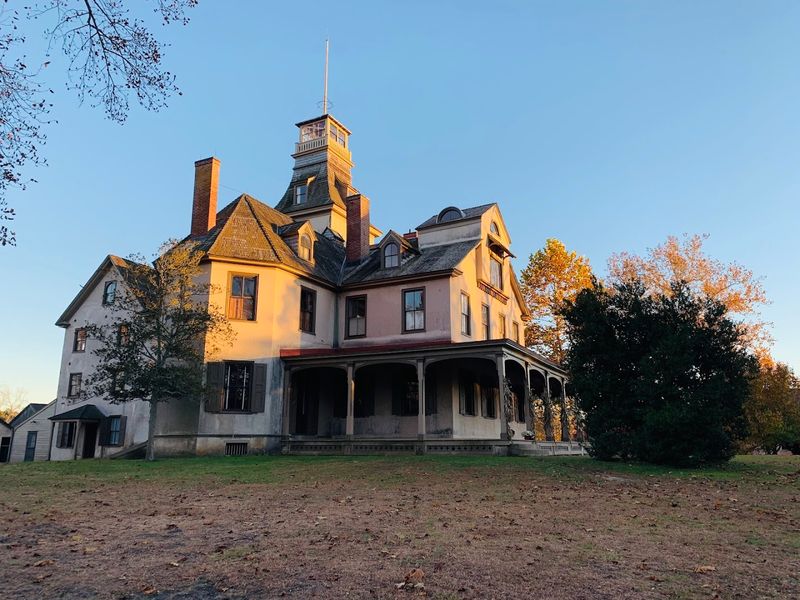
South Jersey keeps its wilderness in the pines. Wharton State Forest is huge, sandy, river-laced, and full of that unmistakable Pine Barrens character: pitch pines, cedar water, cranberry history, quiet roads, and stretches where your phone may start acting like it has given up on civilization.
It is the largest tract in New Jersey’s state park system, and it feels like a world of its own. Batsto Village is the natural starting point for many visitors.
The historic village gives the forest a strong sense of place, with old buildings, interpretive stops, and access to trails that lead into the surrounding woods. Atsion Recreation Area adds a summer lake-day option, while the forest’s trails, campgrounds, rivers, and sand roads make Wharton a choose-your-own-adventure destination.
You can hike, paddle where routes are open, camp, bird-watch, or just drive in and let the pines reset your brain. Do not treat Wharton casually just because South Jersey looks flat on a map.
It is easy to underestimate the distances, the sandy roads, and the limited cell service. Download maps, check current river and road advisories, and avoid taking vehicles where they do not belong.
The forest is fragile, and the best visitors act like guests. Wharton is not polished or predictable, which is exactly why it stays with you.
It feels ancient, quiet, and a little haunted in the most New Jersey way possible.