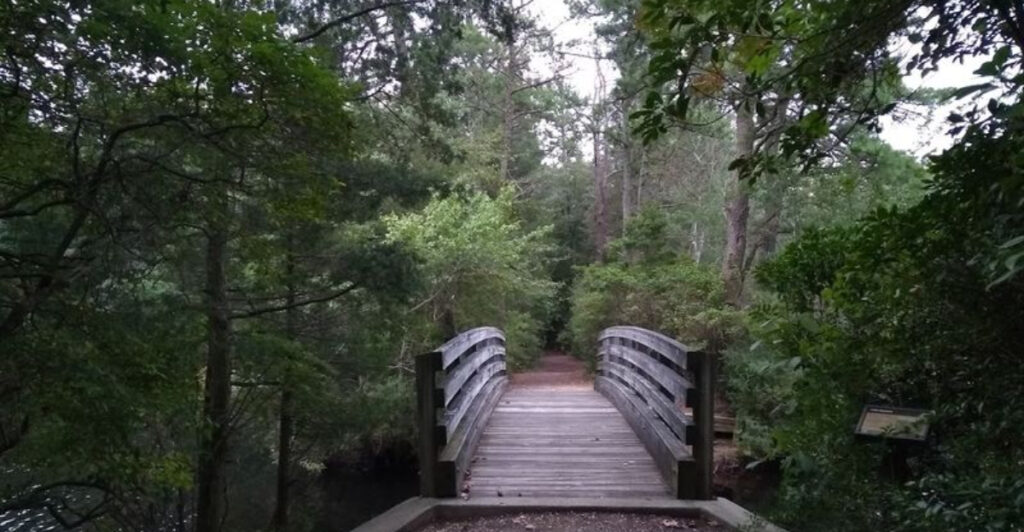
A sailboat gliding across a quiet glacial lake. A rocky overlook where Washington once watched troop movements.
A pine-scented trail leading past cranberry bogs, cedar swamps, and old village buildings that look like they forgot to leave another century. New Jersey has plenty of famous outdoor spots, but some of its best state parks and forests still manage to feel like local secrets.
They are not always hidden because they are hard to reach. Sometimes they are hidden because everyone else is too busy heading to the Shore, the mall, or the same three crowded trailheads.
That is good news for the rest of us. These parks offer mountain views, dark skies, trout streams, rail trails, wildflowers, bald eagles, and lakes that practically beg for a slow afternoon.
Here are 14 New Jersey state parks and forests that feel much farther from the noise than they really are.
1. Swartswood State Park
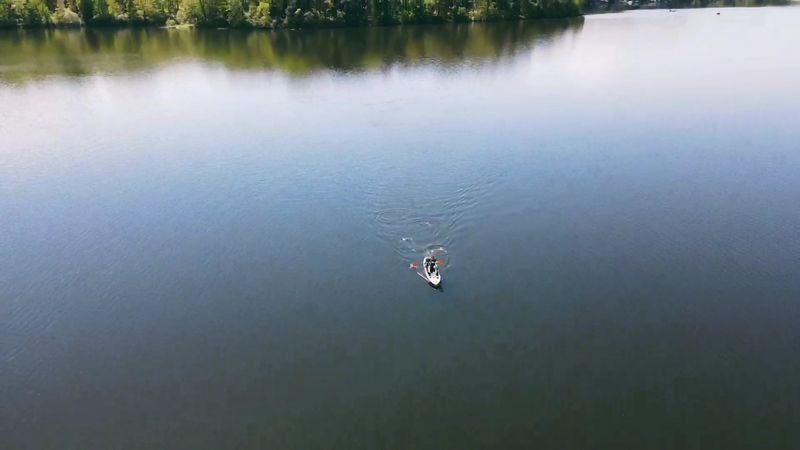
A quiet morning at Swartswood Lake feels almost suspiciously peaceful for New Jersey. No roar of gas-powered boats, no boardwalk chaos, no frantic crowd energy.
Just a wide glacial lake, a few kayaks slipping across the water, and that soft, rural stillness Sussex County does better than almost anywhere else in the state. Swartswood is New Jersey’s first state park, but it somehow still feels like a place people stumble onto by accident.
That is part of the charm. Set away from major highways, it rewards anyone willing to make the drive with a calm lake day that feels refreshingly unplugged.
The main draw is Swartswood Lake, a large natural lake where canoeing, kayaking, sailing, fishing, and seasonal swimming are the headline activities.
The shoreline has that classic North Jersey mix of wooded edges, picnic spots, and open water views, so it works whether you want to be active or just sit around pretending you are “taking in nature” while actually doing nothing.
It is especially nice for visitors who like their parks with room to breathe. Bring a picnic, arrive early on warm weekends, and skip the rushed itinerary. Swartswood is best enjoyed slowly.
2. Jenny Jump State Forest
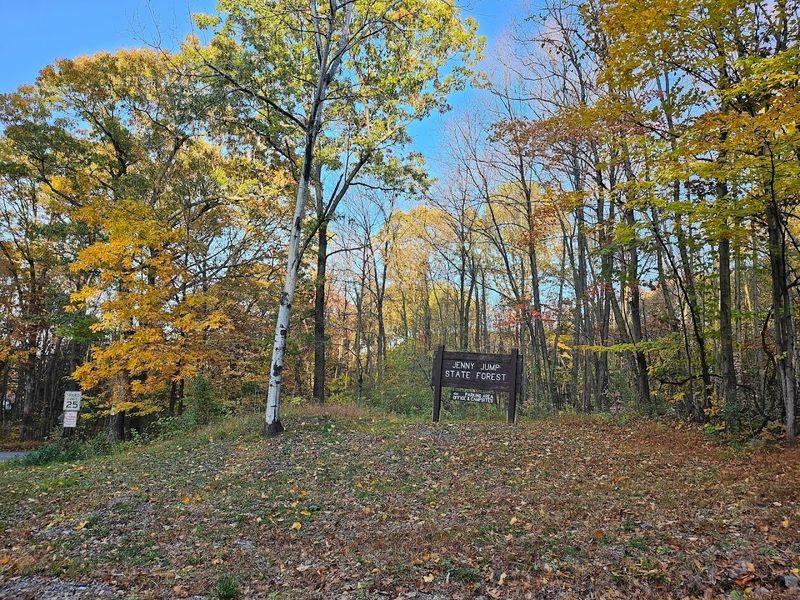
Come for the name, stay for the sky. Jenny Jump State Forest has one of the most memorable names in the New Jersey park system, but the real reason to go is the landscape: rocky trails, glacial boulders, long views, and some of the best stargazing energy you can find without leaving the state.
Set along the Jenny Jump Mountain Range in Warren County, this forest has a wilder, more rugged feel than many casual picnic parks. The trails can be narrow and rocky in places, so this is where you wear actual hiking shoes instead of pretending sneakers with no tread are “basically boots.” The payoff is worth it.
Climbs lead to views of the Highlands, the Kittatinny Mountains, and the Great Meadows, giving the park a tucked-away mountain personality that feels far removed from New Jersey’s busier corridors.
Jenny Jump is also known for its observatory connection, with public astronomy programs offered seasonally by the United Astronomy Clubs of New Jersey.
That makes it a rare two-for-one park: hike by day, look up by night. Camping is available too, which makes the whole place feel like a low-key retreat for people who prefer stars over streetlights.
3. Wawayanda State Park
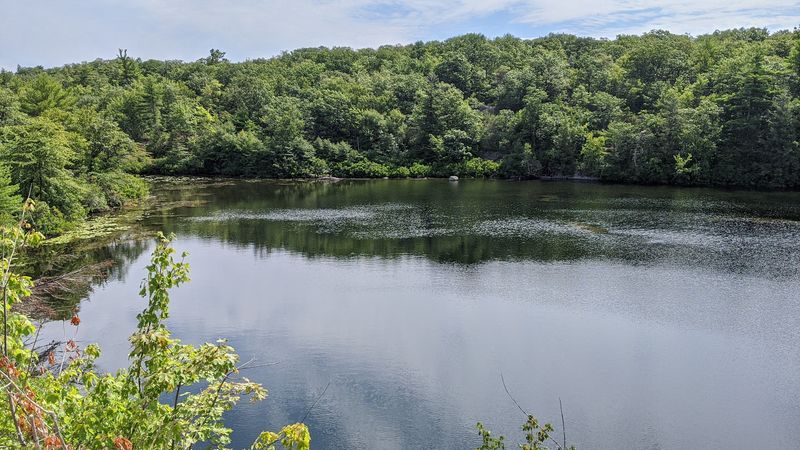
There are parks you visit for an hour, and then there is Wawayanda, which seems to keep unfolding every time you think you have figured it out.
Up near the New York border, this big, wooded park has lakes, wetlands, rocky outcrops, mountain trails, and enough space to make even a busy weekend feel surprisingly manageable if you pick your route well.
Wawayanda Lake is the easy centerpiece, especially in summer when swimming, paddling, fishing, and lazy shoreline lounging all compete for your attention. But the better secret is how varied the rest of the park feels.
One trail may give you quiet forest. Another climbs toward open views.
Another links you into the Appalachian Trail, which adds a little bragging-rights sparkle even if you only hike a short stretch. The vibe is outdoorsy without being fussy.
You will see serious hikers, families with coolers, anglers, campers, and people who came for a swim and somehow ended up wandering a trail. Because the park is large, it is smart to check a trail map before you go and decide what kind of day you want.
Wawayanda rewards both planners and wanderers, but the planners usually find their car faster.
4. Stephens State Park
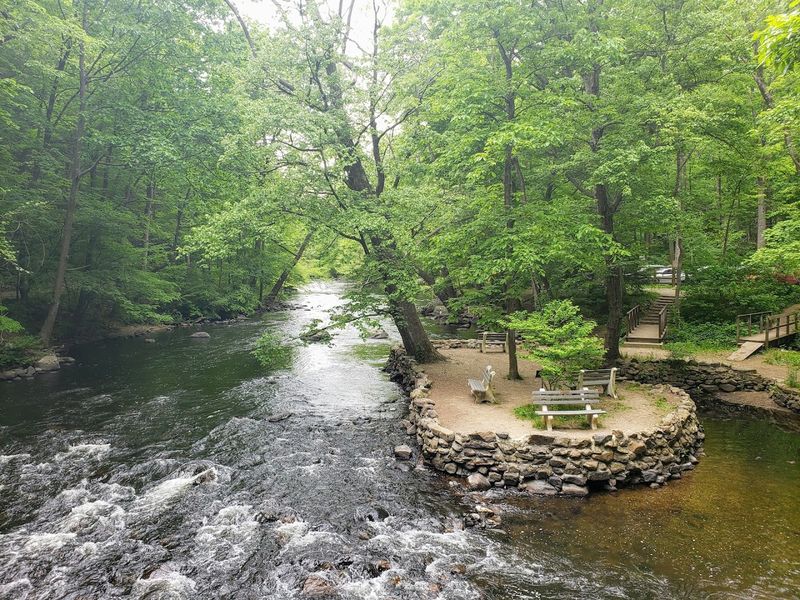
Listen before you look: the Musconetcong River gives Stephens State Park its soundtrack. The water moves over and around boulders through the park, creating the kind of steady river noise that makes a picnic table feel like a front-row seat.
Just north of Hackettstown, Stephens is not flashy, and that is exactly why it belongs on this list. It has the comfort of an old-school local park, but with enough history and recreation to turn a quick stop into a full afternoon.
Anglers know it for trout fishing, while hikers and mountain bikers come for the trails that connect into the wider Allamuchy and Highlands trail network. The riverside picnic areas are the sweet spot for casual visitors: tables, grills, shade, and views that do most of the work for you.
History sneaks in nearby, too. Around Saxton Falls, you can find remnants tied to the old Morris Canal, including canal lock history and towpath traces that hint at the area’s industrial past.
Stephens is a great pick when you want a park that does not demand a grand expedition. Bring lunch, walk by the river, explore a trail, and let the Musconetcong handle the mood lighting.
5. Voorhees State Park
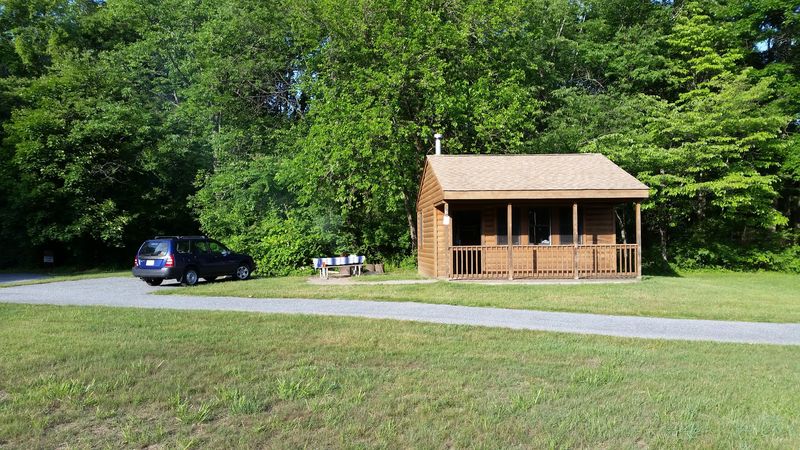
After dark, Voorhees State Park becomes something most New Jersey parks are not: a gateway to the stars. During the day, this Hunterdon County park is all wooded hills, quiet trails, picnic areas, and the kind of rolling landscape that makes you forget how close you still are to everyday errands.
But the observatory gives Voorhees its extra personality. The New Jersey Astronomical Association has long operated an observatory here, and public sky programs make the park feel less like a standard hiking stop and more like a secret clubhouse for curious people.
The trails are approachable but varied, with routes through deciduous forest, old Civilian Conservation Corps pine plantations, and along Willoughby Brook. The Solar System Trail is the one to pick if you want a walk with a built-in conversation starter, while the Vista Trail offers views toward Spruce Run Reservoir.
Voorhees also has camping, making it a solid low-key overnight option for people who want nature without committing to a deep wilderness trip. It is not a swimming park, and that is fine.
Come here for wooded quiet, a little CCC history, and the chance to look through a telescope instead of scrolling your phone.
6. Washington Rock State Park
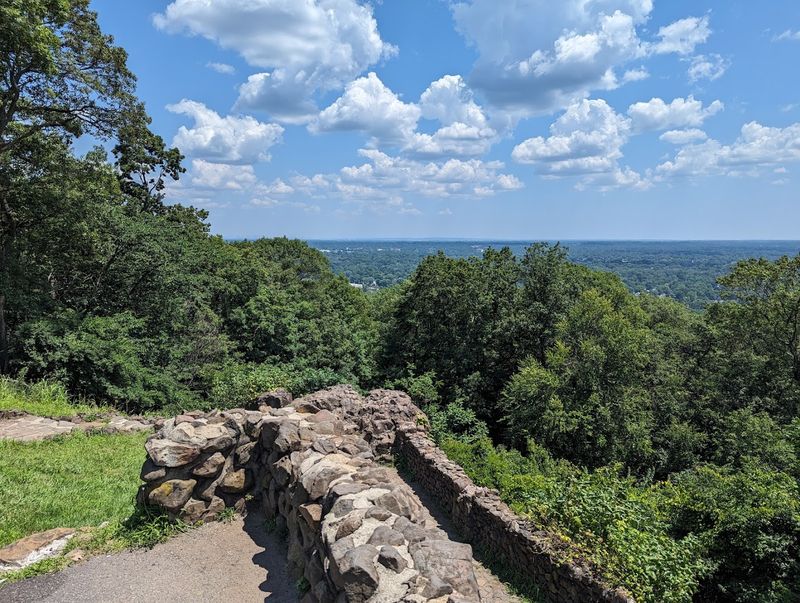
The whole place is small enough to fool you. Washington Rock State Park does not sprawl like a forest, and it will not take all day to explore.
But stand at the overlook on Watchung Mountain and the park suddenly feels much bigger than its acreage. This is one of New Jersey’s oldest state parks, originally preserved to commemorate the Revolutionary War events of 1777, when George Washington used the natural rock outcropping as a lookout over the valley below.
The view still does the heavy lifting. On a clear day, you can see far across the plains, and the idea that this quiet little park once mattered strategically gives the overlook a satisfying jolt of history.
Located in Green Brook Township, Washington Rock is perfect for people who want a meaningful stop without planning a full hike. Bring coffee, bring lunch, or bring that one friend who says they “like history” but does not want to walk six miles to prove it.
The park has picnic appeal, scenic value, and a surprisingly dramatic sense of place for somewhere so compact. It is less of a rugged escape and more of a hidden balcony over New Jersey.
7. Cheesequake State Park
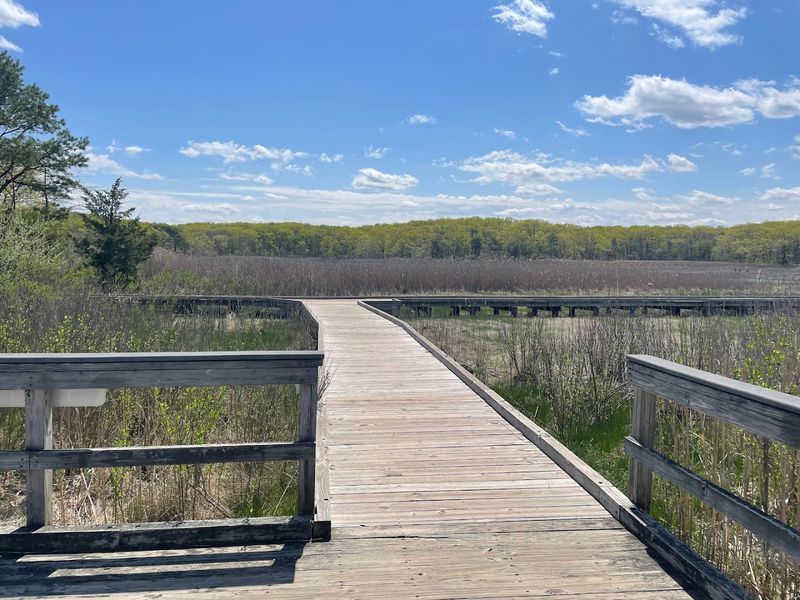
Blink and you might drive right past one of the strangest ecological mashups in the state.
Cheesequake State Park sits in a busy part of Middlesex County, but step onto its trails and the setting changes fast: saltwater marsh, freshwater marsh, Atlantic white cedar swamp, pine barrens habitat, open fields, and northern hardwood forest all packed into one park.
That meeting point is what makes Cheesequake special. It is the rare place where northern and southern New Jersey ecosystems seem to shake hands at sea level, which gives hikers and birders a lot to notice in a relatively compact area.
The trails are manageable, the interpretive center adds useful context, and Hooks Creek Lake gives the park a classic warm-weather focus. In summer, the swimming area draws families, while paddlers can launch small boats, canoes, kayaks, and paddleboards on the lake.
There is even blue claw crabbing access from a short boardwalk near the swimming area, which feels very New Jersey in the best possible way.
Cheesequake can get busier than some parks on this list, especially during beach season, but it still earns its spot because so many locals know the exit, not the ecosystem hiding just beyond it.
8. Double Trouble State Park
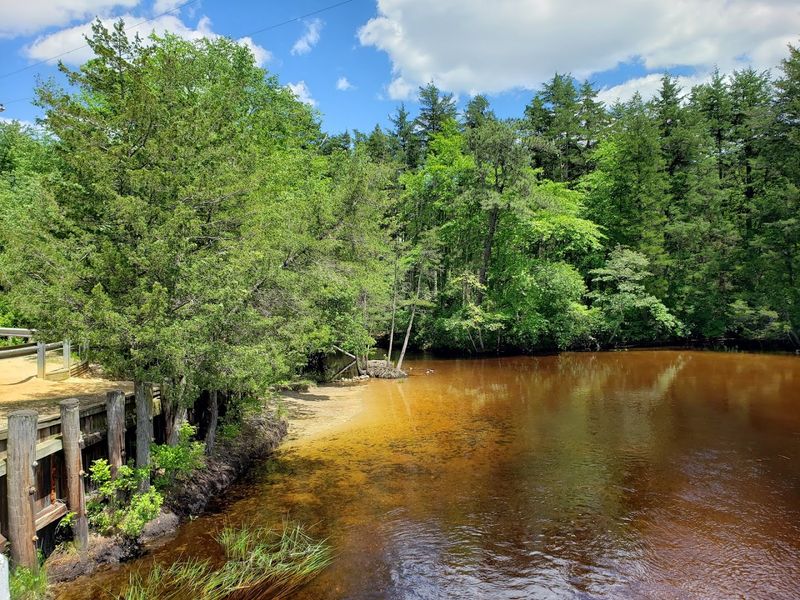
The name sounds like a dare, but Double Trouble State Park is more eerie-calm than chaotic. This Pine Barrens park in Ocean County is built around a historic village, cranberry bogs, cedar-lined waterways, and sandy paths that make you feel like you have wandered onto a movie set where everyone left 50 years ago.
The Double Trouble Historic District preserves the story of a company town tied to lumber, blueberries, and cranberries, and that history gives the park a texture you do not get from trees alone.
You can walk past old buildings, follow easy trails, and look across bogs where the landscape feels both open and secretive at the same time.
It is a fantastic choice for casual walkers because the terrain is mostly gentle, but it never feels boring. The Pine Barrens have a way of making quiet feel dramatic, especially when the wind moves through the pitch pines or the water sits dark under cedar shade.
Photographers will like the weathered village details. History lovers get plenty to chew on.
Anyone who just wants a peaceful walk without committing to a major hike will be happy too. Double Trouble proves a park does not need mountains to feel mysterious.
9. Brendan T. Byrne State Forest
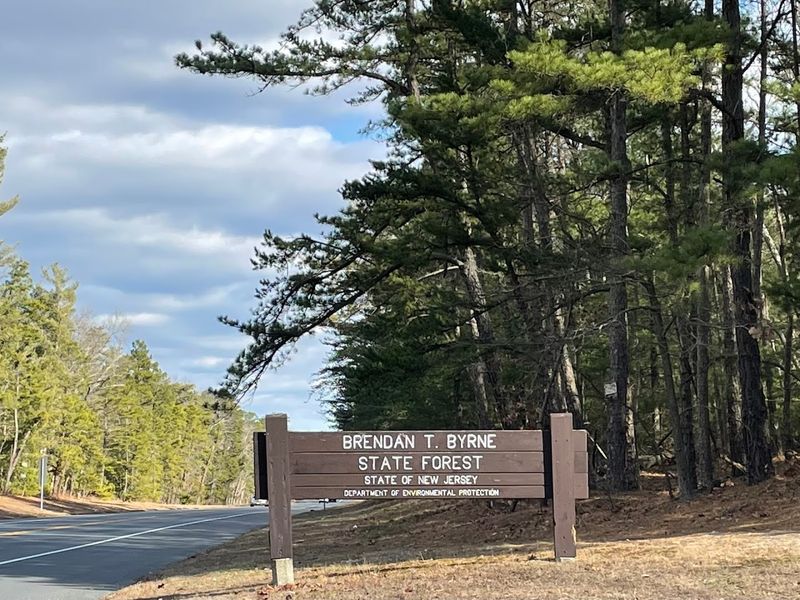
This is the Pine Barrens in full voice: sandy roads, pitch pines, cedar swamps, quiet ponds, and a sense of distance that makes your phone feel less important by the minute. Brendan T.
Byrne State Forest covers a huge stretch of the Pinelands and is one of the largest state forests in New Jersey, yet plenty of people still only know it as a name on signs near Route 70. That is their loss.
For hikers, the forest offers access to the Batona Trail, the long-distance route that threads through some of South Jersey’s most distinctive landscapes. For a gentler visit, Pakim Pond is a good anchor point, giving you water views, picnic potential, and a manageable starting place before the forest swallows your schedule.
History adds another layer at Whitesbog, the historic village associated with cranberry farming and the development of the cultivated blueberry. That combination of ecology and history makes Brendan T.
Byrne feel especially rich: not just trees, but a whole Pine Barrens story spread across the sand. Go in cooler weather if you want the most comfortable hiking, and bring water no matter the season.
The forest is beautiful, but it is not interested in coddling the unprepared.
10. Bass River State Forest
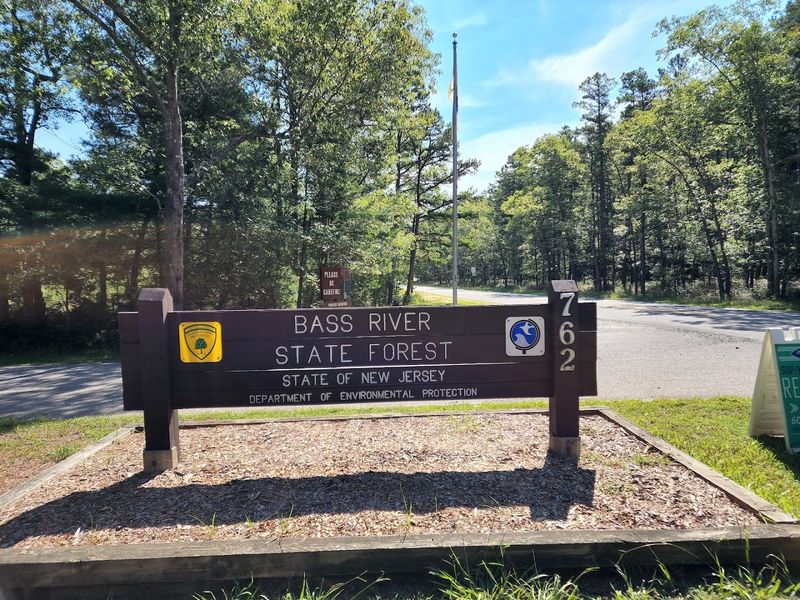
Lake Absegami is the kind of lake that makes people unpack the cooler before they have even found the “perfect” spot. Set inside Bass River State Forest, it gives this South Jersey forest a relaxed, family-friendly center while the surrounding trails and history keep it from feeling like just another lake day.
Bass River has a major claim to fame: it was New Jersey’s first state forest, established in 1905. That old-school status shows in the best way, especially in the Civilian Conservation Corps legacy found throughout the park.
The CCC helped build roads, picnic areas, camping structures, and recreation features that still shape the visitor experience. For a short but memorable walk, the Absegami Trail passes through a cedar swamp in the Lake Absegami Natural Area, giving you that classic Pine Barrens mix of dark water, fragrant cedar, and soft forest floor.
The forest also marks the southern end of the Batona Trail, which makes it a quiet badge-of-honor stop for serious hikers. Swimming, boating, canoeing, camping, fishing, and picnicking all fit easily into a visit.
Bass River is not trying to be trendy. It is the kind of place that has been useful, beautiful, and quietly beloved for generations.
11. Parvin State Park
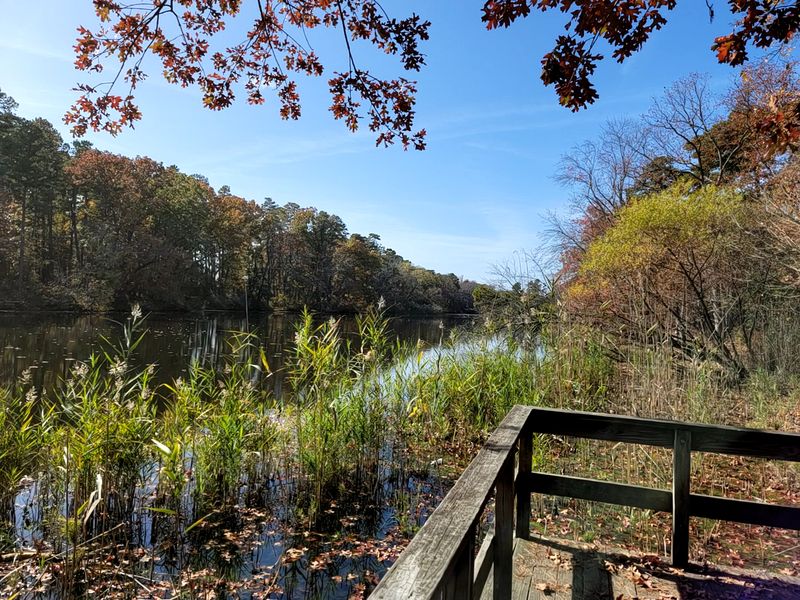
Some parks win you over with one big view. Parvin State Park does it with layers.
Just west of Vineland and near the edge of the Pine Barrens, Parvin mixes lakes, pine forest, hardwood swamp, wildflowers, and a surprisingly deep history into a park that feels much more interesting than its low profile suggests.
Parvin Lake and Thundergust Lake give the park its calm, reflective personality, while the trails move through changing habitats that make even a simple walk feel varied.
Spring is especially good here, when dogwood, laurel, holly, magnolia, wild azalea, and other flowering plants brighten the woods. But the park is not just pretty.
Its history stretches from Native American presence to sawmill days, Civilian Conservation Corps development, and later wartime uses that make the place feel quietly significant. For visitors, Parvin works well as a gentle outdoor escape.
You can swim seasonally when lifeguards are on duty, fish, paddle, hike, picnic, or camp. It is also a smart pick for people who want South Jersey nature without plunging into the deepest, sandiest parts of the Pinelands.
Parvin has a soft-spoken charm, but pay attention and you will realize it has been telling a much bigger story all along.
12. Stow Creek State Park
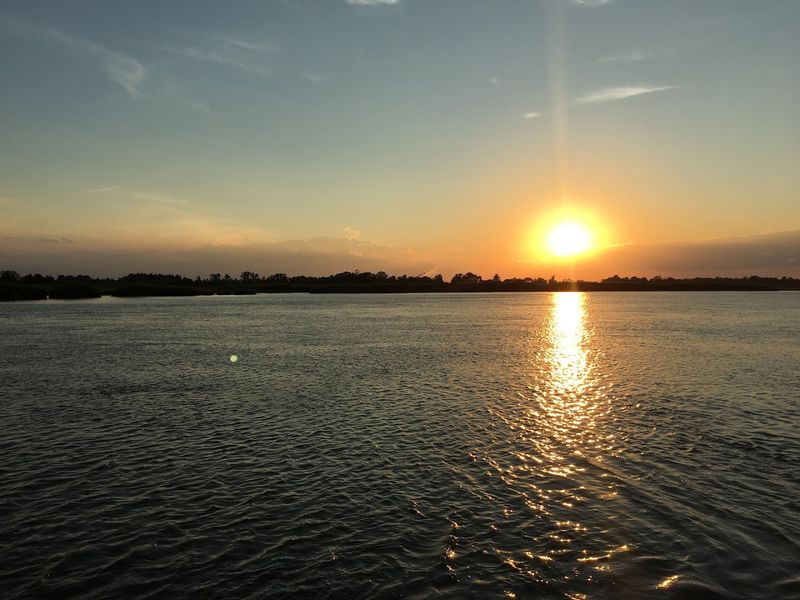
On the Delaware Bayshore side of New Jersey, Stow Creek State Park feels like it was designed for people who prefer binoculars to beach chairs. This is not a park of splashy facilities or crowded day-use areas.
It is a quiet mix of wooded lots, farm fields, tidal water access, and open marsh views, with one standout feature that makes it unforgettable: a bald eagle viewing platform overlooking an active nesting area. That alone gives Stow Creek a different rhythm from almost every other park on this list.
You go slowly here. You scan the trees. You wait. You listen.
The park also has a boat ramp and floating dock, making it useful for fishing, boating, canoeing, or kayaking along the creek. Because the setting is rural and lightly developed, it feels more like entering a working landscape with wild edges than visiting a polished recreation complex.
That is the appeal. Stow Creek is for visitors who understand that the big moment might be an eagle crossing the sky, a heron lifting out of the marsh, or the hush that settles over the water late in the day.
Bring patience, bug spray in warm months, and binoculars if you have them. This park rewards attention.
13. Kittatinny Valley State Park
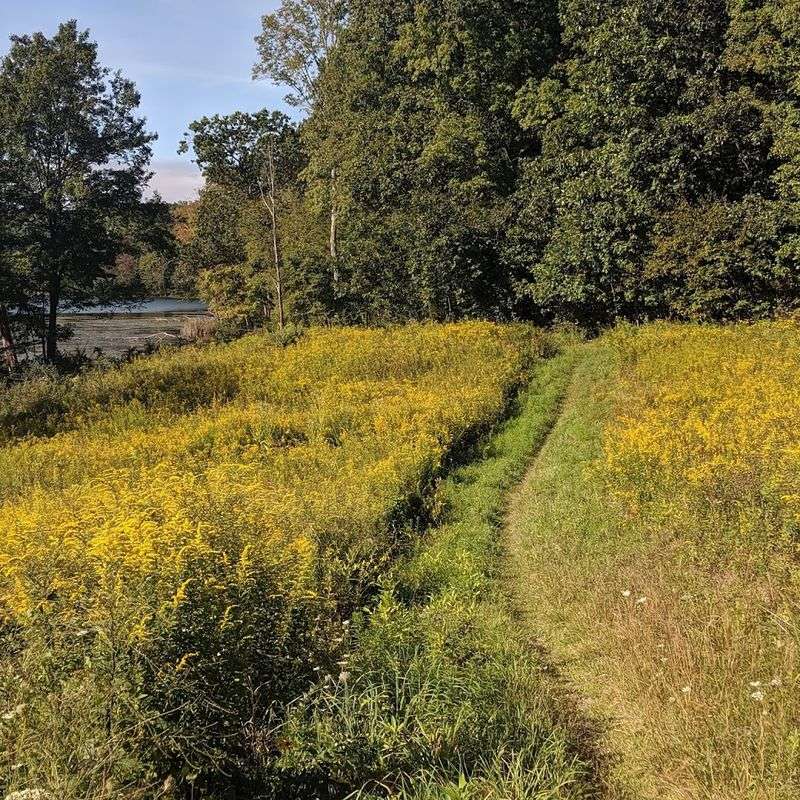
A small airport inside a state park is not something you expect, which is exactly why Kittatinny Valley State Park sticks in your memory. In Sussex County, this park mixes glacial lakes, limestone outcroppings, wildlife habitat, and former railroad corridors that have been turned into some of North Jersey’s most enjoyable multi-use trails.
The result is a park that feels open, practical, and quietly full of surprises. Airplane watching is a real pastime here, especially when aircraft use the airport connected with forest fire operations.
Meanwhile, the Paulinskill Valley Trail, Sussex Branch Trail, Great Valley Rail Trail, and Lehigh & Hudson River Rail Trail give walkers, runners, cyclists, horseback riders, and cross-country skiers room to move without fighting steep climbs. The rail-trail grades are especially welcoming if you want distance without drama.
Lake Aeroflex, Gardner’s Pond, and other waters add fishing and paddling possibilities, while the park’s wildlife includes everything from beavers and foxes to black bears and an impressive variety of birds. Kittatinny Valley is not a one-note park.
It is part trail hub, part lake escape, part wildlife corridor, and part aviation curiosity. Go when you want a choose-your-own-adventure day that does not require battling a famous trailhead crowd.
14. Abram S. Hewitt State Forest
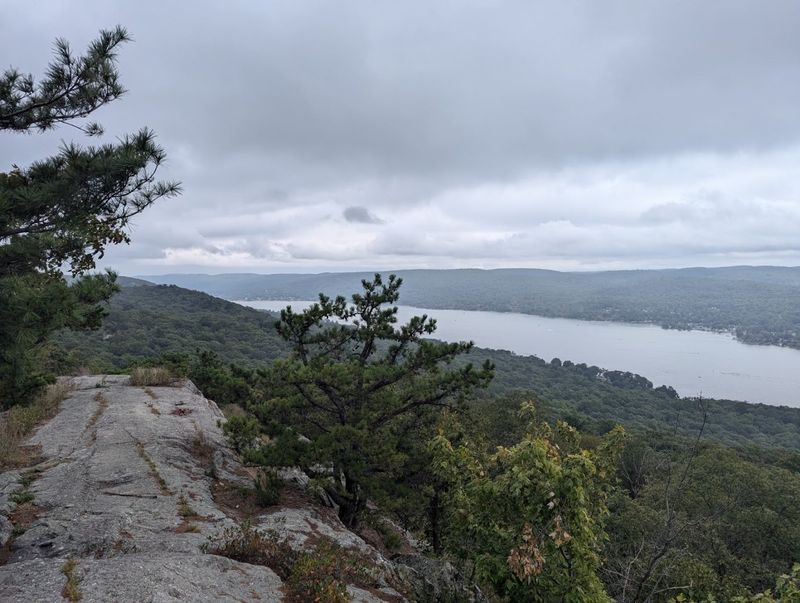
This one makes you earn it a little, which is probably why it still feels secret. Abram S.
Hewitt State Forest sits in the rugged Bearfort Ridge area of West Milford, where the trails are rocky, the climbs are real, and the views feel especially satisfying because you did not casually wander into them from a paved overlook.
A section of the Appalachian Trail runs through the forest, marked by those famous white blazes and enough uneven terrain to remind you that “New Jersey hike” does not always mean “easy stroll.”
Bearfort Ridge is the signature experience, with challenging routes, exposed rock, wetlands, streams, and rewarding viewpoints that make the forest feel more like a slice of the Highlands than a typical state park stop.
This is a better fit for hikers than picnic-only visitors, and you should come prepared with sturdy footwear, water, a map, and a realistic sense of your own knees. The appeal is the rawness.
Abram S. Hewitt does not hand you a polished, facility-heavy outing.
It gives you quiet woods, rough stone, narrow trails, and the satisfaction of finding a place that many locals have heard of only vaguely, if at all. For the right hiker, that is exactly the point.