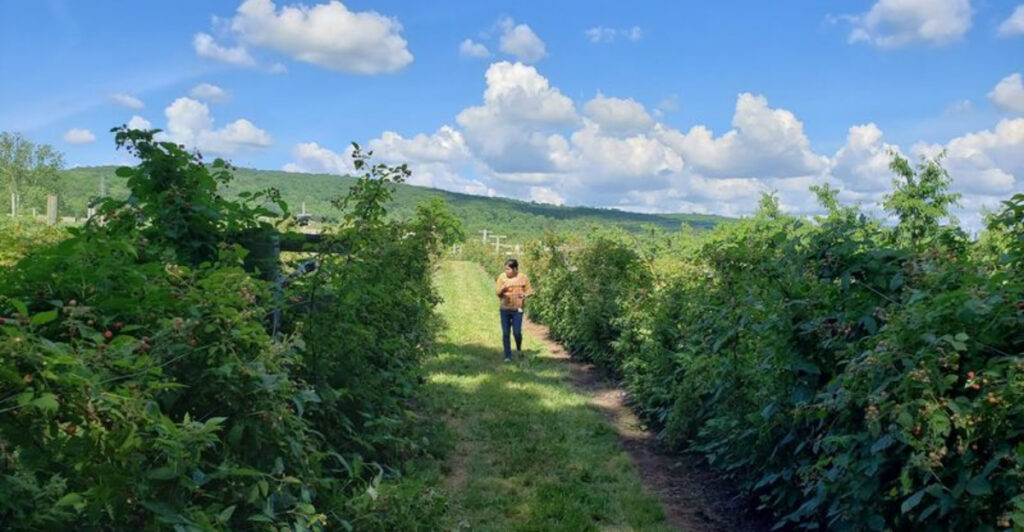
The best thing you can bring to Phillips Farms is not a cooler, a floppy hat, or a perfectly planned itinerary. It is patience.
The kind you need when a child insists on inspecting every strawberry before dropping one into the bucket. The kind that slows you down enough to notice the soft thud of peaches landing in someone’s bag a few rows over, or the way blueberry bushes can make adults suddenly competitive in the friendliest possible way.
Out in Milford, in the rolling farmland of Hunterdon County, Phillips Farms turns a simple summer errand into something much better. You are not just buying fruit here.
You are walking through the place where it grew, choosing it with your own hands, and leaving with sun-warmed proof that New Jersey still knows exactly how to do summer.
Why Phillips Farms Feels Like New Jersey Summer in One Stop
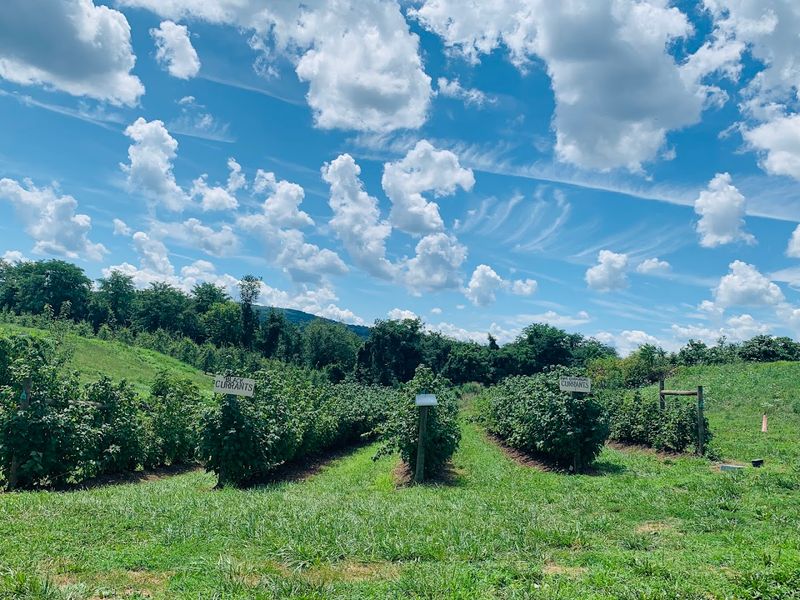
There are farms where you stop for a quick quart of berries, and then there is Phillips Farms, where the day has a way of stretching itself out. The farm has two pick-your-own locations in Milford: the Main Farm on Crabapple Hill Road and the Farm Market location on Milford-Warren Glen Road, also known as Route 519.
They are only about two miles apart, which means this does not feel like two separate trips. It feels like one properly packed New Jersey farm day, with a little driving between fields and a lot of deciding what else you have room for.
That setup is part of the charm. Depending on the week, one location may be where the strawberries are ready, while another is where a different crop is having its moment.
Phillips Farms grows far beyond the big summer trio, too, with pick-your-own options that can include berries, fruit, vegetables, flowers, pumpkins, apples, and Asian pears as the season moves along. It is the kind of place where you arrive thinking about strawberries and somehow start wondering whether you also need flowers for the kitchen table.
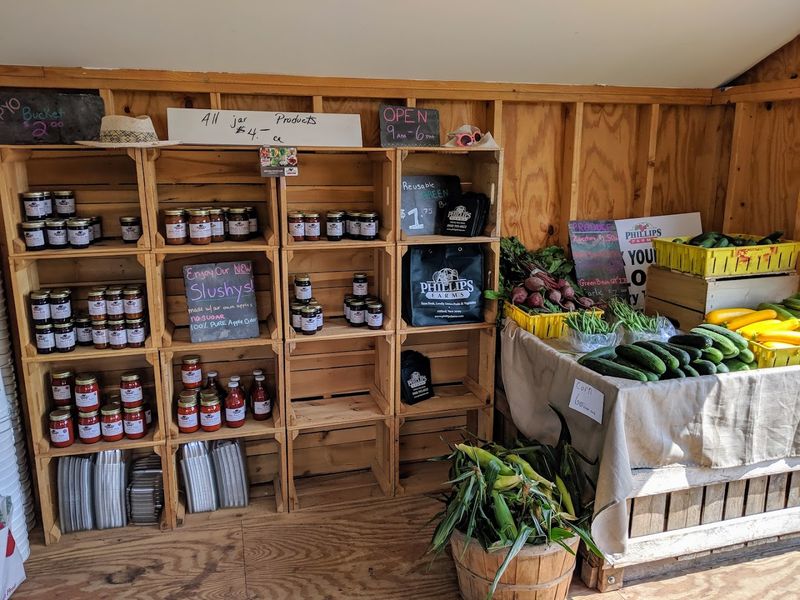
The Farm Market adds another layer to the visit. It is open daily from 9 a.m. to 6:30 p.m. and sells farm-grown produce along with jams, salsas, fresh breads, plants, flowers, and local goods.
That matters because even if the fields are picked out earlier than expected, or the weather has been moody, the market still gives you a very good reason to stay. In true Jersey fashion, the experience is practical and generous at the same time.
You can pick your fruit, grab something baked, take home a jar of jam, and leave with the very specific feeling that you handled summer correctly.
More Than Two Centuries of Farming Still Live in Milford
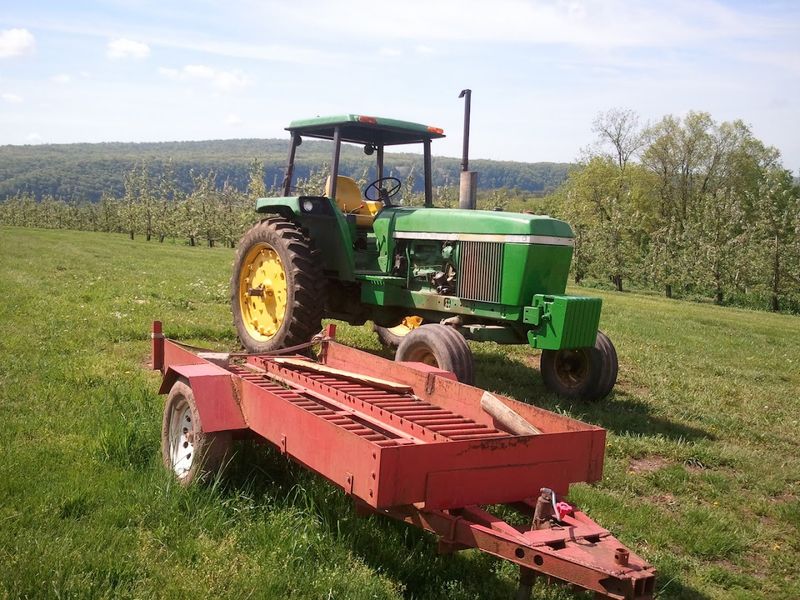
Phillips Farms is not one of those places pretending to be old for the aesthetic. Its roots go back to 1806, when German immigrant Philip Rapp founded the farm on 40 acres in what is now Holland Township.
Today, the operation covers about 300 acres and grows fruits, vegetables, and nursery plants, but the family-farm thread is still right there in the story. That history gives the place a different weight.
You feel it in the land before anyone tells you the dates. Milford sits in the northwestern corner of Hunterdon County, not far from the Delaware River, where New Jersey starts to feel quieter and hillier.
The roads narrow. The fields open up.
The pace changes without asking permission. Phillips Farms fits that landscape because it has been shaped by it for generations.
The modern version of the farm is also very much a working business, not a museum with prettier produce. Marc Phillips grew up on the farm, and he and his wife, Holly, began farming there after college.
They planted vegetables and fruit trees, built the first greenhouse, and kept expanding what the farm could offer. Their children later returned to the business full-time, which is exactly the kind of detail that makes a place like this feel less like a brand and more like a continuation.
There is a staff behind the scenes as well, including permanent team members, returning seasonal agricultural workers, and local young people getting early job experience at the market and pick-your-own areas. That matters when you are walking the rows with a bucket in your hand.
The casual fun of berry picking sits on top of a lot of planning, pruning, planting, irrigation, weather-watching, and long days. The fruit may feel effortless when you taste it, but the farm never is.
Strawberry Season Starts the Sweetest Kind of Countdown
Strawberries are usually the first big signal that summer has stopped hinting and finally arrived. At Phillips Farms, pick-your-own strawberry season typically begins in late May and carries into June, though weather always gets a vote.
A cool spring, a stretch of rain, or one blazing week can shift the timing, which is why the farm’s recorded update line is worth calling before you get in the car. The strawberry fields are not glamorous in the polished sense, and that is exactly why people like them.
You crouch low. You move leaves aside.
You learn quickly that the best berries are not always the ones sitting in plain view. Some are tucked underneath, red all the way around, warm from the sun, and ready to stain your fingers if you handle them too enthusiastically.
There is no elegant way to pick strawberries for more than five minutes, so everyone eventually gives up trying and just enjoys it. This is also the crop that turns kids into surprisingly serious inspectors.
They will reject a berry for being too pale, celebrate one shaped like a heart, and somehow take twenty minutes to fill the bottom of a bucket. Adults are not much better.
A good strawberry field makes reasonable people start saying things like, “Just one more row,” as if berries are going to vanish from civilization by lunchtime. The payoff is immediate.
Phillips Farms strawberries have the advantage every picked-that-day fruit has over grocery-store fruit: they do not need to be engineered for a long trip in a plastic clamshell. They can be soft, fragrant, and sweet in that blink-and-they’re-gone way.
By the time you get them home, you may have grand plans for shortcake, jam, or a proper bowl with whipped cream. More likely, a suspicious number disappear before they ever reach the refrigerator.
Blueberry Picking Turns Into a Slow Summer Treasure Hunt
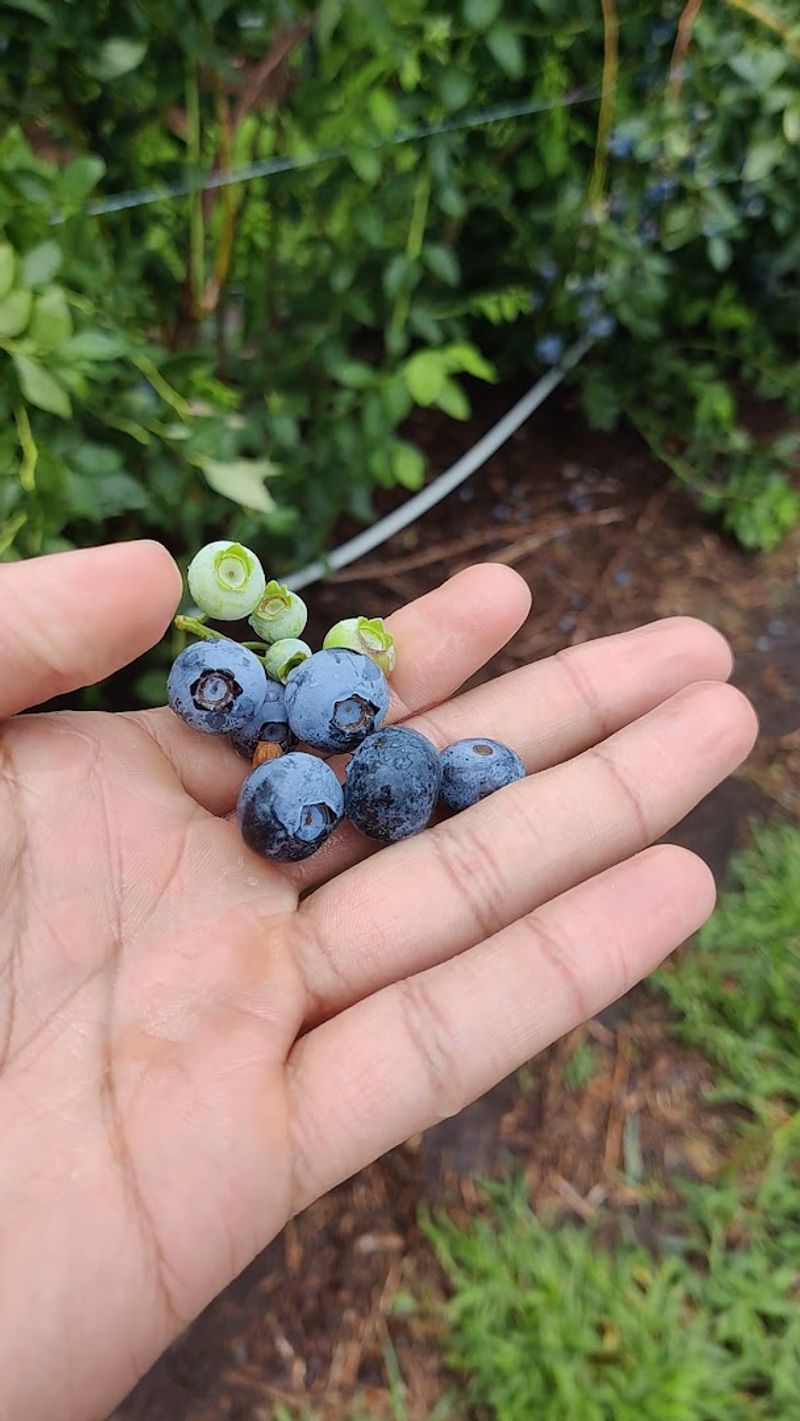
Blueberries ask for a different kind of attention. Strawberries make you bend down and search the ground.
Peaches make you look up. Blueberries keep you somewhere in the middle, standing beside the bushes and scanning for that perfect dusty-blue color that says, yes, this one is ready.
At Phillips Farms, blueberries generally take over after strawberries, with the farm’s crop calendar placing them in the heart of summer. This is the season for slower picking, not because the berries are hard to find, but because the good ones reward a careful eye.
A ripe blueberry should come off the bush easily. If you have to tug, it probably wants another day.
That tiny bit of restraint is the whole game. Blueberry picking is also one of the easiest farm outings to underestimate.
The berries are small, the bucket looks roomy, and suddenly everyone in your group has developed a personal theory about which bush is the best. Someone will wander three rows away and claim they found the jackpot.
Someone else will stay planted in one spot with the quiet confidence of a person who knows better than to chase rumors. Both approaches can work.
This is where Phillips Farms’ size helps. The farm is not a tiny patch with a few polite bushes and a line of people waiting behind you.
It is a real agricultural operation with enough going on that the visit feels open and unhurried, especially if you arrive earlier in the day. You can take your time, move through the rows, and let the bucket fill in small, satisfying increments.
Blueberries are also forgiving once you get them home. They are perfect by the handful, but they can handle pancakes, muffins, cobbler, yogurt, salads, and the freezer.
A full bucket feels ambitious in the field. Two days later, it feels like you should have picked more.
Peach Season Brings the Farm’s Juiciest Reward
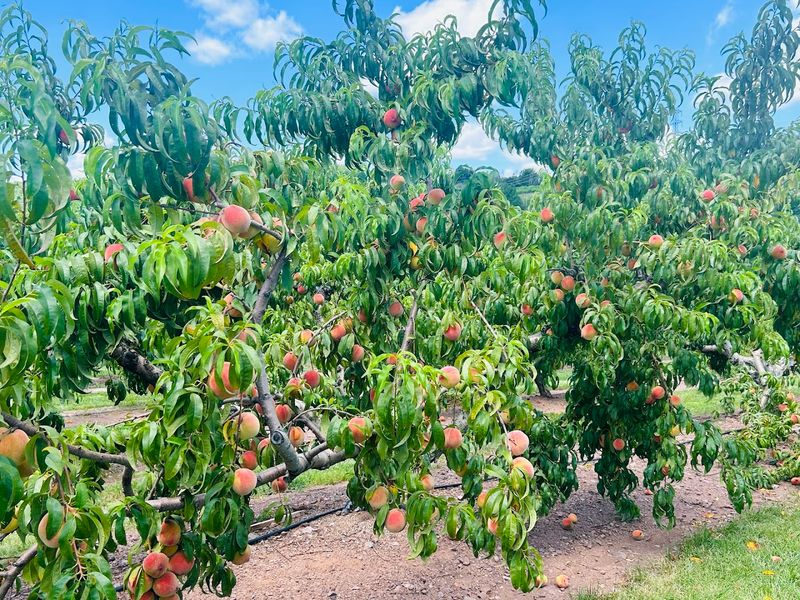
By the time peach season rolls in, summer has usually stopped being polite. The air is hotter, the fields are brighter, and the fruit feels less like a snack and more like an event.
Phillips Farms’ crop calendar puts peaches in the thick of summer into early fall, which makes them one of the great rewards for anyone who waits out the early berry rush. Picking peaches has its own small thrill because the fruit looks almost too good to touch.
The branches hang low enough in places that you can get a proper look before choosing, and the colors do half the convincing: gold, pink, orange, and red all blushing together like the tree is showing off. The trick is not to squeeze every peach like you are testing a stress ball.
A ripe peach should have a little give and come away with a gentle twist. If it fights back, let it be.
This is where the “right off the branch” fantasy really earns itself. Strawberries and blueberries are wonderful, but peaches bring drama.
They have weight. They have perfume.
They make the car smell like dessert before you even leave the parking area. And because they are delicate, they remind you that fresh fruit is not supposed to behave like a tennis ball.
A good peach bruises if you treat it badly. That is part of the deal.
Phillips Farms also grows donut peaches, those squat little favorites that look like someone gently pressed them down with a thumb. They tend to inspire strong opinions, usually from people who buy them once and then start looking for them every year.
Whether you go for classic peaches or donut peaches, the smartest move is to pick with a plan. Some should be ready to eat soon.
Some should be a little firmer for later. All of them should be kept somewhere they will not get crushed by the rest of your beautiful, overenthusiastic farm haul.
What to Know Before You Bring Your Bucket
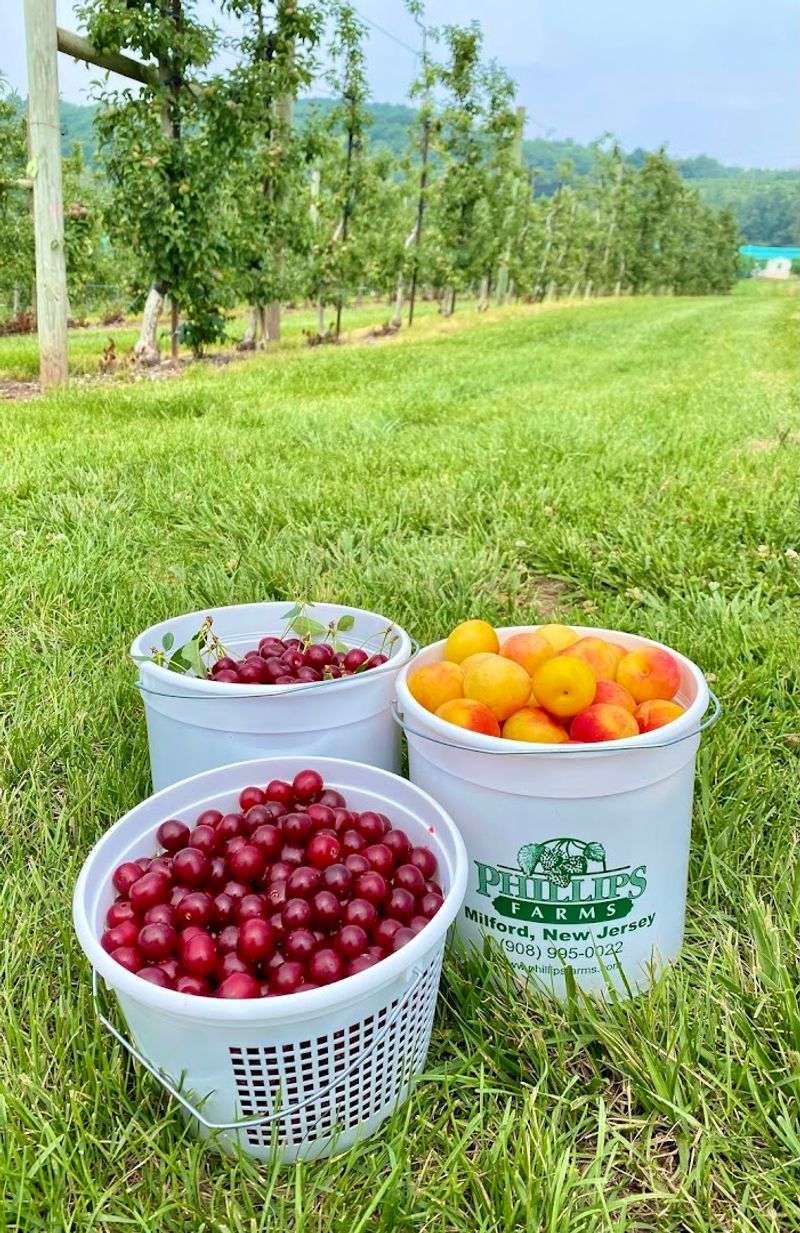
A little planning makes Phillips Farms much easier to enjoy. The big thing to remember is that pick-your-own is seasonal, weather-dependent, and sometimes finished for the day earlier than you expect.
Ripe fruit does not care how far you drove. Fields can close when they are picked out, during active thunderstorms, or when conditions change.
Before heading to Milford, call the farm’s recorded pick-your-own line at 908-995-0022 for the current crop update and location details. Admission is $7 per person over age three, and the farm requires Phillips Farms buckets for picking.
You can bring one from a previous year or buy one at check-in for $3. The bucket rule is not there to make your trunk full of reusable bags feel rejected.
It helps the farm manage picking, pricing, and field flow. Cash is preferred, though credit cards are accepted with a minimum purchase.
The practical stuff matters here. Wear closed-toed shoes, because this is a working farm with uneven ground, sticks, bees, dirt, and all the other signs that food is being grown in the real world.
Bring hats, sunscreen, and clothes that can handle a little dust. Leave pets at home, since only ADA-recognized service animals are allowed.
Children need to stay with adults, and nobody should climb trees, shake branches, wander into closed rows, or sample unpaid fruit in the field. Pick only what you are ready to buy.
That sounds obvious until the berries are perfect and the peaches are glowing and your bucket starts filling faster than your common sense can keep up. The nicest way to do Phillips Farms is to treat it like the working farm it is: follow the signs, call ahead, respect the rows, and let the season be a little unpredictable.
That is the whole rhythm of the place: simple, sunny, slightly dusty, and better because it still asks you to slow down.