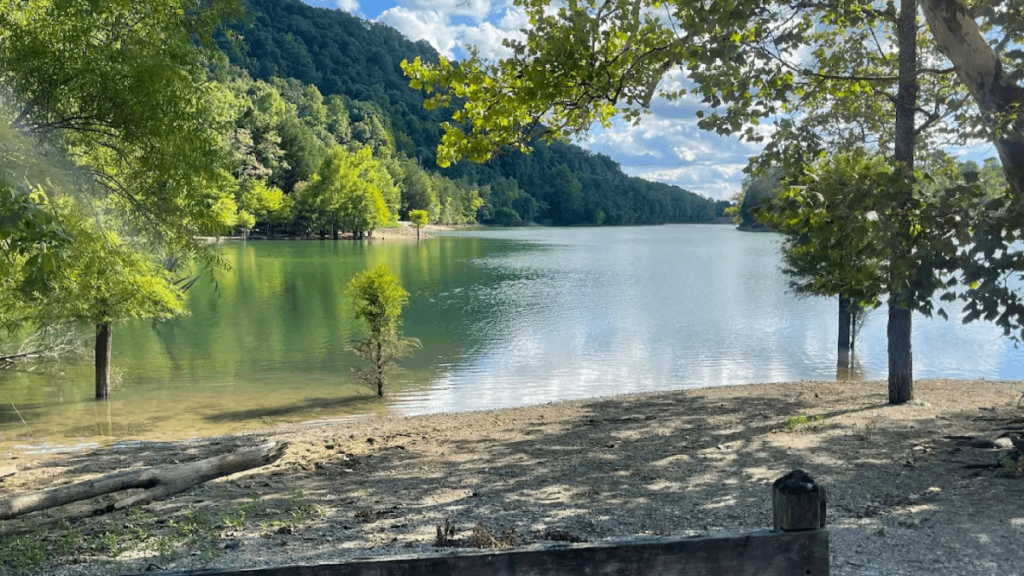
Tennessee has plenty of famous spots that draw crowds year-round, but some of the state’s most beautiful places still fly under the radar. These hidden gems offer waterfalls, mountain views, historic villages, and wild landscapes without the elbow-to-elbow tourist traffic.
Whether you’re craving a challenging hike, a peaceful paddle, or a charming small-town escape, these 13 dreamy destinations prove that Tennessee’s best-kept secrets are worth seeking out.
1. Virgin Falls / Scott’s Gulf Wilderness — Sparta
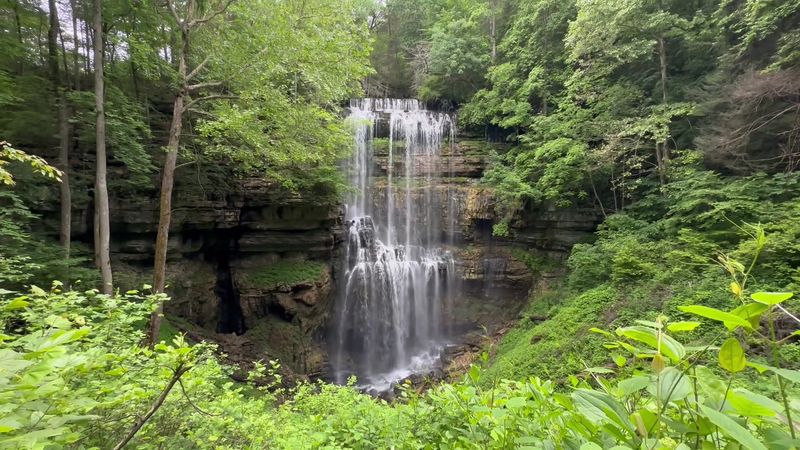
Water appearing out of nowhere and vanishing just as mysteriously sounds like something from a fantasy novel, but Virgin Falls delivers exactly that kind of magic. The falls emerge from a cave high on a rock face, plunge 110 feet through the air, then disappear straight into another cave below. It’s one of Tennessee’s most unusual natural features, and the journey to reach it feels like a proper wilderness adventure.
The round-trip hike stretches between 8 and 9 miles, winding through Scott’s Gulf Wilderness with creek crossings, rocky scrambles, and thick forest canopy overhead. You’ll also pass Big Laurel Falls and Big Branch Falls along the way, so the payoff isn’t limited to just one destination. The terrain demands sturdy boots, decent stamina, and a willingness to get a little muddy.
Because the trail requires real effort, Virgin Falls stays quieter than Tennessee’s more accessible waterfalls. You won’t find paved paths, guardrails, or crowds snapping selfies at every overlook. Instead, expect solitude, birdsong, and the kind of raw beauty that makes you feel like you’ve earned the view.
Spring and fall offer the best conditions—water flow peaks after rain, and temperatures stay comfortable for long hikes. Summer can get sticky and buggy, while winter ice makes the trail treacherous. Pack plenty of water, snacks, and a headlamp if you’re starting late.
This isn’t a quick roadside stop or an easy family outing. Virgin Falls rewards those willing to work for it with one of Tennessee’s most surreal and stunning natural spectacles, far from the tourist trail and deep in the heart of the Cumberland Plateau.
2. Burgess Falls State Park — Sparta
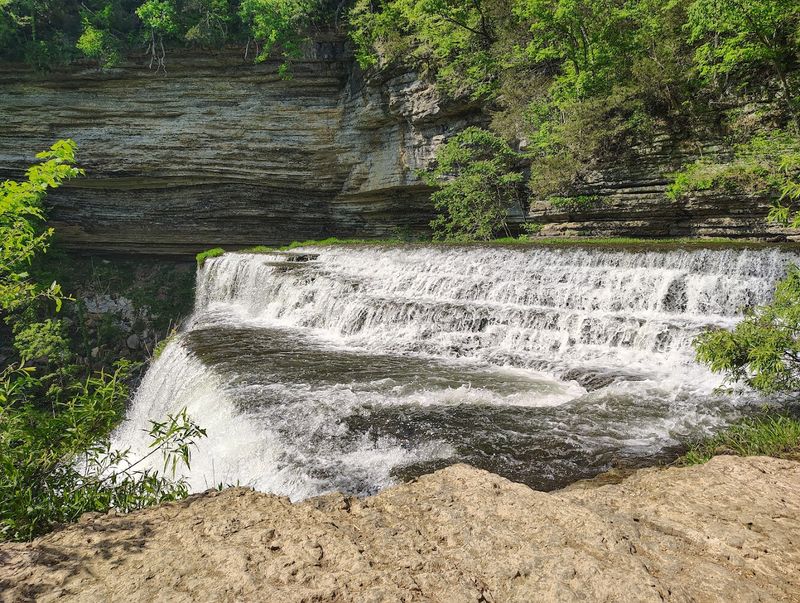
Four waterfalls in one compact park might sound too good to be true, but Burgess Falls delivers that exact experience with dramatic flair. The star of the show is the final 130-foot cascade that thunders into a deep gorge, creating a scene that feels way bigger than the park’s modest size suggests. It’s the kind of place that makes you stop mid-trail and just stare.
The main trail stretches about 1.5 miles one way, mostly paved or graveled, with overlooks for each waterfall along the Falling Water River. You’ll pass three smaller falls before reaching the grand finale, where the viewing platform offers a jaw-dropping perspective of the main plunge. The gorge walls rise steeply on both sides, and the roar of the water echoes off the rock.
Weekends can bring decent crowds, especially during peak fall color season, but it’s still nowhere near Smokies-level traffic. Arrive early on Saturday mornings or visit on weekdays, and you’ll have plenty of elbow room. The park also offers fishing access and picnic areas if you want to extend your visit beyond the waterfall walk.
Late spring brings high water flow and lush greenery, while autumn paints the gorge in fiery reds and golds. Summer offers swimming opportunities in the river below the falls, though you’ll need to navigate a steep, unofficial trail to reach the base. Winter transforms the falls into a frozen spectacle, but icy conditions make the trail tricky.
Burgess Falls punches well above its weight class, offering big scenery and multiple waterfalls without requiring a full-day commitment or navigating massive tourist infrastructure. It’s Tennessee waterfall-chasing at its most rewarding and accessible.
3. Fiery Gizzard State Park — Monteagle
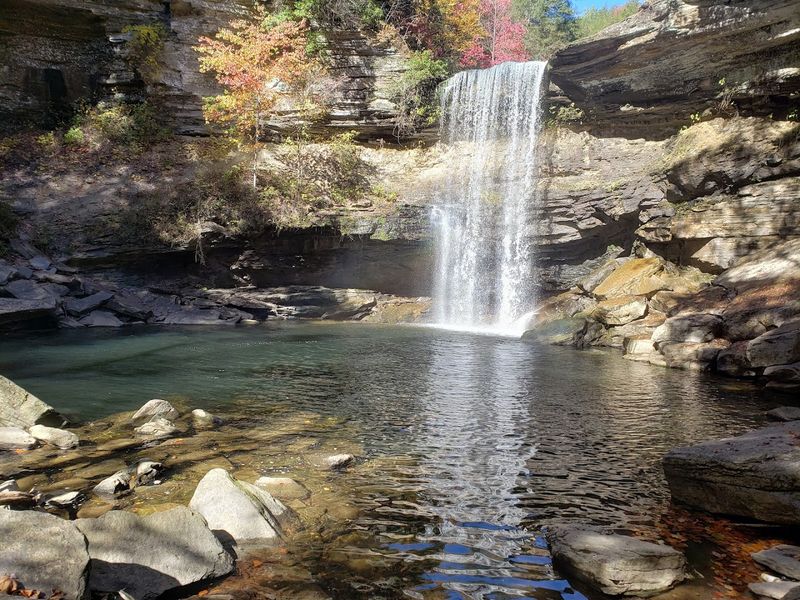
With a name like Fiery Gizzard, you know you’re in for something memorable. This Cumberland Plateau gem packs waterfalls, old-growth forest sections, rocky scrambles, and sweeping overlooks into more than 20 miles of trails that feel worlds away from Tennessee’s tourist hotspots. It’s rugged, beautiful, and perfectly suited for anyone craving a real backcountry experience without the crowds.
The main Fiery Gizzard Trail runs about 13 miles from the Grundy Forest trailhead to Foster Falls, passing through some of the most dramatic scenery in Middle Tennessee. You’ll encounter multiple waterfalls, including the photogenic Sycamore Falls, plus rock shelters, creek crossings, and challenging boulder fields. The trail demands solid fitness and good boots, but the constantly changing landscape keeps things interesting.
Grundy Forest State Natural Area on the northern end offers shorter loop options if you’re not ready for the full commitment. The Dog Hole Trail and Fiery Gizzard Trail combine for a moderate 2-mile loop through gorges and past smaller cascades, giving you a taste of the park’s character without the all-day effort.
Spring wildflowers blanket the forest floor, fall colors explode across the canopy, and winter reveals rock formations hidden by summer foliage. Summer brings shade and swimming holes, though afternoon thunderstorms can make creek crossings dicey. Check water levels before heading out, especially after heavy rain.
Fiery Gizzard stays relatively quiet compared to nearby Savage Gulf or Fall Creek Falls, partly because the terrain filters out casual hikers. That means more solitude, better wildlife spotting, and the satisfaction of exploring one of Tennessee’s true wilderness treasures without fighting for parking or tripping over selfie sticks.
4. Roan Mountain State Park — Roan Mountain
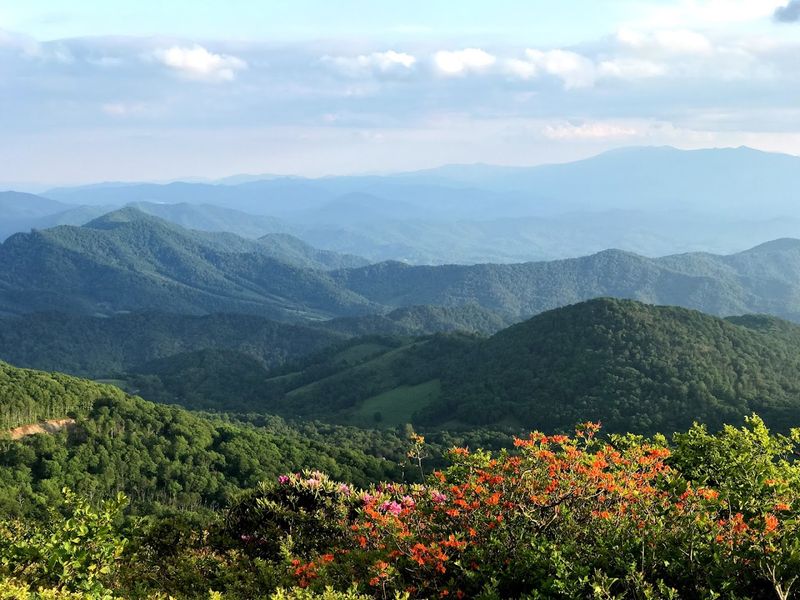
Cool mountain breezes, blooming rhododendrons, and high-elevation balds create an almost dreamlike atmosphere at Roan Mountain, especially during late spring and early summer. Sitting near the Tennessee-North Carolina border, this park offers genuine mountain escape vibes with cabins, riverside trails, and access to some of the Southern Appalachians’ most spectacular natural gardens. It’s the kind of place that makes you forget the lowland heat entirely.
The famous rhododendron bloom typically peaks in mid-to-late June, transforming the higher elevations into seas of pink and purple flowers. Roan Highlands, accessible from the park via forest roads, hosts one of the world’s largest natural rhododendron gardens. The Carvers Gap area provides hiking access to grassy balds with 360-degree views that stretch across multiple states.
Down in the park proper, the Doe River winds through a peaceful valley with camping, picnic areas, and cabin rentals that feel rustic without sacrificing comfort. Hiking trails range from easy riverside strolls to moderate climbs through hardwood forests. The park also offers naturalist programs and seasonal events focused on mountain ecology and history.
Beyond bloom season, Roan Mountain shines in early fall when the high-elevation forests explode in color weeks before the valleys catch up. Winter brings occasional snow and ice, creating a quiet, frozen beauty for cold-weather adventurers. Summer offers relief from Tennessee’s humidity, with temperatures often 10-15 degrees cooler than nearby lowlands.
Visit outside peak weekends, and you’ll find plenty of peaceful moments among the mountains, flowers, and cool Appalachian air that makes Roan Mountain feel like Tennessee’s secret high country.
5. Reelfoot Lake State Park — Tiptonville
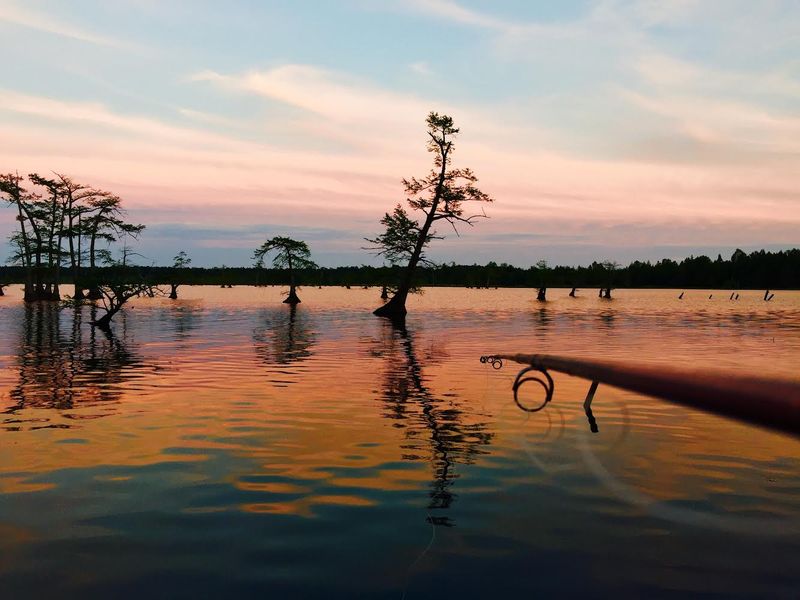
Reelfoot Lake looks like it belongs in Louisiana rather than northwest Tennessee, with bald cypress trees rising straight out of the water and Spanish moss draping from dead timber. Created by a series of earthquakes in 1811-1812, it’s Tennessee’s only large natural lake and one of the state’s most unusual landscapes. The atmosphere leans moody and mysterious, especially at dawn when mist rises off the water and bald eagles circle overhead.
The lake covers about 15,000 acres of shallow water, cypress stumps, and flooded forest, creating perfect habitat for fish, waterfowl, and raptors. Bald eagles winter here in impressive numbers—sometimes more than 200 birds—making it one of the best eagle-watching spots in the Southeast. The park offers guided boat tours during eagle season, plus fishing access, boardwalk trails, and an interpretive center explaining the lake’s earthquake origins.
Fishing draws serious anglers chasing crappie, bass, and catfish through the maze of stumps and channels. Navigating requires local knowledge or a guide, since the shallow water and hidden obstacles make it tricky for newcomers. Kayaking and canoeing work well in calmer areas, offering close-up views of the cypress forest and bird life.
Spring brings migrating waterfowl and blooming water lilies, while fall colors reflect beautifully in the still water. Summer can get hot and buggy, but early morning and evening hours offer cooler temperatures and active wildlife. Winter is prime eagle season, with the best viewing from December through February.
Reelfoot’s remote location in Tennessee’s northwestern corner keeps it off most tourist itineraries, which means fewer crowds and more authentic wilderness atmosphere. It’s a landscape that feels ancient and wild, offering a completely different side of Tennessee that most visitors never discover.
6. Big South Fork National River and Recreation Area — Oneida
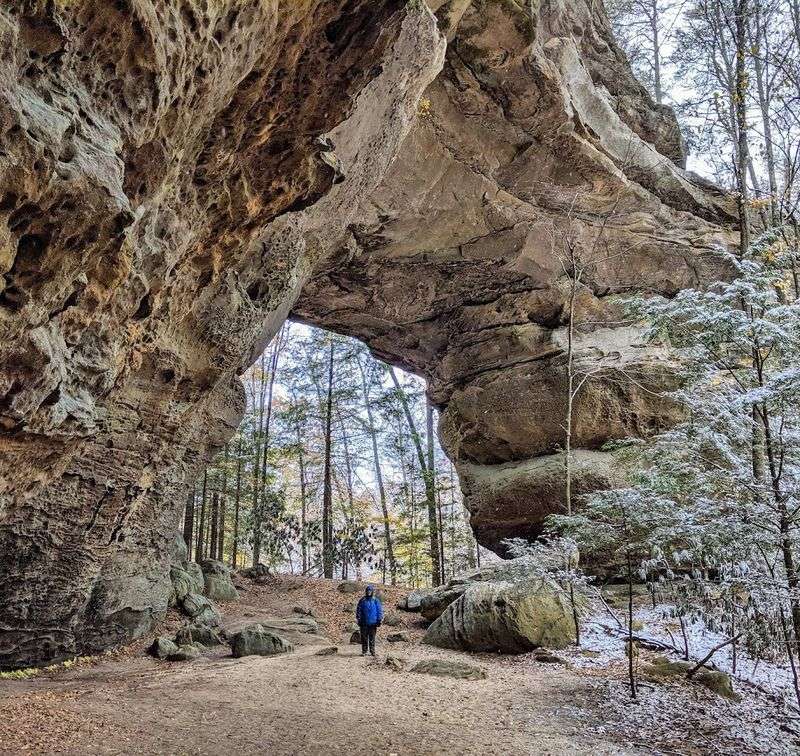
Sprawling across 125,000 acres of Cumberland Plateau wilderness, Big South Fork offers the kind of wide-open adventure space that makes you feel genuinely remote. Sandstone bluffs tower over river gorges, natural arches punctuate the ridgelines, and miles of trails wind through forests that see far fewer boots than the Smokies. It’s managed by the National Park Service, which means quality trails and facilities without the overwhelming crowds.
The Big South Fork River cuts through the plateau in a dramatic gorge, creating whitewater sections for paddlers and calm pools for swimmers. Yahoo Falls, Tennessee’s tallest waterfall at 113 feet, drops over a massive rock overhang accessible via a short trail. Twin Arches, one of the largest natural bridge formations in the eastern U.S., rewards hikers with a moderate 1.5-mile trek.
Horseback riding trails crisscross the area, and the park maintains a horse camp for overnight riders. Mountain biking is permitted on many trails, offering challenging terrain and scenic views. The remote Zenith mining community ruins provide a fascinating glimpse into early 20th-century coal mining life, with old buildings slowly being reclaimed by the forest.
Spring wildflowers carpet the forest floor, summer brings lush greenery and swimming opportunities, and fall colors rival anything in the Smokies. Winter offers solitude and stark beauty, though some roads close seasonally. The park straddles the Tennessee-Kentucky border, providing access points from both states.
Big South Fork’s size and relative obscurity mean you can hike for hours without seeing another person, especially on weekdays or less-traveled trails. It’s Tennessee wilderness at its finest—dramatic geology, clear rivers, diverse ecosystems, and enough space to truly escape without driving all the way to the Smokies and battling the crowds there.
7. Pinson Mounds State Archaeological Park — Pinson
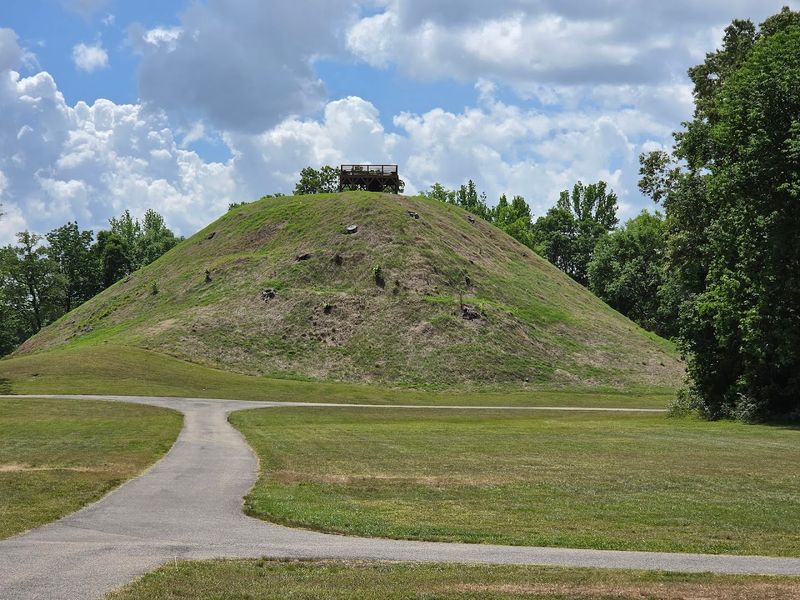
Ancient earthworks rising from the West Tennessee landscape create an atmosphere that’s equal parts peaceful and mysterious at Pinson Mounds. This 1,600-acre archaeological park preserves at least 17 Indigenous mounds built by Middle Woodland peoples between roughly 1 BC and 500 AD. Walking among these structures feels like stepping into a different era, with history tangible in the grass-covered shapes rising from the flat terrain.
Sauls Mound, the second-tallest ceremonial mound in the United States at 72 feet, dominates the landscape and offers visitors a chance to climb to the top for views across the park. Paved trails connect various mound sites, making the park accessible for all fitness levels. The museum provides context about the people who built these structures, displaying artifacts and explaining the complex society that once thrived here.
Unlike flashier tourist attractions, Pinson Mounds attracts history buffs, school groups, and people seeking quiet outdoor time rather than entertainment. The park’s trails wind through hardwood forests and open fields, offering pleasant hiking beyond the archaeological features. Picnic areas provide shaded spots for lunch, and the park hosts occasional special events focused on Indigenous history and archaeology.
Spring and fall bring comfortable temperatures and blooming wildflowers or colorful leaves, while summer can get hot and humid in the open areas. Winter reveals the mounds’ shapes more clearly without foliage obscuring sightlines. The park rarely feels crowded, even on nice weekends, giving visitors space to explore and reflect.
Pinson Mounds represents a completely different side of Tennessee’s story, one that predates European settlement by more than a thousand years. It’s a place where history, nature, and quiet contemplation combine beautifully, offering a refreshing break from Tennessee’s typical tourist circuit without requiring any strenuous effort or advance planning.
8. Hiwassee Scenic River State Park — Delano
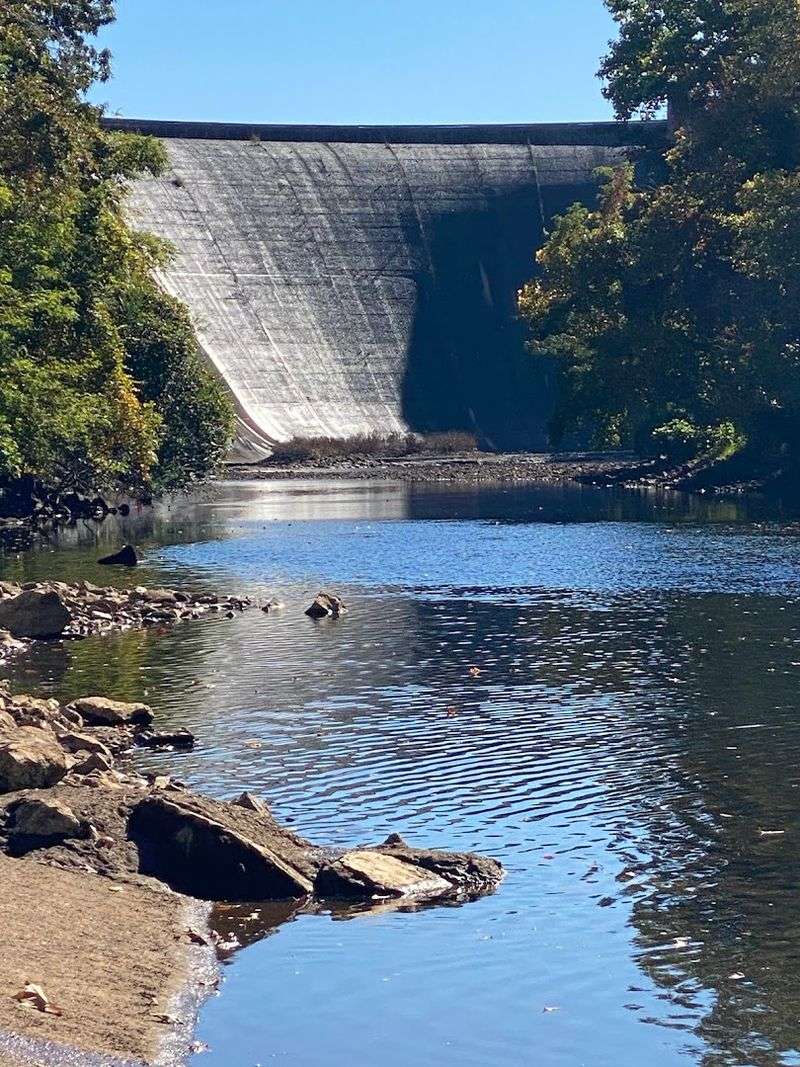
Clear water, gentle rapids, and tree-lined banks make the Hiwassee River a perfect escape for anyone craving a laid-back water adventure. The river flows through the Cherokee National Forest with a 23-mile scenic section that’s ideal for floating, kayaking, fishing, and simply soaking up the mountain valley atmosphere. It feels more relaxed and less commercialized than the nearby Ocoee, which draws the whitewater thrill-seekers and their crowds.
The river’s Class I and II rapids provide just enough excitement to keep things interesting without requiring expert skills or nerves of steel. Outfitters in the area offer rentals and shuttle services, making it easy to plan a half-day or full-day float. The water stays cool even in summer, fed by dam releases that also support a healthy trout population below the dam.
Hiwassee State Park itself sits along the river near Delano, Tennessee, offering camping, picnic areas, and river access. The park serves as a launching point for river trips and provides basic facilities without resort-style development. Birdwatchers flock here during migration seasons, as the river valley funnels songbirds, raptors, and waterfowl through the area.
Fishing opportunities range from bank casting to wading to float fishing, with trout, bass, and catfish all present. Spring and fall offer the most comfortable temperatures and beautiful scenery, while summer brings warm water and plenty of swimming spots.
The Hiwassee’s relative quiet compared to Tennessee’s more famous rivers makes it a hidden gem for anyone who values peaceful natural settings over adrenaline rushes. You’ll find families floating together, anglers working productive pools, and kayakers enjoying a scenic paddle without the pressure of technical rapids or crowded put-ins.
9. Cherohala Skyway
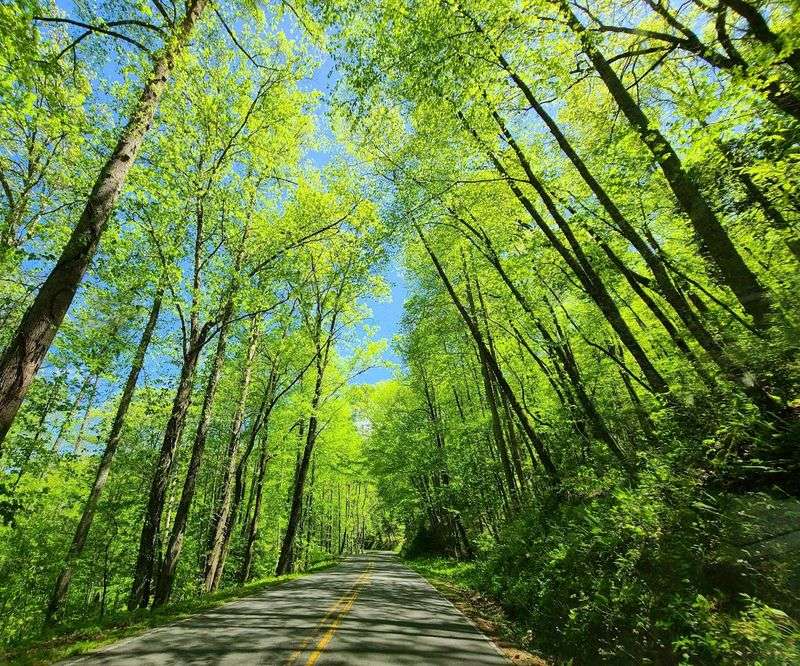
Climbing from about 800 feet to 5,300 feet elevation, the Cherohala Skyway delivers some of the most spectacular mountain driving in the Southeast without the traffic jams of the Blue Ridge Parkway. This 43-mile route winds through the Cherokee and Nantahala National Forests, connecting Tellico Plains, Tennessee, to Robbinsville, North Carolina.
Overlooks appear frequently along the route, offering pull-offs for photos, picnics, and simply absorbing the layered mountain views. The road passes through different ecological zones as it climbs, transitioning from hardwood forests to high-elevation spruce-fir stands. Fall color season transforms the drive into a rolling tapestry of reds, oranges, and golds, typically peaking in mid-to-late October.
Unlike busier scenic drives, the Cherohala sees moderate traffic even during peak seasons, partly because it doesn’t connect major tourist destinations. That means you can actually stop at overlooks without circling for parking or jockeying for photo positions. The road is well-maintained and features gentle curves rather than white-knuckle switchbacks, making it accessible for nervous drivers.
Several hiking trails branch off from the skyway, including access to the Unicoi Mountains and Joyce Kilmer-Slickrock Wilderness. The Cherohala also passes near the Tellico River, a renowned trout stream. Spring brings blooming wildflowers and rushing streams, while summer offers cool mountain temperatures and lush greenery.
The skyway opened in 1996, making it relatively new compared to other mountain roads, and it still hasn’t reached household-name status among casual tourists. That works perfectly for anyone seeking big views, smooth driving, and mountain atmosphere without the crowds, commercialization, or bumper-to-bumper traffic of more famous routes.
10. Big Ridge State Park — Maynardville
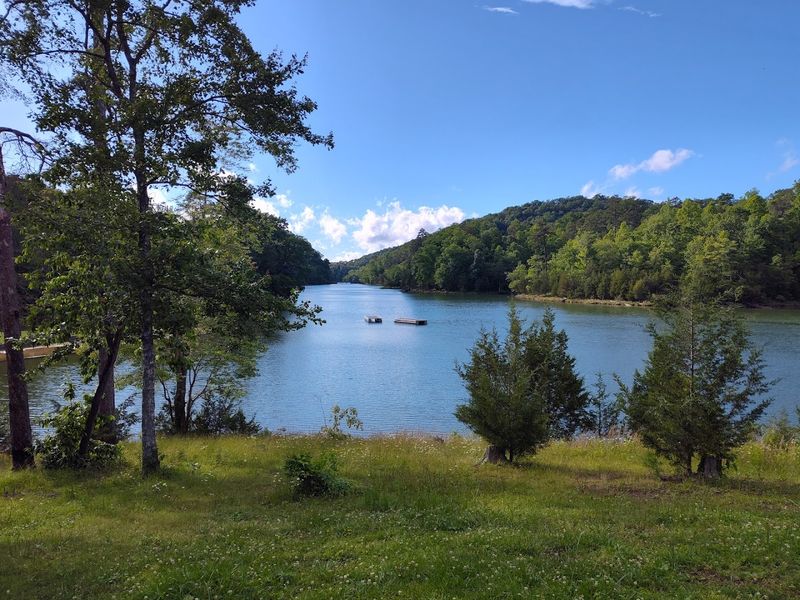
Tucked into the ridges and hollows near Norris Lake, Big Ridge State Park feels like stepping back to an earlier era of Tennessee state parks. Rustic cabins nestle among the woods, quiet coves invite exploration by kayak or canoe, and hiking trails wind through forests that have recovered nicely since the park’s establishment in the 1930s. It’s the kind of place where you can actually relax without competing for space or dealing with resort-town energy.
The park sits on a peninsula jutting into Norris Lake, providing water access from multiple points. Fishing opportunities abound for bass, crappie, and catfish, with both bank fishing and boat access available. A swimming beach operates during summer months, offering a designated area for splashing around in the cool lake water.
Hiking trails total about 15 miles, ranging from easy lakeside strolls to moderate ridge climbs. The Big Valley Trail offers a longer loop through varied terrain, while shorter paths provide quick nature fixes. Wildlife spotting is excellent, with deer, turkeys, and various bird species commonly seen along the trails and around the lake.
Cabin rentals provide a comfortable base for longer stays, with options ranging from basic to more modern amenities. The park also offers camping, picnic shelters, and a small camp store. It’s popular with locals but rarely overwhelmed, especially on weekdays or outside summer peak season.
Spring wildflowers brighten the forest floor, summer brings warm swimming weather, and fall colors reflect beautifully in the lake’s calm coves. Winter offers solitude and stark beauty, though some facilities close seasonally. The park’s location near Knoxville makes it an easy escape from city life without requiring a long drive.
Big Ridge delivers old-school state park charm—no water slides, no resort amenities, just woods, water, and quiet natural beauty for anyone seeking a genuine outdoor escape.
11. Historic Rugby
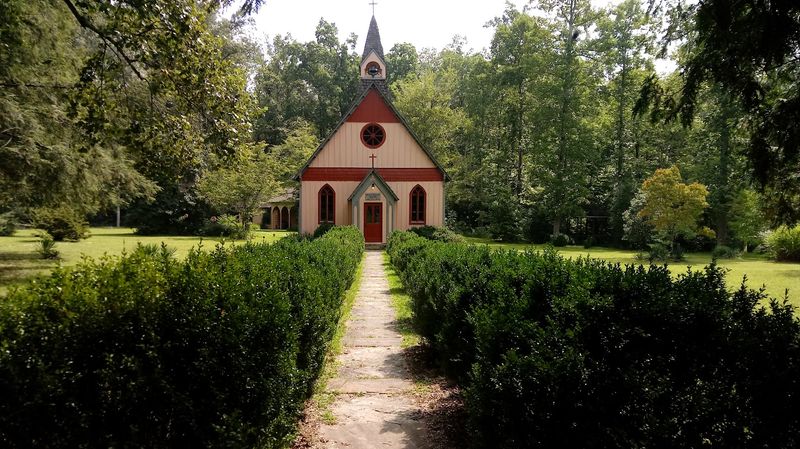
Founded in 1880 by British author and social reformer Thomas Hughes, Rugby was meant to be a utopian colony where younger sons of the English gentry could build new lives. The experiment ultimately failed, but the village survived as a remarkably preserved Victorian time capsule. Today, historic buildings, period furnishings, and a storybook atmosphere make Rugby one of Tennessee’s most charming and unusual destinations.
About 20 original structures remain, including the Hughes Public Library, which still houses Victorian-era books on its shelves. Christ Church Episcopal, built in 1887, features beautiful woodwork and stained glass windows. The Schoolhouse Visitor Centre provides historical context and tour information, while several buildings offer guided tours that bring the colony’s story to life.
Walking Rugby’s quiet streets feels like wandering onto a movie set, with period architecture, split-rail fences, and a completely uncommercialized atmosphere. The village sits on the Cumberland Plateau surrounded by forests and rolling hills, adding natural beauty to the historical charm. Hiking trails connect Rugby to nearby natural areas, including the Big South Fork.
The Rugby Commissary serves meals featuring period recipes and local ingredients, while bed-and-breakfast accommodations let visitors extend their stay in historic buildings. Annual events include festivals, craft demonstrations, and seasonal celebrations that draw modest crowds but never overwhelm the village’s intimate scale.
Unlike Tennessee’s more famous small towns, Rugby hasn’t been discovered by massive tourist crowds or transformed into a shopping destination. It remains genuinely quirky and authentic, appealing to history buffs, architecture enthusiasts, and anyone who appreciates offbeat destinations.
12. Natchez Trace Parkway
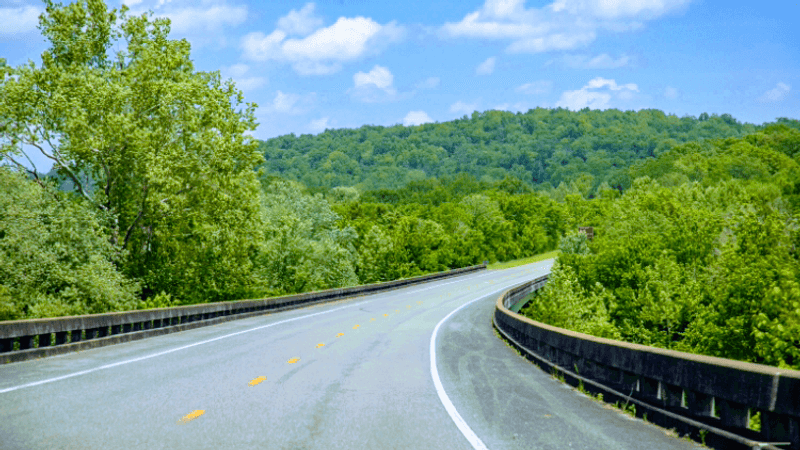
Stretching 444 miles from Nashville to Natchez, Mississippi, the Natchez Trace Parkway follows an ancient trail used by Native Americans, European settlers, and early American travelers. The Tennessee section offers some of the route’s best scenery and most interesting stops, all without the commercial development or traffic chaos of typical highways.
It’s designed for slow, scenic driving with frequent pull-offs, historical markers, and natural attractions.
Jackson Falls provides a quick waterfall stop accessible via a short trail near the parkway’s northern end. Meriwether Lewis Park marks the site where the famous explorer died under mysterious circumstances in 1809, with a monument and interpretive exhibits. The parkway also passes through or near charming towns like Leiper’s Fork, known for antiques, art galleries, and laid-back Southern atmosphere.
The roadway itself prohibits commercial traffic, maintaining a peaceful driving experience with a 50-mph speed limit. Bicyclists love the Trace for its smooth pavement, gentle grades, and car-free shoulders. Hiking trails branch off at various points, ranging from easy nature walks to longer treks through Tennessee backcountry.
Spring brings dogwoods and redbuds blooming along the roadway, while fall transforms the route into a tunnel of gold and crimson. Summer offers lush greenery and occasional pull-offs for picnicking. Winter reveals the landscape’s bones and provides solitude for cold-weather explorers.
The Trace’s quiet, uncommercial character sets it apart from typical scenic drives. You won’t find billboards, gas stations, or fast-food restaurants cluttering the views—just forests, fields, creeks, and countryside rolling past at a pace that encourages actually noticing the scenery.
13. Bell Buckle

Population hovering around 500, Bell Buckle packs an outsized amount of charm into its tiny downtown. Antique shops line the main street, cafes serve home-style cooking, and front porches practically beg you to sit down and watch the world slow to a crawl. It’s the kind of small town that feels like it should only exist in nostalgic movies, but it’s real and thriving about an hour southeast of Nashville.
The town’s name supposedly comes from a decorative bell found in a stream by early settlers, though local lore offers several competing origin stories. Whatever the truth, Bell Buckle has embraced its quirky identity and built a reputation for arts, crafts, and old-fashioned Southern hospitality. The annual RC Cola-MoonPie Festival draws thousands of visitors for a celebration of two iconic Southern treats.
Antique hunting is the main activity, with multiple shops offering everything from vintage furniture to collectibles to genuine treasures buried among the junk. The Bell Buckle Cafe serves classic Southern comfort food in a casual atmosphere. Several art galleries showcase local and regional artists, and the Webb School, a historic prep school, adds architectural interest to the town.
Festival weekends—particularly the RC-MoonPie event in June and the Craft Fair in October—can pack the tiny town with visitors. Visit outside those dates, and you’ll find peaceful streets perfect for strolling, browsing, and soaking up small-town atmosphere without the crowds. The surrounding countryside offers scenic drives through rolling farmland and past old barns.
Bell Buckle doesn’t try to be anything other than itself—a genuine small Tennessee town that happens to be charming, artsy, and welcoming. It’s not undiscovered, but it maintains an authentic character that many tourist-oriented towns have lost, making it perfect for anyone seeking the hidden-gem small-town experience without the manufactured cuteness.