Tennessee has long been known for its friendly communities and affordable living, but not every corner of the state is thriving. Some towns are watching their populations shrink year after year, even as property taxes keep climbing higher.
This troubling combination is forcing families to make tough choices about where to call home, and the effects are rippling through neighborhoods, schools, and local businesses across the Volunteer State.
1. Memphis
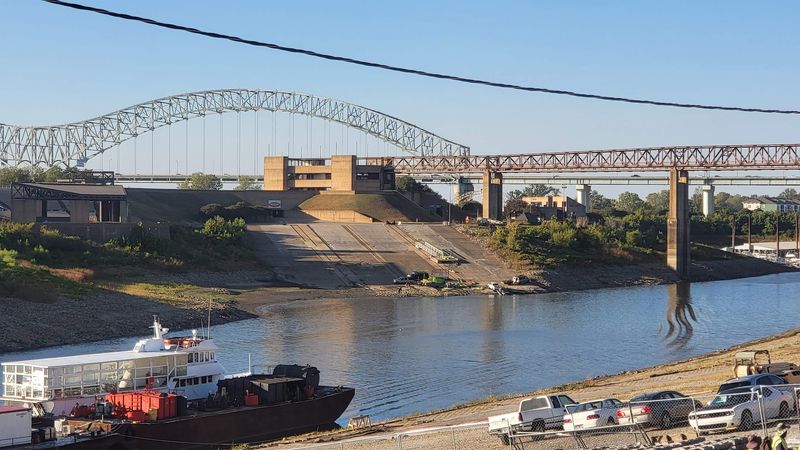
Population numbers tell a stark story in Tennessee’s second-largest city. Memphis has been hemorrhaging residents for years, with thousands packing up and leaving despite the city’s rich musical heritage and cultural significance.
The departure rate has accelerated recently, creating vacant properties and strained city services that struggle to maintain infrastructure with fewer taxpayers footing the bill.
Property taxes have climbed steadily upward even as the population drops. Homeowners are paying more while watching their neighborhood values stagnate or decline, creating a frustrating cycle that pushes even more people toward the exits.
City leaders face an impossible balancing act between raising revenue and keeping rates affordable enough to stop the bleeding.
Crime concerns play a major role in driving families away. Many neighborhoods that were once thriving have seen safety issues escalate, prompting residents to seek quieter communities outside city limits.
Schools have also struggled with funding and performance, giving parents another reason to look elsewhere for their children’s education.
The economic landscape has shifted dramatically over recent decades. Manufacturing jobs that once anchored working-class families have disappeared, replaced by service positions that often pay less and offer fewer benefits.
Downtown revitalization efforts have brought some positive changes, but they haven’t been enough to reverse the overall trend of people voting with their feet.
Infrastructure needs continue mounting as the tax base shrinks. Roads need repairs, water systems require upgrades, and public facilities show their age.
Each departing family makes these challenges harder to address, creating a vicious cycle where declining services push more residents to leave, which further reduces the resources available to improve conditions.
Memphis still has passionate advocates working to turn things around. Community organizations, business leaders, and neighborhood groups are fighting to restore the city’s former glory.
Whether their efforts can overcome the dual pressures of rising taxes and falling population remains one of Tennessee’s most pressing questions.
2. Jackson
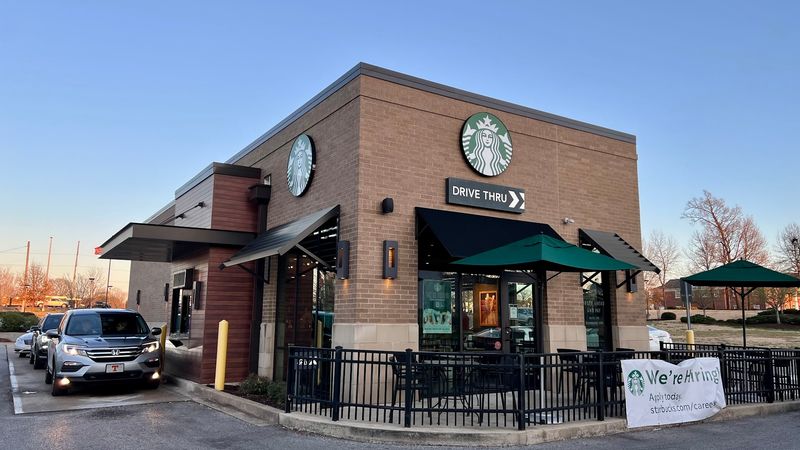
Sitting between Memphis and Nashville, Jackson once thrived as a regional hub where commerce and community intersected. Manufacturing plants provided steady employment, downtown shops bustled with activity, and families planted roots expecting to stay for generations.
That stability has eroded significantly, with census data showing a consistent outward migration that leaves empty storefronts and quiet streets in its wake.
Tax bills have climbed despite the shrinking population base. Homeowners open their annual assessments with dread, knowing their payments are rising while their property values remain flat or decline.
City officials argue the increases are necessary to maintain essential services, but residents struggling with stagnant wages and rising costs elsewhere see it as adding insult to injury.
The job market has transformed in ways that haven’t favored local workers. Factories that once employed hundreds have closed or dramatically reduced their workforce, leaving displaced workers scrambling for opportunities that often pay less or require relocation.
Young people graduating from local schools increasingly look elsewhere to start their careers, draining the community of fresh energy and talent.
Schools face mounting challenges as enrollment drops and funding becomes tighter. Teachers work hard with limited resources, but competing with better-funded districts in growing areas proves difficult. Parents weighing their options increasingly choose to move before their children reach school age, accelerating the demographic decline.
Healthcare access has become another concern as the population shrinks. Medical facilities that depend on patient volume to stay viable have scaled back services or closed entirely, forcing residents to travel farther for care.
This particularly impacts older residents and those with chronic conditions who need regular medical attention.
Community leaders haven’t given up on reversing the trend. Economic development initiatives aim to attract new businesses and create jobs that could stem the population loss.
Historic preservation efforts work to maintain the character that makes Jackson special. Whether these efforts arrive in time to prevent further decline remains uncertain, but the determination to save their community burns bright among those who remain.
3. Dyersburg
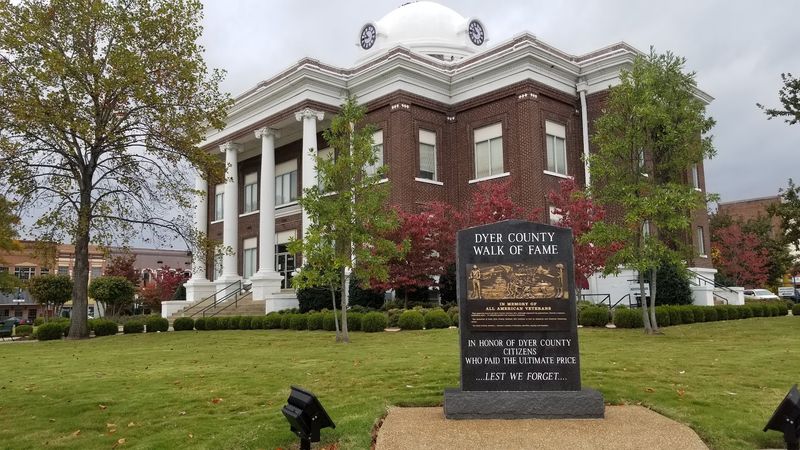
Northwest Tennessee’s Dyersburg has watched its population steadily dwindle over recent decades. What was once a thriving agricultural and manufacturing center has seen both sectors contract, taking jobs and residents with them.
Families who built lives here find themselves questioning whether staying makes financial sense as opportunities dry up and costs keep rising.
Property tax increases have hit particularly hard in a community where incomes haven’t kept pace. Fixed-income retirees and working families alike struggle with bills that climb faster than their ability to pay them.
The city needs revenue to function, but squeezing residents who are already stretched thin only accelerates the departure of those who can afford to leave.
Agriculture, long the backbone of the local economy, employs fewer people than it once did. Mechanization and consolidation mean fewer family farms and more corporate operations that don’t put down community roots.
Young people raised on farms increasingly pursue other careers, often in cities far from their hometown.
Manufacturing facilities that provided middle-class wages have closed or relocated overseas. The jobs that replaced them typically offer lower pay and fewer benefits, making it harder for families to achieve the stability their parents enjoyed.
This economic shift has been particularly painful for workers in their forties and fifties who find themselves starting over in a challenging job market.
Downtown Dyersburg shows the physical evidence of decline. Empty buildings that once housed thriving businesses now sit vacant, their windows dark and their potential unrealized.
Local shop owners who remain work hard to serve their community, but competing with online retailers and big-box stores in larger towns proves increasingly difficult.
Educational opportunities are limited compared to larger cities. Ambitious students often leave for college and never return, taking their talents and potential contributions elsewhere.
Some residents refuse to abandon their hometown without a fight. Volunteer efforts beautify public spaces, small business owners innovate to stay relevant, and community organizations work to attract new residents and investment.
Their dedication offers hope, even if the path forward remains steep.
4. Union City
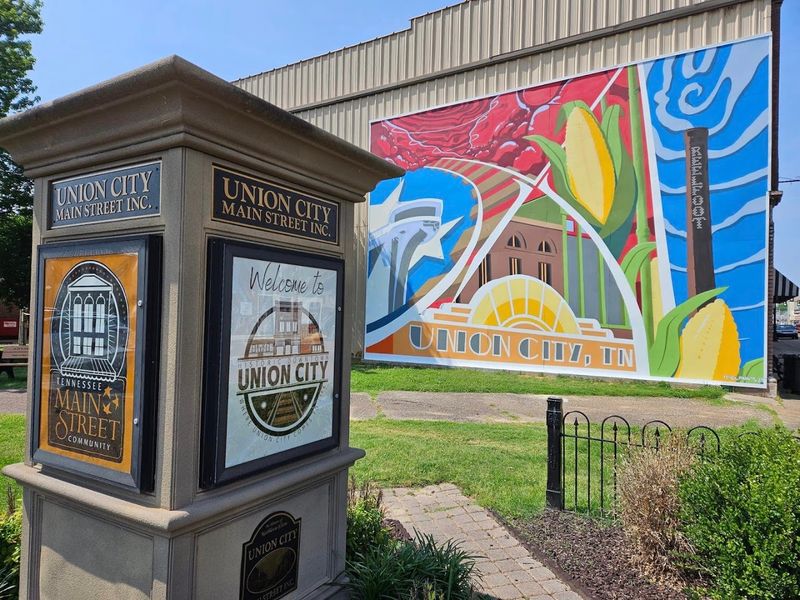
Tucked in Tennessee’s northwest corner, Union City has experienced the kind of slow decline that creeps up gradually before becoming undeniable. Census numbers show a steady drop in population over multiple decades, with younger residents particularly likely to leave for opportunities elsewhere.
The community that remains skews older, creating demographic challenges that compound other problems facing the town.
Rising property taxes squeeze residents who are already dealing with limited economic prospects. When your income stays flat but your tax bill climbs, something has to give.
For many Union City families, that something has been their decision to stay, with moves to nearby states or larger Tennessee cities offering better financial prospects becoming increasingly common.
The local economy has struggled to adapt to changing times. Traditional employers have downsized or disappeared entirely, and new businesses haven’t filled the gap.
Retail options have contracted as residents have less disposable income and more shopping moves online. The result is a community that feels like it’s slowly fading rather than growing or even holding steady.
Healthcare services have diminished as the population has shrunk. Medical practices that once served the area have closed or reduced their hours, leaving residents with fewer options for care.
This particularly impacts older residents who need regular medical attention but must now travel significant distances to access it.
Schools work hard with shrinking budgets and declining enrollment. Teachers do their best to provide quality education, but competing with better-funded districts proves difficult.
Extracurricular activities that once enriched student life have been cut back or eliminated entirely, giving families another reason to consider relocating.
Housing values have stagnated or declined, trapping some residents who want to leave but can’t afford to sell at a loss. This creates a frustrating situation where people feel stuck in a community that no longer offers the opportunities or quality of life they desire.
Community spirit remains strong among those who stay. Local festivals and events bring people together, churches provide social connection and support, and neighbors look out for each other.
Whether this social capital can overcome economic and demographic headwinds remains the central question for Union City’s future.
5. Humboldt
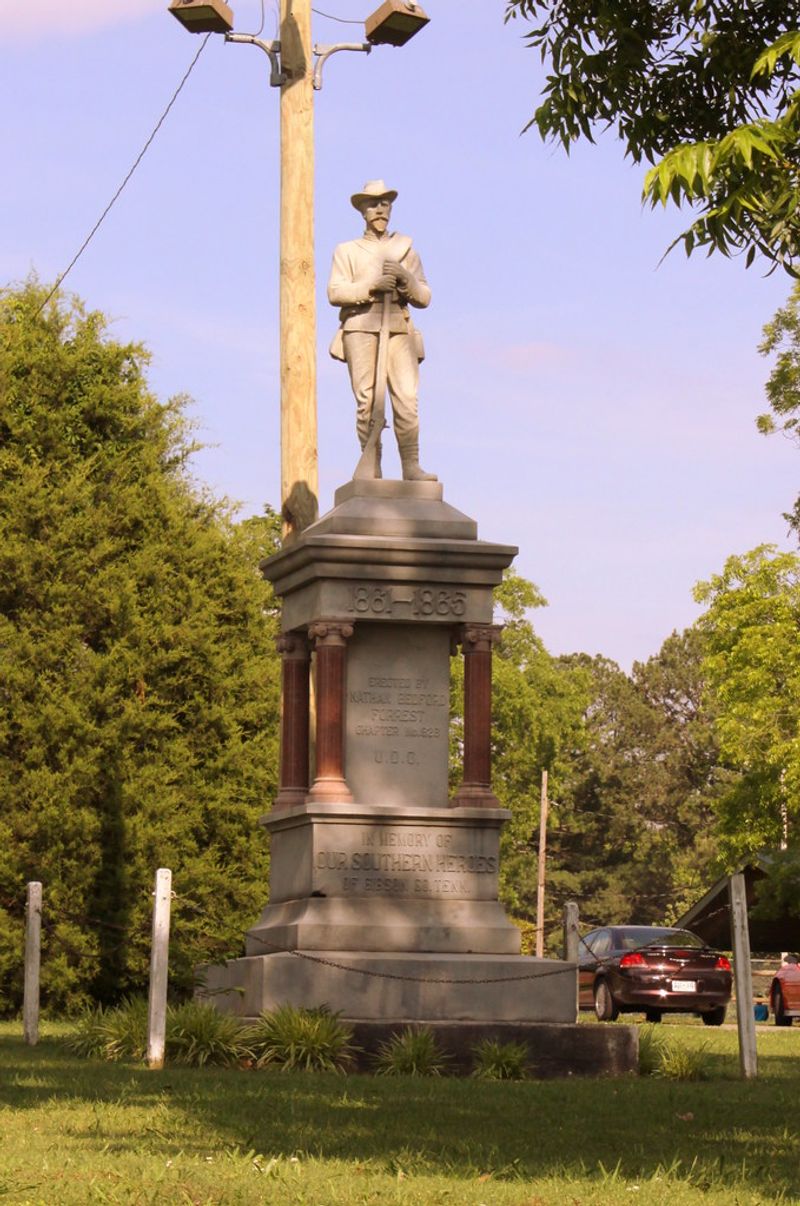
Humboldt’s population has been sliding downward for years, creating visible impacts throughout this West Tennessee community. Empty houses dot neighborhoods, downtown storefronts sit vacant, and schools have fewer students filling their classrooms.
The energy that once characterized this town has dissipated as families and young people have departed for what they hope are greener pastures elsewhere.
Tax assessments have climbed despite the shrinking resident base, creating understandable frustration among those who remain. Homeowners see their bills increase while their property values stagnate or decline, a combination that makes little sense to those writing the checks.
City officials face tough choices between maintaining services and keeping taxes low enough to retain residents, and they haven’t found a solution that satisfies everyone.
Economic opportunities have contracted significantly over recent decades. Manufacturing jobs that once provided stable middle-class incomes have largely disappeared, replaced by lower-paying service positions that don’t offer the same path to prosperity.
Young people graduating from local schools increasingly look elsewhere to start their careers, recognizing that opportunities in Humboldt are limited.
The downtown area reflects the community’s struggles. Buildings that once housed thriving businesses now stand empty, their faded signs reminders of busier times.
The shops that remain serve loyal local customers, but attracting new business proves difficult when the population and disposable income both trend downward.
Infrastructure needs continue mounting even as resources to address them shrink. Roads develop potholes that go unrepaired longer than they should, public facilities show their age, and maintenance gets deferred due to budget constraints.
These visible signs of decline can create a self-fulfilling prophecy where people leave because things look run-down, which reduces the resources available to improve conditions.
Schools face particular challenges in maintaining quality programs with declining enrollment and tight budgets. Teachers work tirelessly to educate their students, but competing with better-funded districts in growing areas proves difficult.
Parents increasingly factor school quality into their decision about whether to stay or leave, creating pressure on an already strained system.
Some residents remain committed to their hometown despite the challenges. Community organizations work to attract new businesses, volunteers maintain public spaces, and local boosters promote Humboldt’s advantages to potential residents and investors.
Their persistence offers hope even as the obstacles remain formidable.
6. Brownsville
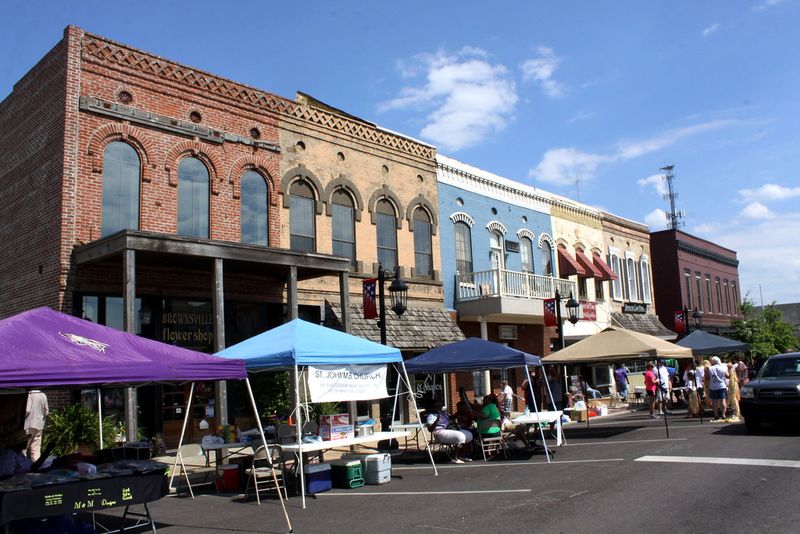
Haywood County’s seat has watched its population decline steadily over recent years. Brownsville once thrived as an agricultural center where cotton and other crops drove prosperity, but mechanization and changing economics have transformed that landscape.
Fewer workers are needed on farms, and those jobs that remain often don’t pay enough to support a family comfortably, pushing residents to seek opportunities elsewhere.
Property taxes have increased even as the community has shrunk, creating tension between city needs and resident capacity to pay. Homeowners struggling with stagnant wages see rising tax bills as yet another financial burden they can barely manage.
The situation forces difficult choices between staying in a community they love and moving somewhere that offers better economic prospects.
The job market offers limited opportunities, particularly for young people starting their careers. Without major employers or diverse industries, many graduates leave immediately after finishing school, taking their talents and potential contributions with them.
This brain drain leaves Brownsville with fewer innovators and entrepreneurs who might spark economic revival.
Downtown shows the physical evidence of population loss. Storefronts that once housed busy shops now sit empty, their windows dark and their potential unrealized.
The businesses that remain serve loyal local customers, but attracting new commerce proves difficult when foot traffic has declined and disposable income remains limited.
Schools work with increasingly tight budgets as enrollment drops. Teachers provide quality education despite resource constraints, but competing with better-funded districts in growing areas proves challenging.
Extracurricular programs have been reduced, and facilities show their age, giving families considering relocation another factor to weigh.
Healthcare access has become more limited as medical practices have closed or reduced services. Residents now travel farther for care, which particularly impacts older community members and those with chronic conditions requiring regular attention.
The loss of local healthcare options reduces quality of life and gives residents another reason to consider leaving.
Community bonds remain strong among those who stay. Churches provide social connection, local events bring people together, and neighbors support each other through challenges.
This social fabric represents Brownsville’s greatest asset, even as economic and demographic pressures test its strength. Whether community spirit alone can reverse the population decline remains uncertain, but residents haven’t given up hope.
7. Ripley
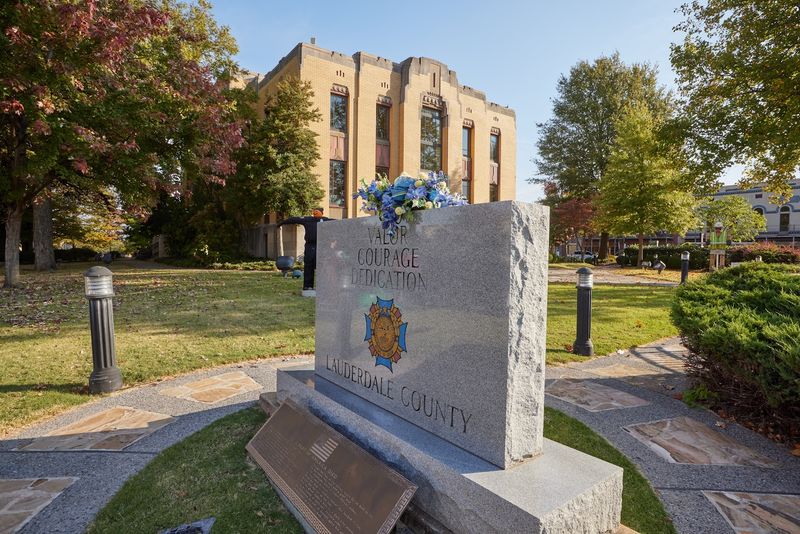
Lauderdale County’s largest town has experienced steady population decline over multiple census periods. Ripley’s residents have departed for various reasons, but economic opportunity tops the list for most.
Jobs are scarce, wages lag behind rising costs, and young people see little reason to stay when nearby cities offer better prospects for building careers and raising families.
Tax bills have climbed despite the shrinking population, frustrating homeowners who already feel financially squeezed. The city needs revenue to maintain basic services, but residents struggling to make ends meet see rising taxes as pushing them toward the breaking point.
Some have already reached that conclusion and left, further reducing the tax base and creating pressure for additional increases.
Agriculture remains important to the local economy but employs far fewer people than in previous generations. Mechanization and farm consolidation mean fewer family operations and more corporate farming that doesn’t create the same community ties.
Young people raised in agricultural families increasingly pursue other careers, often far from their hometown.
Retail options have contracted as population and income have declined. Local shops that once served the community have closed, forcing residents to travel to larger towns for goods and services.
This creates inconvenience and also means money leaves the local economy rather than circulating within it, further weakening Ripley’s economic base.
Schools face the dual challenge of declining enrollment and tight budgets. Teachers work hard to provide quality education, but resource limitations make it difficult to offer the programs and facilities that students in growing districts enjoy.
Parents weighing whether to stay or leave increasingly factor school quality into their decision, creating additional pressure on an already strained system.
Infrastructure shows signs of deferred maintenance as budgets struggle to keep up with needs. Roads need repairs, public facilities require updates, and basic maintenance gets pushed back due to funding constraints.
These visible signs of decline can accelerate population loss as people perceive the community as struggling and choose to leave before conditions worsen further.
Community members who remain show remarkable dedication to their hometown. Volunteer efforts maintain public spaces, local organizations work to attract new residents and businesses, and neighbors support each other through challenges.
8. McKenzie
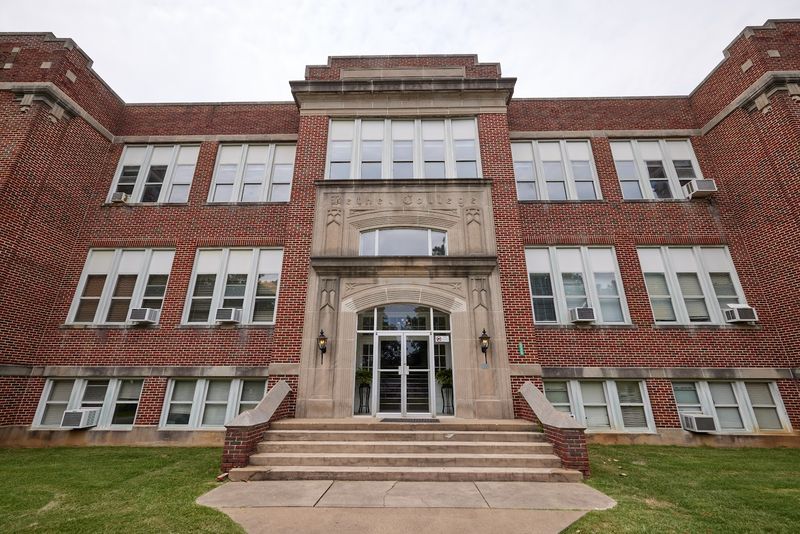
Carroll County’s McKenzie has seen its population gradually decline over recent decades, creating challenges that compound over time. What starts as a few families leaving becomes a trend that accelerates as services diminish and opportunities shrink.
The community that remains struggles to maintain the quality of life that residents expect, creating pressure for even more departures.
Property tax increases have hit hard in a town where incomes haven’t kept pace with rising costs. Homeowners already stretched thin financially see climbing tax bills as yet another burden they can barely manage.
The situation creates resentment toward local government, even though officials face impossible choices between maintaining services and keeping taxes affordable enough to retain residents.
Economic opportunities have contracted significantly from earlier eras. Manufacturing jobs that once anchored the local economy have largely disappeared, and the positions that replaced them typically pay less and offer fewer benefits.
Young people recognize the limited prospects and increasingly leave for cities where career paths seem clearer and more promising.
Downtown McKenzie reflects the community’s struggles with vacant storefronts and reduced foot traffic. The businesses that remain serve loyal customers, but attracting new commerce proves difficult when the population trends downward and disposable income remains limited.
Each closing creates a more visible reminder of decline that can discourage both residents and potential investors.
Schools work with declining enrollment and tight budgets that make it difficult to maintain quality programs. Teachers dedicate themselves to educating students despite resource constraints, but competing with better-funded districts in growing areas proves challenging.
Parents considering whether to stay or leave increasingly weigh school quality heavily in their decision, creating additional pressure on an already strained system.
Healthcare services have diminished as medical practices have closed or reduced their presence. Residents now travel farther for care, which particularly impacts older community members and those with chronic conditions.
The loss of convenient healthcare access reduces quality of life and gives residents another factor to consider when deciding whether to stay.
Some residents refuse to give up on their hometown. Community organizations work to attract new businesses and residents, volunteers maintain public spaces and organize events, and neighbors support each other through difficulties.
This determination represents McKenzie’s best hope for reversing its decline, even as the challenges remain substantial and progress comes slowly.
9. Paris
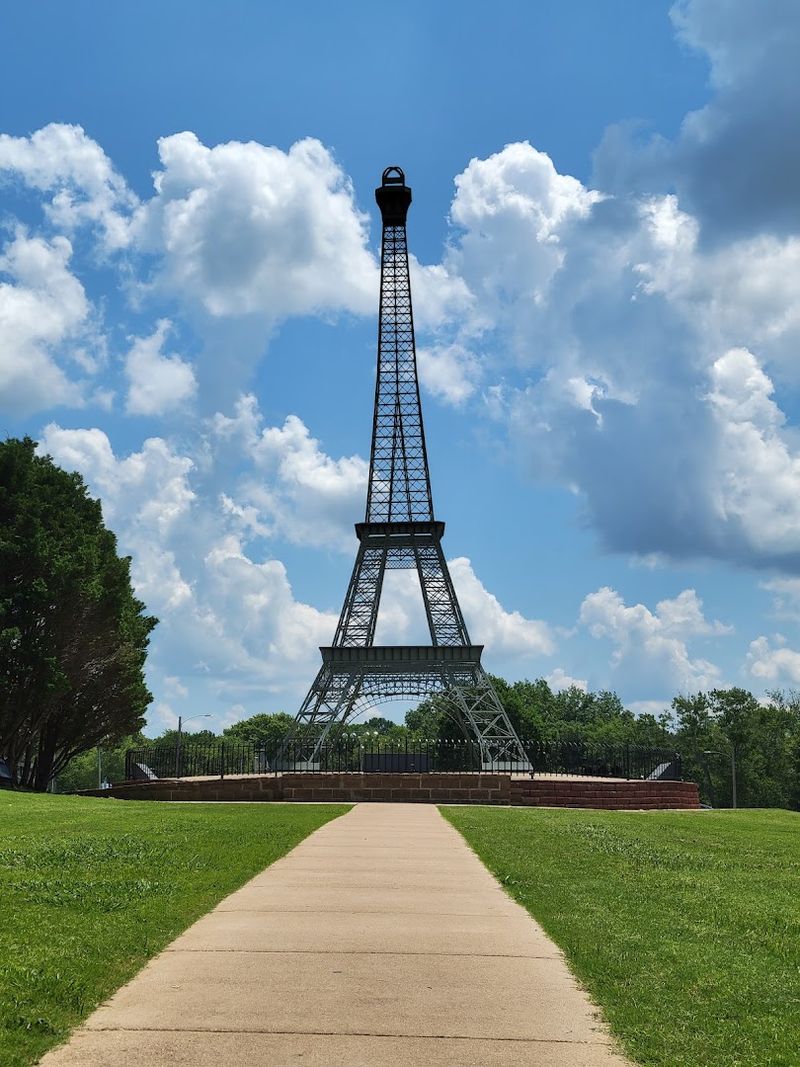
Henry County’s seat has experienced population decline despite its charming character and unique attractions. Paris features its own Eiffel Tower replica, giving it distinctive identity, but novelty alone hasn’t been enough to stem the outward flow of residents seeking better opportunities elsewhere.
The census numbers tell a clear story of a community shrinking year after year despite efforts to reverse the trend.
Tax assessments have climbed even as the population has dropped, creating frustration among homeowners who see their bills increase while property values stagnate. City officials argue the increases are necessary to maintain services, but residents already struggling financially see it as adding insult to injury.
The tension between fiscal necessity and taxpayer capacity remains unresolved, with no easy solutions in sight.
The local economy has struggled to adapt to changing times. Manufacturing facilities that once provided stable employment have closed or dramatically reduced their workforce, and new businesses haven’t filled the gap.
Young people graduating from local schools increasingly look elsewhere to start their careers, recognizing that opportunities in Paris are limited compared to larger cities.
Retail and commercial activity have contracted as population and income have declined. Downtown shows the physical evidence with empty storefronts and reduced foot traffic.
The shops that remain work hard to serve their community, but competing with online retailers and big-box stores in larger towns proves increasingly difficult.
Schools face mounting challenges with declining enrollment and tight budgets. Teachers provide dedicated service despite resource constraints, but maintaining the quality and variety of programs that students deserve becomes harder each year.
Parents weighing whether to stay or leave increasingly factor school quality into their decision, creating additional pressure on an already strained educational system.
Infrastructure needs continue mounting as resources to address them shrink. Roads develop potholes that go unrepaired longer than they should, public facilities show their age, and maintenance gets deferred due to budget constraints.
These visible signs of struggle can create a perception of decline that becomes self-fulfilling as people leave because things look run-down.
Community spirit remains strong among residents who stay. Local festivals celebrate the town’s character, volunteers maintain public spaces, and organizations work to attract new residents and investment.
Whether these efforts can overcome demographic and economic headwinds remains Paris’s central question as it navigates an uncertain future.
Share this story