Tennessee’s historic churches hold more than just Sunday services and wedding memories. Some of these sacred spaces carry stories that refuse to fade—Civil War hospitals, epidemic heroes, and cemeteries where time stands eerily still.
Whether you’re drawn to ghostly legends or simply love old architecture with a side of spine-tingling history, these nine churches offer a glimpse into moments when the veil between past and present feels paper-thin.
1. Primitive Baptist Church — Cades Cove
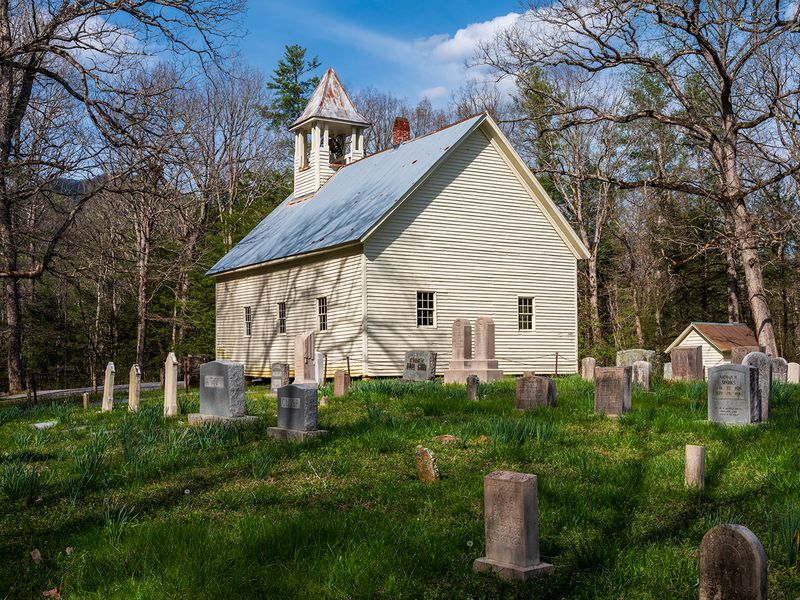
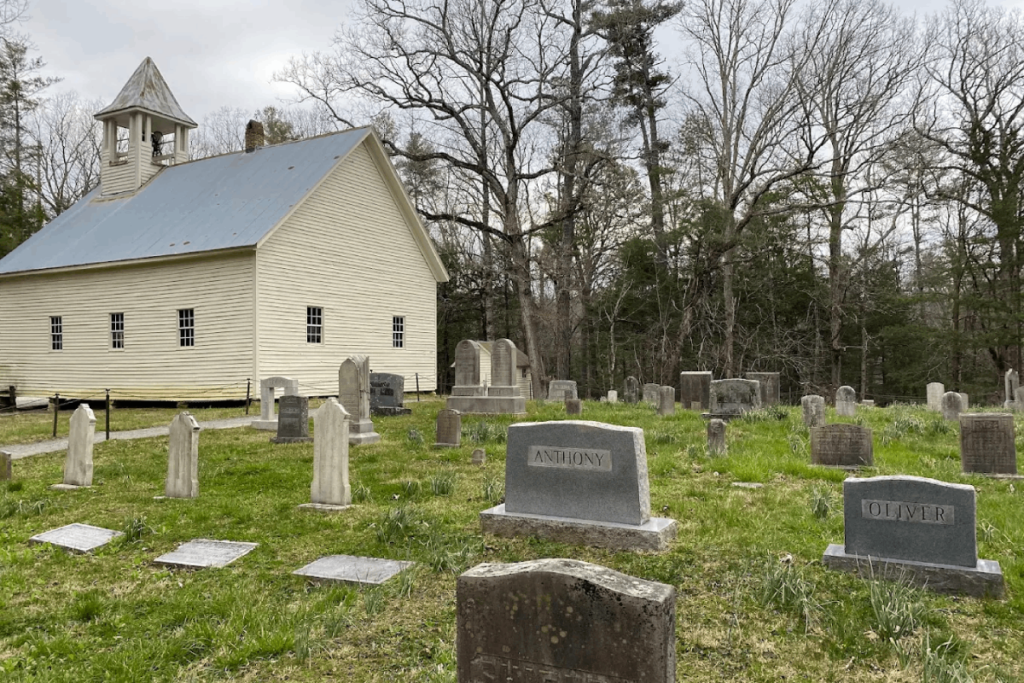
Walking into the valley of Cades Cove feels like stepping through a doorway into another century. Primitive Baptist Church sits quietly among the old homesteads, its white clapboard walls glowing against the dark ridges of the Smokies. Built in 1887, this simple sanctuary hasn’t changed much since then.
What makes this church especially haunting isn’t ghost stories or legends—it’s the cemetery beside it. Descendants of the original settlers still come here to bury their loved ones, connecting families across more than a century. You can walk among the gravestones and read names that appear again and again, generation after generation.
The church itself is sparse inside. Wooden pews face a plain pulpit, and sunlight filters through tall windows. There are no musical instruments—members sang hymns without accompaniment, following the “primitive” tradition that gave the church its name.
Visitors often report a peaceful but melancholy atmosphere here. Maybe it’s knowing that families gathered in this exact spot during some of the hardest times in Appalachian history. Maybe it’s the way the mountains seem to hold onto the past.
The cemetery is the oldest in Cades Cove, and walking through it tells the story of pioneer life—short lifespans, infant deaths, entire families wiped out by disease. Yet people keep coming back. Funerals still happen here, making it one of the few places in the park where the past genuinely hasn’t left.
It’s not abandoned or forgotten. It’s living history, quietly unfolding in the shadow of the mountains, where every gravestone is a thread connecting today to yesterday.
2. Blue Springs Lutheran Church & Cemetery — Mosheim
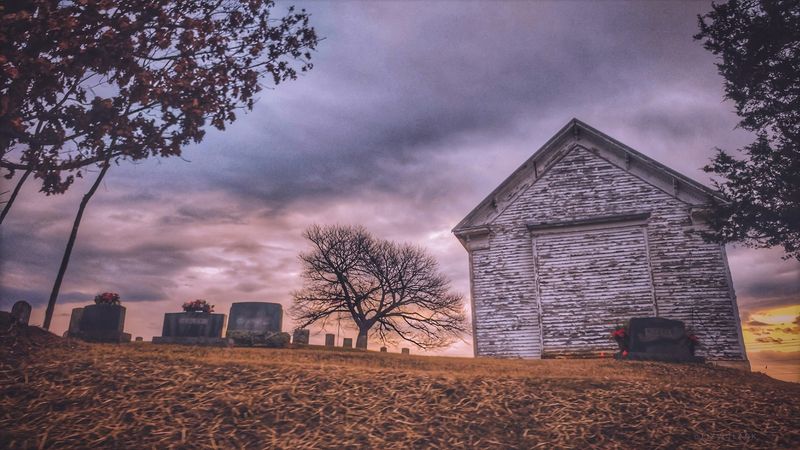
Few Tennessee churches carry as much weight as Blue Springs Lutheran. The congregation formed before 1811, making it one of the oldest in East Tennessee. But what really sets this place apart is what happened here during the Civil War.
In December 1863, Union and Confederate forces clashed at the Battle of Blue Springs. An earlier church building on this site became a field hospital, where surgeons worked by candlelight and soldiers died far from home. Blood soaked into the floorboards as wounded men from both sides lay side by side.
The cemetery tells that story in granite and marble. Known Civil War soldiers rest here, their graves marked with military stones. Some historians believe mass burials also took place on the property, though exact locations remain uncertain.
Standing in this churchyard, you can almost hear the echoes. The rolling hills around Mosheim haven’t changed much since 1863. The same ridges that hid troop movements still frame the horizon.
The same dirt roads wind past the church gates.
Visitors often describe a heavy feeling here—not quite scary, but deeply solemn. It’s the kind of place where you instinctively lower your voice. You notice how quiet everything gets when the wind stops.
The current church building isn’t the original Civil War structure, but the land remembers. Walk through the cemetery and you’ll find stones dating back two centuries, each one marking a life that intersected with this small corner of Tennessee.
Some graves belong to soldiers. Others to pioneers, farmers, and children. All of them are part of a story that refuses to be forgotten, no matter how many years pass.
3. Saint Johns Church — Columbia
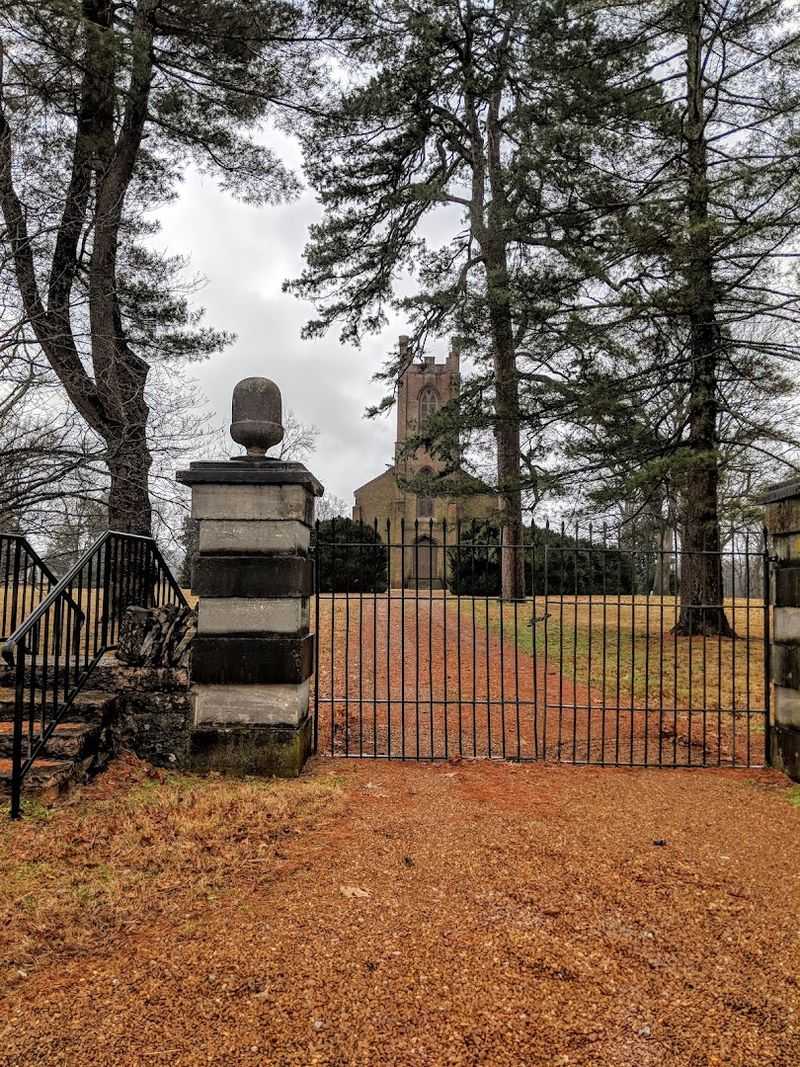
Columbia’s Saint Johns Church rises above the town with a Gothic Revival elegance that feels almost out of place in Middle Tennessee. Its tall spire and pointed arches hint at European cathedrals, yet this church is thoroughly Southern, rooted in stories that go back to the 1840s.
The building itself commands attention. Dark brick, steep rooflines, and stained glass windows that glow when the afternoon sun hits them just right. But step into the churchyard and the atmosphere shifts entirely.
The cemetery surrounding Saint Johns holds generations of Columbia residents, including some of the town’s founding families. Weathered stones lean at odd angles, their inscriptions fading but still legible if you look closely. Spanish moss drapes from nearby trees, adding to the timeless, slightly melancholy mood.
What makes this church feel eerie isn’t any particular ghost story—it’s the accumulated weight of all those years. You can stand in the same spot where mourners gathered during the Civil War, where families buried children lost to scarlet fever and typhoid, where entire chapters of Columbia’s history played out in grief and remembrance.
The church still holds services, but the old sections feel frozen. Walk through the cemetery on a foggy morning and you’ll understand why locals consider it one of the most atmospheric spots in town. Shadows stretch long between the stones.
The air feels thicker somehow, as if the past hasn’t fully released its grip.
Saint Johns doesn’t scream for attention with dramatic legends. Instead, it offers something quieter and maybe more unsettling—a genuine sense that time moves differently here, that the people buried in this ground aren’t really gone, just waiting patiently beneath the grass and the Gothic spire that’s watched over them for more than a century.
4. Calderwood Methodist Church — Tallassee
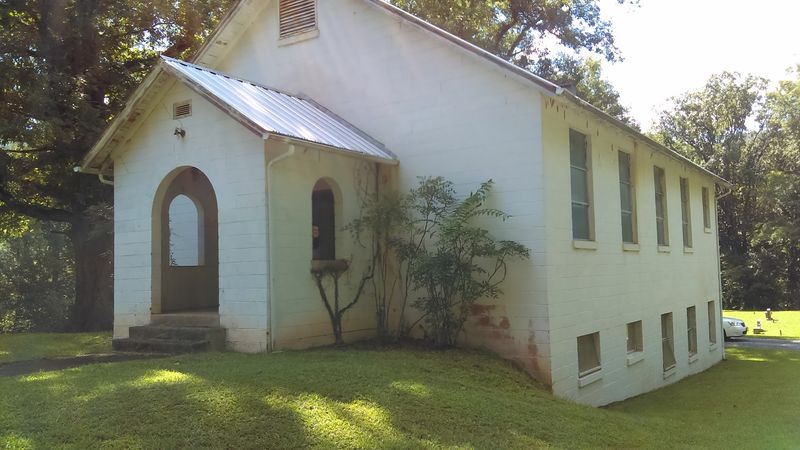
Before the Tennessee Valley Authority flooded the Little Tennessee River, a thriving community called Tallassee existed in what’s now Blount County. Calderwood Methodist Church served that community, its white frame standing proud among the hills. Then the dam came, the water rose, and most of Tallassee disappeared beneath Calderwood Lake.
The church survived, but just barely. It sits above the waterline, a lonely reminder of everything that vanished. The congregation scattered when families were forced to relocate, leaving the building empty.
Today, reaching Calderwood Methodist requires effort. The roads that once connected Tallassee to the outside world are gone or overgrown. The church stands isolated, surrounded by forest and the ghost of a town that no longer exists.
What makes this place particularly haunting is the cemetery. Gravestones mark families who built lives here, who never imagined their town would be sacrificed for electricity and progress. Some graves were moved before the flooding. Others weren’t. The lake literally swallowed part of Tallassee’s history.
Visitors who make the journey describe an overwhelming sense of loss. The church windows are broken. The roof sags. Weeds push through the floorboards.
Nature is slowly reclaiming what people abandoned, but the building refuses to collapse entirely. It clings to existence like the memories of those who worshipped here.
On still days, when the lake is calm, you can see the outlines of old roads beneath the water. Foundations. Stone walls.
The bones of Tallassee, preserved in the depths. Calderwood Methodist Church stands watch over this drowned world, a sentinel for a community that exists now only in photographs and fading memories. The past didn’t just fade here—it was deliberately erased, making what remains feel all the more precious and eerie.
5. St. Mary’s Episcopal Cathedral — Memphis
Memphis in 1878 was a city under siege—not from armies, but from yellow fever. The epidemic swept through neighborhoods like wildfire, killing thousands. Panic emptied the streets as those who could afford it fled.
The poor and the sick remained, and many of them died alone.
St. Mary’s Episcopal Cathedral became ground zero for an act of extraordinary courage. A group of Episcopal nuns and priests, led by Sister Constance and her companions, stayed behind to care for the dying. They moved through fever wards and makeshift hospitals, offering comfort when no cure existed.
One by one, they fell ill themselves. Constance died on September 9, 1878. Others followed.
By the time the epidemic burned itself out, these caregivers had become martyrs, remembered not for how they died but for their refusal to abandon Memphis in its darkest hour.
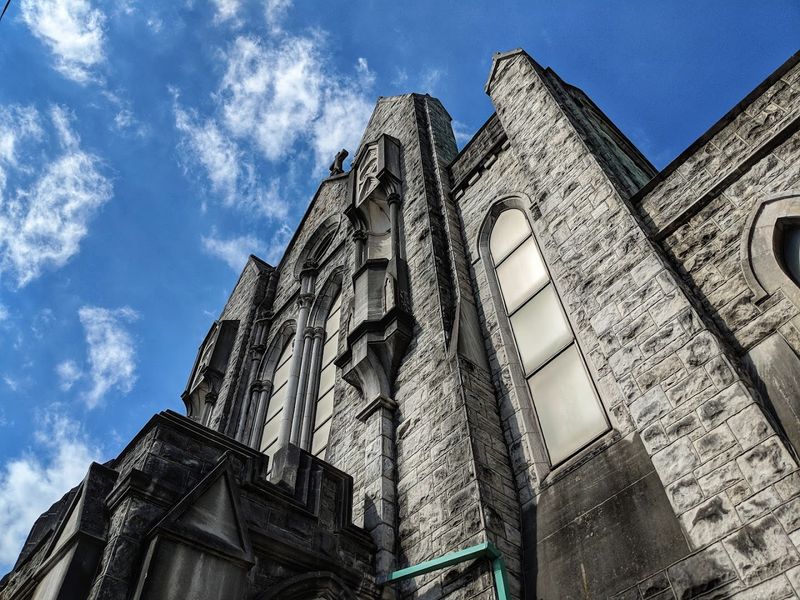
St. Mary’s still stands, a beautiful Gothic structure that serves an active congregation. But the history soaked into these walls gives the cathedral a solemn weight. Memorials throughout the building honor Constance and her companions, now recognized as saints in the Episcopal Church.
Walk through St. Mary’s and you’re walking through a testament to sacrifice. The stained glass windows tell stories of faith and service. The stone floors have been worn smooth by more than a century of footsteps.
Everything here whispers of mortality and grace.
This isn’t a church haunted by ghosts in the traditional sense. Instead, it’s haunted by profound sadness and equally profound love—the kind that made ordinary people do extraordinary things. The yellow fever epidemic reshaped Memphis forever, and St. Mary’s stands as a reminder that even in the worst moments, some people choose to stay and help rather than save themselves.
That legacy lingers in every corner of this cathedral.
6. Christ Church Episcopal — Rugby
Rugby, Tennessee, is what happens when a Victorian social experiment freezes in time. Founded in 1880 by British author Thomas Hughes, this utopian community was supposed to be a fresh start for younger sons of the English gentry—men who couldn’t inherit titles or estates. They came to the Cumberland Plateau hoping to build something new.
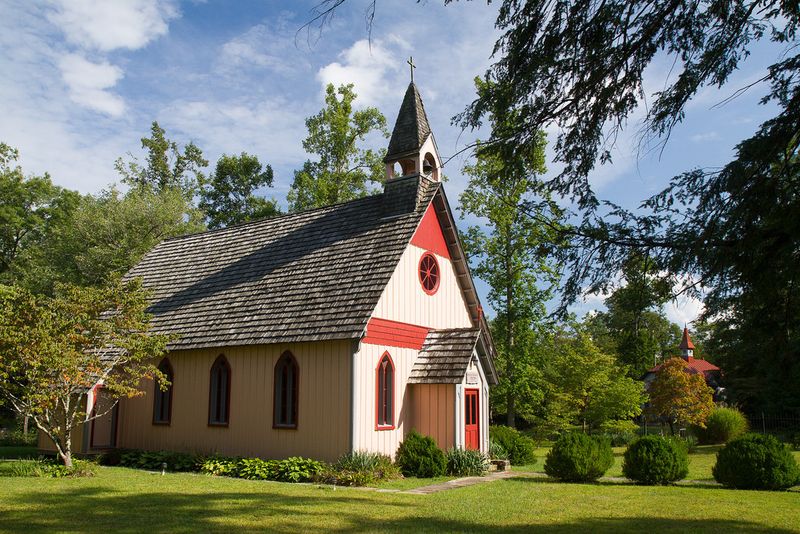
Christ Church Episcopal was at the heart of that dream. Built in 1887, it’s a charming wooden structure with Gothic Revival touches that feel distinctly English despite the Tennessee setting. The church still holds services, making it one of the few active buildings in what’s now a preserved historic village.
But here’s what makes Christ Church eerie: it exists in a place that never quite succeeded. Rugby’s utopian vision faded fast. Disease, harsh winters, and poor farming conditions drove most settlers away.
The village became a ghost of its ambitious beginnings, preserved more by accident than design.
Walking through Historic Rugby today feels like visiting a place suspended between past and present. The church sits among Victorian cottages and the original library, all maintained to look as they did in the 1880s. Lantern-lit tours wind through the cemetery, where early settlers rest beneath English-style headstones.
Christ Church itself is beautiful in a melancholy way. Sunlight filters through the original stained glass. Wooden pews face an altar that’s seen countless services for a congregation that’s never been large.
The building feels loved but lonely, like it’s still waiting for the community that was promised but never fully materialized.
The cemetery holds its own stories—young people who died far from England, dreamers who bet everything on Rugby and lost. Standing in the churchyard, especially during Rugby’s atmospheric ghost tours, you can almost hear the accents of those original settlers, forever caught between the old world they left and the new world that didn’t quite work out.
7. Historic Bethsalem Presbyterian Church — McMinn County
McMinn County’s rolling farmland hides pockets of history that most travelers never notice. Bethsalem Presbyterian Church is one of those hidden gems—a place where Tennessee’s early settlers gathered to worship and bury their dead, creating layers of history that reach back more than two centuries.
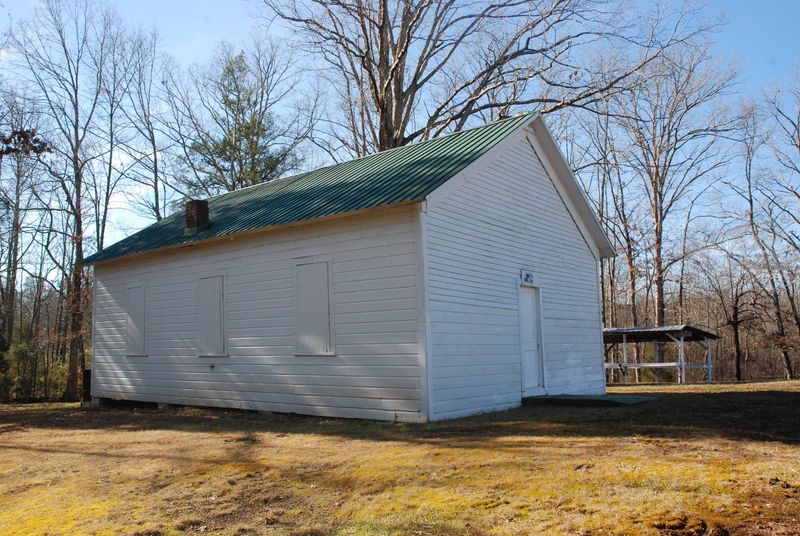
The church building itself reflects the simple, sturdy construction typical of frontier congregations. White clapboard walls, tall windows, a modest steeple. Nothing fancy, but built to last through generations of Tennessee weather and social change.
What draws people to Bethsalem isn’t architectural grandeur—it’s the palpable sense of age. The cemetery surrounding the church contains some of McMinn County’s oldest marked graves. Walk among the stones and you’re reading a history book written in marble and granite.
Many graves date to the early 1800s, when this area was still considered frontier territory. The inscriptions tell stories of hard lives—women who died in childbirth, children who didn’t survive their first winters, men killed in accidents or wars. Life expectancy was short and tragedy was common.
Bethsalem feels especially atmospheric on overcast days when fog settles into the valleys. The church sits slightly elevated, surrounded by fields that haven’t changed much since pioneer times. It’s easy to imagine horse-drawn wagons pulling up on Sunday mornings, families in their best clothes gathering for services that lasted hours.
The building isn’t always open, but the grounds are accessible. Visitors often describe a peaceful but slightly unsettling feeling here—the kind of place where you’re very aware of how many people have walked this same ground, felt the same Tennessee sun, and eventually joined those resting in the cemetery.
History isn’t abstract at Bethsalem. It’s right there beneath your feet, in the names on the stones and the walls that have witnessed more than two hundred years of joy and sorrow.
8. Headrick’s Chapel — Sevierville
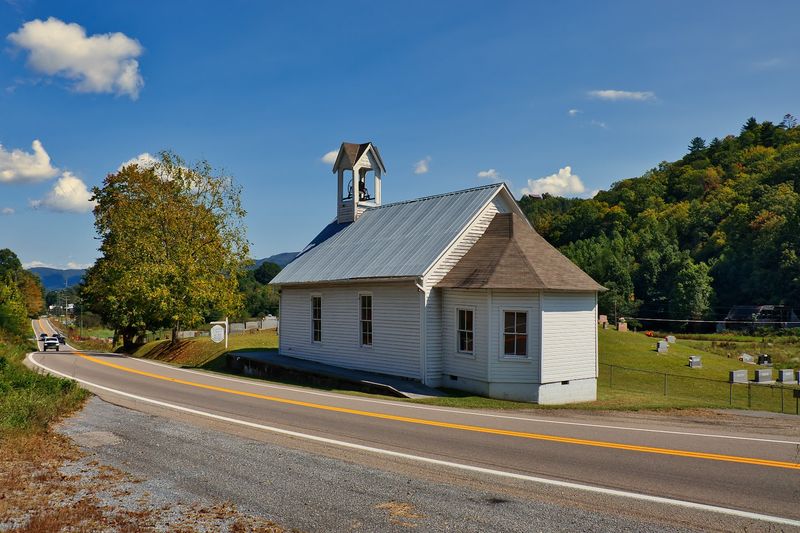
Sevierville sits in the foothills of the Smokies, close enough to Pigeon Forge and Gatlinburg that tourists flood through constantly. Most of them never notice Headrick’s Chapel, tucked away on a quiet road where the past still has a strong grip.
This small chapel served a tight-knit community for generations. The building is modest, the kind of country church where everyone knew everyone else’s business and family ties stretched back decades. Services were simple, music was heartfelt, and the cemetery out back became the final resting place for the families who built this corner of Tennessee.
What makes Headrick’s Chapel feel eerie is its proximity to modern Sevierville. Drive a few miles in any direction and you’ll hit outlet malls, pancake houses, and traffic jams. But here, time moves differently.
The chapel sits quietly, almost defiantly old-fashioned, in a landscape that’s been completely transformed by tourism.
The cemetery holds generations of local families, their names repeated across multiple stones as children were named for grandparents and great-grandparents. Some graves are beautifully maintained. Others have sunk slightly, their stones leaning, the inscriptions worn by decades of rain and snow.
Visitors describe a feeling of being watched here—not necessarily in a threatening way, but as if the people buried in this ground are keeping an eye on their old home. The chapel windows reflect the surrounding trees. The door stays locked most of the time.
Everything feels preserved but not quite abandoned.
Headrick’s Chapel represents a version of Sevierville that’s almost gone—rural, agricultural, isolated from the outside world. The town exploded into a tourist destination, but this little chapel refused to change. It stands as a reminder that before the theme parks and traffic, this was just a mountain community where people lived, worked, worshiped, and were buried in the shadow of the Smokies.
9. Bethesda Church — Russellville
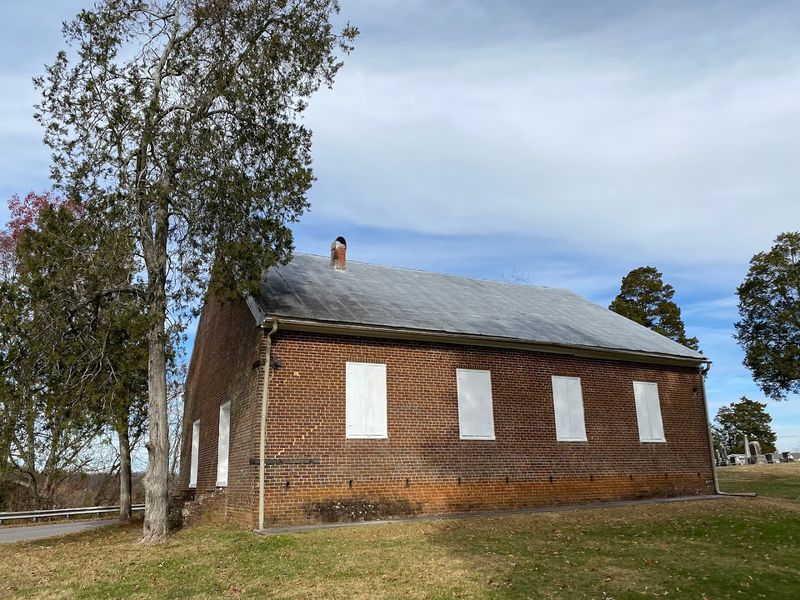
Russellville doesn’t appear on most Tennessee maps. It’s one of those blink-and-miss-it communities where agriculture still defines daily life and family names haven’t changed much in a hundred years. Bethesda Church sits at the heart of this quiet world, a building that’s witnessed generations come and go.
The church’s history stretches back to Tennessee’s frontier days, when congregations met wherever they could—under trees, in homes, in hastily built structures that barely kept out the weather. Bethesda evolved from those rough beginnings into a proper church building, though it retains the simplicity of its origins.
Walking through Bethesda’s cemetery is like reading a family tree carved in stone. The same surnames appear again and again, connecting the present to the distant past. You’ll find graves from the 1800s next to graves from last year, all part of an unbroken chain of community and memory.
What makes Bethesda eerie isn’t ghost stories or legends—it’s the overwhelming sense of continuity. In a world that changes faster every year, this church has remained remarkably stable. The same families worship here that worshiped here five generations ago. The same roads lead to the same fields.
The building itself shows its age. Paint peels in places. The cemetery has sections where the grass grows wild around forgotten stones.
But Bethesda isn’t abandoned—it’s just old, carrying its history with a kind of stubborn dignity.
Visitors often comment on the silence here. Russellville is far enough from major highways that traffic noise doesn’t intrude. On a still day, you can hear nothing but wind in the trees and maybe a distant cow.
It’s the kind of quiet that makes you think about all the people who’ve stood in this exact spot, looking at these same hills, before returning to the earth beneath your feet. Bethesda doesn’t need ghosts to feel haunted—it has something more powerful: unbroken memory.