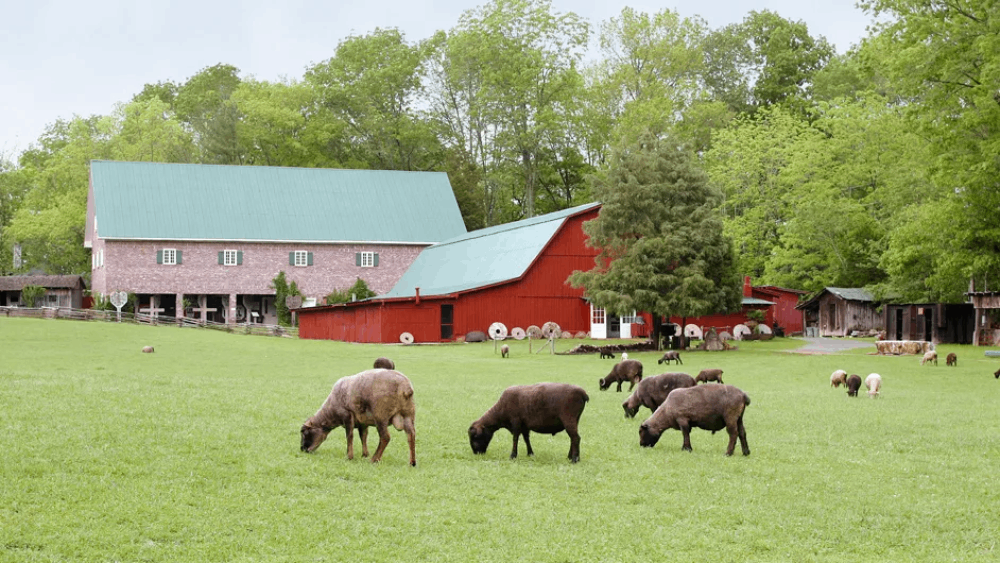
Tucked away in Clinton, Tennessee, the Museum of Appalachia preserves a way of life that shaped the American South for generations. This Smithsonian-affiliated treasure features over 250,000 artifacts spread across 65 acres of authentic pioneer buildings, telling stories of real people who carved out lives in the rugged Appalachian Mountains.
Unlike traditional museums where history sits behind glass, this living village invites visitors to walk through actual cabins, hear roosters crow, and touch the tools that built a region.
A Living Piece Of Appalachian History In East Tennessee
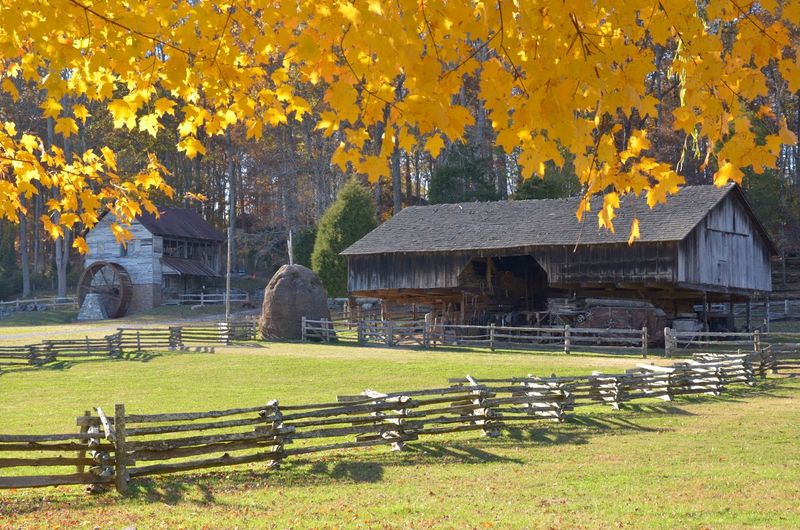
Just off Andersonville Highway in Clinton sits something most people drive past without realizing what they’re missing. The Museum of Appalachia isn’t your typical collection of dusty displays and velvet ropes. Founded by John Rice Irwin, who spent decades gathering pieces of mountain culture before they disappeared forever, this sprawling complex brings the past to life in ways that feel almost magical.
Irwin grew up hearing stories from his grandparents about pioneer days and watched as old ways vanished. He started collecting artifacts as a young man, rescuing tools, furniture, and even entire buildings from abandonment. What began as a personal passion transformed into one of the most comprehensive collections of Appalachian heritage anywhere in America.
The Smithsonian recognized the museum’s significance by granting it affiliate status, putting this Clinton gem in rare company. But awards and recognition don’t capture what makes this place special. Walking through the gates feels like stepping through a portal where the 1800s meet modern curiosity.
Visitors often arrive expecting a quick hour-long stop and end up staying half the day. The grounds stretch farther than you’d imagine from the entrance, with surprises around every corner. Peacocks strut across pathways like they own the place, which honestly, they kind of do.
The museum honors both famous Appalachians and everyday folks who never made headlines but built communities with their bare hands. You’ll find displays about Mark Twain alongside exhibits featuring unknown farmers whose ingenuity kept families fed through brutal winters. That equal treatment reflects the founder’s deep respect for mountain people and their contributions to American culture, regardless of fame or fortune.
Why The Museum Of Appalachia Feels More Like A Village Than A Museum
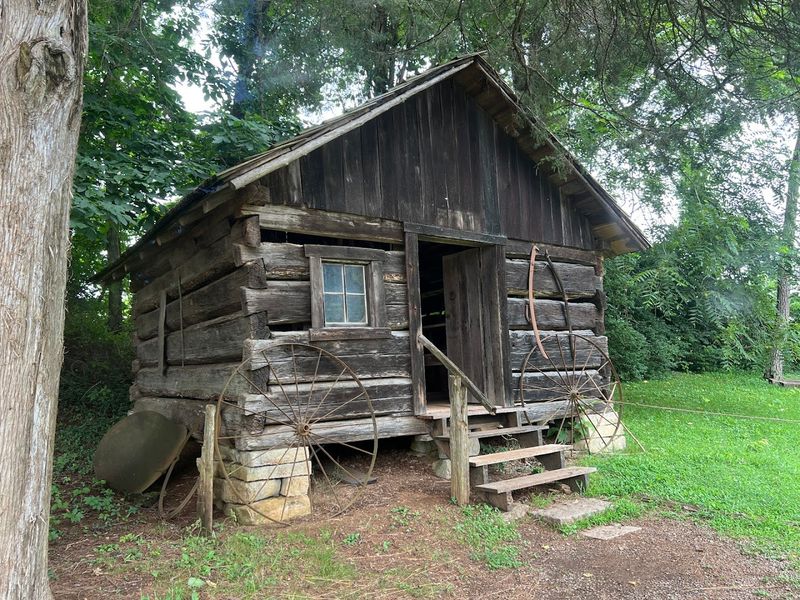
Most museums make you follow arrows and stay on designated paths, but the Museum of Appalachia lets you wander like you’re visiting a distant relative’s farm. The layout mimics how actual mountain communities developed, with homes, workshops, and livestock areas creating a living neighborhood rather than sterile exhibition halls.
Free-roaming chickens, goats, and those famously bold peacocks add unexpected charm that makes kids giggle and adults smile.
The self-guided experience means you set your own pace without feeling rushed by tour groups or scheduled talks. Some visitors breeze through in two hours, while others spend entire afternoons exploring every nook. Families with children receive special maps featuring stamps to collect at each building, turning education into a treasure hunt that keeps young ones engaged.
Buildings aren’t roped off or kept at a distance. You can peer through windows, walk onto porches, and imagine daily life unfolding in these spaces. The structures stand where they were carefully relocated and reconstructed, preserving authentic architectural details down to hand-hewn logs and wooden pegs.
Unlike sterile indoor galleries, fresh air and natural light surround you as you explore. The outdoor setting means weather matters, so visitors learn quickly to check forecasts and dress accordingly.
The village atmosphere extends to the restaurant serving homemade Southern cooking on real dishes, not paper plates. Stopping for lunch feels like dining at a neighbor’s house rather than a commercial cafeteria.
The 250,000 Artifacts That Tell Real Tennessee Stories
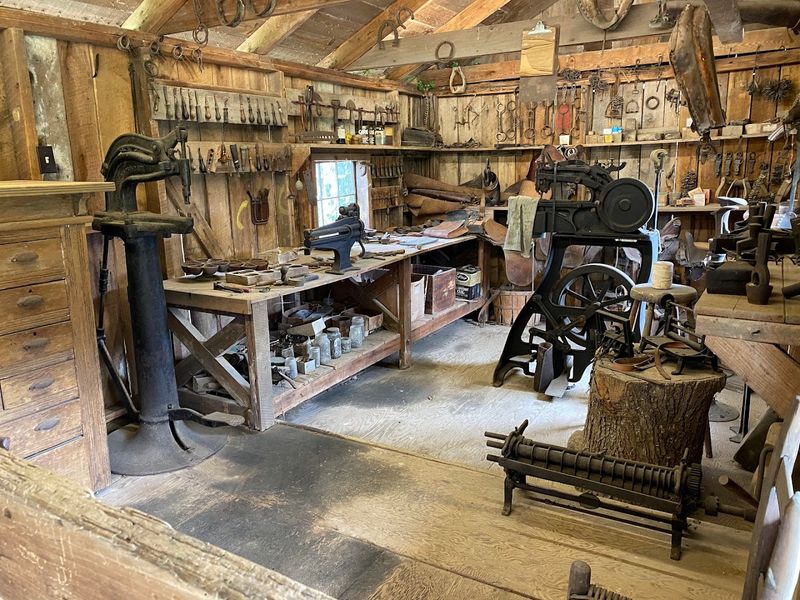
Walking into the main exhibition buildings feels overwhelming at first because there’s just so much to see. More than 250,000 items fill multiple structures, representing the largest collection of Appalachian material culture anywhere. But this isn’t random hoarding dressed up as history.
Each piece connects to real people whose names and stories the museum preserves alongside their belongings.
What makes the collection extraordinary is the founder’s daughter lovingly handwrote many descriptions. Reading her notes feels like having a knowledgeable friend explain family heirlooms rather than a textbook reciting dry facts. That intimate approach transforms ordinary objects into windows onto actual lives.
You’ll find everything from delicate quilts stitched by firelight to massive woodworking tools that require serious muscle. Musical instruments reveal the region’s rich folk traditions, while kitchen implements show the ingenuity required to feed families without modern conveniences. Some items belonged to famous figures, but most came from regular folks whose names history otherwise forgot.
The sheer volume means not everything gets individual labels, which some visitors note in reviews. Certain buildings pack items from floor to ceiling, creating almost archaeological layers of material history. While this abundance can feel chaotic, it honestly reflects how mountain families actually lived, keeping everything that might prove useful someday.
Special sections highlight Appalachian contributions to American culture through notable residents who rose to prominence. These displays balance celebrating achievements with honoring the humble origins that shaped character.
Cabins, Barns, And Buildings That Bring Pioneer Life To Life
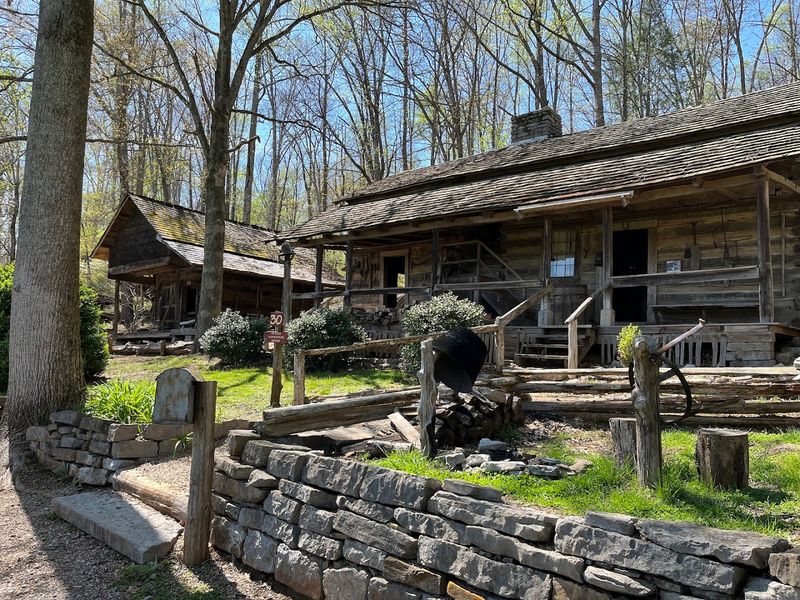
Thirty-eight historic structures dot the property, each one rescued from decay and carefully relocated to preserve architectural heritage. These aren’t replicas or Hollywood sets but actual buildings where real families cooked meals, raised children, and weathered storms. Some structures date back to the early 1800s, their hand-hewn logs still bearing axe marks from long-dead builders.
Among the collection sits a cabin where Daniel Boone once lived and another connected to Mark Twain’s family history. Standing in spaces these legendary figures occupied creates goosebump moments that photographs can’t capture. But equally moving are the anonymous homesteads where hardworking people whose names we’ll never know somehow survived brutal conditions.
Each building serves different purposes, showing the complexity of pioneer communities. You’ll explore smokehouses for preserving meat, springhouses for keeping milk cold, and workshops where blacksmiths and carpenters practiced trades essential to survival. Barns reveal clever construction techniques that kept livestock safe through harsh winters without modern heating.
The interiors range from meticulously arranged to packed with period items awaiting proper organization. Some visitors wish for more restoration and labeling, while others appreciate the authentic jumble that reflects actual pioneer storage habits. Either way, the buildings themselves tell powerful stories through their construction methods and worn surfaces.
Walking between structures along dirt paths mimics how mountain residents traveled between neighbors’ homes. The spacing feels natural rather than theme-park artificial, with buildings positioned according to practical considerations like water access and sunlight. Kids especially love exploring different structures, treating the experience like a real-life history adventure rather than a classroom lecture.
What Visitors Can See, Hear, And Experience On The Grounds
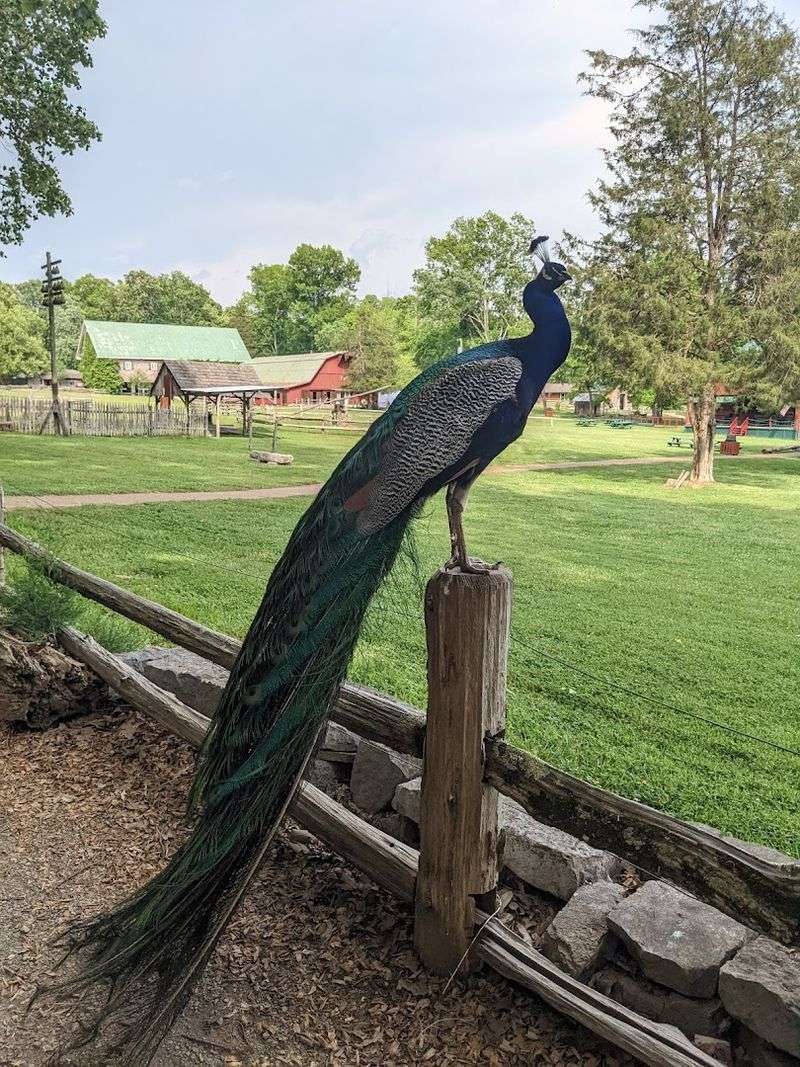
The moment you step onto the grounds, sensory experiences transport you beyond typical museum visits. Roosters announce the morning, peacocks screech their distinctive calls, and goats bleat from their pens. These aren’t just decorative additions but working farm animals that create the authentic soundtrack of rural Appalachian life.
Those peacocks deserve special mention because they absolutely steal the show. Visitors consistently rave about these bold birds that strut around like feathered celebrities, occasionally showing off their spectacular tail displays.
Beyond animals, the museum hosts demonstrations throughout the year showcasing traditional crafts and skills. Visitors might encounter saw milling, woodcarving, or other pioneer techniques performed by knowledgeable volunteers.
Why This Clinton Museum Still Matters To Tennesseans Today
In an era when mountain culture gets reduced to stereotypes and punchlines, the Museum of Appalachia stands as a dignified testament to Appalachian resilience and ingenuity. The collection preserves knowledge that would otherwise vanish as older generations pass away. Young Tennesseans who visit discover their heritage isn’t something to hide but a source of legitimate pride rooted in remarkable survival skills.
The museum matters because it refuses to airbrush history or present pioneer life as either impossibly romantic or hopelessly backward. Displays acknowledge both the creativity required to thrive in harsh conditions and the genuine hardships families endured. That honest approach respects ancestors while helping modern visitors appreciate conveniences we take for granted.
For Tennessee residents specifically, the museum connects the present to the past in deeply personal ways. Many visitors recognize tools their grandparents used or discover artifacts from their own family lines. These tangible links to previous generations create emotional moments that abstract history lessons never achieve.
The institution also serves educational purposes beyond casual tourism. School groups regularly visit for field trips that bring textbook lessons to life through hands-on exploration. Teachers appreciate how the self-guided format lets students learn at individual paces while the outdoor setting provides welcome breaks from classroom confinement.
Perhaps most importantly, the museum demonstrates that everyday people make history too. Not everyone becomes famous, writes books, or leads movements, but ordinary folks who raised families, helped neighbors, and passed down traditions deserve remembrance. The Museum of Appalachia ensures those regular heroes aren’t forgotten, validating the experiences of working-class Tennesseans whose contributions built the state we know today.
Planning Your Visit To The Museum Of Appalachia In Clinton
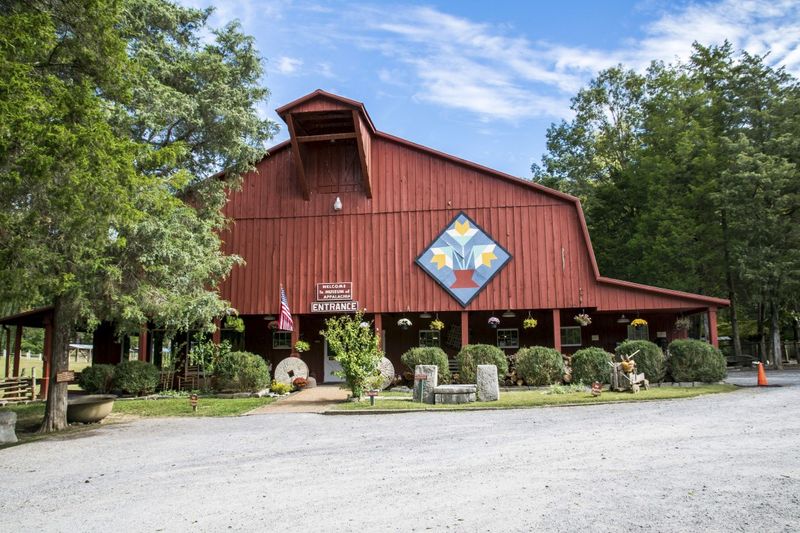
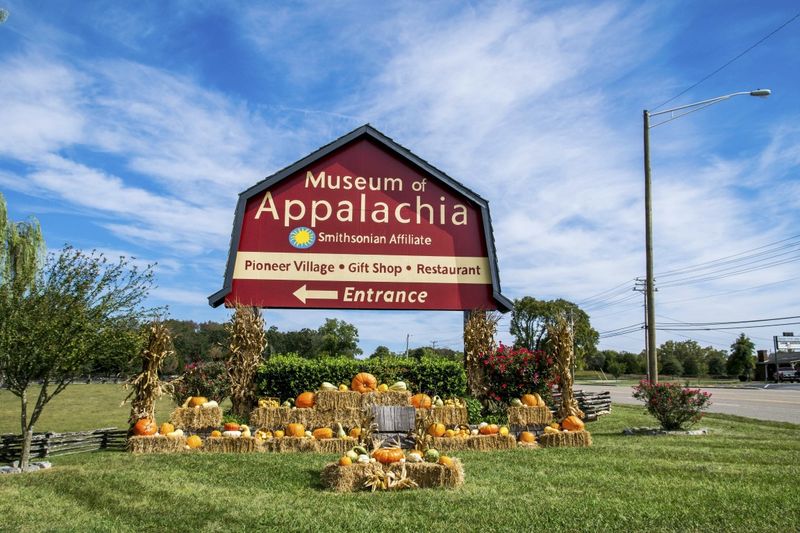
Located at 2819 Andersonville Highway in Clinton, the museum sits conveniently near Interstate 75, making it an easy stop for travelers heading to or from the Smoky Mountains. Many visitors admit they drove past for years before finally stopping, then immediately regretted not visiting sooner. Don’t make that mistake.
The museum opens at 9 AM most days and closes at 5 PM weekdays, extending to 6 PM on weekends. Admission runs around $18 for adults, which some initially consider steep until they realize how much ground they’re covering. Most people spend three to four hours exploring, making the cost reasonable compared to shorter attractions charging similar prices.
Come hungry because the on-site restaurant serves delicious homemade Southern cooking at surprisingly reasonable prices. The menu features comfort food classics served on real dishes, with homemade sourdough bread and cakes that earn rave reviews. The kitchen stops serving around 2:30 PM, so plan accordingly if you want lunch.
Wear comfortable walking shoes because you’ll cover serious distance on mostly unpaved paths. Check weather forecasts and dress appropriately since most exploration happens outdoors. Bring bug spray during warmer months and sunscreen for sunny days.
The grounds provide plenty of shade, but you’ll still get sun exposure walking between buildings.
The gift shop offers reasonably priced souvenirs, including local jellies, crafts, and books about Appalachian culture. Bathrooms stay clean and accessible, which matters during long visits. Free parking eliminates one common tourist attraction annoyance.
Special events like the Candlelight Christmas celebration draw crowds for unique seasonal experiences. The museum’s website lists upcoming programs, so check before visiting if you want to catch demonstrations or festivals. But honestly, any regular day provides enough to see and do that you won’t feel shortchanged.