
Finding a place where your paycheck stretches further feels nearly impossible these days. But Tennessee still has cities where affordable living isn’t just a memory—it’s the everyday reality.
From mountain-hugging towns in the east to quieter spots out west, these eleven cities prove you don’t have to sacrifice quality of life to keep your budget intact.
1. Kingsport
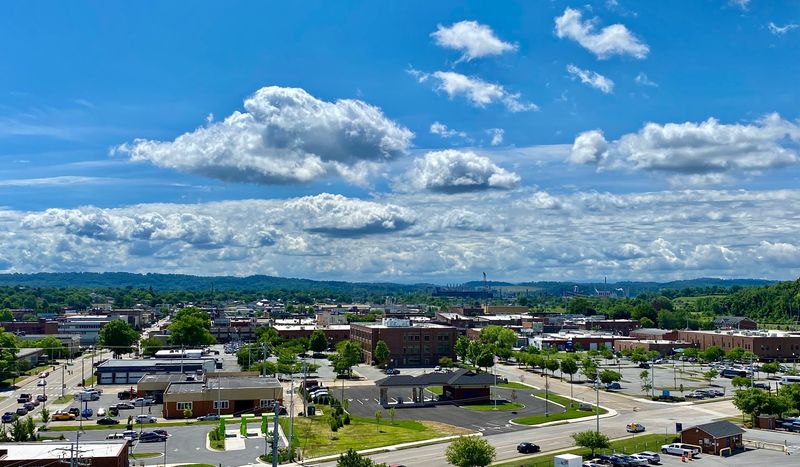
Tucked into the northeastern corner of Tennessee, Kingsport sits where the mountains meet manageable living costs. The city earned its spot on recent affordability lists not by accident but through a genuine commitment to keeping everyday expenses reasonable. Housing prices here won’t make you wince, and the overall cost of living typically runs below what you’d face nationwide.
Mountain views come standard in Kingsport, something you’d pay a premium for in trendier spots. The pace here moves a bit slower, which appeals to retirees looking to stretch retirement savings and families wanting more breathing room in their budgets. You’re not sacrificing scenery or outdoor access—trails, parks, and natural beauty surround the area.
The local economy maintains steady footing without the wild swings that hit boom-and-bust cities. Healthcare facilities provide solid job opportunities, and the downtown area has seen revitalization without the gentrification price tags that follow in bigger metros. Neighborhoods feel established rather than overdeveloped.
What makes Kingsport work for budget-conscious residents is the balance. You get East Tennessee’s natural appeal without Knoxville’s price creep. Shopping, dining, and entertainment options exist without the markup you’d expect.
Commutes stay manageable, and traffic rarely becomes a headache.
Families appreciate the school options and community events that don’t require dropping serious cash. Retirees find the slower rhythm and lower property taxes particularly attractive. Young professionals working remotely discover they can afford actual houses here, not just cramped apartments.
The city proves affordable doesn’t mean boring or isolated—it means practical, scenic, and surprisingly well-rounded for those who know where to look.
2. Clarksville

Sitting just northwest of Nashville, Clarksville gives you proximity to Tennessee’s capital without the capital-city price tag. The military presence from Fort Campbell shapes the city’s character in practical ways—steady employment, diverse residents, and an infrastructure built to support families.
Housing costs in Clarksville typically run lower than what you’d encounter in Nashville proper, sometimes significantly so. For families trying to stay within reach of Nashville’s job market while keeping mortgage payments reasonable, Clarksville offers a workable compromise. The commute exists but remains doable, and you’re trading drive time for actual affordability.
The city’s growth trajectory shows energy without the frantic pace that drives up costs elsewhere. New businesses open regularly, bringing job variety beyond military employment. Retail options, restaurants, and entertainment venues continue expanding, giving residents more choices without forcing them to drive to Nashville for everything.
Family-friendly describes Clarksville accurately—parks, schools, and community programs receive solid support. The city invests in infrastructure and amenities that matter to everyday life rather than flashy projects that look good but drain budgets. Youth sports leagues, library programs, and local events create community without requiring expensive memberships or fees.
What Clarksville really offers is practical affordability with room to grow. You’re not stuck in a stagnant town with limited options, but you’re also not facing the relentless price increases hitting Tennessee’s hottest markets.
For military families, young professionals, and anyone wanting Nashville access without Nashville costs, Clarksville delivers a sensible middle ground that actually works financially.
3. Johnson City
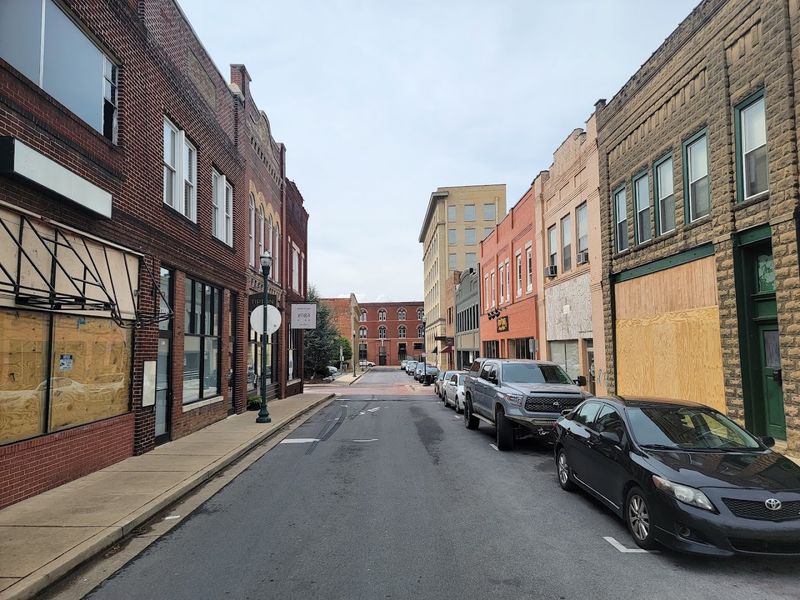
College towns often bring unexpected affordability advantages, and Johnson City demonstrates this perfectly. East Tennessee State University anchors the city, creating a younger demographic and keeping certain costs competitive. Student-friendly pricing on food, entertainment, and services extends benefits beyond just enrolled students—the whole community gains from that college-town economy.
Appalachian charm saturates Johnson City without the tourist markup you’d encounter in more commercialized mountain towns. The surrounding landscape offers immediate outdoor recreation access—hiking, biking, and nature experiences that don’t require expensive memberships or fees. Living here means the mountains are your backyard, not a vacation destination requiring travel budgets.
The cost of living in Johnson City tends to feel more manageable than in bigger Tennessee metros like Nashville, Knoxville, or Chattanooga. Housing prices remain reasonable enough that first-time buyers can actually enter the market. Rent stays affordable for young professionals and families who aren’t ready to purchase yet.
Healthcare represents a major employer here, with medical facilities providing stable job opportunities and career growth potential. The combination of university employment, healthcare jobs, and regional businesses creates economic diversity that protects against single-industry downturns. Small businesses thrive downtown, offering local character without big-city price inflation.
What distinguishes Johnson City is how it balances affordability with quality-of-life elements people actually want. You’re not sacrificing cultural activities, good food, or outdoor access to save money. The music scene stays active, local breweries and restaurants offer solid options, and community events happen regularly.
For people who love Appalachian landscapes but need practical living costs, Johnson City provides that increasingly rare combination of beautiful setting and budget-friendly reality.
4. Morristown
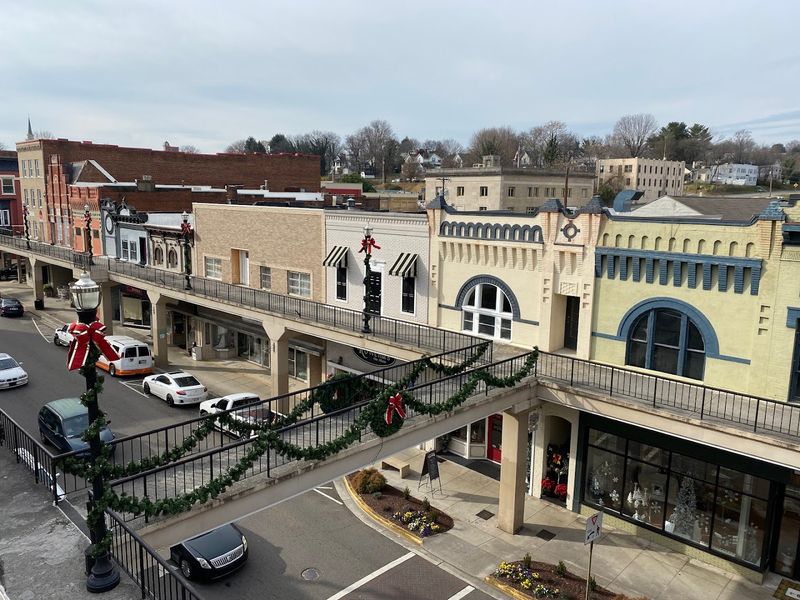
Cherokee Lake defines much of Morristown’s appeal, offering waterfront access without the premium prices lake communities usually command. The city maintains a lower-key atmosphere that contrasts sharply with Tennessee’s rapidly growing, increasingly expensive metros. For people seeking small-city convenience without big-city costs, Morristown delivers exactly that balance.
Housing costs here remain notably lower than what you’d encounter in Knoxville, which sits less than an hour away. That proximity matters—you can access Knoxville’s larger job market, shopping, and entertainment options while maintaining Morristown’s more affordable everyday living. Commuters make this trade-off work, gaining financial breathing room worth the drive time.
The lake lifestyle comes built into Morristown’s identity. Boating, fishing, and waterfront recreation don’t require country club memberships or expensive resort fees. Public access points and community facilities keep outdoor activities accessible to residents at various income levels.
Local businesses maintain the downtown area without the aggressive development that transforms character and raises costs. You’ll find essential services, regional chains, and independent shops creating a functional mix. The city hasn’t stagnated, but growth happens at a measured pace that doesn’t immediately price out existing residents.
What makes Morristown work financially is its resistance to becoming something it’s not. There’s no push to transform into a trendy destination or mini-metro. The focus stays on practical living, community stability, and maintaining affordability for working families.
Manufacturing and healthcare provide employment bases, and the cost of living remains low enough that those jobs actually support comfortable lifestyles. For people tired of watching their hometowns become unaffordable, Morristown represents a refreshing alternative.
5. Jackson
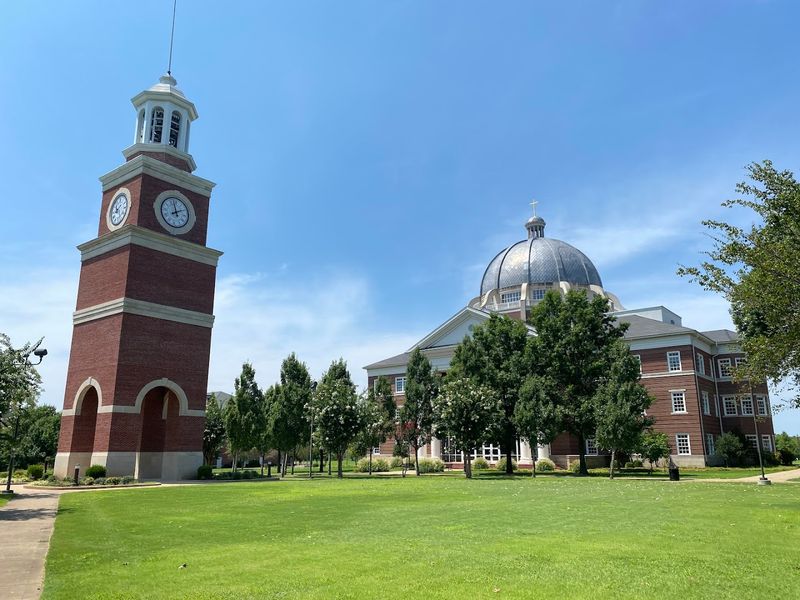
Geography gives Jackson a strategic advantage—positioned between Memphis and Nashville, the city serves as a regional hub without the price tags attached to either major metro. That middle-ground location creates practical benefits for residents. You’re within reach of two major cities’ opportunities while maintaining Jackson’s more affordable everyday costs.
Healthcare anchors Jackson’s economy significantly, with medical facilities providing substantial employment and drawing professionals to the area. That healthcare presence means good jobs exist locally rather than requiring commutes to bigger cities. Regional medical centers also ensure quality healthcare access for residents, an often-overlooked factor in choosing affordable places to live.
The restaurant scene in Jackson punches above its weight class for a city this size. Local spots, regional chains, and diverse food options create variety without Nashville or Memphis pricing. Entertainment options exist without requiring constant drives to larger cities, though those remain accessible when you want them.
Housing costs in Jackson stay reasonable compared to Tennessee’s expensive markets. Families can find actual houses with yards rather than settling for cramped apartments or condos. Neighborhoods offer variety—established areas with mature trees, newer developments with modern amenities, and everything between.
Property taxes remain manageable, an important factor often forgotten when calculating true housing affordability.
You’re not moving to a dying town with no opportunities—healthcare jobs, regional employment, and a strategic location create real economic foundations. The city won’t make anyone’s trendy destination list, but for people prioritizing financial stability and reasonable living costs over Instagram-worthy backdrops, Jackson delivers exactly what matters.
6. Cleveland
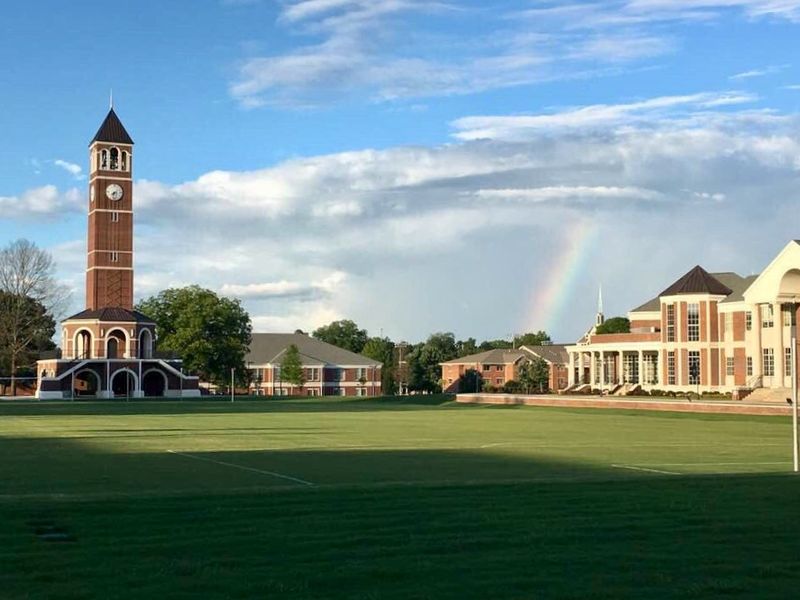
Cleveland sits in Chattanooga’s shadow geographically but stands on its own financially. The proximity to Chattanooga—roughly thirty miles north—means access to that city’s attractions, job market, and amenities without facing Chattanooga’s escalating housing costs. For people working in Chattanooga but priced out of living there, Cleveland offers a legitimate alternative worth considering.
Southeastern Tennessee’s natural beauty surrounds Cleveland without the tourist crowds that pack more famous mountain towns. The Appalachian foothills create scenic backdrops, and outdoor recreation stays accessible through nearby trails, parks, and natural areas. You get mountain-adjacent living without mountain-town price inflation.
The local economy maintains diversity through manufacturing, education, and service industries. Lee University brings college-town elements and younger demographics that keep certain costs competitive. That educational presence also provides cultural activities, sporting events, and community programs that enhance quality of life without requiring expensive entertainment budgets.
Housing in Cleveland remains notably more affordable than in Chattanooga, sometimes dramatically so. Families can purchase homes that would cost significantly more just miles south. Rental options also exist at prices that don’t consume entire paychecks.
The trade-off involves commute time for those working in Chattanooga, but many residents consider that worthwhile for the financial relief.
What Cleveland represents is geographic arbitrage done right. You’re not isolated in the middle of nowhere—Chattanooga’s opportunities remain accessible. But you’re also not paying Chattanooga’s premium for that access.
The city maintains its own identity and community rather than functioning purely as a bedroom community. Local businesses, schools, and neighborhoods create actual community fabric. For budget-conscious residents who still want mountain scenery and reasonable access to a larger metro, Cleveland provides that increasingly rare combination without forcing impossible financial choices.
7. LaFollette

Affordability rankings consistently place LaFollette among Tennessee’s cheapest places to live, and those numbers reflect genuine reality rather than statistical quirks. Housing costs here remain remarkably low compared to state and national averages. For buyers working with tight budgets or trying to enter homeownership without massive debt, LaFollette’s housing market offers opportunities increasingly rare elsewhere.
The city sits in Campbell County, where Norris Lake provides recreational access and natural beauty. While LaFollette itself maintains a decidedly working-class character, the surrounding area offers outdoor activities and scenic landscapes. Lake access doesn’t require expensive property purchases—public areas and affordable options exist for residents wanting water recreation.
Economic opportunities in LaFollette lean toward manufacturing, retail, and service industries rather than high-tech or professional sectors. Income levels reflect that reality, but the crucial factor is how far those incomes stretch. Lower housing costs, cheaper groceries, and reduced everyday expenses mean working-class wages can actually support stable lifestyles here.
The city won’t appeal to everyone—amenities remain limited compared to larger metros, and job options concentrate in specific sectors. But for people prioritizing housing affordability above all else, LaFollette delivers in ways few Tennessee cities can match. Retirees on fixed incomes find budgets stretch further here. Young families can afford homes rather than rent indefinitely.
What LaFollette offers is straightforward, no-frills affordability without pretense. There’s no downtown revitalization creating Instagram moments but pricing out locals. Development pressure remains minimal, keeping costs stable rather than climbing.
The city provides basic services, essential infrastructure, and community connections without expensive extras. For residents tired of being priced out of everywhere else, LaFollette represents a place where affordable living remains genuinely achievable rather than marketing language.
Sometimes the cheapest option is exactly what people need.
8. Cookeville

Central location makes Cookeville appealing beyond just affordability considerations. Positioned roughly equidistant between Nashville and Knoxville, the city offers geographic flexibility that residents appreciate. Road trips to either metro become manageable day trips rather than major expeditions.
That positioning also helps Cookeville maintain economic connections to both cities without becoming a pure commuter town for either.
Tennessee Tech University shapes Cookeville’s character significantly, bringing college-town energy and keeping the city younger and more dynamic than its size might suggest. University employment provides stable jobs, and the student population supports businesses that might not survive in similar-sized towns lacking that demographic. Education becomes an economic anchor that creates ripple effects throughout the community.
Nature access surrounds Cookeville in every direction. State parks, hiking trails, waterfalls, and outdoor recreation opportunities exist within short drives. Burgess Falls State Park, Center Hill Lake, and numerous other natural attractions provide weekend activities that don’t strain budgets.
Living here means outdoor adventures become routine rather than expensive vacations requiring planning and saving.
Housing costs in Cookeville remain reasonable compared to Nashville and Knoxville, though the city has seen some growth pressure as people discover its advantages. Families can find homes, young professionals can afford decent apartments, and retirees discover their savings stretch further than in pricier locales.
What distinguishes Cookeville is how multiple advantages converge—affordability combines with central location, outdoor access, and university-town amenities. You’re not choosing between budget-friendly living and quality-of-life elements. The city provides both without forcing impossible trade-offs.
Healthcare facilities serve the region adequately, local businesses create community character, and the overall atmosphere feels more vibrant than typical small Tennessee cities. For people wanting affordability plus substance, Cookeville checks boxes that many other budget-friendly cities miss entirely.
9. Memphis

Big-city amenities usually come with big-city price tags, but Memphis breaks that pattern. Recent affordability rankings in 2026 placed Memphis highly among major cities for cost of living, confirming what residents already know—you can live in a substantial metro here without financial devastation. Housing costs remain remarkably reasonable compared to other major cities, whether you’re buying or renting.
Music history saturates Memphis in ways tourists experience but residents live it daily. Beale Street, Graceland, and legendary recording studios created cultural legacies, but the music scene stays active beyond tourist attractions. Live music venues, local musicians, and ongoing creative energy mean entertainment doesn’t require expensive tickets or exclusive access.
The city’s musical soul remains accessible to everyone.
Food culture in Memphis deserves its reputation—barbecue obviously, but the culinary scene extends far beyond that. Soul food, international cuisines, and innovative restaurants create dining diversity at prices that won’t wreck budgets. You can eat exceptionally well in Memphis without spending like you’re in Nashville or larger coastal cities.
The Mississippi River location provides geographic and economic advantages. Memphis functions as a distribution hub, creating logistics jobs and economic activity. Healthcare also employs substantially through major medical centers.
Job opportunities exist across multiple sectors rather than depending on single industries, providing employment stability and options.
What makes Memphis work financially is scale without the typical scale penalties. You get major-league sports, significant cultural institutions, diverse neighborhoods, and genuine urban energy. But housing costs, everyday expenses, and overall cost of living remain manageable in ways that cities like Nashville no longer offer.
Challenges exist—Memphis faces urban issues common to many American cities—but for people wanting authentic big-city living without impossible costs, Memphis provides that rare combination. The city proves that being affordable doesn’t mean small or limited—it can mean substantial, culturally rich, and financially sustainable simultaneously.
10. Dyersburg
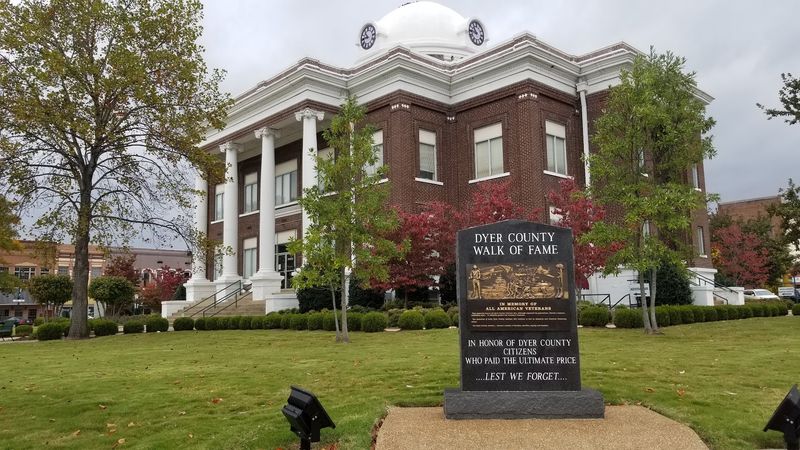
West Tennessee’s character differs noticeably from the state’s more famous regions, and Dyersburg embodies that quieter, less-traveled identity. The city sits in Dyer County, where agriculture still influences the economy and culture. Life moves at a genuinely slower pace here—not as marketing language but as an observable reality that some people desperately need.
Housing costs in Dyersburg remain low enough to surprise people accustomed to current real estate markets. Homes that would command premium prices in growing Tennessee cities sell for fractions of those amounts here. For buyers with limited budgets or retirees looking to purchase outright without mortgages, Dyersburg’s housing market offers possibilities that feel almost anachronistic.
The local economy centers on manufacturing, agriculture, and regional services rather than trendy industries or tech sectors. Income levels reflect that reality, but the crucial calculation involves how far those incomes stretch. Lower housing costs, cheaper groceries, reduced utilities, and minimal entertainment expenses mean modest wages can actually support stable, comfortable lifestyles.
Amenities remain limited compared to larger cities—Dyersburg won’t offer endless restaurant choices, major entertainment venues, or extensive shopping options. But essential services exist, local businesses serve the community adequately, and the trade-off involves financial relief rather than constant expense stress. For people prioritizing quiet living and budget sustainability over urban excitement, that trade-off works perfectly.
What Dyersburg represents is small-city Tennessee, largely unchanged by the growth pressures transforming other parts of the state. There’s no development boom driving up costs, no influx of remote workers competing for housing, no transformation into something trendier and pricier. The city remains itself—practical, affordable, and unpretentious.
For residents exhausted by rising costs everywhere else, Dyersburg offers refuge where living expenses stay genuinely manageable. Sometimes the best affordable option is the place that simply hasn’t changed much, where stability means financial breathing room still exists.
11. Humboldt

Affordability data from 2026 consistently highlights Humboldt among Tennessee’s most budget-friendly cities, making it a fitting conclusion to this list. The numbers don’t lie—housing costs, overall living expenses, and everyday necessities remain remarkably affordable here. For people making purely financial decisions about where to live, Humboldt’s affordability metrics stand out even among other inexpensive Tennessee options.
Located in Gibson County in West Tennessee, Humboldt maintains its small-town character without the tourist appeal or growth pressure that affect other parts of the state. The city’s economy relies on manufacturing, agriculture, and local businesses serving regional needs. Population remains stable rather than booming, which helps keep housing supply and demand balanced favorably for buyers and renters.
Strawberries play a surprisingly significant role in Humboldt’s identity—the city hosts an annual Strawberry Festival that brings regional visitors and celebrates local agricultural heritage. That agricultural connection keeps the city grounded in practical, working-class values rather than aspirational lifestyle marketing. People live here because it works financially, not because it’s trendy.
Amenities and opportunities in Humboldt stay limited compared to larger cities, which directly relates to why affordability persists. Without major employers driving population growth or development pressure raising costs, the city maintains price stability that benefits residents. Schools serve local families, healthcare facilities provide essential services, and community connections create social fabric.
What Humboldt offers is perhaps the most straightforward affordability proposition on this entire list. The city doesn’t promise mountain views, big-city amenities, or college-town energy. Instead, it delivers genuinely low living costs in a stable, unpretentious small-town setting.
For people whose primary concern is making their money stretch as far as possible—retirees on fixed incomes, working families on tight budgets, anyone tired of financial stress—Humboldt provides exactly that relief. Affordable living isn’t gone in Tennessee, and Humboldt proves it more clearly than almost anywhere else in the state.