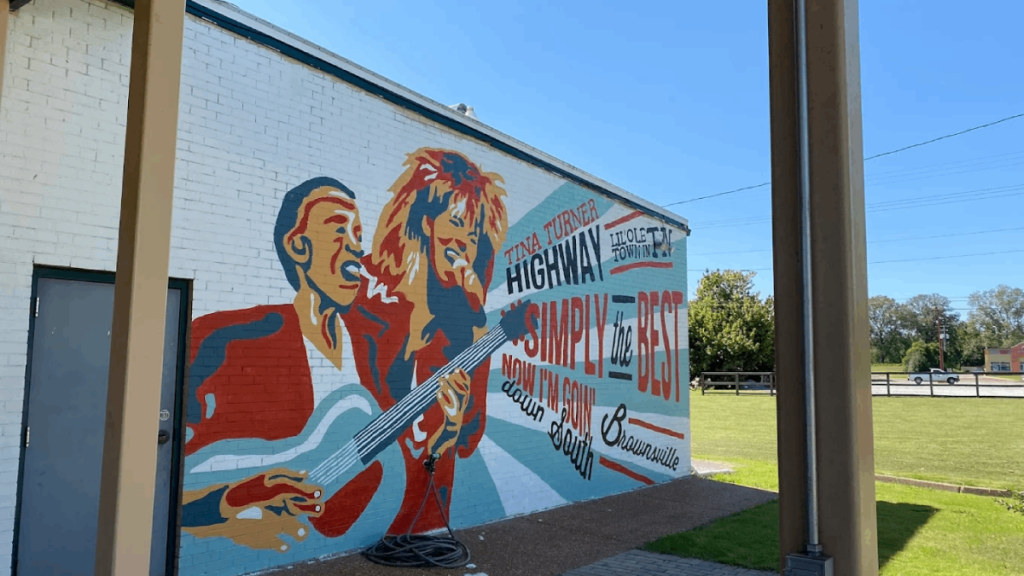
In the heart of Brownsville, Tennessee, sits a beautifully restored schoolhouse from 1889 that tells an incredible story. This tiny building once welcomed a young girl named Anna Mae Bullock, who would grow up to become Tina Turner, the legendary Queen of Rock ‘N’ Roll.
Today, the Flagg Grove School stands as a powerful tribute to her journey from rural West Tennessee to worldwide stardom, giving visitors a rare glimpse into the humble beginnings of one of music’s most electrifying performers.
A Restored Schoolhouse With a Rock ‘N’ Roll Legacy
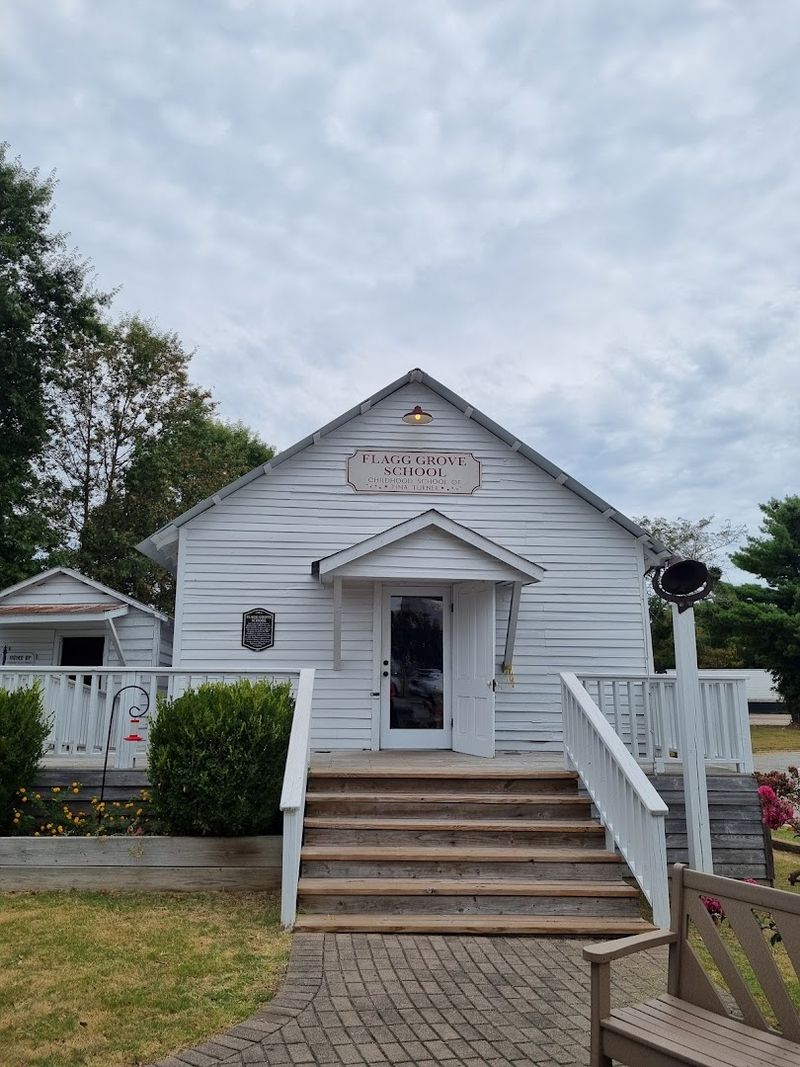
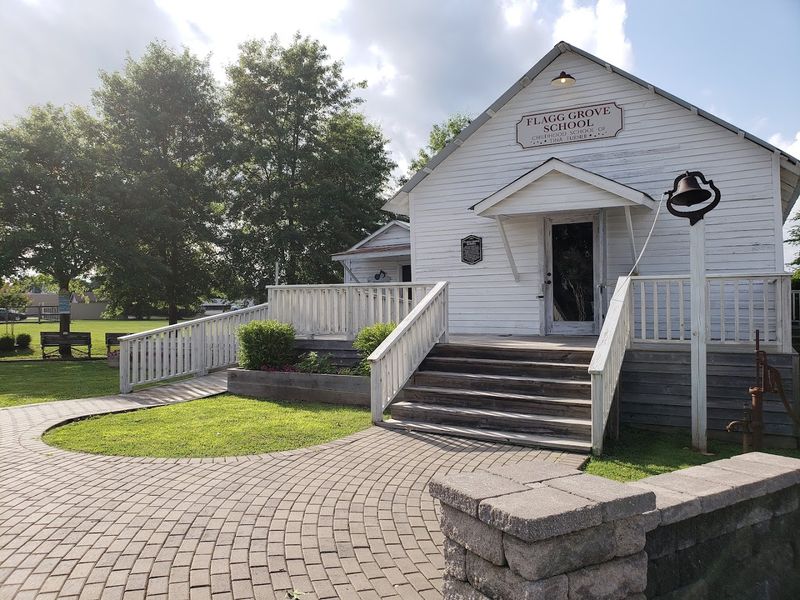
Walking up to the Flagg Grove School feels like stepping back in time. The white wooden building looks almost exactly as it did in the late 1800s, complete with its original bell tower and simple country charm. But what makes this particular schoolhouse extraordinary isn’t just its age—it’s the fact that a future music icon once sat in these very classrooms, learning her ABCs and dreaming of bigger things.
The restoration project took serious dedication and community support. Local historians and Tina Turner fans worked together to move the original schoolhouse from its location in Nutbush to the West Tennessee Delta Heritage Center grounds in Brownsville. Every detail was carefully preserved, from the wooden floorboards to the vintage desks that give you a real sense of what education looked like in rural Tennessee over a century ago.
Young Anna Mae Bullock attended this school from first through eighth grade, long before she transformed into Tina Turner. The building represents more than just bricks and wood—it’s a symbol of perseverance and possibility. Standing inside, you can almost imagine the young girl who would eventually command stadium stages worldwide, starting her journey in this modest one-room schoolhouse.
The connection between this humble educational space and rock ‘n’ roll royalty creates a powerful contrast. It reminds visitors that greatness can emerge from the simplest beginnings. The schoolhouse doesn’t just celebrate Tina Turner’s achievements; it honors the foundation that shaped her character, work ethic, and determination to succeed against all odds in a challenging world.
Where Is the Tina Turner Museum Located?
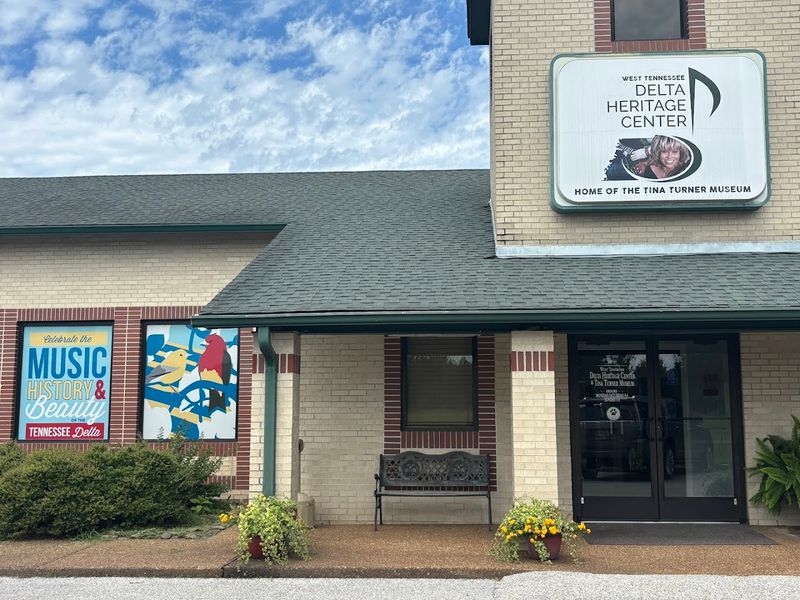
You’ll find the Tina Turner Museum at 121 Sunny Hill Cove in Brownsville, Tennessee, conveniently located right off Interstate 40. This makes it an easy stop whether you’re traveling between Memphis and Nashville or just exploring West Tennessee’s rich cultural landscape. The facility sits within the larger West Tennessee Delta Heritage Center, which means you’re getting multiple museums and exhibits all in one visit.
Brownsville itself is a charming small town with genuine Southern hospitality. The heritage center grounds include both indoor galleries and outdoor historic structures, creating a campus-style setting that’s pleasant to explore. Free parking makes access hassle-free, and the welcoming staff greets visitors with genuine enthusiasm and knowledge about the exhibits.
The museum operates Monday through Saturday from 9 AM to 5 PM, and Sundays from 1 PM to 5 PM. Best of all, admission is completely free, though donations are gratefully accepted to help maintain this special place. Many visitors mention the complimentary coffee available inside—a nice touch that reflects the warm hospitality West Tennessee is known for.
The location choice wasn’t random. Brownsville sits in Haywood County, the same county where Nutbush is located—Tina Turner’s actual hometown. This geographical connection adds authenticity to the experience.
You’re not just visiting a museum; you’re standing in the same region that shaped one of music’s greatest performers during her formative years.
Getting there is straightforward with clear signage from the interstate. Even if you’re just passing through on a road trip, the museum makes an ideal rest stop that offers way more than typical highway attractions.
The Story Behind the Flagg Grove School
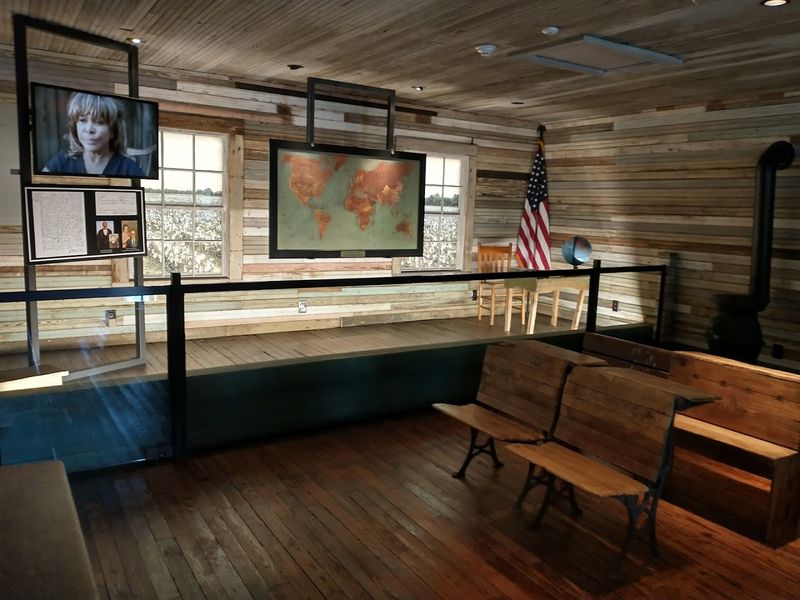
Flagg Grove School opened its doors in 1889 to serve the rural African American community in Nutbush. For decades, it provided education to generations of children in a segregated school system that was common throughout the South. The building witnessed countless young lives passing through, but none would achieve the fame and recognition of Anna Mae Bullock.
By the time Tina Turner became a household name, the schoolhouse had long since closed and fallen into disrepair. The building sat abandoned for years, weathering harsh Tennessee seasons and slowly deteriorating. Many historic structures like this simply disappear, forgotten by time and progress.
Everything changed when community leaders recognized the building’s significance. Rather than let this piece of history crumble, they launched an ambitious restoration project. The entire structure was carefully dismantled, transported piece by piece from Nutbush to Brownsville, and meticulously reconstructed on the heritage center grounds.
Restoration experts worked to maintain historical accuracy while ensuring the building could safely welcome visitors. Original materials were preserved whenever possible, and period-appropriate replacements were used when necessary. The result is a schoolhouse that looks remarkably similar to how it appeared when young Anna Mae walked through its doors in the 1940s.
The significance runs deeper than nostalgia. This schoolhouse represents educational opportunities that were hard-won during segregation, the resilience of rural communities, and the humble origins of extraordinary talent. It’s a tangible reminder that world-changing potential can develop in the most unexpected places, and that preserving local history matters.
What You’ll See Inside the Tina Turner Museum
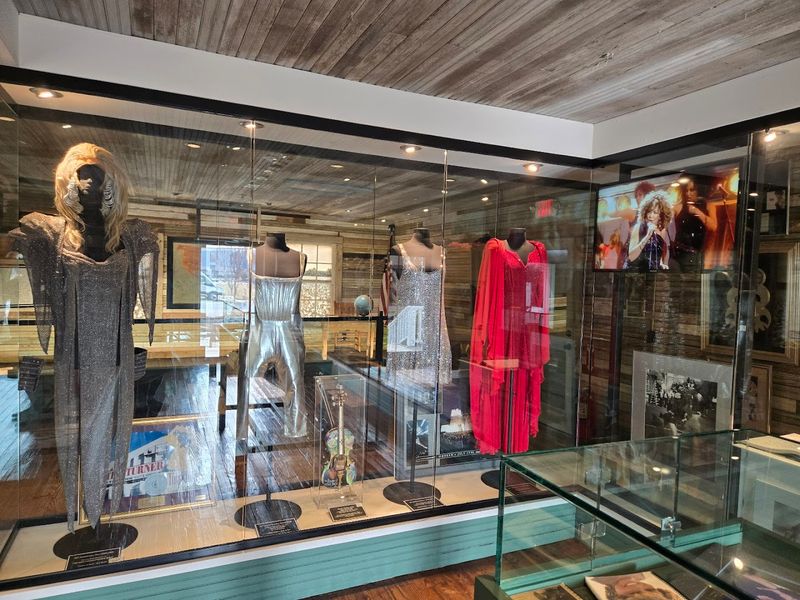
Step inside and prepare for some serious glitter. The museum showcases an impressive collection of Tina Turner’s iconic stage costumes, and they’re even more dazzling in person than you’d imagine. Sequined dresses, fringed miniskirts, and those famous sky-high heels are displayed throughout the space, each outfit telling its own story from different eras of her legendary career.
You’ll find Grammy awards, gold records, and platinum albums lining the walls—tangible proof of the incredible success she achieved. Concert photographs capture Tina in action, showing the explosive energy and commanding stage presence that made her performances unforgettable. These aren’t just random snapshots; they document pivotal moments in music history.
Handwritten notes, personal photographs from her childhood in Tennessee, and memorabilia from her early days provide context to her journey. Video displays feature interviews where Tina herself reminisces about growing up in Nutbush, giving visitors direct insight into her memories and perspective.
The exhibits don’t shy away from her complete story. You’ll learn about her struggles, her triumphant comeback, and her evolution as an artist and survivor. Display panels provide historical context about the music industry, the challenges she overcame, and her lasting influence on rock, soul, and pop music.
What makes the collection special is its authenticity. These aren’t replicas or reproductions—they’re actual items from Tina’s life and career. Standing inches away from the costumes she wore during world tours creates a powerful connection.
The museum manages to feel both celebratory and respectful, honoring her achievements while acknowledging the hard work behind the glamour.
How Brownsville Shaped Tina Turner’s Early Life
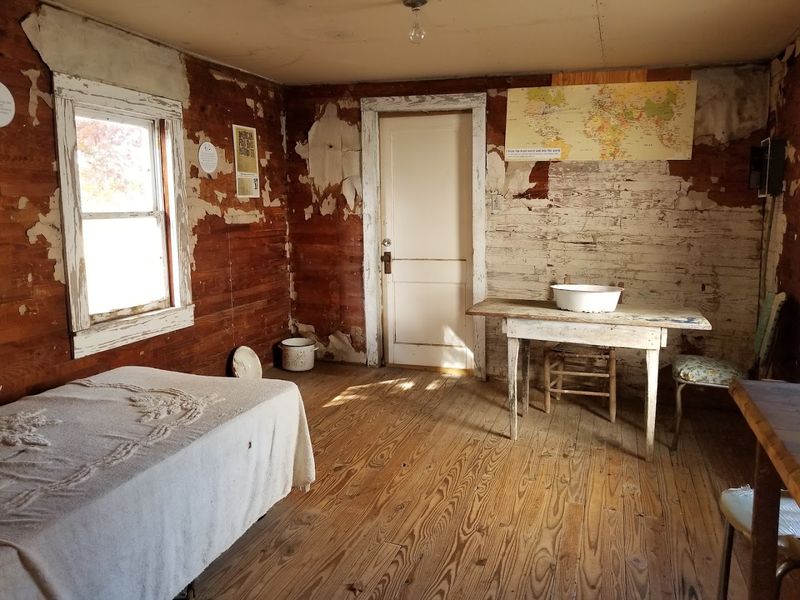
Nutbush, Tennessee wasn’t much more than a rural crossroads when Anna Mae Bullock was growing up there in the 1940s. Life moved slowly in this agricultural community where cotton farming dominated the landscape and economic opportunities were limited, especially for African American families. Yet this environment shaped the woman who would become Tina Turner in profound ways.
The church played a central role in community life, and young Anna Mae sang in the choir at Spring Hill Baptist Church. Gospel music provided her first vocal training and stage experience, teaching her how to connect emotionally with an audience. Those Sunday morning performances planted seeds that would eventually blossom into one of the most powerful voices in rock ‘n’ roll history.
West Tennessee’s musical heritage ran deep. The region was steeped in blues, gospel, and country music—sounds that drifted from juke joints, church services, and radio broadcasts. This rich musical environment exposed her to diverse styles and rhythms that would later influence her eclectic sound and dynamic performance style.
Life wasn’t easy in rural Tennessee during that era. Economic hardship, racial segregation, and limited opportunities were everyday realities. These challenges built resilience and determination in young Anna Mae.
She witnessed hard work, community strength, and the importance of perseverance—lessons that would serve her well during difficult times in her career.
The contrast between her humble beginnings and eventual superstardom makes her story even more compelling. Brownsville and Nutbush weren’t just places she left behind—they were formative spaces that gave her the grit, soul, and authenticity that audiences worldwide connected with throughout her extraordinary career.
More to Explore at the West Tennessee Delta Heritage Center
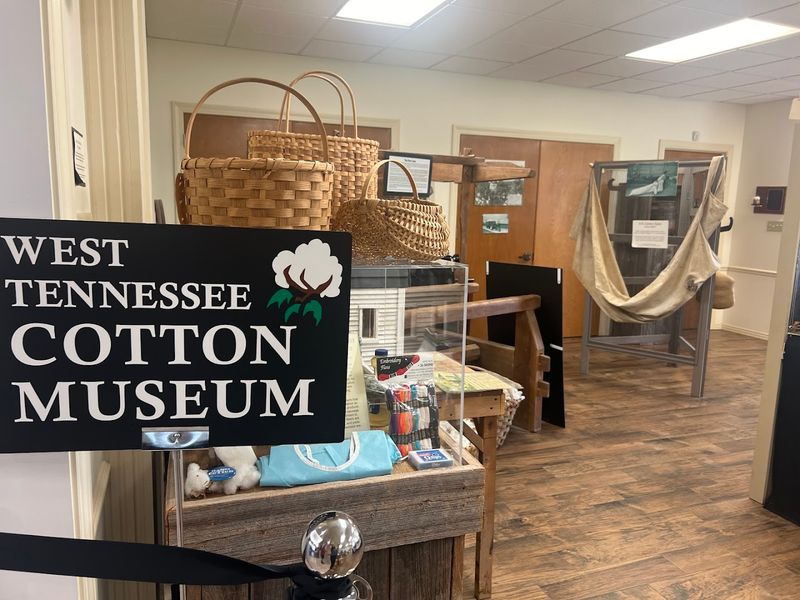
The Tina Turner Museum might be the headline attraction, but the West Tennessee Delta Heritage Center offers so much more. The Cotton Museum provides fascinating insights into the crop that shaped the region’s economy and culture for generations. Antique cotton processing equipment, historical photographs, and educational displays explain how this industry influenced everything from settlement patterns to social structures.
Music lovers will appreciate the broader West Tennessee Music exhibit celebrating other artists from the region. You’ll discover information about blues legend Sleepy John Estes, whose actual home has been relocated to the heritage center grounds and restored as another mini-museum. The exhibit highlights numerous musicians who emerged from this musically rich area, proving that Tina Turner wasn’t the only talent the Delta produced.
Natural history displays showcase the unique ecology of the Mississippi River Delta region. Dioramas feature local wildlife, geological information, and environmental exhibits that help visitors understand the natural world that surrounds this part of Tennessee.
Native American artifacts and regional history sections round out the experience. You’ll learn about the area’s earliest inhabitants, settlement history, and cultural development over centuries.
What makes the heritage center special is how it weaves together multiple narratives—agricultural history, musical heritage, natural environment, and cultural evolution—into a cohesive story about West Tennessee. Visitors typically spend an hour or more exploring everything, and many mention being pleasantly surprised by how engaging and informative the entire facility is beyond just the Tina Turner connection.
Why This Small Tennessee Museum Is Worth the Trip
Some museums feel like obligations—places you visit because you should, not because you want to. The West Tennessee Delta Heritage Center is different. It delivers genuine emotional connection and meaningful experiences that stick with you long after you leave.
Whether you’re a die-hard Tina Turner fan or someone who barely knows her music, there’s something powerful about standing in the schoolhouse where a legend began.
The museum succeeds because it tells human stories, not just facts. You’re not reading about abstract historical concepts; you’re connecting with real people, real struggles, and real triumphs. Tina Turner’s journey from poverty to superstardom resonates universally, and experiencing it in the actual place where her story started adds authenticity you can’t get anywhere else.
Southern heritage and hospitality shine throughout the experience. The staff genuinely cares about sharing these stories and making visitors feel welcome. Their enthusiasm is contagious, and their knowledge adds depth to the exhibits.
The free admission removes barriers, making culture and history accessible to everyone regardless of budget. This democratic approach reflects the museum’s mission—sharing important stories with as many people as possible. The donation model works on trust and appreciation, which feels refreshingly honest.
Location convenience makes it an easy addition to any West Tennessee road trip. You can stop for thirty minutes or spend several hours, depending on your interest level and schedule. Either way, you’ll leave with new appreciation for Tina Turner’s legacy, West Tennessee’s cultural contributions, and the power of preserving local history in meaningful, engaging ways that honor both the past and present.