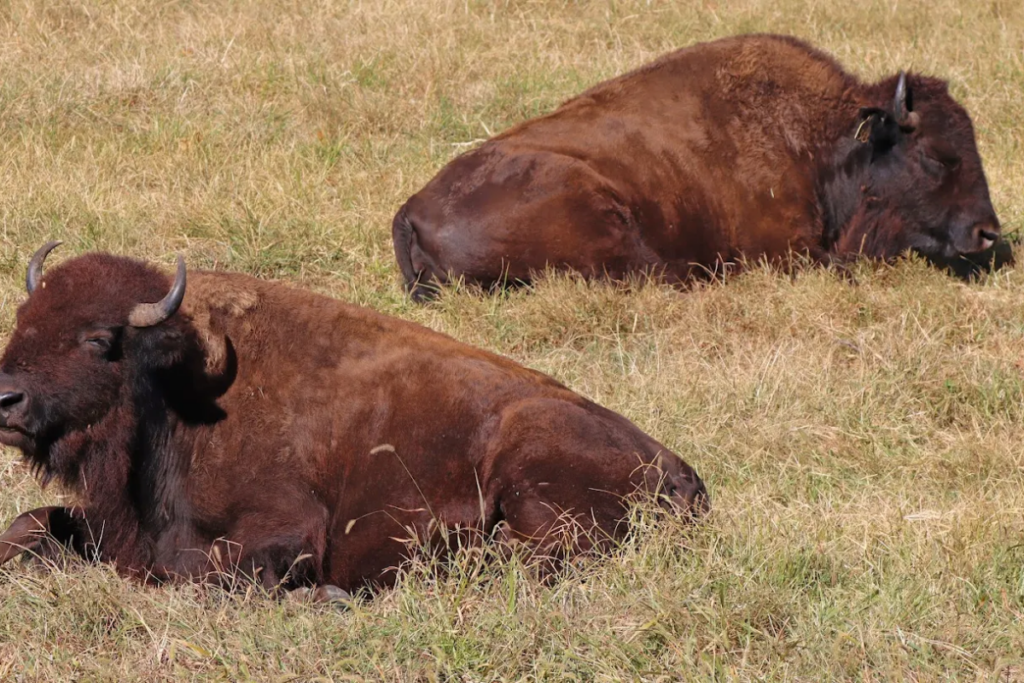
Tennessee might surprise you with how many big, wild animals call it home. From herds of bison grazing in city parks to wild elk bugling in the mountains, the state offers some truly memorable wildlife encounters.
Whether you want to spot black bears in the Smokies or feed giraffes at a drive-through safari, these nine spots deliver up-close experiences with some seriously impressive creatures.
1. Shelby Farms Park — Memphis
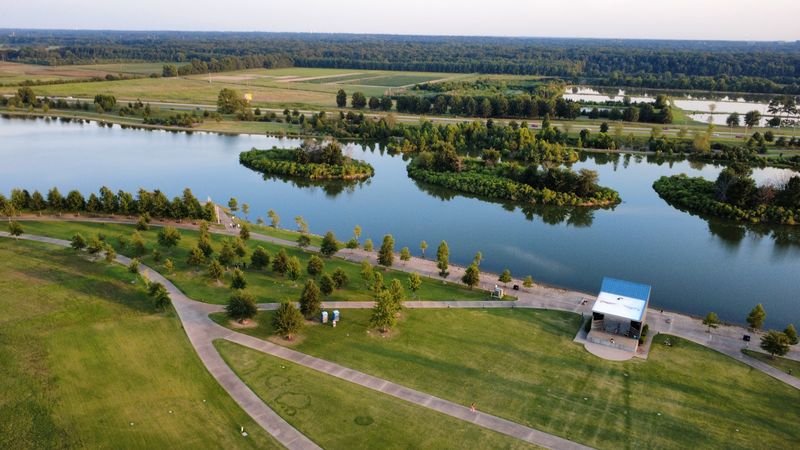
Right in the heart of Memphis, you can watch a herd of genuine American bison doing what bison do best: grazing, lounging, and occasionally giving you that classic buffalo side-eye. Shelby Farms keeps around 15 of these massive animals on nearly 50 acres of fenced range, and they’re surprisingly easy to spot if you know where to look.
The Chickasaw Trail is your best bet for bison-watching. This trail winds close enough to the buffalo range that you can often see the whole herd without binoculars. Early morning and late afternoon tend to be prime viewing times, when the animals are most active and the light is perfect for photos.
These aren’t zoo animals behind glass—they’re living in a semi-natural habitat that lets them behave like wild bison. You’ll see calves playing, adults dust-bathing, and the whole herd moving together across the grassland. It’s a genuinely cool sight, especially considering you’re still within city limits.
Shelby Farms is one of the largest urban parks in America, so there’s plenty more to do beyond bison-watching. The park has miles of trails, lakes, playgrounds, and picnic areas. You can easily make a full day of it.
Bring binoculars if you have them, but honestly, the bison are big enough that you’ll get good views with just your eyes. The animals are behind fencing for everyone’s safety, which is definitely for the best—adult bison can weigh up to 2,000 pounds and aren’t exactly cuddly. Respect the barriers, enjoy the view, and appreciate that Memphis decided to keep a buffalo herd in one of its most popular parks.
2. Hatfield Knob Elk Viewing Tower — LaFollette
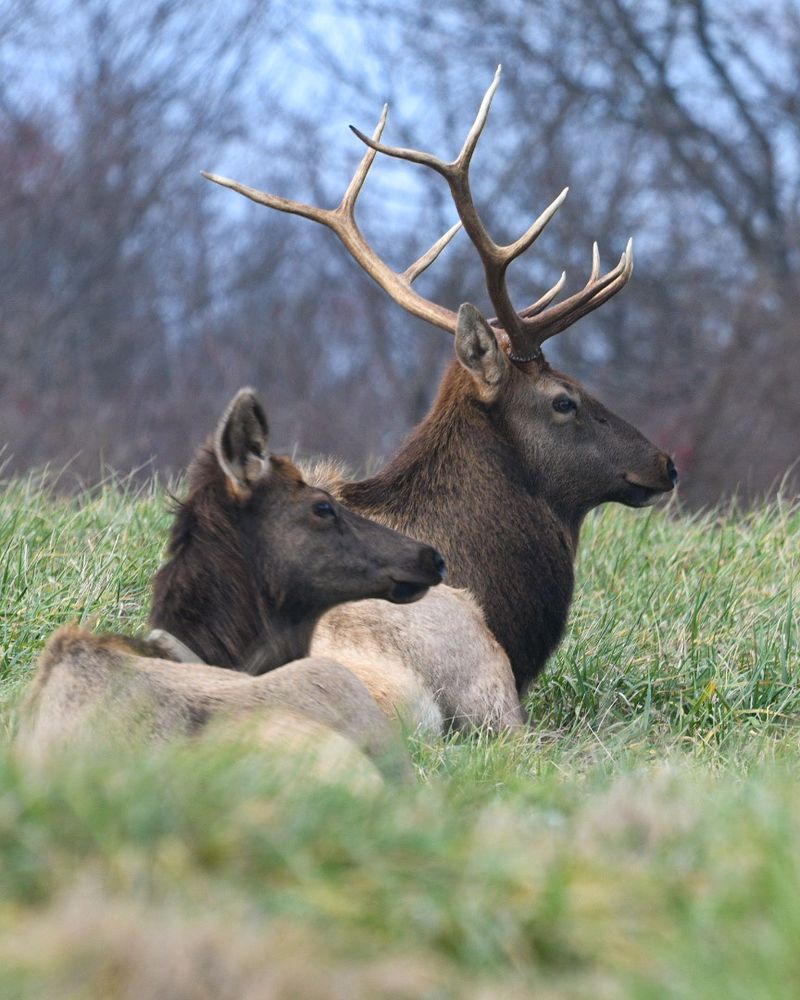
Climb a tower, scan the valley, and watch for antlers. That’s the simple magic of Hatfield Knob, one of Tennessee’s most reliable spots for seeing wild elk in their actual habitat. The Tennessee Wildlife Resources Agency built this viewing platform specifically for elk-watchers, and it delivers.
Located in the North Cumberland Wildlife Management Area, the tower gives you an elevated view over prime elk country. Wild elk were reintroduced to Tennessee starting in the late 1990s, and this region has become their stronghold. The herd has grown steadily, and your chances of spotting them from Hatfield Knob are genuinely high.
Dawn and dusk are the golden hours here. Elk are most active during these cooler parts of the day, moving into open areas to feed. Bring binoculars and patience—wildlife viewing is never guaranteed, but this spot stacks the odds in your favor.
The Tennessee Wildlife Federation calls Hatfield Knob a free opportunity to view wild elk in their native habitat, which is exactly right. There’s no admission fee, no tour guide required, just you and the landscape. Fall is especially exciting because that’s when the elk rut happens, and bulls bugle to attract cows—a sound that echoes across the mountains like nothing else.
Dress for the weather and the season. The tower is exposed, so wind and temperature matter. If you’re visiting in winter, layer up.
Spring and fall offer the most comfortable conditions and active wildlife.
This isn’t a zoo or a game farm. These are genuinely wild animals living free in thousands of acres of forest and field. Seeing them requires a little effort and luck, but that’s what makes it special.
When a bull elk steps into view with a full rack of antlers, you’ll understand why people drive hours for this experience.
3. North Cumberland Wildlife Management Area — Pioneer
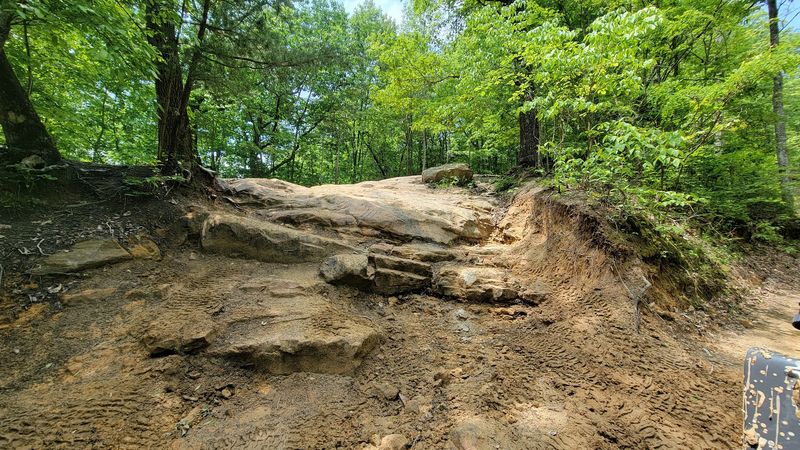
This is ground zero for Tennessee’s elk comeback story. North Cumberland Wildlife Management Area covers thousands of rugged acres in the northern Cumberland Mountains, and it’s where the state’s elk restoration effort has found its greatest success. If you want to see wild elk outside of a viewing tower, this is your spot.
Elk aren’t the only big animals here. White-tailed deer are everywhere, black bears roam the forests, and wild turkeys strut through the clearings. It’s a genuine slice of wild Tennessee, managed specifically for wildlife habitat.
State Route 63 near the Scott and Campbell County line is a local favorite for elk sightings, especially around dawn and dusk. Elk often feed in open areas near the road, and patient observers are frequently rewarded. Pull off safely, stay in your vehicle if possible, and watch quietly.
The landscape here is classic Appalachian: steep ridges, deep hollows, and open meadows where wildlife congregate. It’s a beautiful country even without the animals, but the wildlife makes it unforgettable. Seeing a herd of elk moving through a misty valley at sunrise is the kind of moment that sticks with you.
This is a wildlife management area, which means hunting is allowed in season. If you’re visiting during fall or winter, wear bright colors and be aware of hunting schedules. Outside of hunting season, it’s a peaceful place to explore.
Don’t expect amenities. This isn’t a park with visitor centers and paved trails. It’s wild land with rough roads and minimal facilities.
Bring water, snacks, and a good map or GPS. Cell service can be spotty.
The elk here are wild and wary. Keep your distance, use binoculars or a zoom lens, and never approach on foot. These animals can be unpredictable, especially during the fall rut when bulls are territorial and aggressive.
4. South Bison Range Picnic Area — Bumpus Mills
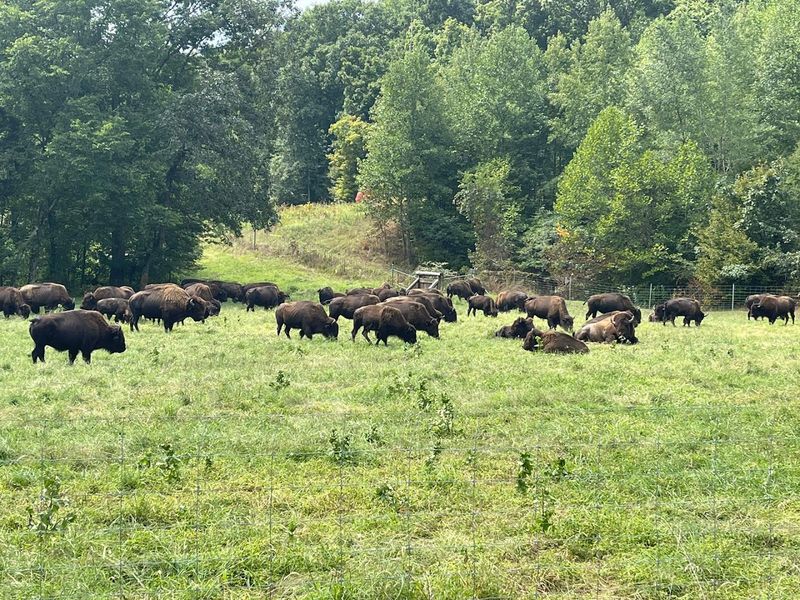
Land Between the Lakes is a sprawling national recreation area straddling the Tennessee-Kentucky border, and tucked within it is a place where American bison roam free across hundreds of acres. The South Bison Range isn’t just a viewing area—it’s a living piece of prairie history.
The bison herd here numbers between 60 and 100 animals, depending on the year and management decisions. They roam a large, fenced range that mimics the grasslands where bison once dominated the American landscape. Watching them graze, wallow, and interact is like stepping back in time.
The South Bison Range Picnic Area gives visitors a comfortable spot to watch the herd. There are picnic tables, restrooms, and interpretive signs explaining the bison’s history and ecology. It’s family-friendly and accessible, making it a great stop for all ages.
Bison are most visible during cooler parts of the day. Midday heat often sends them into shaded areas or down into hollows where they’re harder to spot. Plan your visit for the morning or late afternoon, and bring binoculars to scan the range.
These animals are deceptively fast and surprisingly agile despite their bulk. Bison can run up to 35 miles per hour and can jump six feet vertically. They’re also unpredictable, especially during mating season in late summer.
Stay behind the fencing and admire them from a safe distance.
The picnic area makes this a great spot for a longer visit. Pack a lunch, settle in at a table, and enjoy the view. It’s not uncommon to spend an hour or more just watching the herd dynamics—calves playing, bulls sparring, and the whole group moving across the landscape.
Land Between the Lakes offers much more beyond bison. There are miles of hiking trails, lakes for fishing and boating, and historic sites to explore. Make the bison range part of a bigger outdoor adventure.
5. Cades Cove — Great Smoky Mountains National Park
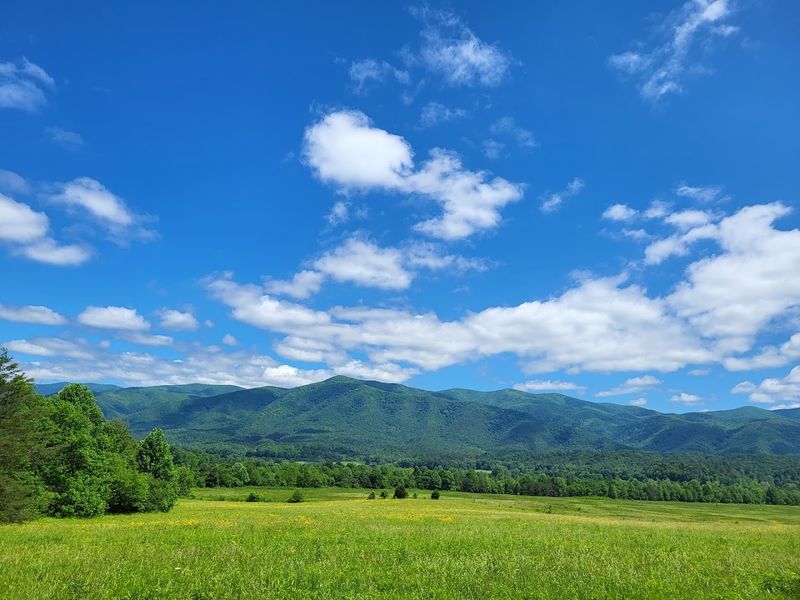
Ask anyone who’s spent time in the Smokies where to see wildlife, and Cades Cove will be near the top of the list. This broad, scenic valley is one of the park’s most famous destinations, and for good reason—wildlife sightings here are almost guaranteed if you’re patient.
The 11-mile loop road circles the cove, passing through open fields and forests where white-tailed deer, black bears, coyotes, and wild turkeys are frequently spotted. The open landscape makes animals easier to see than in dense forest, and the slow-moving traffic gives you time to scan for movement.
Black bears are the main attraction for many visitors. Cades Cove’s mix of forest and meadow provides excellent bear habitat, and it’s not unusual to see bears foraging in the fields, especially in spring and early summer. Keep your distance—the National Park Service requires at least 50 yards between you and any bear.
White-tailed deer are everywhere in the cove, often grazing in the open fields in the early morning or late evening. Bucks with impressive antlers are common in fall, and does with spotted fawns are a frequent sight in late spring.
Coyotes have become increasingly common in the Smokies, and Cades Cove is one of the best places to spot them. They’re often seen hunting mice in the fields or trotting along the edges of the forest. Wild turkeys strut through the meadows in large flocks, and if you’re lucky, you might catch a tom displaying his tail feathers.
The loop road can get crowded, especially in summer and fall. Arrive early in the morning or visit on a weekday to avoid the worst traffic. Wednesday and Saturday mornings from early May through late September, the loop is closed to motor vehicles until 10 a.m., making it a peaceful time for cyclists and walkers.
Bring binoculars, a camera with a good zoom lens, and plenty of patience. Wildlife viewing is about being in the right place at the right time, and Cades Cove gives you plenty of both.
6. Roaring Fork Motor Nature Trail — Gatlinburg
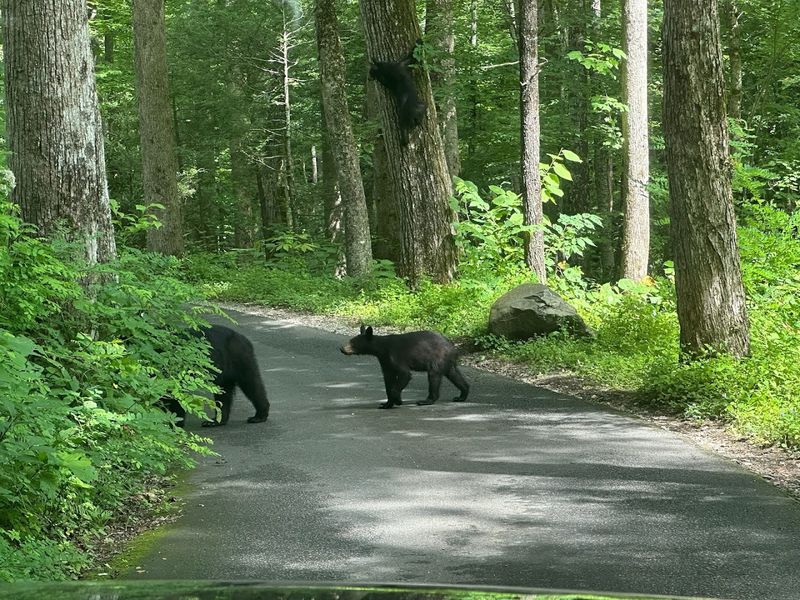
Roaring Fork is the Smokies’ secret weapon for wildlife watchers who want to avoid Cades Cove’s crowds. This narrow, winding road follows an old mountain community route through dense forest and along rushing streams, and it’s a hotspot for black bears, white-tailed deer, and wild turkeys.
The National Park Service specifically lists Roaring Fork as a good wildlife-viewing road, and locals know it’s one of the most reliable places to see black bears. The forest here is thick with berry bushes, oak trees, and other bear food sources, and bears are frequently spotted along the roadside.
The one-way road is only 5.5 miles long, but it can take an hour or more to drive if you’re stopping frequently to watch wildlife. That’s the whole point—this isn’t a commute, it’s an experience. The road is narrow and winding, with no room for speeding even if you wanted to.
Spring and early summer are prime bear-watching seasons. Bears emerge from winter dens hungry and active, foraging for fresh vegetation and insects. You’ll often see them digging in logs, climbing trees, or simply ambling along the roadside.
White-tailed deer are common along Roaring Fork, especially near the historic buildings and open areas. Wild turkeys are frequently seen in the mornings, scratching through leaf litter or crossing the road in single file.
The road is closed in winter, typically from late November through mid-March, depending on weather. It reopens in spring when the wildflowers start blooming and the wildlife becomes more active.
Unlike Cades Cove’s open fields, Roaring Fork is heavily forested, which means animals can be harder to spot but also means you might get closer encounters. Always stay in your vehicle when observing bears, and never attempt to approach or feed any wildlife.
Combine your wildlife drive with stops at the historic cabins and mills along the route. The human history here is fascinating, and the old homesites often attract wildlife because of the open clearings and fruit trees left behind by settlers.
7. Tennessee Safari Park — Alamo
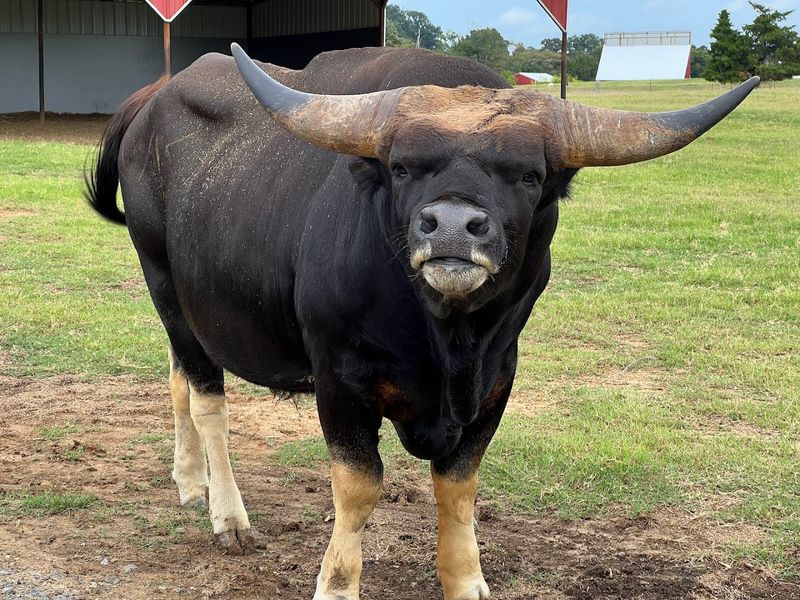
Forget binoculars and patience—at Tennessee Safari Park, the animals come to you. This isn’t wild Tennessee wildlife, but it’s an undeniably fun way to get up close with big animals from around the world. The park features a 7.5-mile drive-through safari where zebras, giraffes, bison, and other large animals roam freely and often stick their heads right into your car.
You’ll buy buckets of feed at the entrance, and then you’re off on a slow-motion adventure through different habitat areas. Animals quickly learn that cars mean food, so expect company. Giraffes will lean their long necks into your window, emus will peck at your door, and bison will lumber up with surprising boldness.
The drive-through section is the main attraction, but there’s also a 20-acre walk-through zoo with more animals and hands-on experiences. It’s a solid option for families with young kids who might not have the patience for wild-animal watching.
This is entertainment, not wilderness, but there’s real value in getting close to animals you’d never otherwise encounter. Seeing a giraffe’s eyelashes up close or feeling a zebra’s breath on your hand creates memories that stick with kids (and adults) for years.
The park is open seasonally, typically from early spring through fall, with extended hours in summer. Check their website before visiting, as hours and seasons can vary. Weekdays are less crowded than weekends, which means shorter lines and more relaxed animals.
Bring cash for feed buckets and plan to buy several—the animals are enthusiastic, and you’ll run out faster than you expect. Keep your windows down but be ready to roll them up if an animal gets too pushy. Most are gentle, but emus can be persistent.
The drive-through takes about an hour if you’re moving steadily, but most visitors spend closer to two hours, stopping frequently to feed and photograph animals. It’s a low-stress, high-fun experience that works well for all ages. No hiking boots or wildlife expertise required—just a sense of humor and a willingness to share your car with a very friendly giraffe.
8. Memphis Zoo — Memphis
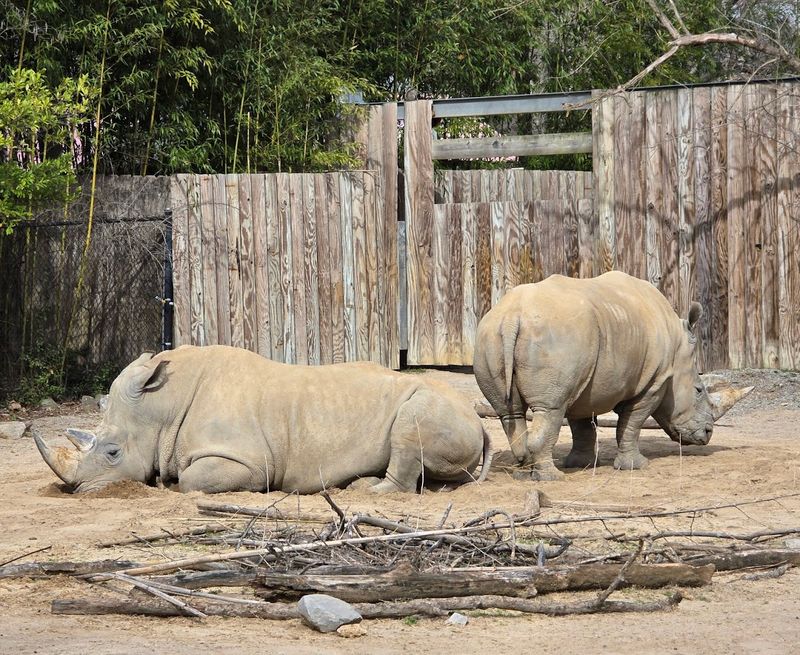
For guaranteed big-animal sightings without the uncertainty of wild habitats, Memphis Zoo delivers. This isn’t about spotting wildlife in the distance—it’s about seeing elephants, rhinos, giraffes, and hippos up close in well-designed habitats that let you appreciate their size and presence.
The zoo’s African Veldt area is where the biggest animals live. Giraffes tower over visitors, their impossibly long necks and gentle eyes creating perfect photo opportunities. Elephants demonstrate their intelligence and social bonds, while rhinos showcase their prehistoric bulk and surprising grace.
Zambezi River Hippo Camp is another highlight, featuring both above-water and underwater viewing of these massive, surprisingly agile animals. Watching a hippo glide through water like a ballerina despite weighing thousands of pounds is genuinely mesmerizing.
Memphis Zoo is consistently ranked among the nation’s best, and it shows in the quality of the animal habitats and educational programming. The staff are knowledgeable and passionate, and the exhibits are designed to mimic natural environments as much as possible within a zoo setting.
This is a full-day experience if you want to see everything. The zoo covers 70 acres and houses more than 3,500 animals representing over 500 species. Beyond the big animals, there are pandas, penguins, big cats, primates, and extensive reptile collections.
The zoo offers special experiences like giraffe feeding, behind-the-scenes tours, and animal encounters that let you get even closer. These require advance reservations and additional fees, but they’re popular for good reason.
Memphis Zoo is open year-round, though hours vary by season. Summer can be hot and crowded, so spring and fall offer the most comfortable visiting conditions. Animals are often more active in cooler weather too.
Admission isn’t free, but it’s reasonable for the experience you get. Memberships pay for themselves quickly if you visit more than once or twice a year, and they support the zoo’s conservation and education programs. This is a great rainy-day alternative to outdoor wildlife viewing, or simply a fun family outing where seeing impressive animals is a sure thing.
9. Zoo Knoxville — Knoxville
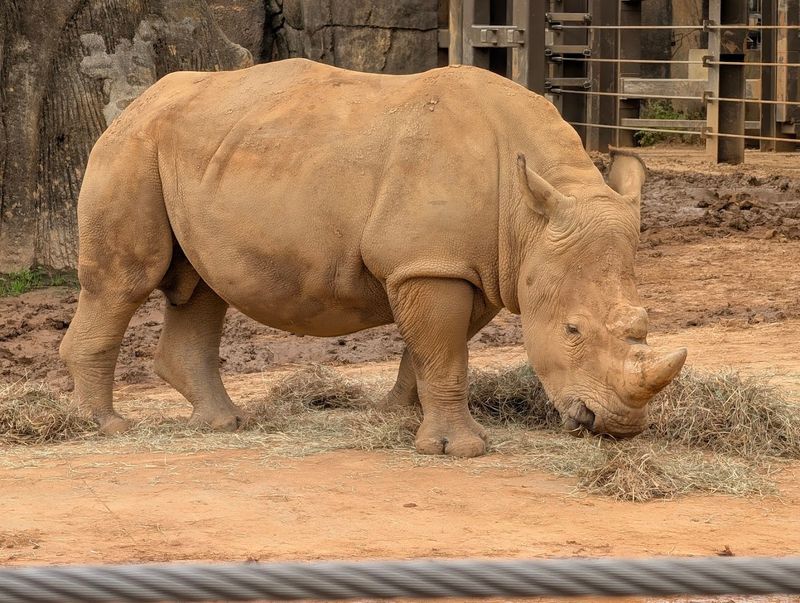
Zoo Knoxville brings big animals to East Tennessee, and its newer Rhino Reserve puts you face-to-face with one of the planet’s largest land mammals. Southern white rhinos are impressive up close—their size, armor-like skin, and prehistoric appearance make them endlessly fascinating to watch.
The zoo is home to more than 1,500 animals representing over 200 species, so there’s far more to see beyond rhinos. But if big animals are your goal, the rhinos are the headliners. The Rhino Reserve habitat is spacious and well-designed, with multiple viewing areas that let you see these giants from different angles.
Zoo Knoxville has been around since 1948, but it’s undergone major renovations and improvements in recent years. The focus on creating naturalistic habitats and engaging educational experiences shows. This isn’t just a place to see animals—it’s a place to learn about conservation, ecosystems, and the challenges facing wildlife worldwide.
Beyond rhinos, you’ll find red pandas, elephants, giraffes, big cats, primates, and extensive bird and reptile collections. The zoo is compact enough to see everything in a single visit without exhausting young kids, but large enough to feel substantial.
Special events throughout the year add extra appeal. Boo at the Zoo in October and Feast with the Beasts in fall are particularly popular, combining animal viewing with seasonal festivities. Summer evenings sometimes feature extended hours and special programming.
The zoo sits on a hillside, so be prepared for some walking and elevation changes. Comfortable shoes are essential, and strollers or wagons are helpful for families with small children. The layout is logical and well-marked, making navigation easy.
Knoxville’s zoo is more affordable than many major-city zoos, and annual memberships offer excellent value for locals or frequent visitors. The zoo also participates in numerous conservation programs, so your admission supports efforts to protect endangered species.
This is the easy option for seeing big animals—no hiking, no waiting for wildlife to appear, no weather-dependent viewing.