
Tennessee has plenty of famous spots that draw crowds year-round, but some of the best adventures hide in plain sight. These underrated day trips offer everything from dramatic gorges and hidden waterfalls to tiny historic towns that time seems to have forgotten.
Whether you crave outdoor exploration or small-town charm, these local secrets deliver big experiences without the tourist chaos.
1. Granville
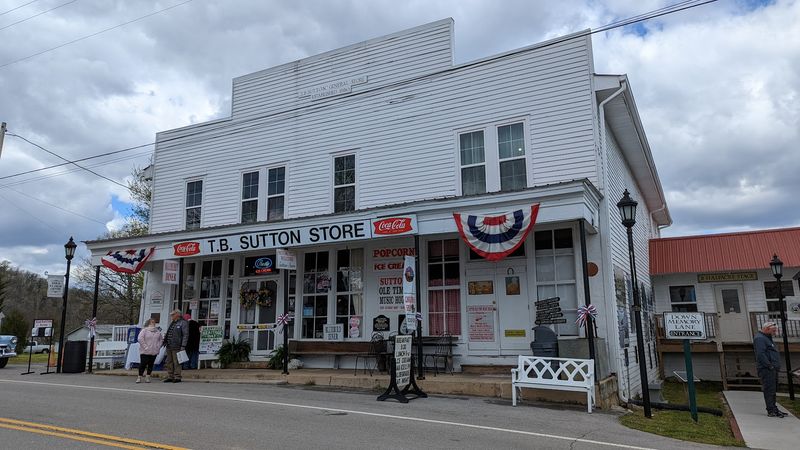
Granville sits quietly along the Cumberland River, feeling more like a time capsule than a tourist stop. The old general store anchors downtown with creaky floors and shelves stocked with local goods, while historic buildings line streets that rarely see traffic jams. Museums here tell stories of river life and rural Tennessee history without gift shops or admission fees demanding your attention.
This town earned its “Tennessee Mayberry” nickname honestly. Locals wave from porches, conversations happen at a leisurely pace, and the biggest decision you’ll face is whether to browse antiques or photograph century-old architecture. There’s no pressure to check off a list of must-see attractions because the whole point is slowing down.
Pack a picnic and wander the riverfront areas where fishing boats bob in the current. The scenery changes with the seasons, but the unhurried vibe stays constant. Small-town cafes serve homestyle cooking without pretension, and you might be the only visitor in sight.
Granville works best for people who appreciate authenticity over polish. The paint might be peeling on some buildings, and you won’t find trendy boutiques or craft cocktail bars. What you will find is genuine small-town Tennessee culture, the kind that’s increasingly rare as tourism transforms other historic communities.
Plan a few hours here rather than a quick stop. The magic reveals itself slowly as you notice details: hand-painted signs, elderly residents chatting on benches, gardens overflowing with flowers nobody planted for Instagram.
2. Savage Gulf State Park
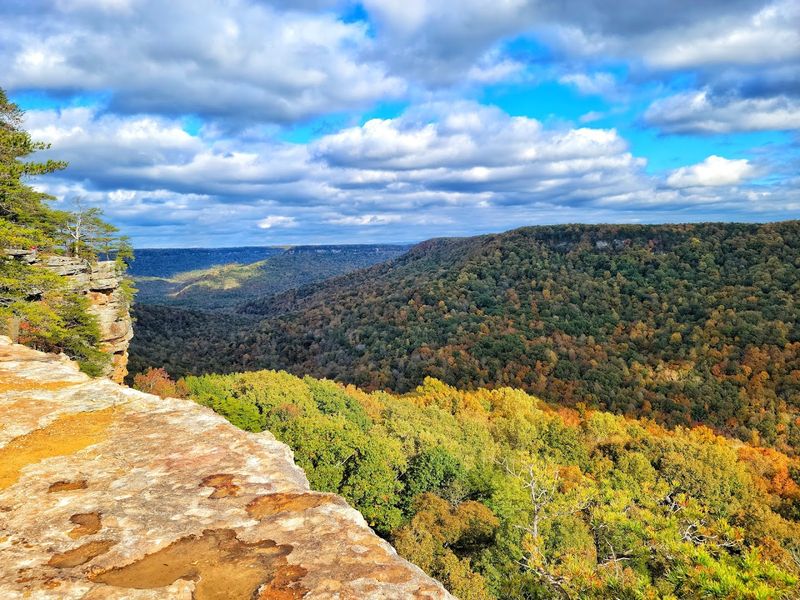
Savage Gulf ranks among Tennessee’s most dramatic natural areas, yet somehow it dodges the fame that draws thousands to the Smokies. Deep gorges carve through the Cumberland Plateau here, creating sandstone cliffs that drop into forested canyons where waterfalls tumble over rock ledges. The scale feels massive, but the crowds stay manageable even on nice weekends.
Multiple overlooks provide jaw-dropping views without requiring advanced hiking skills. Stone Door offers the most famous vista, but other spots along the rim deliver equally stunning perspectives with fewer people competing for photos. The rock formations tell geological stories spanning millions of years, layers of sandstone and shale creating striped canyon walls.
Serious hikers find plenty to love with over 50 miles of trails threading through the gorges. Some routes lead to waterfalls like Greeter and Ranger Falls, while others follow ridgelines or descend into the gulf itself. Trail difficulty ranges from easy overlook walks to challenging all-day loops that test your endurance and navigation skills.
Spring brings wildflowers and rushing water, while fall paints the hardwood forests in brilliant colors. Summer heat can be intense on exposed trails, so early morning starts work best during warmer months. Winter offers solitude and clear views through bare trees, though icy conditions require caution near cliff edges.
Facilities stay basic with pit toilets and small parking areas rather than visitor centers and paved paths. This stripped-down approach preserves the wild character that makes Savage Gulf special. Bring plenty of water, real hiking shoes, and a sense of adventure.
3. Greeter Falls
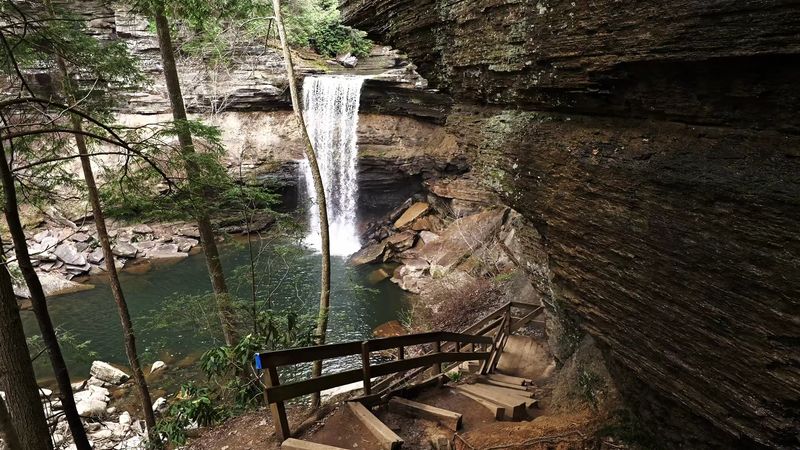
Greeter Falls delivers one of those perfect waterfall experiences where the hike feels manageable but the destination looks impressive. Located within the Savage Gulf system, this cascade drops in stages over mossy rocks, creating pools that reflect the surrounding forest and sky. The upper and lower falls each have distinct personalities, with the lower falls offering the most dramatic single drop.
The trail from the parking area covers about two miles round trip with moderate elevation changes. Wooden stairs and boardwalks help with the steeper sections, making this accessible for families with older kids or anyone with basic fitness levels. The path winds through hardwood forest that provides shade on hot days and brilliant color during autumn.
Many locals treat Greeter Falls as a quick morning hike rather than an all-day commitment. You can reach the falls, take photos, explore the area, and still have time for lunch elsewhere. The swimming holes near the base attract visitors during summer, though water levels vary depending on recent rainfall and seasonal flow patterns.
Weekends see more traffic, but the area rarely feels truly crowded compared to more famous Tennessee waterfalls. Midweek visits or early morning arrivals practically guarantee solitude. The sound of falling water fills the gorge, drowning out any noise from other hikers and creating that peaceful atmosphere people seek in nature.
Rock surfaces near the falls can be slippery, so proper footwear matters more than fancy gear. The same sandstone that creates beautiful cascades also creates slick surfaces when wet. Take your time on scrambles near the water, and watch where you place your feet.
Greeter Falls rewards careful exploration with memorable views and that satisfying feeling of discovering something special without fighting tourist crowds.
4. Great Stone Door
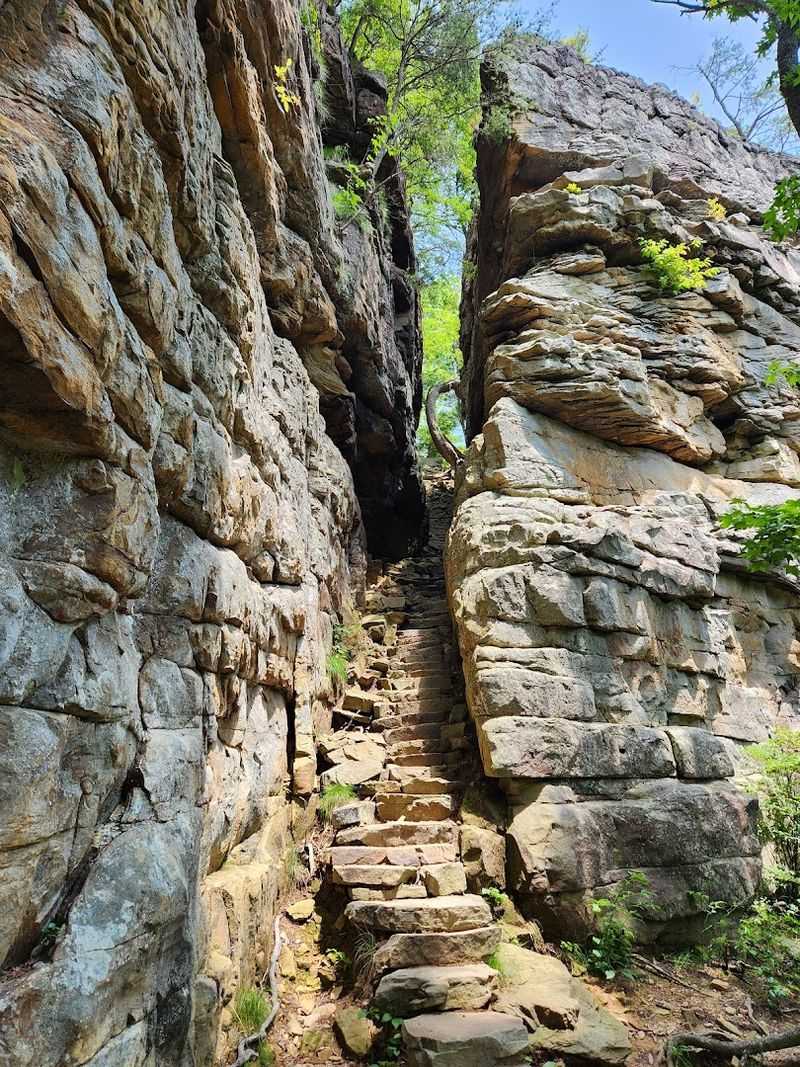
The Great Stone Door stands as one of Tennessee’s most striking geological features, a massive crack in the cliff edge that opens onto sweeping Cumberland Plateau views. This natural passageway through solid rock creates a dramatic entrance to the gorge below, with sheer drops on either side that make the approach feel adventurous. Unlike some overlooks where you just peer over a railing, this spot puts you right in the middle of the landscape.
The formation itself fascinates geology enthusiasts and casual visitors alike. Erosion carved this opening through layers of sandstone over countless years, creating what locals have called a “door” for generations. Native Americans used this route to access the gorge floor long before European settlers arrived, following game trails and seasonal patterns.
From the Stone Door, views stretch for miles across forested valleys and distant ridges. On clear days, the layers of blue-gray mountains create that classic Appalachian vista that never gets old. Sunrise and sunset transform the scene with changing light that photographers love, though the hike in requires a flashlight if you’re chasing golden hour.
The trail to reach the Stone Door covers about four miles round trip from the parking area, following the canyon rim through mixed forest. It’s rated moderate, with some rocky sections and elevation changes but nothing requiring technical skills.
Safety matters here since the cliffs drop hundreds of feet with minimal barriers. Watch your footing near edges, keep kids close, and save the acrobatic photo poses for safer locations. The Stone Door offers plenty of dramatic views without requiring risky behavior.
5. Reelfoot Lake
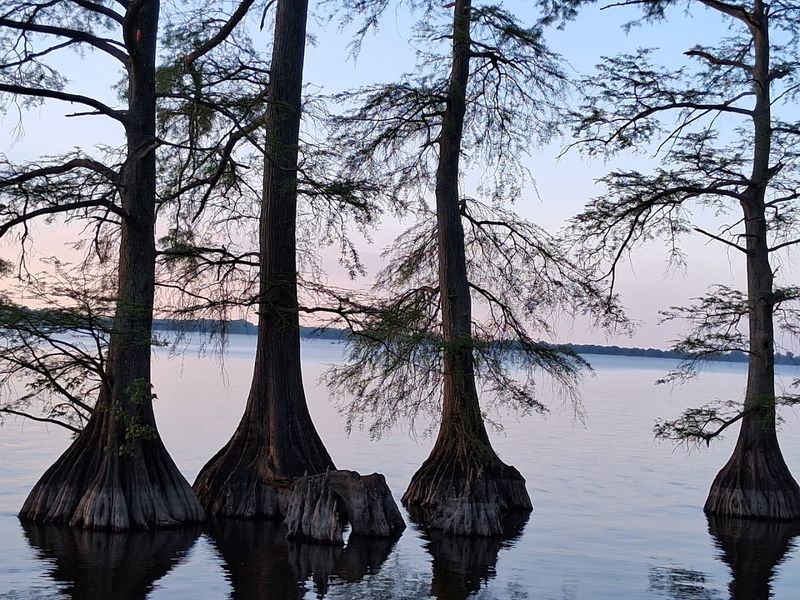
Reelfoot Lake exists nowhere else in Tennessee, a flooded forest landscape where bald cypress trees rise straight from the water and Spanish moss drapes from branches. Created by earthquakes in the early 1800s, this shallow lake covers 15,000 acres in the state’s northwest corner, creating habitat unlike anything in the surrounding farmland. The scenery feels more Louisiana swamp than typical Tennessee, which makes it wonderfully strange and memorable.
Birdwatchers consider Reelfoot a premier destination, especially during winter when bald eagles gather by the hundreds. Great blue herons, egrets, and countless waterfowl species use the lake year-round, creating constant wildlife activity.
Kayaking and canoeing let you explore the flooded forest up close, paddling between cypress trunks and around stumps that create natural channels. Fishing draws serious anglers chasing crappie, bass, and catfish, while casual visitors enjoy scenic boat tours that explain the lake’s unusual history and ecology.
The water stays shallow throughout, rarely exceeding five feet deep, which creates perfect conditions for aquatic plants and the fish that feed on them.
Small-town Tiptonville provides basic amenities, including boat rentals, guide services, and simple accommodations for anyone wanting to extend the day trip into an overnight stay. Local restaurants serve fried catfish and Southern sides, while gift shops sell lake-themed souvenirs and wildlife art. The pace stays slow, matching the lake’s peaceful atmosphere.
Visit during spring for blooming water lilies and active wildlife, or brave the cold for winter eagle watching. Summer brings heat and mosquitoes, though early morning paddles beat the worst of both.
6. Pogue Creek Canyon State Natural Area
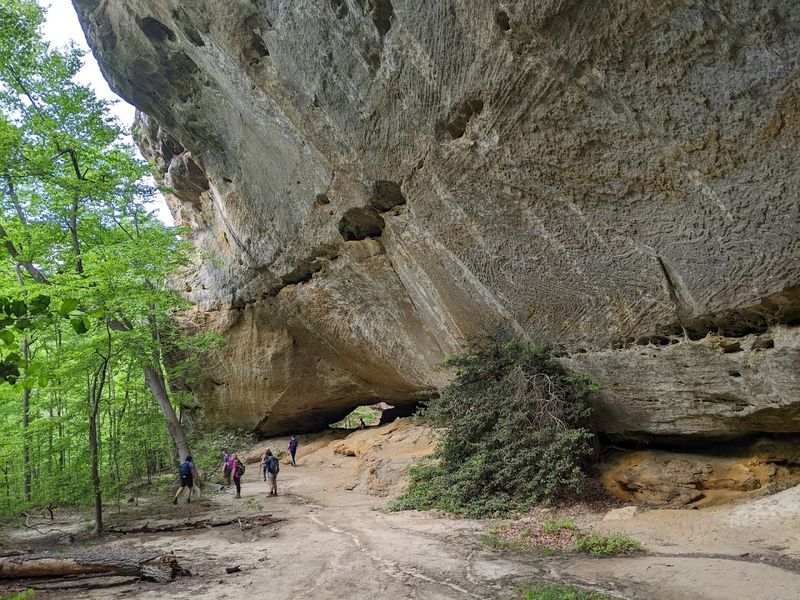
Pogue Creek Canyon hides near Pickett State Park, offering rugged sandstone landscapes without the visitor numbers that pack more famous Tennessee destinations. Sheer bluffs rise above the creek, their faces striped with iron oxides that paint the rock in shades of orange, red, and brown. The canyon feels remote and wild, the kind of place where you might hike for hours without seeing another person.
Trails here require more effort and navigation skills than manicured state park paths. Roots cross the trail, rocks demand careful foot placement, and some sections follow the creek itself where water levels determine your route. This isn’t the spot for casual walkers in tennis shoes, but experienced hikers appreciate the authentic backcountry character.
The rock formations reward the effort with unique geology rarely seen elsewhere in Tennessee. Sandstone layers create natural sculptures through erosion, with some bluffs featuring small caves, overhangs, and weathered surfaces that look almost alien. Ferns and mosses cling to shaded rock faces, adding green contrast to the colorful stone.
Wildlife thrives in this protected natural area, from salamanders in creek pools to hawks circling overhead. The forest mix includes hemlock, hardwoods, and mountain laurel that blooms spectacularly in late spring.
Facilities stay minimal with limited parking and no visitor center or amenities. Bring everything you need, including water, snacks, and a good trail map or GPS device. Cell service can be spotty, so download maps before arriving.
The primitive nature preserves the wild character but demands self-sufficiency from visitors.
7. Colditz Cove State Natural Area
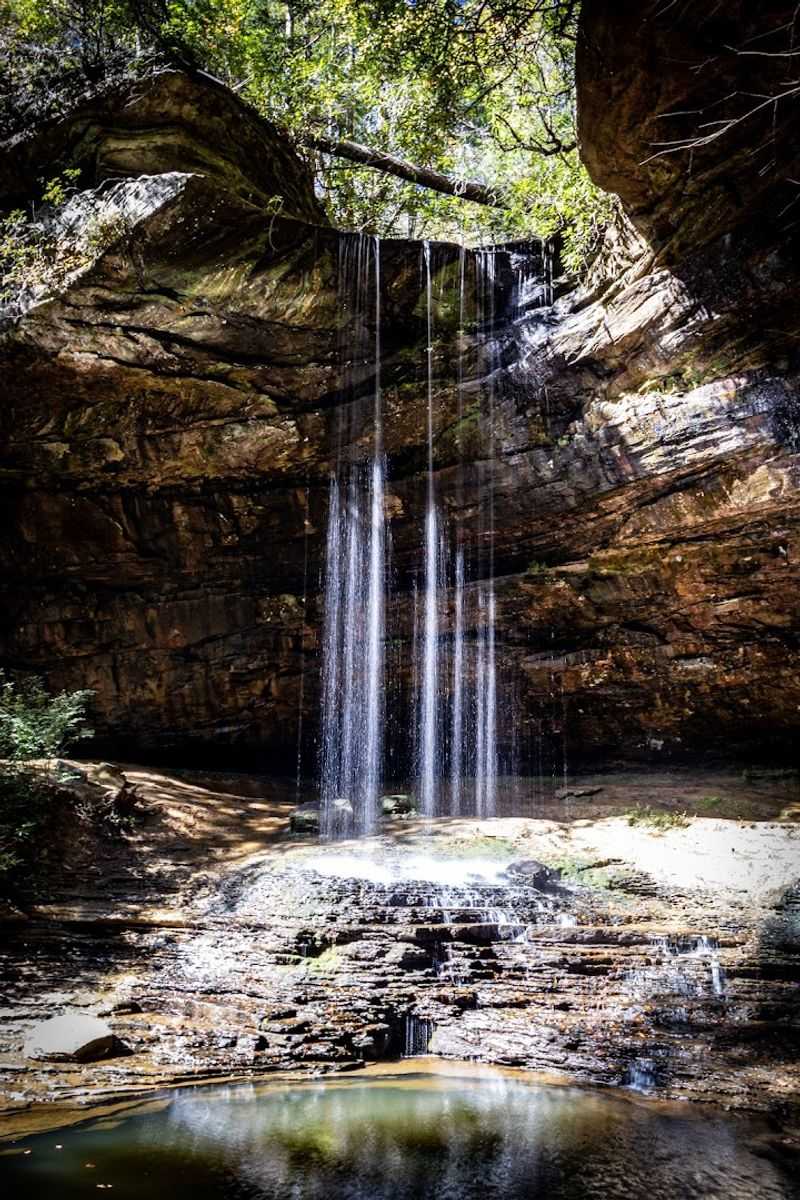
Colditz Cove delivers Northrup Falls, a 60-foot waterfall that somehow stays under the radar despite being one of Tennessee’s prettier cascades. The water drops over a rock ledge into a plunge pool surrounded by moss-covered boulders and forest that stays green even in summer’s heat. Getting there requires hiking rather than a quick roadside stop, which filters out crowds and preserves that hidden-gem atmosphere.
The trail to the falls covers roughly two miles round trip through mixed forest typical of the Cumberland Plateau. It’s rated moderate, with some elevation changes and rocky sections but nothing requiring technical climbing or special equipment. Most people in decent shape handle it fine, and the destination makes the effort feel worthwhile.
Northrup Falls runs year-round, though flow varies dramatically with rainfall. Spring brings maximum water volume and power, with the falls roaring over the ledge and creating impressive spray. Late summer sees reduced flow that exposes more rock, but the setting stays beautiful even when water levels drop.
Winter sometimes creates ice formations that transform the falls into frozen sculptures.
The area around Colditz Cove supports diverse plant life, including rare species that thrive in the cool, moist microclimate near the falls. Wildflowers bloom throughout spring and summer, while ferns create lush green carpets on the forest floor. Birdsong fills the air during the morning hours when wildlife activity peaks.
Located near Pickett CCC Memorial State Park, Colditz Cove makes a logical addition to a day exploring the region’s natural areas. You could easily combine this with Pogue Creek Canyon or other nearby spots for a full day of hiking and waterfall hunting. The lack of facilities means bringing your own supplies, but that’s a small price for experiencing Tennessee nature without fighting tourist crowds.
8. Jonesborough
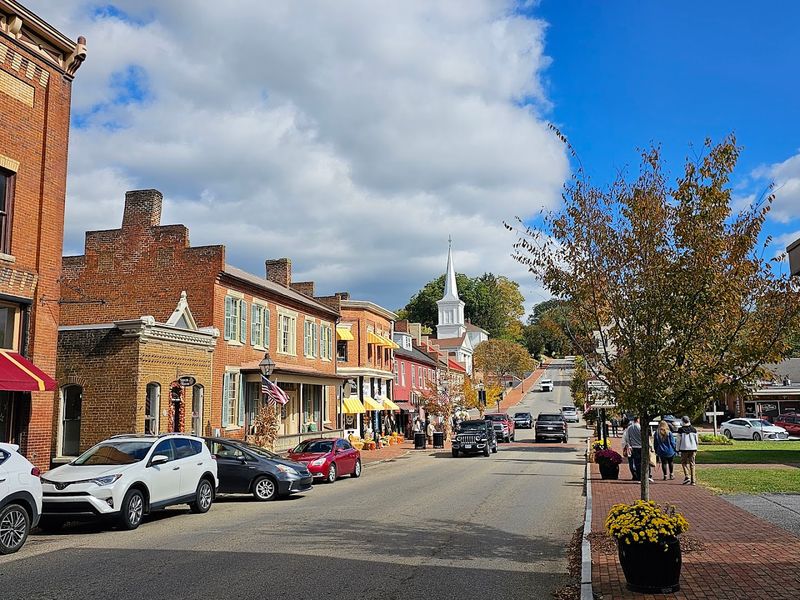
Jonesborough claims the title of Tennessee’s oldest town, and it wears that history beautifully without feeling like a theme park. Brick buildings from the 1700s and 1800s line Main Street, housing local shops, restaurants, and museums that tell stories of frontier Tennessee. The National Storytelling Festival put this town on the cultural map, but any weekend offers pleasant wandering through streets where history feels alive rather than recreated.
The walkable downtown rewards slow exploration. Antique stores sell genuine finds rather than mass-produced “vintage” decor, while local artisans display work in galleries that change with the seasons. Bookstores, coffee shops, and small restaurants provide breaks between browsing, with outdoor seating that encourages people-watching and conversation.
Museums here focus on local history and storytelling traditions without requiring hours to explore. The International Storytelling Center celebrates the oral tradition that made Jonesborough famous, while the Chester Inn Museum preserves frontier-era architecture and artifacts.
Food options range from casual cafes to slightly upscale dining, all emphasizing local ingredients and Southern flavors. Weekend brunch draws crowds from nearby cities, but weekday lunches stay relaxed and unhurried. Several spots feature outdoor patios perfect for warm-weather dining and watching the town’s daily rhythm.
Special events happen throughout the year, from farmers markets to music festivals, but even quiet days offer plenty to do. The town simply works as a destination for strolling, shopping, eating, and soaking up small-town atmosphere without aggressive tourism infrastructure. Jonesborough manages to be polished and historic while staying genuinely welcoming, a balance many towns struggle to achieve.
It’s close enough to major highways for easy access but feels worlds away from interstate sprawl.
9. Hohenwald
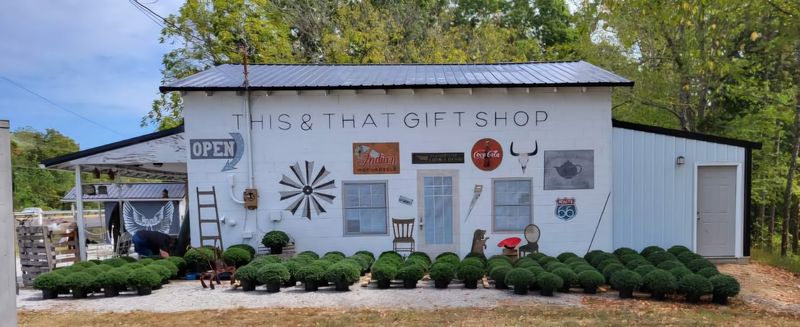
Hohenwald occupies that sweet spot between quirky and charming, a Middle Tennessee town that doesn’t take itself too seriously while offering legitimate reasons to visit. The downtown features locally owned shops, cafes, and businesses that serve residents first and visitors second, creating an authentic small-town vibe. It’s the kind of place where conversations happen easily and nobody’s in a rush.
The town gained some fame for being near The Elephant Sanctuary, though the sanctuary itself doesn’t allow public visits. Still, Hohenwald embraced its elephant connection with murals, gift shops, and gentle humor that gives the town personality.
Food options lean toward Southern comfort classics and casual dining rather than trendy restaurants. Local favorites serve plate lunches, barbecue, and homestyle cooking that satisfies without pretension. Coffee shops provide gathering spots where locals and visitors mix naturally, swapping stories and recommendations over morning brews.
Hohenwald works best as part of a larger day trip that combines town browsing with nearby nature. Meriwether Lewis Park and Monument sits just outside town, offering hiking trails, waterfalls, and the gravesite of the famous explorer. The Natchez Trace Parkway runs nearby, providing scenic driving and access to multiple stops within easy reach.
The town doesn’t try to be something it’s not, which proves refreshing after visiting places that have been overly polished for tourism. Some storefronts show their age, sidewalks crack in places, and not everything stays open on Sundays. That realness makes Hohenwald feel genuine rather than staged.
Spend a few hours wandering, chatting with shop owners, and enjoying the slower pace. This is Tennessee as locals know it, before tourism transforms every historic downtown into look-alike boutique districts.
10. Dandridge
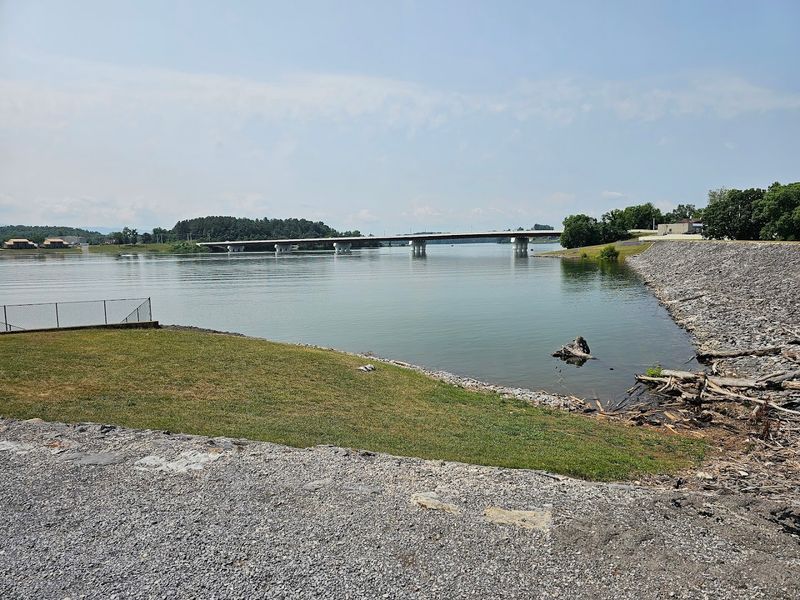
Dandridge sits on the shores of Douglas Lake with the Smoky Mountains rising in the distance, creating scenery that somehow stays less famous than nearby tourist magnets. Tennessee’s second-oldest town preserves historic buildings from the 1700s and 1800s, including homes, churches, and commercial structures that survived floods and time. The downtown historic district earned National Register status, but you won’t fight crowds to explore it.
The lakefront provides the obvious draw, with marinas, boat ramps, and waterfront parks offering access to Douglas Lake’s sprawling waters. Fishing, boating, and water sports keep outdoor enthusiasts busy, while shoreline paths work for casual walks with mountain views. The lake creates a different vibe than landlocked historic towns, adding recreational options to cultural attractions.
Walking the historic streets reveals architectural details and stories from Tennessee’s early days. Old homes sport historic markers explaining their significance, while churches showcase various styles from different eras. The pace stays slow enough that you can actually read the plaques and appreciate the buildings rather than rushing through a checklist of photo ops.
Local restaurants and shops cater to residents and lake visitors rather than bus tour crowds. You’ll find casual dining with lake views, small cafes serving breakfast and lunch, and shops selling everything from fishing gear to local crafts. Nothing feels overly polished or touristy, maintaining that authentic small-town character.
Dandridge makes a smart alternative to the packed gateway towns closer to Great Smoky Mountains National Park. You get mountain views, historic atmosphere, and lakefront recreation without the traffic jams and tourist infrastructure that define places like Gatlinburg or Pigeon Forge. It’s close enough to the Smokies for a combined trip but offers a completely different energy.
11. Harriman
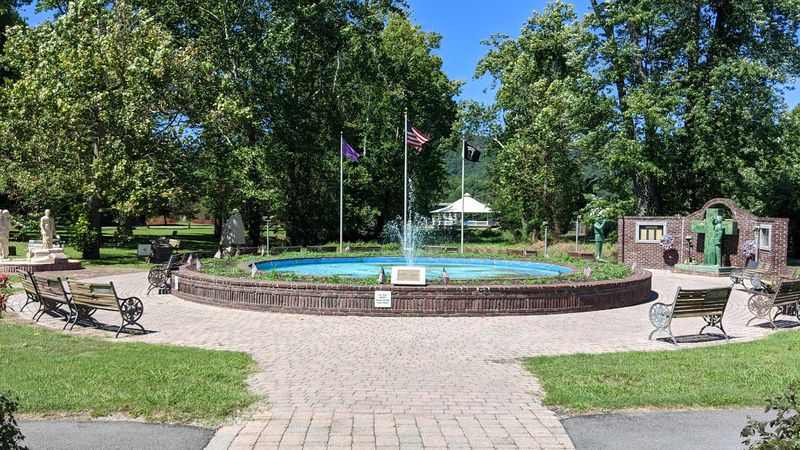
Harriman emerged in the late 1800s as a planned temperance town, and some of that unique history still echoes through streets lined with Victorian-era architecture. Located in East Tennessee near Watts Bar Lake and the Cumberland Plateau, the town offers historic buildings, water access, and proximity to outdoor areas without demanding attention like bigger destinations.
It’s genuinely underrated, the kind of place you might drive through without realizing what you’re missing.
The historic downtown features buildings from Harriman’s founding era, when investors imagined it becoming a major industrial center. That grand vision never quite materialized, but the architecture remains impressive with ornate details and solid construction that survived decades of change. Walking these streets feels like exploring a time capsule where progress moved slowly enough to preserve the past.
Watts Bar Lake provides recreation close to town, with parks offering lake access for fishing, boating, and waterfront picnics. The Tennessee River’s impoundment created this lake, and the resulting waters attract anglers chasing bass, crappie, and catfish. Marinas and boat ramps serve visitors, while shoreline trails offer easier options for enjoying the water without getting in it.
You won’t find tourist trap gift shops or chain restaurants dominating downtown, just real businesses serving a real community. That authenticity makes Harriman feel refreshing after experiencing more commercialized historic towns elsewhere in Tennessee.
The town works best for wandering without expectations, letting discoveries happen naturally rather than following a prescribed itinerary. Notice architectural details, chat with locals who actually live here, maybe grab lunch at a cafe that’s been serving the same recipes for decades. Harriman doesn’t demand much from visitors beyond curiosity and appreciation for places that preserve character without trying too hard.
Combine it with nearby outdoor spots for a full day exploring a less-traveled corner of East Tennessee.
12. Pulaski

Pulaski centers around a classic courthouse square that could illustrate a textbook chapter on Southern small towns. The Giles County Courthouse anchors downtown with commanding architecture, while brick commercial buildings from the 1800s and early 1900s ring the square in traditional fashion. Antique stores, local shops, and cafes occupy these historic structures, creating a browsing destination that feels authentic rather than manufactured for tourists.
The town carries a complex history, including some dark chapters, but modern Pulaski focuses on preservation and community rather than dwelling solely on the past. Historic markers provide context, and several buildings house museums and historical societies that document local stories. Walking the square and surrounding streets reveals layers of Tennessee history through architecture and artifacts that survived changing times.
Antique hunters find serious shopping here, with multiple stores offering everything from furniture and glassware to vintage clothing and collectibles. Prices tend to be reasonable since Pulaski hasn’t become a trendy destination where dealers inflate values. Serious collectors and casual browsers both find items worth examining, and shop owners generally welcome conversation about their inventory.
Food options lean traditional with cafes serving plate lunches, barbecue joints smoking meats daily, and diners offering breakfast all day. Nothing fancy or trendy, just solid Southern cooking at fair prices. The courthouse square provides shaded benches perfect for eating takeout while watching small-town life unfold around you.
Pulaski doesn’t polish itself for visitors or apologize for being a working town rather than a tourist destination. Some buildings need paint, sidewalks show wear, and not every storefront stays occupied. That unvarnished reality makes it feel genuine in ways that perfectly restored historic districts sometimes don’t.
Come for slow browsing, local history, and small-town atmosphere without pressure or crowds. This is Tennessee’s rural character preserved through time, available to anyone willing to take the exit and explore beyond the interstate exits.
13. The Lost Sea Adventure
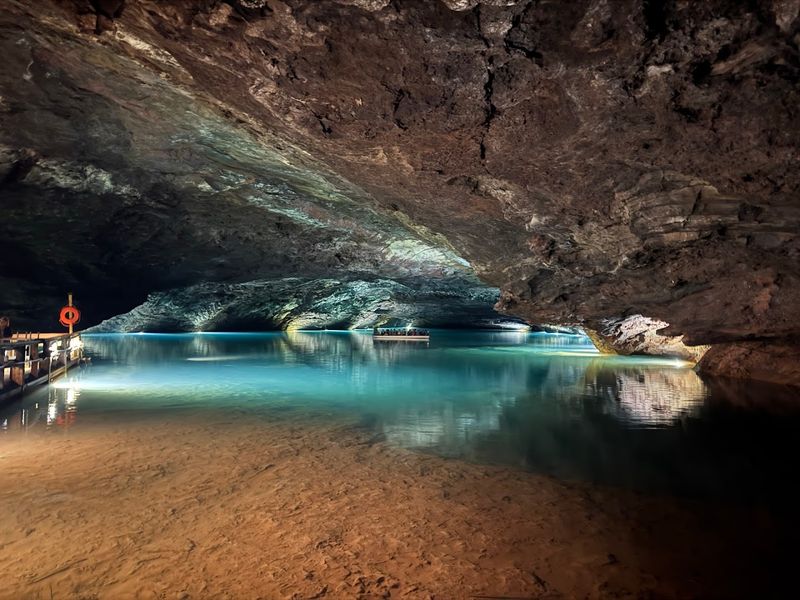
The Lost Sea holds the title of America’s largest underground lake, a four-and-a-half-acre body of water hidden beneath the Tennessee countryside near Sweetwater. This isn’t your typical cave tour where you just walk through and look at formations. Here you actually board a glass-bottom boat and cruise across subterranean waters while learning about the cave’s geology, history, and the unlikely story of how this massive lake was discovered.
The tour begins with a descent into the cave system through passageways decorated with flowstone, stalactites, and other formations created over millions of years. Guides share stories about the cave’s use throughout history, from Cherokee shelter to Civil War saltpeter mining to Prohibition-era moonshine operations. The variety of human stories adds layers beyond just geological facts.
When you reach the lake itself, the scale surprises most visitors. The water spreads out in multiple directions, disappearing into darkness beyond the lights. Crystal-clear water allows visibility to the bottom through the boat’s glass panels, where you might spot the lake’s famous rainbow trout swimming in the constant 58-degree temperature.
The experience feels surreal, floating on water that never sees sunlight deep beneath Tennessee hills.
The entire tour takes about an hour, making this an easy half-day stop that doesn’t require advanced planning or special equipment. The cave maintains a constant cool temperature year-round, providing natural air conditioning during summer and relative warmth in winter. Just bring a light jacket regardless of the season since 58 degrees feels chilly after spending time in the cave.
The combination of cave exploration and underground boating creates something genuinely unusual that works for families, couples, or solo travelers looking for something different.
14. Leiper’s Fork
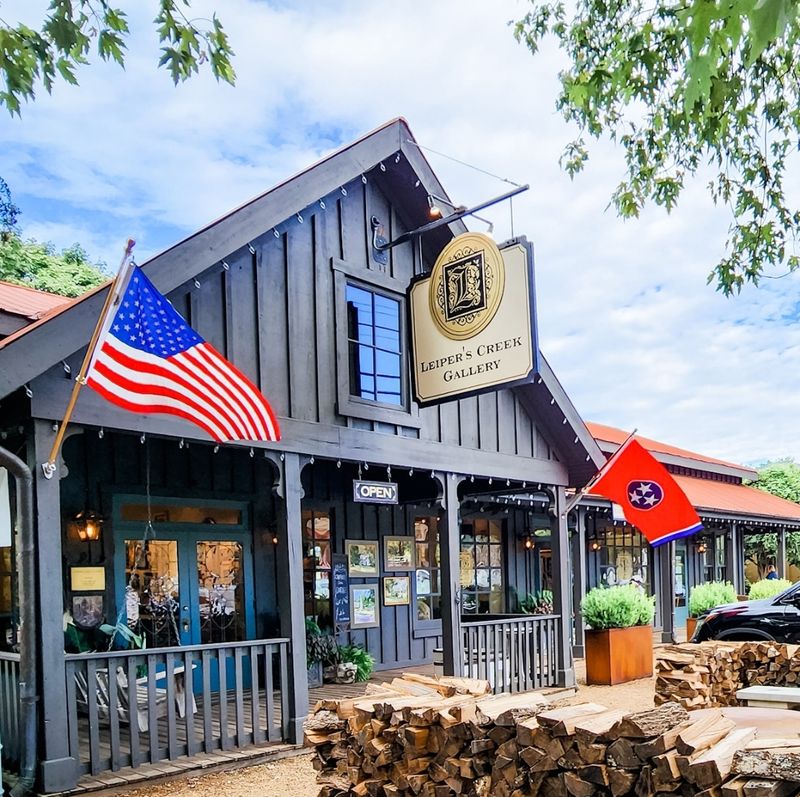
Leiper’s Fork packs considerable charm into a tiny village footprint roughly 30 miles southwest of Nashville. This isn’t technically a town with official boundaries, more a collection of historic buildings, shops, galleries, and restaurants clustered along a scenic stretch of road through Williamson County countryside. The size works in its favor, creating an intimate atmosphere where you can explore everything on foot in a couple of hours.
Art galleries and antique stores anchor the village’s appeal, showcasing work from local and regional artists alongside vintage finds and collectibles. The quality tends toward serious rather than souvenir-level, attracting collectors and decorators looking for unique pieces. Several shops occupy restored historic buildings that add architectural interest to the browsing experience.
Leiper’s Fork gained foodie credentials in recent years with restaurants earning praise beyond just local circles. Puckett’s Grocery serves as the social hub with live music, Southern comfort food, and a front porch perfect for people-watching. Other dining options range from upscale to casual, all emphasizing quality ingredients and flavors that go beyond typical small-town fare.
The village and surrounding countryside offer serious scenery with rolling hills, horse farms, and tree-lined roads that look especially beautiful during fall color season. Many visitors combine shopping and eating with scenic drives through the area, stopping at overlooks and historic sites along the way. The rural character feels genuine despite proximity to Nashville’s sprawl.
Leiper’s Fork has gotten more attention lately, appearing in travel articles and drawing weekend crowds from Nashville and beyond. Still, it maintains its local secret energy because it stays small and resists over-development. There’s no tourist infrastructure overwhelming the village, just quality businesses serving visitors who appreciate authenticity.
Visit on weekdays for a quieter experience, or embrace the weekend energy when live music and full restaurants create a festive atmosphere. Either way, Leiper’s Fork delivers Tennessee charm without the chaos of bigger destinations.