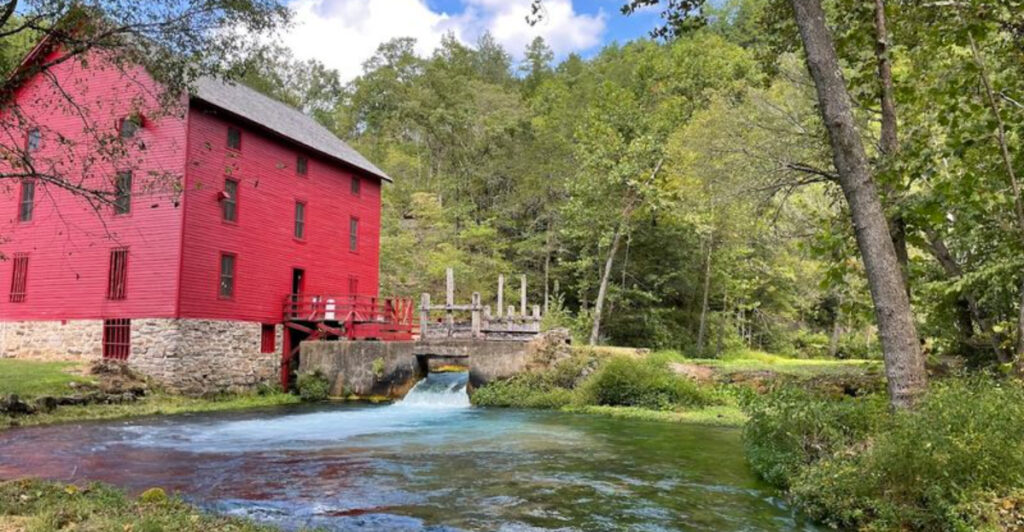
Missouri has a way of surprising you with towns that already look like fully built movie sets, complete with riverfronts, brick-lined streets, courthouse squares, bluffs, vineyards, and old storefronts that seem to hold their breath for the camera. If you have ever watched a period drama, a coming-of-age classic, a holiday romance, or a small-town mystery and thought, “There is no way a real place still looks this good,” these Missouri towns make a strong case that it absolutely does.
From the Mississippi River edge to the Ozark hills, the state is packed with places where the scenery feels ready-made for sweeping establishing shots, intimate character moments, and those quiet scenes directors love because the setting does half the storytelling on its own. What makes these spots so compelling is not just their beauty, but their texture: the preserved architecture, the layered local history, the natural backdrops, and the unmistakable sense that life still moves at a cinematic pace.
Some feel romantic and refined, some feel rugged and adventurous, and some feel so nostalgic you can almost hear a soundtrack swell as you turn the corner. If Hollywood needed ten Missouri locations where a crew could roll in tomorrow and start filming with barely any set dressing at all, these are the towns that would make the shortlist fast.
1. Hermann
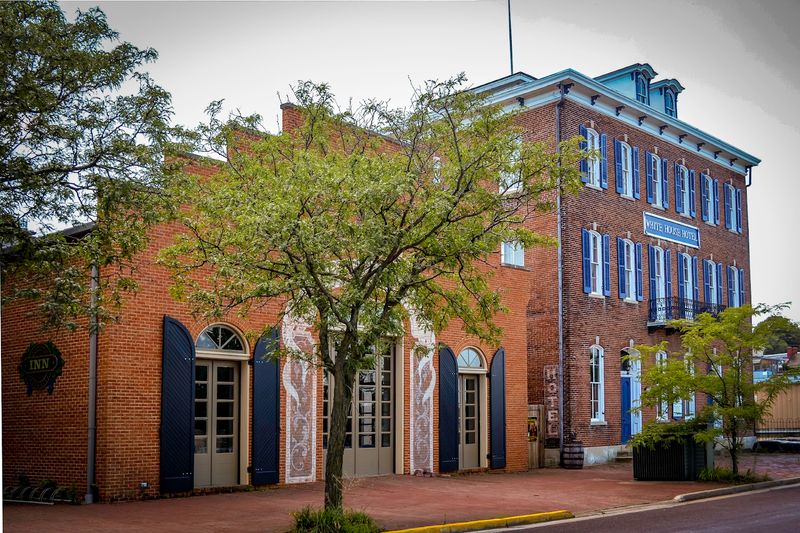
If you were scouting a Missouri town for a romantic period film, this one would be hard to top.
The streets feel polished but not artificial, with brick facades, steep roofs, tidy storefronts, and hillside views that give every frame extra depth.
Hermann has that rare look where a camera could turn in almost any direction and find a scene already balanced, textured, and emotionally rich.
Its German heritage adds personality that reads instantly on screen without needing much explanation.
Wineries, stone cellars, and carefully preserved buildings create a setting that could support a historical drama, a harvest romance, or even a thoughtful indie story about reinvention.
You can almost picture actors stepping out onto a porch at golden hour while the Missouri River valley glows behind them.
What stands out most is how the landscape and architecture work together.
The town is not flat or one-note, so shots gain movement from hills, stairways, terraces, and layered rooftops.
That vertical variety gives Hermann a cinematic quality many charming towns never quite achieve, because it naturally creates foreground, middle distance, and long scenic backdrops.
Season also matters here, and Hermann delivers in a big way.
Spring looks fresh and storybook, summer feels lively and celebratory, and fall turns the vineyards and trees into a color palette directors would love.
Even winter has a mood, especially when older buildings and quiet streets lean into a softer, more reflective atmosphere.
Beyond visuals, the town feels self-contained in the best possible way.
You get beauty, history, walkability, and a clear sense of place without needing to manufacture character.
Hermann looks like the kind of Missouri location where a film crew could arrive with a script, a few vintage cars, and good lighting, then leave with scenes that feel expensive, intimate, and completely believable.
2. Hannibal
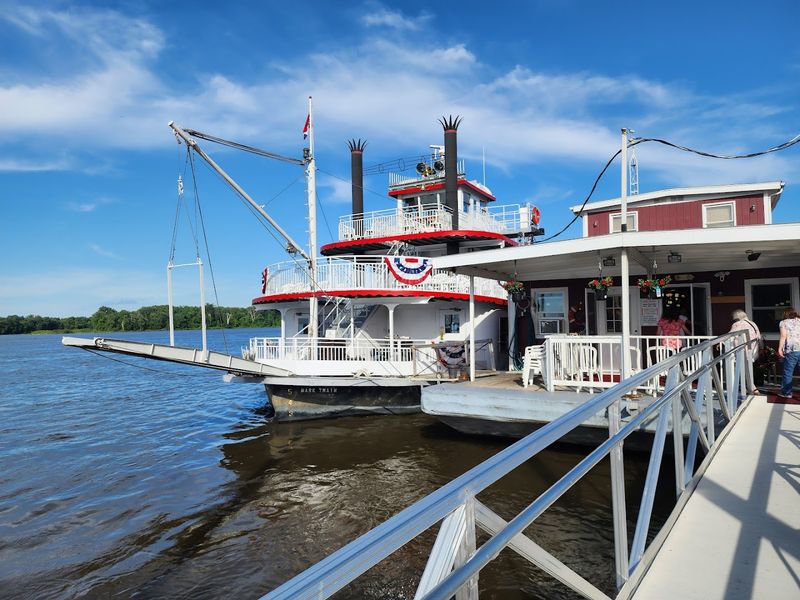
If a filmmaker wanted a Missouri town with instant Americana, this riverfront setting would make the shortlist immediately.
There is a lived-in visual rhythm here, from the old brick buildings to the bluff views and the broad presence of the Mississippi River.
Hannibal does not merely look historic – it feels like the kind of place where stories have been collecting for generations.
That connection to Mark Twain gives the town built-in narrative power, but the appeal goes beyond literary fame.
The downtown has texture, scale, and personality, with storefronts, side streets, and river scenery that could support anything from a family adventure to a moody mystery.
When you add the caves, stair-stepped streets, and overlooks, the town starts to feel almost storyboarded already.
One of the best cinematic qualities here is contrast.
You can frame bright, nostalgic main-street scenes one moment, then shift to dramatic blufftop views or quieter river edges the next.
That range means a production could create emotional variety without moving far, which is exactly the kind of efficiency location scouts notice.
Light also seems to work in Hannibal’s favor.
Morning on the river can feel reflective and spacious, while late afternoon brings warmth to the brick facades and hillside homes.
At night, older streets and historic architecture pick up a different mood, making the town believable for both gentle, sentimental scenes and stories with a little more tension.
What makes Hannibal especially camera-ready is that it never feels too polished.
The beauty is real, but there is also a touch of grit, memory, and river-town unpredictability that keeps it from becoming a postcard.
That balance gives filmmakers room to shape tone, and it gives viewers the sense that the place exists beyond the plot, which is often what makes a movie town unforgettable.
3. Carthage
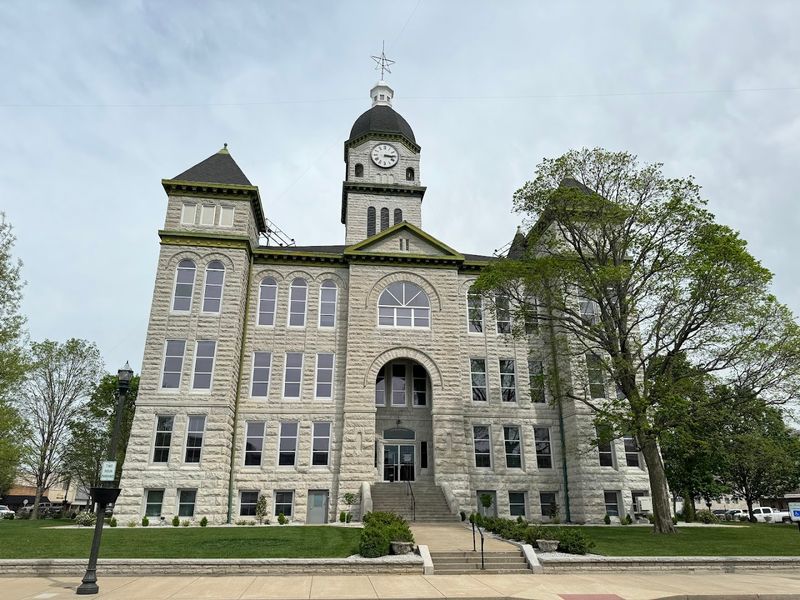
For a movie that needs elegance, symmetry, and old-fashioned grandeur, this southwest Missouri town feels almost unfairly prepared.
The architecture is striking at first glance, especially around the courthouse square, where ornate details and well-kept facades give every shot a sense of visual confidence.
Carthage has the kind of built environment that instantly raises production value without asking for much help.
The town is especially compelling because it does not rely on one landmark alone.
Grand civic buildings, Victorian homes, historic churches, and classic commercial blocks all contribute to a layered look that can play refined, dramatic, or quietly nostalgic depending on the script.
You could imagine a legal drama, a holiday film, or a road movie pausing here for its most beautiful chapter.
There is also a clarity to the layout that filmmakers would appreciate.
Streets frame the courthouse beautifully, sightlines feel deliberate, and architectural details reward both wide establishing shots and tighter character-focused scenes.
In a visual medium, that kind of order can be incredibly useful because it makes even simple movement feel purposeful.
Carthage also carries a sense of Missouri history without feeling frozen in time.
The town still breathes as a real place, which matters when a setting needs warmth and authenticity.
Instead of feeling like an exhibit, it feels like a community that simply happens to be extraordinarily photogenic.
What I like most is how adaptable the town seems on screen.
With the right lighting, it could stand in for different eras or support stories that move between charm and seriousness.
Carthage looks like a place where costumes, dialogue, and emotion would land naturally because the setting already understands atmosphere.
That is what makes it feel so film-ready: not just beauty, but beauty with structure, mood, and the confidence to hold a close-up.
4. Ste. Genevieve
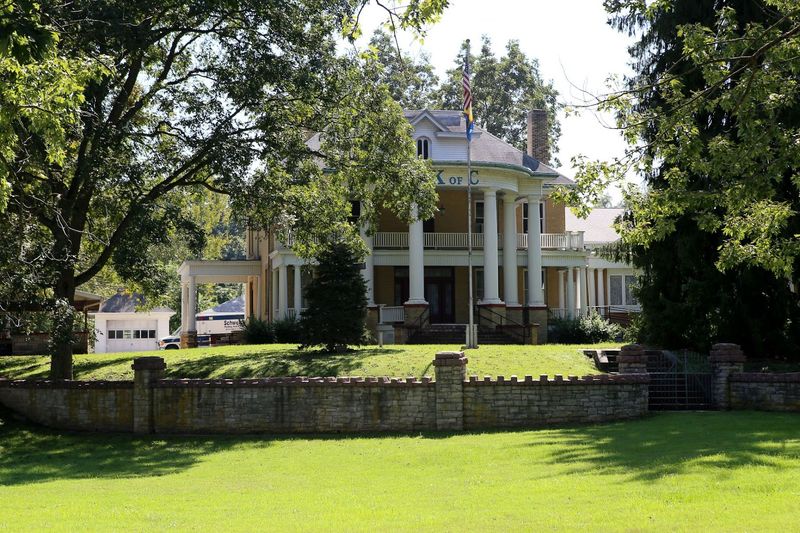
If a director needed a Missouri setting that feels quietly transported from another century, this would be a remarkable choice.
The preserved architecture brings a rare visual identity, with French colonial influences, weathered textures, and intimate streets that immediately create a mood.
Ste. Genevieve does not shout for attention, yet on camera, it would probably be impossible to ignore.
The town’s charm comes from authenticity rather than spectacle.
Low fences, gardens, old homes, and carefully maintained historic structures create scenes that feel personal and precise, almost as if they were designed for close character work.
It is easy to picture a reflective drama here, or a romance that depends on atmosphere more than flashy plotting.
Because the historic core is so cohesive, filmmakers would not need to fight modern visual distractions in every frame.
That matters more than people realize, especially for period productions or stories that want a softer, timeless look.
In Ste. Genevieve, the environment helps preserve illusion, which can save effort while improving the final image.
There is also a gentleness to the town that would read beautifully on screen.
Light filters well through trees and across older walls, and the pace feels calm enough to let a scene breathe.
Missouri has many attractive towns, but not all of them offer this specific kind of visual intimacy, where small details quietly carry emotional weight.
What makes Ste. Genevieve feel truly cinematic is the combination of rarity and restraint.
It is distinctive enough to anchor a film, yet subtle enough not to overwhelm the story being told.
A camera could linger on porch lines, garden paths, old shutters, or a simple street corner and still capture something memorable.
That is a special quality, and it makes this town feel less like a backdrop and more like a character with its own measured voice.
5. Hollister
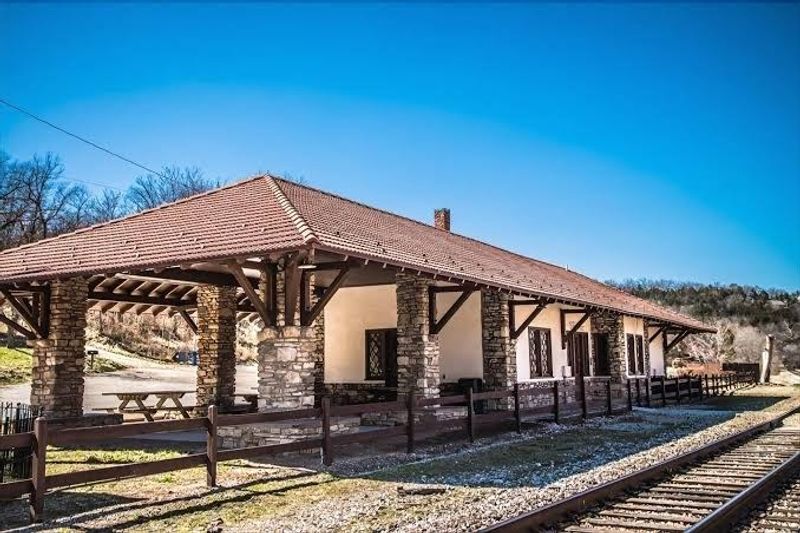
Some Missouri towns look ready for film because they are picturesque, but this one stands out because it feels a little unexpected.
The Tudor-style buildings in the historic district give the streets a visual identity you do not see often in the state, and the surrounding Ozark landscape adds another layer of drama.
Hollister has personality before a single actor steps into frame.
That mix of storybook architecture and hill country setting makes the town surprisingly versatile.
It could support a quirky ensemble comedy, a cozy holiday film, or a suspense story that needs charming streets with a slightly shadowy edge.
The railroad heritage and compact downtown also create the kind of details that help scenes feel grounded fast.
One of the biggest cinematic advantages here is atmosphere.
Hollister can shift from cheerful and nostalgic in the daytime to moody and intriguing as light fades across the hills.
Directors love places that can play more than one emotional note, and this town seems built for exactly that kind of tonal flexibility.
The setting also benefits from its relationship to the broader Ozarks.
You can move from distinctive architecture to wooded slopes, curving roads, and scenic overlooks without leaving the region’s visual logic.
That gives a production more options while keeping the world coherent, which is useful when a story wants both intimacy and scale.
What I find most compelling is that Hollister never feels generic.
Even if viewers did not know the town by name, they would remember the roofs, the streets, and the way the hills frame everything around them.
In movie terms, that memorability matters.
A location should not only be beautiful, but it should also leave an impression after the scene ends, and Hollister absolutely looks capable of doing that.
6. Kimmswick
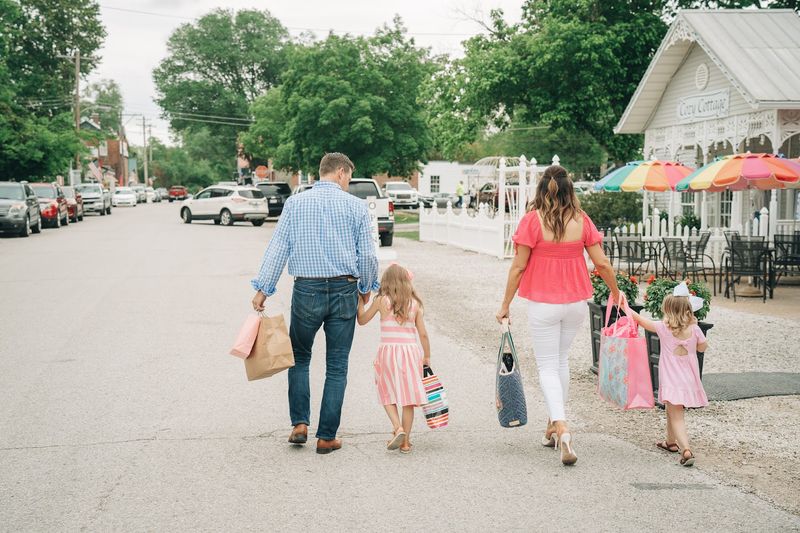
If Hollywood needed a Missouri town that instantly reads as quaint, welcoming, and camera-friendly, this one could deliver with almost no effort.
The compact historic district feels inviting from the first step, with preserved buildings, small shops, and a scale that makes every block seem composed for a scene.
Kimmswick has that storybook neatness that works especially well in family films and nostalgic dramas.
Because the town is walkable and visually cohesive, it creates a strong sense of place very quickly.
A production would not need sweeping exposition to tell viewers where they are emotionally.
One look at the storefronts, porches, and tree-lined streets would communicate warmth, tradition, and the kind of small-town familiarity that many films try hard to manufacture.
What helps Kimmswick stand out is its simplicity.
Instead of dramatic bluffs or monumental civic buildings, the town succeeds through proportion, preservation, and charm.
That may sound modest, but on screen it can be powerful, especially when a director wants a setting to support character moments rather than compete with them.
Seasonal energy would also play beautifully here.
Festive decorations, autumn color, or bright spring weekends could each give the town a slightly different identity while keeping the same core appeal.
In that sense, Kimmswick feels flexible enough to host a holiday romance one month and a gentle coming-of-age story the next.
The overall effect is intimate and reassuring, which is harder to achieve authentically than people think.
Some places look pretty in photographs but fall flat in motion; this town seems likely to hold up because there is rhythm in the streetscape and detail in the architecture.
Kimmswick feels like a Missouri location where conversations, chance encounters, and emotional turning points would all look better simply because the setting understands how to make closeness feel cinematic.
7. Weston
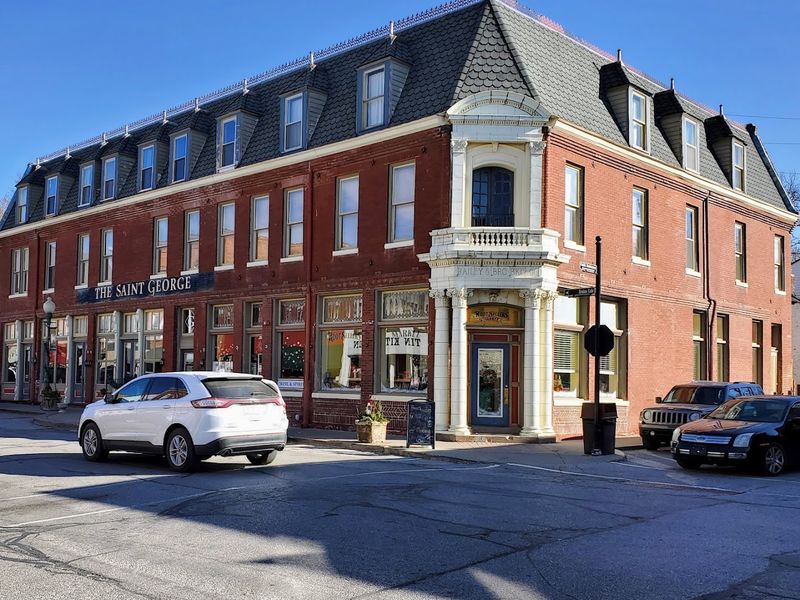
There is something deeply filmable about a Missouri town that seems to settle naturally into its landscape, and this one does exactly that.
Brick streets, historic buildings, and nearby wooded hills combine to create a setting that feels both grounded and cinematic.
Weston has enough visual richness to support a story, but it never feels overdesigned or self-conscious.
The historic district carries the kind of texture cameras love.
Old storefronts, stone details, and mature trees give scenes depth, while the town’s preserved character allows different genres to fit comfortably within the same frame.
It could host a thoughtful drama, a rural romance, or even a mystery that needs charm with a little edge.
What makes Weston especially appealing is the mood.
The hills around town soften the horizon and make the streets feel tucked away, which creates a sense of escape without making the place feel isolated.
That balance is useful in film because it lets a location feel intimate while still giving the world around it dimension.
There is also a tactile quality here that would translate well on screen.
Sidewalks, masonry, porches, and older facades seem to invite slower shots and more observant storytelling.
In a fast-cut production, Weston would provide visual anchors; in a quieter film, it could become part of the emotional language.
I can easily imagine a crew using this town for scenes that need authenticity rather than spectacle.
The beauty is real, but it comes with history and a lived-in quality that keeps it from feeling staged.
Weston looks like the kind of Missouri place where a script about memory, return, or second chances would immediately gain credibility.
When a location can do that simply by existing in the frame, it has already done half the work of cinema.
8. Marceline
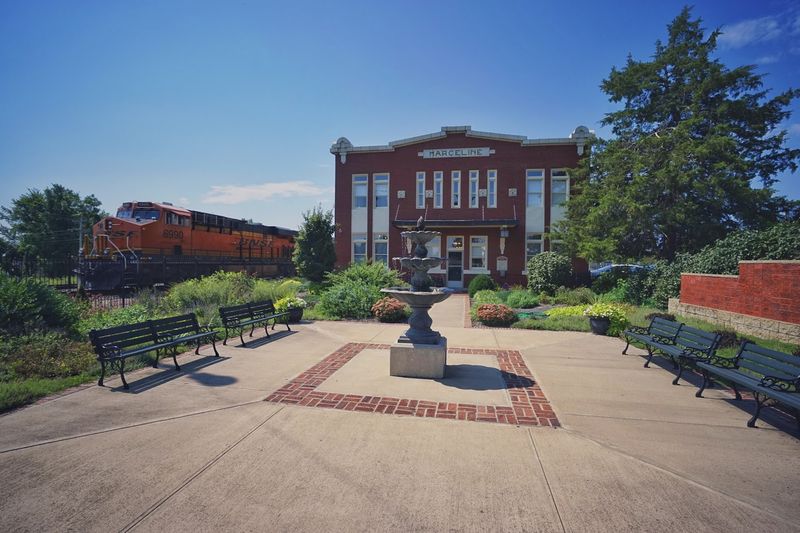
If a movie needed pure Missouri nostalgia, this town would be one of the easiest picks in the state.
The main street atmosphere, railroad roots, and unmistakable small-town cadence create a setting that feels emotionally legible before anyone speaks.
Marceline has the kind of visual honesty that works beautifully in stories about childhood, memory, family, and hometown identity.
Its appeal is not grand in the way a courthouse square might be grand, and that is exactly why it matters.
The streets feel approachable, the scale feels human, and the details suggest a place where ordinary lives have unfolded for a very long time.
On screen, that can be more affecting than dramatic scenery because it gives viewers something instantly recognizable and deeply felt.
The connection many people make between Marceline and the classic American imagination only strengthens its cinematic potential.
Even without leaning too heavily on that association, the town naturally evokes a gentler visual language – simple storefronts, broad sidewalks, familiar facades, and spaces where characters could plausibly run into each other again and again.
That repetition helps movies build emotional geography.
Light would do a lot of work here.
Early morning could make the town feel reflective and full of possibility, while late afternoon would likely bring out the warmth in every surface.
In quieter evening scenes, Marceline could shift toward bittersweet beauty, the kind that lets a film say something meaningful without pushing too hard.
What I appreciate most is that the town seems sincere.
It does not need spectacle, irony, or elaborate production tricks to become memorable.
Marceline looks like a Missouri location where a director could trust stillness, trust faces, and trust the setting to hold emotion gently in place.
For films that rely on heart rather than noise, that kind of location is not just useful – it is invaluable.
9. Parkville
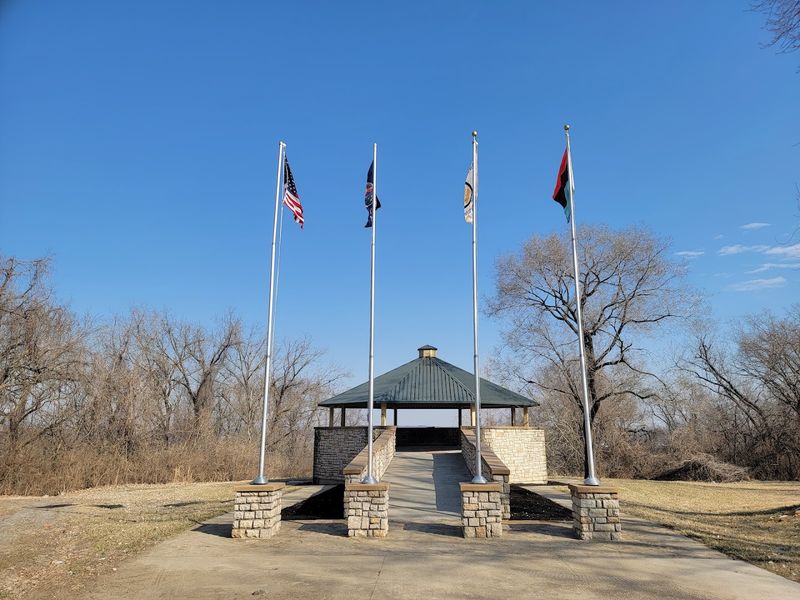
For a Missouri town that blends natural scenery with polished small-town character, this one feels especially camera-ready.
Historic streets, river proximity, and limestone bluff country all come together in a way that gives scenes immediate depth.
Parkville has the visual balance many productions look for: enough charm to feel welcoming, enough landscape to feel cinematic.
The downtown area offers a refined but accessible atmosphere.
Storefronts, sidewalks, and older buildings create strong everyday settings, while nearby views and green spaces open the frame whenever a story needs room to breathe.
That flexibility means the town could work for romance, drama, or a thoughtful independent film that wants beauty without theatrical excess.
One of the strongest qualities here is how naturally the town transitions between scales.
A scene can feel intimate on a shaded street, then expansive near the river or bluff views, all without breaking the emotional continuity of the setting.
Directors often chase that kind of versatility because it helps the location support multiple beats of the story.
Parkville also benefits from a calm visual rhythm.
Nothing feels cluttered, and the combination of nature and architecture creates a pleasing pace from one frame to the next.
In cinematic terms, that makes the town easy to read while still giving viewers enough detail to stay engaged.
If you imagine a film crew arriving here, it is easy to see why they would stay a while.
Parkville looks polished, but not sterile, scenic, but not overwhelming, and distinctive without trying too hard.
That combination can be rare.
Some places are beautiful but difficult to use; others are practical but forgettable.
This town seems to offer both usability and memorability, which is exactly why it belongs on any list of Missouri towns that look ready for the movies tomorrow.
10. Eminence
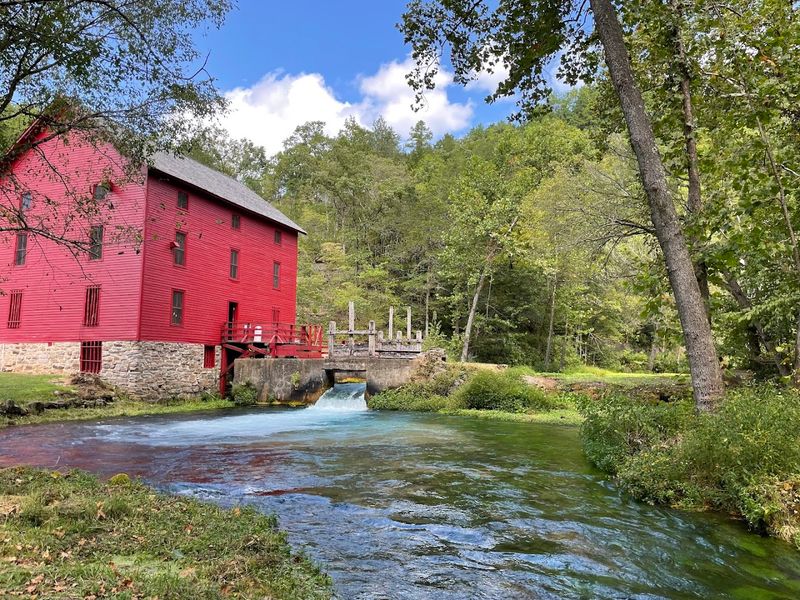
When a film needs a Missouri town with wild beauty close at hand, this one offers something special.
The surrounding Ozark scenery gives every frame a sense of openness and possibility, while the town itself remains grounded, modest, and unmistakably real.
Eminence feels like the kind of place where landscape is never just background – it becomes part of the story’s emotional force.
The nearby rivers, springs, forests, and rolling hills create enormous visual value for any production.
A director could move from a quiet street scene to a sweeping outdoor sequence without losing the feeling of place.
That kind of natural continuity is powerful, especially for stories about escape, reflection, resilience, or adventure.
What makes Eminence stand out is that it does not depend on ornate architecture or heavily curated presentation.
Its cinematic appeal comes from authenticity and setting.
The town reads as a true gateway to the Ozarks, and that relationship between community and landscape gives it a depth many prettier but more generic towns cannot match.
There is also a rugged softness here that would play beautifully on camera.
Sunlight through trees, mist near water, and the muted textures of a small rural center all contribute to a mood that can feel hopeful, lonely, restorative, or quietly dramatic depending on the scene.
Few Missouri towns offer such an immediate connection between human scale and natural spectacle.
If Hollywood wanted a location that could carry emotional weight without a lot of production dressing, Eminence would be a smart choice.
It looks honest, spacious, and deeply tied to the land around it.
That makes it more than photogenic – it makes it useful.
In a movie, viewers would not just notice this town; they would feel the pull of the rivers, the hills, and the silence beyond the next bend in the road.
Share this story