Chattanooga has plenty of headline attractions, but this one quietly sneaks up on you in the best way. The International Towing & Recovery Museum turns a surprisingly overlooked subject into one of the most memorable history stops in Tennessee.
It is smart, moving, family-friendly, and packed with restored machines that tell a bigger story about American roads. If you like automotive history with real personality, this place deserves a spot on your list.
Why This Museum Catches People Off Guard
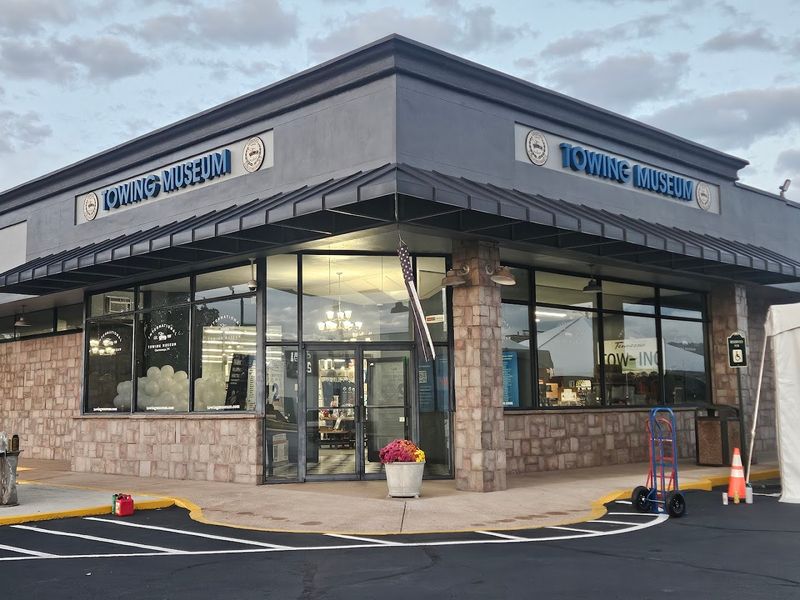
From the street, the International Towing & Recovery Museum does not scream blockbuster attraction. That is part of the fun, because once you walk inside, the place immediately feels bigger, richer, and more fascinating than most first-time visitors expect.
If you have ever dismissed tow trucks as background machinery, this museum changes your mind fast.
The surprise starts with the setting in Chattanooga, which is not random at all. This city is the birthplace of the tow truck, and the museum leans into that history with confidence instead of gimmicks.
You are not just looking at old vehicles here – you are stepping into the story of how roadside recovery became an essential part of modern travel.
What makes the museum click is its balance. It is niche without feeling narrow, educational without becoming stiff, and detailed without overwhelming casual visitors.
Even people who arrive skeptical tend to leave talking about the craftsmanship, the ingenuity, and the human stories tied to the industry.
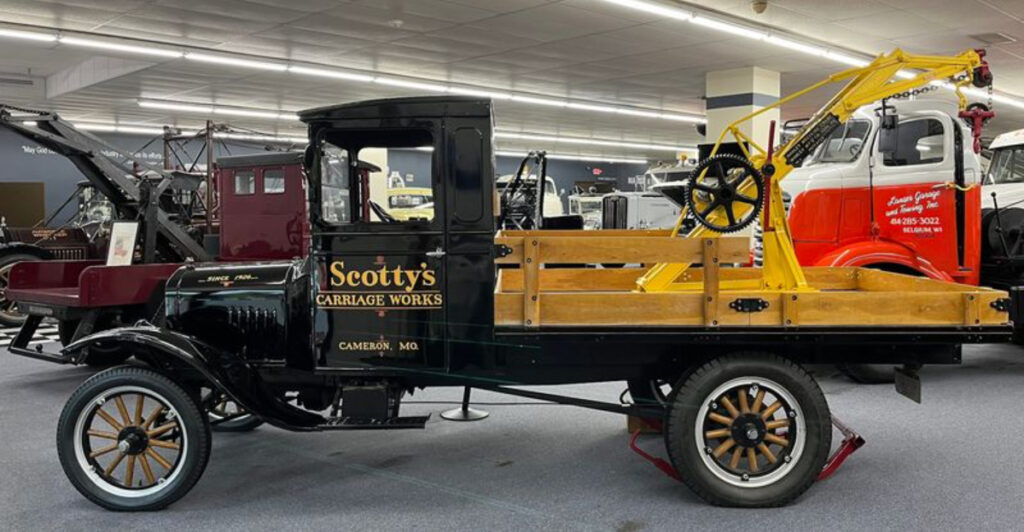
The collection includes trucks and equipment dating back to 1916, and the displays make the evolution easy to follow. You can trace how simple mechanical ideas grew into specialized machines built for difficult, high-risk work.
That sense of progress gives the galleries real momentum, so the visit never feels static.
Visitors also consistently mention how friendly the staff are, and that matters in a place like this. A museum built around a specialized field can feel intimidating if the tone is too insider-heavy.
Here, the atmosphere stays welcoming, curious, and easygoing, which helps you settle in quickly.
Then there is the emotional layer. Outside, the Wall of the Fallen adds gravity and perspective, reminding you that towing and recovery is not just about machines.
It is also about service, danger, and people who put themselves in harm’s way to help strangers, which gives the museum far more depth than its modest profile suggests.
The Chattanooga Origin Story Behind Towing
One of the smartest things about the International Towing & Recovery Museum is how clearly it explains why Chattanooga matters. This is not just a random collection of old wreckers gathered in one building.
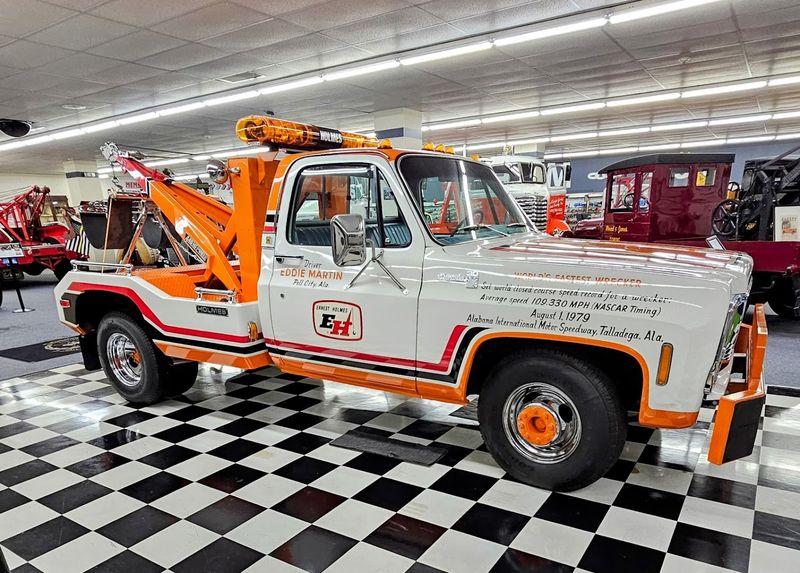
The museum is rooted in the local story of Ernest Holmes Sr., the man credited with inventing the first tow truck right here in town.
That origin gives the entire visit a strong narrative spine. Instead of wandering past vehicles with no context, you follow a timeline that starts with a practical problem on rough early roads and expands into a full industry.
The museum’s short introductory film helps set that up beautifully, so by the time you reach the gallery floor, the trucks already mean more.
It is easy to forget how different driving used to be. Early automobiles broke down often, roads were less forgiving, and recovering a stranded vehicle could be a huge ordeal.
Seeing the first towing solutions explained in this setting makes you appreciate how one mechanical idea changed everyday travel in ways most people never stop to consider.
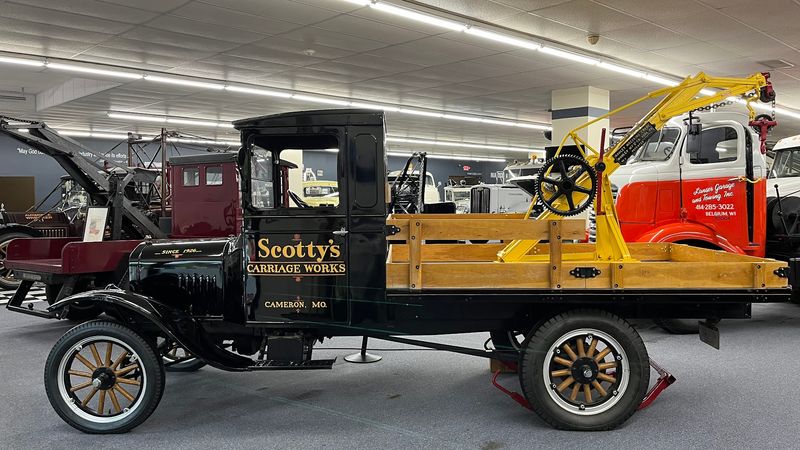
The restored early trucks are especially effective because they show invention in physical form. You can spot the raw ingenuity in booms, frames, hooks, and winches that now seem obvious only because someone figured them out first.
That kind of hands-on problem solving is the real heartbeat of the museum.
I like that the museum does not oversell the point. It simply puts the evidence in front of you and lets the story land.
Chattanooga’s role in towing history starts to feel both local and national at once, which is a sweet spot many small museums never quite reach.
By the end of this section of the visit, you understand why enthusiasts make the trip. You are not only looking at antique equipment.
You are standing near the birthplace of an industry that helped keep roads safer, cities moving, and motorists from being permanently stuck in the mud, the ditch, or the dark side of the highway.
The Vintage Tow Trucks Are the Real Stars
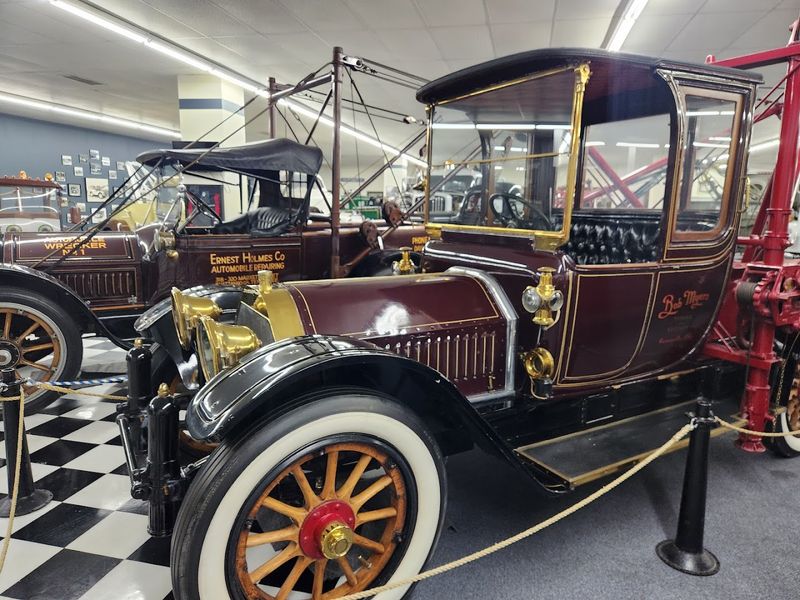
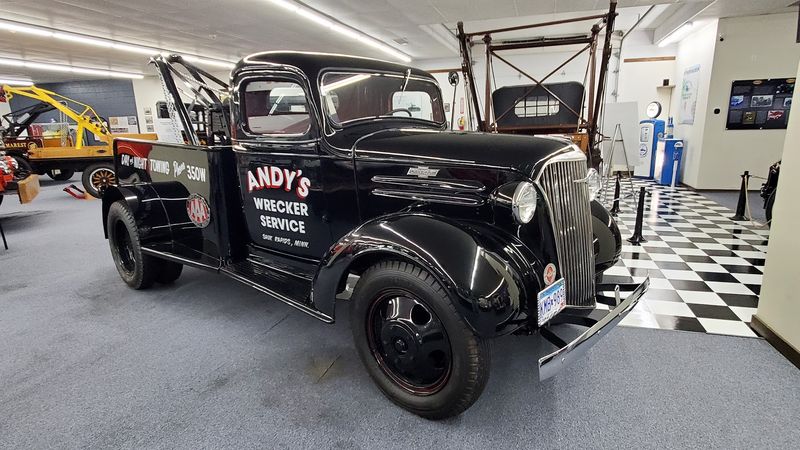
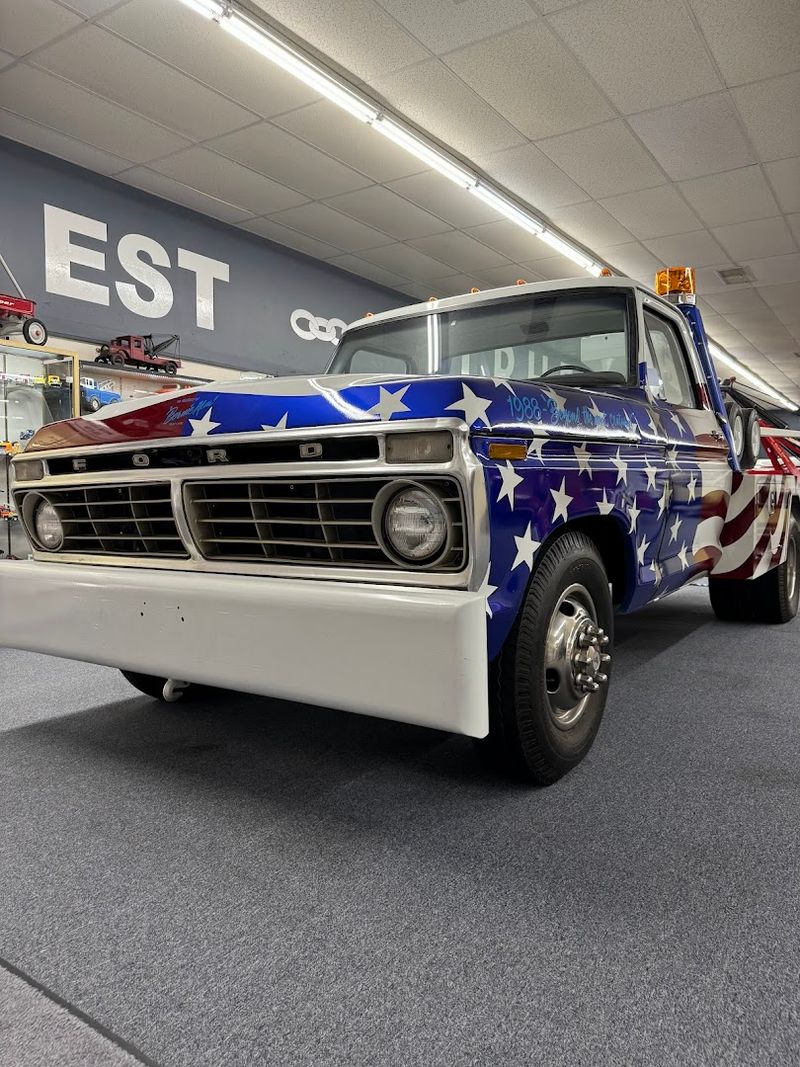
The headline attraction here is simple: the trucks are fantastic. The International Towing & Recovery Museum houses dozens of restored wreckers and recovery vehicles, and they are displayed in a way that lets you actually admire the details instead of just glancing and moving on.
Paint, chrome, hardware, badging, booms, and body shapes all compete for your attention.
Even if you are not deep into vehicle history, these machines have presence. Some look rugged and almost handmade, while others show the cleaner lines and more specialized engineering of later decades.
You can watch technology mature from truck to truck, which makes the collection feel dynamic rather than repetitive.
That visual progression is part of the fun. Early vehicles communicate pure necessity, built to solve urgent roadside problems with straightforward mechanical muscle.
As you keep going, the designs become more refined, more capable, and more tailored to the increasingly complex demands of towing and recovery work.
The museum also benefits from excellent restoration and presentation. These are not tired relics tucked into a dim room.
They are polished, carefully preserved pieces of working history, and the condition alone tells you how much pride the institution takes in honoring the field.
What surprised me most is how much personality each truck carries. A change in cab shape, wheel size, boom style, or color can instantly signal a different era and a different philosophy of work.
For photographers, designers, mechanics, and curious kids, that variety gives your eyes plenty to do.
Because the galleries are arranged with breathing room, you can slow down and really study the vehicles. That matters more than you might think in a museum focused on machinery.
Instead of feeling rushed through a crowded hall, you get enough space to notice craftsmanship, compare generations, and appreciate how these trucks helped define a profession that most drivers only think about when they desperately need it.
A Museum That Gives the Industry Real Respect
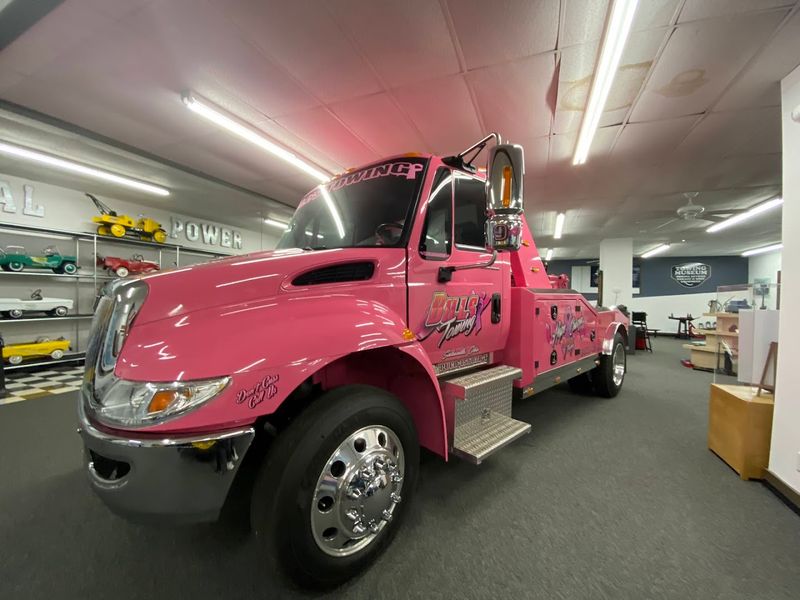
Plenty of transportation museums do a solid job with machines but struggle to communicate the people behind them. The International Towing & Recovery Museum gets that balance right.
It presents towing not as novelty, but as a demanding profession shaped by skill, risk, and an unusual amount of public misunderstanding.
That is one reason the visit sticks with people. Tow trucks are often noticed only in stressful moments, when a breakdown, crash, or roadside emergency ruins somebody’s day.
The museum reframes that familiar image by showing the training, ingenuity, and nerve required to recover vehicles safely in dangerous conditions.
The interpretive material helps connect the dots between equipment and labor. A wrecker is not just an interesting old truck with cool hardware attached.
It is a tool used by workers who regularly operate near speeding traffic, bad weather, unstable vehicles, and drivers who are not always paying attention.
This context gives the museum more moral weight than you might expect from an automotive stop. You leave with a sharper understanding of why move-over laws matter and why so many people in the towing world speak so passionately about roadside safety.
The exhibits do not preach, but they absolutely make the point.
There is also a pride running through the place that feels earned. The museum honors generations of towers and recovery operators without turning everything into chest-thumping hero worship.
Instead, it shows how practical service work, done well and often under pressure, deserves recognition even when the public rarely sees the full picture.
That respectful tone makes the collection more than a lineup of vehicles. It becomes a story about labor, community, and responsibility on American roads.
If you like museums that widen your perspective instead of just filling your camera roll, this one delivers, because it quietly asks you to look past the steel and chrome and remember the people standing beside the winch, the hook, and the flashing lights.
The Wall of the Fallen Changes the Mood
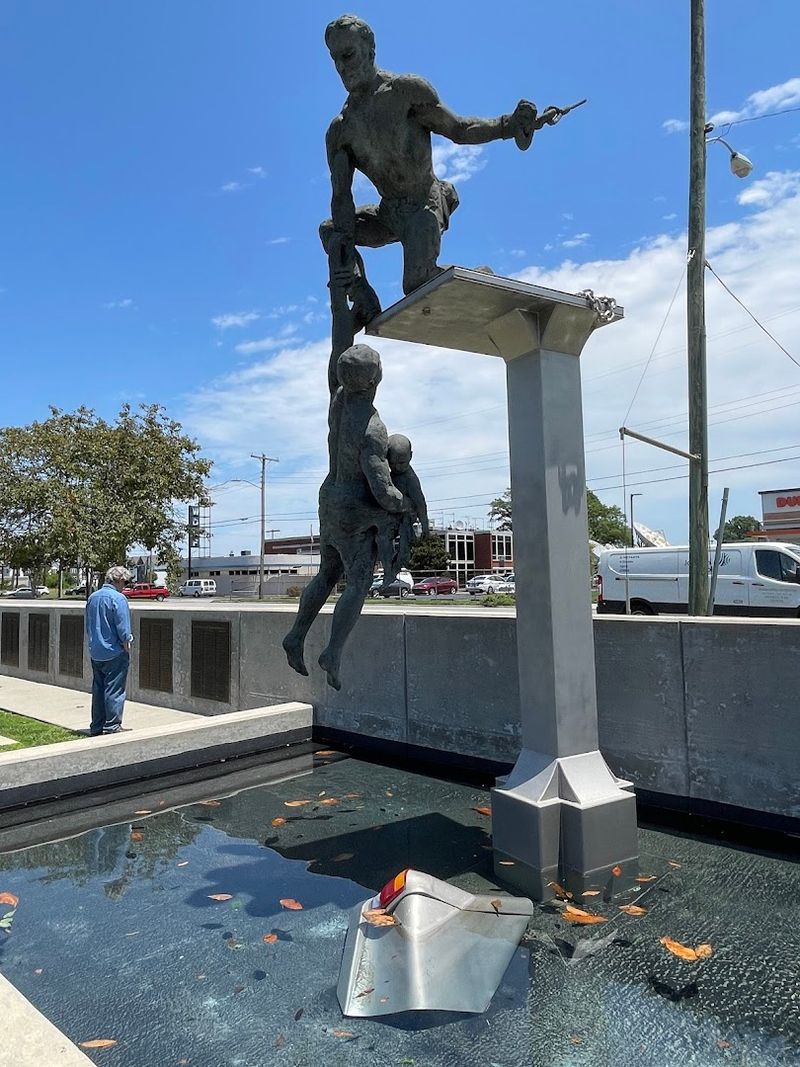
Outside the museum, the Wall of the Fallen shifts the experience from interesting to deeply affecting. It honors towing and recovery operators who lost their lives while helping others, and it gives the museum an emotional center that many visitors clearly remember long after the trucks blur together.
This is the part that slows people down.
There is power in simply seeing the names. A memorial like this strips away any temptation to treat towing as background labor or roadside inconvenience.
The wall reminds you that behind every recovery call is a person working in conditions where one careless driver, one bad angle, or one split-second mistake can become fatal.
What makes this area so effective is its restraint. It does not need elaborate theatrics to land its message.
The quietness does the work, and the contrast with the polished vehicles inside makes the point even stronger: the history of towing is not only mechanical progress, but also sacrifice.
Several visitors mention how meaningful this memorial feels, especially those with industry ties, and that makes sense. Even if you have never driven a tow truck, you can understand the basic truth it represents.
These were not abstract names attached to a trade – they were loved ones, coworkers, friends, and people who set out to help someone get home.
For many guests, the wall also changes how they think about roadside behavior.
How the Museum Is Laid Out for Easy Exploring
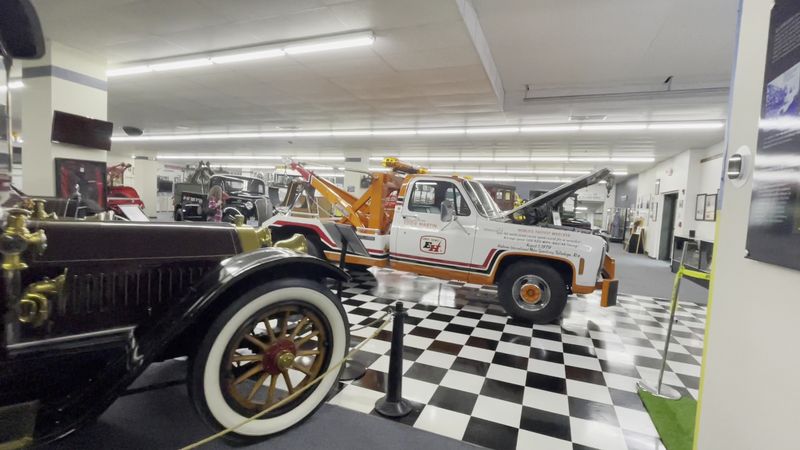
The International Towing & Recovery Museum is one of those places that understands how visitors actually move through a space. The experience begins with a short introductory video, which is a smart call because it gives you just enough backstory without front-loading the visit with too much reading.
After that, the museum opens up into a self-guided flow that feels intuitive.
That matters because a specialized museum can lose people if the layout is confusing or too dense. Here, the galleries are easy to navigate, and the sequence helps you build context as you go.
You are not dropped into the deep end with random equipment and vague labels.
The exhibits reportedly stretch across two levels, and that adds variety to the pacing. You get moments of broad visual impact when you first see the larger trucks, then slower sections where you can read, compare, and focus on individual details.
The rhythm keeps the visit from feeling like one long mechanical parade.
There is also enough material to reward a longer stop. Some visitors spend around two hours here, which feels right if you enjoy reading signage, watching the film, studying the vehicles, and taking time outdoors at the memorial.
If you are a quick scanner, you can move faster, but the museum definitely supports a deeper look.
Accessibility and comfort matter too, and guests often note easy parking and a straightforward setup. That makes the museum especially appealing for mixed-age groups, from grandparents who appreciate the history to kids who are more interested in the sheer size and shapes of the trucks.
Nobody has to work hard to enjoy it.
In a city packed with attractions that demand planning, timed entry, or a lot of logistical energy, this museum feels refreshingly manageable. You show up, settle in, and let the story unfold at a natural pace.
That simplicity is part of its charm, because it leaves more room for the exhibits themselves to do the heavy lifting and less room for visitor fatigue.
Why Families and Kids Tend to Love It Too
It would be easy to assume the International Towing & Recovery Museum is mainly for gearheads, professional drivers, or history buffs. In reality, families seem to have a genuinely good time here, and that broad appeal is one of the museum’s biggest strengths.
The trucks are large, unusual, and visually immediate, which gives kids something to connect with before they understand any of the history.
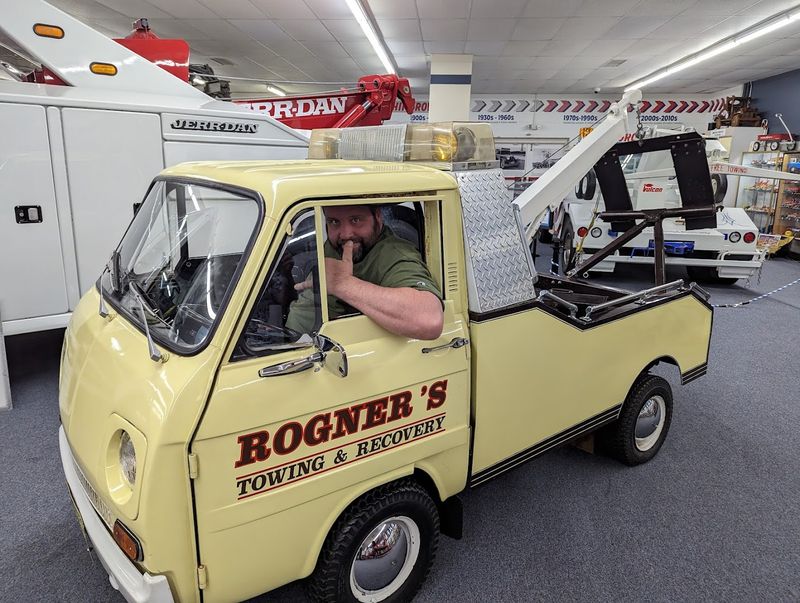
Reviews repeatedly mention child-friendly touches, especially the tow truck kids can climb on or operate outside the formal exhibit areas. That kind of hands-on feature is gold for families.
It creates a little burst of play that keeps younger visitors engaged and breaks up the more read-heavy parts of the visit.
The museum also benefits from the fact that tow trucks already live in a child’s imagination. They are big, loud, useful, and often tied to stories about rescue, problem solving, and helping stranded drivers.
Put that together with polished antique vehicles and toy displays, and you have a setting that feels surprisingly lively for a history museum.
Parents tend to appreciate the scale of the place too. It is not so enormous that managing kids becomes exhausting, but it offers enough variety to prevent boredom.
You can move between the film, the gallery spaces, the memorial, and the gift shop without feeling trapped in one long hallway of information.
Another advantage is the museum’s tone. Because the displays are focused and concrete, children can latch onto real objects instead of abstract concepts.
A restored wrecker from an earlier era says more to a curious eight-year-old than paragraphs of textbook explanation ever could.
For adults, that family-friendly energy makes the visit feel lighter without cheapening the content. The museum does not become cartoonish or overly simplified.
It just understands that history lands better when every age group has something memorable to look at, touch, or talk about on the way home, and that is exactly why this spot works so well as a low-stress, high-interest Chattanooga outing.
Do Not Skip the Gift Shop and Smaller Details
Some museum gift shops feel like an afterthought. This one sounds like part of the fun.
Visitors regularly mention the shop at the International Towing & Recovery Museum, and not just because it sells obvious tow truck souvenirs, but because it offers a wider mix of interesting, affordable items that make the visit feel complete.
That matters more than it seems. A strong gift shop extends the museum’s personality beyond the exhibits, especially in a place built around a subject many people never expected to enjoy.
If a child leaves with a miniature tow truck or an adult finds a quirky keepsake they did not see coming, the experience lingers longer.
The smaller details throughout the museum work the same way. Toy displays, memorabilia, signage, and carefully chosen artifacts help round out the story so the galleries do not become a row of disconnected vehicles.
These extra layers give texture to the visit and reward people who like to wander slowly and notice things.
I also like how these touches make the museum feel human rather than overly polished. There is clearly pride here, but not the kind that sterilizes a place into bland perfection.
Instead, you get a sense of community memory, enthusiast knowledge, and affection for the tools and traditions that shaped the industry.
For collectors and transportation fans, the shop and side displays can be a genuine highlight. Model trucks, branded items, and unusual memorabilia create a bridge between historical exhibits and present-day enthusiasm.
That blend keeps the museum from feeling frozen in time.
Even if you are not usually a museum-shop person, this is worth a look before you head out. It reinforces the museum’s appeal as a place with personality, not just information.
In Chattanooga, where many attractions compete with spectacle, this one wins points through charm, specificity, and the kind of little discoveries that make you say, half surprised and half delighted, that was much more fun than expected.
Practical Things to Know Before You Go
If you are thinking about adding the International Towing & Recovery Museum to your Chattanooga plans, the logistics are refreshingly simple. The museum is located at 3315 Broad Street and operates daily from 9 AM to 5 PM, which makes it easy to fit into a weekend itinerary or a weekday stop.
In a city where scheduling can get complicated fast, that steady rhythm is helpful.
The museum’s rating also tells a clear story. With a 4.8-star average from hundreds of reviews, it is not just a niche stop loved by industry insiders.
It consistently wins over casual visitors, families, and people who went in expecting something mildly interesting and came out genuinely impressed.
Plan on more time than you might first assume. The intro film is short, but the galleries, outdoor memorial, Hall of Fame areas, and gift shop can stretch a visit nicely if you are in no rush.
Around ninety minutes to two hours feels like a comfortable target for most people.
Because the museum is self-guided, you can tailor the pace to your interests. If you want a broad overview, you can move steadily through the exhibits and still leave satisfied.
If you enjoy reading details and comparing vehicle designs, it is easy to linger.
Another practical plus is that the museum sits in Chattanooga, where you are never far from other things to do before or after your visit. That makes it an especially good add-on for a larger day of exploring.
You do not need to build an entire trip around it, although fans of automotive history honestly could.
Most important, go in with curiosity instead of assumptions. This is not a massive tourist machine trying to wow you with bells and whistles.
It is a focused, well-loved museum that knows exactly what story it wants to tell, and because it tells that story clearly, warmly, and with real pride, the visit ends up feeling more substantial than its understated profile suggests.
Why It Belongs on a Tennessee History List
Tennessee has no shortage of attractions tied to music, mountains, and Civil War history, so a towing museum might not seem like obvious must-see territory. That is exactly why this place stands out.
The International Towing & Recovery Museum covers a slice of state and national history that most travelers never think to look for, which makes the discovery feel fresh.
It also captures something very Tennessee in spirit. Chattanooga’s connection to the invention of the tow truck reflects the practical, problem-solving kind of innovation that often gets overshadowed by bigger headlines.
This museum preserves that story in a way that feels grounded, proud, and genuinely useful rather than dusty or ceremonial.
What keeps it from being merely educational is the range of emotion packed into one visit. You get ingenuity, craftsmanship, industrial design, local history, family-friendly fun, and a moving memorial that adds real consequence.
Few small museums manage that combination without losing focus, but this one pulls it off.
The museum also works for different kinds of travelers. Automotive enthusiasts will appreciate the technical evolution and beautifully restored wreckers.
Casual visitors will enjoy the surprise factor, the approachable layout, and the chance to learn something memorable that is not already plastered across every Tennessee travel guide.
If you care about underappreciated attractions, this one deserves extra credit. It is highly rated, consistently praised, and still manages to feel a bit under the radar.
Those are often the best places to visit, because the experience feels earned rather than prepackaged.
By the time you leave, the title
Share this story