Tennessee is packed with incredible places that won’t cost you a dime to explore. From misty mountain valleys and thundering waterfalls to historic battlefields and city parks with skyline views, the state offers some of the best free attractions in the South.
Whether you’re planning a quick weekend escape or just looking for a budget-friendly day out, these 13 spots prove you don’t need to spend money to have an unforgettable Tennessee adventure.
1. Cades Cove — Great Smoky Mountains National Park
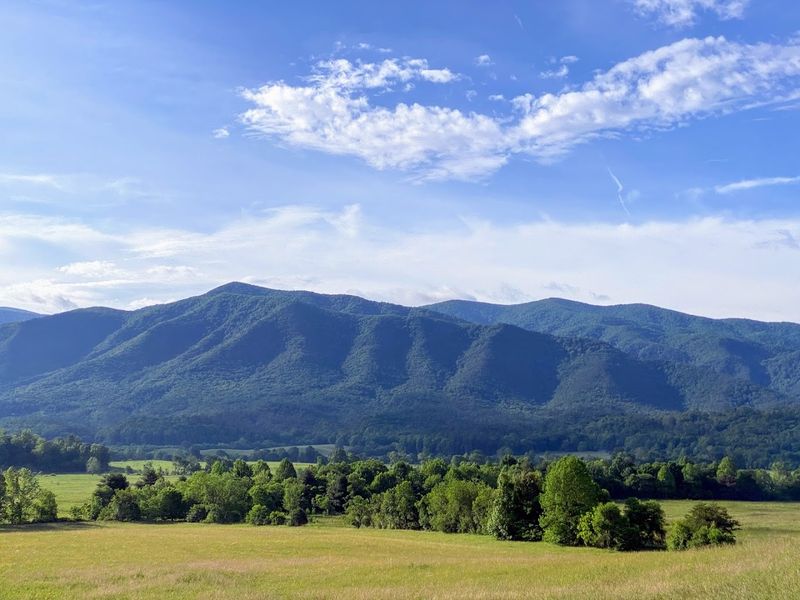
Picture this: you’re cruising an 11-mile loop through a valley surrounded by ancient mountains, passing weathered log cabins and white-frame churches that look like they’re frozen in the 1800s. That’s Cades Cove, and it’s hands-down one of the most beautiful free experiences Tennessee has to offer. The Great Smoky Mountains National Park doesn’t charge an entrance fee, so all you need is a full tank of gas and maybe a good playlist for the drive.
Early mornings are when Cades Cove really shines. The valley fills with soft fog, the light filters through the trees just right, and wildlife like white-tailed deer, black bears, and wild turkeys are way more likely to make an appearance. If you’re lucky, you might spot a bear cub crossing the road or a coyote prowling the meadow edges.
The loop is one-way, so once you’re in, you’re committed—but that’s part of the charm. There are plenty of pullouts where you can stop, stretch your legs, snap photos, or explore the historic buildings up close. Some of the cabins and churches are open for walk-throughs, and they give you a real sense of what pioneer life was like in these mountains.
If you want to skip the car traffic altogether, try visiting on Wednesday or Saturday mornings during the warmer months when the loop is closed to vehicles until 10 a.m. That’s when cyclists and walkers take over, and the whole valley feels even more peaceful.
Pack snacks, bring binoculars, and don’t rush it. Cades Cove isn’t just a drive—it’s a full sensory experience that reminds you why Tennessee’s mountains are legendary.
2. Fall Creek Falls State Park — Spencer
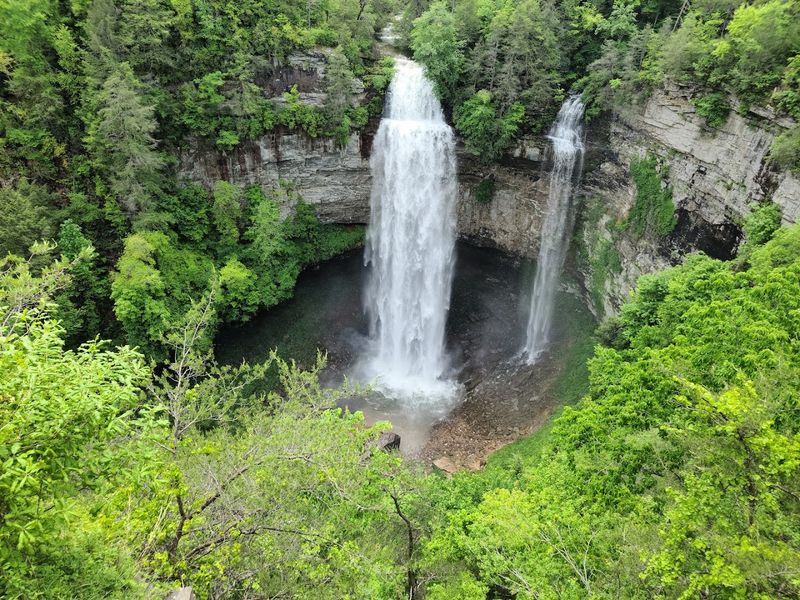
If waterfalls are your thing, Fall Creek Falls should be at the top of your Tennessee bucket list. This place isn’t just a waterfall—it’s a full-on natural spectacle with gorges, overlooks, and cascades that make you feel like you’ve stepped into a nature documentary. And the best part?
Getting into the park and seeing the falls is completely free.
The main attraction is the 256-foot Fall Creek Falls, one of the tallest waterfalls east of the Mississippi River. You can view it from multiple overlooks, each offering a different perspective. The upper overlook is easy to reach and gives you that classic postcard shot, while the lower trail takes you closer to the base, where you can feel the spray and hear the roar of the water crashing down.
But don’t stop there. The park has three other major waterfalls—Cane Creek Falls, Cane Creek Cascades, and Piney Falls—plus miles of hiking trails that wind through hardwood forests and along rocky gorge edges. Some trails are short and family-friendly, while others are more rugged and reward you with secluded views.
Fall Creek Falls is one of Tennessee’s largest state parks, covering more than 26,000 acres, so there’s plenty of space to roam without feeling crowded. You can easily spend a full day here hiking, picnicking, or just soaking in the scenery.
Bring sturdy shoes, a camera, and maybe a light jacket if you’re visiting in the cooler months. The trails can be slippery near the water, so watch your step. This is one of those places that lives up to the hype—and then some.
3. Natchez Trace Parkway
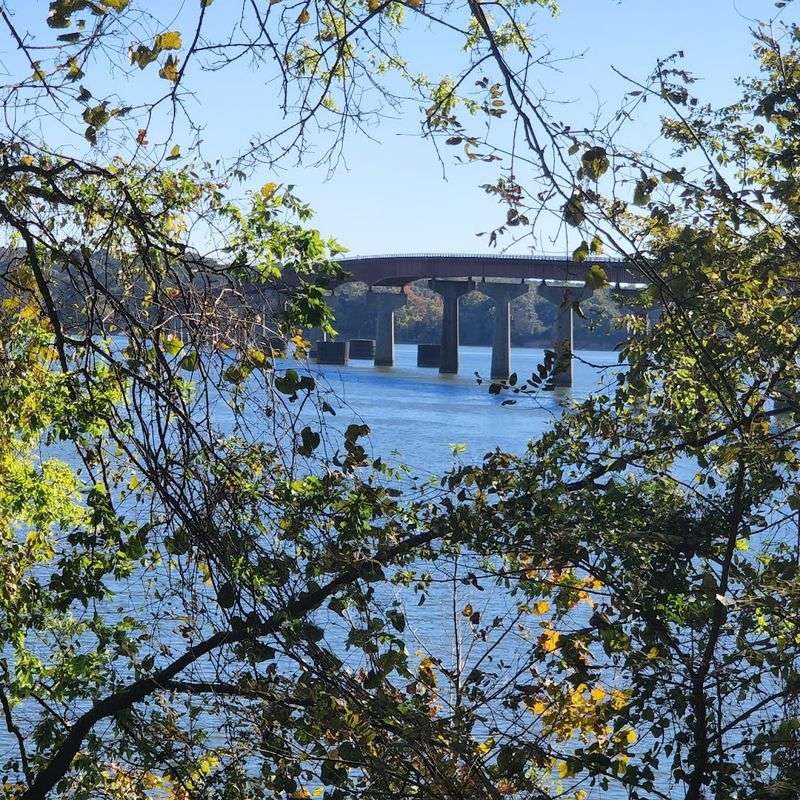
Sometimes the best trips aren’t about the destination—they’re about the drive itself. The Natchez Trace Parkway is exactly that kind of experience. This 444-mile scenic road stretches from Natchez, Mississippi, to just south of Nashville, and it’s managed by the National Park Service, which means no tolls, no billboards, and no commercial traffic.
Just you, the road, and some of the prettiest countryside in the South.
Tennessee claims about 100 miles of the Trace, and it’s loaded with pull-offs, short trails, and historic stops. You can visit Native American burial mounds, walk sections of the original sunken Trace trail, or check out spots like the Meriwether Lewis Monument and Gravesite. Each stop adds a little layer of history to the journey.
The parkway is designed for leisurely driving, with a speed limit of 50 mph and plenty of spots to pull over and take photos or stretch your legs. It’s especially gorgeous in the fall when the trees light up in gold and red, but honestly, it’s beautiful year-round.
You don’t have to drive the whole thing in one go. Pick a section, explore a few stops, and make it your own mini road trip. Pack a cooler, bring a friend, and take your time. There’s no rush.
One tip: cell service can be spotty in some areas, so download offline maps or grab a parkway map from a visitor center before you head out. And keep an eye out for cyclists—the Trace is a popular bike route, and riders share the road with cars.
It’s one of those rare places where the journey really is the reward.
4. Rock Island State Park — Rock Island
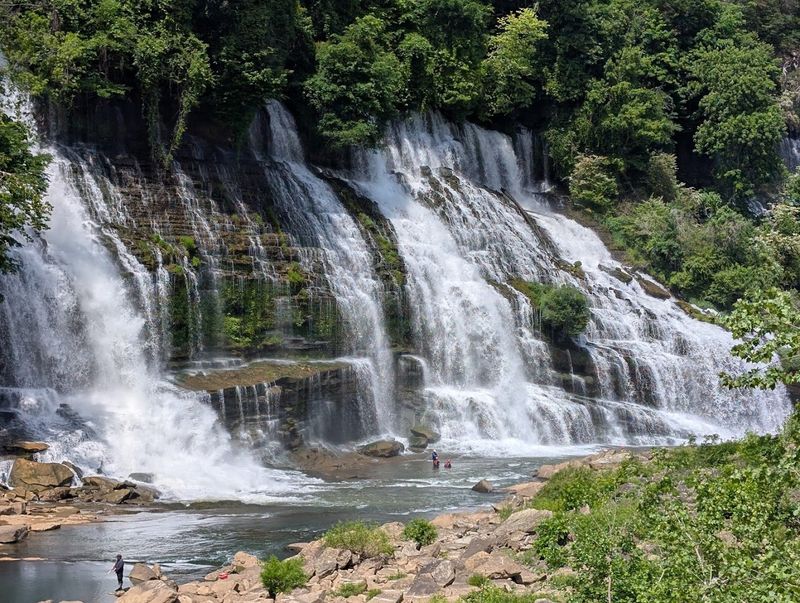
Rock Island State Park is one of those hidden gems that makes you wonder why more people don’t know about it. Tucked away in Middle Tennessee, this park sits at the meeting point of three rivers—the Caney Fork, Collins, and Rocky—and the result is a dramatic landscape of gorges, waterfalls, and rocky overlooks that feel way more rugged than you’d expect from a free state park.
The star of the show is the Great Falls of the Caney Fork, a powerful cascade that crashes through a limestone gorge. You can view it from several overlooks, and each one gives you a different angle on the churning water below. The sound alone is worth the visit.
There are also trails that take you along the river, through old-growth forests, and past remnants of the area’s industrial past, including the remains of an old cotton mill. The Twin Falls Trail is a favorite—it’s a moderate hike that rewards you with views of two waterfalls tumbling side by side.
Rock Island doesn’t get as crowded as some of Tennessee’s bigger parks, which means you can often have the trails and overlooks mostly to yourself. It’s a great spot for photography, especially if you’re into moody river shots or dramatic rock formations.
Bring good hiking shoes—the terrain can be uneven and slippery near the water. And if you’re visiting in the summer, pack plenty of water and sunscreen, since some of the trails are exposed.
This is the kind of place that surprises you. You show up expecting a quick stop, and you end up staying for hours, just soaking in the raw beauty of it all.
5. Shelby Farms Park — Memphis
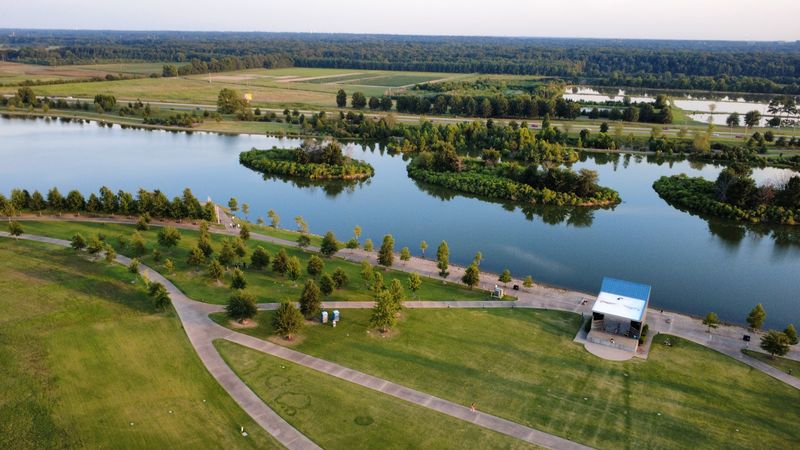
Most city parks are a few acres of grass and a playground. Shelby Farms Park is 4,500 acres of pure outdoor escape sitting right in the middle of Memphis. It’s one of the largest urban parks in the country, and it’s absolutely free to explore, making it a no-brainer for anyone looking for a low-cost day out.
The park has more than 40 miles of trails—paved and unpaved—so whether you’re into biking, running, walking, or just strolling with a coffee, there’s a path for you. The paved trails are perfect for families with strollers or anyone who wants an easy, flat route, while the unpaved trails take you through wooded areas and around wetlands where you might spot herons, turtles, or even the occasional deer.
There’s also Patriot Lake, a 80-acre lake where you can paddleboard, kayak, or just sit on the shore and watch the water. Rentals are available if you don’t have your own gear, but just hanging out by the lake is free and totally worth it.
Shelby Farms isn’t just about nature, though. There are playgrounds, picnic areas, open fields for frisbee or soccer, and even a treetop adventure course if you’re feeling adventurous (that part does cost money, but the rest of the park is free).
It’s a great spot for a morning jog, an afternoon bike ride, or a sunset picnic. Bring a blanket, pack some snacks, and just enjoy the space. Memphis can feel busy and crowded, but Shelby Farms gives you room to breathe.
Pro tip: visit in the early morning or late afternoon to catch the best light and avoid the midday heat in the summer.
6. Bicentennial Capitol Mall State Park — Nashville
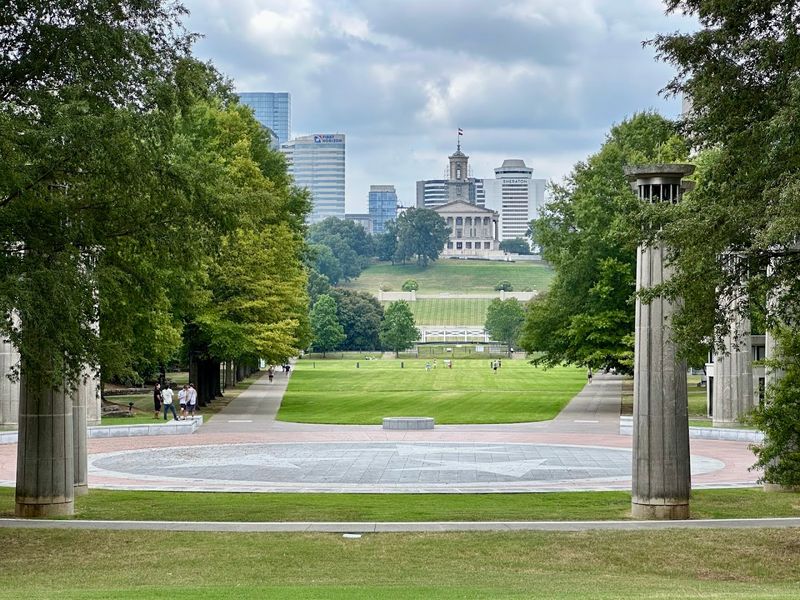
Nashville has no shortage of things to see, but if you want something free, walkable, and packed with Tennessee history, head straight to Bicentennial Capitol Mall State Park. This 19-acre park sits just north of the State Capitol building, and it’s basically a living timeline of Tennessee’s story, told through monuments, fountains, and thoughtfully designed spaces.
The park is laid out like a giant outdoor museum. There’s a 200-foot granite map of Tennessee embedded in the ground, a Wall of History with major events etched in stone, and a Rivers of Tennessee Fountains area where 31 fountains represent the state’s major rivers. In the summer, kids love running through the fountains, and it’s a great spot to cool off without spending a dime.
There’s also a bell carillon that plays music throughout the day and a World War II Memorial that’s both somber and beautiful. The whole park is designed to educate and inspire, but it never feels preachy or boring—it’s just a really well-done public space.
The views of the Capitol building from the park are killer, especially at sunset when the light hits the limestone facade just right. It’s a popular spot for photos, so don’t forget your camera.
Bicentennial Mall is also connected to the Nashville Farmers’ Market, which is just a short walk away and worth checking out if you’re hungry or want to browse local vendors.
7. Big South Fork National River & Recreation Area — Oneida
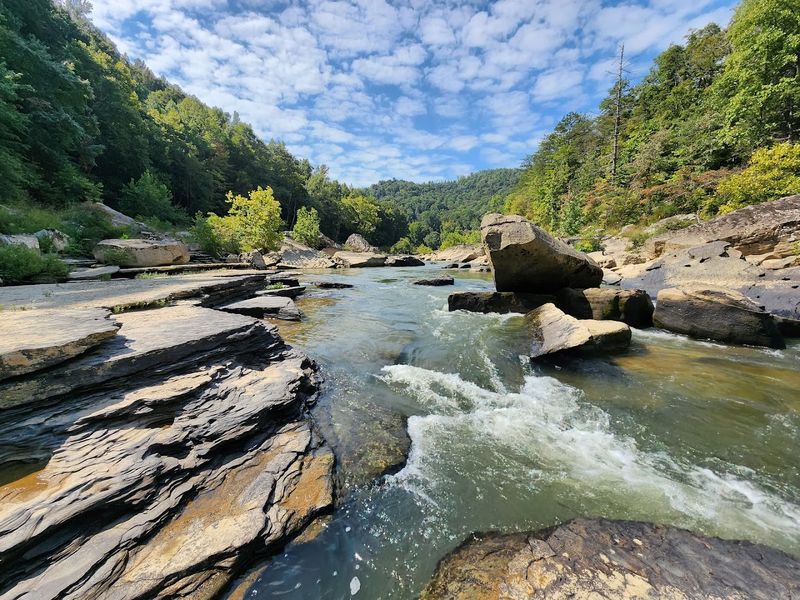
Big South Fork is one of those places that feels almost too good to be free. Spread across 125,000 acres of the Cumberland Plateau, this national river and recreation area is a playground for hikers, paddlers, and anyone who loves rugged, untouched wilderness. And unlike some national parks, there’s no entrance fee—just show up and start exploring.
The landscape here is dramatic. You’ve got deep gorges, towering sandstone bluffs, clear-running rivers, and miles of forested trails that take you through some of the most scenic backcountry in Tennessee. The Big South Fork River itself is the centerpiece, winding through the gorge and offering excellent opportunities for whitewater rafting, kayaking, and fishing.
If you’re more into hiking, the park has over 150 miles of trails ranging from easy riverside walks to challenging ridge hikes. The Twin Arches Trail is a must-do—it takes you to two massive natural sandstone arches that are among the largest in the eastern United States. It’s a moderate hike, but the payoff is huge.
There are also historic sites scattered throughout the park, including old homesteads, coal mining remnants, and even an abandoned logging town. These spots add a layer of human history to the natural beauty and make the area feel even more interesting.
Big South Fork can feel remote, so plan ahead. Bring plenty of water, snacks, and a map or GPS. Cell service is spotty at best, so don’t rely on your phone for navigation.
This is a place for people who want to get away from it all. It’s quiet, wild, and absolutely worth the drive.
8. Shiloh National Military Park — Shiloh

History buffs, this one’s for you. Shiloh National Military Park preserves the site of one of the bloodiest battles of the Civil War, and it’s one of the most powerful and well-maintained historic sites in Tennessee.
It’s completely free to visit, including the Corinth Civil War Interpretive Center, which is just across the state line in Mississippi.
Walking the battlefield is a sobering experience. The park covers more than 4,000 acres, with miles of paved roads and trails that take you past monuments, cannons, and markers that tell the story of the two-day battle in April 1862. More than 23,000 soldiers were killed, wounded, or went missing here, and the park does an excellent job of honoring their memory while educating visitors about the battle’s significance.
The visitor center is a great place to start. There’s a short film that gives you context, and the staff can point you toward the best stops on the driving tour. If you prefer to walk, there are several trails that take you through key battle sites, including the Sunken Road and the Peach Orchard, where some of the fiercest fighting took place.
The park is quiet and reflective, with plenty of shaded areas and benches where you can sit and think. It’s not a loud, flashy attraction—it’s a place that asks you to slow down and pay attention.
Shiloh is also home to a large national cemetery, where thousands of Union soldiers are buried. It’s a beautiful and humbling place, especially in the late afternoon when the light filters through the trees.
Bring comfortable walking shoes and plan to spend at least a couple of hours here. It’s worth it.
9. Reelfoot Lake State Park — Tiptonville
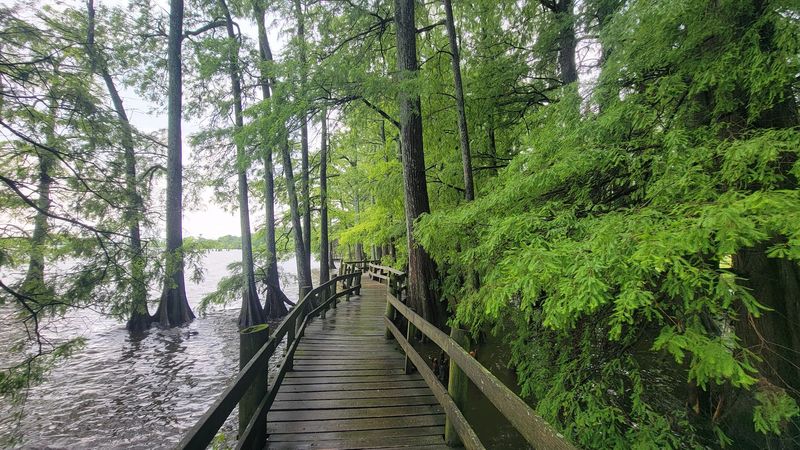
Reelfoot Lake doesn’t look like anywhere else in Tennessee. This shallow, cypress-filled lake sits in the northwest corner of the state, and it was formed by a series of massive earthquakes in 1811 and 1812 that caused the Mississippi River to flow backward and flood the area. The result is a haunting, otherworldly landscape that feels more like a Louisiana bayou than the Tennessee highlands.
The lake is famous for its bald eagle population. Every winter, dozens of eagles migrate to Reelfoot, and the park offers free eagle tours during peak season (usually December through February). Seeing a bald eagle swoop down and snatch a fish from the water is one of those bucket-list moments you don’t forget.
But Reelfoot is worth visiting year-round. The cypress trees, with their knobby knees poking out of the water, create a maze of channels and coves that are perfect for kayaking or canoeing. You can rent boats if you don’t have your own, but just walking the trails and boardwalks is free and gives you plenty of chances to spot herons, egrets, and other wetland birds.
The park also has a visitor center with exhibits on the lake’s geology and wildlife, and there are several short trails that take you through the surrounding forests and along the shoreline.
Reelfoot is remote, so plan ahead. Bring bug spray in the warmer months, and dress in layers if you’re visiting in winter for eagle watching. The lake can be buggy and humid in summer, but it’s also stunningly green and alive.
This is one of those places that surprises you. It’s different, it’s peaceful, and it’s proof that Tennessee has way more variety than most people realize.
10. Coolidge Park — Chattanooga
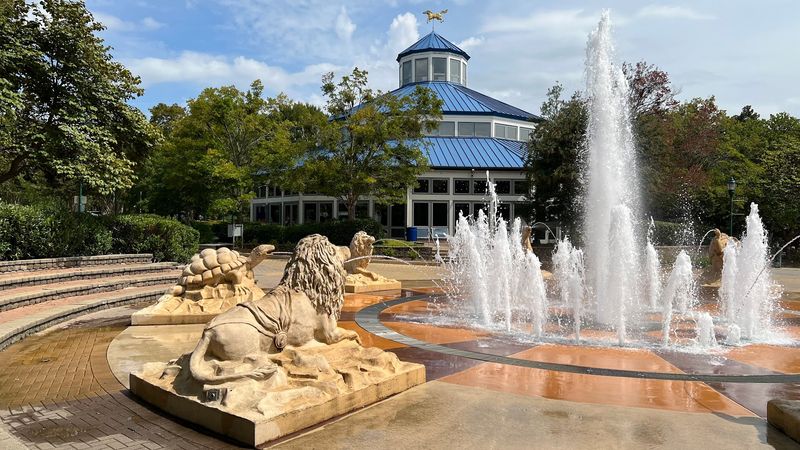
Chattanooga knows how to do public parks right, and Coolidge Park is a perfect example. Sitting along the Tennessee River on the Northshore, this park is a favorite for locals and visitors alike, and it’s completely free to enjoy. You get river views, open green space, walking paths, and a laid-back vibe that makes it easy to spend a few hours just hanging out.
The park is anchored by a vintage carousel, which does cost a small fee to ride, but everything else—the splash fountain, the playground, the walking paths, the views—is totally free. In the summer, the splash fountain is a magnet for kids and anyone looking to cool off. It’s a simple setup, but it works, and it’s fun to watch.
One of the best things about Coolidge Park is its location. It sits right next to the Walnut Street Bridge, one of the longest pedestrian bridges in the world, which connects the Northshore to downtown Chattanooga. You can walk across the bridge, explore the park, and then head back downtown without ever getting in your car.
The park also hosts free concerts and events throughout the year, so check the schedule before you go. Even if there’s nothing going on, it’s still a great spot for a picnic, a riverside walk, or just sitting on a bench and watching the river roll by.
11. Centennial Park — Nashville
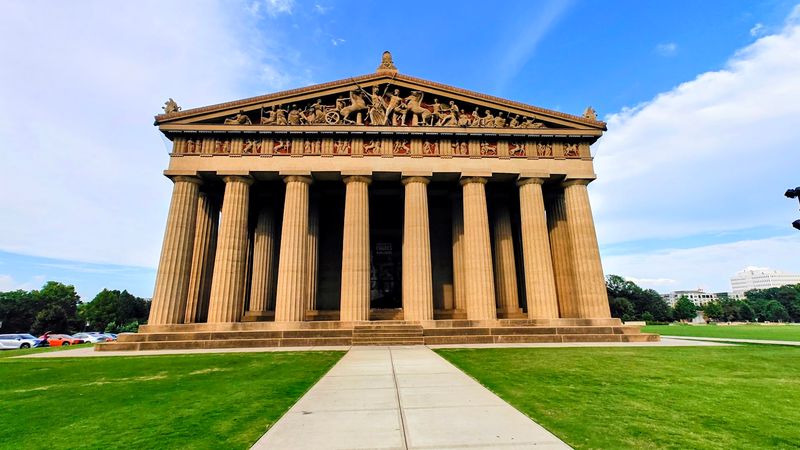
Nashville’s Centennial Park is home to one of the city’s most iconic landmarks: a full-scale replica of the Parthenon. Yes, the Parthenon—like the one in Athens, Greece. It was built for Tennessee’s 1897 Centennial Exposition, and it’s still standing strong, looking just as impressive as ever.
The museum inside costs a few bucks to enter, but walking around the park and admiring the exterior is completely free and absolutely worth it.
The Parthenon itself is stunning. It’s a perfect recreation of the original, complete with columns, sculptures, and a towering statue of Athena inside (which you can see if you pay for the museum, but even just seeing the building from outside is impressive). The structure sits on a raised platform, so you get great views from all angles, and it’s especially photogenic at sunset when the light hits the limestone.
But Centennial Park is more than just the Parthenon. The 132-acre park has Lake Watauga, a peaceful little lake with a walking trail around it, plus open green spaces, gardens, monuments, and plenty of shaded spots to sit and relax. It’s a popular spot for joggers, dog walkers, and families, and it has a friendly, community vibe.
There’s also a sunken garden near the Parthenon that’s beautiful in the spring and summer when the flowers are in bloom. It’s a quiet little corner of the park that’s perfect for a moment of peace.
Centennial Park is a great stop if you’re exploring Nashville and want a break from the music scene. Bring a book, pack a lunch, and just enjoy the green space and the view of one of the most unusual landmarks in the South.
12. Cummins Falls State Park — Cookeville
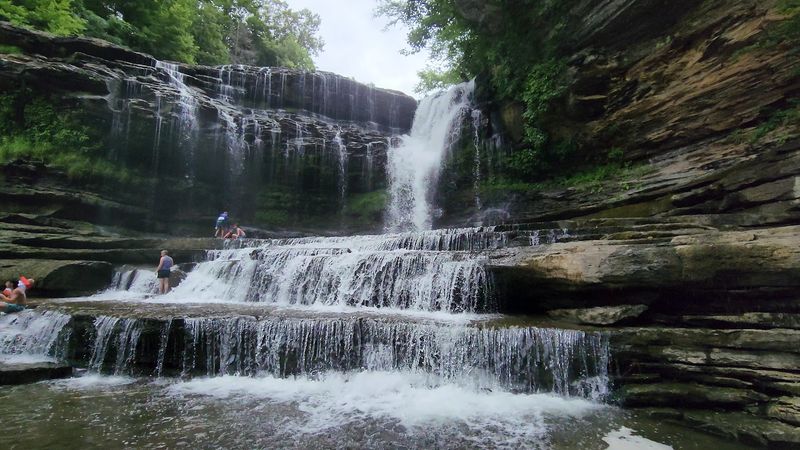
Cummins Falls is one of those waterfalls that makes you stop and stare. At 75 feet, it’s one of the tallest and most voluminous waterfalls in Tennessee, and it crashes into a gorge with enough force to send mist floating up into the trees. The overlook areas are free to visit and give you killer views of the falls from above, making it a solid stop even if you don’t plan to hike down into the gorge.
The overlook trail is short and relatively easy, so it’s accessible for most people. You get a bird’s-eye view of the waterfall and the surrounding gorge, and on a sunny day, the light filtering through the spray creates rainbows that are almost too pretty to be real.
If you do want to hike down to the base of the falls, be aware that it’s a rugged, rocky descent, and during peak season, the park requires a day-use permit to access the gorge. The permit system was put in place to protect the area from overcrowding and erosion, so it’s worth checking the park’s website before you go to see if you need one.
The hike down is worth it if you’re up for it. You can wade in the pool at the base of the falls, scramble over rocks, and get up close to the cascading water. Just be prepared for a workout on the way back up—the trail is steep and can be slippery.
Cummins Falls is popular for a reason. It’s beautiful, accessible, and offers a bit of adventure without requiring a full day of hiking. Just plan ahead, wear good shoes, and bring plenty of water.
13. The Sunsphere / World’s Fair Park — Knoxville
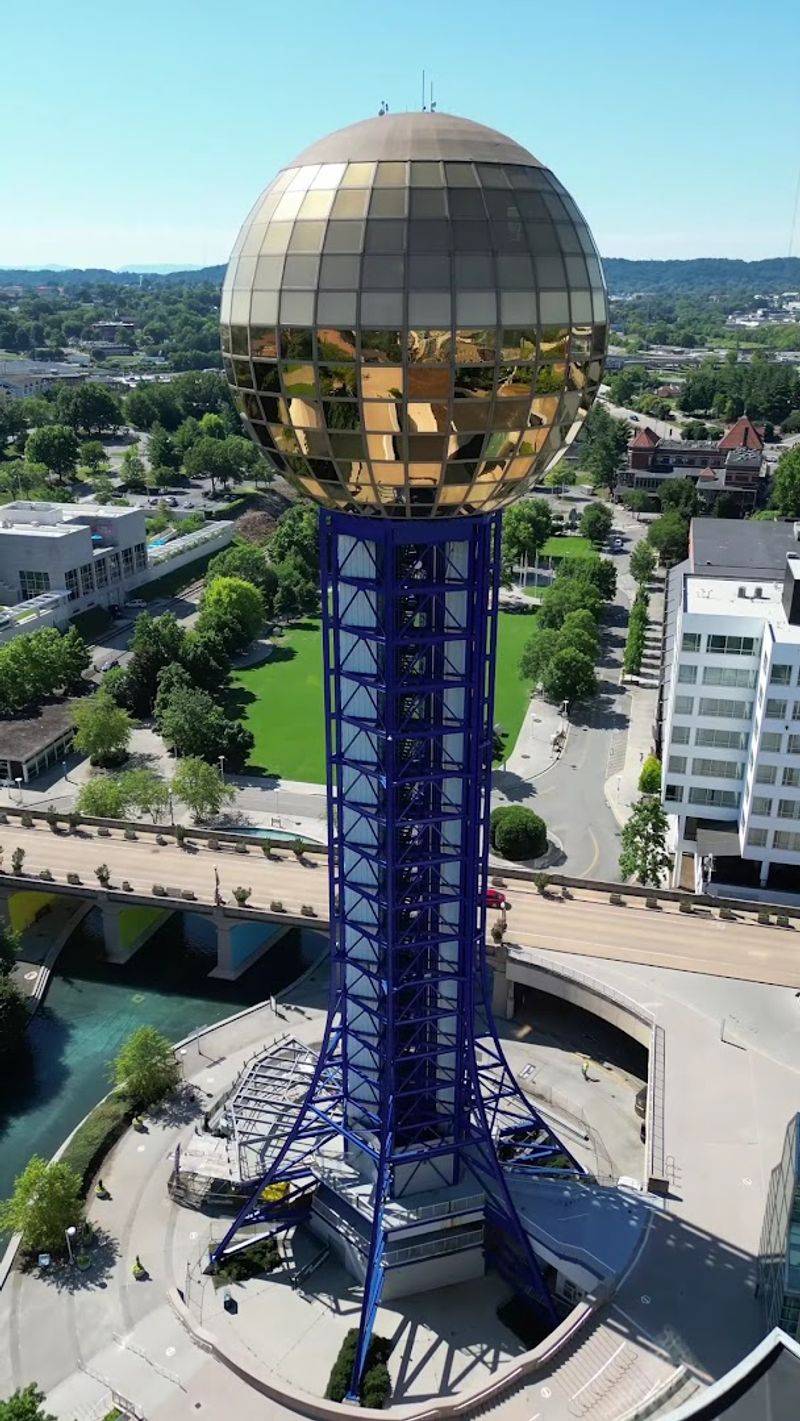
The Sunsphere is one of those landmarks you can’t miss. Standing 266 feet tall with a gleaming golden sphere on top, it’s been a symbol of Knoxville since the 1982 World’s Fair, and it’s still one of the coolest structures in the city. The park surrounding it, World’s Fair Park, is free to explore, and depending on the day, you might even catch free admission to the observation deck on the 4th floor.
The observation deck offers 360-degree views of downtown Knoxville, the Tennessee River, the University of Tennessee campus, and on clear days, the Great Smoky Mountains in the distance. It’s one of the best free views in the state, especially at sunset when the whole city lights up.
Visit Knoxville has announced free admission to the Sunsphere on select First Fridays in 2026, so if you’re planning a trip, check the schedule and time your visit accordingly. Even if you can’t go up, the park itself is worth a stroll.
World’s Fair Park has fountains, walking paths, open lawns, and plenty of benches where you can sit and people-watch. The fountains are especially fun in the summer—they’re choreographed to music and light up at night, making the whole park feel festive and alive.
There’s also the Knoxville Museum of Art nearby, which has free admission and rotating exhibits, so you can easily turn a visit to the park into a full afternoon of free culture and sightseeing.
The Sunsphere and World’s Fair Park are quintessential Knoxville. They’re nostalgic, a little quirky, and totally worth the stop. Bring your camera, take the elevator up, and enjoy the view.
Share this story