Ohio has a way of surprising you when the road bends and a stone tower, turreted mansion, or ivy touched facade suddenly appears where you least expect it, turning an ordinary day trip into something that feels lifted from a storybook. Across the state, castles, manor houses, libraries, arches, and even a reformatory reveal how ambitious architecture once expressed power, romance, reinvention, and community pride, and the result is a collection of places that feel wonderfully theatrical without ever losing their connection to real people and events.
What makes these landmarks especially memorable is that they do not rely on beauty alone, because behind the battlements, stained glass, grand staircases, and carved stonework you will find legends, preservation efforts, family histories, industrial wealth, public service, and the occasional ghost story that keeps the past feeling close. If you are ready to explore Ohio through places where fantasy shaped the skyline and history filled the rooms, these thirteen landmarks make a rich, curious itinerary you will not forget.
1. Loveland Castle, Loveland
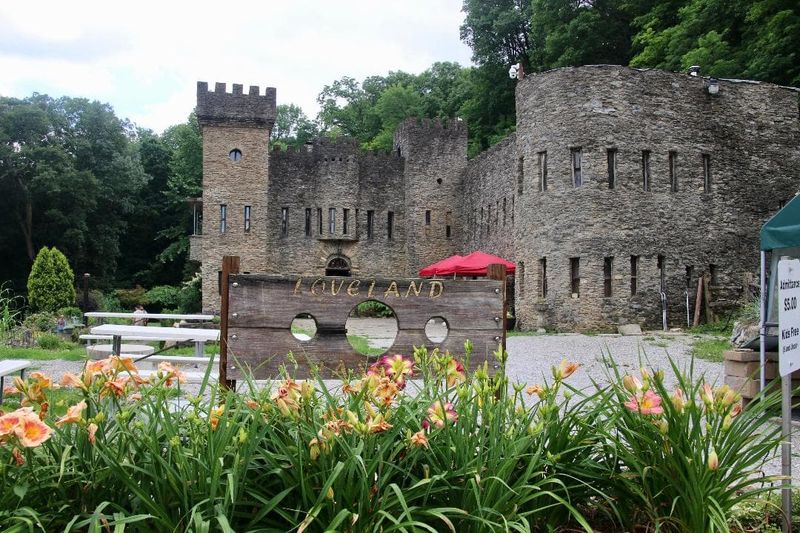
Tucked above the Little Miami River, this hand built stronghold feels like a dream someone refused to abandon. You can sense that determination in every rough stone, narrow stair, and crenellated wall that gives Loveland Castle its unforgettable silhouette.
Instead of being imported from Europe, the romance here was created in Ohio by one man with vision, patience, and a deep affection for medieval design.
Harry D. Andrews, founder of the Knights of the Golden Trail, began building the castle in the 1920s using simple tools and materials gathered from the surrounding area.
That origin story matters, because the place does not feel polished into fantasy by corporate hands. It feels personal, eccentric, and fiercely sincere, which is exactly why visitors connect with it so easily.
Inside and around the grounds, you will notice details that reward slow looking, from coats of arms and weapon displays to small rooms that seem made for storytelling. The setting above the river adds another layer of enchantment, especially when trees are full and the stone glows in changing light.
Even if you arrive expecting novelty, the atmosphere quickly becomes more intimate and oddly moving.
Part of the fun is recognizing how Ohio’s landscape softens the castle’s martial features into something almost whimsical. Battlements frame leaves instead of battlefields, and the nearby trail network makes the landmark feel woven into everyday local life.
That contrast between fantasy architecture and Midwestern calm gives the experience its unique charm.
If you love places with handmade character, this is one of the state’s most memorable stops. Loveland Castle proves that history is not always inherited from distant centuries, because sometimes it is built stone by stone by a modern dreamer.
You leave with the feeling that imagination can become architecture when someone is willing to keep building.
2. Squire’s Castle, Willoughby Hills
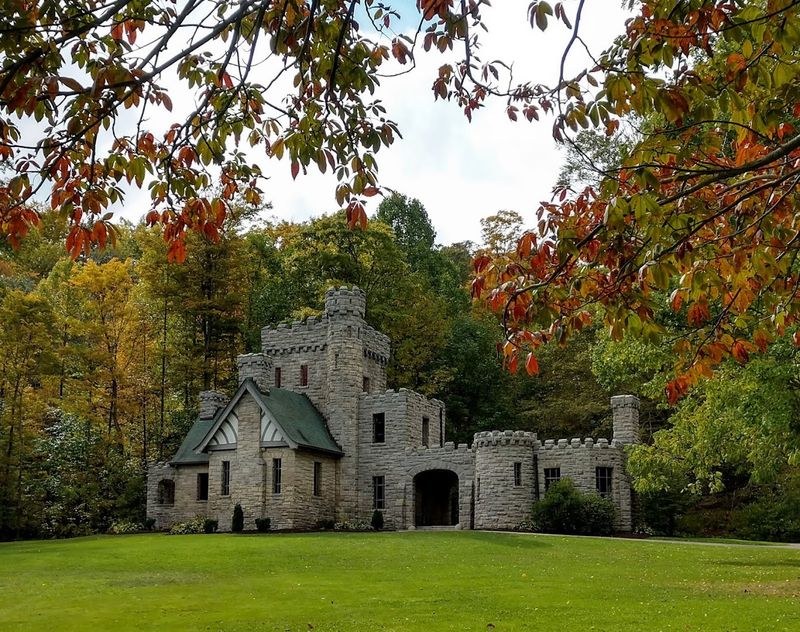
Rising from the woods of the North Chagrin Reservation, this romantic stone structure feels both unfinished and unforgettable. Its turrets and heavy walls suggest a grand medieval retreat, yet the scale and setting make it feel strangely intimate.
That tension is part of what makes Squire’s Castle so easy to remember after a visit.
The building was actually intended as a gatekeeper’s house for Feargus B. Squire, a wealthy Standard Oil executive who envisioned a larger family estate nearby.
Those expansive plans never fully materialized, leaving behind a landmark that carries the mood of an interrupted story. Because the dream remained incomplete, the castle became even more compelling to later generations.
When you walk the grounds, the surrounding forest does a lot of the storytelling. Sunlight filters through branches onto the stone, and the structure can seem cheerful one moment, haunted the next.
Local legends have long added ghostly rumors, but even without them, the place has a natural sense of mystery.
What I like most is how accessible the enchantment feels. You do not need to cross a moat or book an elaborate tour to experience its atmosphere, because the reservation invites casual wandering and quiet reflection.
Families, photographers, hikers, and architecture lovers can all find something different in the same weathered walls.
As an Ohio landmark, Squire’s Castle captures the romance of ambition without pretending to be more complete than it is. The ruin like quality actually sharpens your imagination, encouraging you to picture what might have stood beyond the trees.
In that way, the site becomes more than a relic, becoming a collaboration between history, landscape, and your own curiosity.
3. Piatt Castle Mac-A-Cheek, West Liberty
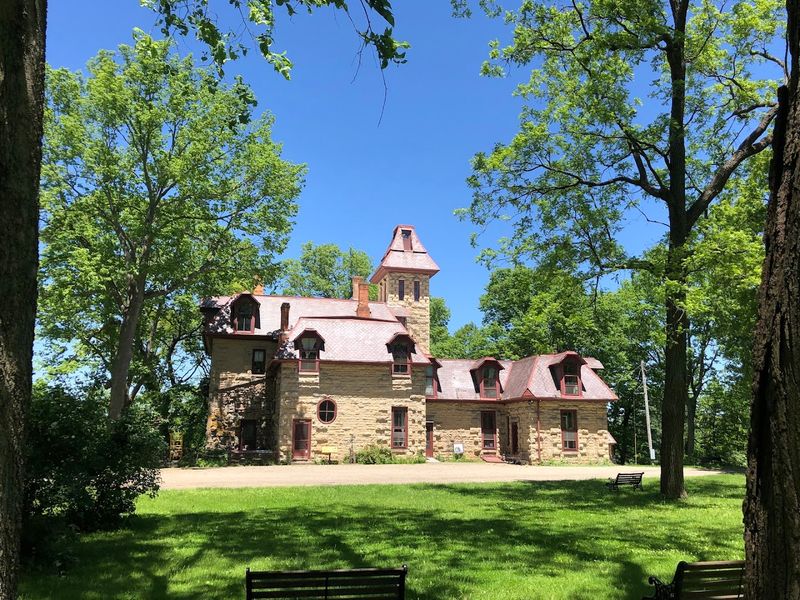
Set amid rolling countryside, this extraordinary home looks like a Victorian fantasy translated into brick, towers, and exuberant ornament. The first impression is playful, but the longer you look, the more intentional the design becomes.
Piatt Castle Mac-A-Cheek balances theatrical beauty with the confidence of a family determined to build something unlike anything around it.
Created by the Piatt family in the late nineteenth century, the house reflects wealth, imagination, and a willingness to borrow from multiple historic styles. Rather than copying one European castle exactly, it assembles turrets, arches, patterned surfaces, and decorative interiors into a uniquely Ohio expression.
That creativity makes the landmark feel deeply personal instead of merely grand.
Inside, rooms often reveal as much about taste and lifestyle as architecture. Murals, carved wood, and vivid design choices suggest a family that wanted domestic space to feel cultivated and memorable.
You can imagine conversations drifting through these halls, where art and architecture were clearly meant to impress guests and delight residents.
The surrounding landscape matters too, because the estate’s rural setting gives the castle room to breathe. Unlike an urban mansion pressed by neighboring buildings, this place rises from open Ohio land with a sense of arrival.
The contrast between refined detail and pastoral quiet helps the whole experience feel slightly unreal, in the best way.
What stays with you is the confidence of the vision. Mac-A-Cheek does not hide its love of romance, display, and historical reference, and that honesty is part of its appeal.
It stands as a reminder that Ohio’s architectural heritage includes not only practical buildings and civic monuments, but also daring homes where fantasy was welcomed through the front door.
4. Glamorgan Castle, Alliance
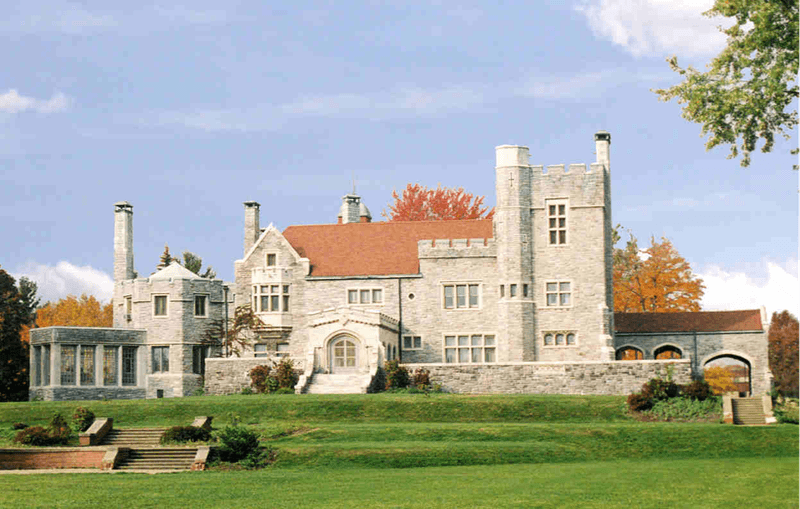
There is something immediately dignified about this stately stone residence, even before you learn who built it and why. Its castle inspired profile gives Alliance a touch of old world drama without losing the grounded confidence of an Ohio landmark.
Glamorgan Castle feels less like a fantasy fortress and more like a noble house designed to project permanence.
The mansion was commissioned by Colonel William Henry Morgan, a businessman whose success in the steel industry made such architectural ambition possible. Built in the early twentieth century, it reflects the era’s fascination with European inspired prestige and carefully crafted domestic grandeur.
Yet it also tells a local story about industrial prosperity and the desire to shape civic identity through architecture.
Visitors often notice the handsome stonework, broad proportions, and formal details that signal status without becoming overly ornate. The interiors, where accessible through programming and events, reinforce that feeling with craftsmanship and elegant finishes.
You get the sense that every room was arranged to support both comfortable living and public impression.
Another layer of interest comes from the castle’s later life as a community asset. Rather than remaining a private symbol of wealth alone, it has served public and educational purposes, allowing more people to form a connection with the building.
That evolution gives it a warmer legacy than many mansions that remained closed behind gates.
If you enjoy landmarks that bridge private ambition and shared history, this one deserves attention. Glamorgan Castle shows how fairytale styling can coexist with the practical narrative of Ohio industry, philanthropy, and civic memory.
By the time you leave, the place feels less like a decorative curiosity and more like a beautifully preserved chapter in the state’s story.
5. Stan Hywet Hall and Gardens, Akron
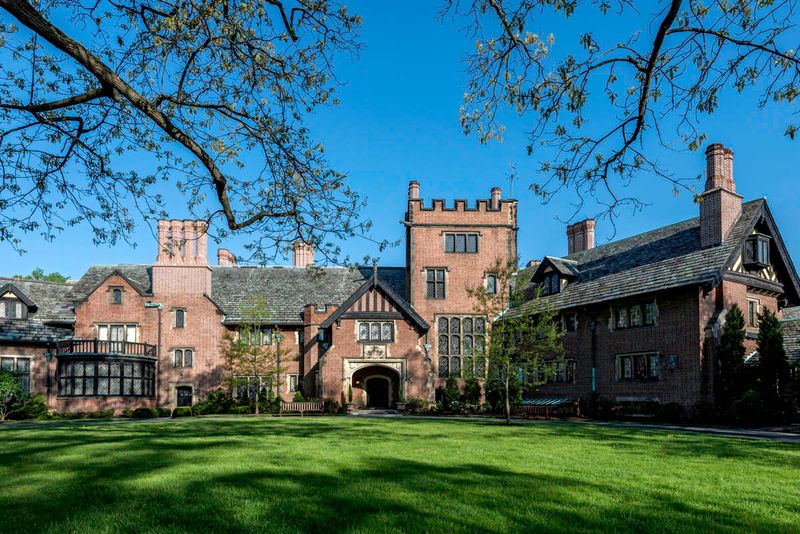
Few places in Ohio deliver grandeur as completely as this vast Tudor Revival estate, where architecture and landscape seem to compete for your attention. From the moment you approach the manor, the scale announces extraordinary wealth, but the craftsmanship keeps it from feeling cold.
Stan Hywet Hall and Gardens is lavish, yes, yet it is also deeply thoughtful and remarkably human in its details.
Built for F. A.
Seiberling, cofounder of the Goodyear Tire and Rubber Company, the home embodies the optimism of early twentieth century industrial success. Its name, derived from Old English words meaning stone quarry, hints at the seriousness behind the project.
This was not just a fashionable mansion, but a carefully realized statement about taste, permanence, and family life.
Inside, carved wood, leaded glass, textiles, and grand circulation spaces create an experience that feels richly layered rather than merely oversized. You can trace how elite households lived, entertained, and expressed status through design.
Every corridor and room seems to remind you that beauty here was meant to be lived with daily, not admired from afar.
The gardens add another dimension, making the estate feel almost cinematic as paths unfold into formal layouts, fountains, and seasonal color. Outdoors, the fairytale effect becomes even stronger, especially when the manor rises behind clipped hedges and mature trees.
It is easy to understand why so many visitors linger longer than planned.
What makes the landmark truly lasting is the way it connects aesthetic pleasure to Ohio history. The house tells a story about Akron’s industrial rise, American domestic ideals, and the preservation of extraordinary craftsmanship.
When you leave Stan Hywet, you do not simply remember a beautiful mansion, because you remember an era when success was translated into artful, enduring space.
6. Landoll’s Mohican Castle, Loudonville
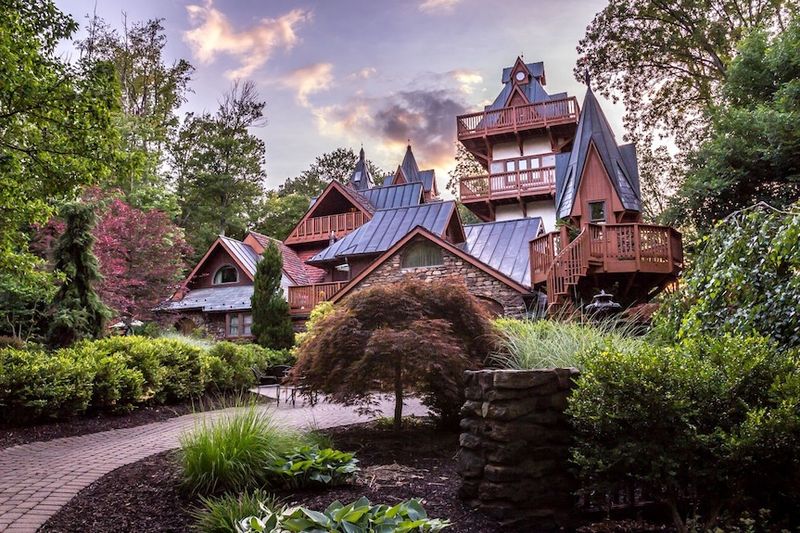
Hidden within the wooded hills near Mohican country, this castle leans fully into romance, retreat, and theatrical atmosphere. The setting is a major part of its appeal, because the surrounding forest makes the stone structure feel discovered rather than merely visited.
Landoll’s Mohican Castle offers the kind of secluded Ohio experience that can make a weekend feel lifted out of ordinary time.
Unlike many historic estates on this list, this landmark is comparatively modern in origin, but that does not lessen its story. It was created with a clear devotion to old world aesthetics, combining castle imagery with hospitality and destination appeal.
The result is a place where you can enjoy fairytale architecture while also recognizing how contemporary Ohio tourism embraces heritage style.
The building’s towers, masonry, and dramatic interiors are designed to create mood from the start. Guests often come for lodging, dining, or special events, which means the architecture is not just observed from a distance but actively experienced.
That immersive quality changes the relationship you have with the place, making it feel less like a monument and more like a temporary home in a fantasy setting.
Its location near Mohican’s natural beauty strengthens the magic. When fog drifts through the trees or evening settles over the grounds, the castle seems to belong completely to the landscape.
You can hike, explore, and then return to an environment that feels intentionally removed from the everyday pace of life.
For travelers who love storybook imagery without sacrificing comfort, this stop has obvious charm. Landoll’s Mohican Castle proves that Ohio’s fairytale architecture is not limited to nineteenth century ambition or inherited wealth.
Sometimes the fascination comes from a newer vision, carefully placed in the right landscape, where imagination and hospitality meet in memorable fashion.
7. Ravenwood Castle, New Plymouth
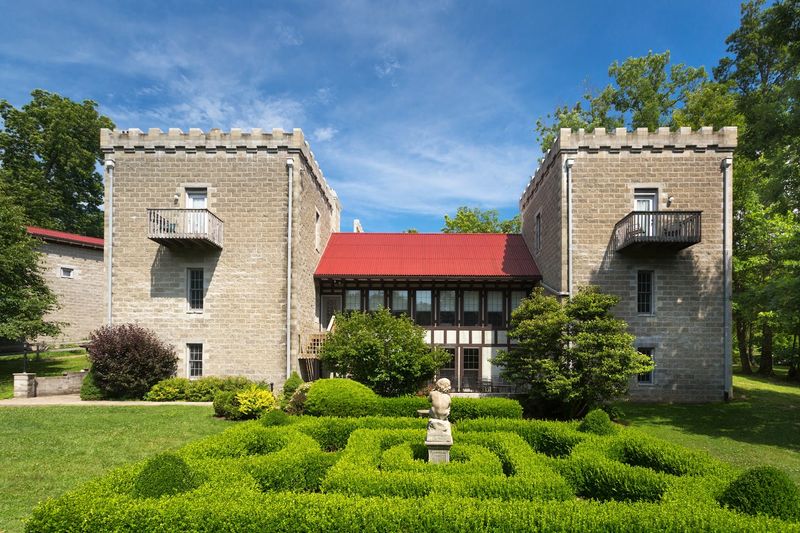
Deep in the Hocking Hills region, this playful castle invites you to enjoy fantasy with a wink and a warm welcome. Its towers, themed rooms, and medieval touches create instant escapism, yet the mood is more inviting than intimidating.
Ravenwood Castle understands that storybook architecture works best when you can actually relax inside it.
This destination functions as an inn and getaway, so its history is tied less to old aristocratic ambition and more to modern hospitality shaped by imagination. That difference gives it a distinct place among Ohio landmarks with castle styling.
Rather than preserving a single family legacy, it creates experiences for travelers who want a memorable setting for weekends, celebrations, and quiet retreats.
The architecture borrows freely from medieval imagery, blending stone, timbered details, pointed forms, and dramatic interiors into a cohesive atmosphere. Because overnight stays are part of the appeal, you engage with the building at a slower pace than you would at a museum.
Morning coffee, evening light, and the hush of nearby woods all become part of the castle story.
The surrounding landscape matters enormously here. Hocking Hills already feels slightly enchanted, with its forests, ravines, and winding roads, so a castle styled retreat seems surprisingly at home.
That natural compatibility helps the property avoid feeling gimmicky, even while it embraces theatrical charm and fantasy themed design.
If you are drawn to places that are unabashedly fun yet carefully realized, this one stands out. Ravenwood Castle shows that Ohio’s fairytale side is not only about inherited grandeur or famous names.
It is also about creating spaces where you can step away from routine, indulge curiosity, and enjoy architecture that knows exactly how to spark your imagination.
8. The Castle Historic House Museum, Marietta
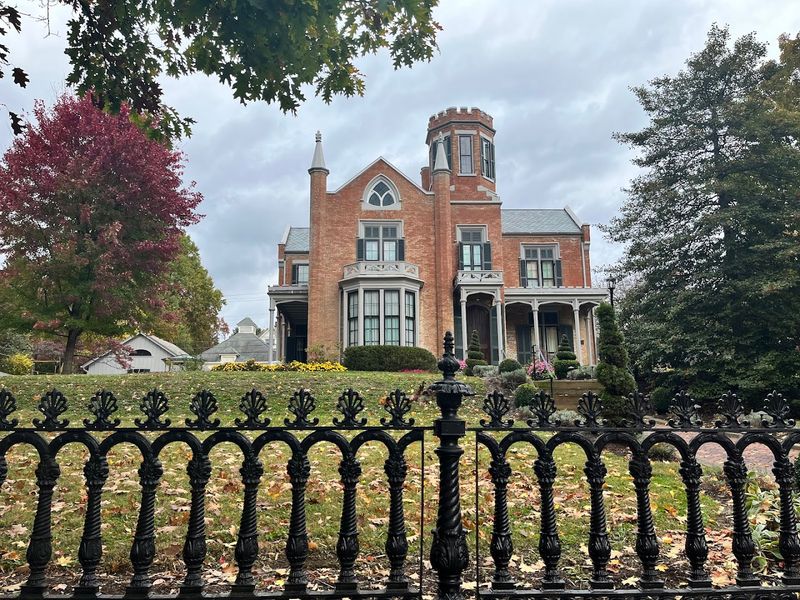
At the edge of Marietta’s historic streetscape, this Gothic Revival residence immediately earns its dramatic name. Pointed gables, patterned surfaces, and a distinctly romantic silhouette give it the look of a refined storybook manor rather than a simple family home.
The Castle Historic House Museum reminds you how powerfully nineteenth century Americans embraced architecture that conveyed mood as much as function.
Built in 1855 for attorney Melvin Clarke and his family, the house reflects both prosperity and an appetite for fashionable design. Gothic Revival style was especially effective at creating atmosphere, and this residence still carries that effect with ease.
Yet beyond the picturesque exterior, the building also opens a window onto domestic life, regional development, and social change in Ohio.
As a museum, it benefits from interpretation that helps rooms feel inhabited rather than frozen. Furnishings, decorative details, and historical context reveal how architecture shaped everyday routines and public image.
You are not simply looking at an attractive shell, because the house invites you to think about the people who filled it with conversation, ritual, and ambition.
Its place in Marietta adds further resonance. As one of Ohio’s oldest cities, Marietta offers a rich historical backdrop, and this landmark fits beautifully within that broader narrative of settlement, growth, and preservation.
The mansion’s fairytale appearance gains depth when you remember it has witnessed generations of local change.
What lingers after a visit is the balance between elegance and accessibility. The Castle is visually striking, but it does not feel remote or untouchable once you learn its stories.
Instead, it becomes one of those rare places where architecture first captures your imagination, then history gives that enchantment a stronger and more lasting foundation.
9. Brumback Library, Van Wert
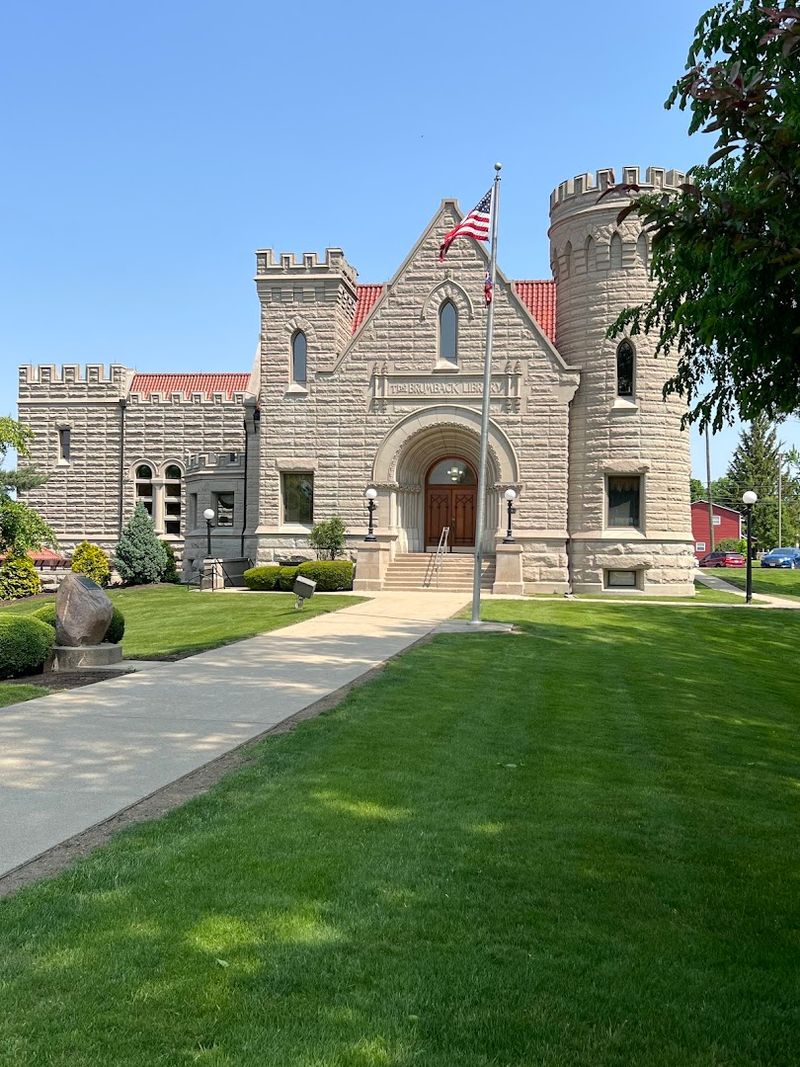
You might not expect a public library to feel like a small civic castle, but this one absolutely does. Its sturdy masonry, towered presence, and dignified design make learning look wonderfully grand.
Brumback Library proves that fairytale architecture in Ohio is not limited to private estates, because public buildings could also be designed to inspire awe.
Opened in 1901, it is often celebrated as the first county library in the United States created to serve an entire county system. That distinction gives the building historical importance well beyond its visual charm.
It stands as a testament to democratic access, civic generosity, and the belief that beautiful architecture belonged in everyday community life.
The exterior combines strength and elegance in a way that makes the library feel enduring rather than ornamental. Stonework, arches, and the overall massing suggest permanence, while the scale remains welcoming enough for a small city setting.
You can easily imagine generations arriving here with notebooks, questions, and the hope of a broader world inside.
What I find especially compelling is the symbolism. A castle like profile usually implies exclusion, defense, or elite status, yet here it shelters books, shared knowledge, and public service.
That reversal gives the building unusual emotional power, turning fantasy architecture into an expression of openness rather than distance.
As you explore Ohio’s more obviously theatrical landmarks, this stop offers a refreshing variation on the theme. Brumback Library may not have sprawling grounds or aristocratic lineage, but it carries a quieter enchantment rooted in purpose.
Its beauty is inseparable from its mission, and that combination makes it one of the state’s most meaningful architectural treasures.
10. The Franklin Castle, Cleveland
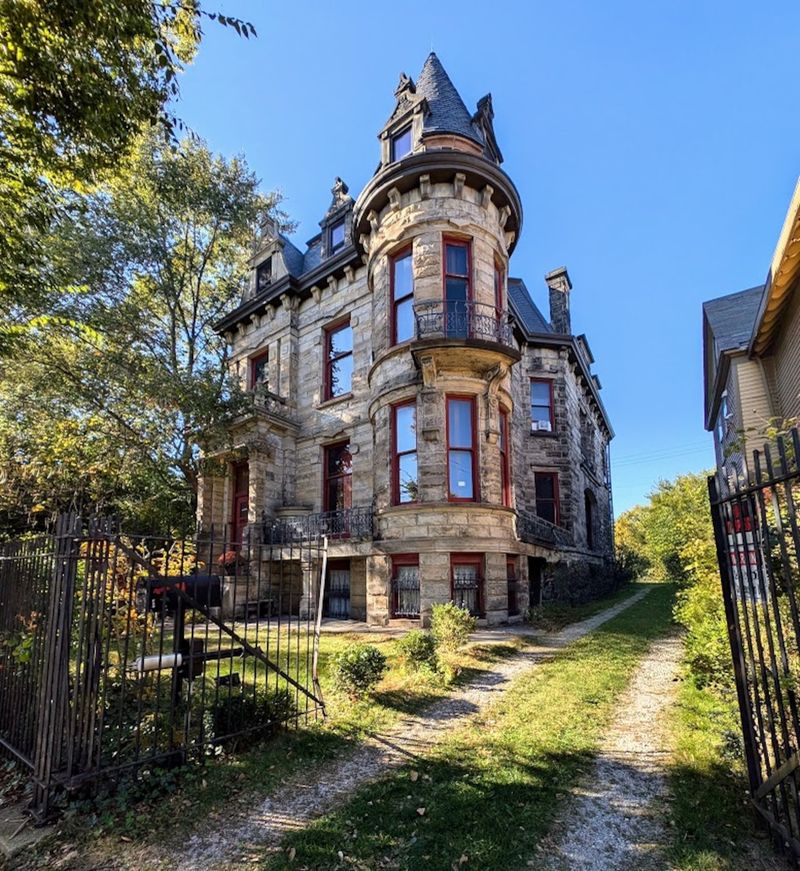
Few Ohio landmarks wear mystery as convincingly as this brooding Victorian mansion in Cleveland. Its turrets, stone walls, and richly textured exterior suggest Gothic fiction before you even hear a single legend.
Franklin Castle has become famous not just for architecture, but for the uneasy fascination that forms when beauty, tragedy, and rumor gather in one place.
Built in the 1880s for German immigrant and businessman Hannes Tiedemann, the house reflected prosperity and a desire for impressive domestic display. Over time, family losses and later stories fed the building’s haunted reputation, sometimes overshadowing its architectural significance.
Yet if you look beyond sensational tales, the mansion remains a remarkable example of ambitious urban residential design.
The exterior is especially striking because it feels both ornate and severe. Arches, carved details, and strong vertical elements give the facade a dramatic rhythm, while the heavy materials root it firmly within the city.
Even among Cleveland’s historic architecture, it stands apart with a silhouette that seems made for shadows and speculation.
Part of the landmark’s appeal is how it continues to evolve in public imagination. Preservation efforts, private ownership changes, and periodic media attention have kept it in conversation for decades.
That ongoing visibility means the house is not just a relic of the nineteenth century, but an active participant in Ohio’s culture of urban legend and architectural curiosity.
If you are drawn to places where facts and folklore overlap, this mansion is hard to ignore. Franklin Castle rewards attention whether you care most about craftsmanship, immigration history, Gilded Age ambition, or ghostly reputation.
In the end, its greatest power may be that it leaves you wondering how much of a building’s story comes from stone, and how much comes from the people who keep telling it.
11. Ohio State Reformatory, Mansfield
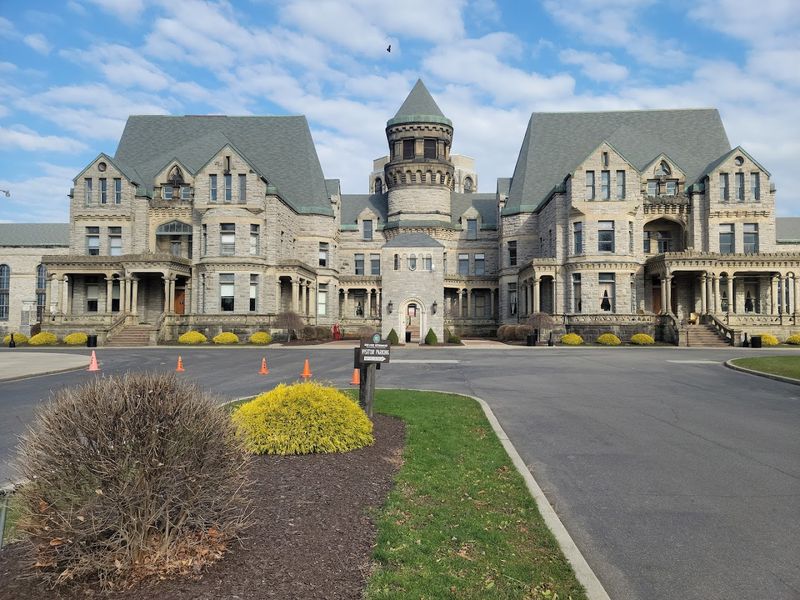
At first glance, this enormous prison can look more like a European castle or cathedral than a correctional institution. Towers, arches, and monumental stonework create a skyline so dramatic that it almost feels unreal against Ohio clouds.
The Ohio State Reformatory is beautiful in a severe way, and that beauty makes its history even more unsettling.
Completed in the late nineteenth century, the building was designed with reform minded ideals that linked architecture to moral improvement. Early plans imagined that inspiring surroundings might encourage rehabilitation, which helps explain the grandeur of the facade and public spaces.
That hopeful philosophy eventually collided with overcrowding and harsher realities, giving the site a layered and sobering story.
Walking through or even viewing the structure, you can sense those contradictions everywhere. The exterior promises dignity and aspiration, while the interior history speaks of confinement, discipline, and suffering.
This contrast is what makes the reformatory such a compelling landmark, because it forces you to confront how architecture can express ideals that human systems fail to uphold.
The building gained additional fame through film, especially for its unforgettable appearance in The Shawshank Redemption. Popular culture brought new audiences, but the site’s significance extends far beyond cinematic recognition.
Preservation efforts have helped transform it into a place of tours, reflection, and continued engagement with difficult history.
Among Ohio’s fairytale looking landmarks, this is the one that most sharply challenges the idea of enchantment. The Ohio State Reformatory shows how grandeur can mask pain, and how a magnificent design can carry deeply complicated meanings.
You leave impressed by the architecture, but also reminded that history often lives in spaces where beauty and hardship stand side by side.
12. GreatStone Castle, Sidney
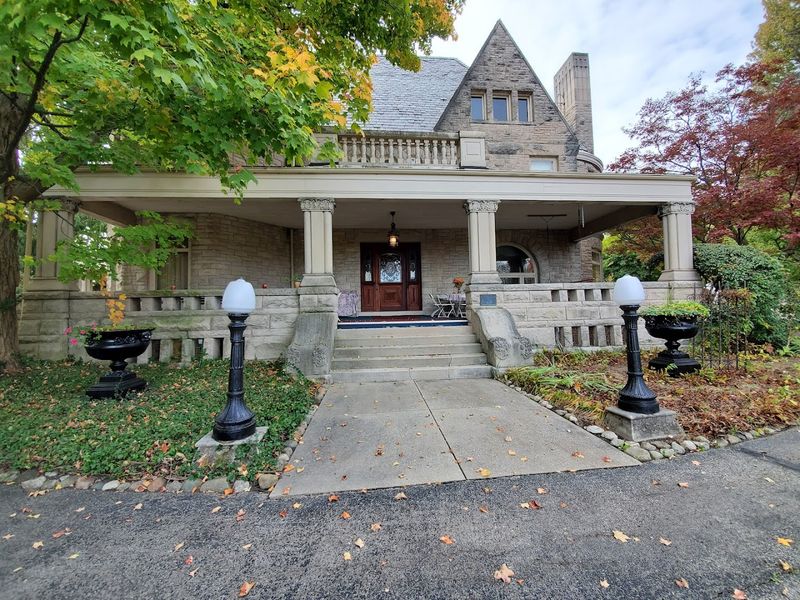
Built from impressive stone and shaped with unmistakable confidence, this Sidney landmark lives up to its name. The structure has the presence of a private castle, but it also reflects the disciplined elegance of an early twentieth century estate.
GreatStone Castle captures the moment when wealth, craftsmanship, and European inspired prestige came together in a distinctly Ohio setting.
Constructed for banker C. E.
Berry, the residence announced success through scale, material, and refined design choices rather than flamboyant excess alone. Its architecture suggests security and permanence, qualities especially resonant for a home linked to financial influence.
At the same time, the castle styling softens that message with romance, making the building feel aspirational as well as formidable.
The stone exterior is the obvious star, giving the house a sculptural weight that changes beautifully with weather and light. Depending on the season, it can appear stately, welcoming, or almost cinematic against the surrounding grounds.
That visual versatility is one reason the building continues to attract attention from visitors and event goers.
Its continued use for gatherings and special occasions adds a living dimension to the site. Rather than remaining a sealed relic of private privilege, the property has found ways to welcome contemporary audiences into its historic atmosphere.
That kind of adaptive relevance often determines whether a landmark feels merely preserved or truly alive.
What makes GreatStone Castle memorable is how clearly it communicates ambition without losing grace. You can admire the building as an object of beauty, but you can also read it as a story about local prosperity, taste, and the desire to create something enduring.
In a state full of surprising architectural treasures, this one stands firmly and beautifully among them.
13. Elsinore Arch, Cincinnati
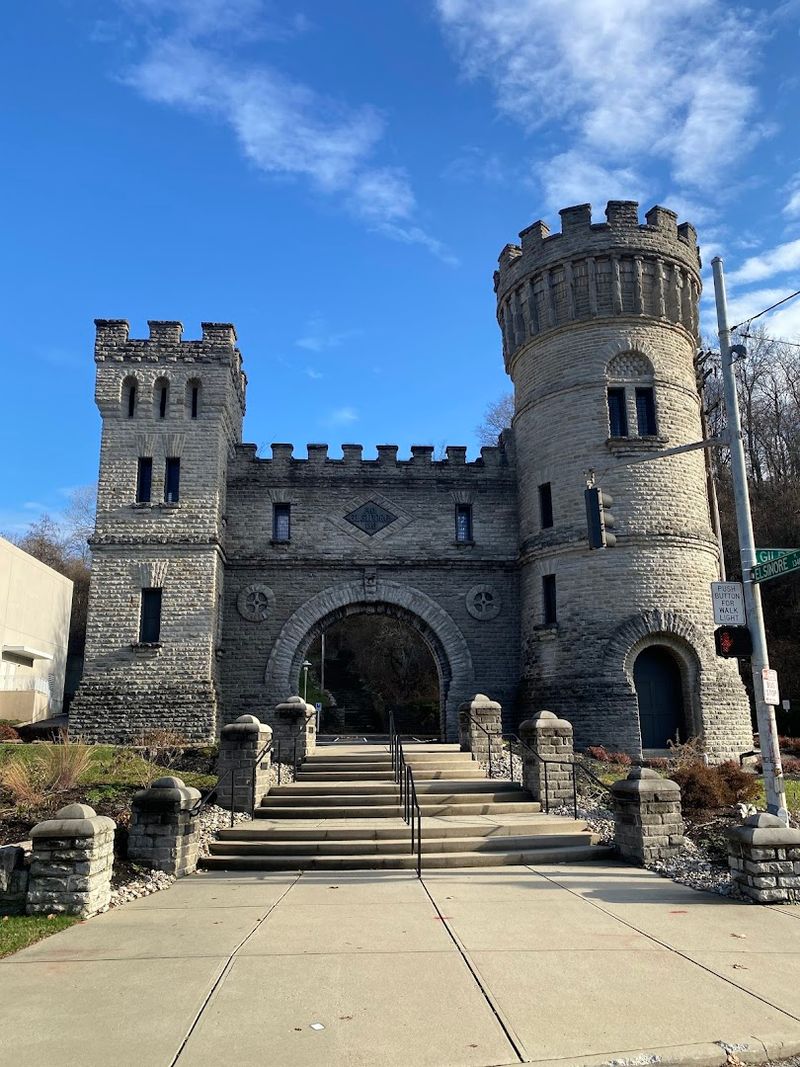
Perched above a Cincinnati hillside approach, this whimsical archway delivers fairytale drama in compact form. Twin turreted elements and a picturesque passage create the impression that you are entering a hidden district of an old European city.
Elsinore Arch may be smaller than Ohio’s castles and manor houses, but it makes a remarkably strong architectural impression.
Built in the 1880s as a ventilating station for the city’s reservoirs, the structure shows how utility and imagination once worked together in public design. Its name and styling were inspired by Shakespeare’s Hamlet and the legendary Danish castle of Elsinore.
That literary connection gives the landmark a wonderfully theatrical identity, especially in an urban environment where such fantasy appears unexpectedly.
What makes the arch so appealing is its sheer charm. It performs a practical historical function in the city’s infrastructure story, yet it was dressed in turrets and decorative masonry that transformed necessity into civic art.
You can sense a period when even service buildings were expected to contribute beauty and character to public space.
The Cincinnati setting enhances that magic. Because the city is famous for hills, overlooks, and layered historic neighborhoods, the arch feels like a perfect punctuation mark within a dramatic landscape.
It invites photographers, walkers, and architecture lovers to pause and appreciate how even a brief encounter can reshape your sense of a place.
As the final stop on this Ohio list, Elsinore Arch is a reminder that enchantment does not always require vast estates or sprawling grounds. Sometimes all it takes is a cleverly designed urban gateway with a literary soul and a memorable silhouette.
You leave appreciating not only its beauty, but also the civic imagination that made something functional feel delightfully fantastical.
Share this story