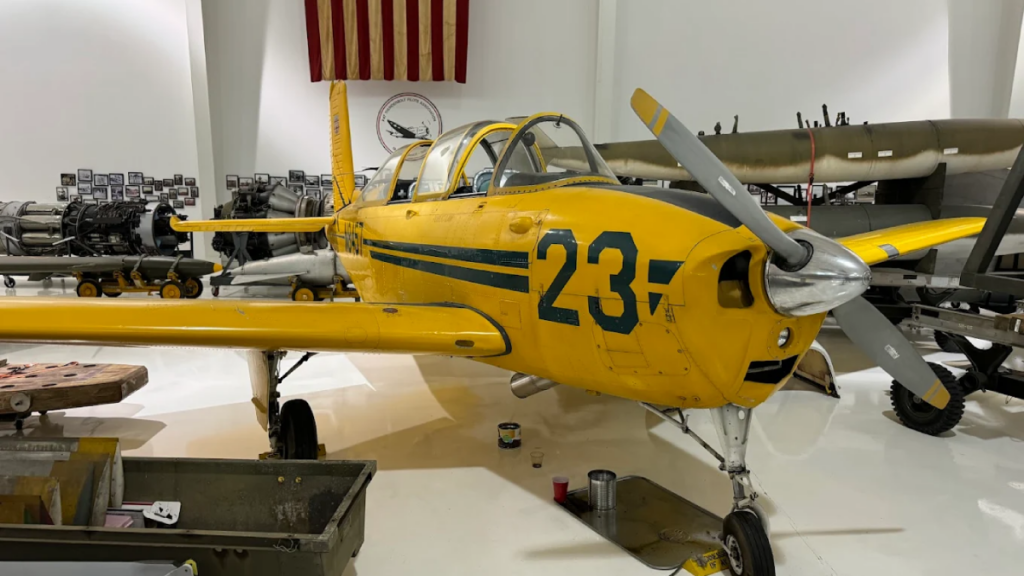
Tucked away in Sevierville sits a hangar full of history that most travelers zoom right past on their way to Dollywood. The Tennessee Museum of Aviation houses an impressive collection of military aircraft, vintage gear, and unexpected treasures that tell the story of flight from World War I to modern times.
Whether you’re a hardcore aviation buff or just looking for something different to do near the Smokies, this under-the-radar museum delivers way more than you’d expect from a small-town attraction.
This Hidden Sevierville Museum Is A Treat For Aviation Fans
Most folks driving through Sevierville have their sights set on Pigeon Forge or Gatlinburg, which means they miss one of East Tennessee’s coolest hidden gems. The Tennessee Museum of Aviation sits just off the main drag at 135 Air Museum Way, quietly preserving decades of flight history without the crowds you’d find at more famous attractions. It’s been here for over 20 years, yet plenty of locals still don’t know it exists.
Walking up to the hangar feels like stumbling onto something special that wasn’t meant to be advertised. There’s no giant billboard or flashy entrance, just a clean facility that takes its mission seriously. The staff greets visitors like old friends, and you can tell right away this place runs on genuine passion rather than tourist dollars.
Aviation enthusiasts will recognize immediately that this isn’t some dusty collection of random parts. The museum carefully curates its displays to tell coherent stories about military aviation history, Tennessee’s role in flight development, and the people who risked everything in the cockpit. Each aircraft gets proper context, not just a name plate.
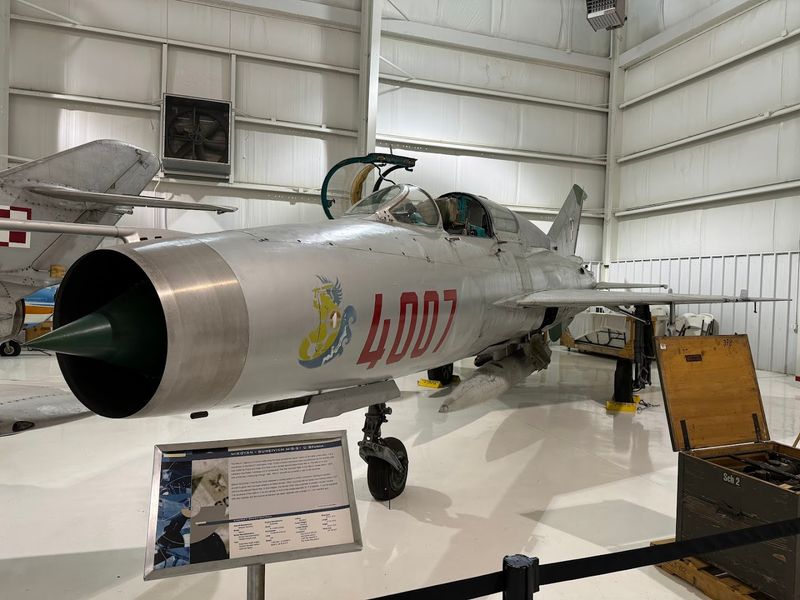
Even if you’ve never given much thought to planes, the sheer scale of seeing a MiG fighter jet up close tends to change perspectives. The museum makes aviation accessible without dumbing it down, striking that rare balance between educational and entertaining. Kids who think they’ll be bored often end up asking a hundred questions.
The admission price won’t break your vacation budget either. Tennessee residents get discounts, military families get special rates, and coupon books floating around the Smokies often include deals. For what you get to see and learn, it’s honestly one of the better values in the area.
What Makes The Tennessee Museum Of Aviation Worth Visiting
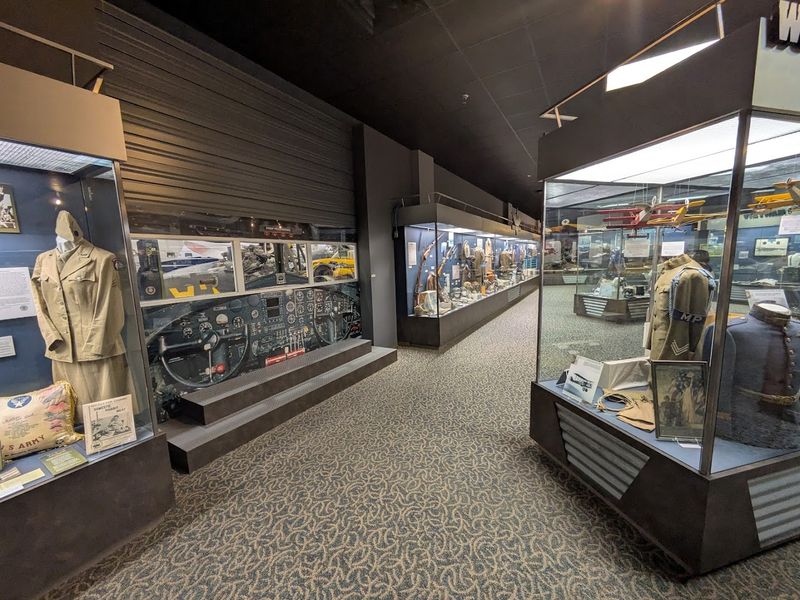
Before you even reach the main hangar, the museum pulls you into aviation history through a thoughtfully designed gallery space. Display cases line the walls, filled with original pilot gear, military uniforms spanning different eras, and artifacts that bring abstract history into sharp focus. These aren’t random trinkets tossed behind glass; each item connects to a larger narrative about courage, innovation, and sacrifice.
The layout guides you chronologically through aviation’s evolution, starting with early flight pioneers and moving through both World Wars, Korea, Vietnam, and beyond. You’ll find yourself reading placards you’d normally skip because the stories actually grab your attention. One minute you’re looking at a leather flight jacket, the next you’re absorbed in the tale of the pilot who wore it into combat.
What separates this museum from others is the staff’s willingness to share knowledge without being pushy. Volunteers and employees genuinely love talking about the collection, and they remember that not everyone speaks fluent aviation. They’ll meet you at your knowledge level, whether you’re a casual visitor or someone who can debate engine specifications.
The museum also surprises visitors with its breadth beyond just aircraft. Military vehicles, including vintage Jeeps and classic cars, pop up throughout the space. Some visitors find this random, but it actually reinforces how aviation development connected to broader military and technological progress.
Everything serves a purpose in the overall story.
Rare Warbirds Are The Main Attraction Here
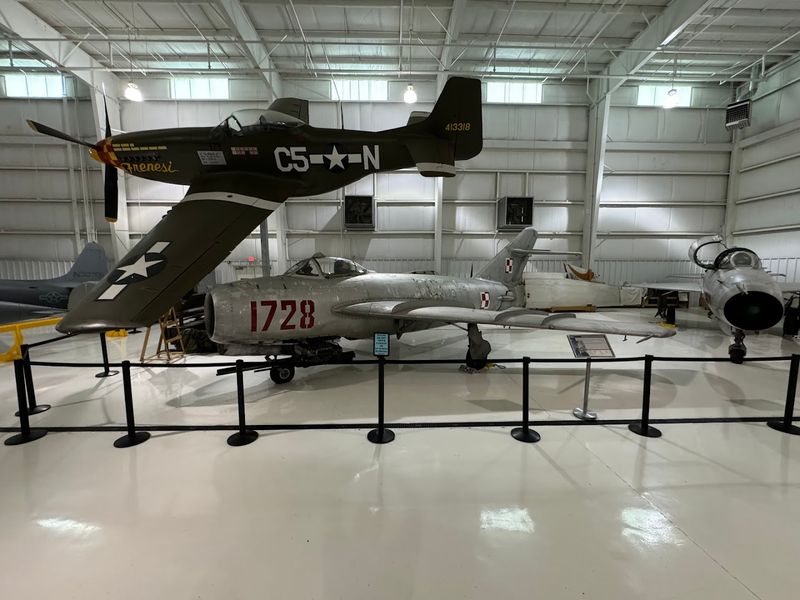
Step into the main hangar and you’re immediately face-to-face with machines that once screamed through combat skies. The Tennessee Museum of Aviation houses several MiG fighter jets, which you don’t see every day at American museums. These Soviet-designed aircraft represent the other side of Cold War conflicts, and standing beneath one makes you appreciate the engineering prowess that went into creating these formidable machines.
World War II aircraft get prominent placement, including replica planes built to the exact specifications of the originals. While purists might prefer all-original equipment, these reproductions let the museum display aircraft that would otherwise be impossible to acquire or maintain. The craftsmanship on these replicas deserves recognition in its own right.
What makes these warbirds special isn’t just their rarity but their condition and presentation. The museum staff maintains these aircraft meticulously, keeping them looking flight-ready even when they’re permanently grounded. Placards explain each plane’s service history, technical specifications, and the role it played in military operations.
You learn not just what these aircraft were, but what they did and why they mattered.
Some of the planes still run, which occasionally leads to live demonstrations that thrill visitors lucky enough to catch them. Hearing a vintage aircraft engine fire up in an enclosed hangar creates a visceral experience no video can replicate. The sound, the smell of fuel and oil, the vibration through the floor—it all combines to transport you back to when these machines were cutting-edge technology.
Historic Artifacts Bring Tennessee’s Aviation Story To Life
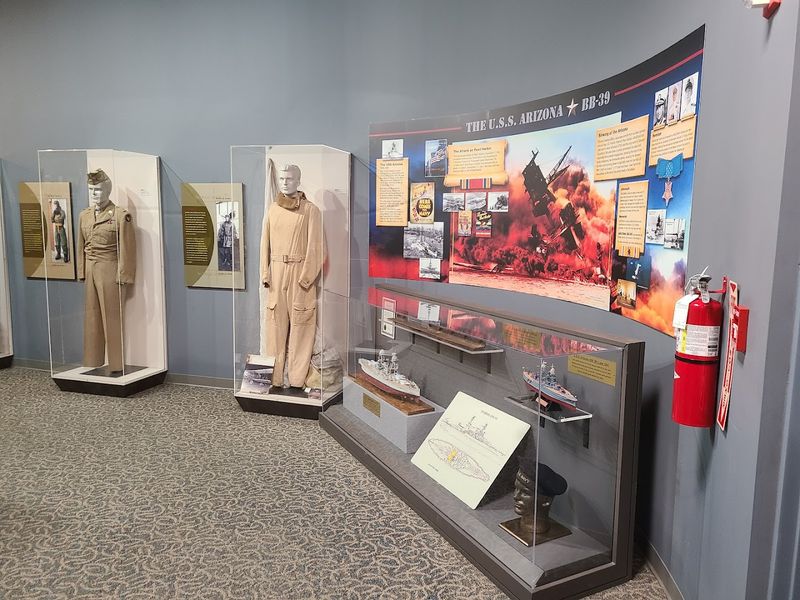
Tennessee played a bigger role in aviation history than most people realize, and this museum documents that contribution through carefully preserved artifacts. Flight suits worn by Tennessee pilots hang alongside medals earned in combat, creating personal connections to broader historical events. These items transform abstract war stories into human experiences you can almost touch.
The artifact collection spans multiple conflicts and eras, showing how aviation technology and pilot equipment evolved dramatically over just a few decades. Comparing a World War I leather flight cap to a Vietnam-era helmet illustrates how rapidly aviation advanced and how pilots’ survival increasingly depended on better protective gear. Each generation faced different dangers that required different solutions.
Original documents, photographs, and personal effects add layers of context to the hardware on display. Letters home from pilots, mission logs, and training manuals reveal the human side of military aviation. These paper trails matter because they preserve voices and perspectives that might otherwise be lost to time.
Engine displays deserve special mention—the museum has sectioned jet engines that show internal components normally hidden from view. For anyone who’s ever wondered how a jet engine actually works, seeing one cut apart and labeled beats any textbook explanation.
The museum also preserves artifacts specific to Tennessee’s aviation facilities and training programs. Items from local air bases and flight schools document how the state contributed to America’s air power development. This regional focus gives the collection a unique angle you won’t find at larger national museums that take a broader approach.
Even small details get attention—patches, insignia, tools, and equipment that might seem insignificant individually combine to paint a complete picture of aviation life. The museum’s commitment to preserving these “minor” artifacts shows respect for history’s full complexity.
The Museum’s Location Makes It An Easy Smoky Mountain Stop

Sevierville sits at the gateway to the Smokies, which means you’re probably driving right past the museum anyway if you’re headed to the national park or nearby attractions. The location at 135 Air Museum Way puts it just minutes from the main tourist corridor without being buried in the traffic chaos of Pigeon Forge. You can easily swing by without adding significant time or mileage to your vacation itinerary.
Parking is plentiful and free, which immediately sets it apart from many Smoky Mountain area attractions where you’re hunting for spots or paying premium rates. The lot handles RVs and larger vehicles without issue, making it accessible for families traveling in bigger rigs. Getting in and out is straightforward, with none of the parking lot gymnastics some tourist spots require.
The museum’s proximity to other Sevierville attractions means you can build it into a day of exploring without backtracking. Dollywood, the Titanic Museum, and various outdoor adventure companies all sit within a short drive. This makes the aviation museum a perfect way to break up a day or add educational content to a trip that might otherwise be all roller coasters and outlet shopping.
For visitors staying in Gatlinburg or Pigeon Forge, Sevierville represents the “quiet” part of the tourist triangle. Stopping here gives you a breather from the more intense commercial atmosphere while still offering quality entertainment. The museum’s calm, focused environment feels like a palate cleanser between more crowded attractions.
Weather doesn’t matter much since everything worth seeing sits indoors. Rainy days that ruin hiking plans become perfect museum days. The climate-controlled environment keeps you comfortable regardless of whether it’s sweltering summer heat or winter cold outside.
Operating hours run Tuesday through Saturday from 10 AM to 6 PM, giving you a decent window to visit without requiring crack-of-dawn planning.
What Visitors Can Expect Inside The Museum
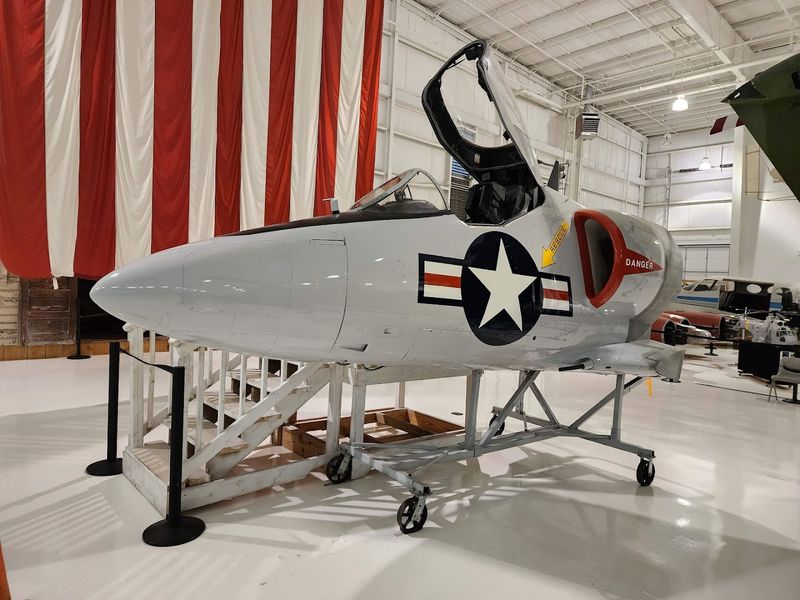
Plan to spend at least 90 minutes if you actually want to read the information and appreciate what you’re seeing. Rushing through defeats the purpose—this isn’t a quick photo-op spot but a genuine learning experience. Visitors who give themselves time consistently report being glad they didn’t rush, as there’s more depth here than the museum’s modest size might suggest.
Kids get more out of this than many parents expect, especially if they have even a passing interest in planes or military history. The museum occasionally allows children to sit in certain aircraft cockpits, which transforms the visit from “looking at old planes” to an unforgettable hands-on memory. Staff members go out of their way to engage young visitors, answering questions patiently and sharing details that spark curiosity.
The gift shop stocks reasonably priced merchandise, which visitors mention frequently in reviews as refreshingly affordable compared to most tourist trap shops. Aviation-themed items, books, models, and apparel give you options beyond the usual generic souvenirs. Supporting the museum through gift shop purchases feels good when you can see the care they put into the facility.
Accessibility is solid for a smaller museum. The facility accommodates wheelchairs and mobility devices, though the vintage aircraft obviously can’t be modified for universal access. Staff members help ensure everyone can experience as much of the collection as possible, regardless of physical limitations.
The overall vibe stays relaxed and welcoming rather than stuffy or overly formal. This isn’t a museum where you feel watched or worried about breaking invisible rules. The staff wants you to enjoy yourself and learn something, not tiptoe around feeling anxious.
Why This Underrated Aviation Museum Deserves A Spot On Your Tennessee Itinerary
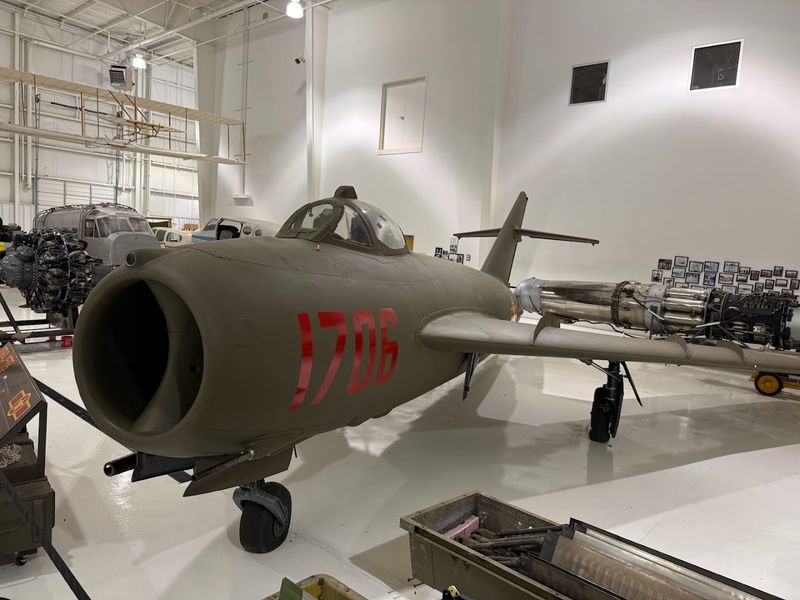
East Tennessee overflows with tourist attractions competing for your time and money, yet this museum remains surprisingly overlooked despite offering better value than many heavily advertised alternatives. The combination of rare aircraft, knowledgeable staff, reasonable admission prices, and genuine historical significance creates an experience that punches well above its weight class. Visitors consistently rate it highly not because it’s flashy, but because it delivers authentic quality.
The museum fills a specific niche that the Smokies region otherwise lacks. You can find a dozen moonshine distilleries and countless pancake houses, but where else can you stand next to a Soviet MiG fighter or examine World War II pilot gear up close? This uniqueness matters when you’re trying to create a memorable trip rather than just checking generic boxes.
For military families and veterans, the museum provides a meaningful connection to service history. The respectful treatment of military aviation heritage resonates with those who understand the sacrifices represented by these aircraft and artifacts. It’s a place that honors service without being preachy or commercial about it.
Educational value extends beyond just military history into engineering, physics, and technological innovation. Parents homeschooling or supplementing their kids’ education find the museum offers hands-on learning that textbooks can’t match. Seeing how aviation technology evolved illustrates broader lessons about problem-solving, innovation, and human ingenuity.
The museum’s longevity—over two decades in operation—speaks to its sustainability and community support. This isn’t some fly-by-night tourist trap that’ll vanish next season. The facility’s immaculate condition and constantly maintained exhibits show ongoing investment and care.
Supporting institutions like this helps preserve important history for future generations.
Bottom line: if you’re spending any time in the Sevierville-Pigeon Forge-Gatlinburg area and have even a mild interest in aviation, history, or military service, skipping this museum means missing one of the region’s genuine treasures. It deserves recognition alongside the area’s more famous attractions.