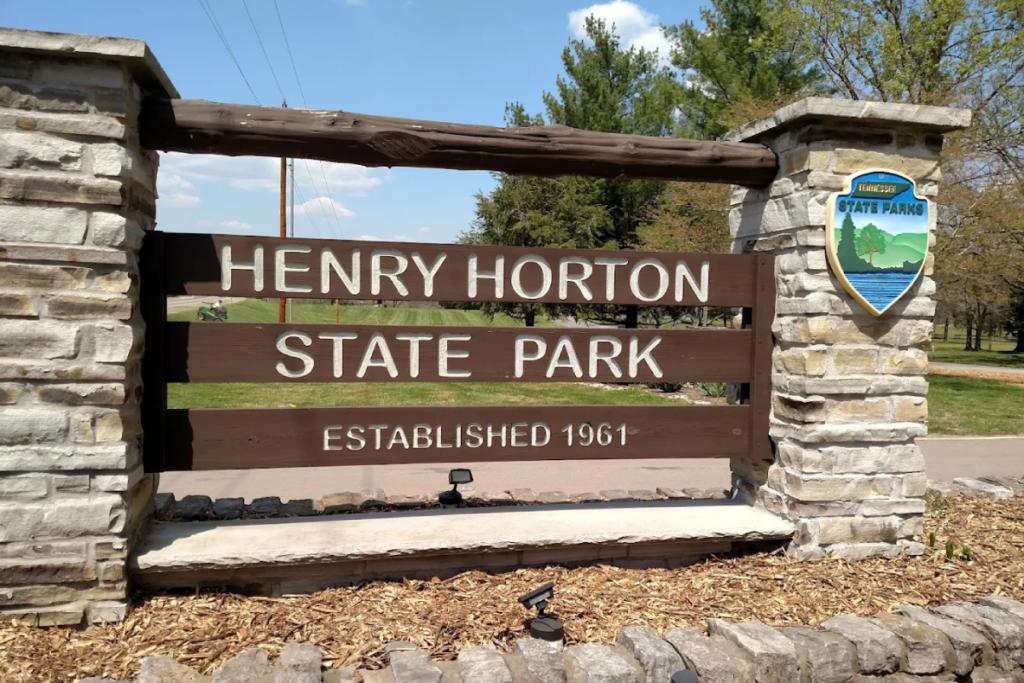
Henry Horton State Park has been sitting quietly along the Duck River in Chapel Hill for decades, and somehow it managed to stay off most Nashville travelers’ radar. But that’s changing fast.
Word is spreading about this peaceful retreat that offers everything from riverside trails to cozy cabins, all without the crowds you’ll find at more popular Tennessee parks, and locals are finally catching on to what they’ve been missing.
A Quiet Middle Tennessee Escape Locals Are Finally Talking About
For years, Henry Horton State Park has been that place locals drive past on Highway 31A without giving it much thought. Sandwiched between Nashville and Columbia, it never screamed for attention like the Smokies or Fall Creek Falls. But recently, something shifted.
Tennesseans who are tired of fighting for parking spots at overcrowded trails started whispering about this gem. Families discovered they could book a cabin without waiting months in advance. Weekend warriors realized they could hit the trails without dodging selfie sticks every five minutes.
The park sits on over 1,000 acres along the Duck River, offering a surprising mix of activities that most people don’t associate with state parks. Sure, there are hiking trails and campsites, but there’s also an 18-hole golf course, a shooting range, disc golf, and a full-service restaurant with a bar. It’s the kind of place where your outdoorsy friend and your golf-loving uncle can both find their happy place.
What really sets Henry Horton apart is its laid-back vibe. Rangers here are genuinely friendly, not just going through the motions. The facilities are well-maintained without feeling overly manicured.
Clean bathrooms and showers might not sound exciting, but ask anyone who’s camped at a neglected state park and they’ll tell you it matters.
The accommodations range from primitive tent sites to modern cabins stocked with kitchen gear and linens. There’s even a renovated lodge if you want four walls and room service. This variety means you can ease into outdoor life without committing to full wilderness mode.
Chapel Hill itself is tiny, so don’t expect bustling nightlife or trendy coffee shops. That’s exactly the point. Henry Horton delivers genuine escape without requiring a full tank of gas or a weekend commitment.
Just 45 minutes from Nashville’s chaos, and suddenly you’re somewhere that actually feels different.
Why Henry Horton State Park Feels Like a Hidden Gem Near Nashville
Most Nashville day-trippers default to the same handful of spots. Radnor Lake gets mobbed on nice weekends. Percy Warner Park’s parking lots overflow by 9 AM.
Meanwhile, Henry Horton sits just down the road with plenty of elbow room and hardly anyone knows about it.
The “hidden gem” label gets thrown around too much, but it actually fits here. This park offers serious amenities without the tourist circus. You won’t find gift shops selling overpriced souvenirs or tour buses unloading Instagram influencers.
What you will find is genuine Middle Tennessee nature with enough activities to keep everyone entertained.
Part of what makes Henry Horton special is its layout. The park spreads out enough that even on busy weekends, it never feels packed. Campers stay tucked in wooded sites across the highway from the main park area.
Golfers stick to their course. Hikers disappear into the trails. Everyone gets their own slice of peace.
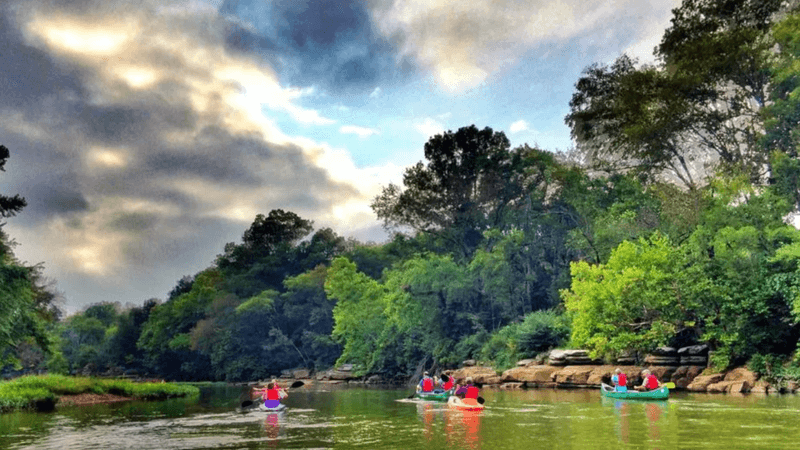
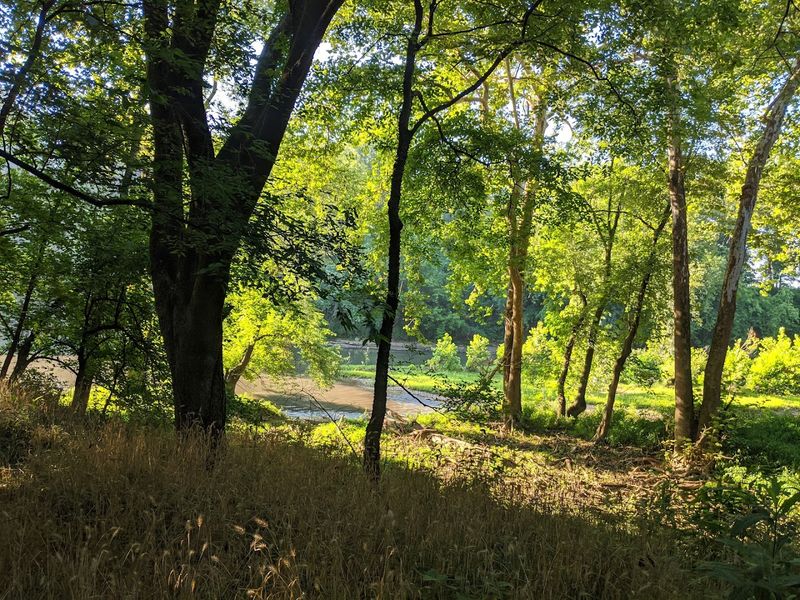
The Duck River adds serious visual appeal. This isn’t some muddy creek; it’s a legitimate waterway that supports incredible biodiversity. Kayakers love the one-way float that ends with a three-mile hike back to vehicles.
Anglers find quiet spots along the banks. Bird watchers set up near the wetlands observation tower and lose track of time.
Unlike parks that cater exclusively to hardcore outdoors enthusiasts, Henry Horton welcomes casual visitors. You can show up for a picnic lunch, take a short walk, and leave satisfied. Or you can pack in for a long weekend of camping, hiking, and exploring.
The park doesn’t judge your commitment level.
Accessibility is another quiet strength. The staff provides all-terrain wheelchairs at no cost, making trails available to visitors who’d otherwise miss out. Little touches like this reveal a park that actually cares about serving everyone, not just the typical camping crowd.
That’s increasingly rare.
The Duck River Is the Park’s Scenic Showstopper
Rivers have personalities, and the Duck River at Henry Horton is the calm, dependable type. It winds through the park with none of the drama of whitewater rapids or the sluggishness of stagnant backwaters. Just steady, clear flow that’s been shaping this landscape for thousands of years.
This section of the Duck River ranks among Tennessee’s most biologically diverse waterways. Over 50 species of freshwater mussels live here, along with fish you won’t find in many other places. You don’t need to be a biologist to appreciate what that means: healthy water, thriving ecosystems, and scenery that feels genuinely wild despite being so close to civilization.
Kayaking here is straightforward and rewarding. The park offers a popular one-way float that takes paddlers downstream for a few miles before requiring a three-mile hike back to the starting point. It’s not an extreme adventure, but it’s real river time without shuttle logistics or crowded put-ins.
The water moves at a pace that lets you actually look around and enjoy the ride.
Fishing brings its own rewards. Bass, catfish, and panfish inhabit these waters, and you’ll often have long stretches of riverbank to yourself. Families come here to teach kids how to cast without worrying about tangled lines hitting other anglers.
It’s the kind of low-pressure fishing that’s becoming harder to find near major cities.
The wetlands area deserves special mention. An observation tower gives you a bird’s-eye view of marsh grasses, water birds, and the river’s quieter backwaters. Early morning visits reveal mist rising off the water while herons pick their way through the shallows.
It’s the Instagram shot people actually want to see, but somehow this spot stays under the radar.
Walking the river trail means constant water views without the repetitive scenery that plagues some waterside paths. The Duck curves and changes character, keeping things visually interesting for the full loop.
Easy Trails, River Views, and a Touch of Local History
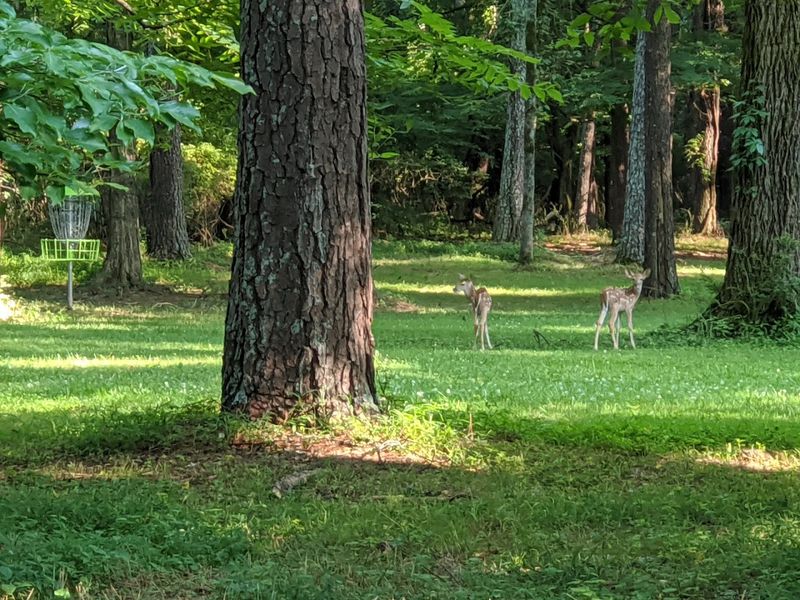
Henry Horton’s trail system won’t challenge experienced hikers, and that’s perfectly fine. These are the trails you take when you want to walk and talk, not gasp for air on steep climbs. Mostly flat, clearly marked, and ranging from short loops to longer explorations, they deliver exactly what casual hikers need.
The Inner Loop Trail makes a great starting point. It circles through wooded areas near the campground, giving you a taste of the park’s character without major commitment. Families with young kids knock this out easily, and it’s gentle enough that you can focus on spotting deer or identifying trees instead of watching your footing constantly.
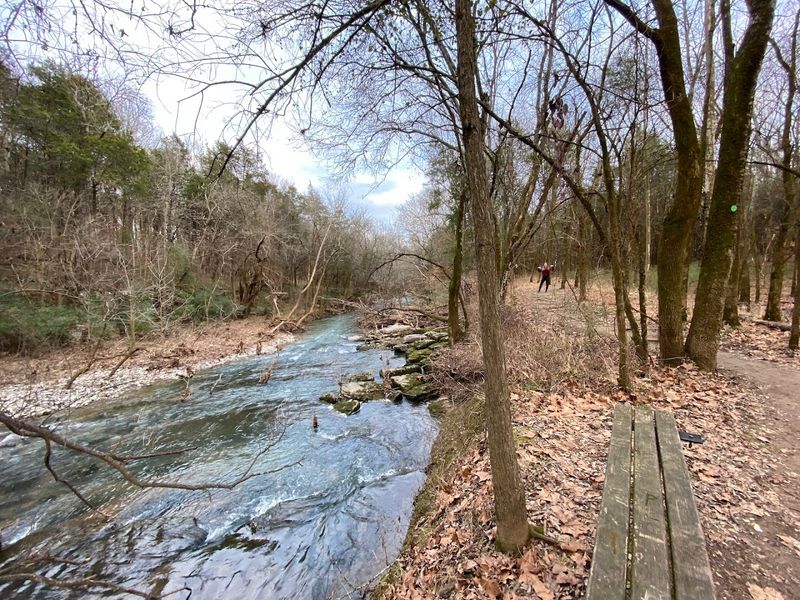
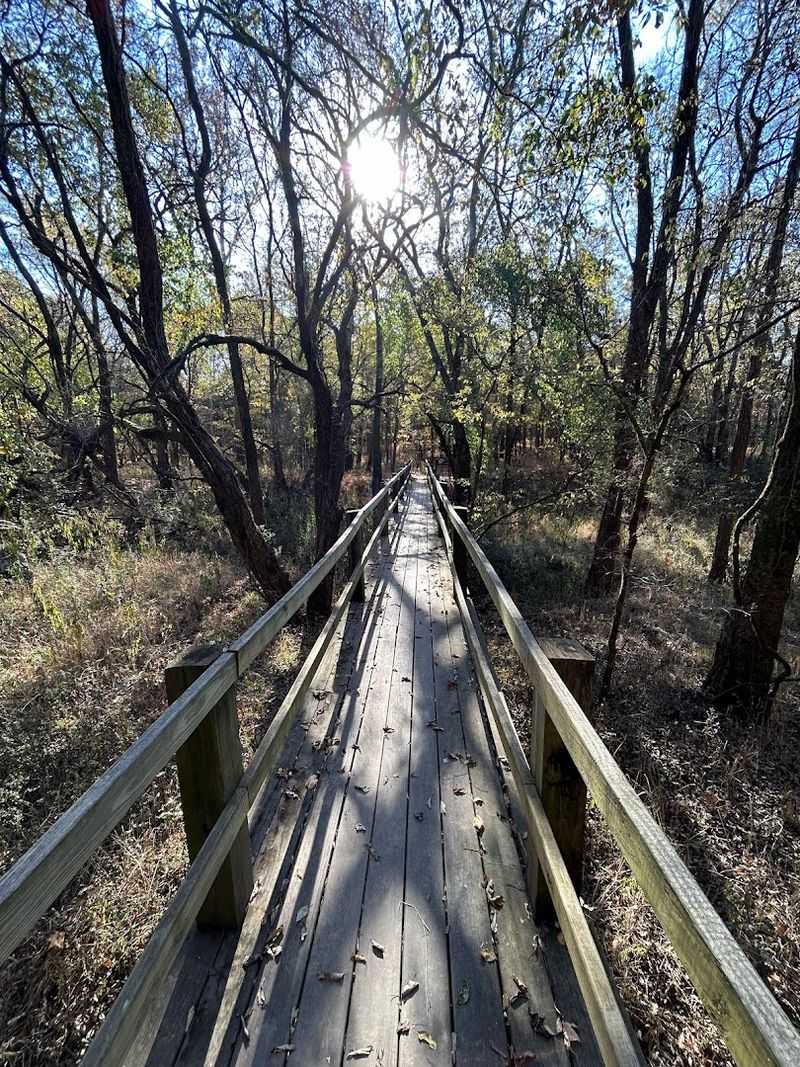
River Trail is the star attraction for good reason. Following the Duck River’s curves, it provides continuous water views and access to the wetlands observation deck. The trail surface stays well-defined even after rain, though it can get slippery in spots.
Muddy boots are part of the experience here, not a dealbreaker.
Backcountry sites offer a different experience for those wanting more solitude. These primitive camping spots require hiking in, but the distances aren’t extreme. You’ll hear the occasional train in the distance, which some find annoying and others consider part of Middle Tennessee’s character.
Either way, you’re far enough from the main campground to feel genuinely removed.
Trail markings use color-coded symbols attached to trees at regular intervals. Even directionally challenged hikers report feeling confident navigating these paths. Important intersections have signposts that actually make sense, a detail that matters more than it should but often gets overlooked at other parks.
The park’s namesake, Henry Horton, served as Tennessee’s governor in the 1920s. His family donated this land for public use, creating a legacy that outlasted his political career. Interpretive signs scattered along trails share bits of local history without turning your hike into a history lecture.
It’s a background flavor that adds context without demanding attention.
More Than a Walk in the Woods: Golf, Camping, Cabins, and Family Fun
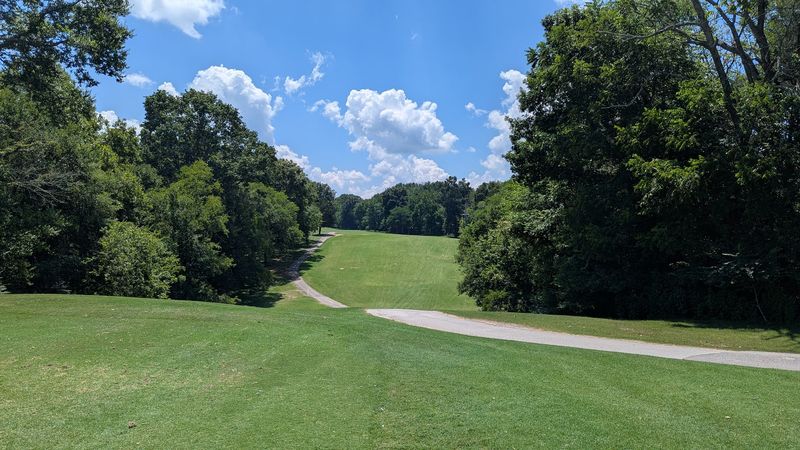
Calling Henry Horton just a hiking park misses about 75% of what’s actually here. The 18-hole golf course surprises people who assume state parks only have nature trails. It’s a legitimate course that local golf groups visit year-round, including during those frozen fairways winter rounds that dedicated players somehow enjoy.
Camping options cover the full spectrum. RV sites come with electric and water hookups, though there’s no sewer connection at individual sites. A dump station handles that on your way out.
Tent campers get wooded spots that provide actual privacy, not the shoulder-to-shoulder setup you’ll find at lesser campgrounds. There’s even hammock camping for the ultralight crowd.
The cabins deserve their own paragraph. These aren’t rustic shacks with a roof and a prayer. They come fully equipped with kitchen utensils, cleaning supplies, linens, towels, and appliances, including microwaves and Keurigs.
During ice storms and weather events, park staff actively check on cabin guests. Rangers hand out business cards and follow up personally, treating visitors like actual people rather than reservation numbers. This kind of hospitality sticks with people and brings them back.
The on-site restaurant operates daily with a full bar, serving Southern fare that beats the usual park concession stand by miles. Being able to grab a real meal without driving into town changes the whole experience. You can stay in park mode all day without sacrificing decent food.
A shooting range and disc golf course round out the activity list. Playgrounds give kids somewhere to burn energy between hikes. The pool opens seasonally, providing relief during Tennessee’s sticky summers.
Basically, if someone in your group doesn’t want to hike, they’ll still find something to do. That flexibility matters when you’re planning trips with mixed interest levels.
Why It’s Perfect for a Low-Stress Day Trip From Nashville
Nashville’s growth has pushed “quick getaway” destinations farther and farther out. What used to be a 30-minute escape now takes an hour in traffic. Henry Horton bucks this trend by staying genuinely close while still delivering that away-from-it-all feeling you’re actually seeking.
The 45-minute drive from Nashville follows straightforward routes without confusing turns or sketchy back roads. Highway 31A takes you there directly, and you’ll spend more time enjoying the park than sitting in your car getting there. For day-trippers, this distance hits the sweet spot between accessible and actually different from home.
You can leave Nashville after breakfast, hike a few trails, have lunch at the restaurant, and still be home before dinner. Or show up for an afternoon picnic and evening walk without feeling rushed. The park doesn’t demand a full-day commitment, which paradoxically makes people want to stay longer.
Parking is rarely an issue. Unlike popular Nashville parks where you circle lots hoping someone leaves, Henry Horton has space. Multiple parking areas serve different parts of the park, and even on nice weekends, you’ll find a spot without drama.
This sounds basic, but it’s the kind of stress-free detail that makes or breaks a spontaneous outing.
The visitor center and camp store stock basics you might have forgotten, from firewood to snacks. Staff members actually know the park and offer helpful suggestions based on what you want to do. They’re not just checking you in; they’re helping you make the most of your visit.
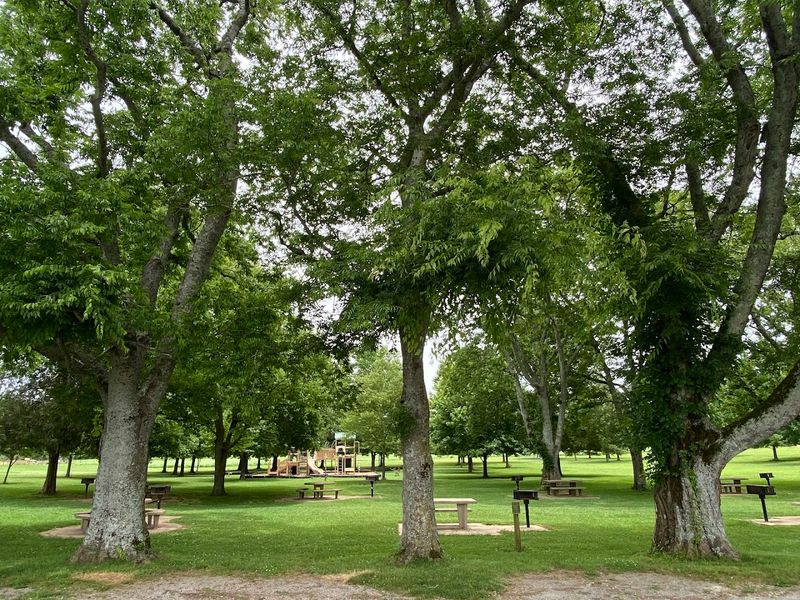
Day-use areas include pavilions you can reserve for larger gatherings, or just claim a picnic table and call it good. Free access to certain areas means you can explore without paying entry fees for a quick visit.
For Nashville residents specifically, Henry Horton offers something valuable: genuine nature time without the planning overhead that is usually required.
What to Know Before You Visit Henry Horton State Park
The park straddles both sides of Highway 31A, which means you’ll cross a busy road to access certain areas. The main park with trails, a restaurant, and a lodge sits on one side. The campground occupies the other.
Pay attention to this when planning your day so you’re not making unnecessary crossings with kids in tow.
Check-in time for cabins and campsites is noon, strictly enforced but for good reason. Staff need time to clean and prepare sites between guests. If you arrive early, the visitor center and general store can process your paperwork while you explore other parts of the park until your site is ready.
The restaurant gets mentioned in nearly every positive review, but service can be slow during peak times. Plan accordingly if you’re on a tight schedule. The food quality makes the wait worthwhile, but don’t roll in starving with 30 minutes to spare before your next commitment.
Speed limits throughout the park are enforced seriously. Rangers watch for violations, particularly along the 30 mph stretches. This isn’t a revenue scheme; it’s about safety with kids, cyclists, and wildlife sharing the roads.
Just slow down and enjoy the scenery.
Bathroom and shower facilities consistently earn praise for cleanliness. They’re heated in winter and maintained daily. Free showers are available even for day visitors who want to freshen up after hiking.
Bring your own soap and towel, but otherwise, the facilities rival what you’d find at private campgrounds.
Cell service is spotty in some areas. Download any maps or information you need before arriving. This digital disconnect is actually part of the appeal for many visitors, but it catches others off guard.
The park’s official website provides current information on seasonal closures, special events, and facility availability. Calling ahead gets you actual helpful humans who can answer specific questions. Booking cabins and campsites in advance is recommended for weekends, though you’ll have better luck with last-minute availability here than at more popular Tennessee parks.