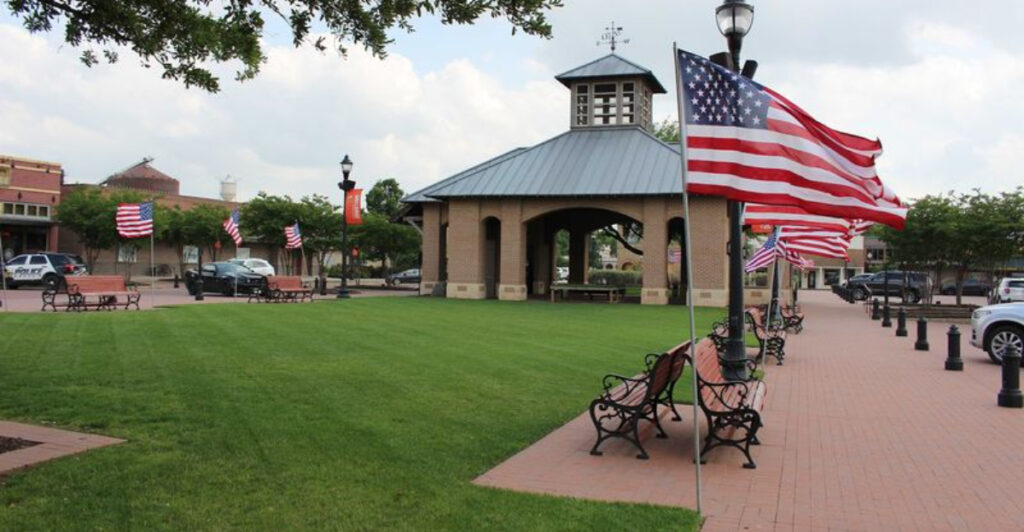
Celina is exploding. This small Collin County town has transformed from a quiet rural community into one of the fastest-growing cities in America, with its population skyrocketing from under 17,000 in 2020 to an estimated 64,000-plus today. Developers are rushing in, new neighborhoods are sprouting up everywhere, and the buzz around Celina suggests it could become the next major hotspot in the Dallas-Fort Worth metroplex.
What makes this place so special that thousands of families are packing up and heading north?
1. Small-Town Charm That Hasn’t Disappeared Yet
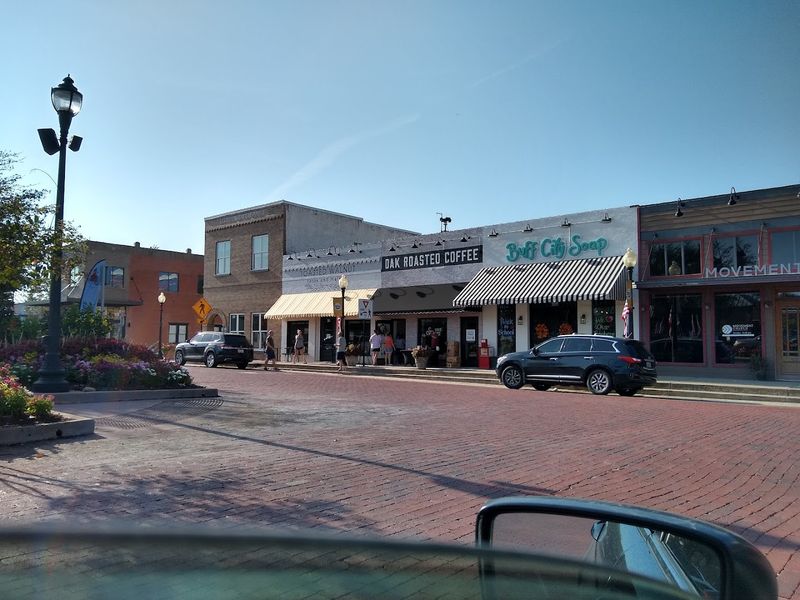
Walk through downtown Celina on a Saturday morning and you’ll still find that genuine small-town vibe that’s becoming rare in North Texas. Local coffee shops greet you by name after just a couple visits. The historic buildings along Main Street tell stories of ranching days gone by, and you can actually find parking without circling the block twelve times.
This authentic character sets Celina apart from cookie-cutter suburbs spreading across the metroplex. Sure, massive development is happening on the outskirts, but the town center maintains its identity. You’ll spot families gathering at community events, neighbors chatting on sidewalks, and local businesses that have served generations of residents.
The balance won’t last forever, though. Celina is adding thousands of new residents every year, which means this window of opportunity to experience its small-town magic is closing fast. Smart investors and homebuyers recognize that getting in now means enjoying both the intimate community feel and the explosive growth benefits.
What really makes this charm valuable is how rare it’s becoming. Most Dallas suburbs lost this character decades ago as they expanded. Celina managed to preserve its roots while positioning itself for massive growth, creating a unique combination that appeals to families tired of impersonal mega-suburbs but still wanting modern amenities and job access.
2. Population Growth That’s Breaking Records
The numbers are absolutely wild. Between 2020 and 2025, Celina’s population nearly quadrupled from 16,739 to over 64,000 residents. That’s not a typo.
This growth rate ranks among the fastest in the entire United States, not just Texas. Every month brings hundreds of new families moving in, and projections suggest the boom is just getting started.
Why the sudden explosion? Location plays a huge role. Celina sits perfectly positioned north of Frisco and Prosper, two cities that experienced similar growth spurts in previous decades.
As those areas maxed out their available land, developers and homebuyers pushed northward, and Celina became the next frontier with plenty of room to expand.
The growth brings both excitement and challenges. New schools are opening regularly to handle the influx of students. Roads are being widened and extended.
Shopping centers and restaurants are racing to keep up with demand. It’s organized chaos, the kind that happens when a town transforms into a city almost overnight.
For residents who bought property here five or ten years ago, the appreciation has been staggering. For newcomers, the appeal lies in getting established before prices climb even higher. The momentum shows no signs of slowing, especially with major employers continuing to relocate to the broader Dallas-Fort Worth area and workers seeking newer, more affordable communities within commuting distance.
3. Master-Planned Communities Redefining Suburban Living
Celina has become ground zero for some of Texas’s most ambitious master-planned communities. These aren’t just housing developments—they’re essentially self-contained towns within the town, complete with resort-style amenities, miles of walking trails, and community centers that rival upscale country clubs. Developers recognized Celina’s potential early and went all-in.
Take Mustang Lakes, for example. This massive development features multiple neighborhoods, its own water park, fishing lakes, event lawns, and even a lazy river. Residents can spend entire weekends without leaving the community.
Other developments like Light Farms and Waterscape offer similar lifestyle-focused designs that appeal to families wanting more than just a house—they want an experience.
The amenities are legitimately impressive. We’re talking splash pads for kids, fitness centers with top-tier equipment, dog parks, sports courts, and clubhouses designed for hosting events. Many communities also include their own elementary schools, making the morning routine infinitely easier for parents.
It’s suburban living elevated to a new level.
These master plans also emphasize walkability and green space, addressing criticisms of older suburban designs. Wide sidewalks connect neighborhoods to parks and pools. Native landscaping reduces water usage while creating attractive common areas.
The planning reflects lessons learned from decades of suburban development, resulting in communities that feel more connected and sustainable than typical sprawl.
4. Top-Rated Schools Driving Family Migration
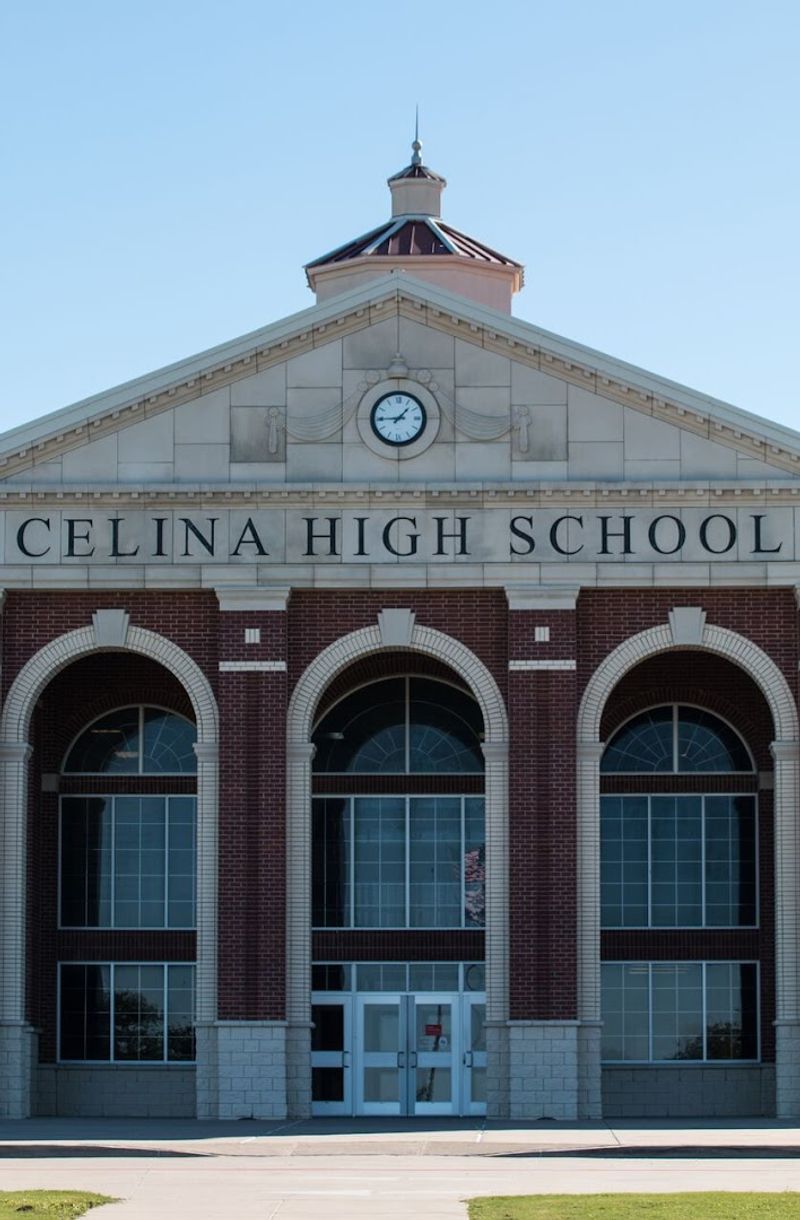
Ask any family why they moved to Celina and school quality almost always tops the list. Celina Independent School District consistently earns high marks from state evaluators and parent review sites. The district’s reputation for academic excellence, combined with newer facilities and strong community support, makes it a major draw for families with school-age children.
The district is expanding rapidly to keep pace with population growth. Brand new campuses open regularly, equipped with the latest technology and designed with modern educational approaches in mind. Smaller class sizes remain possible because the district is growing alongside the community rather than struggling to retrofit old buildings for more students.
Beyond academics, Celina ISD offers robust athletics, arts programs, and extracurricular activities. The football team draws big crowds on Friday nights, continuing that quintessential Texas tradition. Band, theater, robotics, and various clubs give students plenty of options to explore interests and build skills outside the classroom.
Parents also appreciate the district’s responsiveness and accessibility. With a smaller administrative structure than massive urban districts, concerns get addressed more quickly and parents feel more connected to decision-makers. School board meetings actually matter here, and community input shapes district policies.
This combination of quality education, modern facilities, and genuine community involvement creates an environment where families feel confident their kids will thrive academically and socially.
5. Easy Access to Major Employment Centers
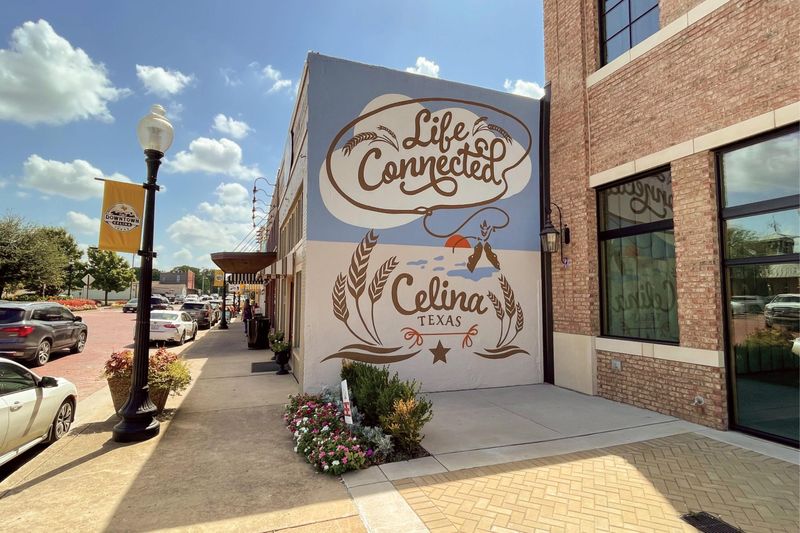
Geography matters, and Celina nailed it. The town sits roughly 40 miles north of downtown Dallas and about 15 miles north of Plano, putting major employment hubs within reasonable commuting distance. The Dallas North Tollway extension reaches Celina, providing a relatively quick route south to corporate corridors in Plano, Frisco, and Addison where thousands of jobs exist.
Many residents work for major employers like Toyota’s North American headquarters in Plano, State Farm’s regional campus in Richardson, or countless tech companies scattered throughout the northern suburbs. The commute typically runs 30 to 45 minutes depending on destination and traffic, which most transplants from other major metros find perfectly acceptable.
Remote work trends have also boosted Celina’s appeal. With more companies offering flexible or fully remote positions, some residents rarely commute at all. They chose Celina specifically because they could get more house and land for their money while only needing to drive to the office occasionally.
This shift has accelerated growth beyond what traditional commuter patterns would support.
The town is also attracting businesses directly. New commercial developments are bringing retail, restaurants, and service providers that create local employment opportunities. While Celina won’t replace Dallas or Plano as a major job center anytime soon, the expanding local economy means residents have increasing options to work closer to home, reducing reliance on long commutes and building a more self-sufficient community.
6. Affordable Entry Point (For Now)
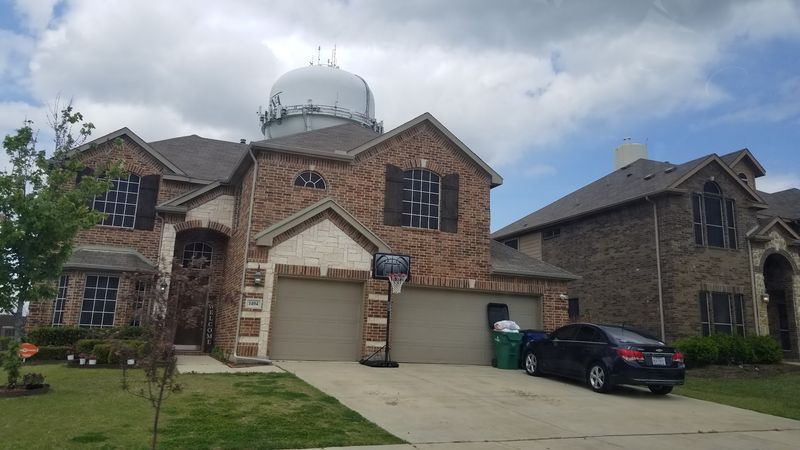
Affordability is relative in the Dallas-Fort Worth metroplex, but Celina still offers better value than most surrounding areas. While home prices have climbed significantly during the growth surge, buyers can still find options below what comparable properties cost in established suburbs like Frisco, McKinney, or Allen. That price gap is narrowing quickly, though.
New construction dominates the market, which means buyers get modern floor plans, energy-efficient features, and warranties that older homes can’t match. Lot sizes tend to be more generous than what you’d find closer to Dallas, giving families actual yards for kids and pets. The combination of newness and space appeals to buyers tired of cramped, outdated properties in pricier areas.
The affordability advantage won’t last indefinitely. As Celina continues developing infrastructure, schools, and amenities, prices will inevitably rise to match nearby communities. Early buyers are essentially betting on appreciation, and given the growth trajectory, that bet looks pretty solid.
Those who bought three years ago have already seen substantial equity gains.
Property taxes deserve mention since they’re a significant cost in Texas. Collin County rates run higher than some areas, and new municipal utility districts in developing neighborhoods add extra charges. Buyers should calculate total monthly costs, not just mortgage payments.
Still, even with taxes factored in, Celina often pencils out better than alternatives, especially for families prioritizing space and school quality over proximity to urban centers.
7. Outdoor Recreation and Future Parks
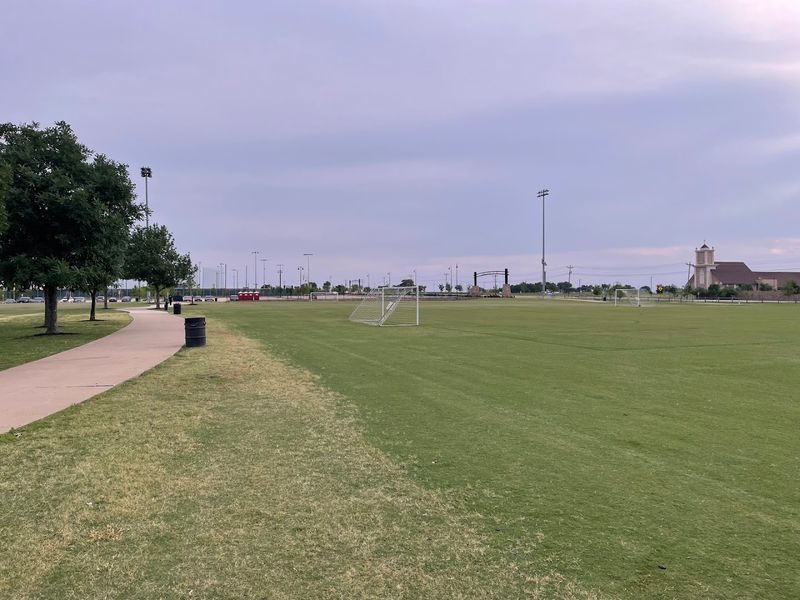
Celina is investing heavily in parks and recreation as it grows. The town understands that quality of life depends on more than just houses and schools. Old Celina Park offers sports fields, playgrounds, and pavilions for community gatherings.
Meanwhile, numerous new parks are in planning or construction phases throughout developing areas, ensuring residents have nearby green spaces.
The master-planned communities contribute significantly to recreational options. Their private amenities supplement public parks, creating a network of places for families to stay active and socialize. Trails connect neighborhoods, encouraging walking and biking.
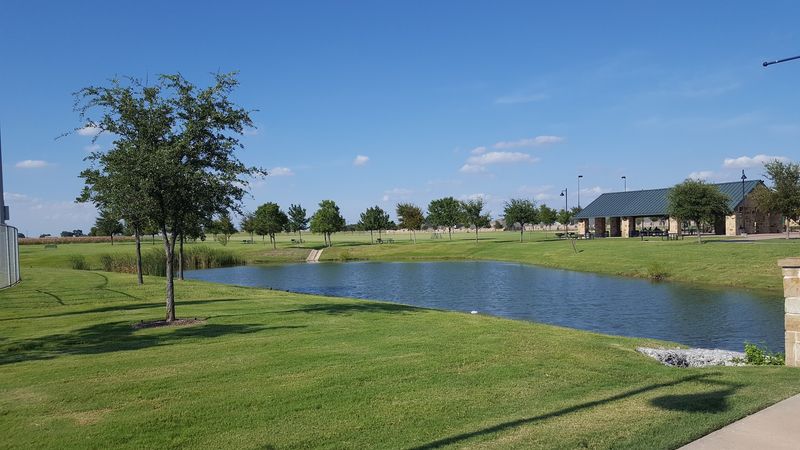
Several communities feature fishing ponds stocked regularly, giving kids and adults peaceful spots to cast a line without driving far.
Future plans include even more ambitious projects. As the town’s budget grows with the tax base, officials are exploring larger regional parks with specialized facilities like disc golf courses, mountain bike trails, and possibly even a community recreation center with indoor pools and courts. These plans reflect Celina’s ambition to compete with established suburbs that have decades-old park systems.
Outdoor enthusiasts also appreciate Celina’s proximity to larger natural areas. Lake Texoma sits about an hour north, offering boating and fishing on a massive reservoir. Closer options include various Collin County parks and preserves.
While Celina itself isn’t a nature destination, its location provides access to outdoor activities while maintaining suburban convenience, striking a balance that appeals to active families.
8. Strategic Development and Infrastructure Investment
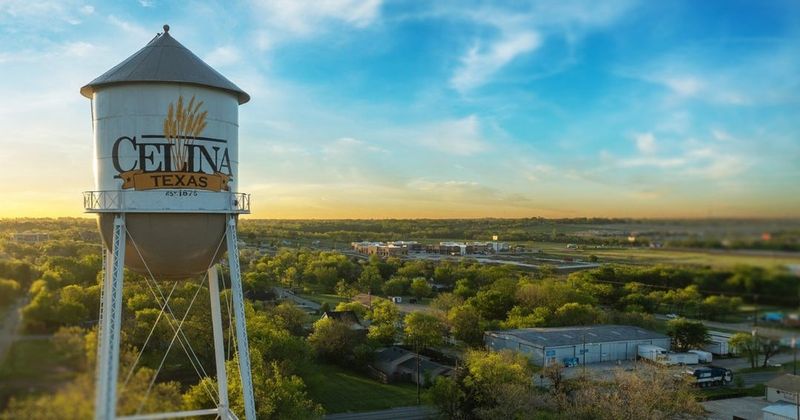
Behind Celina’s growth lies serious infrastructure planning. City officials partnered with developers to ensure roads, utilities, and services scale appropriately with population increases. This proactive approach helps avoid the growing pains that plagued other fast-growing Texas towns where infrastructure lagged behind development, creating traffic nightmares and service gaps.
Major road projects are transforming Celina’s connectivity. Highway 289 improvements enhance north-south travel. East-west corridors are being widened and extended to handle increased traffic volumes.
These aren’t small patches—we’re talking comprehensive road networks designed for the town Celina is becoming, not the one it was. Traffic still exists during peak hours, but it’s manageable compared to older suburbs with outdated road systems.
Water and sewer infrastructure also received significant investment. Celina secured water supply agreements to support projected growth through 2050 and beyond. New treatment facilities and distribution systems are being built ahead of demand rather than scrambling to catch up.
This forward-thinking approach reduces the risk of development moratoriums that have hit other communities when utilities maxed out.
Commercial development is accelerating too. New shopping centers, restaurants, and entertainment venues are opening to serve the growing population. A Costco is coming, which locals celebrate as a milestone indicating Celina has reached critical mass.
These additions reduce the need to drive to neighboring towns for shopping and dining, making Celina more self-sufficient and livable for residents who want amenities close to home.