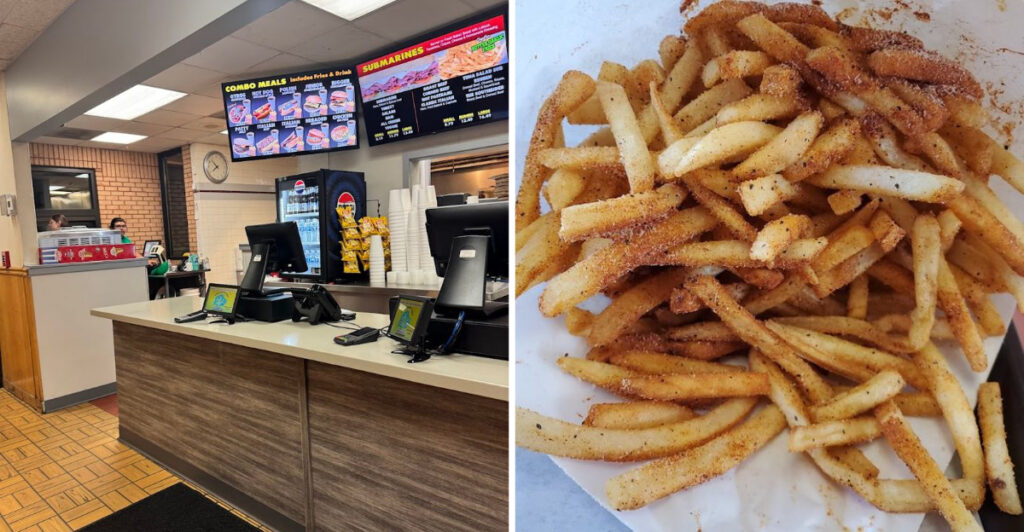
A scratch-made meal has a way of standing out from the very first bite. At Lemon Tree Casual Dining in Lemont, fresh ingredients and homemade recipes are the foundation of a menu that blends authentic Greek flavors with beloved American comfort food.
From tender gyros and crisp salads to house-made soups, hearty sandwiches, and classic diner favorites, everything is prepared with the kind of care that keeps locals coming back. Add friendly service and a welcoming neighborhood atmosphere, and it’s easy to see why this longtime Illinois restaurant has earned such a devoted following.
A State Street Corner With Zero Chain Energy
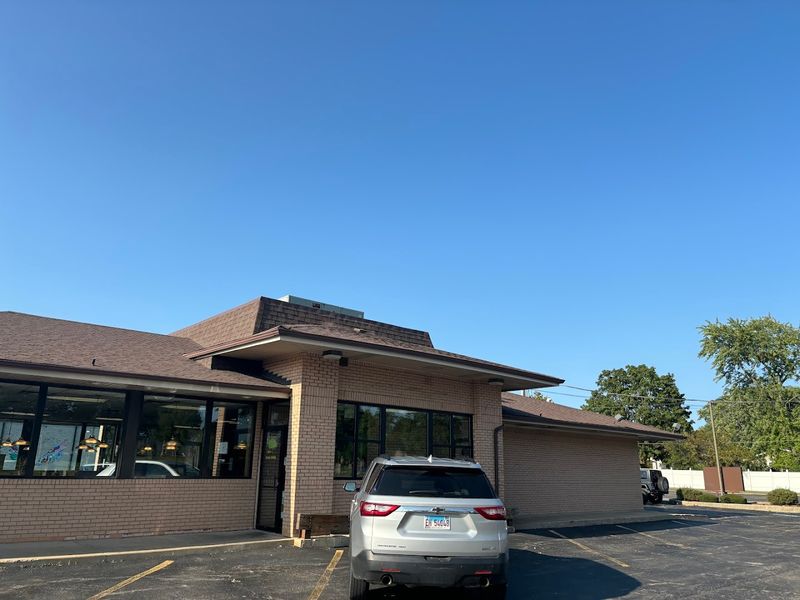
On a busy stretch of State Street in Lemont, Lemon Tree Casual Dining gives off the kind of presence that long-running local spots tend to have without forcing it. The building does not rely on polished trendiness or staged nostalgia.
Instead, it signals usefulness first, with a straightforward look, easy access, and the confidence of a place that has been part of the routine since 1981.
That matters when you are deciding whether to turn in for a quick lunch, a family pickup, or a drive-thru dinner that does not come from a giant national logo. Lemon Tree sits in that sweet spot between neighborhood standby and broad-appeal stop.
The name sounds light and cheerful, but the operation behind it is practical: counter service, plenty of seating, and a menu built to cover several cravings at once.
The location itself adds to the appeal. Lemont has the kind of small-town core where an independent restaurant can still anchor a habit, and Lemon Tree fits neatly into that rhythm.
You can picture it as a place for weekday regulars, high school families grabbing dinner, workers stopping for something substantial, and longtime locals who already know exactly what they want before reaching the counter.
Plenty of restaurants promise character. This one starts with function, which is often a better sign. The low-key exterior, the established address at 1035 State St, and the family-owned identity all frame the experience before a single order is placed.
By the time you step inside, the message is already clear: this is not designed to imitate a local favorite. It already is one.
The Fries That Practically Carry Their Own Reputation
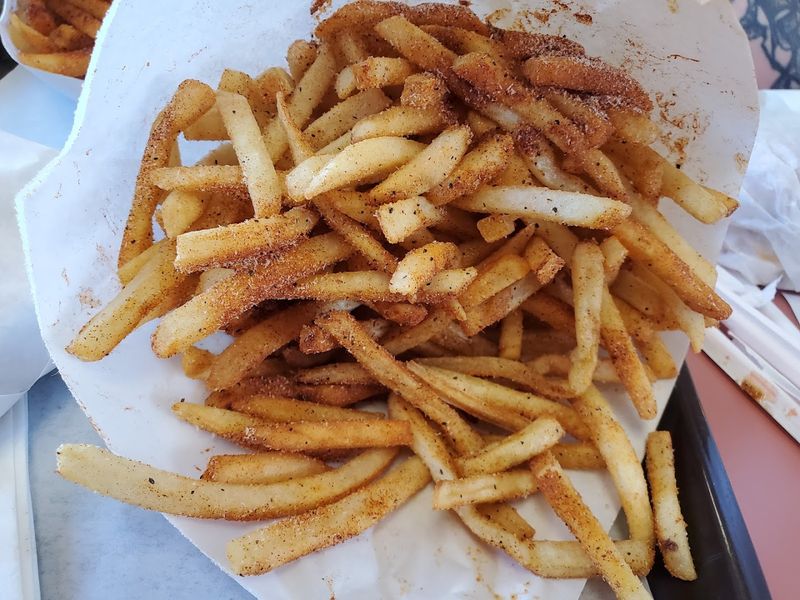
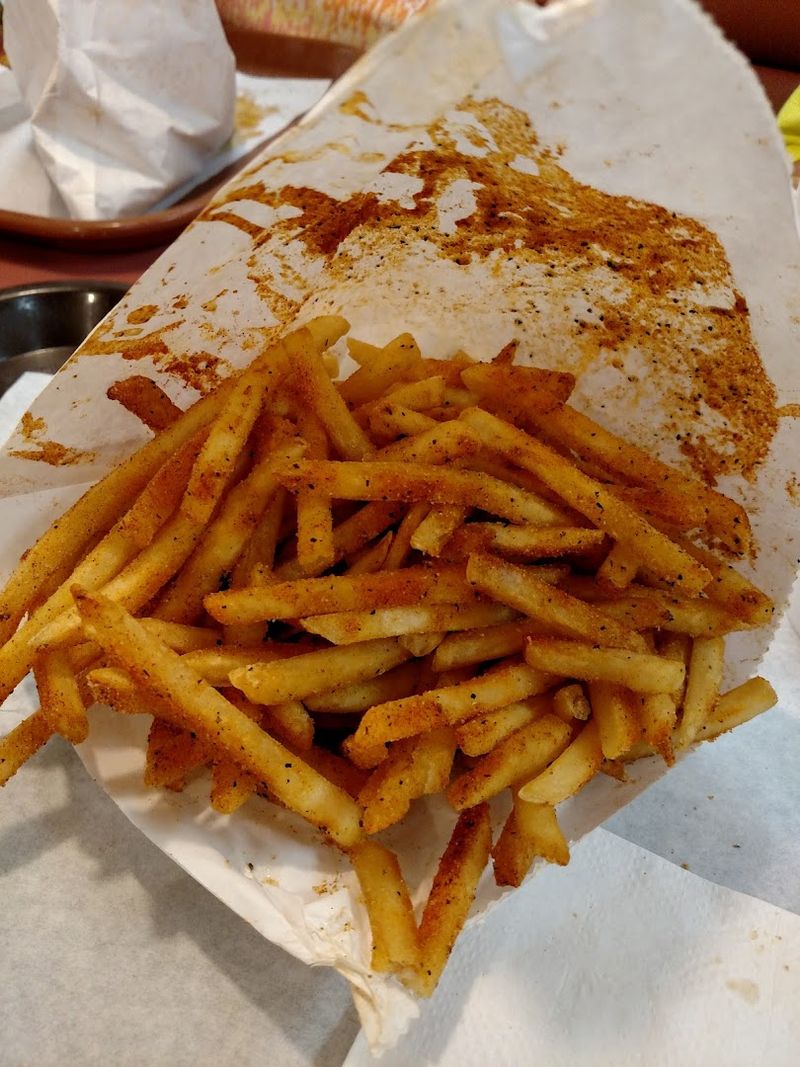
Every local restaurant with staying power has one item that turns into shorthand, and at Lemon Tree that role belongs to the butter garlic fries. They come up again and again for a reason.
Even in a menu filled with gyros, sandwiches, burgers, hot dogs, beefs, and shakes, those fries keep pulling the spotlight back toward the side dish basket.
The appeal is not complicated. You get fries with enough punch to break through the blur of standard fast-casual expectations, carrying the richness of butter and the sharper edge of garlic in a way that reads immediately as indulgent.
They are the kind of order that changes the table dynamic, because suddenly everyone wants to reach over and steal a few.
That signature matters because it gives Lemon Tree a distinct food identity beyond being a broad neighborhood spot. A lot of places can offer a long menu.
Fewer can tie that menu together with one item so recognizable that it becomes part of the local vocabulary. Here, the fries work almost like a calling card, creating curiosity for first-timers and a fixed ritual for returning customers.
The smart move is obvious: do not treat them like an afterthought added to a sandwich combo. Make them central to the meal.
If you are deciding what best represents Lemon Tree in one order, this is the answer that keeps surfacing. Not because it is trendy or overhyped, but because a simple side has been pushed far enough, with enough consistency, to become part of the restaurant’s identity in Lemont.
Where Greek Classics Meet Chicago Fast-Casual Muscle
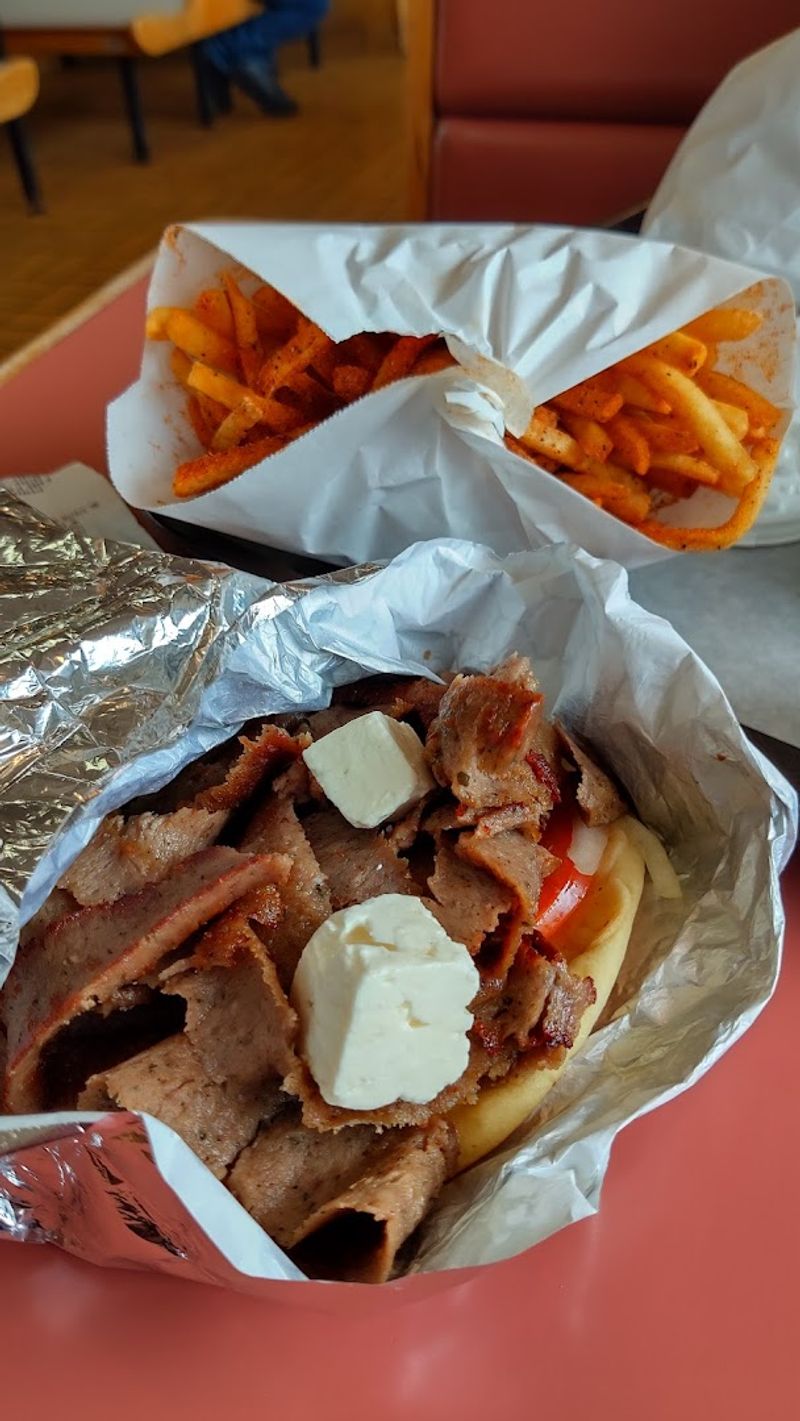
Lemon Tree works because it does not trap itself inside one narrow category. The restaurant is rooted in Greek and American fast food, which means the menu can jump from gyros and pitas to burgers, hot dogs, Italian beef, sausages, subs, soups, and shakes without sounding confused.
In the right hands, that range feels less like sprawl and more like a neighborhood survival skill. The Greek side gives the place its strongest personality. Gyros are one of the most talked-about orders, and they help explain why the restaurant stands apart from standard burger counters.
A gyro brings texture, seasoning, and a different kind of richness than the usual drive-thru lineup, which instantly broadens what a quick stop on State Street can mean.
Then the Chicago-area comfort food arrives and gives the menu even more weight. Italian beef, combo sandwiches, hot dogs, and fries place Lemon Tree firmly inside a regional eating culture that values speed without giving up substance.
That mix lets you come in craving one thing and leave noticing three others, which is part of the place’s staying power.
For you, that means flexibility without the sterile feeling that often comes with oversized menus. A family can split between Greek orders, sandwich cravings, and classic kid-friendly picks without anyone settling.
The best version of Lemon Tree is not one perfect niche item isolated from the rest. It is the crossover itself, a family-owned counter spot where a gyro, a beef, and a milkshake all make sense on the same table in the same meal.
Inside Lemon Tree, Illinois Keeps It Casual
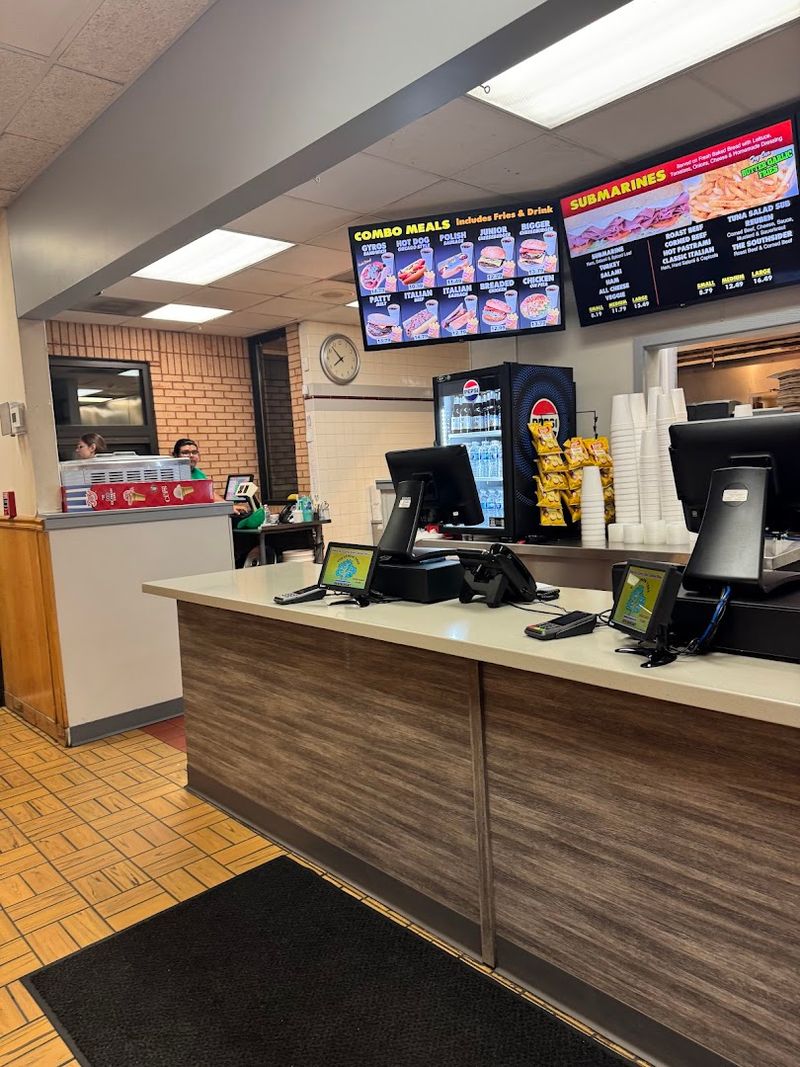
Step inside Lemon Tree and the layout tells you exactly how the restaurant wants to function. This is a counter-serve operation with booths and tables, built for movement, convenience, and groups that want to eat without ceremony.
The dining room is not trying to mimic a polished downtown concept. It is meant to be usable, comfortable, and ready for everything from solo lunches to family dinners.
That distinction matters because the name “casual dining” can suggest a full-service format, while the actual experience lands closer to a roomy neighborhood fast-casual stop. In practice, that works in Lemon Tree’s favor.
You get the speed and directness of ordering up front, but you are not squeezed into a tiny pickup-only box. There is enough space for the restaurant to function as a sit-down meal spot as well as a quick in-and-out option.
The room also reflects how broad the audience is. Families, regulars, and hungry drivers coming off errands all fit into the same rhythm here.
Even details like the availability of arcade-style gaming machines shift the vibe slightly, reminding you that this is a real local business adapting to present-day habits rather than a frozen time capsule built around one fixed image.
For a place with this kind of menu, the straightforward setup is a strength. You are not paying for theater. You are walking into a system designed to keep orders moving while still giving people a place to settle in.
That blend of utility and familiarity helps Lemon Tree stand out in Illinois, where a truly dependable independent counter spot can still be more satisfying than something newer and far more packaged.
The Family-Owned Advantage You Can Actually Notice
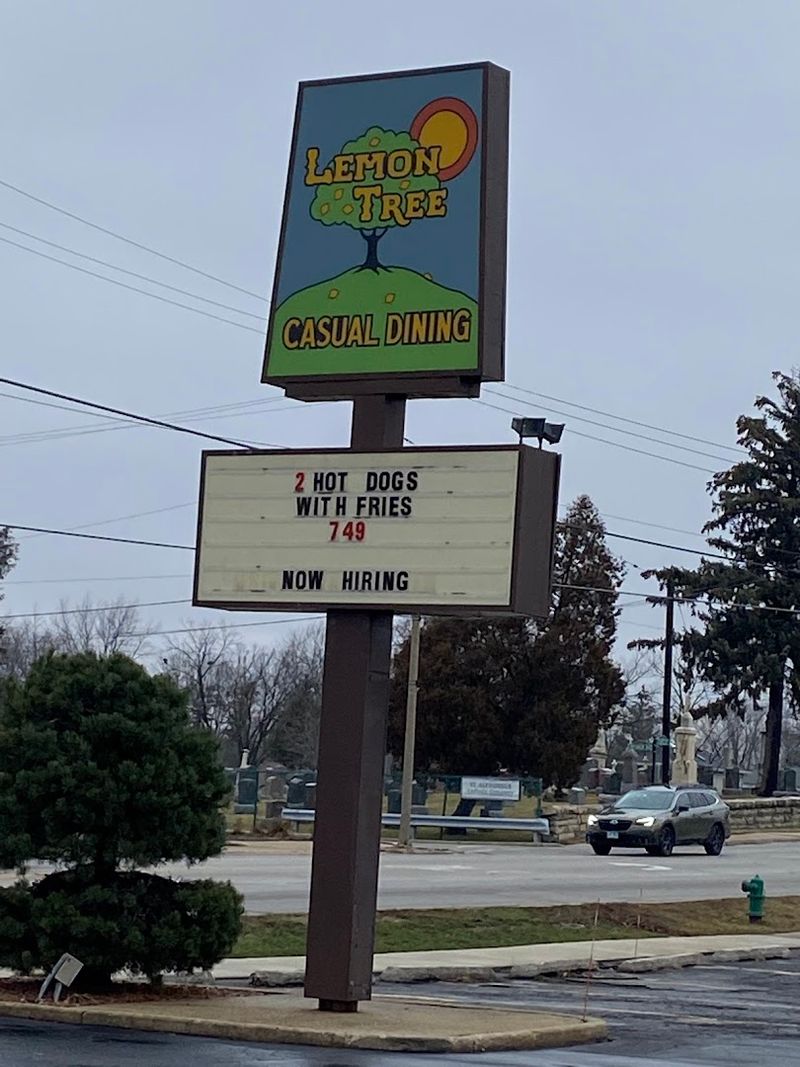
Family ownership is one of those phrases restaurants use constantly, but at Lemon Tree it carries practical weight. The business has been operating since 1981, and that kind of longevity usually points to habits that go beyond branding.
A place does not stay relevant in a town like Lemont for decades unless it has figured out how to become part of everyday life rather than a one-time novelty.
You can see that in how the restaurant is structured. The menu is broad because broad menus serve neighborhoods.
The drive-thru exists because convenience matters. The seating is generous because local spots often need to handle families, regulars, teams, and pickup traffic all in one sweep.
None of that reads like a corporate template dropped into town. It reads like a business shaped over time by what nearby customers actually need.
That long local connection also helps explain why certain orders carry emotional weight. Shakes, subs, gyros, and fries are not just menu categories here.
They are repeat habits tied to school years, lunch runs, and familiar weekend routines. When a restaurant keeps the same address in public life for this long, it becomes part of the area’s food memory whether you are stopping by for the first time or returning after years away.
There is also a confidence in that history. Lemon Tree does not need to chase a stripped-down minimalist identity or a social media reinvention to prove relevance.
It already has a clear role: family-owned, local, versatile, and established. In a market crowded with chains and copycat concepts, that rootedness gives the place an advantage you can actually use, because it shapes the food, the service style, and the whole pace of the visit.
How to Order Like You Already Know the Place
If you want the best shot at understanding Lemon Tree in one visit, order across categories instead of locking into a single lane. This is not the kind of restaurant where one person should get a standard combo and call the job finished.
The menu is varied enough that the smarter approach is to build a small table story: one famous side, one Greek item, one sandwich-house classic, and something sweet.
Start with the butter garlic fries because they are the most distinctive marker on the board. Then pair them with a gyro if you want to catch the Greek identity that separates Lemon Tree from a generic burger stand.
After that, adding an Italian beef, a sub, or another regional comfort-food order rounds out the broader personality of the place and shows how well it handles crossover cravings.
Do not ignore the dessert-and-drink side either. Shakes and malts repeatedly show up as a meaningful part of the experience, not a decorative extra tacked onto the menu.
A chocolate malt or classic shake changes the meal’s rhythm, especially if you are balancing salty, garlicky, heavily seasoned food with something cold and smooth.
Timing also shapes the experience. Because Lemon Tree opens at 10 AM daily and stays open until 9 PM most nights, with 10 PM closings on Friday and Saturday, it can cover lunch, early dinner, and later casual runs.
If you prefer a more relaxed sit-down pace, heading in before peak rush makes sense. If convenience matters more, the drive-thru is part of the equation.
Either way, the strongest visit comes from treating Lemon Tree as a mix-and-match local institution, not a one-note order stop.
Why This Lemont Staple Still Cuts Through the Noise
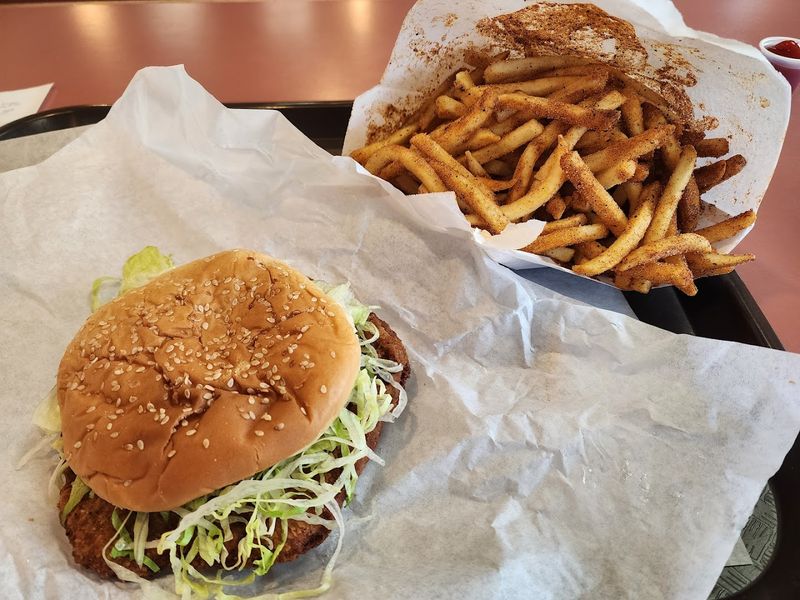
Lemon Tree stands out because it solves a problem that many independent restaurants struggle with. It manages to be broad without feeling anonymous, quick without becoming disposable, and familiar without fading into the background.
In a world where convenience usually arrives attached to chain sameness, this place offers speed and choice with a more personal local shape.
The details that define it are concrete, not abstract. There is the long family-owned history dating back to 1981. There is the counter-serve setup with real seating and a drive-thru. There is the menu that moves between Greek specialties and classic Chicago-area comfort food.
And there is that recurring fries conversation, which gives the restaurant a signature people can identify instantly.
Just as important, Lemon Tree does not need a romantic script to justify attention. It is not trying to be quaint or precious.
It works on a daily-use level, the way enduring neighborhood places usually do. You can pull in for a practical meal, bring a family with different appetites, or grab a familiar order tied to years of routine.
That kind of versatility is harder to build than a flashy concept built around one narrow trend. If you are scanning Illinois for a restaurant with actual local traction, Lemon Tree deserves a look precisely because it covers so much ground at once.
It has the established address, the recognizable specialties, the broad menu, and the independent spirit that chains cannot fake.
Plenty of places can hand you food quickly. Far fewer can do it while carrying decades of neighborhood relevance, a Greek-American identity, and one side order famous enough to become part of the pitch all by itself.