Tucked away in the mountain town of Monteagle sits a dining destination that feels like stepping into another era. High Point Restaurant operates inside a historic 1929 mansion with a past as colorful as its menu is delicious.
Between the elegant atmosphere, exceptional cuisine, and fascinating backstory involving one of America’s most notorious gangsters, this fine dining spot offers way more than just a meal—it’s a complete sensory journey that locals and travelers alike can’t stop talking about.
A Mansion with Mobster Roots Sets the Stage
Walking up to High Point Restaurant feels like arriving at a private estate rather than a public eatery. The circa-1929 mansion commands attention with its stately presence, complete with sprawling grounds, mature trees draped in twinkling lights, and architectural details that whisper stories from nearly a century ago.
But the real conversation starter? This beauty once belonged to Al Capone’s mistress, adding a delicious layer of intrigue to your dinner reservation.
The connection to Chicago’s infamous crime boss isn’t just restaurant folklore—it’s documented history that adds genuine character to every corner of the building. Imagine dining in rooms where mobster meetings might have taken place, climbing staircases that Capone himself likely ascended, and gazing through windows that witnessed Prohibition-era secrets.
The staff knows the stories, though some servers are more enthusiastic about sharing the history than others, according to guest experiences.
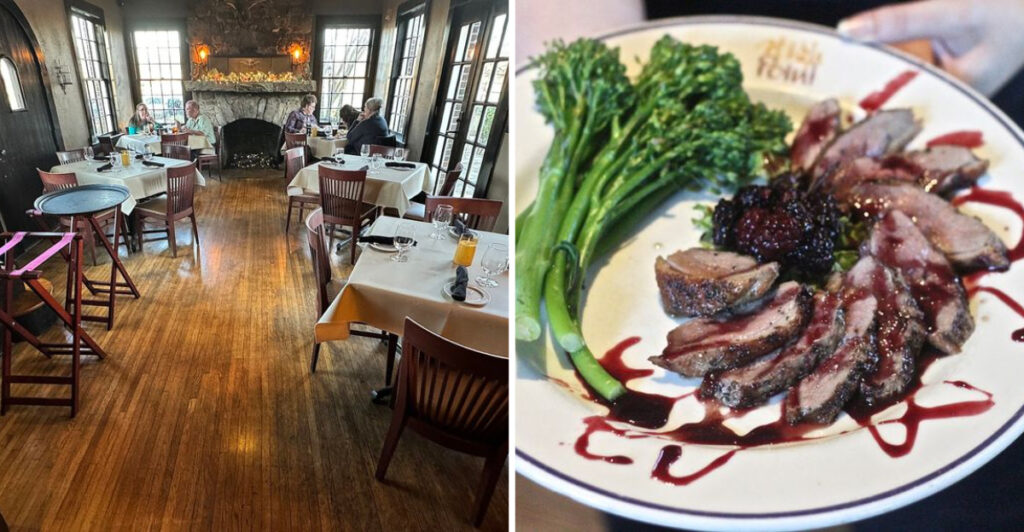
Two floors of dining rooms mean the mansion accommodates plenty of guests without feeling cramped or rushed. Each space maintains its own personality, from cozy intimate corners perfect for anniversary dinners to larger areas that can handle group celebrations.
The holiday decorations transform the already charming interior into something straight out of a storybook, with tasteful touches that enhance rather than overwhelm the historic ambiance.
Outside, the lit garden area with patio seating extends the dining experience into nature when weather permits. The campus-like setting with outdoor lighting creates an enchanting backdrop that makes you want to linger long after dessert.
It’s the kind of place where you might spot friendly cats wandering the grounds, adding an unexpected touch of whimsy to your upscale evening.
The mansion’s transformation from private residence to restaurant hasn’t stripped away its soul. Original architectural features remain intact, preserving the authenticity that makes dining here feel special.
Whether you’re a history buff, architecture enthusiast, or simply someone who appreciates dining somewhere with genuine character, High Point’s setting alone justifies the visit before you’ve even tasted the first bite.
Fine Dining That Demands Your Full Attention
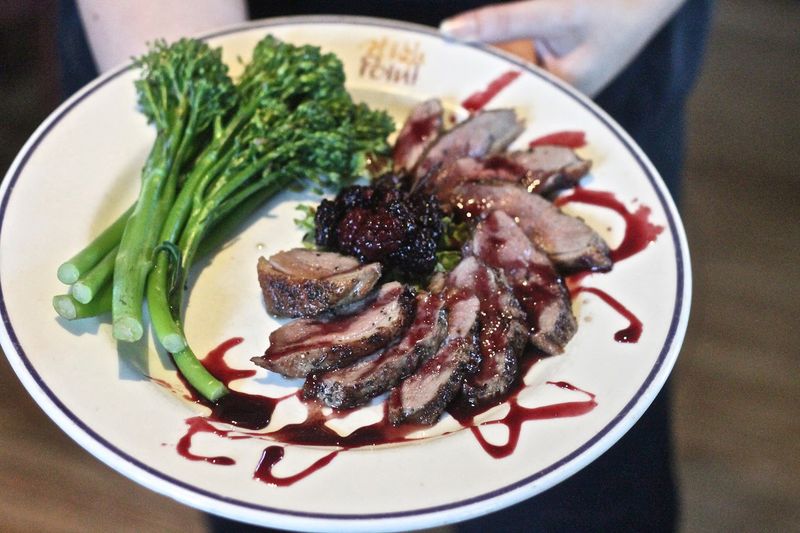
High Point doesn’t pretend to be a casual steakhouse where you roll in wearing flip-flops. This is Tennessee fine dining done right, where the kitchen takes its craft seriously and expects diners to arrive ready for something elevated.
The menu showcases gourmet American cuisine with creative twists that go beyond standard steakhouse fare, though perfectly prepared steaks remain a cornerstone of what they do best.
The filet mignon earns consistent praise for its tenderness and flavor, particularly when paired with the burgundy mushroom sauce that adds rich, savory depth to every bite. Cooked to your exact specifications (when the kitchen hits its mark), the beef practically melts against your fork.
The loaded baked potato and asparagus with hollandaise sauce serve as classic accompaniments that let the quality of the main protein shine through without unnecessary complications.
But here’s where High Point separates itself from typical steakhouses: the menu ventures boldly into seafood and poultry territory with standout dishes that sometimes steal the show. The sesame crusted duck receives rave reviews from those adventurous enough to order it, with guests wishing they’d ordered seconds.
Seared tuna specials—when available—showcase innovative touches like dehydrated ginger instead of pickled, paired with incredibly fresh wasabi that elevates the dish to memorable status.
Portion sizes lean decidedly generous. Sides arrive in quantities that surprise first-time visitors, with asparagus portions described as mountainous and succotash so good that diners finish it before touching their entrees.
The kitchen clearly believes in feeding people properly, which makes the higher price point feel more justified when you’re eyeing potential leftovers.
However, consistency remains the restaurant’s Achilles heel according to multiple reviews spanning different time periods. Some guests experience perfectly cooked, beautifully presented meals that justify every dollar spent.
Others encounter steaks cooked beyond their requested temperature, dishes arriving barely warm, or preparations that simply miss the mark. The experience can vary significantly depending on which night you visit and perhaps which chef is commanding the kitchen, creating a bit of culinary roulette that adds risk to your investment.
Starters and Appetizers Worth the Splurge
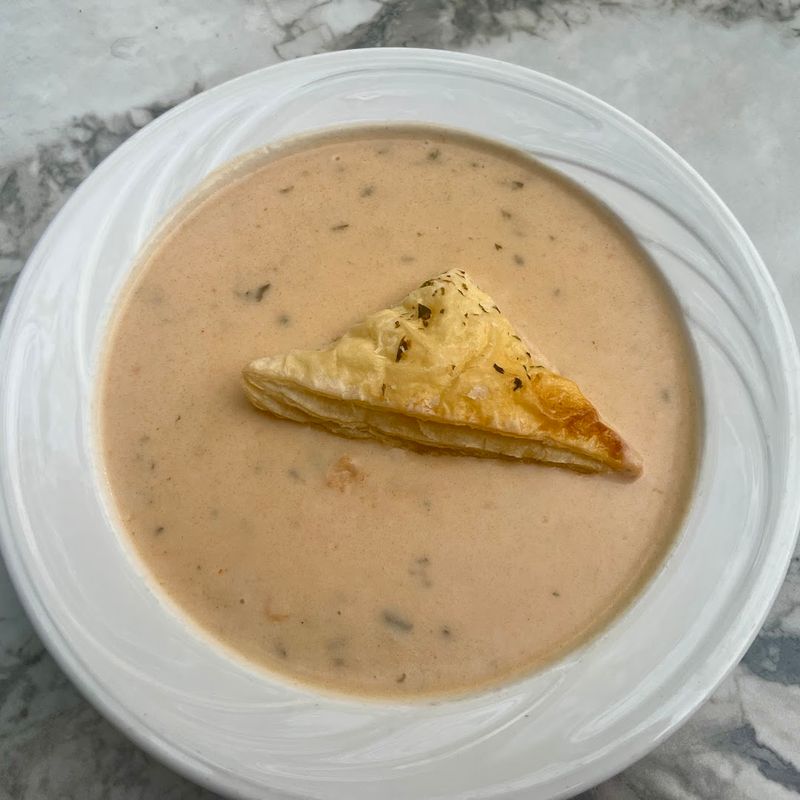
Before your main course arrives, High Point sets the tone with starters that range from comforting classics to Southern specialties with upscale execution. The warm Amish white bread rolls hit tables with a satisfying crust giving way to soft, pillowy centers that practically beg for butter.
These rolls earn near-universal praise, with even disappointed diners admitting they’re consistently excellent—though one review mentioned encountering hard, difficult-to-chew versions that suggest quality control issues on off nights.
The lobster bisque divides opinions sharply, creating a love-it-or-leave-it scenario that depends heavily on preparation. When executed properly, the rich, creamy soup delivers luxurious seafood flavor that seafood lovers crave as a first course.
But preparation missteps—like failing to properly reduce the alcohol—can render the dish undrinkable, as one anniversary diner discovered to their disappointment. For a soup at this price point, that inconsistency stings.
Fried green tomatoes represent High Point’s nod to regional Southern cooking, offering crispy, tangy bites that work beautifully as a shared starter. Reviews suggest they’re solid if not always exceptional, with some guests noting they’ve had better versions elsewhere.
Still, they provide a familiar comfort that appeals to those wanting something distinctly Southern before their main course arrives.
Salads deserve special mention for consistently exceeding expectations as mere side dishes. The winter pear salad with honey vinaigrette and spring mix with blackberry vinaigrette both earn enthusiastic reviews for freshness, generous portions, and well-balanced dressings.
The Caesar salad arrives cold, crisp, and sporting the perfect hint of lemon that brightens rather than overwhelms. These aren’t afterthought salads—they’re thoughtfully composed courses that could almost stand alone.
One quirky flexibility: the kitchen accommodates special requests like off-menu fried chicken tenders for picky eaters. While these didn’t particularly impress the guest who ordered them (described as juicy but lacking flavor), the willingness to customize shows a customer-focused approach.
Just remember that you’re paying fine dining prices for that accommodation, which might make a simple chicken tender order feel like an expensive compromise.
Desserts That Demand a Second Stomach
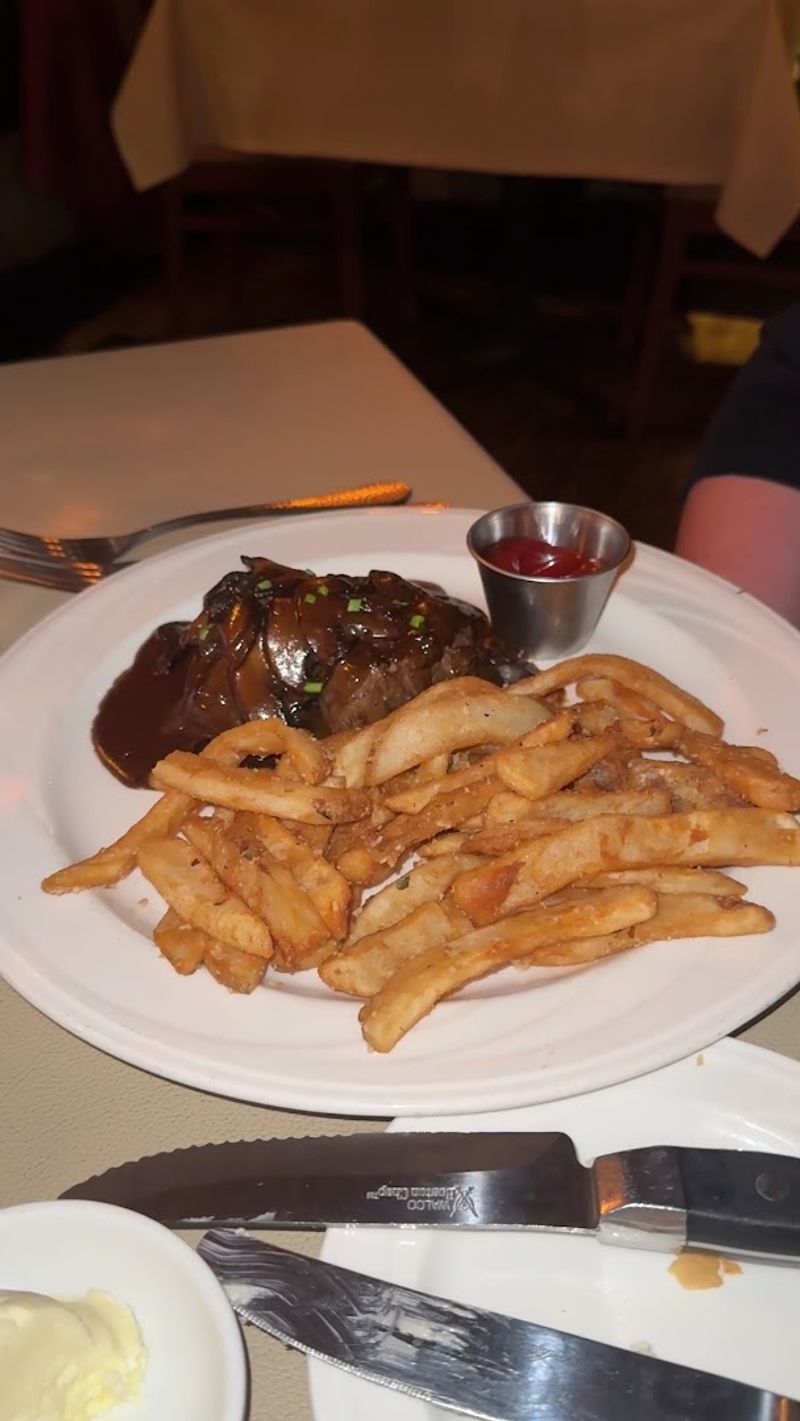
Saving room for dessert at High Point isn’t just recommended—it’s practically mandatory if you want the complete experience. The chocolate lava cake stands as the signature finale, arriving warm with a molten fudge-like center that flows dramatically when you break through the outer shell.
Paired with vanilla ice cream that melts into the warm chocolate, it’s the kind of dessert that makes you understand why people use words like “decadent” and “sinful” without irony.
Portion sizes for desserts mirror the generous approach taken throughout the menu. Multiple reviews mention desserts being “massive,” with one enthusiastic couple ordering three different options and presumably rolling out of the restaurant afterward.
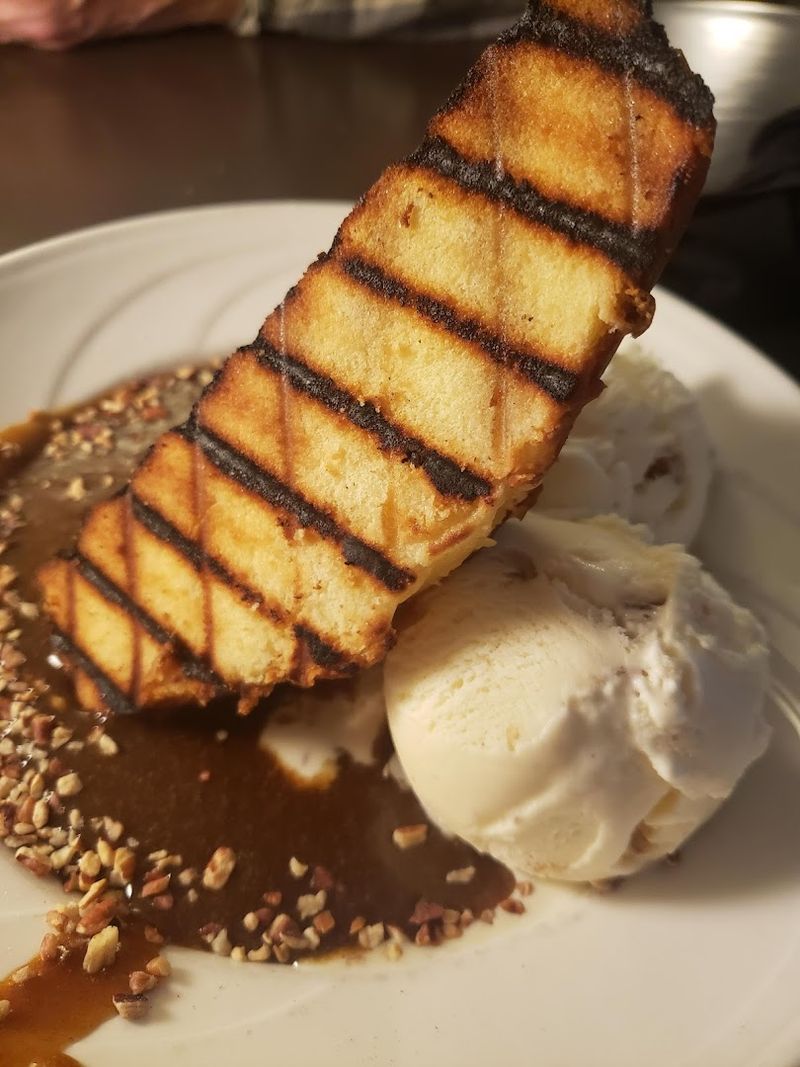
The grilled pound cake earns particular praise as a sleeper hit—simple in concept but executed so well that it becomes a favorite worth mentioning specifically in reviews.
Crème brûlée offers a more refined option for those who prefer their sweetness with a sophisticated edge. The classic French dessert gets proper treatment here, with a properly caramelized sugar crust that cracks satisfyingly under your spoon to reveal smooth, creamy custard underneath.
It’s an excellent choice for sharing between two people who can’t quite commit to a full dessert each after those generous main courses.
The challenge with High Point’s desserts is purely logistical: after appetizers, salads, warm rolls, enormous main courses, and those generous side portions, finding physical space for dessert requires strategic planning. Many diners express regret at being too full to properly enjoy or even attempt the sweet offerings.
If dessert is a priority, consider sharing entrees or skipping appetizers altogether to save precious stomach real estate.
Prices for desserts align with the overall fine dining approach, meaning they’re not cheap but they’re also not trying to be. When you’re already investing in an expensive meal, the dessert cost becomes less shocking.
Plus, if you’re celebrating something special—and let’s be honest, eating at High Point kind of is a special occasion—ending with something sweet and memorable just makes sense, even if you need a to-go box.
Service That Makes or Breaks the Experience
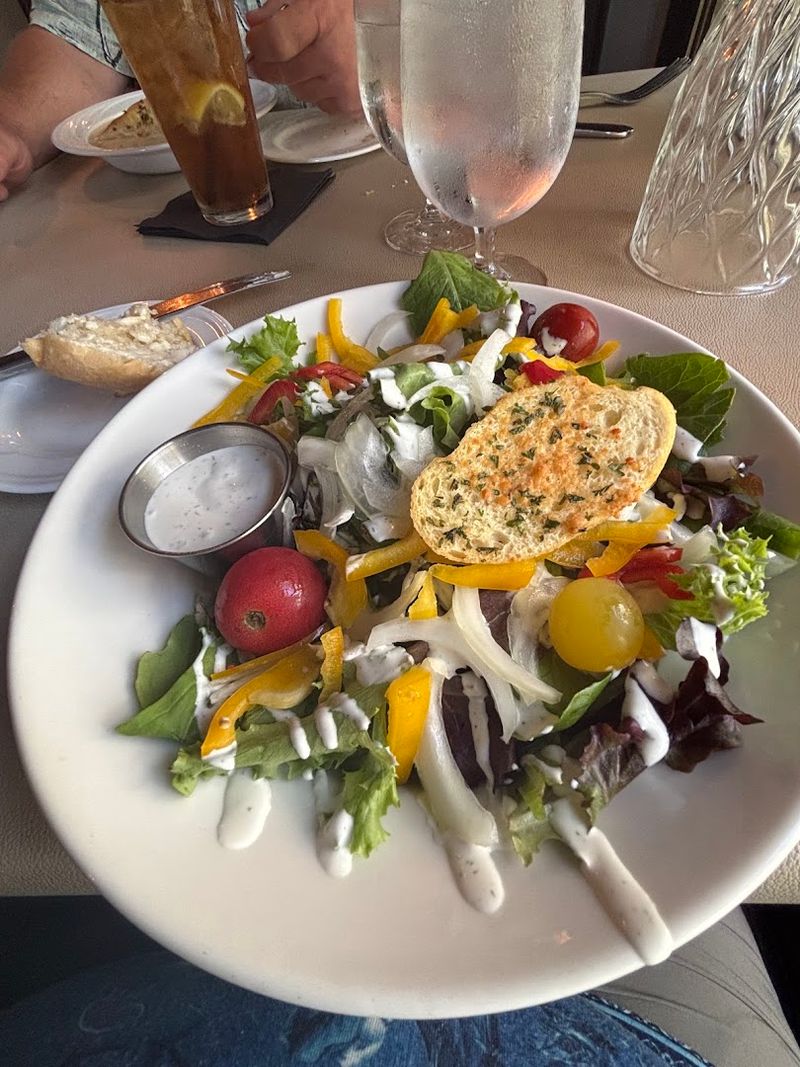
The service at High Point operates on a spectrum from absolutely impeccable to frustratingly indifferent, with your experience largely depending on which server you draw and what kind of night they’re having. At its best, the service anticipates needs before you voice them, keeps water glasses perpetually full, and adds warmth and personality that enhances the entire evening.
Several reviews gush about servers who caught guests dancing after dinner and offered to take photos, or who brought genuine enthusiasm and knowledge to their tables.
When service hits the mark, it transforms a good meal into a memorable occasion. Attentiveness without hovering, recommendations that actually match your preferences, and timing that flows naturally from course to course—these elements elevate the entire experience.
The best servers know the history of the mansion and share it enthusiastically, adding context and storytelling that enriches your understanding of where you’re dining.
Unfortunately, consistency remains elusive. Multiple reviews across different time periods mention servers who seemed disinterested, forgot drink orders, rarely checked on tables, or displayed attitudes that suggested they’d rather be anywhere else.
One particularly detailed complaint described a server who knew nothing about the mansion’s history, acted short with guests, and still expected a 20% tip despite providing minimal service. That disconnect between service quality and expectation creates understandable frustration.
The uneven service becomes more problematic given the premium prices. When you’re paying significantly more than typical restaurant costs, you reasonably expect service that matches that investment.
A server who ignores your table while repeatedly checking on neighboring guests—as one review described—feels especially insulting when you’re celebrating something special like an anniversary.
Some guests report servers lacking basic enthusiasm or personality, going through motions without adding any warmth to the interaction. They keep glasses filled and deliver food competently but never crack a smile or acknowledge special occasions even when informed.
That robotic approach works fine at casual chains but feels disappointing somewhere marketing itself as a destination for memorable celebrations and romantic evenings.
Dress Code Confusion and Atmosphere Expectations
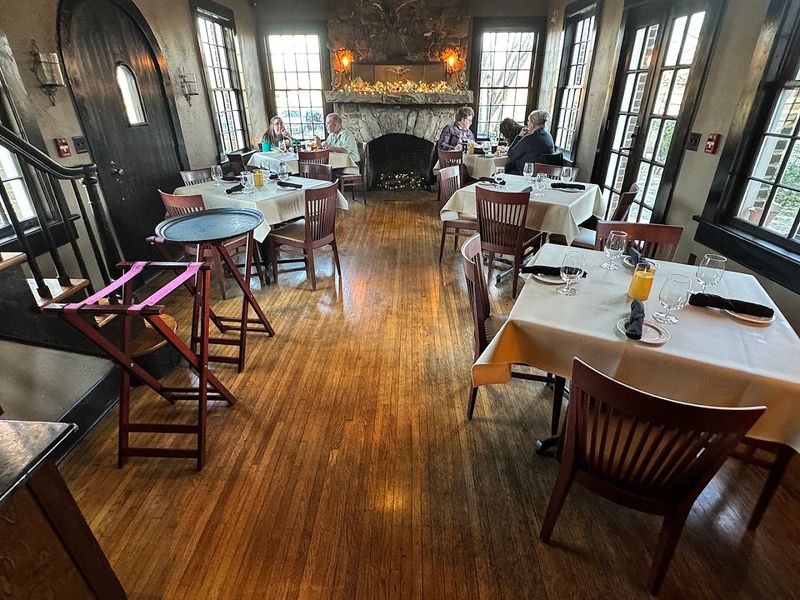
Here’s where High Point creates confusion that catches guests off guard: the dress code exists in a murky middle ground between clearly stated expectations and actual reality. The restaurant’s website suggests dressy attire, and magazine articles have described it as a dress-up experience in an old mansion.
Some guests arrive in suits and formal dresses expecting an upscale evening where everyone matches that energy, only to find themselves dramatically overdressed among diners wearing jeans and cowboy boots.
This disconnect matters more than it might seem. Part of fine dining’s appeal is the complete experience—getting dressed up, feeling special, and existing in an elevated atmosphere for a few hours.
When half the room is in formal wear and the other half looks ready for a casual night out, it dilutes that carefully crafted ambiance. One reviewer noted being the only woman in a dress, which made her question whether she’d misunderstood the restaurant’s positioning entirely.
The restaurant hasn’t helped clarify expectations, leaving guests to guess what’s appropriate. Some arrive in their finest attire based on the historic mansion setting and fine dining prices, while others show up in everyday casual wear and fit right in.
Neither group is wrong, exactly, but the lack of consistency creates an atmosphere that feels less polished than the prices suggest it should be.
That said, the physical atmosphere inside the mansion remains undeniably romantic and charming regardless of what guests are wearing. Tables for two positioned by windows, holiday decorations that enhance the historic interior, and lighting that creates intimate spaces throughout the multiple dining rooms—these elements work beautifully.
The setting itself delivers on promises of a special evening even when the crowd’s attire doesn’t quite match.
Multiple reviews mention the cozy, romantic ambiance as a highlight despite other disappointments. The mansion’s bones are good enough that the atmosphere succeeds almost in spite of management decisions.
If you’re planning a visit, the safest approach is probably smart casual—nice enough to feel special but not so formal that you’ll feel out of place if everyone else went business casual or even jeans-and-boots casual.
The Price Point Reality Check
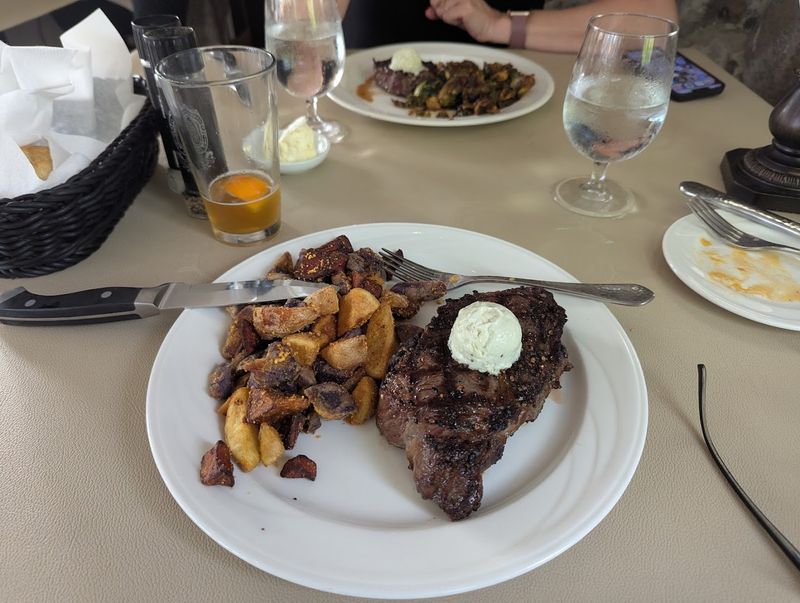
Let’s address the elephant in the dining room: High Point isn’t cheap, and whether it’s worth the investment depends entirely on what you value and which version of the restaurant you encounter. Prices sit firmly in the “special occasion” category, roughly double what you’d pay at standard restaurants in the area.
That premium positioning promises an experience that transcends ordinary dining, but delivery on that promise varies enough that some guests leave feeling cheated while others consider it money well spent.
When everything aligns—exceptional food, attentive service, and the full ambiance working its magic—most diners agree the prices feel justified. You’re not just paying for ingredients and preparation; you’re investing in the complete package of history, atmosphere, generous portions, and culinary skill.
Celebrating an anniversary or birthday somewhere genuinely special carries value beyond the dollars on the check, and High Point can absolutely deliver that memorable experience.
However, when the experience falls short, those prices sting considerably more. Receiving an overcooked steak, lukewarm food, or indifferent service while paying premium rates creates justified disappointment.
Several reviews specifically mention feeling the food quality didn’t match the cost, with one noting you’re paying almost double “for the ambiance only.” That’s a harsh assessment but not entirely unfair when the kitchen misses the mark.
The three-dollar-sign rating on Google indicates “expensive” without quite reaching “very expensive” territory. Expect entrees in the $30-50 range, with appetizers, sides, desserts, and drinks adding up quickly.
A dinner for two with the full experience easily tops $150-200 before tip, putting it firmly in the category of “we’re doing something special tonight” rather than “let’s grab dinner.”
Value ultimately comes down to personal priorities and luck of the draw. If you’re someone who appreciates historic settings, doesn’t mind splurging for ambiance, and isn’t overly critical about food perfection, you’ll likely leave happy.
If you’re a serious foodie expecting flawless execution to match fine dining prices, you might leave disappointed. The restaurant occupies an interesting space where it’s too expensive to be casual but not quite consistent enough to be true fine dining, creating expectations that it sometimes struggles to meet.
Share this story