Walking into Rock-Cola 50’s Cafe feels like stepping back to the golden age of American diners. With vintage memorabilia, classic chrome accents, checkerboard floors, and a menu packed with hearty comfort food, this longtime Indianapolis favorite delivers far more than a meal—it serves a healthy dose of nostalgia.
Breakfast platters, juicy burgers, hand-spun milkshakes, and other diner staples arrive with friendly service and an atmosphere that invites you to slow down and stay awhile. Whether you’re reliving fond memories or introducing someone to the charm of a true old-school diner, Rock-Cola 50’s Cafe remains one of Indiana’s most enjoyable places to eat.
Chrome, Pink, and a Surprise on Brookville Road
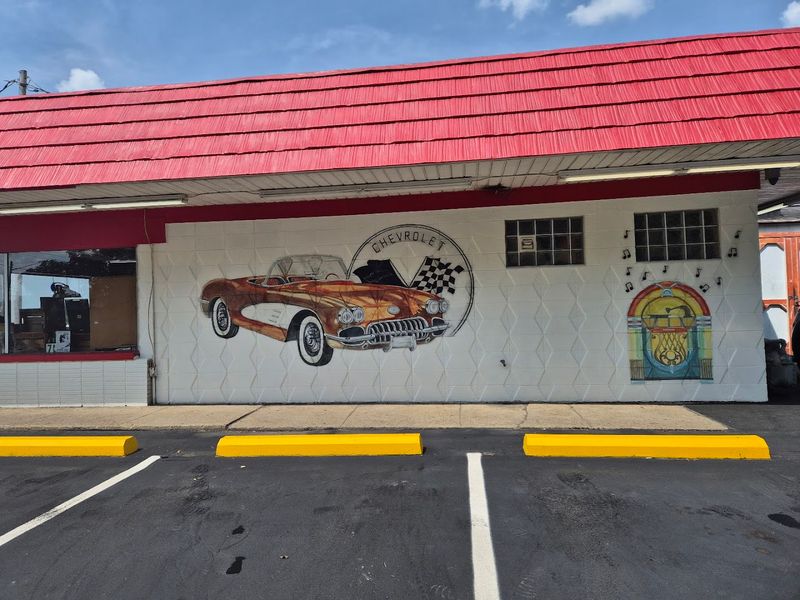
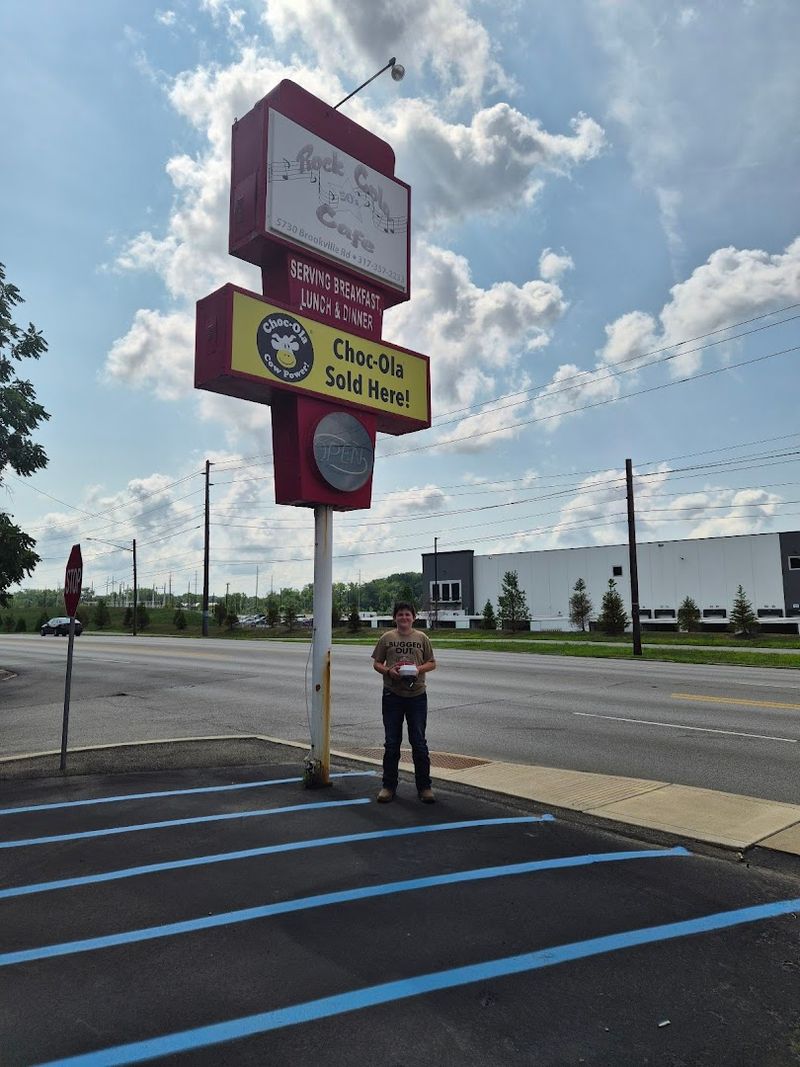
Rock-Cola 50’s Cafe does not rely on a giant footprint or flashy modern design to grab attention. Its pull starts with contrast: an unassuming roadside location, then a burst of retro color and diner character once you get close.
That shift gives the place immediate energy, like stumbling onto a set piece from another era that still has real breakfast on the griddle.
Inside, the visual language is clear right away. Pink tones, turquoise accents, chrome details, and old-school diner cues create a room that leans fully into its theme instead of using nostalgia as a tiny garnish.
Booths and counter seating help shape the experience too, because this is the kind of space where the seating is part of the memory, not just a place to wait for eggs and coffee.
The scale matters. Rock-Cola is not a sprawling restaurant where you disappear into a crowd, and that smaller layout changes the rhythm of a meal in a good way.
The room stays visually busy but physically approachable, so every detail gets noticed: the wall decor, the stools, the little bits of Americana, the sense that the cafe wants to entertain you before the first plate even lands.
That first impression works especially well because it fits the food style instead of competing with it. A retro diner should feel cheerful, slightly compact, and a little theatrical, and this one appears to understand that balance.
On a stretch of road where you could easily drive past without expecting much, Rock-Cola turns the simple act of pulling in for a meal into the start of a much more vivid stop.
Where the Decor Actually Earns Your Attention
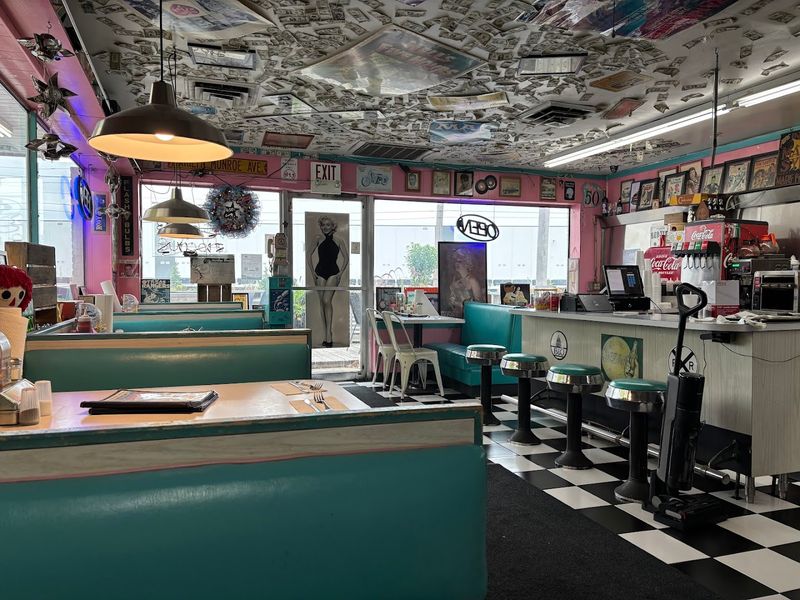
Theme restaurants can easily overplay the costume and forget the room still has to function as a place to eat. Rock-Cola 50’s Cafe avoids that trap by keeping its retro identity tied to practical diner elements: booths that invite you to settle in, a counter that suggests classic short-order service, and wall space used to build a full visual story.
The effect is playful, but it never looks detached from the meal. Look around and the details begin stacking up in a way that rewards slow scanning.
Vintage-style posters, bright color choices, chrome accents, and decorative memorabilia create texture from floor level to ceiling line, so your eyes keep moving even while you wait for coffee or a basket of fries.
Some diners use nostalgia as a single focal point. This one spreads it everywhere, which gives the room a denser, more lived-in personality.
There is also a strong soda fountain spirit running through the place. That matters because a diner centered on burgers, breakfast, ice cream, and fountain drinks should feel a little sweet around the edges, not purely utilitarian.
The decor supports that mood with enough whimsy to make a malt or Choc-Ola seem perfectly at home rather than like an extra item tacked onto a standard cafe menu.
Most importantly, the room seems built for different kinds of diners without losing its identity. Families can turn the visit into an outing, solo regulars can slide into the rhythm of the counter, and anyone chasing a retro photo moment has plenty to work with.
Instead of shouting the same visual note over and over, Rock-Cola layers nostalgia, color, and diner familiarity into a space that stays entertaining through the whole meal.
Breakfast That Understands the Diner Assignment
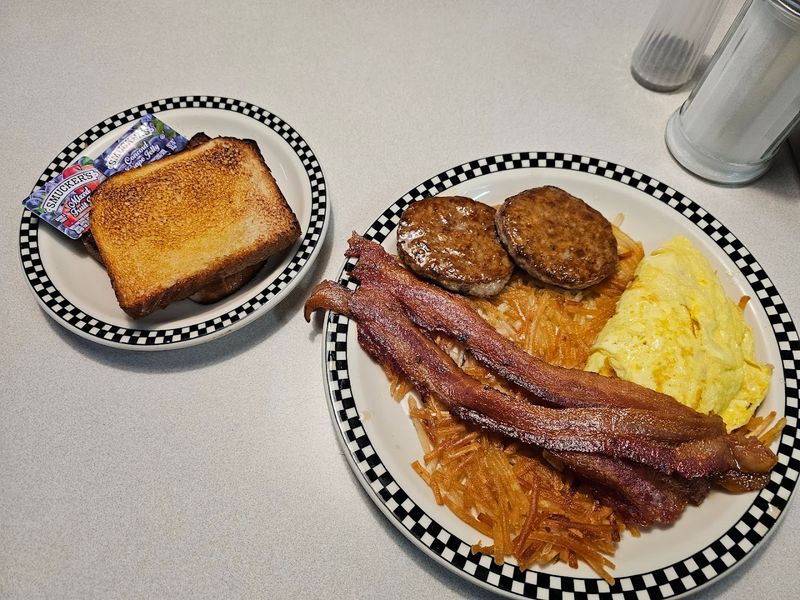
Breakfast is where a diner proves whether the style is backed by substance, and Rock-Cola 50’s Cafe appears to take that test seriously.
The menu leans into the classics people actually want in a place like this: biscuits and gravy, breakfast sandwiches, eggs, home fries, hash browns, and larger platters that aim for comfort rather than reinvention.
That straightforward approach suits the room because a retro cafe should not need a complicated pitch to make breakfast sound appealing.
Portion size seems to be part of the identity here. Dishes like the Double Wide come up often for a reason, not as a gimmick but as an example of diner generosity done in a recognizable, practical way.
A big breakfast lands differently in a place with checkerboard energy and counter stools. It feels appropriate, almost expected, like the room was built for plates that cover more territory than strictly necessary.
Texture matters just as much as scale at breakfast, and Rock-Cola’s menu choices suggest a focus on the satisfying basics.
Gravy-smothered combinations, crisp-edged potatoes, breakfast meats, and sandwich builds all fit the kind of morning meal that works whether you arrived hungry, late, or both.
Nothing about that style needs fancy terminology. It needs reliable execution and enough range to satisfy both a quick weekday stop and a slower weekend sit-down.
The hours reinforce breakfast as a core strength. Opening at 7 AM most days gives the cafe a real morning identity, while Sunday’s shorter late-morning window makes it the kind of place people target rather than wander into by accident.
For anyone hunting a breakfast spot with personality, Rock-Cola does not present the first meal of the day as an afterthought. It treats breakfast like headline material.
Burgers, Tenderloin, and the Soda Fountain Side of the Menu
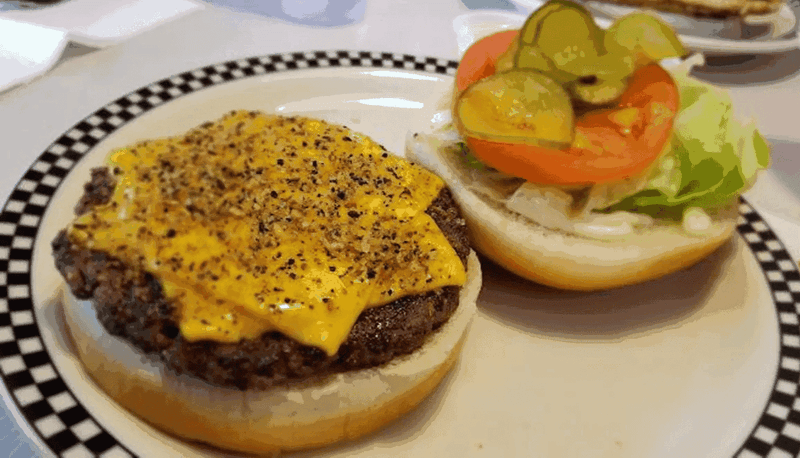
Once lunch enters the picture, Rock-Cola 50’s Cafe shifts from classic morning stop to full diner mode. The menu description alone tells you where it wants to play: burgers, ice cream, fountain drinks, and the kind of sandwiches that are supposed to arrive looking larger than expected.
That broader range matters because it turns the cafe into more than a breakfast specialist. It becomes a place where a midday craving can go in several satisfying directions.
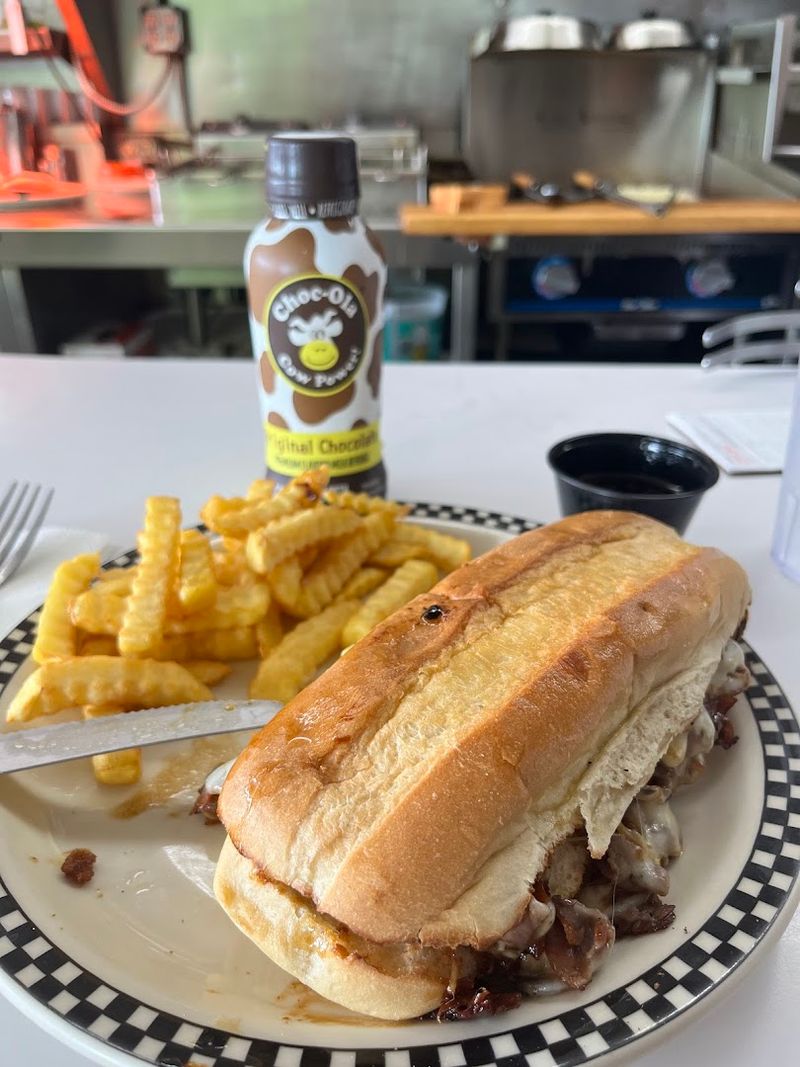
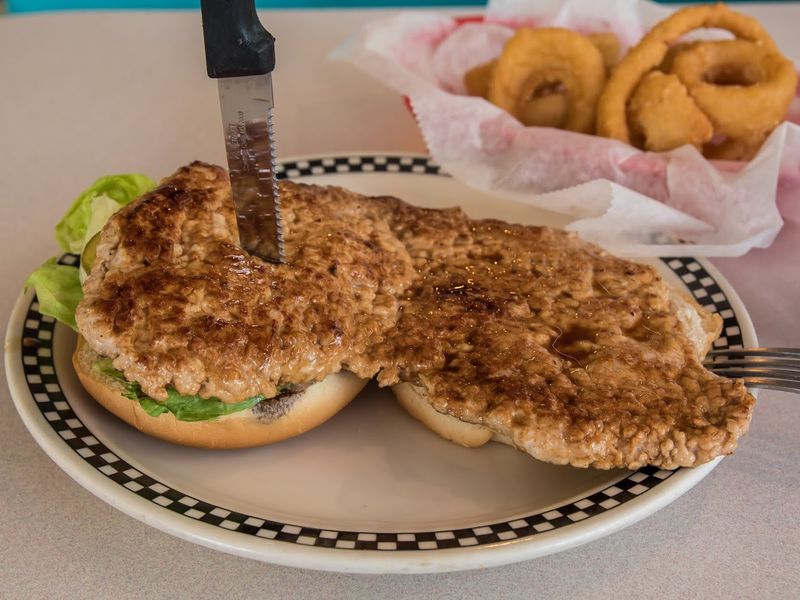
The burger side appears to understand scale and indulgence. A name like Mr. Big Stuff sets the tone before the plate even hits the table, and the oversized tenderloin has earned attention for similar reasons.
Those items fit the visual language of the diner perfectly. You want food here that looks a little dramatic, a little overbuilt, and completely comfortable with a side of fries and a paper-lined basket.
Then there is the fried-food lane, which helps round out the experience in a distinctly old-school way. Mushrooms, jalapeno poppers, and similar snackable add-ons extend the menu beyond simple entrees and into the territory of diner pleasure food, the kind that pairs naturally with groups, kids, or anyone refusing to make a restrained order.
In a room this bright and nostalgic, a sober salad-first mood would almost feel out of place. The soda fountain angle completes the picture. Malts, milkshakes, ice cream, and Choc-Ola give the menu a sweet finish and strengthen the retro concept without forcing it.
That is a big reason the place reads as a true diner rather than a cafe wearing vintage clothes. You can come in for gravy and eggs, but you can also lean all the way into a burger, fries, and fountain-drink meal that belongs exactly in this setting.
An Indiana Diner With Real Local Pulse
Rock-Cola 50’s Cafe stands out not only because it is themed, but because it seems tied to the everyday habits of its neighborhood. The place carries the energy of a local diner where service, routine, and personality all matter as much as the wall decor.
That combination gives it grounding. Without that local pulse, retro styling can drift into novelty. Here, the cafe comes across as a working restaurant first and a colorful throwback second.
One detail that sharpens that impression is the visible hands-on ownership described by diners. When the person cooking is also part of the place’s identity, the experience becomes more specific and less interchangeable.
It changes how the room reads. Instead of a concept assembled by a chain, Rock-Cola presents itself as a diner with direct human involvement at the grill and on the floor, which tends to produce a stronger sense of continuity across food, service, and atmosphere.
The location helps this too. Set on South Brookville Road on the edge-of-city side of Indianapolis, the cafe seems to attract a mix that suits a classic diner: nearby regulars, families, travelers who found it while passing through, and theme-loving food seekers willing to make a detour.
That mixed crowd is part of the charm because diners work best when they feel socially open rather than curated for one narrow audience.
Even the smaller size reinforces the local character. A compact room means interactions are more visible, the pace feels more personal, and the restaurant’s personality cannot hide behind anonymity.
In that setting, friendliness and efficiency are not optional extras. They become structural parts of the meal. Rock-Cola’s lasting appeal appears to come from exactly that intersection: recognizable diner food, a clearly defined theme, and the kind of day-to-day hospitality that makes a neighborhood spot endure.
How to Time Your Visit for the Best Seat and Mood
Because Rock-Cola 50’s Cafe is a smaller restaurant, timing can shape the whole experience more than it would at a large suburban chain. This is the kind of place where booth availability, counter rhythm, and the natural pulse of breakfast or lunch service actually matter.
Knowing that in advance helps you plan for the version of the visit you want, whether that means a lively room with full diner buzz or a slightly calmer stretch where you can absorb the details.
The operating hours offer a useful clue. Most days start at 7 AM and run to midafternoon, which places the cafe squarely in breakfast and lunch territory rather than late-night diner culture.
Monday is closed, and Sunday runs on a shorter 10 AM to 2 PM schedule, so weekend timing deserves a little more intention. If Sunday is your target, treating it like a destination instead of a backup option is the smart move.
Smaller seating capacity also affects group planning. This does not read like the ideal spot for a huge party expecting a long communal table and lots of elbow room.
It works better for pairs, families, and modest-size groups that fit the room’s cozy scale. In exchange, you get a more intimate diner layout where the decor, the sounds of service, and the food all sit closer together, making the whole scene more immersive.
There is also a practical upside to visiting outside the heaviest rush. A little extra breathing room lets the visual side of Rock-Cola register more clearly, from the retro design choices to the counter setup and overall flow.
If your goal is to do more than just eat fast and head out, aim for a visit that leaves time to look around, order something from the fountain side, and let the place unfold at diner speed.
Why This Southside Stop Still Beats Generic Nostalgia
Nostalgia is easy to manufacture badly. A few old signs, a jukebox reference, and some pastel paint can create a theme, but not necessarily a place anyone wants to return to for actual meals.
Rock-Cola 50’s Cafe appears to avoid that problem by connecting its retro personality to real diner fundamentals: broad comfort-food appeal, approachable prices, breakfast-to-lunch usefulness, and a room that supports the food instead of distracting from it.
That balance is why the cafe lands differently than a generic throwback concept. The visuals are strong, yes, but they are paired with practical reasons to come back: large portions, familiar menu anchors, quick service rhythms, and an atmosphere that suits everything from a weekday breakfast stop to a playful weekend lunch.
It is not trying to update diner culture into something sleek or ironic. It stays closer to the original promise, which is filling food in a character-rich setting.
The Indianapolis location adds another layer. On the southeast side, Rock-Cola serves as the kind of spot that can become part of a person’s weekly geography, not just a one-time curiosity.
That matters in a city where chain convenience is always nearby. Choosing a place like this means opting for a room with sharper identity, where the coffee, burgers, gravy, fountain drinks, and decor all seem to belong to the same idea rather than being assembled from separate marketing decisions.
In the end, Rock-Cola’s appeal is not hard to understand. It offers color without chaos, nostalgia without parody, and diner food that aims to satisfy rather than impress with gimmicks.
For anyone looking for an Indiana restaurant that turns a simple meal into a more vivid outing, this cafe makes a strong case by doing the old formulas well, then serving them in a room bold enough to match.
Share this story