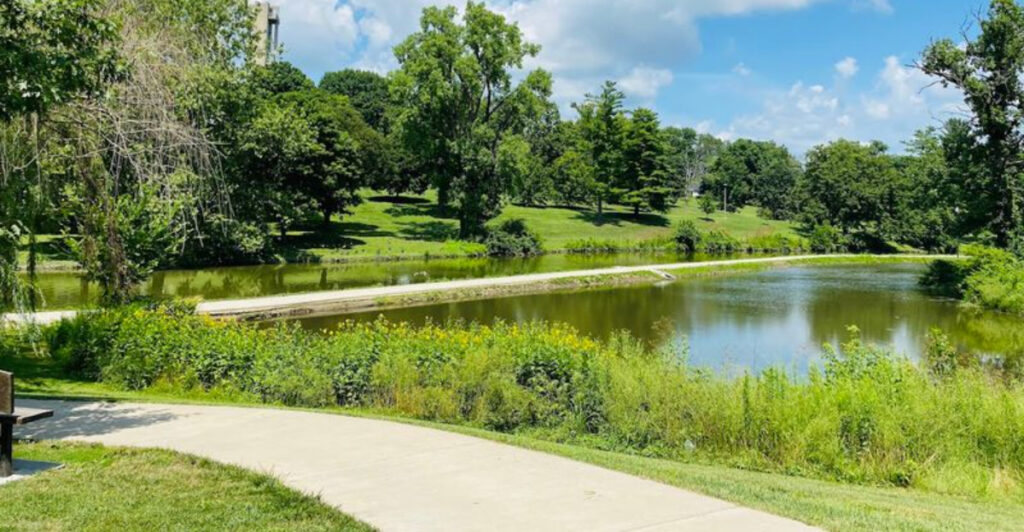
You do not have to leave Illinois to find a garden that feels like a peaceful escape from everyday life. Tucked inside Springfield’s historic Washington Park, the 20-acre Washington Park Botanical Garden invites visitors to wander through colorful flower beds, lush conservatories, tranquil walking paths, and beautifully landscaped gardens that change with the seasons.
Every turn reveals another pocket of beauty, making it just as rewarding for photographers and plant lovers as it is for anyone looking to slow down for an afternoon. Whether you’re planning a day trip or simply searching for one of Illinois’ most beautiful hidden gems, this botanical paradise is well worth the visit.
The Glass Dome That Changes the Mood Instantly
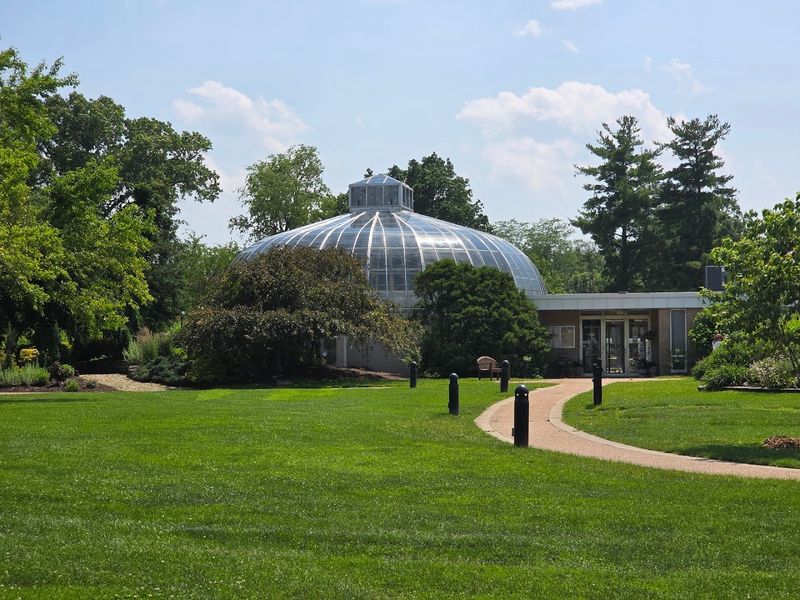
The quickest way to understand this garden is to head straight for the conservatory. Outside, the grounds already signal a carefully tended public space, but the glass-domed structure shifts the experience from neighborhood park to curated plant escape.
Light filters through the panes in a way that softens everything below, turning leaves, petals, and walkways into a layered indoor landscape instead of a simple greenhouse stop.
That change in scale matters. The building gives the garden a focal point, something architectural and memorable, while the planting inside supplies the contrast.
Tropical greenery, broader leaves, richer textures, and warmer visual density create a totally different rhythm than the open lawns and beds outside, so your visit never settles into one note.
It also helps that this is not a place that tries to overwhelm you with endless corridors. The conservatory is approachable.
You can move slowly, pause wherever color or texture pulls your eye, and actually notice details like glossy foliage, unusual shapes, and how the glass above turns daylight into part of the display.
That intimacy makes the garden especially good for people who like botanical spaces but do not want an all-day production. You get variety without needing a map-heavy strategy.
You get that rare middle ground between formal garden beauty and casual drop-in ease. For photographers, plant lovers, or anyone trying to reset after a busy morning, the dome does the heavy lifting. It announces that this is not just another patch of city green.
It is the visual anchor that gives Washington Park Botanical Garden its most distinctive opening scene and sets up everything else you explore afterward.
Where Springfield, Illinois Puts on Its Best Color Show
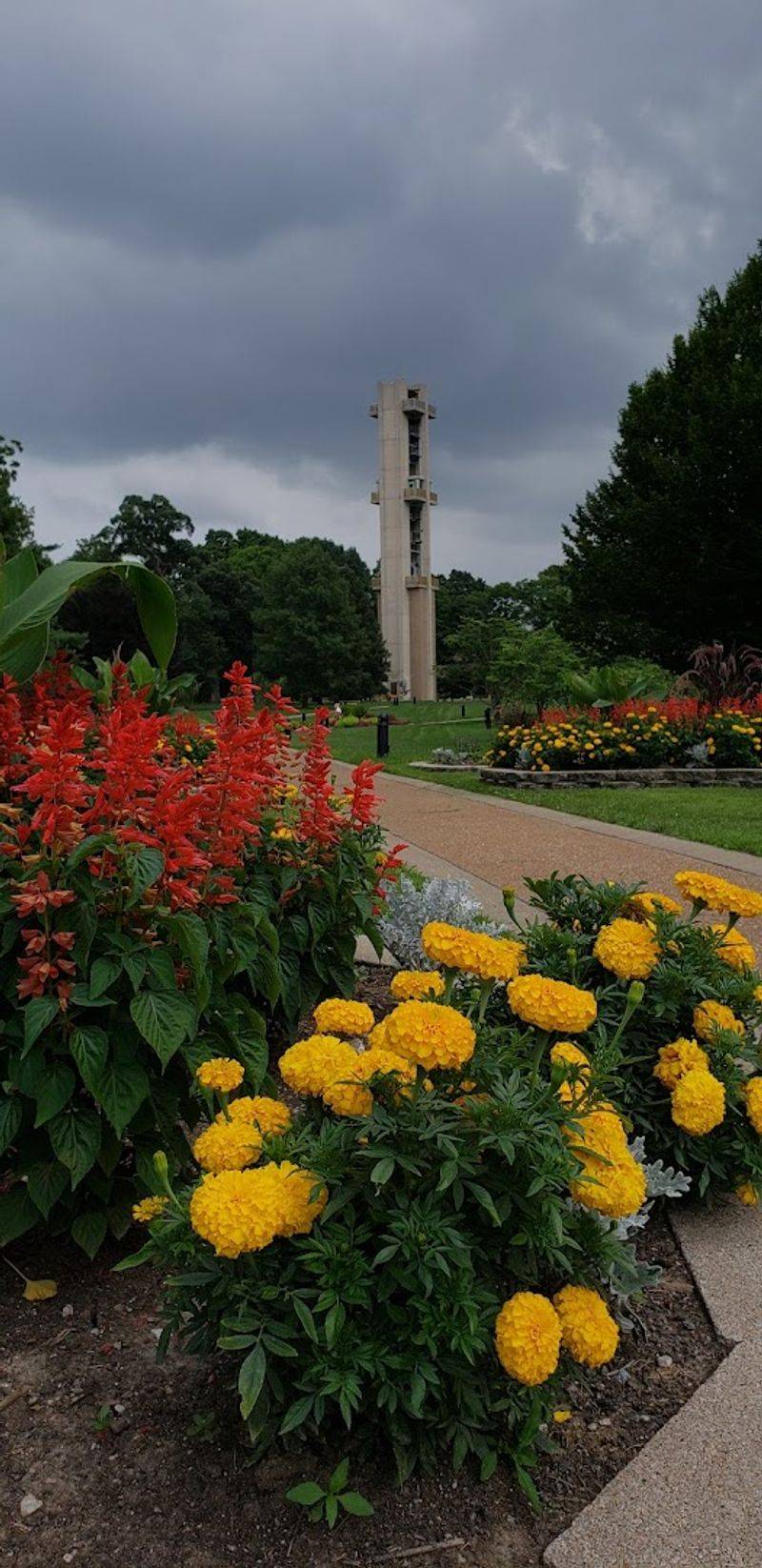
Seasonality is a huge part of why this garden works so well. Washington Park Botanical Garden does not depend on one permanent spectacle.
Instead, it rewards timing, repeat visits, and even casual curiosity, because the color story changes through the year. Spring can bring bright runs of tulips, daffodils, and hyacinths, while later stretches shift attention toward roses, iris, and other warm-season bloomers.
That rolling sequence keeps the grounds active rather than static. Beds and container displays can offer one experience in early spring and another a few weeks later, which gives the garden more momentum than its footprint might suggest.
Even when one section quiets down, another may be reaching its peak, so there is usually a visual reason to keep walking.
The effect is especially strong along paved paths where planting meets easy access. You are not staring at flowers from a distance across some fenced formal layout.
You move beside them, between shade and open sun, with enough closeness to catch small color contrasts and enough spacing to appreciate whole beds as designed compositions.
That balance makes the place useful for more than garden enthusiasts. Families can wander without much effort. Casual visitors do not need plant knowledge to enjoy it. Anyone chasing pictures gets backgrounds that look intentional instead of random, especially when flowers frame paths, benches, and the surrounding trees.
Because bloom timing always shifts with weather, the smartest approach is not to expect one exact scene. The better plan is to arrive ready for whatever is having its moment.
That unpredictability is part of the charm here. It turns a single public garden into a sequence of short seasonal premieres, each one inviting you back before the cast changes again.
Paved Paths, Deep Shade, and a Pace That Never Rushes You
Some gardens impress visually but become tiring once you start navigating them. This one is more generous.
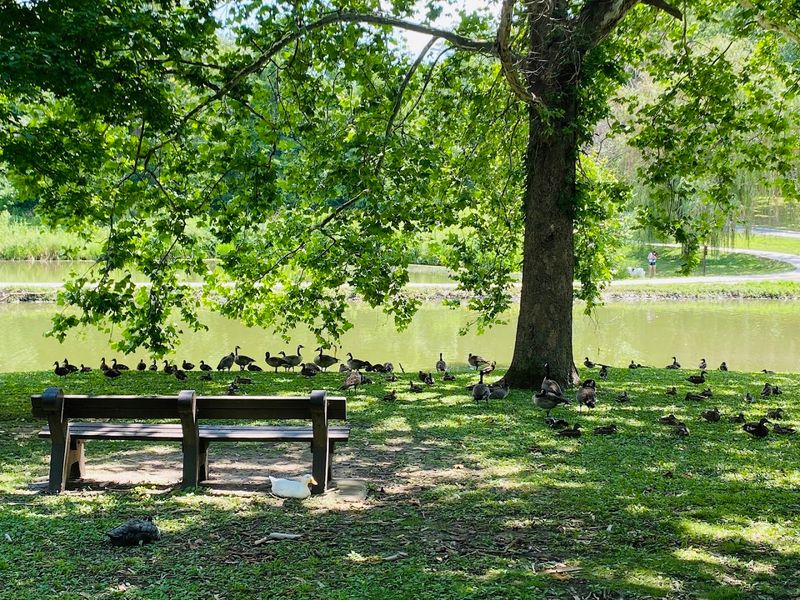
Wide paved paths and varied walking distances make Washington Park Botanical Garden easy to enjoy whether you want a quick loop, a longer stroll, or simply a bench and ten quiet minutes. Accessibility is part of the appeal, not an afterthought hidden behind the flower beds.
The tree cover changes the experience in an important way. During warmer months, shade cuts the glare and softens the pace, turning the grounds into a place where lingering actually sounds good.
You notice breezes more. You notice birds and rustling leaves more. You notice how much easier it is to slow down when the path is comfortable underfoot and the temperature feels a little less demanding.
That comfort also broadens who the garden works for. It suits solo walkers, couples, families with strollers, older visitors, and anyone who wants outdoor beauty without a rugged route.
The design supports movement at many speeds, which is one reason the place carries such a relaxed reputation. You are not being pushed toward a grand finale. The walk itself is the draw.
Benches help shape that rhythm. They are not just practical stops. They create permission to treat the garden as a place for reading, thinking, chatting, or waiting for the next patch of light to shift across the path. In a busier city schedule, that kind of built-in pause matters.
For travelers, this means the garden can fit almost any itinerary. It works as a deliberate destination, but it also works between other plans, when you want a setting that feels restorative without requiring serious effort.
Easy parking and manageable paths keep the logistics simple. The payoff is a calm, flexible visit that never asks too much of you.
Listen for the Carillon While the Garden Opens Up Around You

One of the smartest ways to experience this garden is to pay attention beyond the plants. Washington Park Botanical Garden sits within a larger park setting, and that relationship gives the visit extra texture.
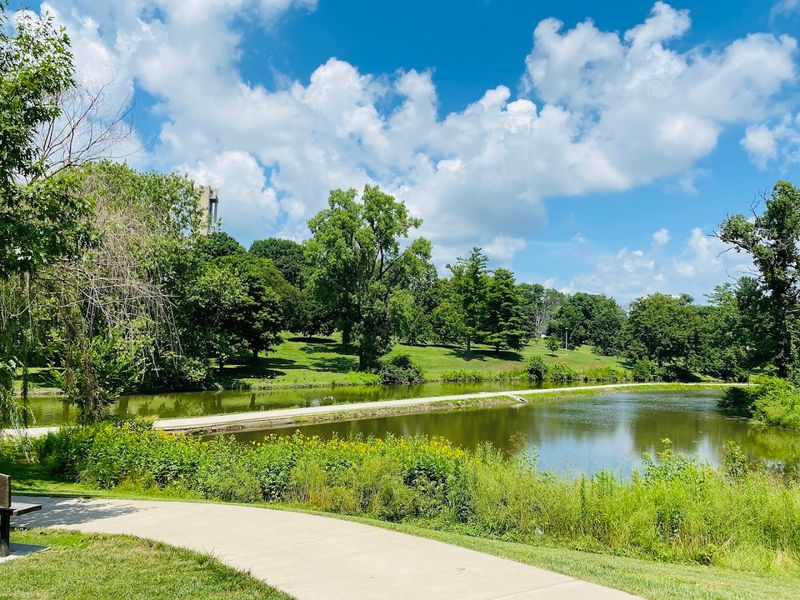
You are not sealed inside an isolated attraction. The garden opens into a broader environment of lawns, paths, water features, and park activity, which makes the botanical spaces feel connected rather than boxed in.
Then there is the sound. The nearby carillon adds an unexpected layer to the setting, especially if you catch the bells carrying across the grounds during your walk.
It is not constant background music in a theatrical sense. It arrives as part of the park’s atmosphere, threading through the trees and flower beds in a way that changes the tempo of the afternoon.
That wider setting helps the garden appeal to different kinds of visitors. Some people come for flower displays and conservatory detail.
Others want a scenic place for photos, a peaceful walk, or a family outing with room to move. Because the garden blends into park space instead of cutting itself off from it, those uses can coexist naturally.
You see that in the transitions. One moment you are focusing on a formal planted area, and the next you are stepping into broader scenery with mature trees, open sky, or a new path line pulling you onward.
The movement keeps the experience from feeling repetitive, even if your visit is fairly short. This is also why the garden reads as more than a check-the-box stop. The surrounding park gives it breathing room and an extra sense of occasion.
Add the occasional bell tones, and the place gains a signature detail many small botanical gardens do not have. You leave with plants, yes, but also with a full setting that feels composed on a larger scale.
More Than Flower Beds: The Details That Keep It Interesting
The strongest garden visits have range, and this one quietly delivers it. Washington Park Botanical Garden is not only about a single floral display or one indoor room.
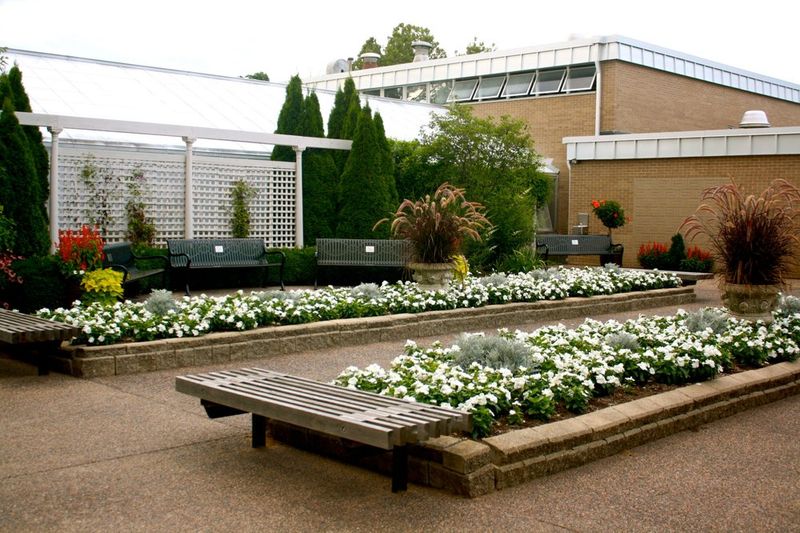
The experience works because different elements keep surfacing as you move: formal plantings, rose-focused sections, container displays, shaded seating, tropical interiors, and edges that hint at wilder pockets beyond the most manicured areas.
That mix prevents visual fatigue. A tight, polished bed of seasonal flowers has a very different energy from a leafy greenhouse corner or a path lined with mature trees.
Even small changes in texture do a lot here. Glossy tropical leaves, upright stems, soft petals, lawn openings, brick and pavement, and shifting patches of shade make the route more dynamic than the garden’s size might suggest.
It also means different visitors can lock onto different details. Picture-takers get strong backdrops and color. Gardeners get planting ideas and bloom curiosity.
Kids have room to notice movement, birds, and changing scenery without feeling trapped in a formal museum-like layout. Anyone seeking a quiet sit-down spot can usually find a bench with a decent view and enough breathing room.
There is practical value in that variety too. If one part of the garden is between bloom cycles or weather has taken a toll on a certain section, the visit still has other points of interest.
You are not dependent on one perfect rose bed to justify the trip. The place is layered enough to absorb those seasonal fluctuations.
That resilience is easy to underestimate until you are there. Washington Park Botanical Garden succeeds by offering several kinds of beauty at once rather than betting everything on one headline scene.
The reward is a visit that stays active, even when your pace is slow, because each turn introduces a fresh detail, texture, or planting style to consider.
A Local Garden That Functions Like Community Space
Some botanical gardens are beautiful but distant, built more for spectacle than everyday use. Washington Park Botanical Garden has a different strength.
It functions as a community space without losing its visual polish, which is a big reason it remains so appealing. You can sense that it belongs to regular life in Springfield while still offering enough design and structure to feel like a destination.
That dual identity shapes the mood. The grounds support photo sessions, relaxed walks, bench time, casual family outings, and solo laps when someone simply wants fresh air and a little order.
Because the space is maintained as both a park resource and a garden setting, it avoids the stiffness that can make some public gardens feel overly precious.
There is also a civic value in a place like this that should not be overlooked. A well-kept botanical garden in the middle of ordinary routines gives the city an accessible pocket of beauty, one that does not require a special occasion to enjoy.
People can arrive with different goals and still use the space well, whether that means admiring blooms, catching shade, taking prom pictures, or stretching a short afternoon into something calmer.
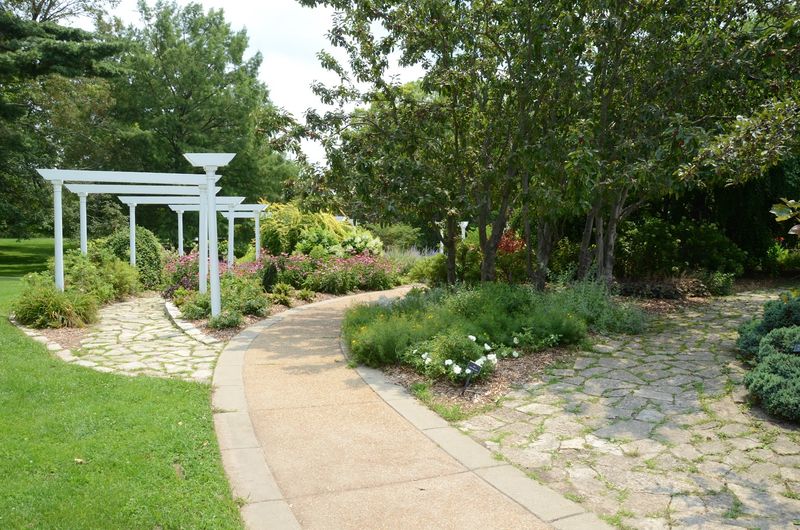
The layout supports that versatility. Easy paths, seating, open park connections, and concentrated planted areas let visitors decide how formal or informal the visit will be.
You can treat it as a scenic errand, a photo stop, a contemplative walk, or a dedicated garden outing. That flexibility is harder to design than it looks.
In travel terms, this matters because the garden gives you a more grounded sense of place than a purely tourist-built attraction would. It is attractive, yes, but it is also lived with.
That combination creates a stronger experience. You are not stepping into a staged backdrop. You are stepping into one of Springfield’s best everyday landscapes, where care, beauty, and practical public use meet in the same footprint.
How to Time Your Visit for the Best Afternoon
If you are planning a visit, timing can shape the entire experience here. Washington Park Botanical Garden keeps limited public hours, generally opening from midday into the afternoon on Sunday through Thursday, while Friday and Saturday are closed.
That schedule makes this more of a purposeful stop than a spontaneous evening wander, so it helps to build the visit into daytime plans from the start.
The best strategy is simple: arrive ready to walk slowly and let the place reveal itself in sections. Start with the conservatory if you want an immediate visual anchor, then move outward to the seasonal beds, tree-lined paths, and the wider park surroundings.
That sequence gives you indoor richness first, followed by open-air contrast, which tends to make the whole garden read as more expansive.
Season matters too. Spring is ideal if you are chasing bright floral color, while warmer months can be better for fuller foliage, shade, and longer lingering on benches or around outdoor displays.
Because bloom cycles shift, the smartest expectation is variety rather than one guaranteed headline flower. If something is peaking, treat it as a bonus rather than the only point of the trip.
This is also a good place to pair with low-key plans. Bring a camera, a friend, or just enough spare time to avoid rushing.
The garden is not designed for speed. Its strongest qualities show up when you pause at transitions, notice changing textures, and let the paved paths lead rather than trying to conquer the grounds in record time.
That is the real secret of visiting well. Washington Park Botanical Garden is easy to fit into a Springfield afternoon, yet it rewards a slower pace than its size might imply.
Give it attention, catch the light right, and you will understand why this green pocket stands out far beyond a routine park stop.