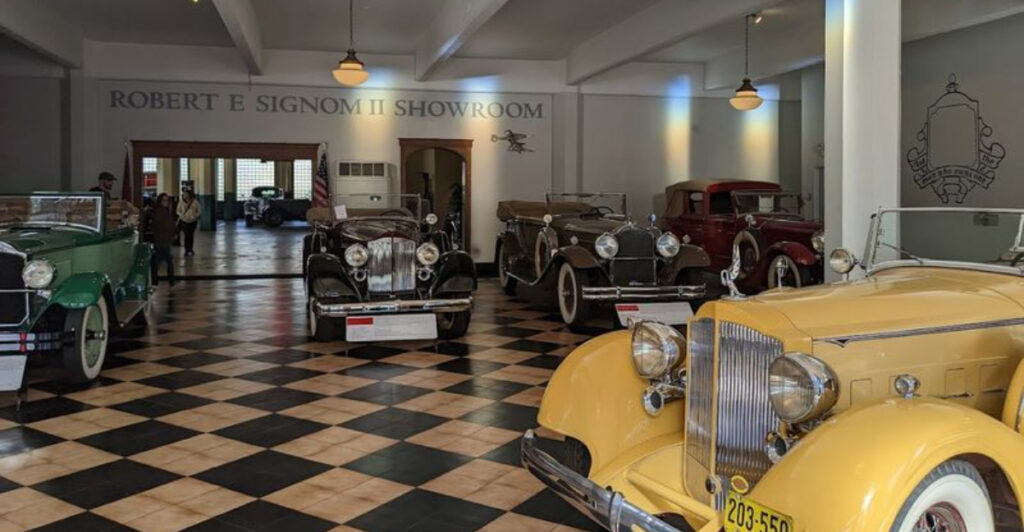
If you think you have to leave Ohio to find unforgettable automotive history, America’s Packard Museum in Dayton will prove you wrong fast. This place is more than a room full of old cars – it is a beautifully preserved time capsule where engineering, style, and American ambition all meet under one roof.
From the moment you step inside the former dealership, every detail pulls you deeper into the Packard story. If you love chrome, craftsmanship, and the kind of history you can almost hear idling, this is one stop you should not skip.
1. A Historic Packard Dealership You Can Still Walk Through
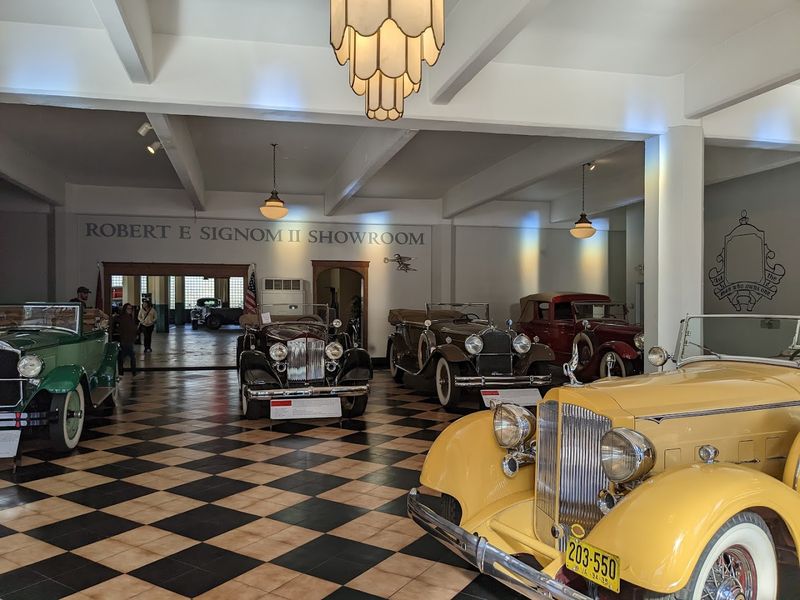
One of the first things that grabbed me about America’s Packard Museum was the building itself. This is not a modern space trying to recreate the past.
It is an original 1917 Packard dealership at 420 S Ludlow Street, and that authenticity gives every visit a stronger sense of place.
When you walk in, you are surrounded by architecture and atmosphere that feel tied directly to the cars on display. The showroom setting makes it easy to picture buyers stepping inside generations ago, dreaming about new luxury models and the status they represented.
Instead of feeling staged, the museum feels lived in, preserved, and deeply connected to Dayton’s automotive past.
For me, that matters because the experience becomes more than looking at vehicles behind ropes. You are standing where Packard history actually happened, and that makes every polished fender, sign, and display case feel far more memorable.
2. A Collection That Shows Packard’s Full Evolution
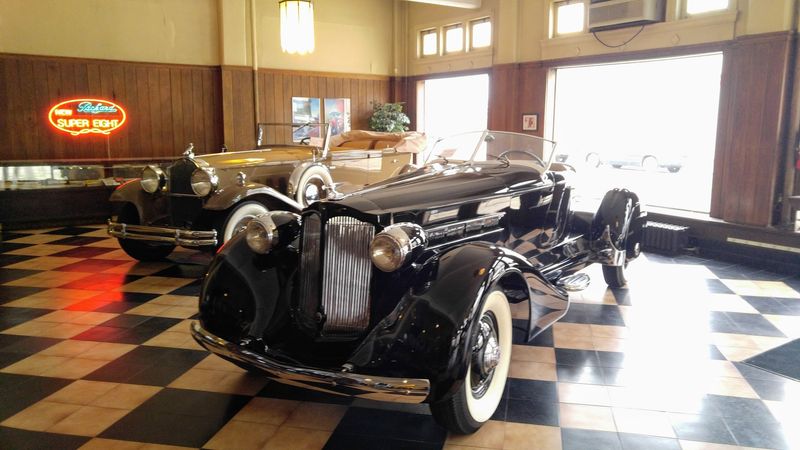
The collection at America’s Packard Museum makes it easy to see how the brand changed over time without losing its identity. Reviewers often mention the layout moves in mostly chronological order, and that structure really helps you connect one era of Packard design to the next.
You are not just seeing isolated cars. You are watching a luxury automaker evolve through changing technology, style, and American history.
Early models highlight elegant proportions, mechanical simplicity, and the kind of craftsmanship that immediately slows you down. As you continue, the later vehicles reveal bigger bodies, richer trim, and the confidence of a company that understood prestige.
Even if you do not arrive knowing Packard history in detail, the progression makes the story easy to follow.
That is part of what makes this museum so satisfying. Every section adds context, and every car feels like another chapter instead of just another display.
3. Detailed Displays That Make the Cars Mean More
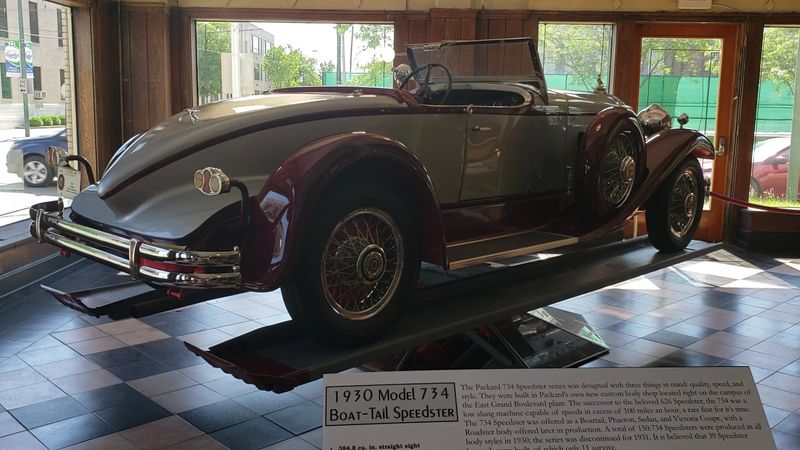
A lot of car museums expect the vehicles to do all the talking, but America’s Packard Museum gives you context that makes the collection far more rewarding. Guests regularly praise the detailed signs in front of each car, and I can see why.
Those placards do more than list specs. They connect each automobile to the year it was built, what was happening in the country, and how people lived at the time.
That extra layer turns a beautiful machine into a real historical artifact. You start comparing prices, features, and design choices with the world outside the showroom, which makes the museum feel richer and more personal.
Even if you are not deeply technical, the storytelling keeps you engaged because it explains why each vehicle mattered.
I love museums that help you learn without making the experience feel like homework. Here, the information invites curiosity and gives every stop on the floor a little more weight.
4. Friendly Docents and a Relaxed Self-Guided Experience
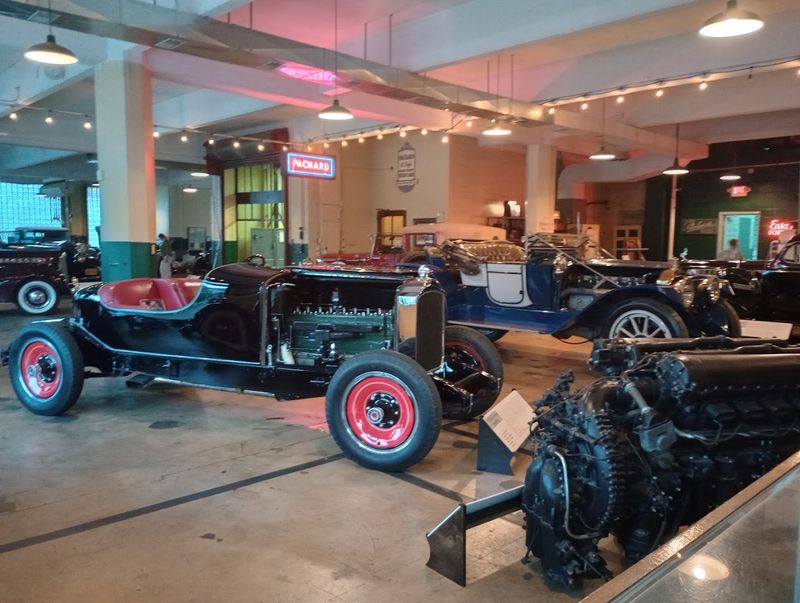
One reason this museum stands out is how easy it is to explore at your own pace. Visitors describe it as self guided, uncrowded, and welcoming, which is exactly the kind of environment that lets you really notice the details.
You can spend an hour making a quick pass or stay longer reading signs, asking questions, and revisiting favorite cars without feeling rushed.
The staff and docents seem to be a huge part of that experience. Review after review mentions friendly, knowledgeable volunteers who answer questions with patience and genuine enthusiasm.
In some cases, they even opened a hood for a closer look, which tells you they want people to connect with the machines rather than just glance at them from a distance.
That kind of hospitality changes the whole mood of a museum. Instead of feeling formal or intimidating, the visit feels approachable, personal, and built for both hardcore enthusiasts and curious first timers.
5. More Than Cars – Dayton History and Engineering Legacy
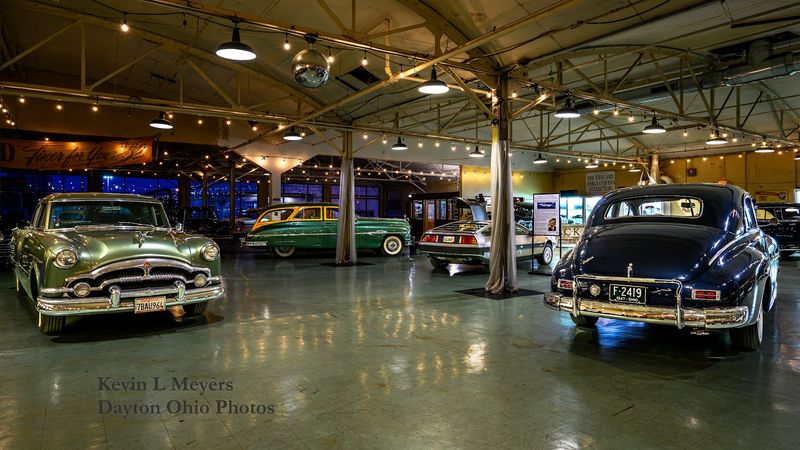
Even though the spotlight stays on Packard, the museum also gives you a broader sense of engineering history that fits Dayton perfectly. One visitor specifically mentioned seeing engines built for World War II aircraft such as the P-51 Mustang, and details like that widen the story beyond the showroom floor.
You start to understand Packard not only as a luxury automaker, but as a company connected to larger American innovation.
That matters in a city often associated with aviation. Instead of competing with Dayton’s better known attractions, the museum complements them by showing another side of mechanical achievement, this time on the ground and under the hood.
The result feels surprisingly expansive for a museum many people call a hidden gem.
I think that blend of automotive elegance and industrial history is one of its biggest strengths. It gives you plenty to admire visually, while also offering a deeper appreciation for the era and the people behind the machines.
6. A Hidden Gem That Is Easy to Enjoy for Any Visitor
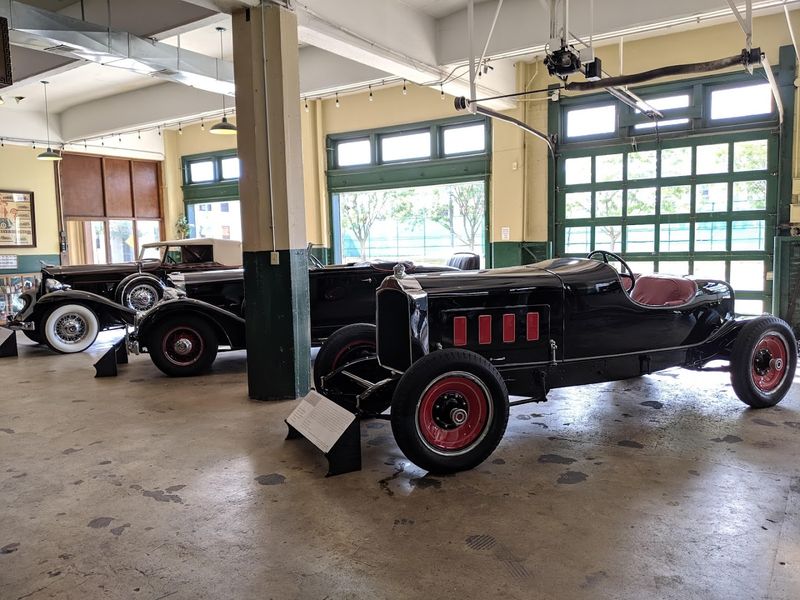
America’s Packard Museum gets called a hidden gem again and again, and that description feels deserved. It is near downtown Dayton, easy to reach, and approachable whether you are a lifelong collector or someone simply looking for a smart way to spend an afternoon.
Reviews also highlight thoughtful accessibility, including staff placing a ramp for guests who needed easier entry and exit.
That kind of care says a lot about the place. People mention clean restrooms, a small gift shop, free photo opportunities, and a layout that never feels overwhelming or cramped even when others are visiting.
Families also seem well served, with kid-friendly touches that help younger visitors stay engaged without taking away from the serious historical focus.
I always appreciate museums that feel genuinely welcoming instead of exclusive. Here, the atmosphere seems built around making sure more people can enjoy the collection comfortably, which only adds to its reputation as a must-see Dayton stop.
7. Why It Belongs on a Gearhead Bucket List
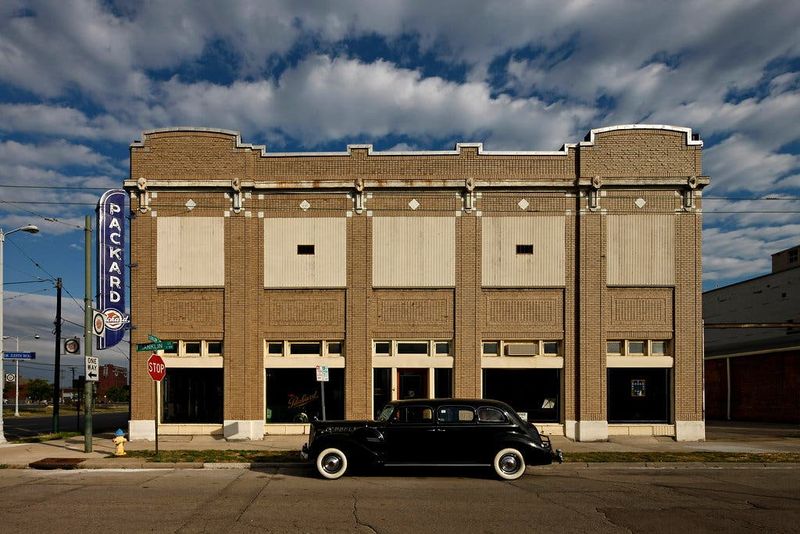
If you are building a real automotive bucket list, America’s Packard Museum deserves a spot because it delivers more than beautiful cars. You get a preserved dealership, a thoughtfully organized collection, strong historical interpretation, and the kind of knowledgeable staff that can turn casual curiosity into genuine fascination.
Add in the museum’s 4.8 star rating, hundreds of glowing reviews, and modest admission, and it becomes hard to argue against making the trip.
What stands out most is how often visitors leave surprised by how much they enjoyed it. Some come for photography, some for engineering, some for local history, and others just want a relaxed Sunday activity, but the museum seems to meet all of them where they are.
That versatility is rare.
For me, the best bucket list stops are the ones that feel personal long after you leave. America’s Packard Museum has exactly that kind of staying power, and Dayton is better for having it.