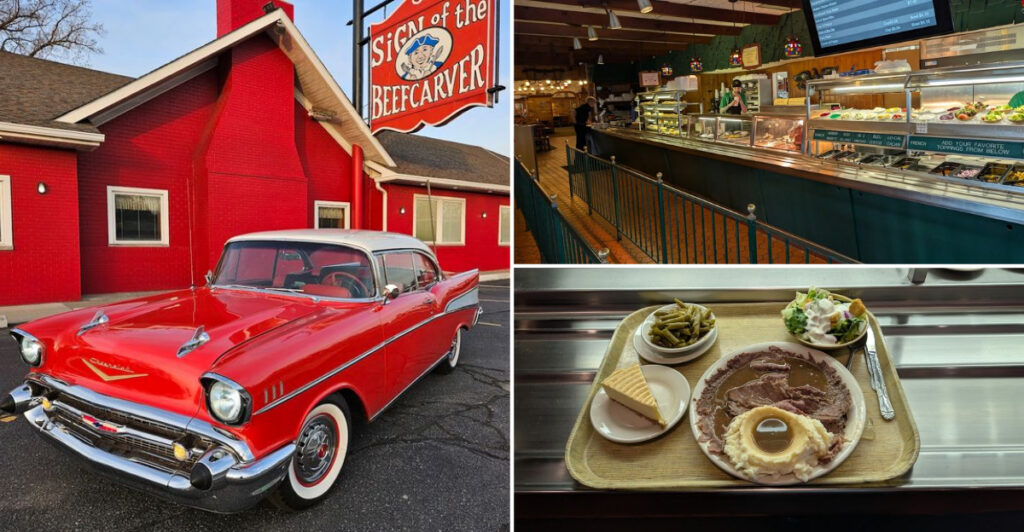
There are very few restaurants in Michigan that have been feeding families the same honest, home-cooked way for nearly seven decades, but Sign of the Beefcarver on Woodward Avenue in Royal Oak is one of them. Since 1957, this classic American cafeteria has been dishing out hand-carved roast beef, creamy mashed potatoes, and hearty comfort food to generations of loyal diners.
The cafeteria-style setup is part of the charm, letting you pick your meal, pay up front, and settle into a warm, no-fuss dining room that feels straight out of mid-century America. Whether you grew up coming here with your grandparents or are discovering it for the first time, the experience is refreshingly simple and satisfying.
Stepping Inside a Time Capsule on Woodward Avenue
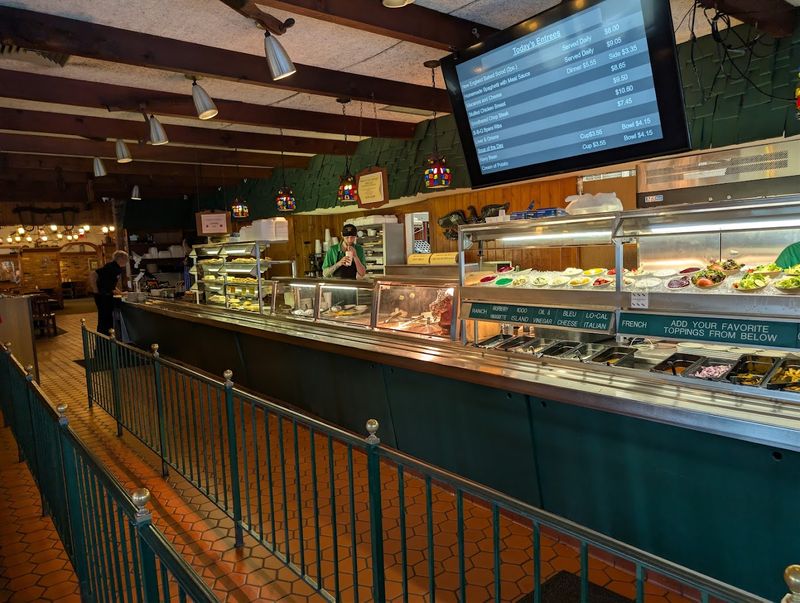
Walking through the front door of Sign of the Beefcarver feels like someone quietly rewound the clock to a simpler era of American dining. The interior holds onto its original character with a confidence that most modern restaurants simply cannot replicate.
Warm wood tones, vintage decorations, and a layout that has barely shifted in decades greet every visitor who steps inside.
The dining room carries that familiar country-style warmth without trying too hard. A fireplace anchors one section of the space, making it a popular spot for cooler evenings when the crackle of a fire adds something extra to a plate of roast beef and gravy.
Overhead, ceiling fans and light fixtures are kept surprisingly clean and well-maintained, a detail that speaks to how seriously the staff takes the upkeep of the entire space.
Televisions tucked into the room play channels like the Science Channel, giving solo diners something to watch without disrupting the relaxed atmosphere around them. The decor does not feel neglected or frozen in an awkward way.
Instead, it reads as genuinely preserved, the kind of environment where the goal was never to be trendy but to remain consistently comfortable.
Tables are set up for families, couples, and groups alike. Church groups, zoo-day families, and regulars who have been visiting for thirty or forty years all seem to find their rhythm here without any friction.
The space accommodates everyone without feeling cramped or chaotic. The cleanliness throughout, from the tabletops to the corners most restaurants overlook, signals that care and routine are baked into how this place operates every single day.
How the Cafeteria Line Actually Works
The cafeteria format at Sign of the Beefcarver is not just a nostalgic quirk. It is a genuinely efficient system that makes the whole dining experience move at a pace that feels rare and refreshing.
You approach the counter, make your selections from the available dishes, pay at the register, and a staff member carries your tray to your table. It is old-fashioned in the best possible sense.
The process eliminates the usual waiting-for-a-server cycle that can drag out a lunch or dinner. Groups of fifteen from a church outing can get everyone seated and eating in a fraction of the time it would take at a traditional sit-down restaurant.
Families coming in after a long day at the Detroit Zoo, which sits just a short drive away, appreciate being able to grab a hot meal quickly without the usual back-and-forth of ordering and waiting.
Staff members check in at the table after food is delivered, asking if anything is needed and keeping an eye on refills. The bussing is handled for you as well, so the experience has the convenience of cafeteria speed paired with a layer of table service that most diners do not expect going in.
That combination is part of why first-timers are often genuinely surprised by how smooth it all feels.
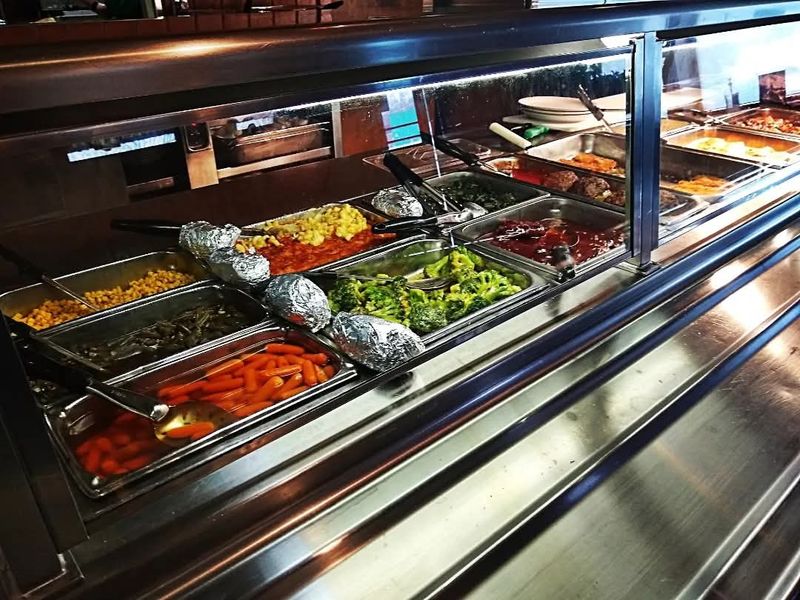
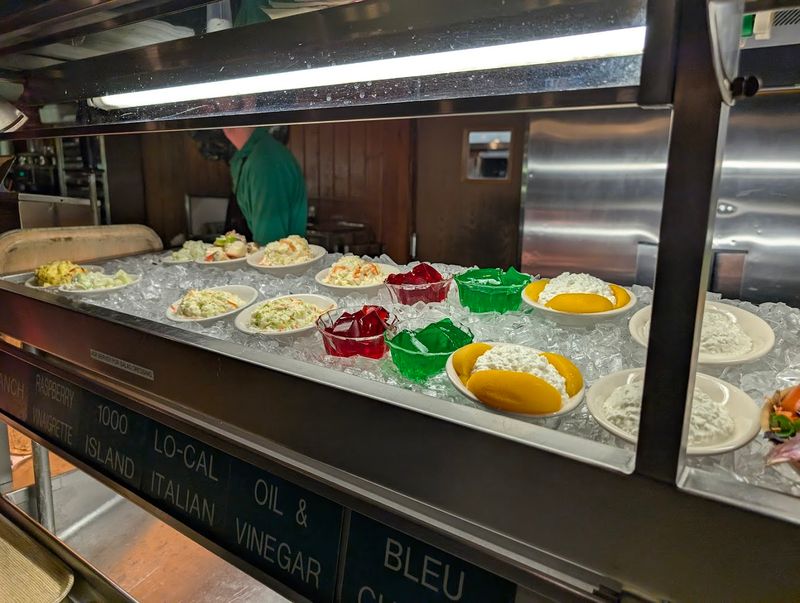
The counter setup also lets you see exactly what you are getting before you commit. There is no mystery about portion size or presentation.
The roast beef gets hand-carved right there, and the sides are visible and ready to scoop. For people who like to know what their meal looks like before it lands on their plate, this format delivers total transparency from the very first step in line.
The Roast Beef and Comfort Classics That Keep People Returning
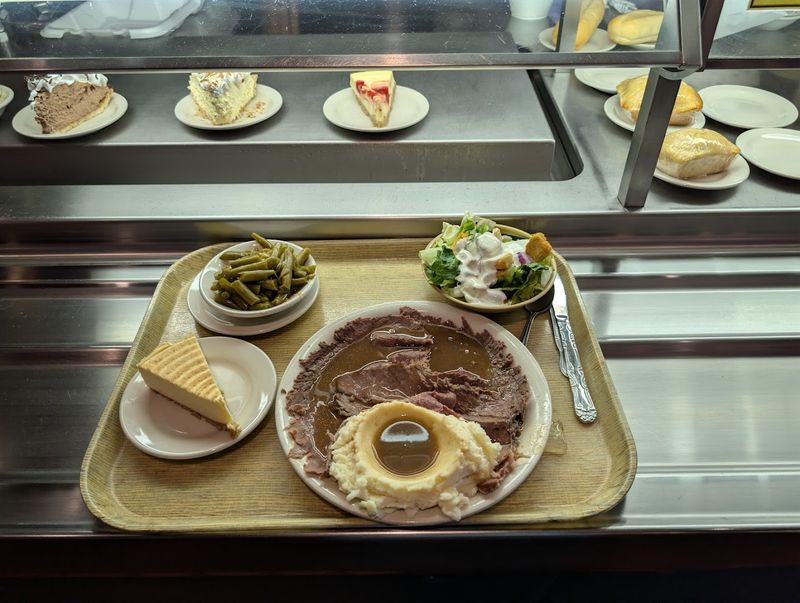
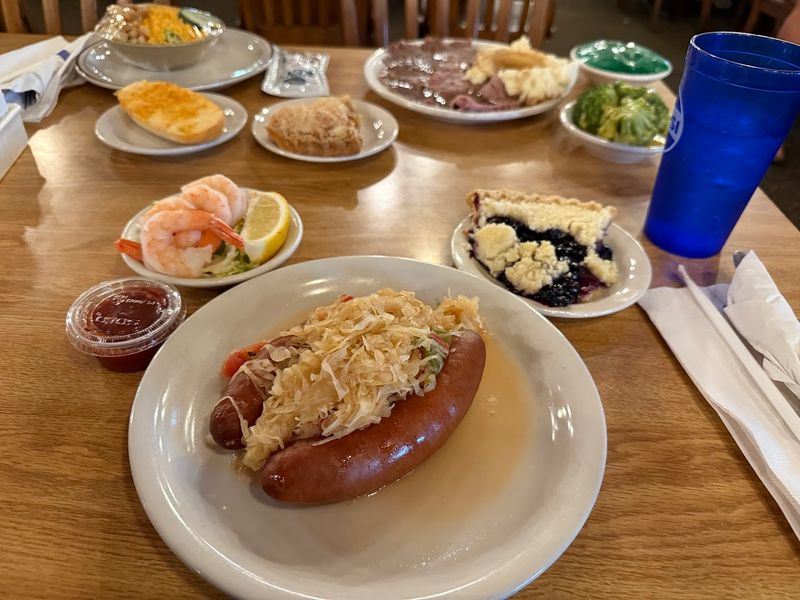
The roast beef has been the centerpiece of this menu since the very beginning, and it still earns its place at the top. Hand-carved and served with au jus, it is the kind of beef that rewards a slow bite rather than a quick one.
The slices are generous, the flavor is straightforward and savory, and the au jus adds just enough richness to pull the whole plate together.
Mashed potatoes here are the real kind, not the powdered variety that shortcuts so many comfort food menus. They arrive thick and satisfying, ready to hold a ladle of gravy without turning into a soupy mess.
Paired with the roast beef, they form the backbone of a meal that has been ordered in exactly that combination by decades of regulars who see no reason to change a good thing.
Beyond the beef, the menu stretches into ribs, stuffed chicken breast, meatloaf, macaroni and cheese, broccoli cheese, corn, and a rotating selection of sides that shift with the seasons. Around the holidays, the kitchen leans into special menus that have included full Thanksgiving-style spreads served across multiple weeks in November.
That kind of seasonal attention to tradition keeps the menu from ever feeling stale.
Pickles served on the side have earned their own quiet fan base among regulars who know to ask for them. The dessert case includes cherry pie, pecan pie, lemon pie, apple pie, and banana bread, each made to round out a meal rather than overshadow it.
The lemon pie in particular draws consistent praise from people who have been coming back for twenty or more years, treating it as a non-negotiable final course every single visit.
A Michigan Institution With Nearly Seven Decades of History
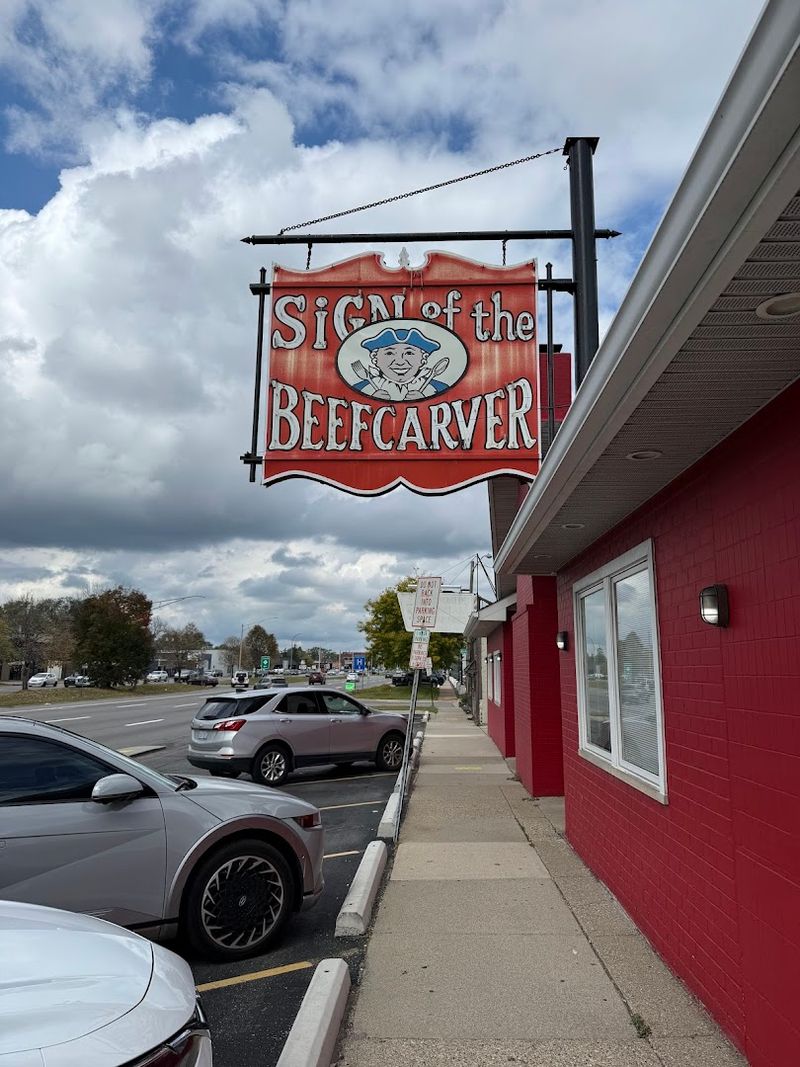
Sign of the Beefcarver opened in 1957, which means it has been feeding Michigan families through nearly every major shift in the American restaurant landscape. Fast food chains rose and fell around it.
Trendy dining concepts came and went. This place on Woodward Avenue just kept serving carved beef and mashed potatoes with the same steady hand it always had.
At one point, multiple locations existed across the metro Detroit area, including a beloved spot in Allen Park that closed years ago and left a gap that loyal customers still talk about. The Royal Oak location is now the last one standing, which gives it a weight beyond just being a good place to eat.
For many Michigan residents, a meal here connects directly to childhood memories of coming with parents or grandparents who treated the outing as a regular family ritual.
The location on Woodward Avenue sits in a stretch that gives easy access to North Woodward and connects to the surrounding Royal Oak neighborhoods without much difficulty. It is close enough to the Detroit Zoo that combining a zoo visit with dinner here has become a natural tradition for families making a day of it.
The geography of the place has always made it a logical stop rather than an out-of-the-way destination.
That longevity is not accidental. Restaurants do not survive nearly seventy years in Michigan by coasting on nostalgia alone.
The consistency of the food, the reliability of the service, and the physical upkeep of the building all reflect deliberate choices made year after year to maintain standards rather than cut corners. The 4.5-star rating across more than 1,700 reviews is a modern measure of something that has been earned the slow, unglamorous way: by showing up and doing the same thing well, every single week.
The Staff Makes Every Visit Feel Personal
There is a particular kind of service that only develops when employees genuinely like where they work, and Sign of the Beefcarver has it in a way that stands out immediately. Staff members carry trays to tables, check in during the meal, and handle refills with a consistency that feels personal rather than procedural.
The whole team operates with an ease that suggests low turnover and real investment in the place.
Birthday celebrations get extra attention here. Staff members have been known to check in repeatedly with birthday guests throughout the meal, calling them by name and making the occasion feel acknowledged rather than ignored.
For a cafeteria-style restaurant where the format could easily feel impersonal, that kind of individual attention shifts the entire dynamic of the visit. It turns a quick meal into something more memorable without requiring any fanfare or special arrangements.
Group visits work especially smoothly because the staff is practiced at managing larger parties without losing the personal touch. A church group of fifteen people can arrive, move through the line, and get settled without feeling like a burden on the kitchen or the floor team.
The efficiency of the cafeteria model is matched by the attentiveness of the people running it, and that combination is harder to find than most diners realize.
First-time visitors frequently leave surprised by the warmth of the interactions. The staff does not perform friendliness as a script.
It comes across as the natural result of working in a place with clear routines, a stable team, and a customer base that includes many familiar faces. Walking in as a stranger and leaving feeling welcomed is not a guaranteed experience at most restaurants, but at Sign of the Beefcarver it happens often enough to be considered part of the deal.
Planning Your Visit: Hours, Timing, and What to Expect
Sign of the Beefcarver is open Tuesday through Sunday from 11 AM to 8 PM, which covers lunch and dinner across most of the week. Monday is the one day the kitchen takes a rest, so planning around that matters if you are making a special trip.
The hours are consistent and predictable, which fits well with the overall reliability the place projects in every other area of the operation.
Arriving earlier in the lunch window or right when dinner service starts tends to mean shorter lines and a fuller selection at the counter. As the evening progresses toward closing, some items naturally run lower, which is standard for any cafeteria format.
Coming in during the first hour of service guarantees the widest range of choices and the freshest rotation of dishes across the steam table.
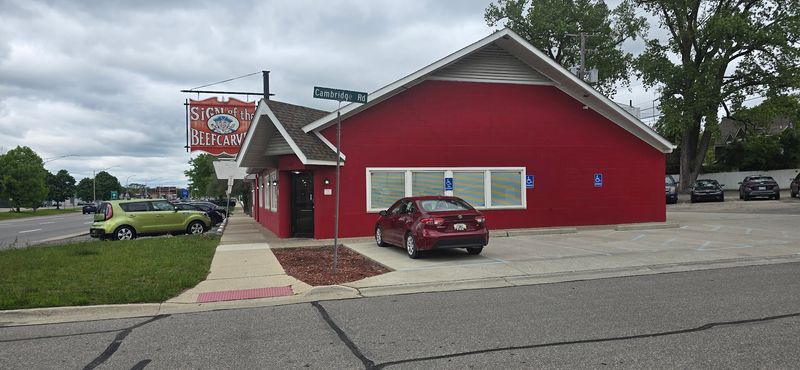
Parking along Woodward Avenue is accessible, and the restaurant sits in a location that is easy to spot from the road. The building and its signage have a visual presence that makes it recognizable even to people who have never stopped before.
Nearby shortcuts through the neighborhood connect to 11 Mile Road, which helps during busier traffic periods on Woodward.
Coupons are sometimes available, which can bring the per-person cost down noticeably. Prices are already considered reasonable for Royal Oak, a city where dining costs have climbed steadily over the years.
A full plate of roast beef, two sides, and a slice of pie lands at a price point that feels fair for the quantity and quality delivered. Bringing cash or card both work fine.
The checkout process at the front counter moves quickly, so even a packed dining room does not usually create a long wait before you are carrying your tray to a table.
Why This Royal Oak Spot Stands Apart From Every Other Comfort Food Option
Comfort food restaurants are not rare, but ones that have been executing the same menu with the same format and the same level of care for nearly seventy years are genuinely uncommon. Sign of the Beefcarver does not rely on a rotating concept or a seasonal rebrand to stay relevant.
The menu is the menu, the format is the format, and the building looks largely the way it always has. That consistency is the entire point.
What separates this place from chain comfort food options is the specificity of the experience. The hand-carving at the counter is not theater.
It is the actual preparation method, and it produces a different result than pre-sliced steam-table beef. The mashed potatoes are made from real potatoes.
The pies are baked to be eaten, not displayed. Every detail reflects a kitchen that is cooking rather than assembling.
The social dimension of the cafeteria format adds something that table-service restaurants rarely achieve. Moving through a line together, pointing at dishes, watching your food get plated in front of you, and then carrying everything to a shared table creates a kind of low-key communal energy.
Families who have been doing this here for multiple generations are not coming back just for the beef. They are coming back for the rhythm of the whole experience.
For anyone in Michigan who has not been, or who drove past the Woodward Avenue location for years without stopping, the gap between expectation and reality is worth bridging. The food is honest, the price is fair, the staff is genuinely good at their jobs, and the building holds a piece of regional dining history that very few places in the state can still claim.
Some things are worth preserving exactly as they are, and Sign of the Beefcarver proves that point every time it opens its doors.
Share this story