Tennessee isn’t just about country music and barbecue. Hidden across the state are gardens so stunning they look like they belong in fairy tales or fantasy movies.
From Nashville’s grand estates to mountain-top wonders near Chattanooga, these outdoor spaces showcase nature at its absolute finest. Whether you’re a serious gardener or just someone who loves pretty places, these 10 gardens will leave you speechless.
1. Cheekwood – Nashville
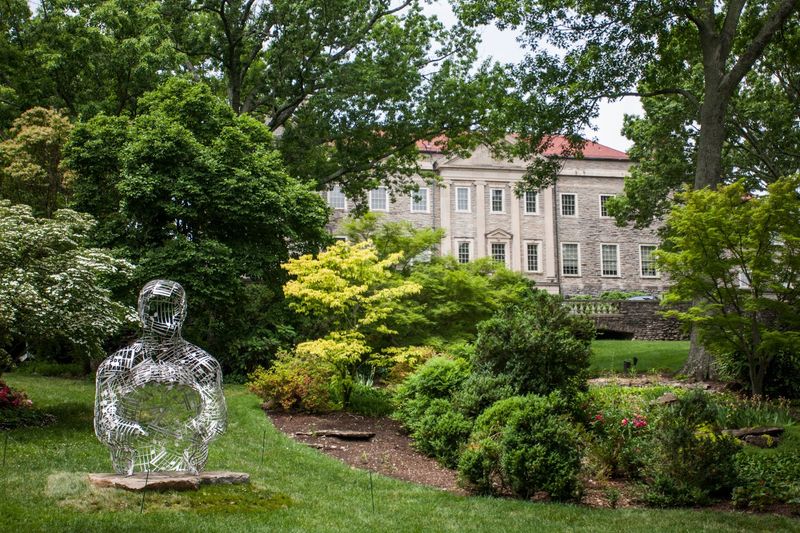
Picture 55 acres of rolling gardens where every turn reveals something more beautiful than the last. Cheekwood started as a private estate in the 1930s and has grown into one of the Southeast’s premier botanical gardens.
The mansion itself looks like something out of a period drama, surrounded by seasonal blooms that change the landscape throughout the year.
Spring brings thousands of tulips that carpet the grounds in waves of color. Summer means lush green canopies and vibrant perennial displays.
Fall transforms the property with chrysanthemums and autumn foliage, while winter offers a magical light display that draws crowds from across the region.
The sculpture trail adds an artistic dimension you won’t find at typical gardens. Contemporary art pieces dot the landscape, creating unexpected moments where nature and human creativity collide.
Families love the children’s garden, which encourages hands-on exploration.
Plan to spend at least half a day here because rushing through would be a crime. The café serves light lunches if you need fuel between garden sections.
Photography enthusiasts should bring extra memory cards—you’ll want to capture everything.
2. Memphis Botanic Garden – Memphis
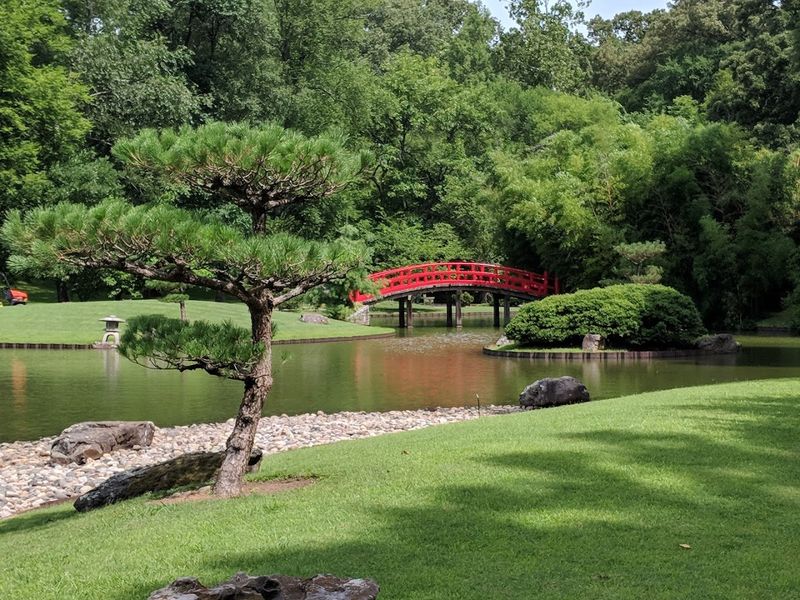
Memphis isn’t all blues clubs and river views. Tucked into the city’s Audubon Park sits 96 acres of botanical wonderland that locals consider their green escape.
The garden divides into more than two dozen specialized areas, each with its own personality and plant focus.
The Japanese Garden of Tranquility steals the show for many visitors. Stone lanterns, arched bridges, and carefully raked gravel create an atmosphere that feels worlds away from urban Memphis.
Koi fish glide through clear ponds while you walk paths designed to slow you down and help you notice details.
Kids gravitate toward My Big Backyard, an interactive children’s garden that teaches through play. Water features, climbing structures, and discovery zones keep young ones engaged while parents enjoy the scenery.
The Sculpture Garden adds cultural depth with rotating art installations.
Seasonal events fill the calendar year-round. Spring plant sales attract serious gardeners hunting for rare specimens.
Summer concerts on the lawn blend music with natural beauty. The herb garden provides inspiration for home cooks looking to expand their culinary gardens.
3. Knoxville Botanical Garden and Arboretum – Knoxville
Free admission to a world-class garden? That’s the Knoxville way.
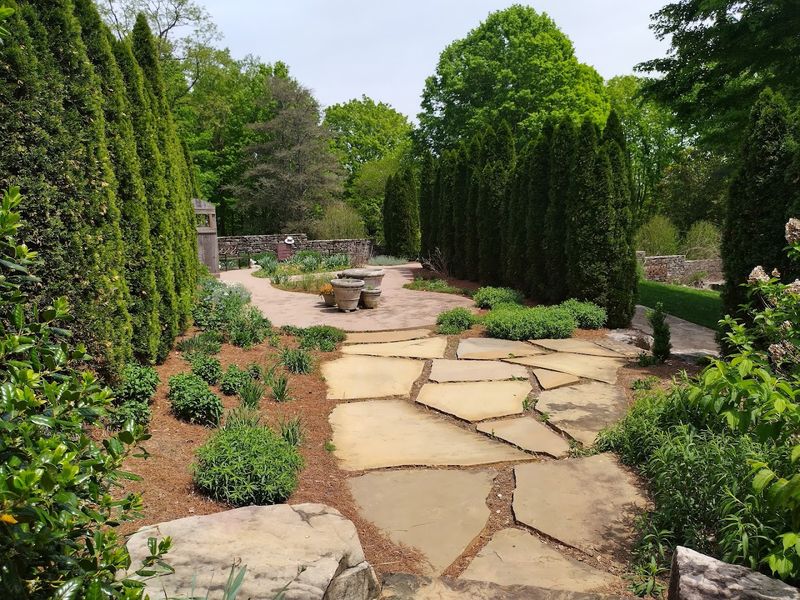
This 47-acre site combines formal gardens with wild natural areas, creating a landscape that feels both curated and untamed. The historic Howell Nursery buildings add architectural interest to the plant collections.
Stone walls and pathways wind through spaces that change character as you explore. The Woodland Garden showcases native plants that thrive in Tennessee’s climate.
Wildflower meadows explode with color during peak seasons, attracting butterflies and bees by the hundreds.
What makes this garden special is its commitment to sustainable practices. Rainwater collection, composting, and native plant focus demonstrate environmental stewardship.
Educational programs teach visitors how to apply these principles in their own yards.
The Visitor Center occupies a beautifully restored 1950s home where you can pick up maps and get recommendations. Staff members genuinely love sharing their knowledge about the collections.
Special gardens devoted to specific themes—like the Butterfly Garden or Stone Age Garden—give you reasons to return multiple times throughout the year.
4. University of Tennessee Gardens, Knoxville – Knoxville
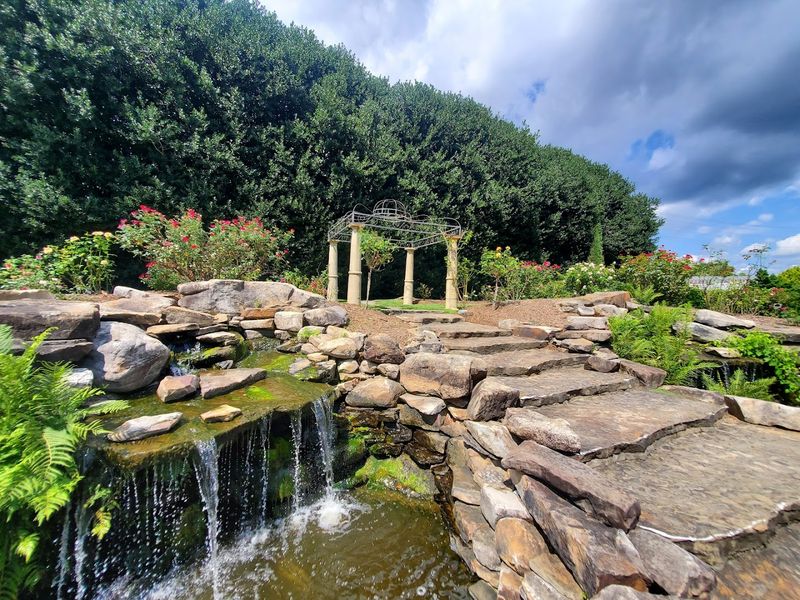
College campuses aren’t usually known for horticultural excellence, but UT breaks that mold. These gardens serve dual purposes as both beautiful public spaces and living laboratories for plant research.
Students and visitors alike benefit from the carefully maintained collections spread across multiple locations.
The UT Gardens feature extensive trial gardens where new plant varieties get tested for performance in Tennessee conditions. You’re essentially seeing tomorrow’s garden center offerings before they hit the market.
Perennial borders demonstrate design principles that home gardeners can adapt to their own properties.
Seasonal displays rotate throughout the year, keeping the landscape fresh for repeat visitors. The All-America Selections Display Garden showcases award-winning flower and vegetable varieties.
Herb gardens provide fragrant stops along walking paths.
Educational signage throughout the gardens identifies plants and explains their characteristics. It’s like having a knowledgeable guide without the pressure of a formal tour.
The gardens connect to other campus green spaces, making it easy to extend your visit into a longer walk through UT’s attractive grounds.
5. Mabry-Hazen House – Knoxville
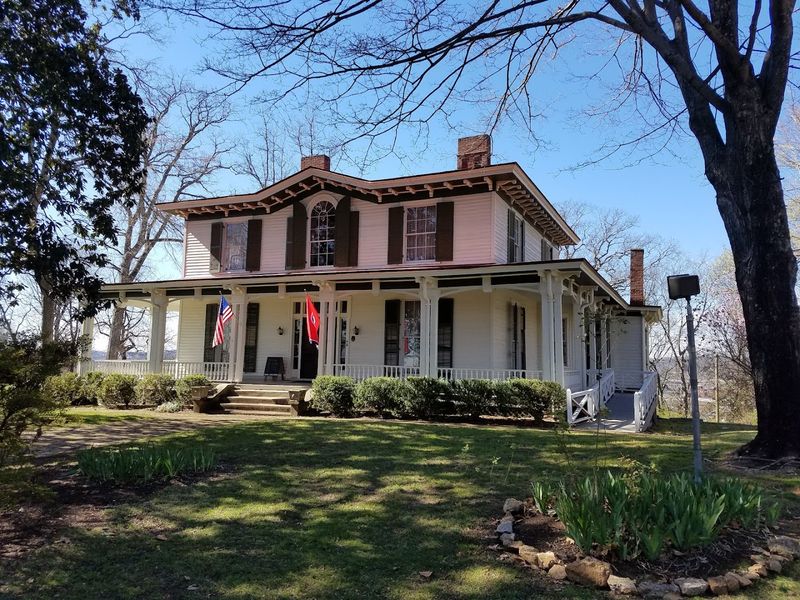
History and horticulture merge at this Knoxville treasure. The Mabry-Hazen House has stood since 1858, and its gardens reflect the gardening styles of that era.
Walking these grounds feels like stepping into a different century where formal plantings and careful symmetry ruled garden design.
The property sits on a hilltop with commanding views of downtown Knoxville. Original garden features have been researched and restored to reflect how wealthy Victorian families approached outdoor spaces.
Heritage plant varieties that would have been popular in the 1800s fill the beds.
House tours reveal how the indoor and outdoor spaces worked together in 19th-century life. Large windows frame garden views that were carefully planned for visual impact from inside.
The connection between architecture and landscape becomes clear as you explore.
Seasonal changes affect the gardens dramatically. Spring bulbs that were favorites of Victorian gardeners emerge early.
Summer brings roses and perennials that would have been cutting garden staples. The intimate scale of these gardens makes them feel personal rather than overwhelming, perfect for those who prefer smaller, more detailed spaces.
6. UT Gardens – Jackson
West Tennessee gets its own UT Gardens outpost, and it’s distinctly different from the Knoxville location. The Jackson gardens focus on plants that thrive in the region’s specific climate and soil conditions.
Research happens here that directly benefits Tennessee gardeners trying to grow food and flowers in challenging conditions.
Trial gardens test vegetable varieties for heat tolerance and disease resistance. You’ll see experimental plots that look part science lab, part beautiful garden.
The results inform recommendations that extension agents share with farmers and home gardeners across the region.
Ornamental gardens showcase plants that perform well without excessive water or chemical inputs. Native plant collections demonstrate how working with Tennessee’s natural flora creates lower-maintenance landscapes.
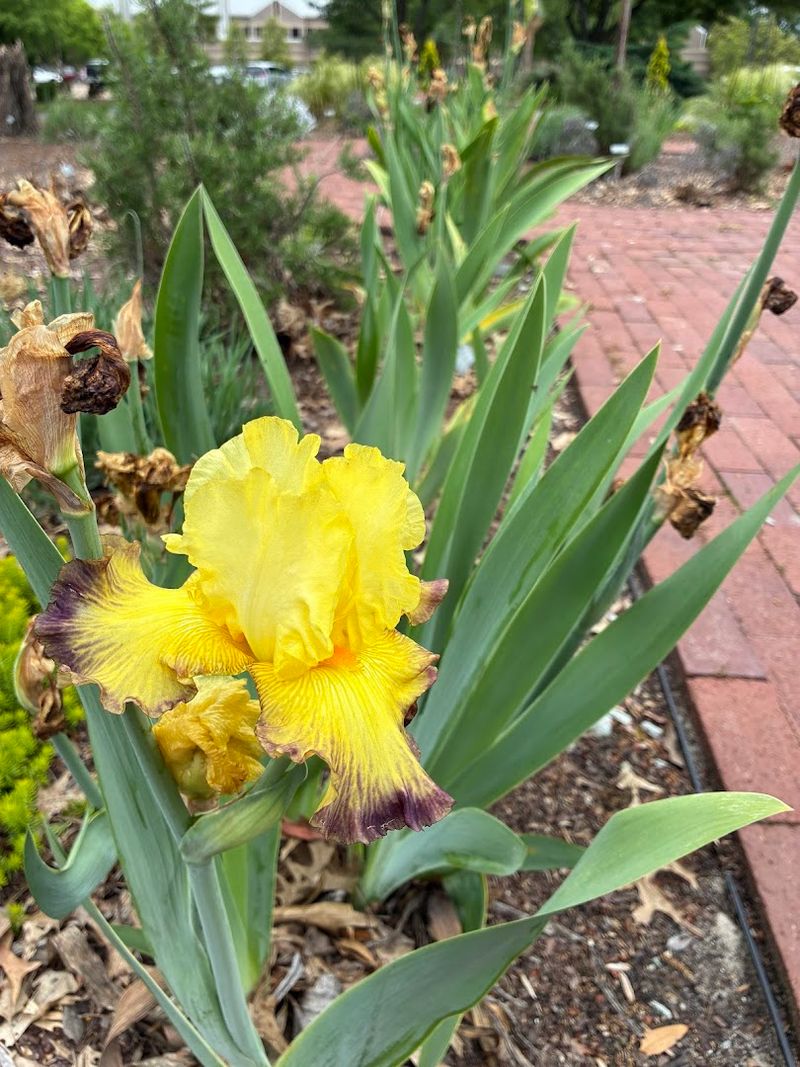
The iris collection draws specialists from across the South during peak bloom.
Educational programs run throughout the growing season, covering topics from vegetable gardening to landscape design. The staff welcomes questions and loves sharing their expertise.
It’s a working garden that invites public participation rather than keeping visitors at arm’s length behind velvet ropes.
7. Reflection Riding Arboretum & Nature Center – Chattanooga

Nature takes the lead at Reflection Riding, where 317 acres of protected land showcase Tennessee’s native ecosystems. This isn’t a formal garden with manicured beds—it’s a celebration of what grows naturally in Southern Appalachia.
The three-mile driving and walking loop takes you through diverse habitats that change dramatically with elevation and moisture.
Wildflower displays rival any cultivated garden during spring. Native azaleas, trilliums, and dozens of other species carpet the forest floor.
The arboretum maintains trails that let you get close to plants without damaging fragile habitats.
Wildlife sightings add excitement to garden visits. White-tailed deer browse among the trees.
Over 200 bird species have been documented on the property. The nature center houses animal ambassadors that help visitors understand local ecosystems.
Lookout Creek winds through the property, adding water features to the landscape. Wetland areas support plants and animals that depend on these increasingly rare habitats.
The combination of beauty and conservation makes this more than just a pretty place—it’s an important refuge for native species.
8. Centennial Park Sunken Garden – Nashville
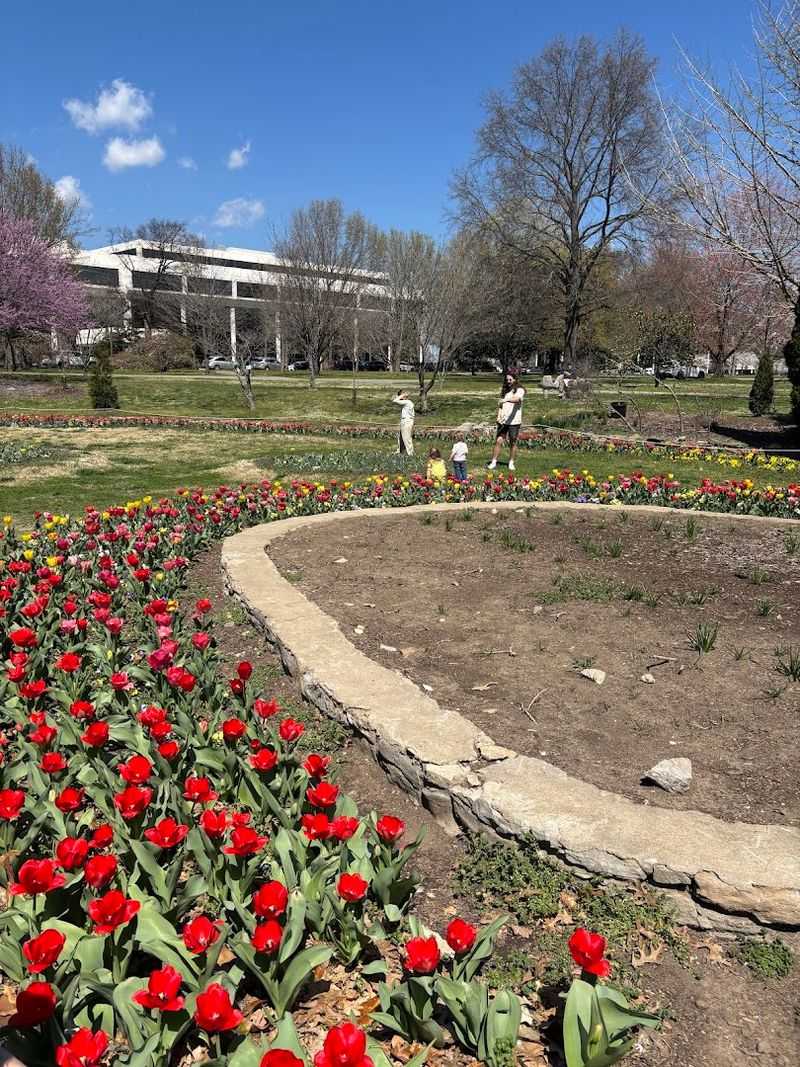
Right in the heart of Nashville sits a garden that feels like a secret even though it’s completely public. The Sunken Garden occupies a below-grade space that creates a sense of enclosure and intimacy rare in urban parks.
Stone walls surround carefully designed beds that change with the seasons.
The formal layout harks back to early 20th-century garden design when symmetry and order defined beauty. Geometric beds filled with seasonal flowers create patterns best appreciated from the upper walkways.
A central fountain provides a focal point and soothing water sounds.
Spring tulip displays draw crowds who come specifically to see the coordinated color schemes. Summer annuals take over when tulips fade, maintaining color throughout the growing season.
The park department replants several times per year to keep the garden looking fresh.
What makes this garden special is its accessibility and the contrast it provides to Nashville’s urban energy. You can be at a honky-tonk on Broadway in minutes, but standing in the Sunken Garden feels worlds away.
It’s a reminder that cities need beautiful, peaceful spaces where people can recharge without leaving town.
9. Oaklands Mansion – Murfreesboro
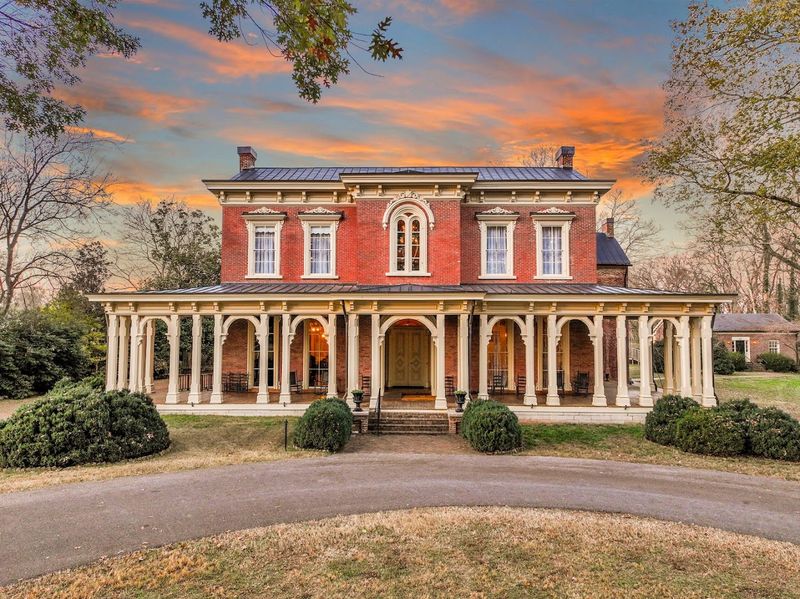
Oaklands Mansion tells Tennessee’s history through both architecture and landscape. The property dates to the early 1800s, and garden restoration efforts have brought back plantings that reflect different eras of the home’s long history.
Walking these grounds provides insight into how Southern gardens evolved over time.
Boxwood hedges that have stood for generations define garden rooms and pathways. These ancient plants create structure that persists through all seasons.
Heritage roses climb on period-appropriate supports. Vegetable and herb gardens demonstrate kitchen garden practices from earlier centuries.
The mansion’s role in Civil War history adds layers of meaning to the landscape. Understanding what happened here makes walking the grounds more poignant.
Garden features that survived war and neglect speak to the resilience of certain plants and design choices.
Interpretive programs connect past and present gardening practices. Heirloom seed preservation efforts help maintain plant varieties that might otherwise disappear.
The gardens serve educational purposes while remaining beautiful spaces that invite exploration. Seasonal changes affect the historic landscape just as they would have 150 years ago.
10. Bledsoe’s Fort Historical Park & Native Gardens – Castalian Springs
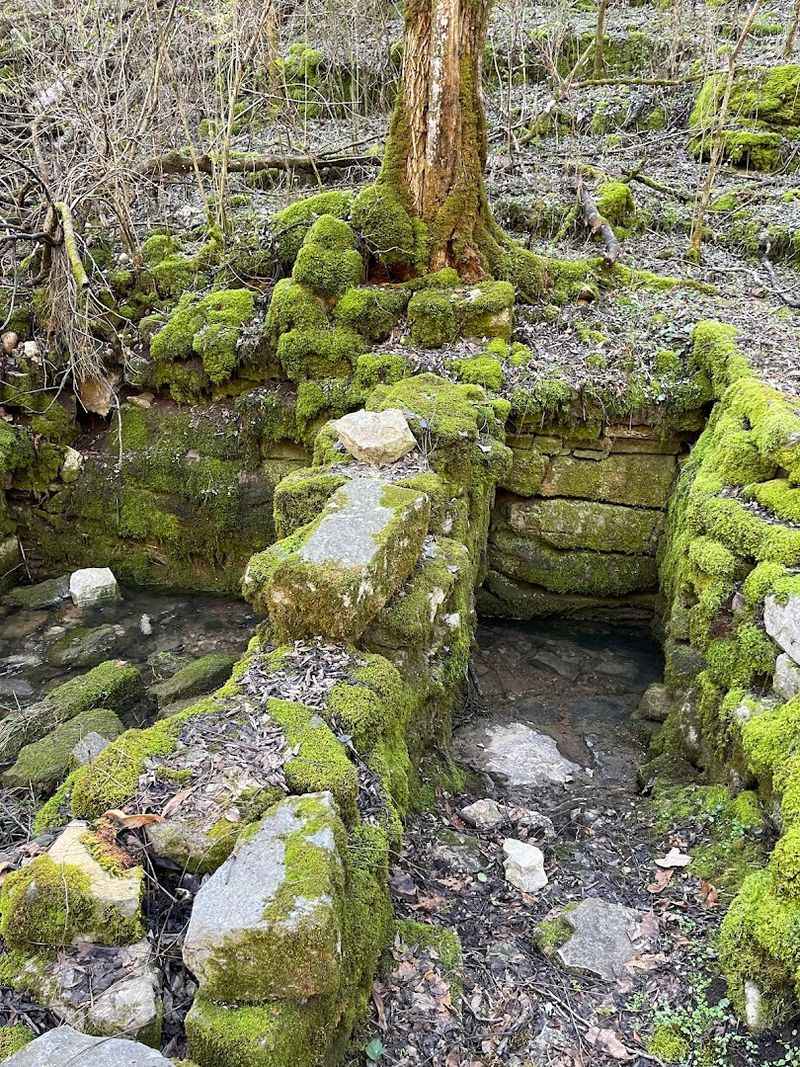
Castalian Springs preserves a piece of frontier Tennessee history along with gardens that showcase plants Native Americans and early settlers would have used and encountered. Bledsoe’s Fort represents one of the earliest European settlements in Middle Tennessee.
The gardens here tell stories about survival, adaptation, and the plants that sustained early communities.
Native plant gardens demonstrate the incredible diversity of Tennessee’s indigenous flora. Medicinal plants, food sources, and fiber plants all appear in historically accurate arrangements.
Educational signage explains how various plants were used by different cultures that inhabited this land.
The natural spring that gave the area its name still flows, creating a water feature that predates any human landscaping. Wetland plants that depend on constant moisture thrive around the spring.
The entire landscape reflects what Middle Tennessee looked like before large-scale agriculture transformed the region.
Visiting here provides perspective on how dramatically Tennessee landscapes have changed. Plants that once covered thousands of acres now survive in protected pockets like this.
The gardens serve both memorial and educational purposes, honoring the past while teaching present-day visitors about native plant communities worth preserving.
Share this story