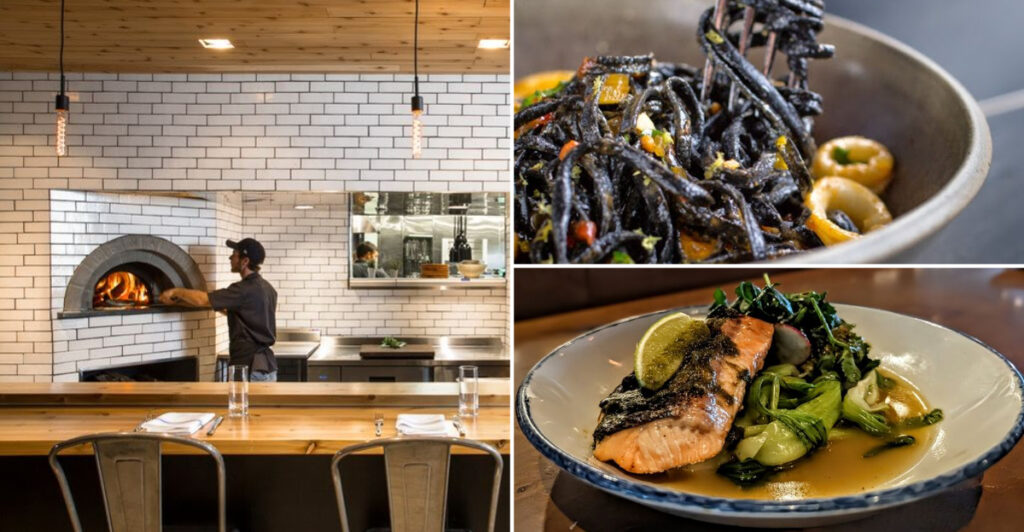
Some Detroit restaurants ride a wave of buzz. Selden Standard has turned that buzz into staying power.
In Midtown, this farm-to-table favorite has built a reputation far beyond the city by taking seasonal ingredients from Michigan farmers and producers and turning them into small plates that feel creative, polished, and genuinely satisfying. The dining room has energy, the menu changes with purpose, and the food makes a strong case for why local sourcing still matters when it is done with real imagination.
With a 4.7-star rating across more than 2,400 reviews, Selden Standard is not just another hard-to-book dinner spot — it is one of Michigan’s clearest examples of what modern Detroit dining can be.
The Midtown Setting That Sets the Mood Before the First Bite
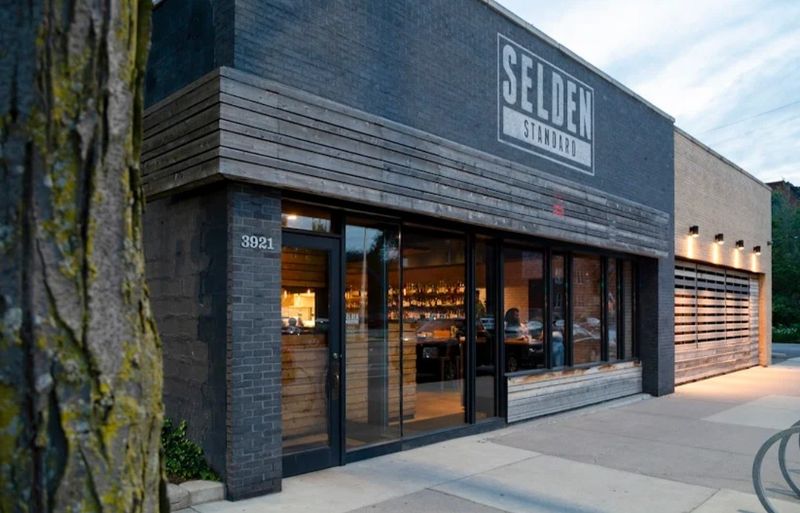
Walking up to 3921 2nd Ave in Detroit’s Midtown, the building gives little away from the outside. The neighborhood hums with creative energy — galleries, coffee shops, and independent businesses filling the blocks around it — and Selden Standard fits right into that rhythm without trying to overshadow it.
The exterior is understated, which makes stepping inside feel like a genuine discovery.
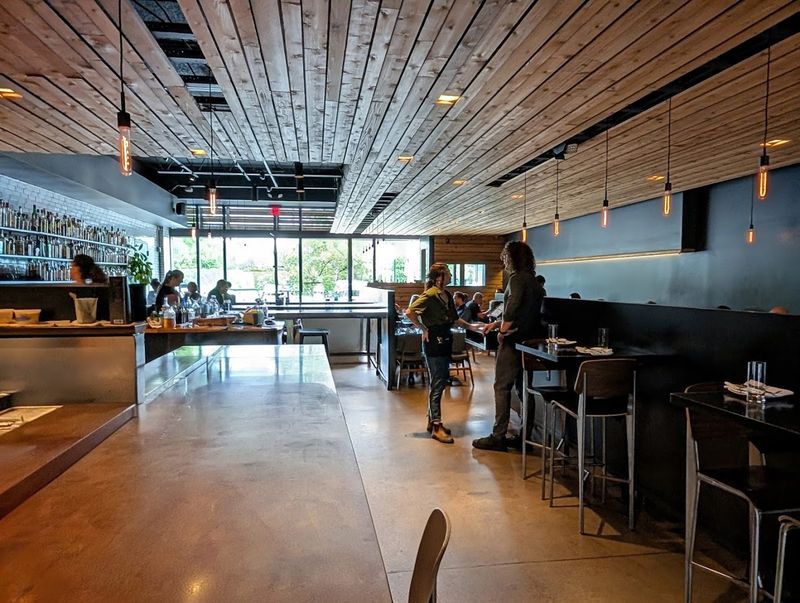
The interior leans into a rustic-industrial aesthetic that manages to feel warm rather than cold. Exposed brick, dark wood surfaces, and open ductwork overhead create a backdrop that works equally well for a solo dinner at the bar or a group celebration packed around a table.
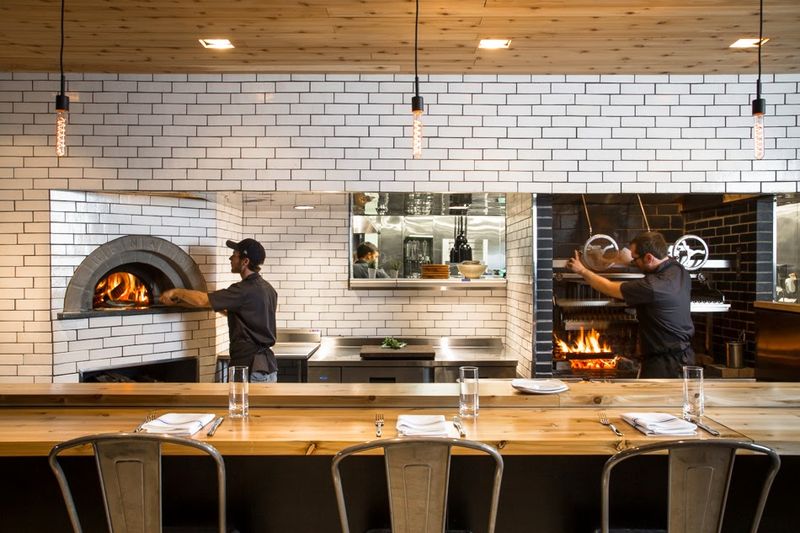
The open kitchen sits at the heart of the space, and the grill blazes visibly from the dining room, filling the air with the kind of smoky, savory aroma that starts the appetite long before the menu arrives.
Seating at the chef’s counter is the most immersive option available. From those seats, diners can watch roasted mushrooms come out in steady streams, observe the plating process up close, and get a real sense of how much precision goes into every dish.
It turns dinner into something closer to a live performance.
The dress code is casual — jeans are everywhere on a Friday night — and the energy in the room reflects that relaxed confidence. Tables fill up fast, and the noise level rises with them, but it never tips into chaos.
The pacing feels intentional. Staff move through the room with purpose, and the whole space hums with the kind of energy that only comes when a restaurant has genuinely figured out what it wants to be.
Reservations are strongly recommended, especially on weekends, as the small lot and busy room fill quickly.
Michigan’s Farms on a Plate: How the Sourcing Philosophy Works
Every dish at Selden Standard begins long before it reaches the kitchen. Servers at the restaurant explain that ingredients for each plate are sourced directly from local Michigan farmers and butchers, a commitment that shapes not just the flavor of the food but the entire structure of the menu.
This is not a decorative claim printed at the bottom of a menu card — it is the operating principle behind every decision made in the kitchen.
Michigan offers a surprisingly diverse agricultural landscape, from lake-effect growing regions in the west to rich farmland spreading across the lower peninsula. Selden Standard taps into that variety with a rotating seasonal menu that changes regularly, sometimes featuring dishes that appear only once as a nightly special before disappearing entirely.
That unpredictability is part of the appeal. A potato pierogi offered as a one-night special can become the most talked-about plate of the season, packed with fried and pickled onions, horseradish cream, and apple reduction — nothing like the pierogis most people grew up eating.
The sourcing philosophy also affects the protein selection. Pork dishes appear frequently, and the quality of the cut is noticeable — country ribs and pork chops cooked with a consistency that regulars point to as a benchmark.
The beef bolognese in the tagliatelle carries a richness that comes from quality sourcing rather than heavy-handed seasoning. Even the butter served with the housemade bread is reportedly churned in-house, offered only upon request, which turns a small detail into a deliberate act of hospitality.
Eating at Selden Standard becomes a way of tasting what Michigan agriculture actually produces at its best, presented without the usual distance between farm and fork that most restaurants maintain without even noticing.
The Small Plates Format and Why It Changes Everything
Selden Standard operates on a small plates model, which means the experience of eating here is fundamentally different from a traditional three-course dinner. The kitchen recommends ordering two to three dishes per person, and the table shares everything family-style.
That structure encourages ordering broadly, trying more of the menu, and discovering combinations that a single entree approach would never allow.
The format works particularly well here because the plates are designed with enough distinct character to stand on their own while also pairing naturally with others on the table. A roasted sweet potato with crispy quinoa, salsa macha, and crema holds its own as a standalone dish, but it also contrasts beautifully against something sharper and more savory like a beef tartare or a pasta with chili crisp.
The menu builds contrast into its design without making it feel calculated.
Portion sizes are genuinely small, which is worth knowing in advance. A group of four ordering seven dishes will leave satisfied but not stuffed — which is exactly the point.
The idea is to eat across a wider range of flavors rather than committing to one large plate and spending the rest of the evening watching other tables get more interesting food. Solo diners often settle in at the bar, order three dishes, skip the bread to save room, and finish with dessert feeling comfortably full.
Groups celebrating birthdays and anniversaries tend to lean into the format enthusiastically, ordering generously and sharing everything. That communal approach to eating creates a particular kind of table energy — plates moving around, forks crossing, conversations interrupted by someone insisting everyone try a specific bite.
The small plates model at Selden Standard is not a gimmick. It is the most honest way to experience what the kitchen is actually capable of producing across a single evening.
Standout Dishes That Keep Regulars Coming Back Season After Season
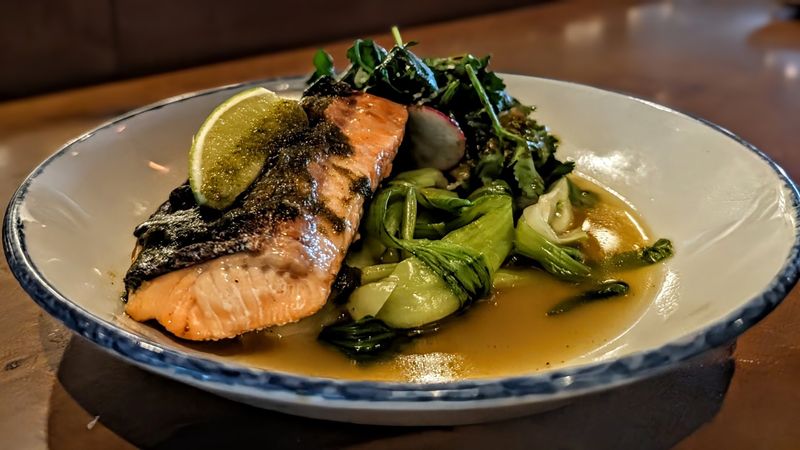
Certain dishes at Selden Standard have developed a reputation that precedes them. The roasted mushrooms with ajo blanco, chimichurri, and Espelette pepper arrive looking modest — a shallow bowl, earthy tones, nothing flashy about the presentation.
Then the first bite lands. The ajo blanco underneath adds a cool, nutty creaminess, the chimichurri brings brightness, and the Espelette provides just enough heat to keep the palate engaged.
The plate keeps tasting different the further through it you go, which is a rare quality in any dish.
The seared scallops with hazelnut brown butter and pomegranate salsa represent another level entirely. The combination of nutty, caramelized butter with the tartness of pomegranate creates a balance that makes the scallop itself shine rather than disappear beneath the sauce.
Diners who order this dish tend to describe it with the kind of specificity usually reserved for meals eaten years ago and still remembered clearly.
Pan-roasted half chicken appears consistently across seasons, cooked with a char from the grill that gives the exterior real texture while keeping the interior tender. The accompanying sauces shift with the season, but the execution of the chicken itself stays remarkably consistent — a benchmark dish that regulars order again and again without getting bored of it.
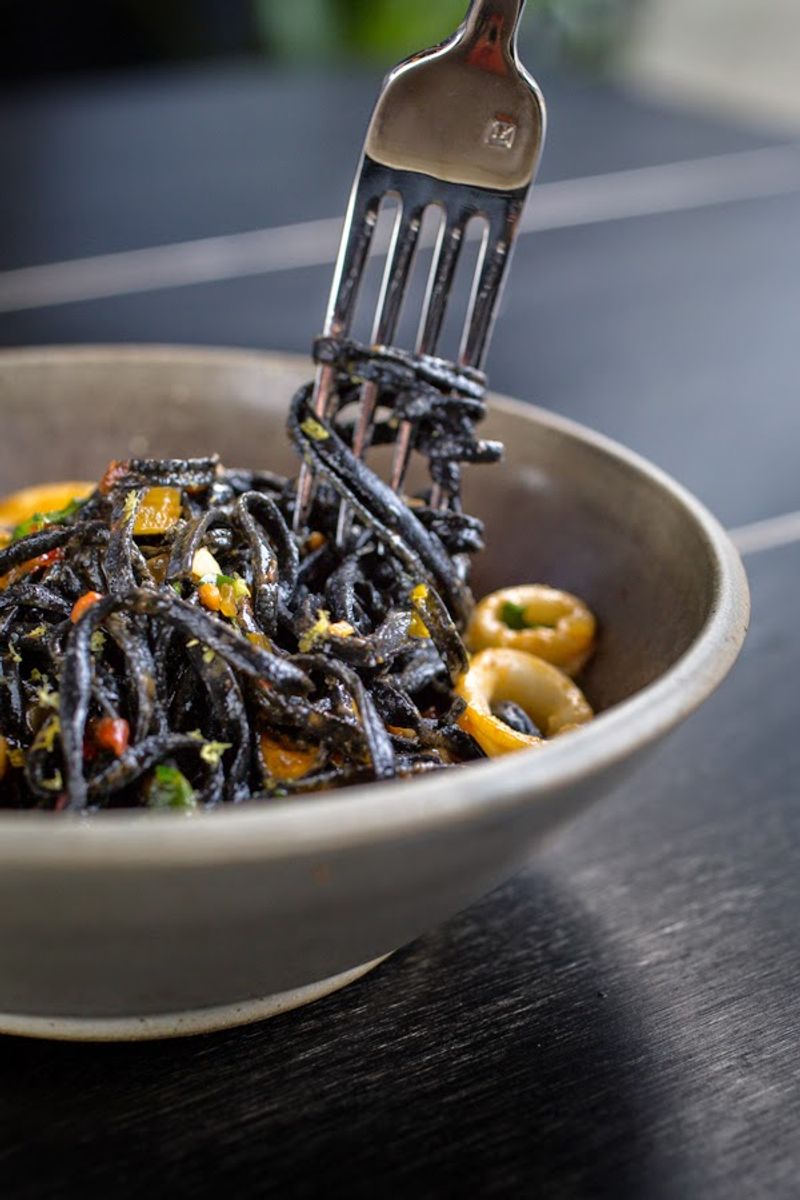
Pasta holds a strong position on the menu too. The tagliatelle with beef bolognese has that ideal handmade chew, and the sweet corn pasta version earns devoted fans who specifically return for it when it appears.
The bucatini with chili crisp brings a different kind of heat and texture that surprises people who expected something more conventional. Each of these dishes reflects a kitchen that understands restraint — knowing exactly when to add one more element and when to stop.
Craft Cocktails and the Drink Program Holding Its Own
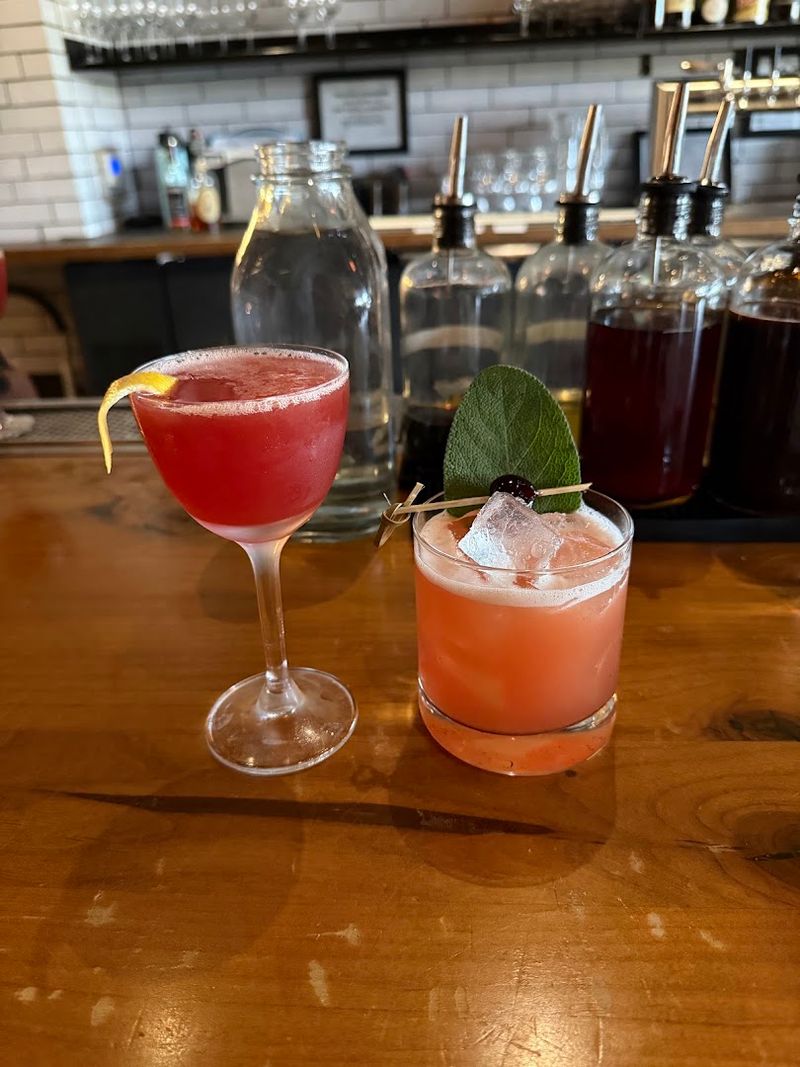
A restaurant with food this focused on precision could easily let the drink program become an afterthought. At Selden Standard, that does not happen.
The cocktail menu operates with the same sense of balance that defines the kitchen — drinks that complement the food rather than compete with it, built with enough creativity to feel intentional without tipping into gimmick territory.
The Instant Karma cocktail has developed a following among regulars. Built around citrus and salt with a light cucumber note, it reads as clean and refreshing — the kind of drink that works with oysters, scallops, or roasted vegetables without overpowering any of them.
It is the type of cocktail that experienced drinkers recognize immediately as well-constructed: nothing excessive, nothing missing, every element doing its job.
For those who prefer spirits with more depth, an old fashioned variation with a hint of cocoa has drawn attention from diners who do not typically gravitate toward that style. The cocoa note adds warmth without sweetness, which keeps the drink savory enough to pair with meat dishes.
The bar also stocks Hendrick’s Gin for gin and tonic orders, which signals a level of care about spirit quality that extends across the entire back bar.
Beer and wine selections are available, though the wine by the glass options have been noted as somewhat limited compared to the rest of the program. The beer list covers enough range to satisfy most preferences, and the kitchen-forward nature of the restaurant means most diners are focused primarily on what is coming out of the kitchen anyway.
Cocktails here function as an opener — something to sip while the first plates arrive and the table settles into the rhythm of the evening. They do that job exceptionally well, and they are priced fairly given the overall quality of the experience.
Planning a Visit to This Detroit Gem: Timing, Reservations, and What to Expect
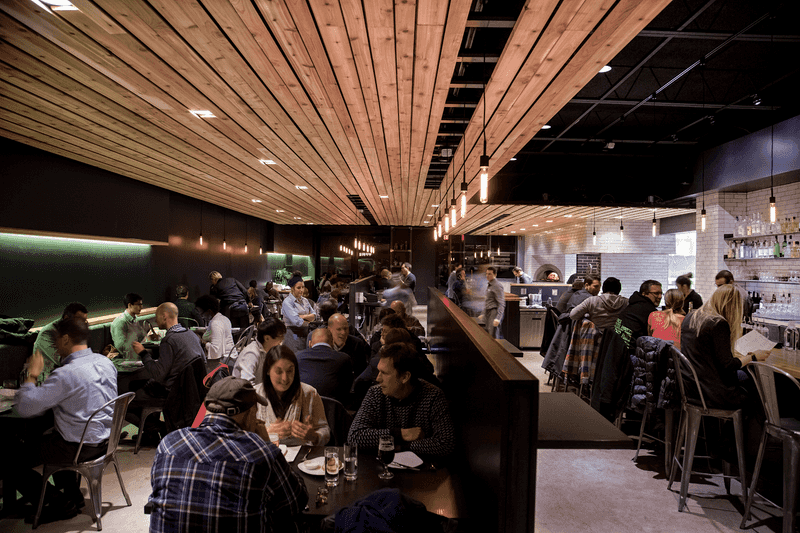
Selden Standard opens at 5 PM every day of the week, closing at 10 PM each night. That consistent schedule makes planning straightforward, but it also means the restaurant runs a single service window each evening — which is why reservations matter more here than at places with longer hours.
On a Friday in March, every table was taken well before peak hours, and a group that had booked a week in advance still arrived to find the room already buzzing.
Booking ahead is the move. Walk-ins are possible, especially for solo diners who can often find a seat at the bar or chef’s counter without a reservation, but anyone arriving with a group of three or more should plan in advance.
The chef’s counter and bar seating offer some of the best vantage points in the room, particularly for watching the kitchen work during service. If the counter is available, take it.
Parking is the one consistent friction point. The small lot beside the restaurant has very limited spaces, including two handicap spots, and the surrounding streets use paid parking.
Arriving a few minutes early to allow time for parking is a practical adjustment that prevents the evening from starting on a frustrated note. The neighborhood is walkable from several nearby hotels and parking structures, so building in a short walk can solve the problem entirely.
Budget-wise, a table of four sharing seven dishes and two desserts can expect a bill in the range of $300 to $350 before tip. That price point reflects the quality of the sourcing and the labor involved in handmade pasta and carefully prepared proteins.
For a special occasion or a deliberate night out, the value is clear. For casual drop-in dining, it helps to arrive knowing what the evening will cost.
Why Selden Standard Is Redefining What Michigan Cooking Looks Like
Michigan cooking has not always received the national attention it deserves. The state produces exceptional pork, freshwater fish like walleye, diverse produce, and agricultural products that rival anything grown in more celebrated food regions.
For years, that quality stayed largely invisible outside the Midwest. Selden Standard is part of a shift that is changing that perception, one carefully sourced plate at a time.
The restaurant does not present Michigan ingredients as a novelty or a marketing angle. Walleye appears on the menu because it is genuinely excellent and locally available, not because it adds regional color to a concept.
Pork from Michigan butchers shows up in country ribs and chops because the quality justifies its place on the menu, not because the menu needed a meat section. That distinction between substance and performance is visible in every dish that comes out of the kitchen.
The staff play a role in this too. Servers explain ingredient sourcing with the kind of familiarity that comes from actually caring about where food comes from, not from reading a script.
That knowledge creates a connection between the diner and the source of the meal that most restaurants never establish. Eating a dish and knowing it came from a specific category of Michigan producer changes how that dish tastes — or at least how it registers.
Selden Standard has also become a place where significant personal moments happen. Couples have gotten married here.
Birthdays, anniversaries, and milestone celebrations fill the reservation book regularly. A restaurant earns that kind of trust by being consistent — delivering the same quality of food and service whether it is a Tuesday in January or a Saturday in October.
That consistency, grounded in real relationships with Michigan farms, is exactly what makes this place worth understanding beyond the hype.
Share this story