
Some museums ease you in slowly. Cranbrook Institute of Science in Bloomfield Hills, Michigan, grabs your attention almost immediately.
Set within Cranbrook’s wooded 319-acre campus, this beloved science museum mixes big visual moments with serious substance, from the towering T. rex skeleton cast in the main hall to live bats, mineral displays, planetarium experiences, fossils, and exhibits that make natural history feel alive. It is the kind of place where kids can wander wide-eyed, adults can lose track of time, and everyone leaves knowing more than they expected.
Whether you love dinosaurs, space, geology, wildlife, or simply a museum that knows how to surprise people, Cranbrook makes science feel like an adventure worth taking.
The T. Rex That Stops You Cold
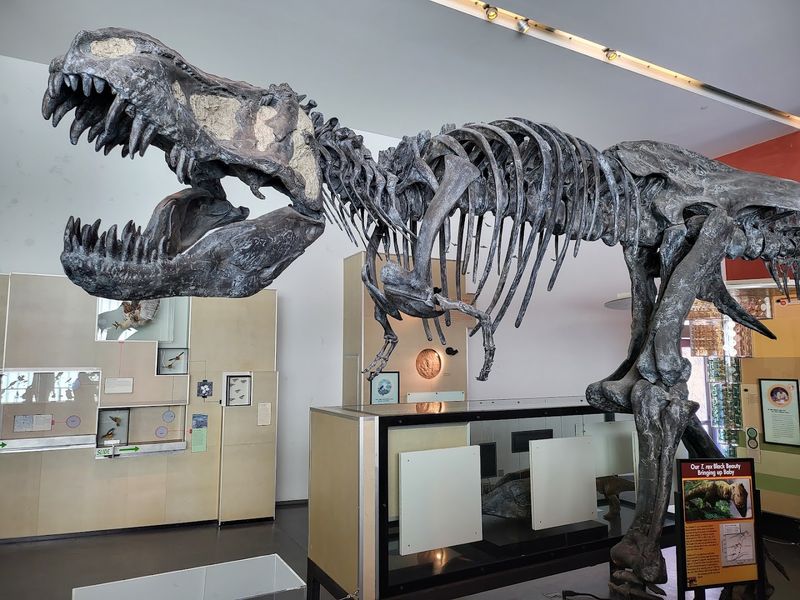
Before you even find the ticket counter, the Cranbrook Institute of Science makes its first big statement. A full-size T. rex skeleton cast dominates the main hall with the kind of presence that genuinely slows your feet down.
The bones are positioned mid-stride, jaw open, and the scale is harder to process in person than any photo prepares you for.
The cast is based on one of the most complete Tyrannosaurus rex specimens ever discovered, and the detail in the reconstructed skull alone is worth a long, slow look. Rows of serrated teeth, hollow eye sockets the size of softballs, and a spine that curves with surprising elegance all make this feel less like a display and more like an encounter.
Kids tend to go quiet for a moment before the questions start flying.
Positioning the T. rex at the entrance was a deliberate curatorial choice. It signals immediately that this is not a dusty collection of labeled jars.
The museum wants your attention from the first second, and the dinosaur earns it without any effort. Staff members nearby are usually ready to field questions, and several have a genuine enthusiasm for paleontology that makes the conversation feel spontaneous rather than scripted.
For visitors focused purely on dinosaur fossils, the collection beyond the T. rex is smaller than a dedicated natural history museum might offer. A Deinonychus-type skeleton also appears in the exhibit space, and the context panels around both specimens connect the animals to broader evolutionary timelines.
The T. rex is the anchor, though, and it holds that role with absolute authority. Arriving early on a weekday gives you a few quiet minutes with it before school groups fill the hall.
Live Bats Hanging Right Above You

Not every science museum can say it has living animals on permanent display, but the Cranbrook Institute of Science keeps a colony of live bats in an enclosed habitat that visitors can observe up close. The exhibit sits in a lower-lit section of the museum, and stepping into that space triggers an immediate shift in atmosphere.
The temperature feels slightly different, the lighting drops, and then you spot them, small brown bats clustered together on wooden roosting structures just a few feet away.
The species on display are native to Michigan, which connects the exhibit directly to the natural world outside the museum walls. Interpretive panels explain echolocation, roosting behavior, hibernation cycles, and the ecological role bats play in controlling insect populations.
The information is presented clearly enough for younger visitors to follow, but layered with enough detail to keep adults genuinely engaged rather than just reading captions for the kids.
Live animal exhibits carry a responsibility that static displays do not, and the care put into this habitat shows. The enclosure is clean, the bats appear healthy and relaxed, and the viewing area is designed so that visitors can observe without disturbing the animals.
A curved transparent barrier keeps the space contained while maintaining excellent sightlines from multiple angles.
Most visitors do not expect the bat exhibit before they arrive, which makes it one of the more memorable surprises the museum holds. Children who walked past the geology hall without much interest tend to press their faces against the barrier here and stay far longer than anyone planned.
The exhibit also connects naturally to broader conservation themes the museum weaves through several of its other galleries, giving the bats a narrative role beyond just being fascinating to watch.
Michigan’s Mineral Collection That Deserves More Credit
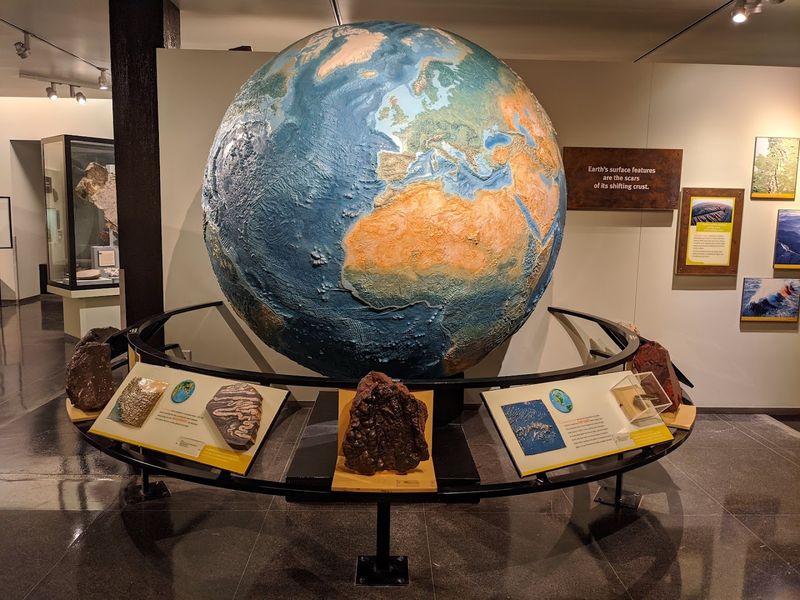
Rock rooms at museums often get skipped in favor of the bigger headline attractions. At the Cranbrook Institute of Science, that would be a serious mistake.
The Mineral Study Gallery is one of the most visually striking rooms in the building, filled with specimens that range from thumbnail-sized crystals to slabs of banded agate the size of a car door. The color palette alone, electric purples, deep greens, metallic golds, and translucent whites, makes the space feel more like an art installation than a science exhibit.
Highlights include rough diamonds, native silver, and a rock estimated at over three billion years old that sits in its display case with the quiet confidence of something that has outlasted everything else in the room. That single specimen has a way of recalibrating your sense of time in a way that no chart or diagram quite manages.
Standing next to something older than complex life on Earth is a strange and grounding experience.
The collection also features a strong focus on Michigan-specific geology, which gives the exhibit a regional identity that larger national collections sometimes lack. Copper from the Upper Peninsula, Petoskey stones, and iron ore specimens connect the display to the landscape visitors actually live in or drive through.
That local grounding makes abstract geological concepts feel immediately relevant.
Lighting throughout the gallery is carefully calibrated to bring out the depth and translucency of each specimen without washing out the natural color. Cases are arranged at eye level for adults and lower for children, and the layout allows visitors to move through at their own pace without bottlenecks.
Plan to spend more time here than you initially budget. Most people do.
The Acheson Planetarium Experience
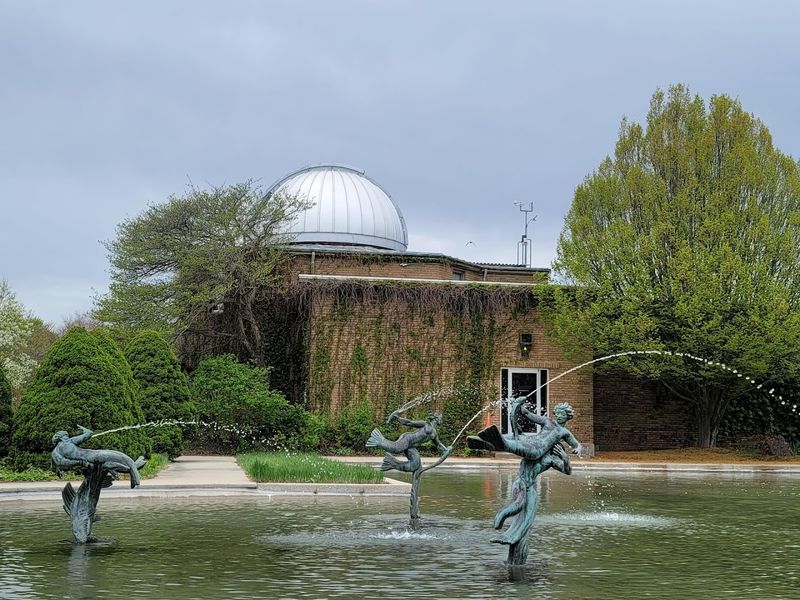
Planetarium shows have a reputation for being either genuinely transporting or mildly disappointing depending on the equipment and the presentation. The Acheson Planetarium at Cranbrook lands firmly in the first category.
The domed ceiling, reclining seats, and high-resolution projection system create a full-sky experience that holds attention even for visitors who do not usually think of themselves as astronomy enthusiasts.
Shows rotate throughout the year, covering topics from constellations visible in the current night sky to deep-space exploration and the mechanics of the solar system. The narration is calibrated to be accessible without being condescending, which is a harder balance to strike than it sounds.
A show that works for a seven-year-old and still holds the interest of a curious adult requires careful scripting, and the programming here generally achieves that.
Special evening events occasionally feature telescope viewing on the outdoor grounds, giving visitors a chance to connect what they saw on the dome ceiling with actual objects in the sky above Michigan. These events sell out quickly, particularly during celestial events like planetary alignments or meteor showers, so checking the schedule in advance is worth the effort.
The planetarium runs shows on Fridays, Saturdays, and Sundays, which aligns with the museum’s busier days. Arriving early to secure seats for the show and then exploring the rest of the exhibits while waiting is the most efficient approach.
The show itself typically runs under an hour, leaving plenty of time to move through the other galleries without feeling rushed. Many families list the planetarium as the part their children ask about most on the drive home, which says something about the quality of the presentation.
Mastodons, Insects, And The Natural History Of Michigan
Long before the T. rex gets all the attention, Michigan had its own megafauna roaming the landscape. The Cranbrook Institute of Science dedicates significant gallery space to the natural history of the Great Lakes region, and the mastodon skeleton display is one of the most compelling pieces in the building.
These animals lived in Michigan thousands of years ago, and seeing their reconstructed bones in a regional context rather than a generic prehistoric timeline makes the exhibit feel specific and grounded.
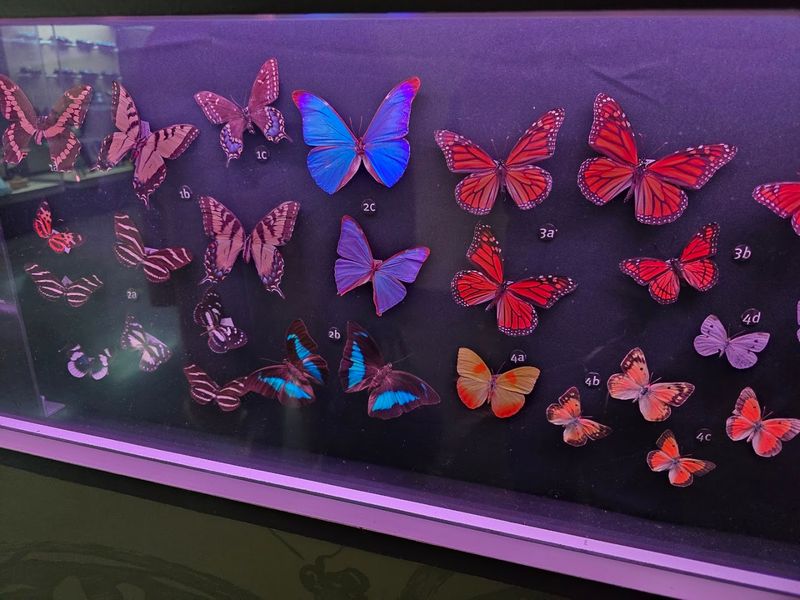
The insect collection in an adjacent gallery operates on a completely different scale but with equal impact. A large glass display case holds hundreds of native Michigan insects, each one carefully pinned, labeled, and organized by taxonomy.
Beetles, flies, moths, and species that most visitors have never noticed in the wild all appear here in crisp, detailed arrangements. The sheer number of species native to one state tends to surprise people who assumed they already knew what lived around them.
Taxidermied wildlife specimens appear throughout several gallery sections, presenting animals from Michigan’s forests, wetlands, and shorelines in naturalistic poses. The craftsmanship on the older mounts carries a kind of historical weight alongside the scientific content, and newer specimens benefit from more modern techniques that preserve lifelike detail.
Together, the collection builds a portrait of Michigan’s ecological diversity that feels both comprehensive and personal.
A section exploring human history and indigenous culture adds another layer to the natural history narrative, connecting the land to the people who lived on it across centuries. The Native American artifacts and interpretive materials here are thoughtfully presented and tend to draw visitors who came primarily for the fossils but find themselves staying longer than expected.
The museum’s breadth becomes most apparent in this part of the building.
319 Acres Of Campus Worth Exploring Beyond The Building
The museum building is only one part of what makes a visit to Cranbrook feel different from a standard museum trip. The surrounding campus covers 319 acres and includes nature trails that wind through mature woodland, open meadows, and landscaped grounds that shift character with the seasons.
In autumn, the canopy turns gold and red above the paths. In spring, the undergrowth fills in quickly and the trails feel almost enclosed by greenery.
A short walk from the science museum leads to the Japanese gardens, a serene space that operates on an entirely different sensory register than the exhibit halls. The Art Museum is also within easy walking distance, as is Cranbrook House and its formal gardens.
Visitors who arrive thinking they are coming for a two-hour museum stop often find themselves still on campus three or four hours later, drawn from one destination to the next by curiosity and the ease of movement between them.
Families with young children tend to appreciate the outdoor space as a natural decompression zone between concentrated exhibit viewing. Running across an open lawn or following a trail through the trees resets attention spans in ways that benefit everyone.
The grounds are well maintained and clearly signed, so navigation does not require a map unless you are attempting the longer trail routes.
Parking is located in a two-level structure a short walk from the museum entrance. Arriving around opening time on a weekday typically means finding a spot close to the front and beating the larger school group traffic that builds through mid-morning.
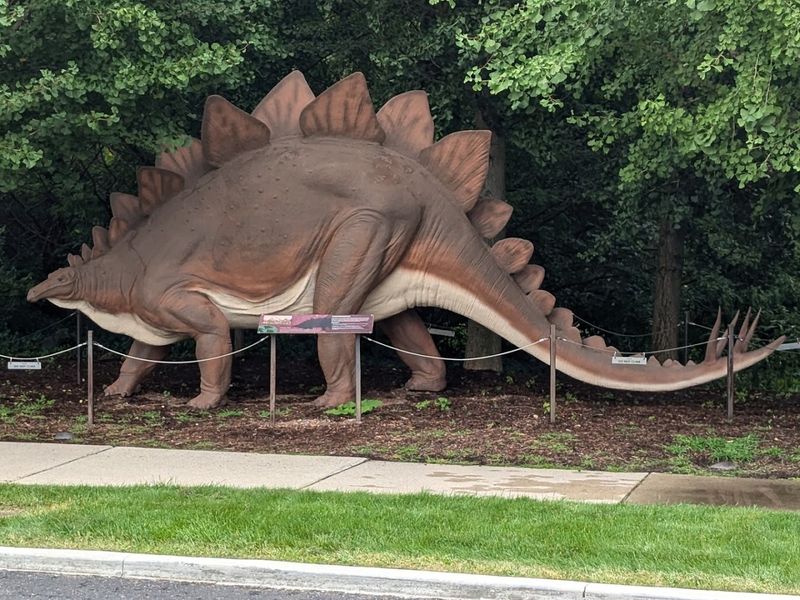
A stegosaurus replica near the entrance greets visitors walking in from the lot, which sets a playful tone before the doors even open.
Planning Your Visit To This Michigan Science Destination

Getting the most out of a visit to the Cranbrook Institute of Science comes down to a few straightforward decisions made before you arrive. The museum opens at 10 AM Wednesday through Saturday and at 11 AM on Sunday.
It is closed Monday and Tuesday, which is worth double-checking before making the drive from Detroit or surrounding suburbs. Most visits run between two and four hours depending on pace, age of visitors, and whether a planetarium show is included.
The Acheson Planetarium shows run on Fridays, Saturdays, and Sundays, so planning a visit on one of those days opens up the full experience. Arriving early gives the best chance of securing planetarium tickets and exploring the galleries before crowds build.
Weekday visits, particularly Wednesday and Thursday mornings, tend to be quieter and allow more time at individual exhibits without navigating around school groups.
A cafe inside the museum serves food and coffee, with enough variety to cover a full lunch stop. Coffee comes with free refills, and the menu includes vegetarian options alongside standard cafe fare.
Outside seating on the campus grounds is available for visitors who prefer to eat outside, and the landscaping makes that a genuinely pleasant option in good weather. The on-site gift shop is small but stocked with science-themed items and gifts that lean toward educational and unusual rather than generic souvenir merchandise.
Admission is ticketed, and membership options are available for families planning to return more than once. Given the rotating exhibits the museum brings in throughout the year, repeat visits tend to offer genuinely new content rather than the same walk-through repeated.
The museum sits at 1 Institute Way in Bloomfield Hills, tucked back from the main road in a way that makes the first-time arrival feel like discovering something the rest of the city has been quietly keeping to itself.
Share this story