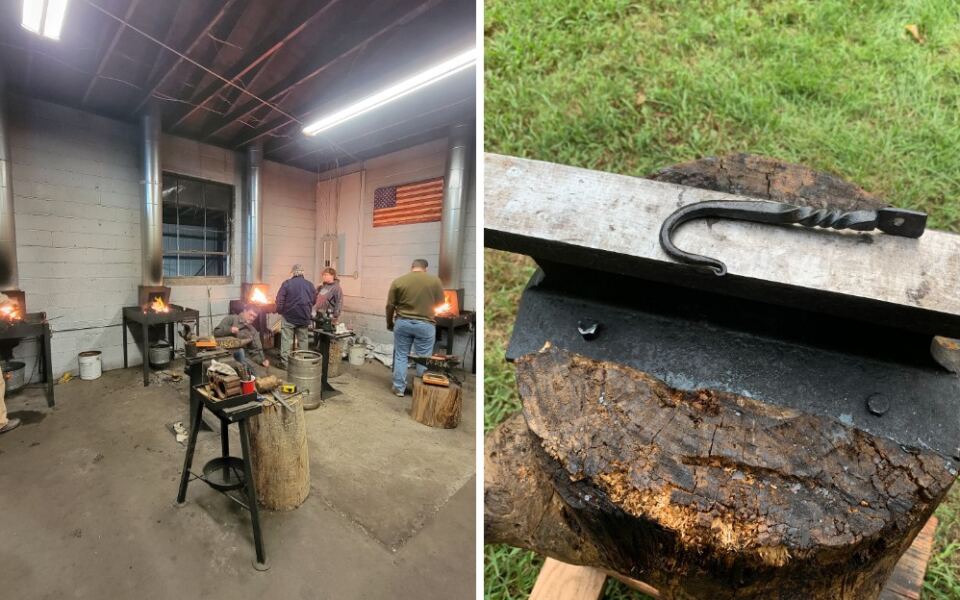
TRABA’s Thursday open-forge sessions allow qualified members to practice using the workshop’s equipment. That’s the weekly open shop at a blacksmith group in West Tennessee.
Members meet on the first Saturday of each month at 9 a.m., with demonstrations offered occasionally after the meeting. Eligible members can sign up for the Green Coal Class, a beginner course covering forge operation and fundamental blacksmithing techniques.
I love that this craft never needed a museum to survive. It needed people willing to swing a hammer and teach the next person how to do it.
I can’t imagine a better way to spend an evening than making something real with fire and muscle. So what would you forge first, a hook, a knife, or a dinner bell?
A Club Built Around Fire, Iron, And Good Company
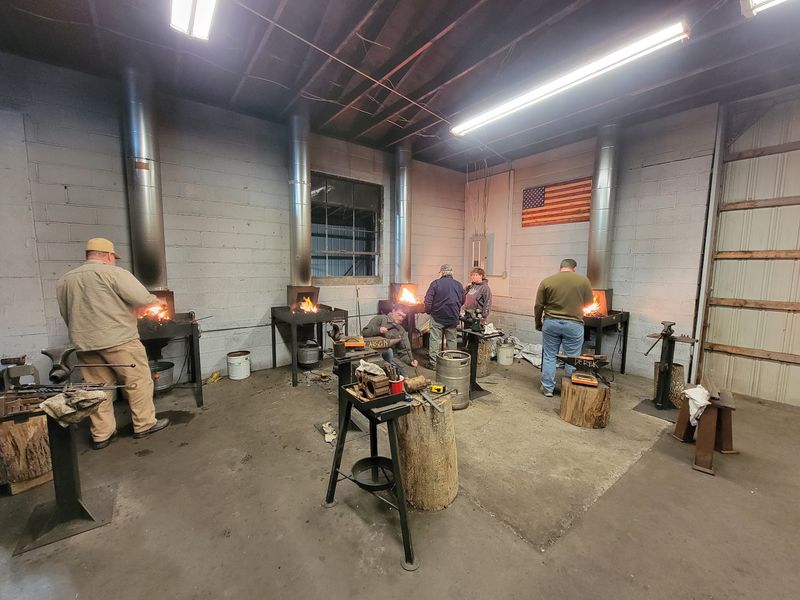
Blacksmithing once kept every farm and town running. The Tennessee River Artist Blacksmith Association keeps that skill alive in McKenzie, Tennessee.
The group goes by TRABA for short, which is much easier to shout over a ringing anvil. It’s a community of smiths who share tools, tips, and plenty of encouragement.
You don’t need a family history of metalwork to belong here. The whole point is passing the craft along to anyone curious enough to try it.
Members describe the group as generous and friendly, with friendships built around the forge. That spirit matters when you’re learning something hard and a little intimidating.
The association also connects people with events, classes, and demonstrations through the year. It works like a hub for anyone in the region who loves hot metal.
I like that the name includes the word artist. Blacksmithing can be practical, but it can also be beautiful and personal.
A simple hook can carry a twist you designed yourself. A leaf can look like it grew from steel instead of a tree.
That mix of usefulness and creativity is exactly why the craft has lasted for centuries. It still feels fresh once the fire starts.
Thursday Evenings Belong To The Anvil Now
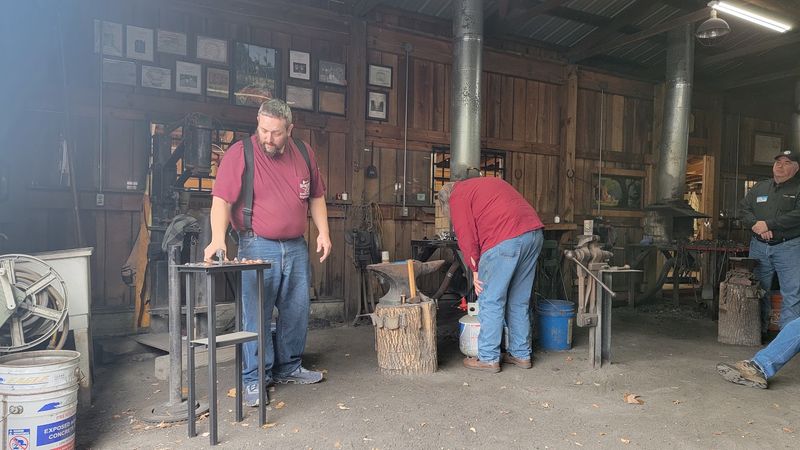
Most weeknights end with a couch and a remote. At this shop, Thursday runs from 6 to 9 PM, and the anvils get busy.
That three-hour window is a smart time for working folks. You can finish your job, grab dinner, and still make it before the coals get hot.
An evening forge session gives you room to practice what you already know. It also lets you watch other smiths work through their own projects.
Plan ahead, because Thursday is the only regular weekday slot listed. Every other day of the week shows the doors closed.
Here’s a practical tip for your first visit. Wear cotton or wool clothing, since synthetic fabrics can melt when sparks land on them.
Closed-toe leather shoes are another good call around a forge. Safety glasses belong on your face, not perched on your head like sunglasses.
Bring a little patience too. Steel only stays workable for a short time before it needs another trip into the fire.
That rhythm of heat, hammer, and reheat becomes oddly relaxing. Three hours can disappear faster than you’d expect.
First Saturdays Bring A Free Show With Sparks
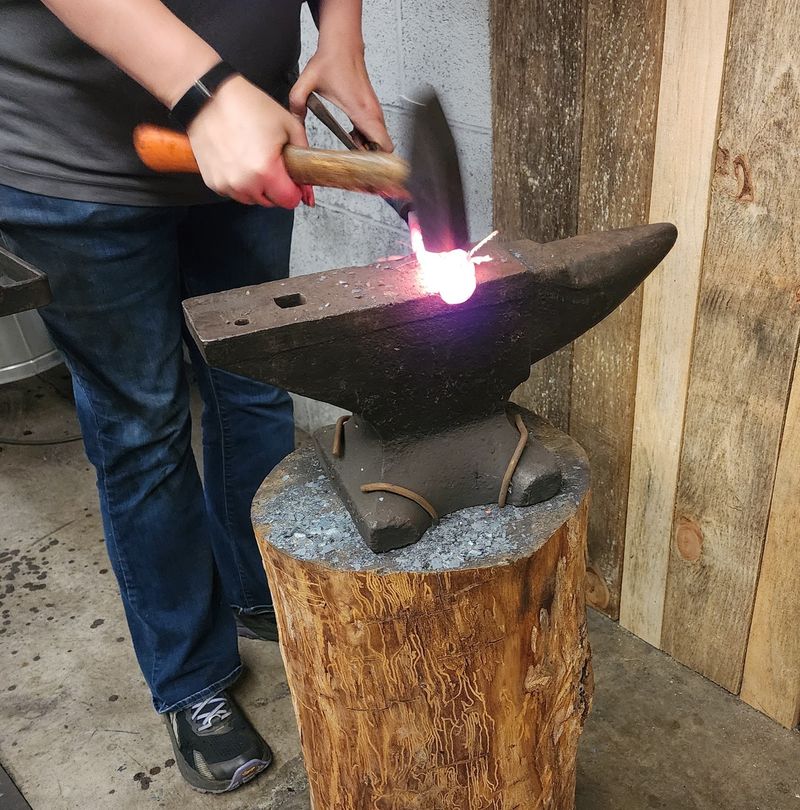
Mark your calendar for the first Saturday of every month. The group meets at 9 a.m., with demonstrations presented occasionally after the meeting.
Morning demos are a perfect fit for curious beginners. You can watch a skilled smith work before deciding whether you want to try it yourself.
Member-led demos also mean the teaching comes from people right in the community. Every smith brings different strengths, so each month can feel a little different.
One member suggested simply coming by to see if the craft interests you. That’s honestly the easiest first step anyone could take.
Watching closely teaches more than you might guess. Notice how the smith holds the hammer and how often the metal goes back into the fire.
Pay attention to the color of the steel as well. Smiths read those glowing shades almost like a recipe card.
Bring a notebook if you like to remember details. Questions are part of the fun, and smiths usually enjoy explaining their work.
A 9 AM start also leaves the rest of your Saturday open. You get sparks, skills, and still make lunch on time.
Green Coal Classes Turn Total Beginners Into Smiths
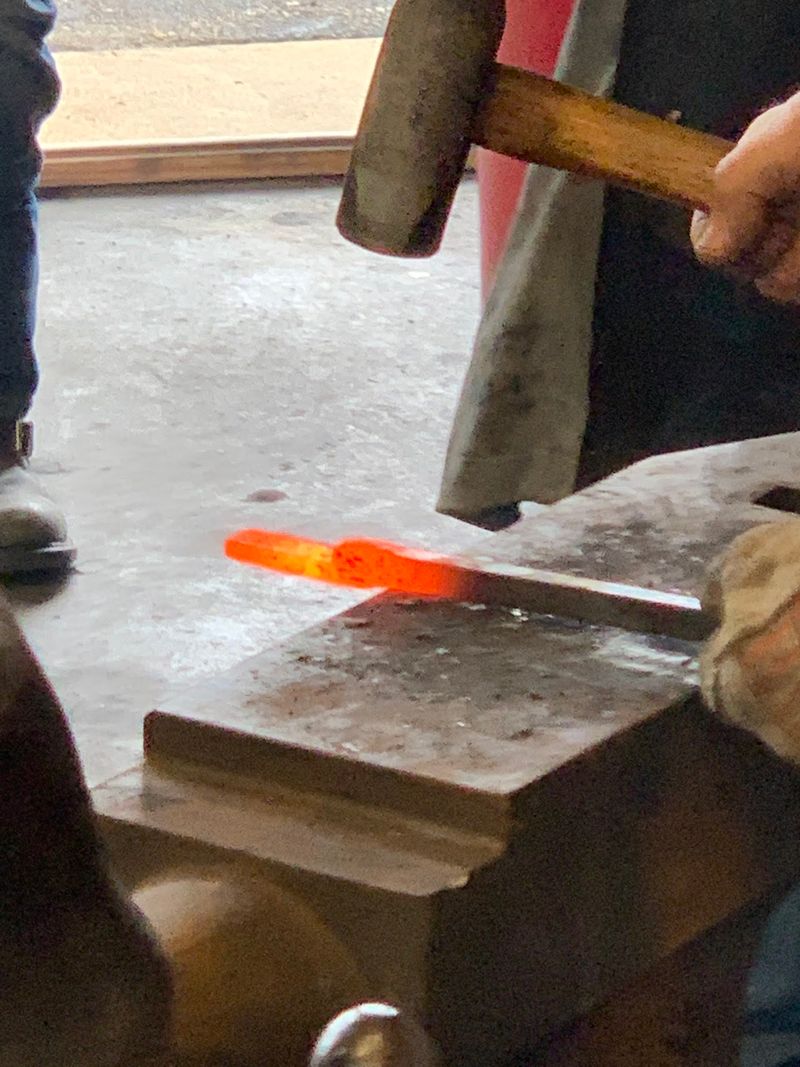
Ever heard of green coal? It’s raw coal that blacksmiths burn down into coke, a cleaner and hotter fuel for the forge.
TRABA offers beginner classes with the nickname green coal, a playful nod to new students. One class member said they were amazed at how much they learned so quickly.
That’s encouraging news for anyone nervous about starting. Fire and heavy hammers sound scary until someone shows you the right way.
A beginner class usually covers safety first, then basic moves. Skills like drawing out, bending, and twisting form the base of almost every project.
The association answered that student with a warm reply. They called it a great joy to share the craft with others.
I believe that attitude says a lot about a teaching shop. Good instructors make you feel welcome, not clumsy.
My advice is simple. Sign up with a friend or family member, because learning together makes the sore arms worth it.
You’ll also have someone to admire your first wobbly creation. Trust me, every great smith started with a wobbly creation too.
Old Hammers, Older Wisdom, Same Ringing Anvil
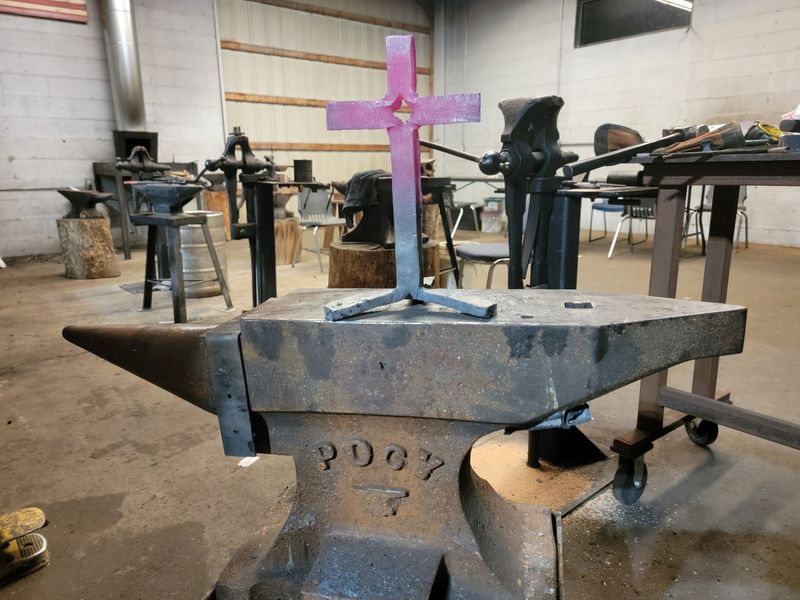
We stand on the shoulders of those who came before us. That’s how the association once described its work, and it fits perfectly.
Blacksmiths have shaped iron for thousands of years. Before factories, a local smith made tools, hinges, horseshoes, and repairs for almost everyone nearby.
The basic toolkit hasn’t changed much since then. A forge, an anvil, a hammer, and tongs still do most of the heavy lifting.
Here’s a fun fact for your next trivia night. The word ‘smith’ comes from Old English and related Germanic words referring to a metalworker or the act of forging metal.
That makes sense once you hear a shop in full swing. The steady ring of hammer on anvil sounds almost musical.
Learning this craft connects you to generations of makers. Each technique was handed down from one person to another, often by hand and by example.
The Tennessee River Artist Blacksmith Association continues that chain today. Members teach newcomers just like smiths have always done.
It’s a small way of honoring history without locking it behind glass. The tradition stays alive because people keep using it.
You Could Leave With Something You Made Yourself
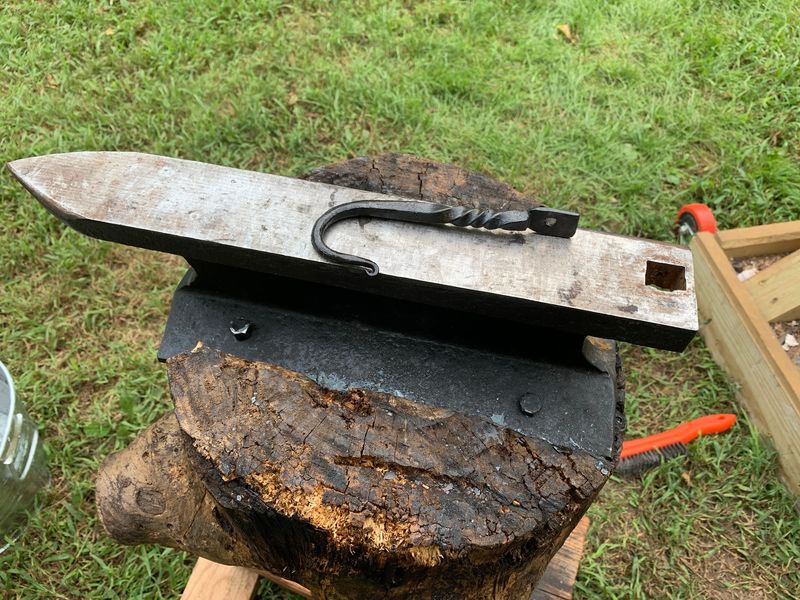
Store-bought hooks are fine. A hook you hammered from glowing steel feels like a trophy you can hang your coat on.
Blacksmithing projects often start small for good reason. S-hooks, simple leaves, and fire pokers teach core skills without taking all day.
Each project builds on the last one. Once you can taper and bend, a whole world of designs opens up.
Handmade pieces also make thoughtful gifts. Grandparents, teachers, and friends tend to treasure something you actually forged.
The artist part of this group’s name shines here. Smiths can add twists, scrolls, and textures that turn tools into small sculptures.
Don’t worry if your first piece looks a little lumpy. Lumpy has character, and it proves a human made it.
Keep your early projects, even the rough ones. Looking back at them later shows how far your skills have come.
It’s the kind of progress you can literally hold in your hand. Few hobbies give you proof that solid.
Events And Gatherings Keep The Calendar Hot
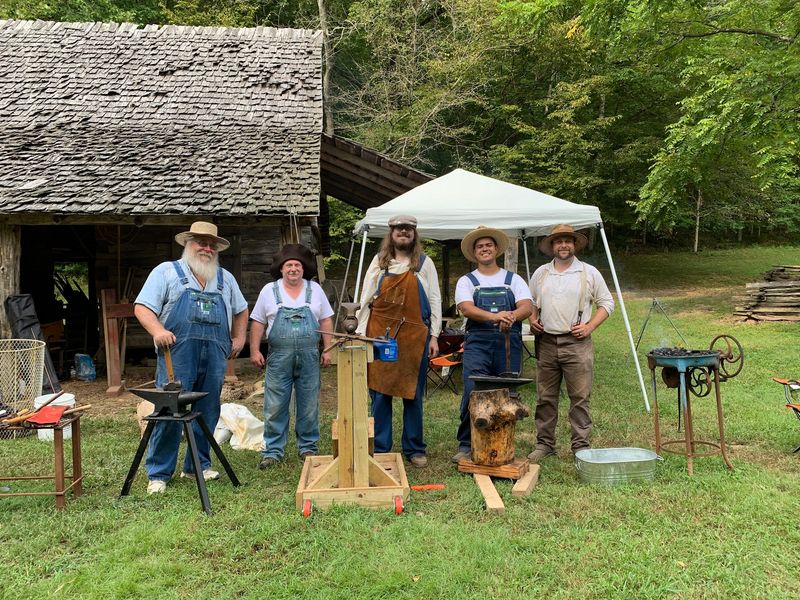
One member summed it up with a grin you could almost hear. Between the endless events, classes, and demos, they have a blast.
That busy calendar is a big reason to join a group instead of learning alone. Regular gatherings keep you practicing and keep you motivated.
Events also put you near smiths with many different skill levels. Watching an expert solve a problem can save you weeks of frustration.
Beyond skills, gatherings build real friendships. Members describe the group with words like character, generosity, and love.
That kind of community doesn’t happen by accident. It grows when people show up, share tools, and cheer each other on.
Check with the association for current event plans before you go. Schedules can shift, and you’ll want the latest details.
Bring a folding chair if you plan to watch for a while. Comfortable shoes help too, since forge time tends to mean standing.
Most importantly, bring your curiosity. In a crowd of smiths, good questions are always welcome.
Finding The Forge On Highland Drive
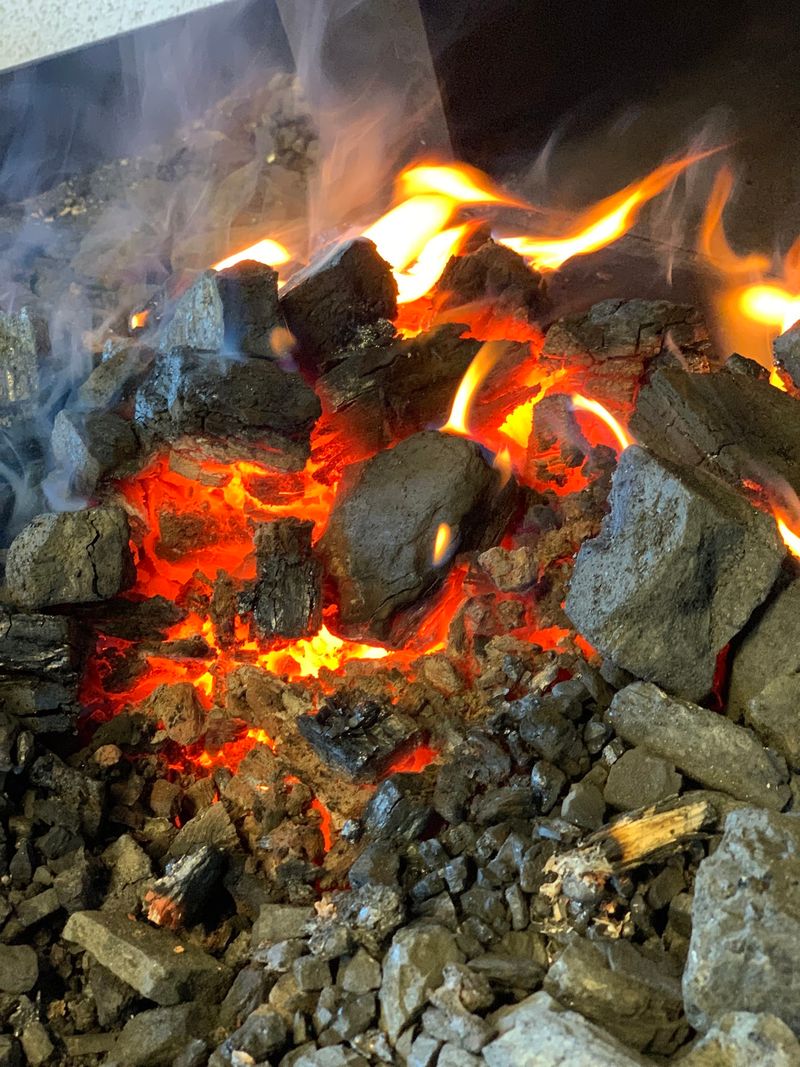
Small towns hide wonderful surprises. McKenzie, Tennessee, happens to host a working forge with plenty of fire and friendly faces.
You’ll find the shop at 14988 Highland Dr, McKenzie, TN 38201. Plug it into your map app before heading out.
McKenzie sits in West Tennessee, within Carroll County. The area offers quiet roads and a relaxed pace that suits a craft like this.
Arriving a little early is a smart move on class or demo days. That gives you time to park, settle your nerves, and meet a few people.
Remember the regular open shop hours run Thursday evenings. Saturday demos happen on the first Saturday of the month in the morning.
Planning around those times keeps you from pulling up to a quiet building. Nobody wants to drive out and find cold coals.
Carpooling with a friend makes the trip more fun. You’ll also have someone to talk shop with on the ride home.
And you’ll definitely want to talk about it. Forge days tend to spark plenty of conversation.
Why This Craft Deserves A Spot On Your To-Do List
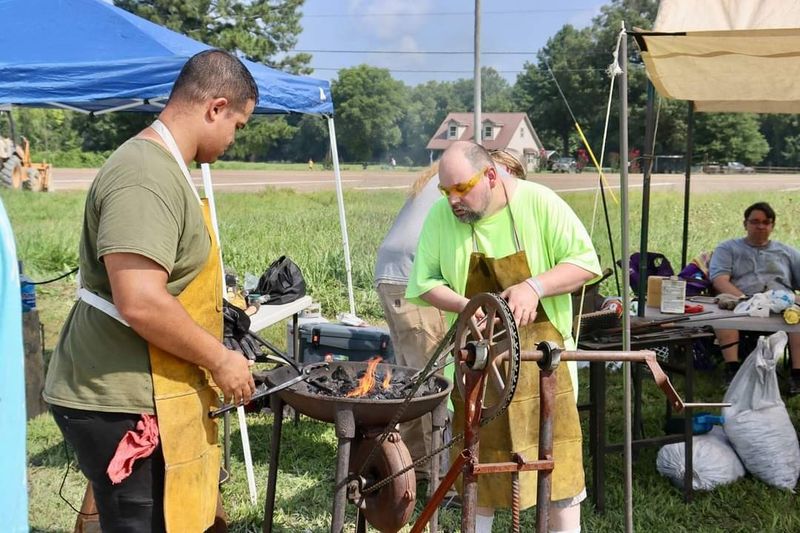
Screens rarely give you calluses. A night at the anvil does, and you’ll probably feel proud of every one.
Blacksmithing teaches patience, focus, and problem solving all at once. Metal doesn’t care how rushed you are, so you learn to slow down.
It’s also a hobby families and friends can share. Working side by side at the forge creates stories you’ll repeat for years.
The Tennessee River Artist Blacksmith Association offers demonstrations for visitors and introductory instruction for eligible members, while its open-forge sessions are reserved for members who have completed the Green Coal Class.
Every rating posted for the group sits at five stars. That’s a nice sign of how much members appreciate this place.
I think the best part is the welcome. You don’t have to be strong or experienced, just willing to learn.
So grab some cotton clothes and sturdy shoes. Then head toward the warm glow in McKenzie and see what you can make.
Centuries of smiths figured it out one strike at a time. Your turn starts with a single swing.
Share this story