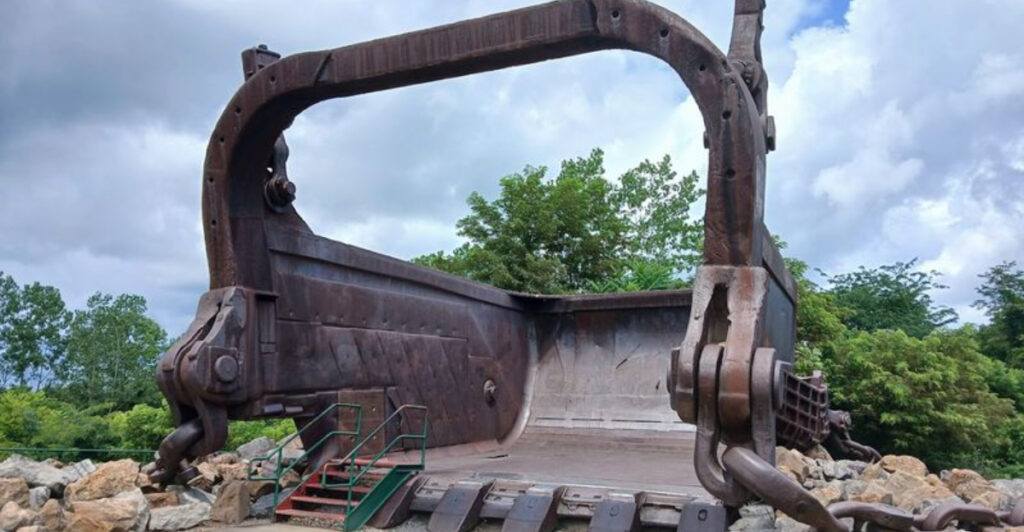
There is something unforgettable about your first look at the Big Muskie Bucket at 4470 OH-78 near McConnelsville, a colossal remnant of the 1969 dragline that once moved earth like it was sand. Reviews are right to call it ginormous and to insist that photos never quite deliver the shock your body feels when you stand beside those teeth and chains, because scale here is not a number, it is an experience that lands in your chest and resets your sense of size.
You reach it by winding roads that open to a hilltop park with picnic tables, interpretive signs, a camera stand, and vault restrooms, all part of Ohio’s Miner’s Memorial Park within the broader Jesse Owens State Park and Wildlife Area, and it is free, friendly, and accessible, with parking right beside the exhibit plus nearby camping options and room for big rigs. Visitors rave about the 4.8 star vibe and the way the bucket invites reflection on engineering, labor, and reclamation, and once you start reading the displays, you will find yourself tracing welds with your eyes, imagining the boom arcing overhead, and thinking about the miners whose judgment kept this giant alive through long shifts and fierce weather, then turning to the green hills that have grown back where the mine once roared, and feeling the powerful contrast between industry and recovery that defines this place.
1. Big Muskie In Context
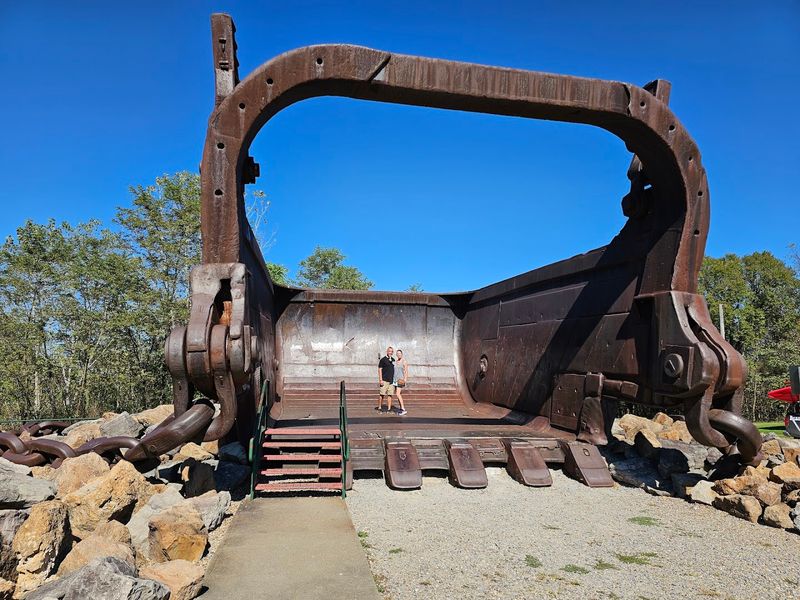
Ohio once moved mountains for energy, and Big Muskie was the machine that made it possible. Built in 1969, the Bucyrus-Erie 4250-W dragline stood taller than a 22-story building and weighed nearly 13,000 tons.
Its bucket alone could scoop 325 tons of earth in a single bite, revealing coal seams that powered homes, factories, and schools.
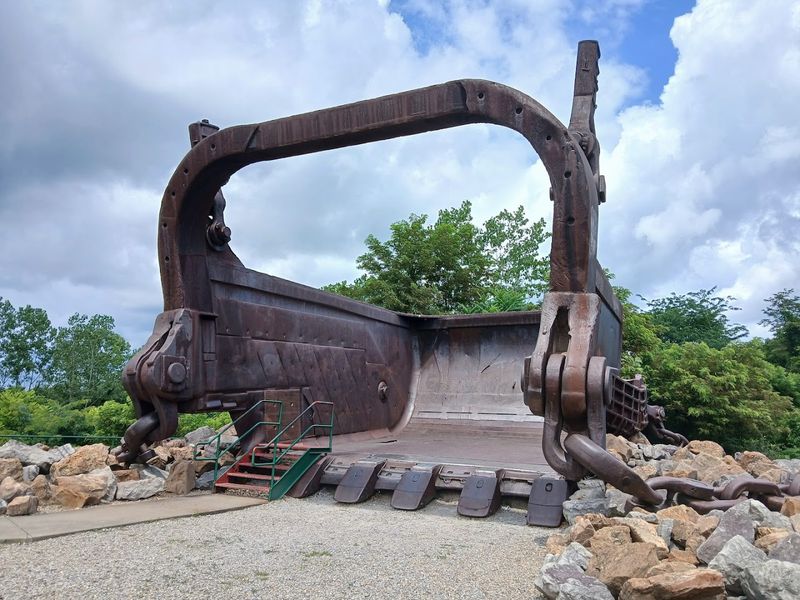
Standing at the preserved bucket today, you feel the scale in your chest. Chains as thick as your forearm drape across steel that shows gouges, welds, and battle scars from decades of hard service.
It is a monument to grit, innovation, and the complicated legacy of extracting resources that built modern Ohio. You read the interpretive signs, look up at the sky-framed rim, and suddenly the numbers stop being statistics and become sensation.
That is when the story shifts from machinery to people, the miners whose steady hands and tough judgment kept this giant moving.
2. Miner’s Memorial Park Experience
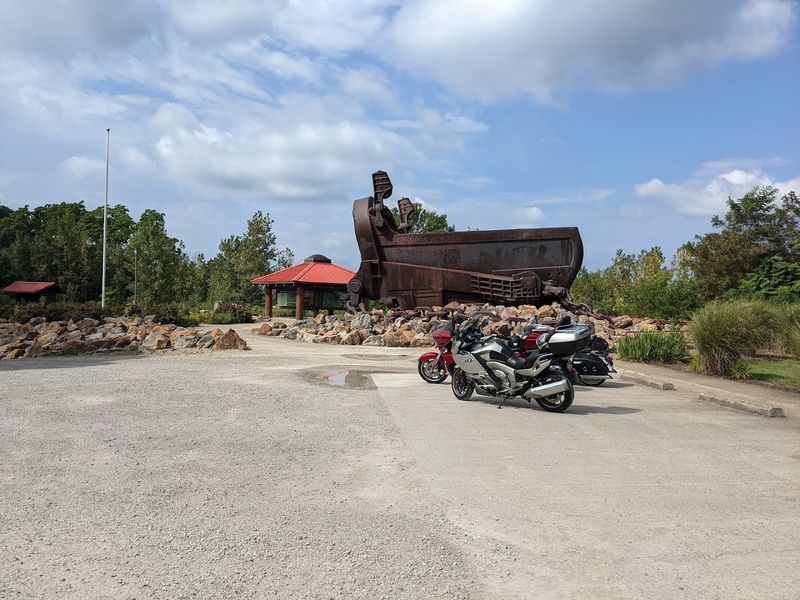
The Big Muskie Bucket sits at Miner’s Memorial Park along OH-78, a hilltop clearing with a sweeping view of reclaimed forest. Parking is next to the exhibit, so every age and ability level can reach it easily.
You step out, the wind carries birdsong, and then the steel fills your frame.
Interpretive panels describe the machine’s birth in 1969, its decades of service, and the 1999 dismantling that left this bucket behind as a memorial. Picnic tables, a camera stand, and a small shelter invite you to linger and frame epic photos.
It feels humble and grand at once, a roadside stop turned open-air classroom. Even on a rainy day there are covered spots to read, rest, and watch others grin at their first look.
If you arrive before visiting The Wilds or after a twisty ride on OH-555, the contrast between wildlife and industry deepens the visit for you.
3. Getting There On OH-78
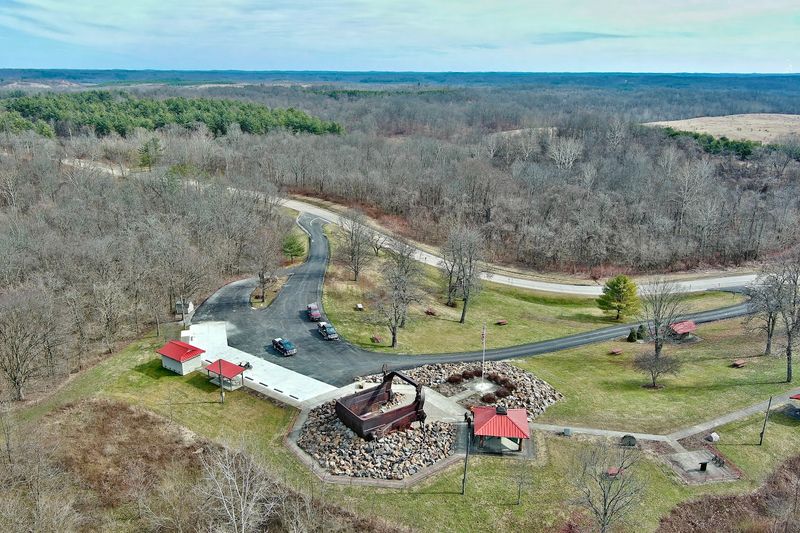
Reaching the bucket is part of the adventure. From Cambridge or McConnelsville, you follow winding country highways that roll over hills and dip through hollows.
The last miles on OH-78 reward careful drivers and motorcyclists with big views, tar snakes in summer heat, and occasional chip-seal that keeps you honest.
Parking is steps from the display, so mobility needs are well accommodated. Restrooms are latrine style, and experiences vary by season, so plan ahead with wipes and hand sanitizer.
Cell service can be spotty, but the website offers clear directions and hours, and a paper map or saved pin never hurts. Fuel up beforehand in town and bring water, especially in summer.
In winter, roads can be slick, and the ridge can catch the wind, but the stark landscape makes the steel silhouette unforgettable. Sunrise casts warm light for photos, while late afternoon shadows carve texture across the bucket beautifully.
4. Engineering Details To Notice
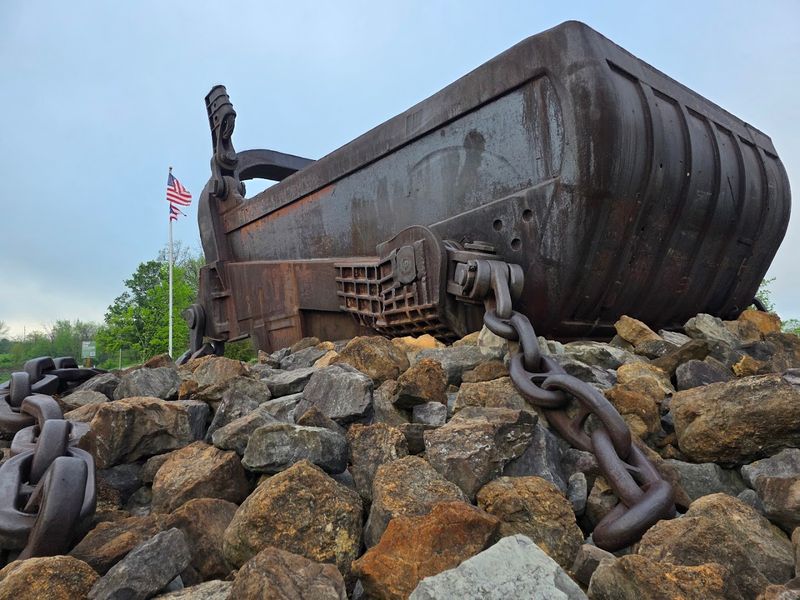
Start with the teeth. Each corncob ripper once chewed overburden like stale bread, guided by operators who judged pressure by sound and feel.
Step closer and you see weld beads, repair plates, and gouges, a rugged diary written in steel across decades of shifts.
Look at the chain links, as thick as your forearm, and imagine the dragline boom arcing above, cables singing as the bucket skated forward. The capacity figure, about 325 tons, stops being abstract when you picture dozens of pickup trucks fitting inside.
That translation from number to image is the magic of this display. Trace the curved cheeks where rock slid smooth, then find the jagged scars that tell of hidden boulders.
Run a hand along cool steel and you feel history that is both industrial and oddly elegant. Everything here was built to survive abuse, yet it invites quiet, careful looking and slow breaths today.
5. The People Behind The Steel
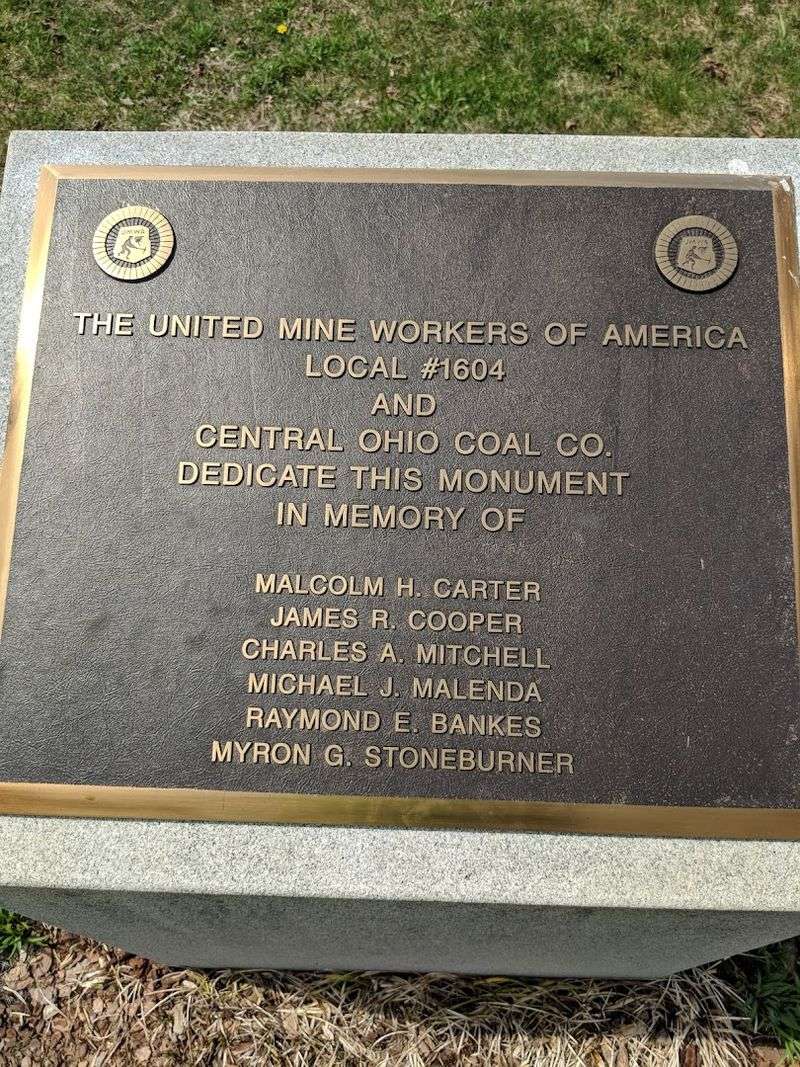
It is easy to stare at the steel and forget the people behind it. The miners, mechanics, and electricians kept this giant alive with skill, caution, and relentless teamwork.
Read the plaques and the names gather like a roster, each person a chapter in a long, demanding book.
Older visitors sometimes trace a finger across the metal, remembering shifts that began before sunrise and ended after dark. Paychecks built houses, bought school clothes, and stocked kitchen shelves, even as lungs, backs, and nerves absorbed the cost.
Honoring that complexity gives the bucket its meaning, a memorial to effort, sacrifice, and pride. You stand there thinking about apprentices who learned by watching veterans, about near misses that became hard lessons, about humor that kept crews steady.
The bucket holds their echoes, and your visit becomes more than sightseeing, it becomes a thank you written in presence. Stay a moment longer here.
6. From Mine To Meadow
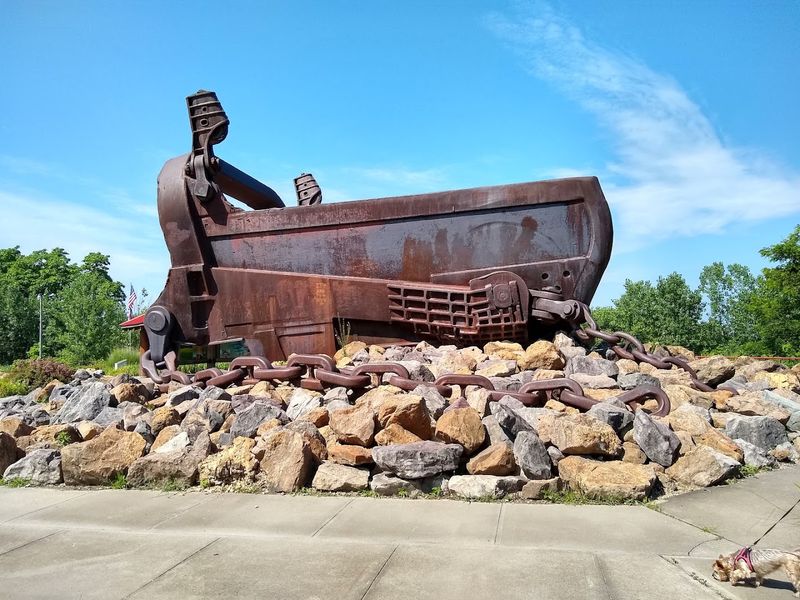
Look beyond the steel and you see green. What was once a scarred strip mine is now part of Jesse Owens State Park, a living case study in reclamation.
Trees, grasses, and songbirds fill spaces that used to thunder with engines, and trails knit the landscape back together.
The bucket complicates the view in a good way, reminding you that progress can carry consequences, and repair requires intention. Educational signs explain how soils were rebuilt and water managed, giving context to the surrounding woods.
You leave with gratitude for electricity and with curiosity about how communities balance need and nature. It helps to sit at a picnic table and simply watch the breeze lift leaves while trucks rumble far away.
That contrast is the lesson here, not a lecture but a scene you feel, a reminder that places can heal when given time and care. Hold that thought driving home.
7. Photo Angles That Work
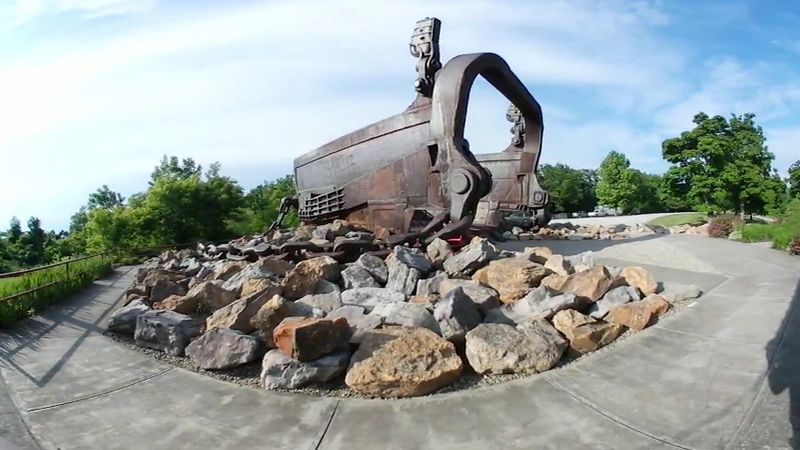
Photos never quite capture the scale, but you can get close with a few tricks. Use a wide lens and place a friend at the lip or by a chain to give the frame a human anchor.
Kneel low and tilt up so the bucket cuts into sky, emphasizing height.
Morning light paints warm tones, while late afternoon carves dramatic shadows across the teeth and inner curve. On cloudy days, colors soften and details pop, which suits black-and-white edits.
Try a timer on the provided camera stand, then step into the scene and let your grin say what numbers cannot. If rain arrives, reflections in small puddles create mirror compositions, so shoot downward as well as up.
At night, do not trespass or disturb wildlife, but consider a quick long exposure from the parking area to catch star fields framing the silhouette. Bring wipes for lenses and fingers in mud.
8. Plan Your Visit Essentials
Admission is free, and the site is typically open during daylight hours, so you can pair it with a scenic drive. There is plenty of parking, including space for campers and big rigs.
Restrooms are vault toilets that vary in condition, so come prepared and keep expectations realistic.
Bring water, snacks, and a blanket for a picnic while you read the signs and watch kids explore inside the bucket. Dogs on leash are common, and there are shady spots for rest on warm days.
Check the official website for updates, events like First Day Hikes, and weather notes before heading out. If crowds gather, wait a beat and you will often get quiet minutes for photos and reflection.
Nearby towns offer fuel and food, but you will not find much at the park itself, which helps keep the focus on the bucket and its story. Pack layers for changeable breezes.
Share this story