Handmade things feel more meaningful when the place behind them invites people to slow down. In Ann Arbor’s Kerrytown area, Spun offers far more than shelves of yarn, giving knitters, crocheters, weavers, and curious beginners a warm, welcoming space to learn, browse, ask questions, and feel inspired.
The shop’s appeal comes from that mix of creativity and connection, especially in a world where so much of daily life happens on screens. It turns a simple craft stop into a chance to build skills, find beautiful materials, and enjoy the quiet satisfaction of making something by hand.
For anyone looking for a cozy Michigan escape with color, texture, and community, this Ann Arbor yarn shop deserves a closer look.
Color, Texture, and a Kerrytown Entrance That Pulls You In
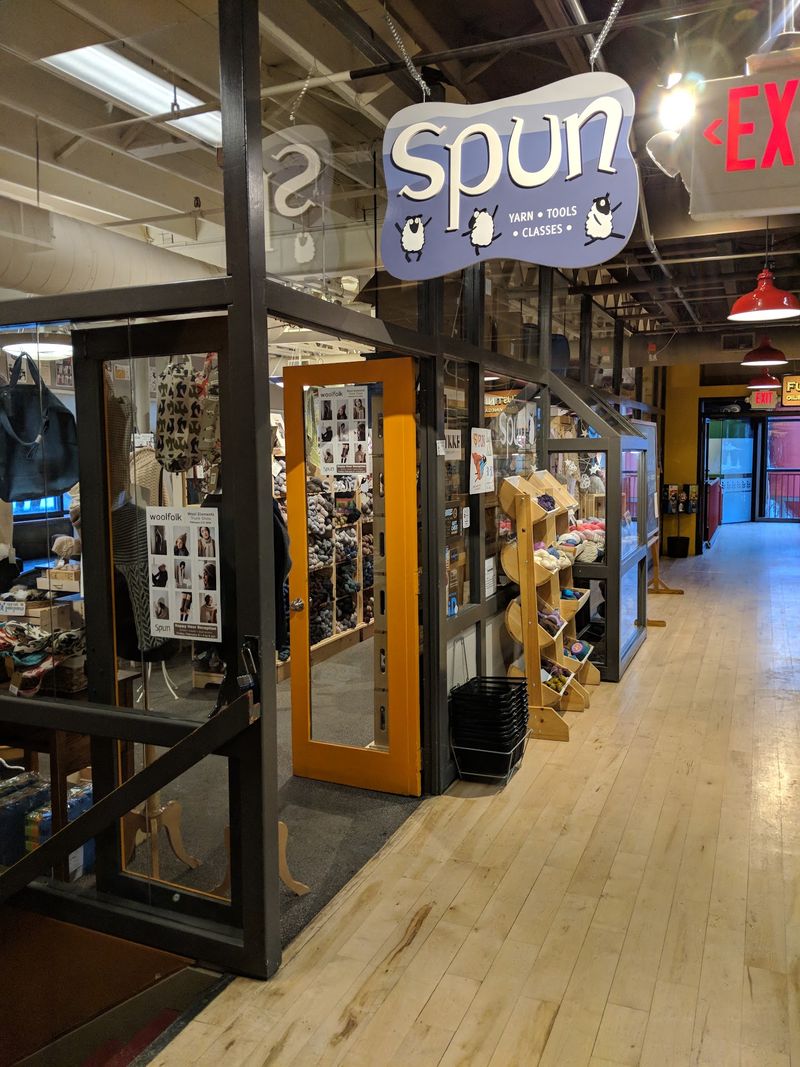
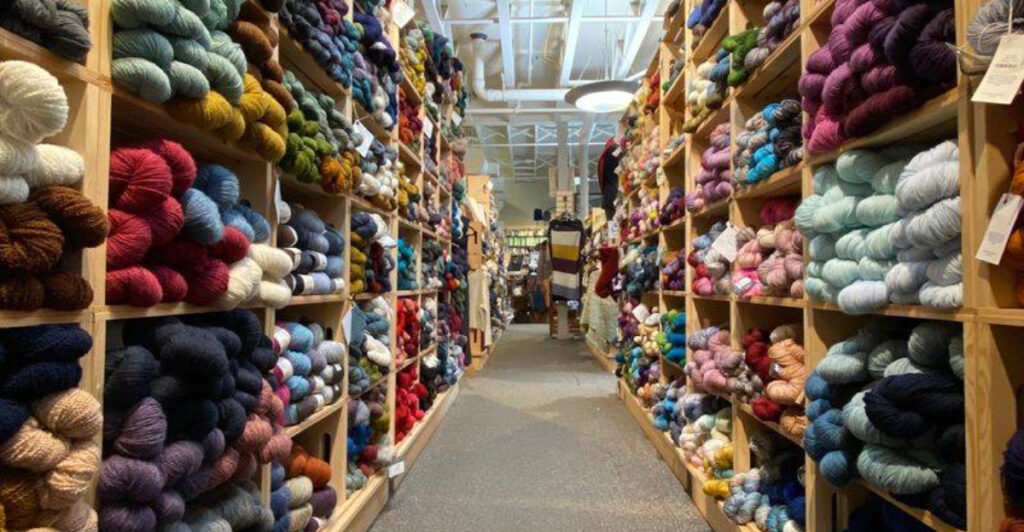
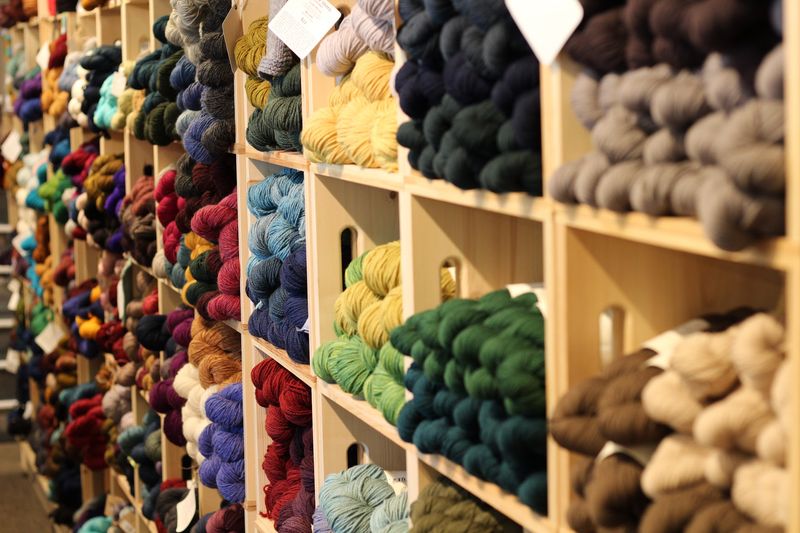
Some shops catch attention with bright signs, but Spun does it with color and texture. Inside Kerrytown Markets & Shops, the store opens into rows of yarn that create an instant sense of possibility, from earthy wool tones to cheerful pops of pink, teal, and gold.
Even before anyone picks up a skein, the visual order helps the whole place make sense.
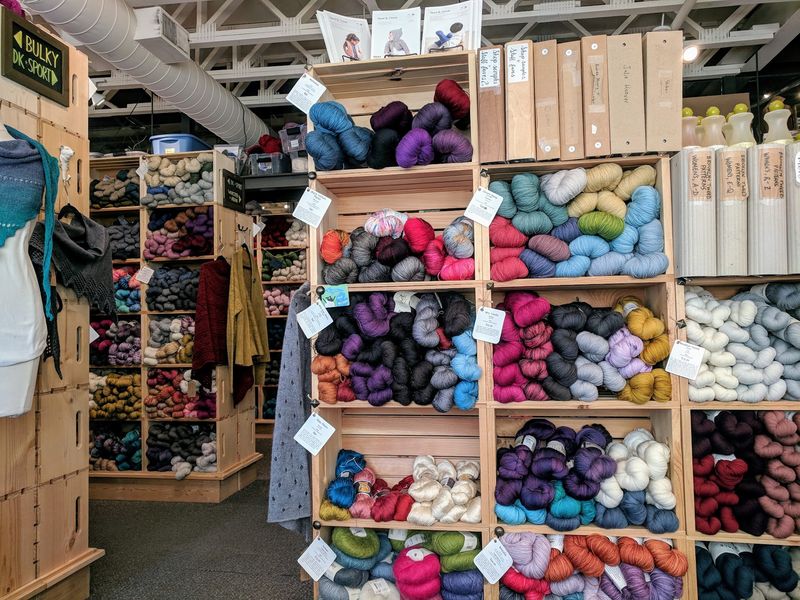
One especially smart detail is how the yarn is organized by weight. That layout helps crafters compare options more easily, especially when planning a scarf, sweater, hat, or blanket and trying to picture how the finished project will behave.
Beginners benefit too, because the shelves do not feel random or chaotic, even when the selection is large.
Samples around the shop add another layer to the experience. A skein on a shelf can look pretty, but a worked-up swatch or finished garment shows how the yarn actually drapes, stretches, and holds stitch definition.
That makes shopping less like guessing and more like planning with confidence.
Spun also sits in one of Ann Arbor’s most walkable shopping districts, which adds to the charm. Kerrytown has an older, tucked-in character, so stepping into a fiber shop there feels fitting rather than staged.
The setting supports the slower pace that yarn shopping deserves.
For anyone visiting for the first time, it helps to pause near the entrance and scan the room before grabbing the first beautiful color in sight. Looking across the shelves, sample pieces, and tools gives a better sense of what the store offers.
At Spun, the first impression is not loud. It is layered, organized, and deeply inviting.
High-End Yarn Without the Guesswork
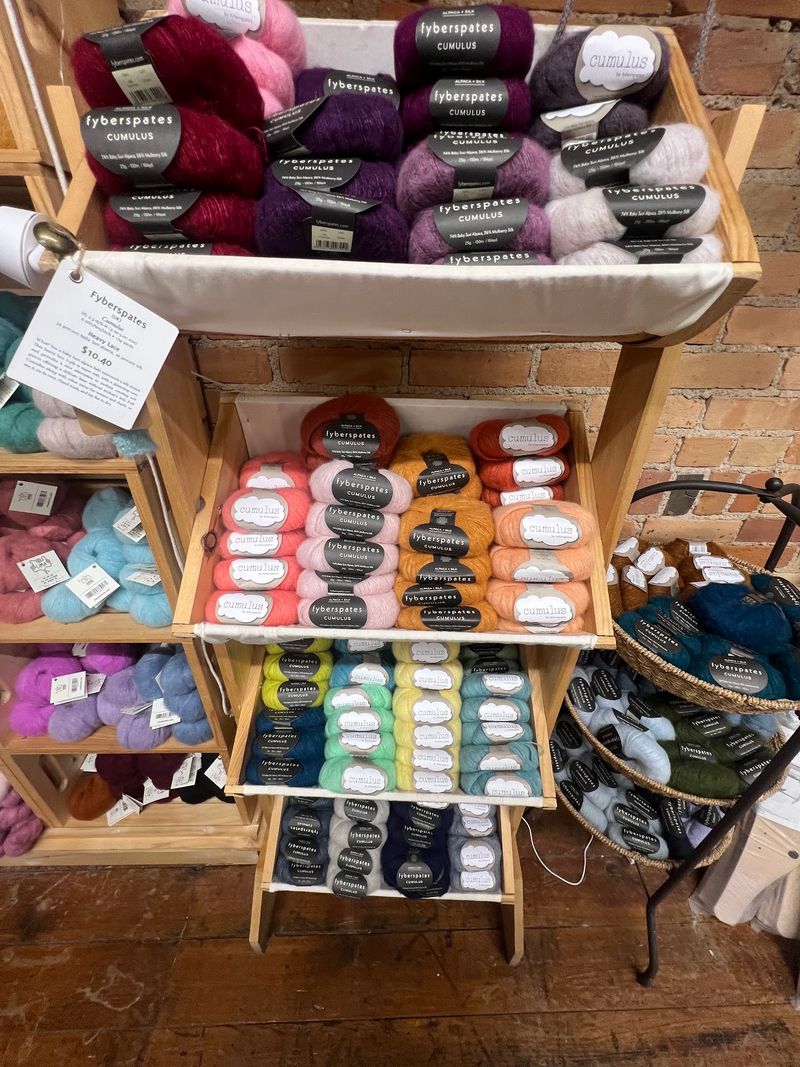
A beautiful skein can be hard to resist, but Spun stands out because the selection goes beyond pretty color. The store is known for high-end yarns and a wide range of fibers, which matters when a project needs warmth, drape, softness, durability, or a certain stitch look.
Shopping here is less about grabbing any yarn and more about matching the right material to the job.
That difference becomes clear when comparing fibers. Wool may be springy and warm, cotton can feel cooler and smoother, and alpaca often brings softness with lovely drape.
Spun gives crafters room to think through those choices instead of treating yarn as one-size-fits-all.
For newer makers, a premium yarn shop can sound intimidating at first. Yet a better-quality yarn often makes stitching easier because the texture is clearer, the strand is more even, and the finished piece can hold up better over time.
Paying attention to fiber content, yardage, and weight helps avoid buying something that looks nice in a skein but behaves poorly once the project begins.
The store also appears strong on practical details like dye lots, which can make or break a larger project. If someone is making a sweater or blanket, close color matching matters across every skein.
Catching that at the store saves a lot of frustration later.
Spun seems especially useful for crafters ready to level up from basic supplies to materials that teach them more about the craft itself. A shop with premium inventory can sharpen decision-making, not just fill a basket.
Instead of leaving with random yarn, shoppers can walk out with a clear plan, the right fiber, and a project that has a better chance of turning out well.
Helpful Hands, Real Answers, and Project-Saving Advice
Every crafter has a moment when a project goes sideways. Maybe the yarn is too stiff, the hook size is wrong, or the color looked different once the skeins were lined up together.
Spun earns attention because it appears built for those moments, with a reputation for knowledgeable help that goes beyond a quick answer at the register.
Practical guidance matters in a yarn shop more than in many other stores. A staff member who can explain yarn weight, fiber behavior, dye lots, needle sizes, or project substitutions can save time, money, and disappointment.
That is especially important for beginners, who may know what they want to make but not yet understand how materials affect the result.
One useful example is checking dye lots for sweater quantities. Another is helping match a pattern to a yarn that works in real life, not just on a label.
Even simple services, like winding yarn after purchase, remove a barrier and let the crafting start sooner.
Shops like Spun also matter because online searches cannot answer every hands-on question. Screens can show color names and fiber percentages, but they cannot place a skein in someone’s hand or compare texture side by side across a whole wall of choices.
A good yarn store turns uncertainty into a conversation.
For visitors, the smartest approach is to arrive with a little information. Bring a pattern, know the rough yardage, and mention whether the project needs washability, softness, stretch, or structure.
That gives the staff something concrete to work with.
Spun’s strongest feature may be its ability to help crafters move from confusion to clarity. Instead of browsing alone and hoping for the best, shoppers can ask real questions and leave with better tools, better yarn, and fewer future headaches sitting in a half-finished project bag.
More Than Knitting: Notions, Fiber Tools, and Unexpected Finds
Yarn may be the star at Spun, but the supporting cast deserves attention too. A strong notions selection can quietly turn a good yarn store into a truly useful one, and this shop appears to understand that well.
Needles, hooks, tools, and other small essentials often decide whether a project moves forward smoothly or stalls out halfway.
That matters because crafters rarely need just one thing. A person may come in for yarn, then realize a circular needle length is wrong, a stitch marker set has vanished into the couch, or a project needs a better hook size than expected.
Having those pieces nearby makes the shopping trip more complete and far less frustrating.
Spun also seems to branch beyond standard knitting supplies. Mentions of roving, weaving, alternative fiber crafts, and kits suggest a store that welcomes curiosity rather than narrowing itself to one lane.
That kind of range can be exciting for experienced makers who want to try spinning, weaving, or another textile skill without hunting across several stores.
Small extras help, too. Sample projects can spark ideas, while artful cards and giftable items add a playful edge that breaks up the shelves of supplies.
The mix keeps the shop from reading like a warehouse. It stays practical, but it also leaves room for delight.
For shoppers, the best plan is to check the tools section before heading to the register. It is easy to focus on fiber and forget the tiny items that make stitching easier, such as tapestry needles, row counters, measuring tools, or storage helpers.
Replacing one missing notion can rescue a whole afternoon of crafting.
Spun seems especially good at serving both the planned purchase and the unexpected discovery. One shelf may solve a problem, while another opens a new hobby.
That balance gives the store energy and keeps the experience fresh even for regulars.
A Michigan Craft Stop With a Strong Community Pulse
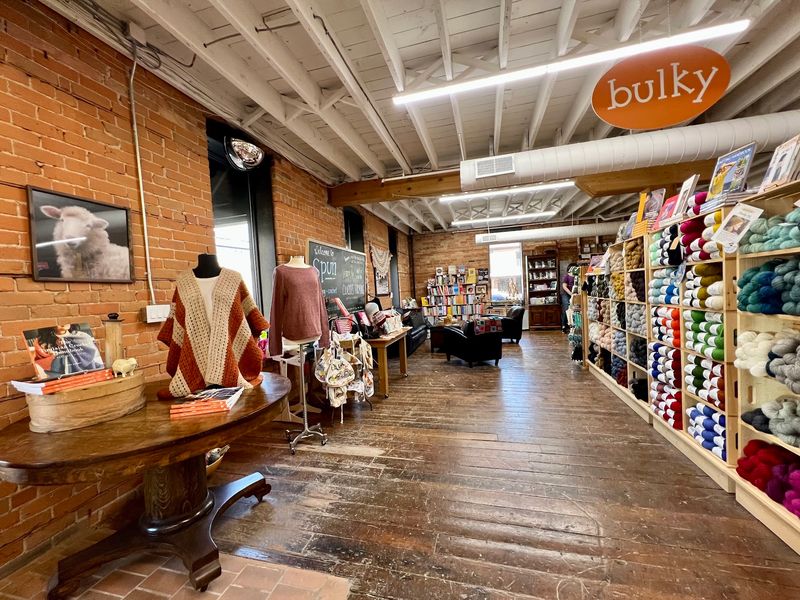
Not every retail space creates a sense of belonging, but Spun appears to do more than sell materials. Classes, drop-in crafting, and regular project help give the store a community role inside Ann Arbor’s fiber scene.
That changes the energy of the place because people are not only shopping there, they are learning there too.
For beginners, that kind of setup can make starting a craft much less intimidating. Learning crochet or knitting from a class offers structure, clear demonstrations, and the chance to ask questions in real time.
A new maker can go from staring at a confusing pattern to actually building skill with yarn in hand.
More experienced crafters benefit in a different way. A drop-in session or casual sit-and-stitch gathering offers company, accountability, and a place to troubleshoot problems before they grow.
Fiber crafts are often calming solo hobbies, but they can also be deeply social when people swap tips, compare progress, or admire each other’s color choices.
Spun’s location in Kerrytown helps this role make sense. It sits within a neighborhood known for browsing, conversation, and local business energy, so a community-focused yarn store fits naturally into the rhythm of the area.
The setting supports repeat visits instead of one-and-done shopping.
Anyone hoping to enjoy the social side should think beyond a fast errand. Checking the schedule, asking about classes, or visiting during a crafting session can reveal a very different side of the store.
The shelves stay the same, but the experience becomes more interactive.
There is also practical value in community. Skills pass from person to person much faster when crafters can see techniques up close, ask follow-up questions, and share solutions.
At Spun, the social layer seems woven into the business itself, turning a yarn run into a place where hobbies can grow roots and routines can take shape.
How to Shop Smart at Spun Without Getting Overwhelmed
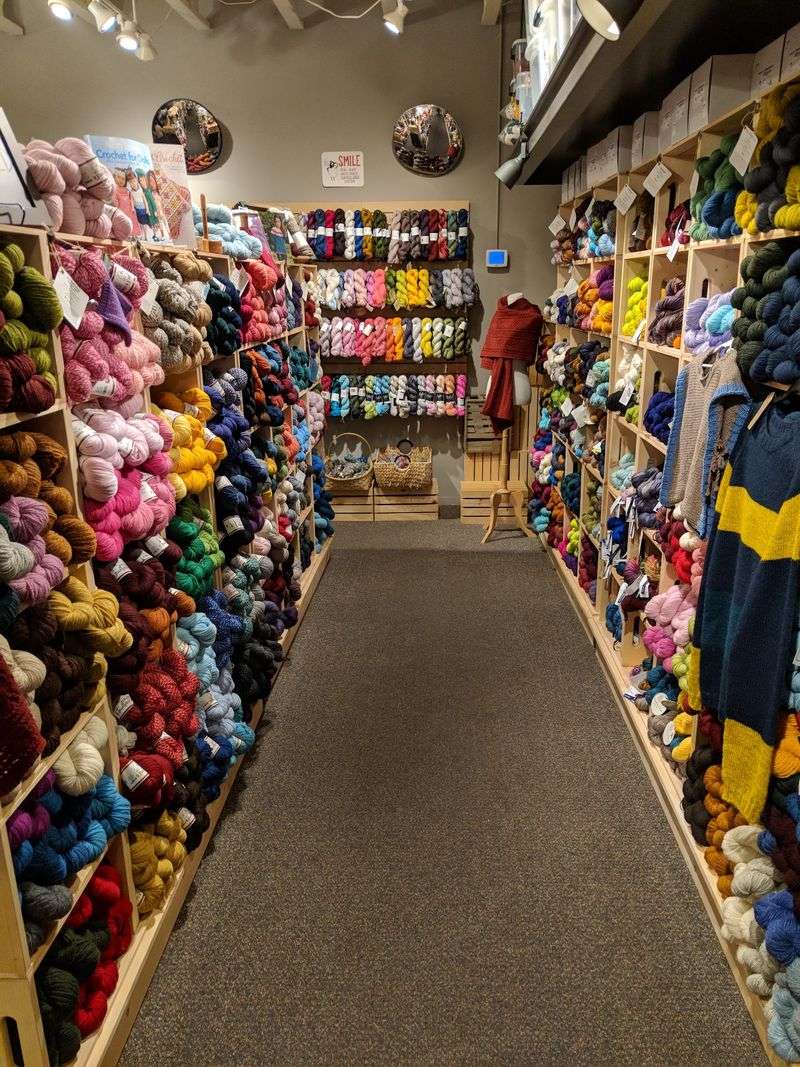
Walking into a well-stocked yarn store can be thrilling, and a little intimidating too. Spun appears to have enough variety that even seasoned crafters may need a minute to get their bearings.
That is not a drawback, but it does mean a little strategy can turn a fun browse into a much better shopping trip.
Start with the project, not the prettiest skein. A sweater, baby gift, dishcloth, shawl, or weaving project will each ask for different traits, and the right yarn depends on those needs.
Bringing a pattern, gauge information, yardage target, or at least a clear goal helps narrow choices fast.
Next, use the store’s organization to your advantage. If yarn is grouped by weight, compare options within that section before jumping between shelves.
That makes it easier to judge texture, fiber, color range, and price at the same time.
It also helps to leave room for conversation. Asking about dye lots, substitute fibers, wash care, or whether more of a yarn can be ordered can prevent avoidable mistakes.
For larger projects, double-checking quantity before checkout is a smart habit.
Shoppers who feel overwhelmed by premium choices should remember that touching yarn is part of the process. Pick up a few realistic options, read the labels, and think about who will use the finished item.
A hat for winter walks and a summer top do not need the same qualities.
Timing can shape the visit as well. A quieter hour may be best for detailed questions, while a busier community period can be more fun if the goal is inspiration and atmosphere.
Spun’s broad selection rewards both styles of shopping, as long as the shopper knows which experience they want that day.
Handled well, the store’s abundance becomes a strength. Instead of causing decision fatigue, it creates room for better choices, sharper planning, and a project bag filled with materials that truly fit the idea.
Best Times, Best Pace, and Why the Visit Fits Ann Arbor So Well
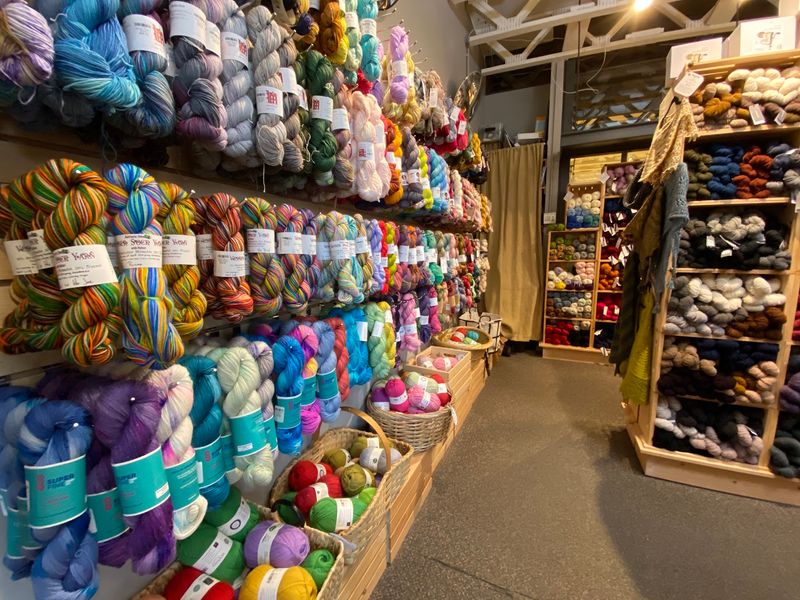
Some places are best treated like quick errands, but Spun seems better suited to a slower pace. Its hours offer flexibility across the week, with longer evening availability on several weekdays and daytime access on weekends.
That makes it easier to plan a visit around work, classes, or a relaxed afternoon in Kerrytown.
Friday and Saturday can be good for turning the trip into part of a broader neighborhood outing. Kerrytown invites walking, browsing, and lingering, so a yarn stop can pair naturally with time spent exploring the surrounding shops and market atmosphere.
Instead of driving in and out, visitors can let the district shape the day.
Weekday visits may work better for shoppers who want focused help with a pattern or a larger project. A calmer moment can make it easier to compare yarns, ask detailed questions, or gather supplies without feeling rushed.
That is especially useful for sweater knitters, first-time crocheters, or anyone choosing among several fibers.
Sunday has its own appeal because the shorter day still leaves room for a cozy craft errand. A softer end-of-week visit can be ideal for picking up fresh inspiration before settling in at home with needles or hooks.
For some crafters, that timing can reset the whole week.
Spun also benefits from being in Ann Arbor, a city that values independent businesses, learning, and niche hobbies. A thoughtful yarn store makes sense here in a way that feels rooted rather than trendy.
The shop’s craft focus lines up with the area’s creative, curious character.
Anyone planning a first trip should leave extra time, even if the shopping list seems short. Yarn stores reward unhurried decisions, and this one appears rich in details that are easier to appreciate when the clock is not pressing.
In the right time slot, Spun becomes more than a stop for supplies. It becomes part of an Ann Arbor day well spent.
Why Spun Stands Out in a World of Fast Shopping
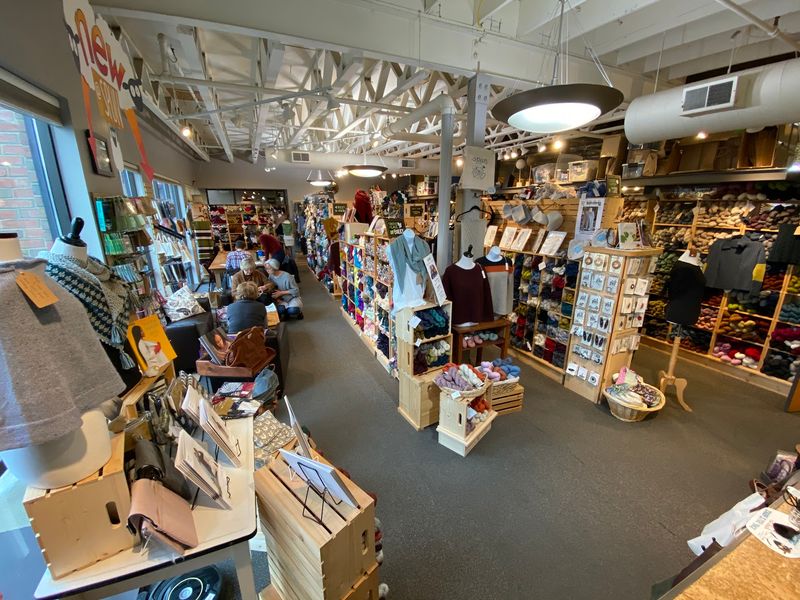
In a time when almost anything can be ordered online in minutes, Spun offers a different kind of value. The shop gives crafters a chance to compare fibers by touch, study colors under real light, and ask questions before committing to a project.
That hands-on experience is difficult to replace, especially with materials that behave so differently from one another.
There is also a clear local-business advantage. A specialized store can carry knowledge alongside inventory, which means a shopper is not sorting through endless search results alone.
Spun appears to function as both a supply source and a practical guide for knitting, crochet, weaving, and related fiber crafts.
Its strongest quality may be the combination of range and support. Plenty of stores have nice products, and plenty of websites offer convenience, but fewer places can pair premium yarn, useful notions, class opportunities, and real-time project help under one roof.
That mix makes the shop useful for serious makers while still welcoming newer ones.
The setting adds another layer. In Kerrytown, the store becomes part of a neighborhood experience shaped by walking, browsing, and local character.
The visit is not just about checking an item off a list. It becomes part of how the day unfolds.
For Michigan travelers who like handmade goods, or for Ann Arbor locals wanting a creative reset, Spun offers a refreshingly specific kind of escape. It is quiet without being sleepy, curated without being stiff, and practical without losing a sense of fun.
That balance is not easy to build.
Plenty of shops sell yarn. Spun appears to sell momentum, too: the push to start a first scarf, finish a sweater, try a new fiber, or finally ask for help on a stuck project. That is why the store stands out. It supports the craft itself, not just the purchase.
Share this story